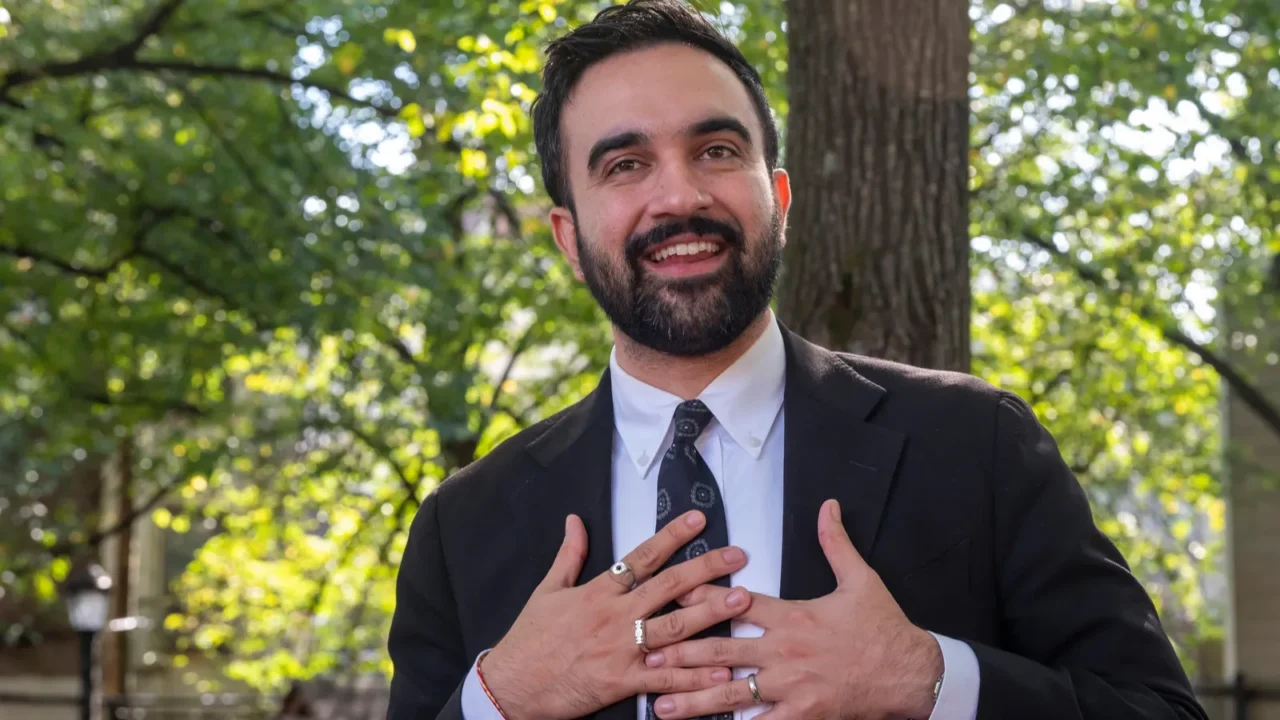
Zohran Mamdani tax proposal overview
Zohran Mamdani has publicly proposed raising taxes on New York’s wealthiest residents and on profitable corporations as part of a broader effort to increase revenue for city priorities. Zohran Mamdani’s policy approach reflects broader debates around affordability, inequality, and public spending priorities in urban areas. The proposal has drawn attention from economists and policy analysts across the country.
New York City remains a major global travel destination, attracting millions of visitors annually for business and leisure. Tax policy debates can shape broader discussions about affordability, investment, and economic activity, though the real effects depend on how any final policy is adopted and implemented.
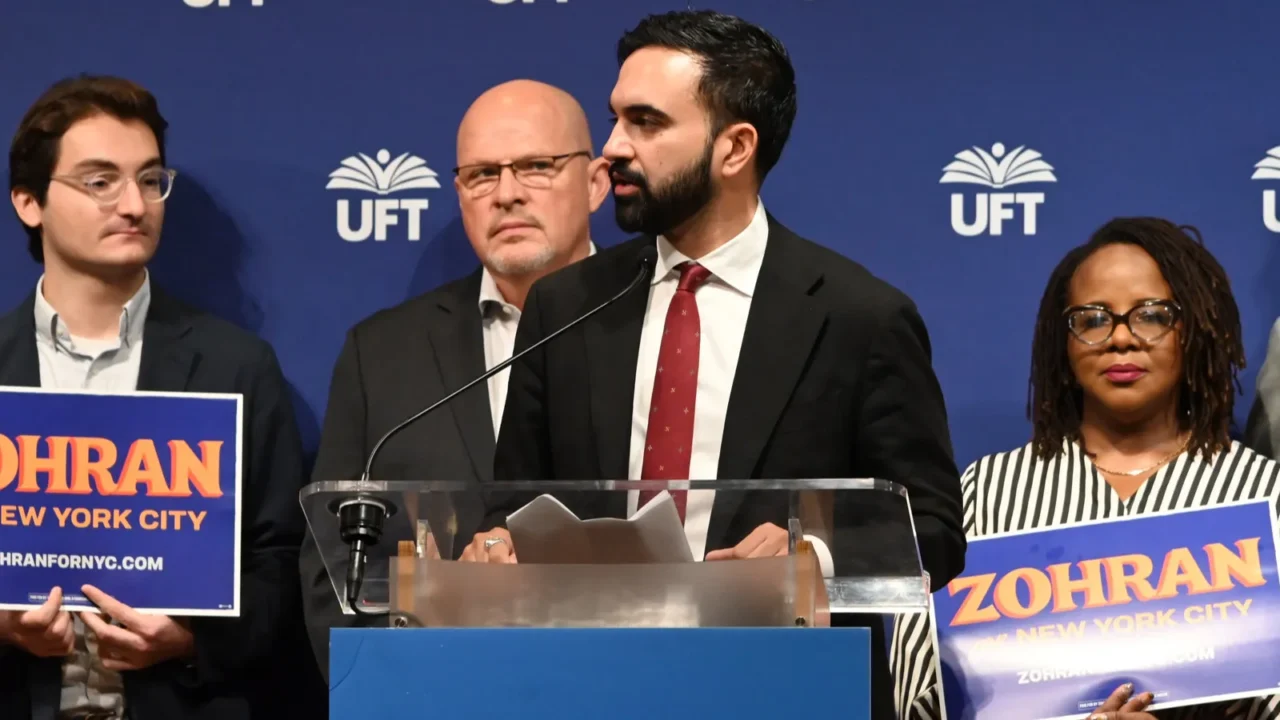
Mamdani plan draws attention
Mamdani’s tax plan has sparked discussions among residents considering relocation within or outside New York. Mamdani’s proposals focus on increasing taxes for high-income earners while expanding funding for public services. Supporters argue the plan could improve infrastructure and social programs.
Cities like New York and San Francisco often see migration trends influenced by cost factors and tax policies. Travelers who frequently visit these cities may also notice changes in pricing for accommodations and services. Economic shifts can shape both living and travel experiences.

Relocation trends in focus
Mamdani’s policy discussions come at a time when relocation trends across the United States are evolving. Mamdani’s proposals reflect a larger debate over how tax policy can affect affordability, investment, and long-term location decisions. Analysts often link tax structures with migration patterns between states.
States like Florida and Texas have posted strong population growth in recent years, often drawing attention in debates about affordability, job markets, housing, and tax policy. These states also remain popular travel destinations for vacationers and seasonal visitors. Travel and relocation trends often intersect in shaping regional economies.
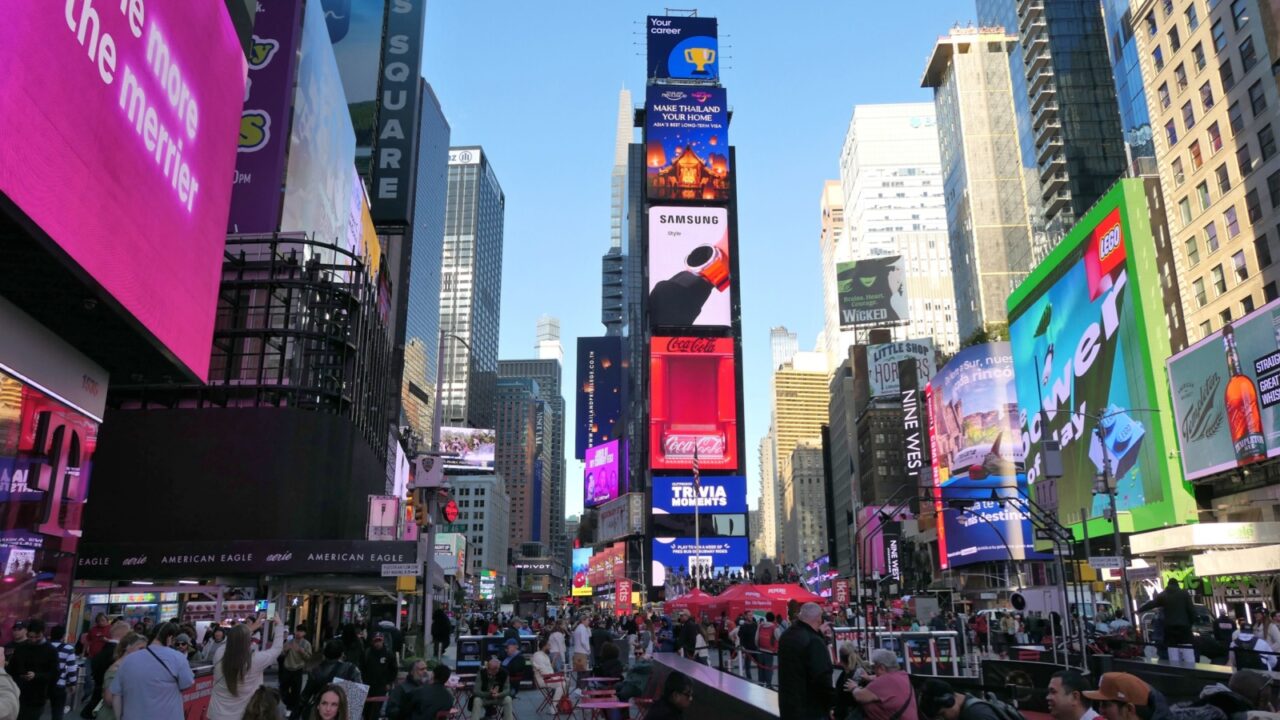
Cost of living concerns
Mamdani’s tax proposals are closely tied to ongoing discussions about the cost of living in New York City. Mamdani aims to address affordability challenges through increased public investment. Critics argue that higher taxes may raise costs for certain residents and businesses.
Travelers visiting New York often experience higher prices for hotels, dining, and entertainment. Changes in taxation can influence these costs over time. The city’s global appeal continues despite affordability challenges.
Business climate implications
Business groups and policymakers are assessing how Mamdani’s tax proposals could affect New York’s investment climate and fiscal outlook. Mamdani’s proposals include measures that could increase corporate tax contributions. Business leaders are assessing potential impacts on investment and job growth.
Major companies headquartered in New York play a role in supporting tourism and travel infrastructure. Changes in business activity can influence hotel development and transportation services. Economic conditions often shape the visitor experience in large cities.

Migration data highlights
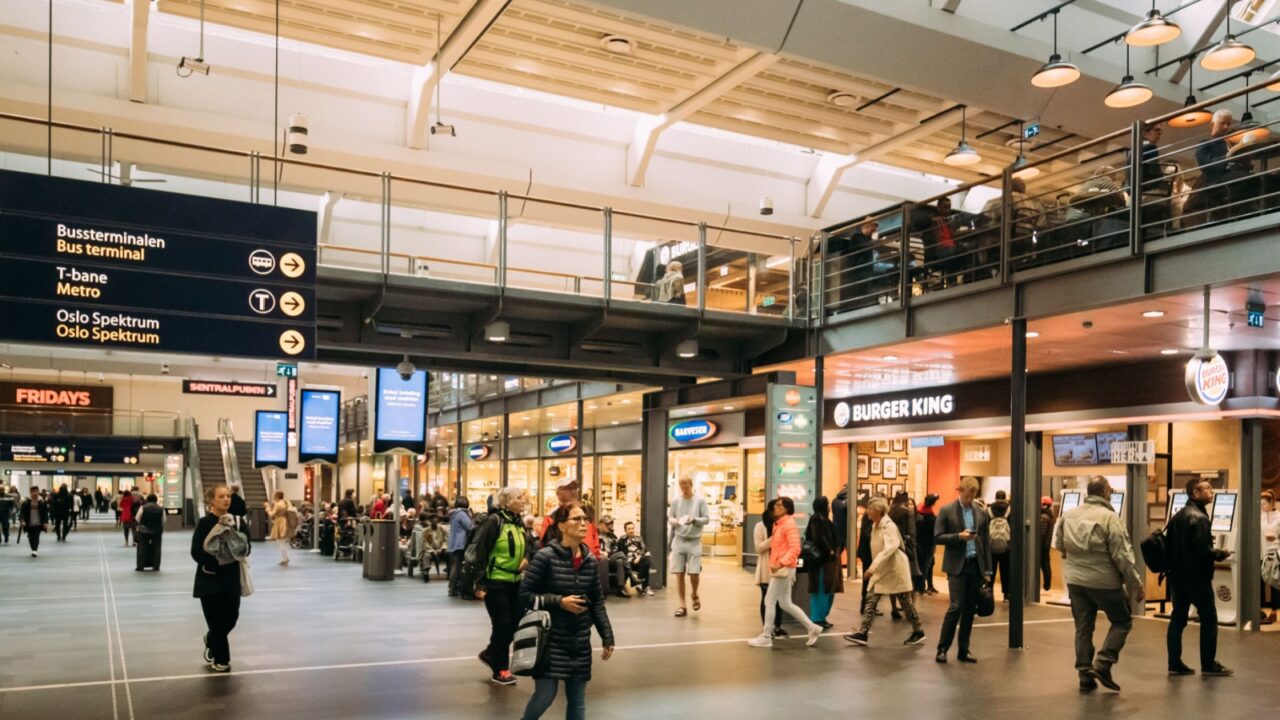
Mamdani’s proposals are being discussed alongside national migration trends linked to tax differences. Mamdani’s policy debate reflects broader economic shifts influencing population movement. Data shows that residents often relocate based on financial considerations.
Fact: States with lower tax burdens have gained population in recent years, especially states like Florida and Texas, highlighting how tax structures can influence relocation decisions and travel patterns.
Travel economy connections grow
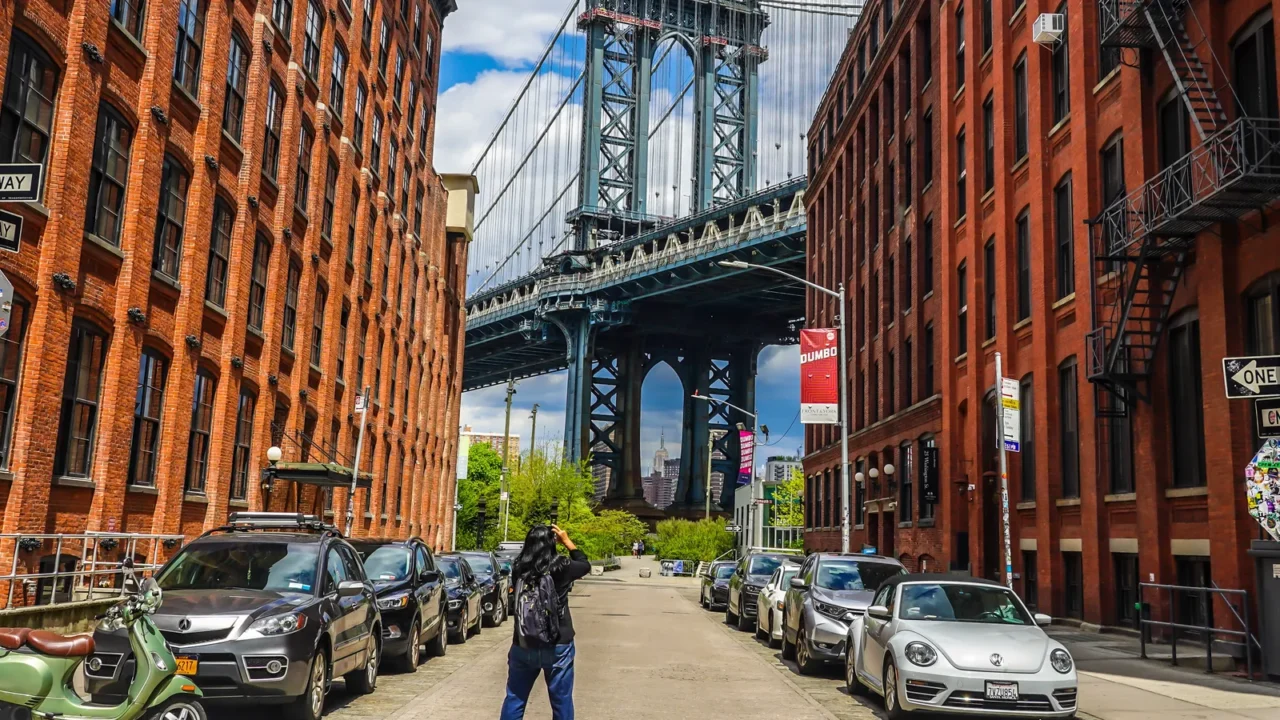
Mamdani’s tax plan also connects to the broader travel economy in New York City. Mamdani’s proposals could influence public funding for infrastructure that supports tourism. Improved transit and public services may enhance visitor experiences.
Fact: NYC welcomed about 64.3 million visitors in 2024, showing how tourism remains a major economic driver and is closely tied to business activity and infrastructure across the city.
Housing market reactions rise
Mamdani’s tax proposals have become part of wider discussions about New York’s housing affordability and development climate. Real estate analysts are closely monitoring these developments.
Visitors staying in areas like Manhattan and Brooklyn often experience high accommodation costs. Housing trends can influence hotel pricing and short-term rental availability. These factors play a role in shaping travel decisions.

Regional comparisons increase interest
Mamdani’s policy debate has prompted comparisons with other major cities across the United States. Mamdani’s proposals are being evaluated alongside tax systems in cities like Miami and Austin. These comparisons influence both relocation and travel choices.
Travelers often compare destinations based on affordability and overall experience. Cities with lower costs may attract more visitors seeking value. Economic factors continue to shape travel preferences.
Transportation infrastructure considerations
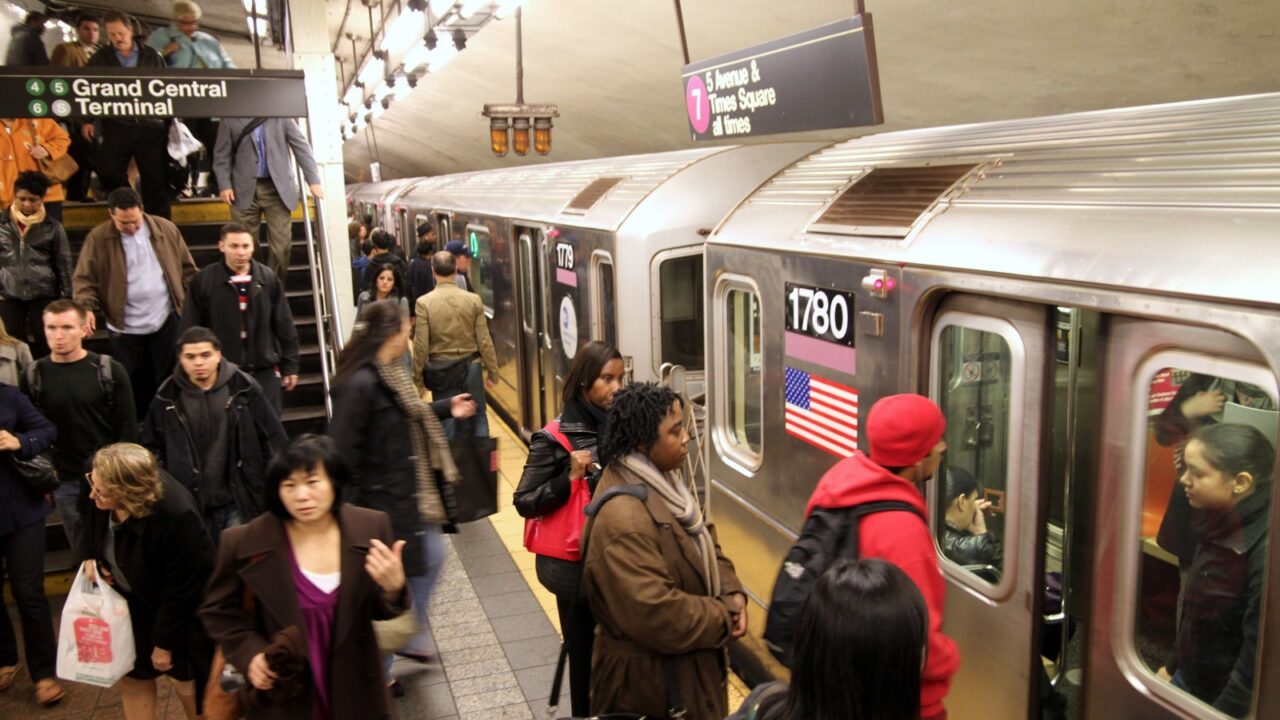
Mamdani’s plan includes broader discussions about funding public transportation improvements. Mamdani’s policies may support transit systems that benefit both residents and visitors. Reliable transportation is essential for urban mobility.
New York’s subway system and airports serve millions of travelers each year. Investments in infrastructure can enhance connectivity and travel efficiency. Transportation quality often impacts tourism satisfaction.

Economic outlook remains mixed
Mamdani’s proposals have created a mixed outlook among economists and policymakers. Mamdani’s tax plan is seen as both an opportunity for investment and a potential challenge for competitiveness. Opinions vary across different sectors.
Travel-related industries often adapt to changing economic conditions in major cities. Hotels, airlines, and attractions monitor these developments closely. Economic stability plays a key role in maintaining strong tourism flows.
Visitor experience implications emerge
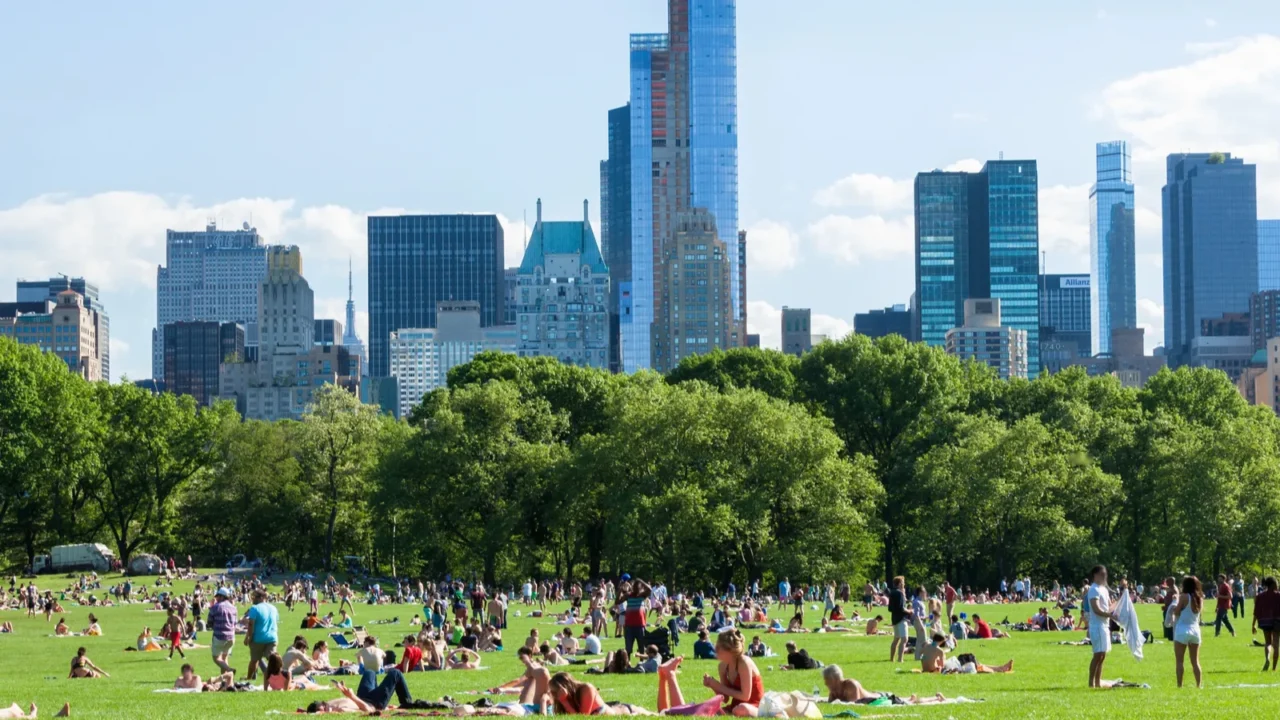
Mamdani’s tax discussions may indirectly influence visitor experiences in New York City. Mamdani’s policies could shape pricing and service availability in tourism-related sectors. Visitors may notice changes over time, especially as the rising cost of living in New York continues to push some longtime residents toward financial strain and relocation decisions.
Destinations like Times Square and Central Park remain major attractions regardless of policy shifts. The city continues to offer diverse experiences for travelers. Economic factors contribute to how these experiences evolve.
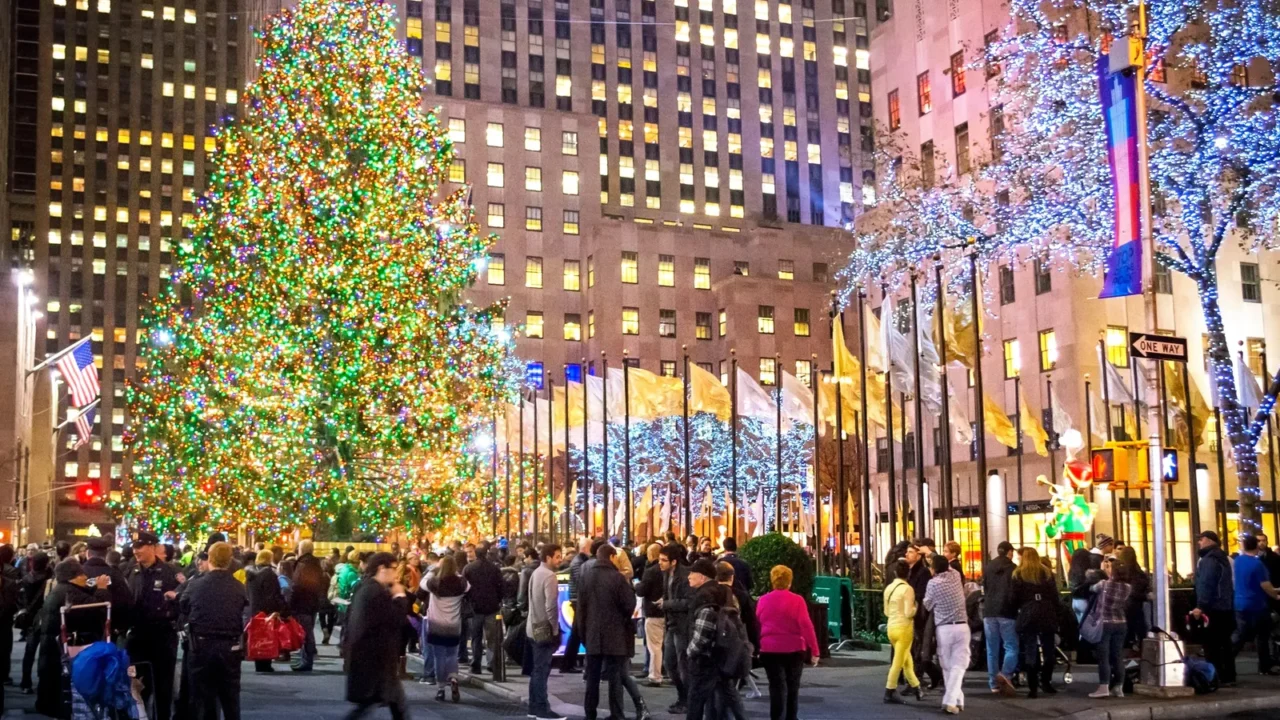
Future outlook for travelers
Mamdani’s tax proposals remain part of ongoing policy discussions in New York. Mamdani’s approach reflects broader debates about balancing growth, affordability, and public investment. The outcome may influence both residents and visitors.
Travelers continue to view New York City as a leading global destination for culture and business. Policy changes may shape costs and infrastructure over time. The best trips are the ones that balance comfort and discovery.
How much should tax policy matter when people compare the affordability and appeal of major U.S. cities? Share your thoughts below.
This slideshow was made with AI assistance and human editing.
Don’t forget to follow us for more exclusive content right here on MSN.
Read More From This Brand:
