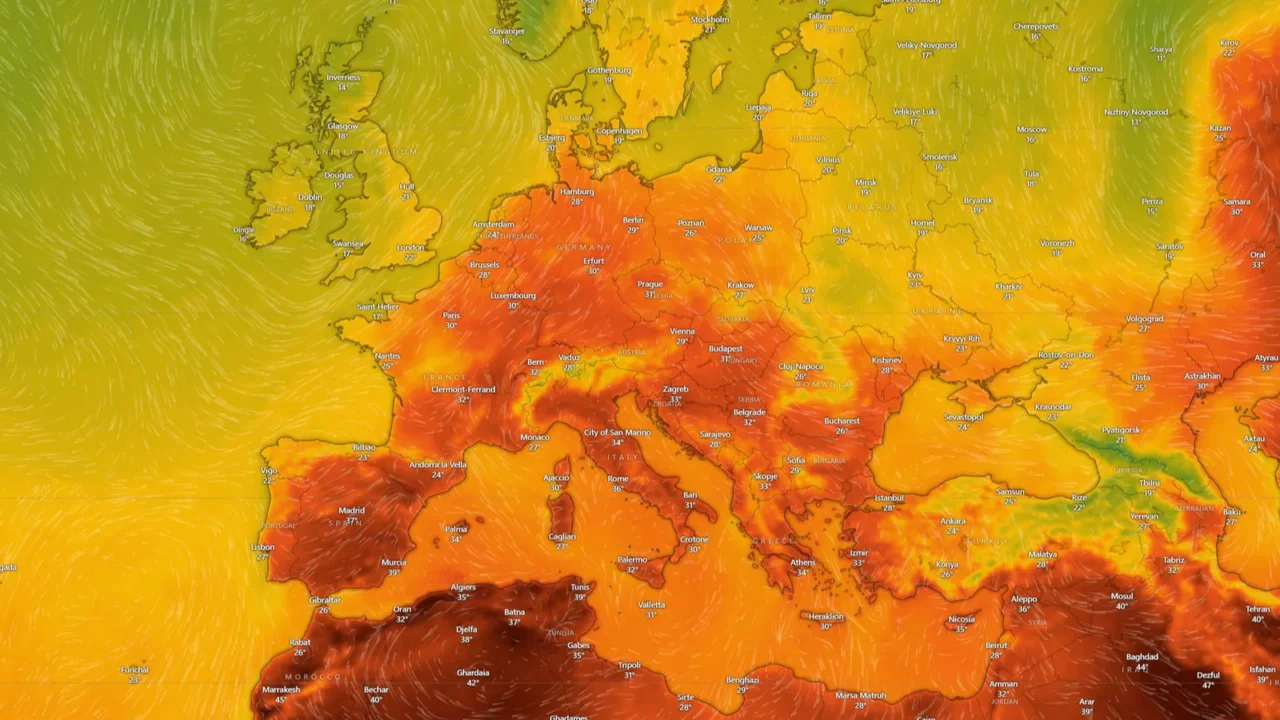
Shifting heat map
The latest heatwave outlook across the United States highlights a shifting pattern of extreme temperatures affecting multiple regions with increasing frequency.
Meteorologists assess heat risk using factors such as atmospheric pressure patterns, ocean conditions, soil moisture, and long-term temperature trends. These signals help forecasters identify regions more likely to experience unusually hot conditions in the months ahead.
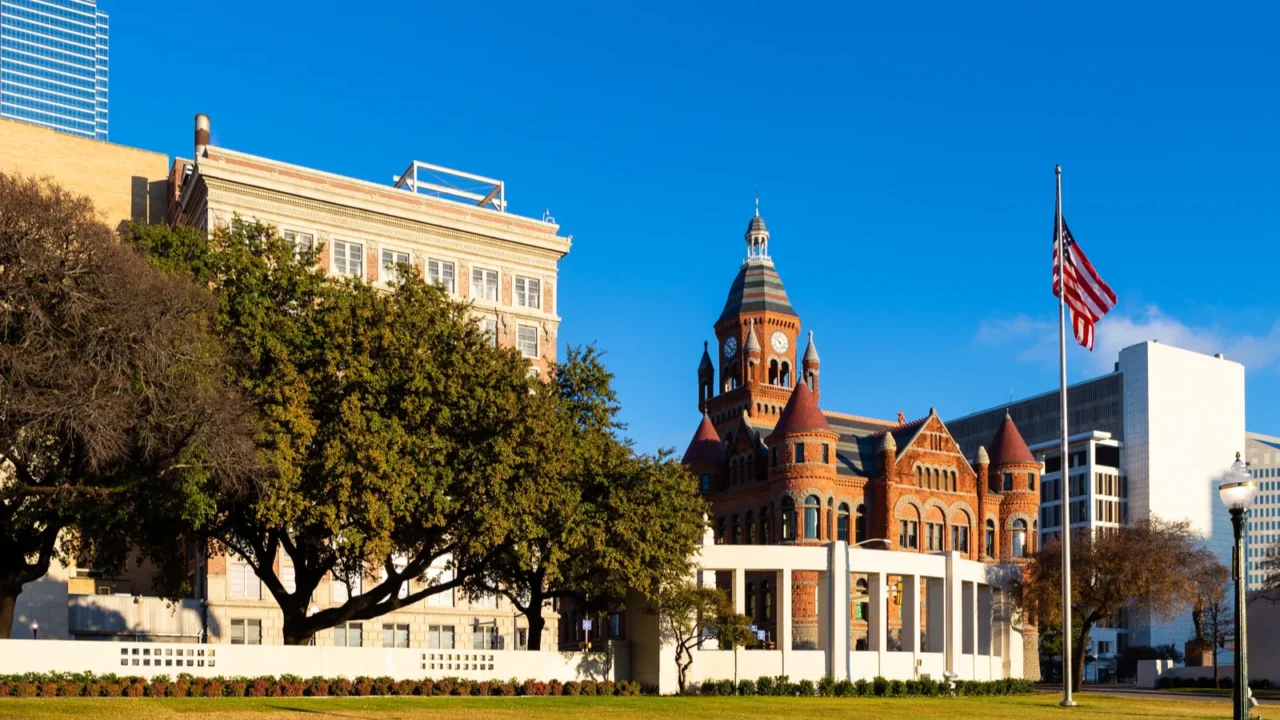
Texas heat rising
Texas stands at the forefront of intensifying heatwaves, with prolonged high-pressure systems trapping warm air across its vast plains and cities.
Urban areas like Dallas and Houston face amplified temperatures due to concrete landscapes, while rural zones experience drought stress, making the state a critical indicator of broader climate shifts unfolding across southern regions with significant implications for agriculture, water supply, and public health resilience planning efforts statewide.
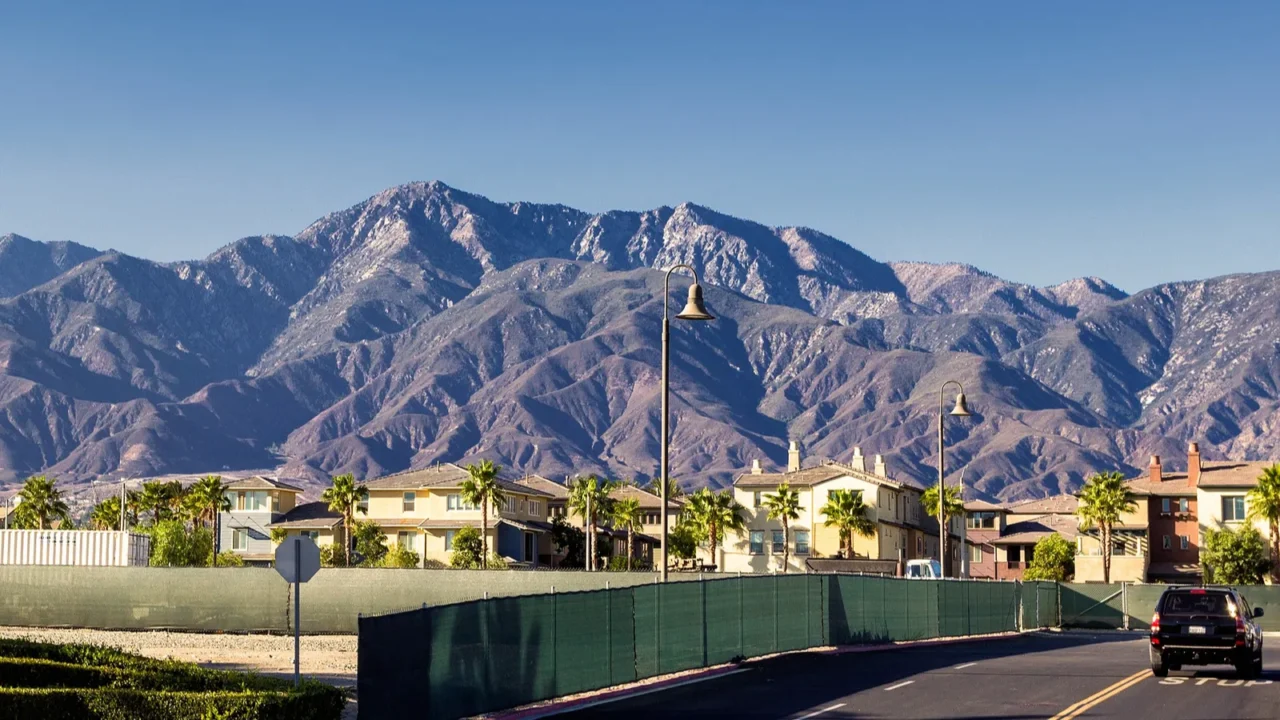
California burning trends
California continues to experience extreme heat patterns that stretch beyond seasonal expectations, particularly across inland valleys and desert regions.
The combination of dry air, reduced snowpack, and recurring drought intensifies heat retention, increasing wildfire risks and straining water systems, while coastal regions offer limited relief, creating uneven exposure that reflects how geography shapes vulnerability to prolonged heat events across the western United States in increasingly complex and concerning ways.
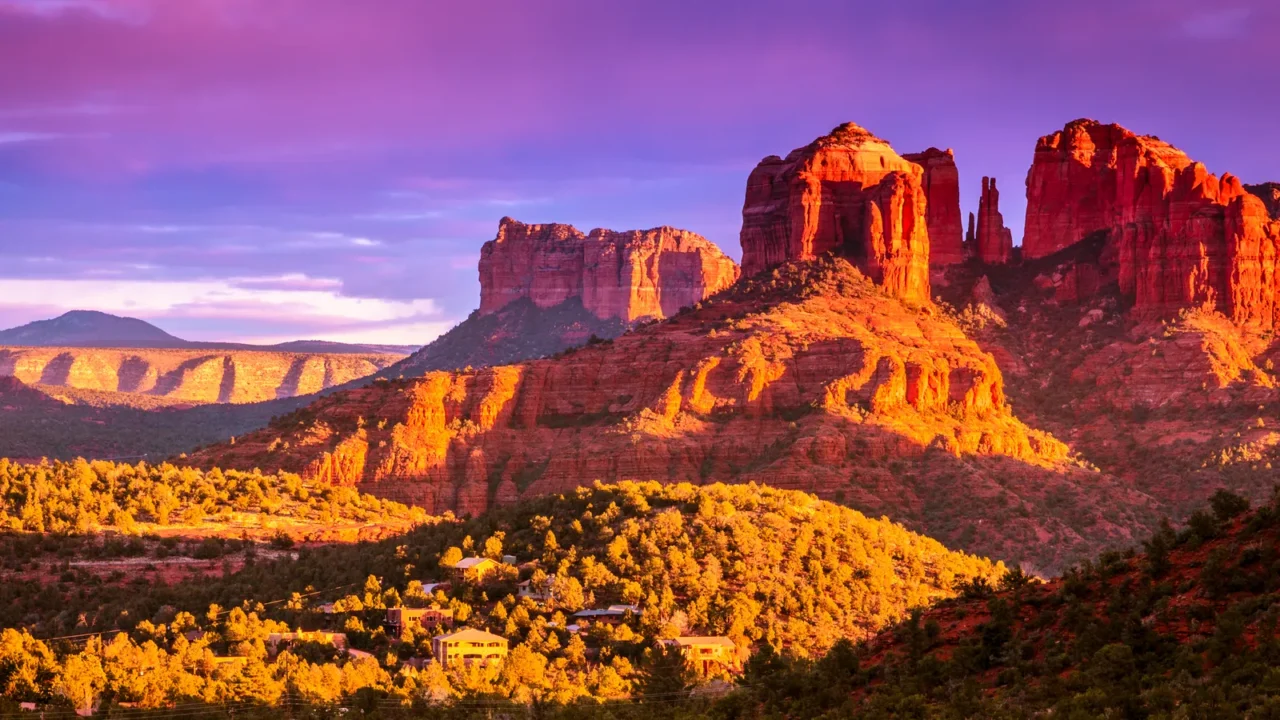
Arizona desert surge
Arizona remains one of the most heat-exposed states, where desert climates naturally amplify rising temperature extremes during prolonged summer months.
Cities like Phoenix regularly break temperature records, with nighttime heat offering little recovery, intensifying health risks and energy demands, as climate patterns push already hot regions into more dangerous territory, redefining what extreme heat means for residents adapting to harsher and longer-lasting seasonal conditions across the southwestern United States today.

Florida humid heat
Florida faces a different kind of heatwave, where humidity intensifies how temperatures are experienced by the human body. Coastal moisture can drive heat index values higher in Florida, making hot weather feel more dangerous, especially in densely populated areas where cooling access and heat exposure vary widely. That makes Florida a strong example of how heat and humidity together can increase health risks across the Southeast.
Fact: Humidity makes temperatures feel hotter because the heat index combines air temperature and moisture, as explained in the National Oceanic and Atmospheric Administration heat index data.
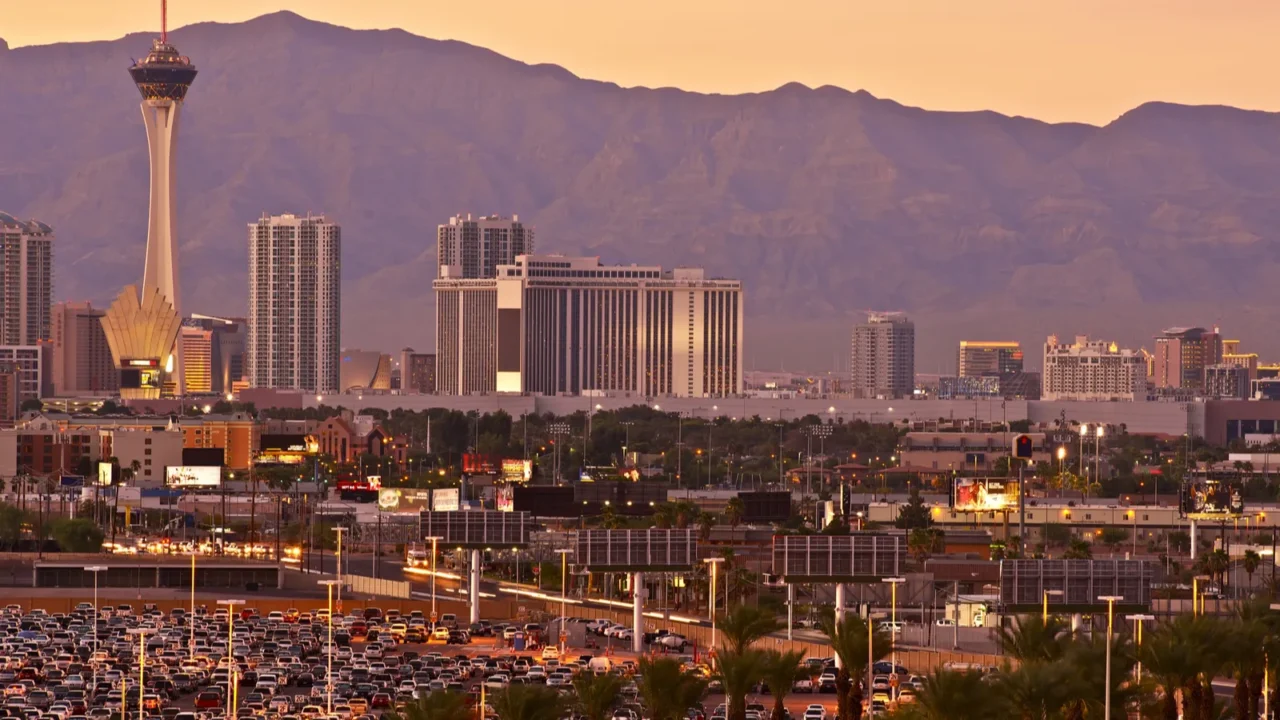
Nevada dry extremes
Nevada’s arid environment makes it highly vulnerable to escalating heatwaves that push already extreme temperatures even higher.
Las Vegas experiences prolonged dry heat conditions that strain water resources and energy systems, while surrounding desert landscapes reflect heat intensely, amplifying exposure, making Nevada a stark illustration of how limited moisture and sparse vegetation contribute to severe heat accumulation across regions already operating at the edge of climatic tolerance in modern environmental conditions.
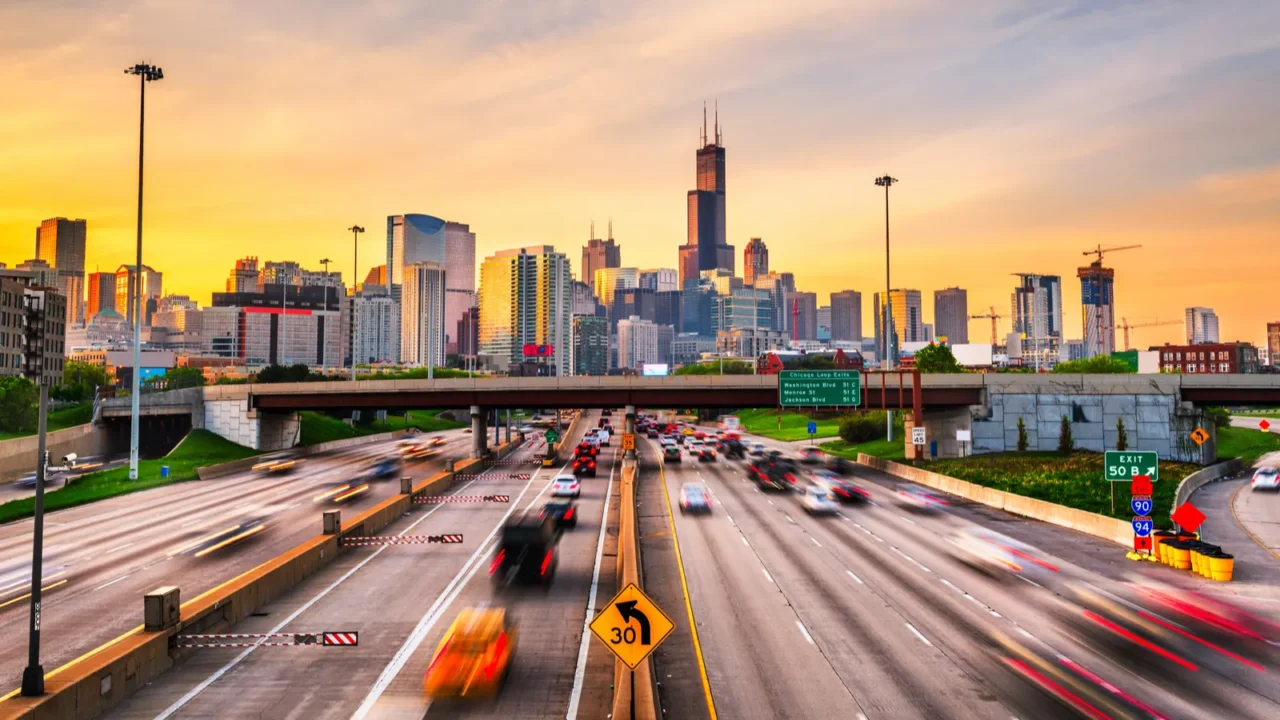
Midwest warming shift
The Midwest is increasingly appearing on heatwave maps, signaling a shift from historically moderate summers to more intense temperature spikes.
States like Illinois and Missouri now experience longer heat periods, impacting agriculture and infrastructure, as humidity combines with rising temperatures, creating uncomfortable and sometimes dangerous conditions that challenge traditional expectations of the region’s climate stability and highlight broader changes occurring across central parts of the United States in recent years.

New York heat pressure
New York is seeing more frequent heatwaves, particularly in urban environments where heat becomes trapped within dense infrastructure. The urban heat island effect raises city temperatures above surrounding areas, increasing health risks for vulnerable populations, while aging infrastructure struggles to cope with rising demand, making New York a critical case in understanding how large cities must adapt quickly to intensifying climate pressures linked to prolonged and recurring extreme heat conditions.
Fact: Urban areas can be significantly warmer than nearby rural regions due to built surfaces trapping heat, according to the United States Environmental Protection Agency’s heat island research.
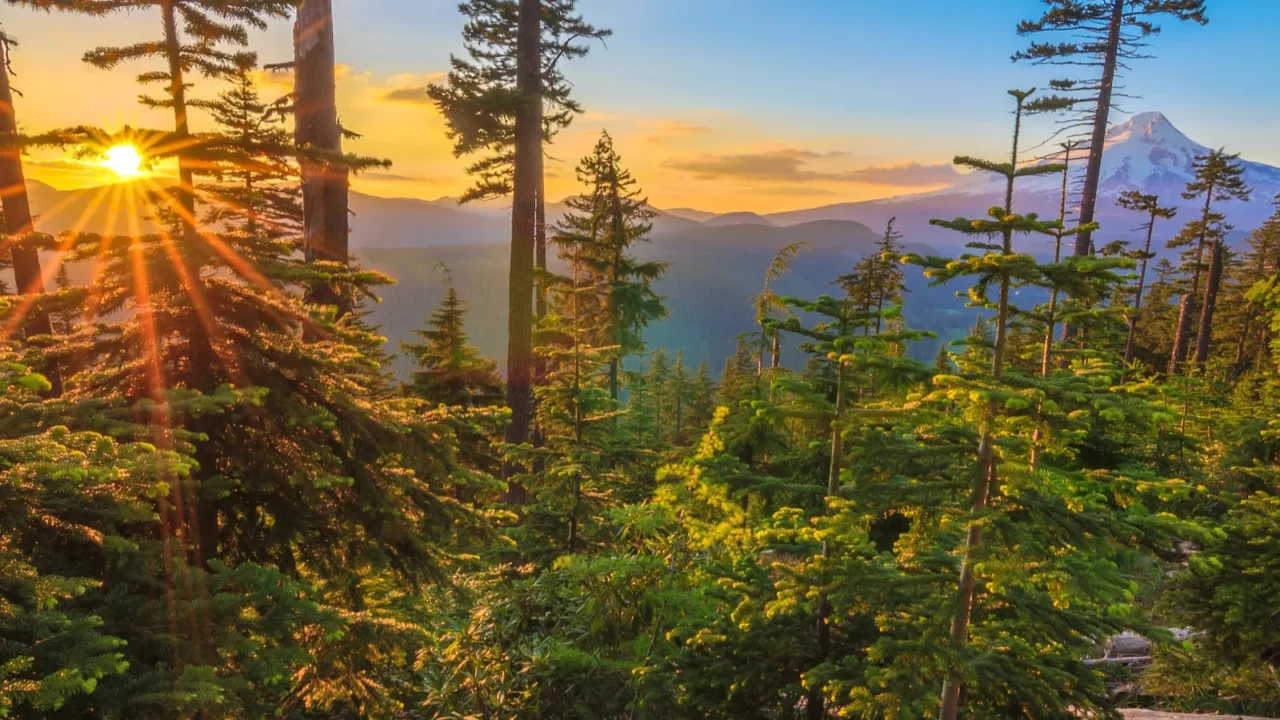
Pacific Northwest shift
The Pacific Northwest, once known for mild summers, is now facing unexpected and severe heatwaves that challenge regional norms.
States like Oregon and Washington have recorded unprecedented temperature spikes, catching communities unprepared, as infrastructure and ecosystems adapted to cooler climates struggle to cope, highlighting how even historically temperate regions are no longer insulated from extreme heat events, reshaping environmental and social dynamics across the United States in significant ways.
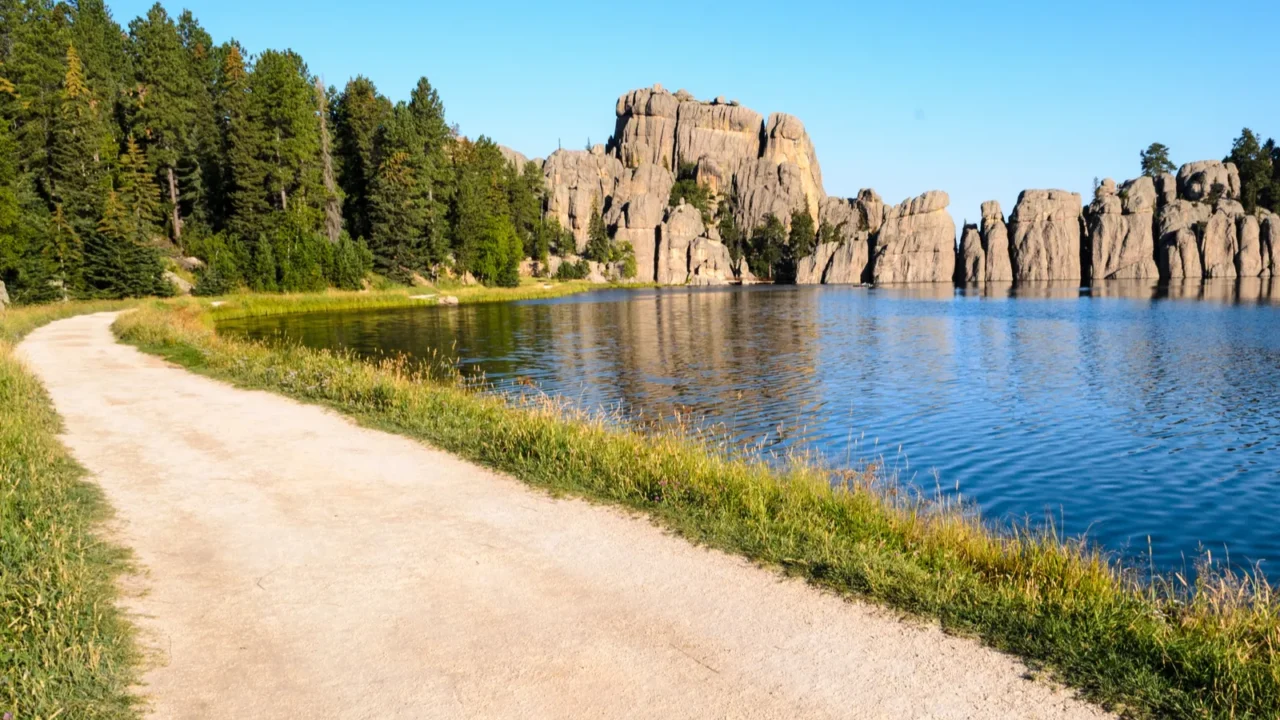
Great Plains exposure
The Great Plains are increasingly exposed to extreme heat due to open landscapes that allow heat to build without obstruction.
States such as Kansas and Oklahoma face prolonged sun exposure, limited shade, and agricultural stress, making them vulnerable to drought and heatwaves. These conditions directly affect food systems and rural livelihoods across the central United States.
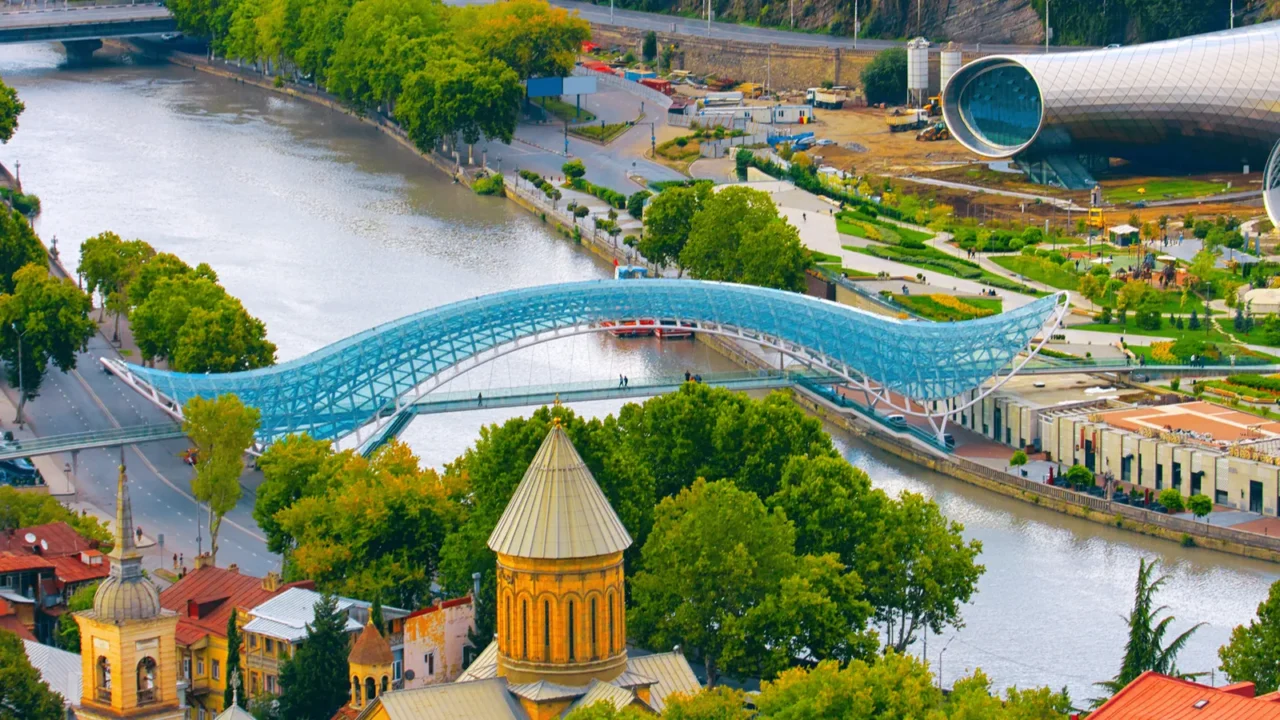
Southeast intensifying heat
The Southeast is experiencing intensifying heatwaves driven by humidity and changing atmospheric circulation patterns.
States like Georgia and Alabama face longer summers with higher heat index values, increasing risks for outdoor workers and vulnerable populations, while energy demands surge, placing pressure on infrastructure, making the Southeast a critical region in understanding how combined heat and moisture amplify climate-related challenges across densely populated and economically diverse areas.
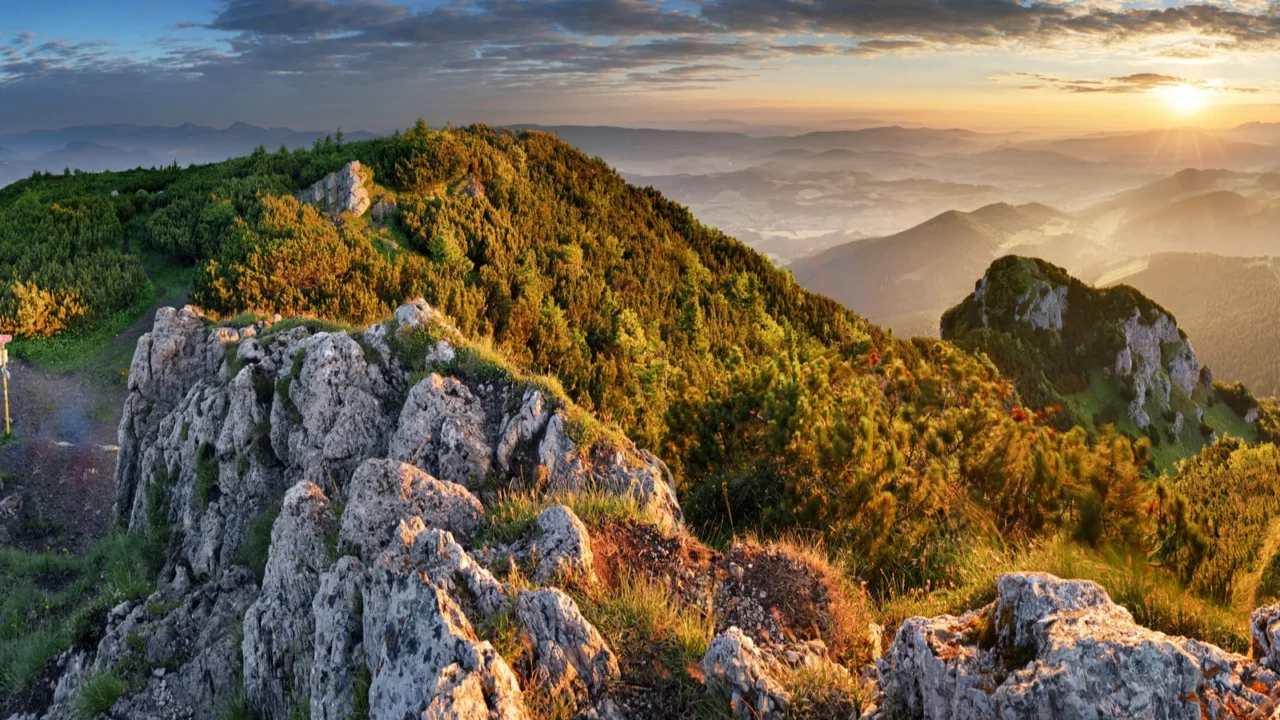
Mountain regions warming
Mountain states are not immune to rising heat, with elevated regions experiencing faster warming than lower elevations.
Colorado and Utah are seeing changes in snowpack and earlier snowmelt, which can contribute to drier summers and reduced water availability. Those shifts show that higher elevation does not fully shield communities from rising heat and related climate stress.
Want to see how travelers are adjusting to a world of stronger storms, hotter summers, and more unpredictable delays? Take a closer look at how extreme weather is reshaping travel insurance choices and what it could mean for your next trip.

Future heat reality
The expanding heatwave map reveals a future where extreme temperatures affect a wider range of states than ever before.
Understanding these patterns can help communities prepare through infrastructure upgrades, public health planning, and policy changes. As climate risks evolve, adaptation will play a central role in improving resilience to extreme heat.
As heat maps redraw the future of entire regions, the real question is not just where temperatures will rise next, but how prepared communities truly are.
Want to see how island communities are adapting to harsher storms and rising climate pressure? Take a closer look at the destinations leading in weather resilience and what their defenses could mean for future travelers.
Could your state be closer to the frontline of the next extreme heatwave than expected? Let us know in the comments.
This slideshow was made with AI assistance and human editing.
Don’t forget to follow us for more exclusive content right here on MSN.
Read More From This Brand:
