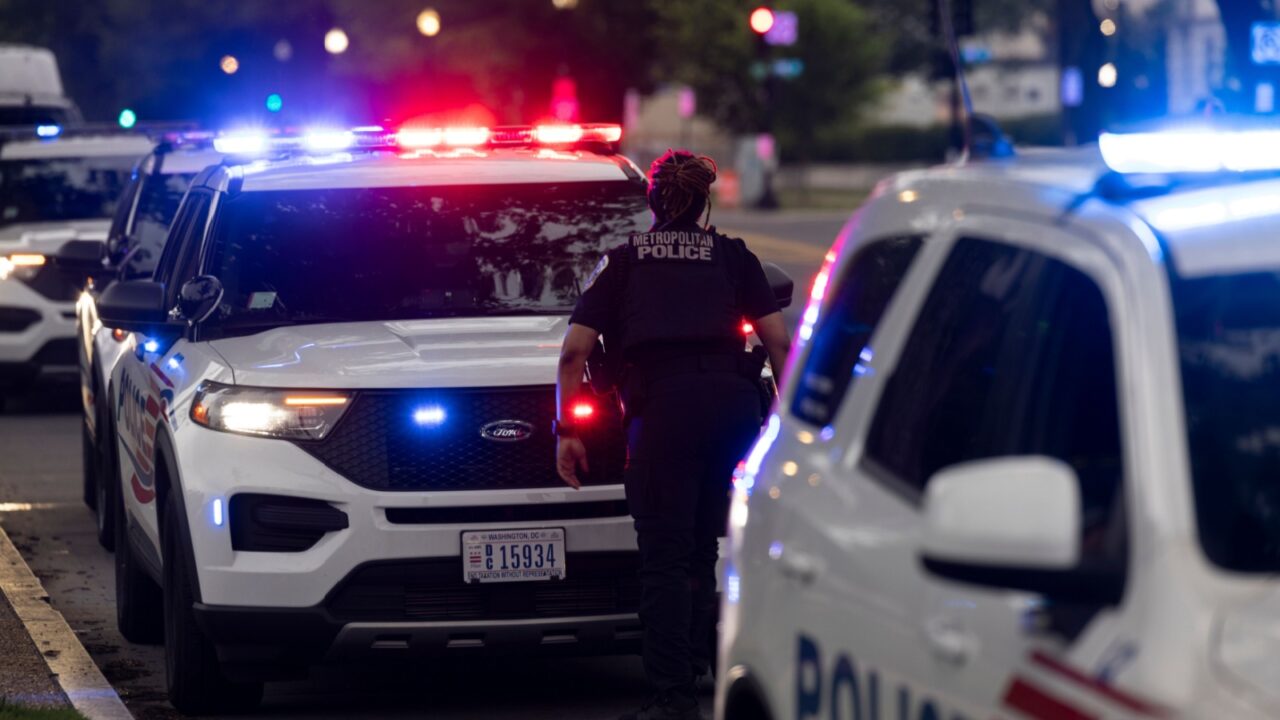
Temple Israel attack reported
On March 12, 2026, a shooting and ramming attack occurred at Temple Israel, a Reform synagogue in West Bloomfield Township, Michigan, just outside Detroit. A man drove a truck into the building; synagogue security engaged him and he was later found dead inside the vehicle after the crash. Authorities say the vehicle caught fire inside the synagogue, and at least 31 officers and security personnel were treated for smoke inhalation during the response.
Temple Israel is one of the largest Reform Jewish congregations in the United States, serving thousands of members and hosting a preschool program. Officials confirmed that the suspect died at the scene and that no children or staff were seriously injured.
Suspect identified by authorities
Federal and local officials identified the suspect as 41-year-old Ayman Mohamad Ghazali, a naturalized U.S. citizen born in Lebanon. Authorities said the vehicle contained possible explosive devices (some outlets described mortar-type munitions) that ignited after the crash; synagogue security engaged the suspect, who was later found dead inside the vehicle and from whom officers recovered a rifle.
Officials said the suspect fired shots during the incident, and investigators recovered what they described as possible explosive devices in the vehicle; a post-crash fire also occurred inside the building. A security guard was injured by the vehicle but is expected to recover fully. The FBI is investigating the attack as a targeted act of violence against the Jewish community in the Detroit area.
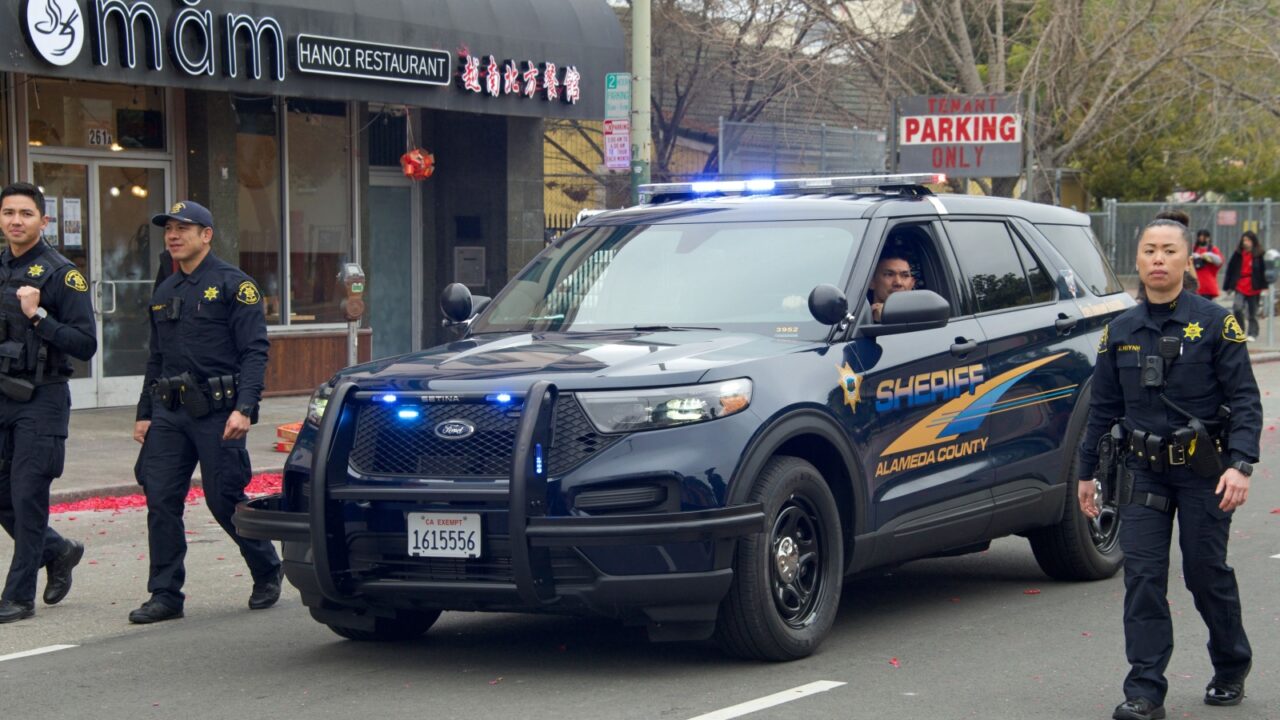
Response from law enforcement
Oakland County Sheriff Michael Bouchard said local law enforcement initially responded to an active shooter situation at Temple Israel around midday. Synagogue security personnel engaged the suspect before law enforcement arrived, limiting further harm inside the facility. No staff or children were reported seriously injured during the incident, though several officers needed medical treatment for smoke inhalation.
Sheriff Bouchard praised the quick actions of both the synagogue security team and first responders. He also confirmed that the suspect was neutralized and that the scene was secured within hours of the attack. Law enforcement continues to actively investigate details of the incident and the motive.
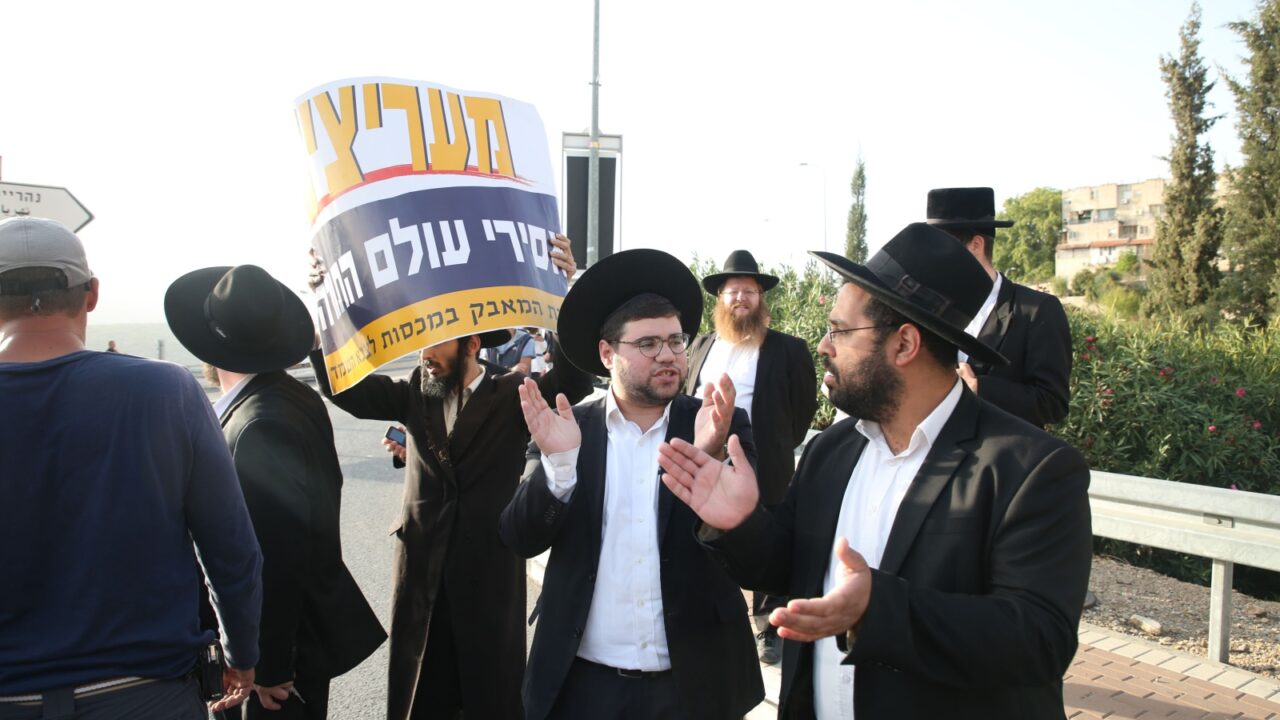
Community reaction grows
Leaders from Jewish and interfaith groups in Michigan condemned the attack and expressed relief that no worshippers were killed. The Jewish Federation of Detroit noted that Temple Israel had conducted active shooter preparedness training recently. Citizens from surrounding communities gathered near the site to show support for the congregation’s resilience after the violent event.
Governor Gretchen Whitmer also spoke about the incident, calling it a shocking act of violence while urging unity against hate. Online and local media responses highlighted support for the Jewish community in West Bloomfield and Detroit. Travelers planning trips to the Detroit area in the coming weeks may see an increased presence of public safety messaging in local news.
FBI involvement confirmed
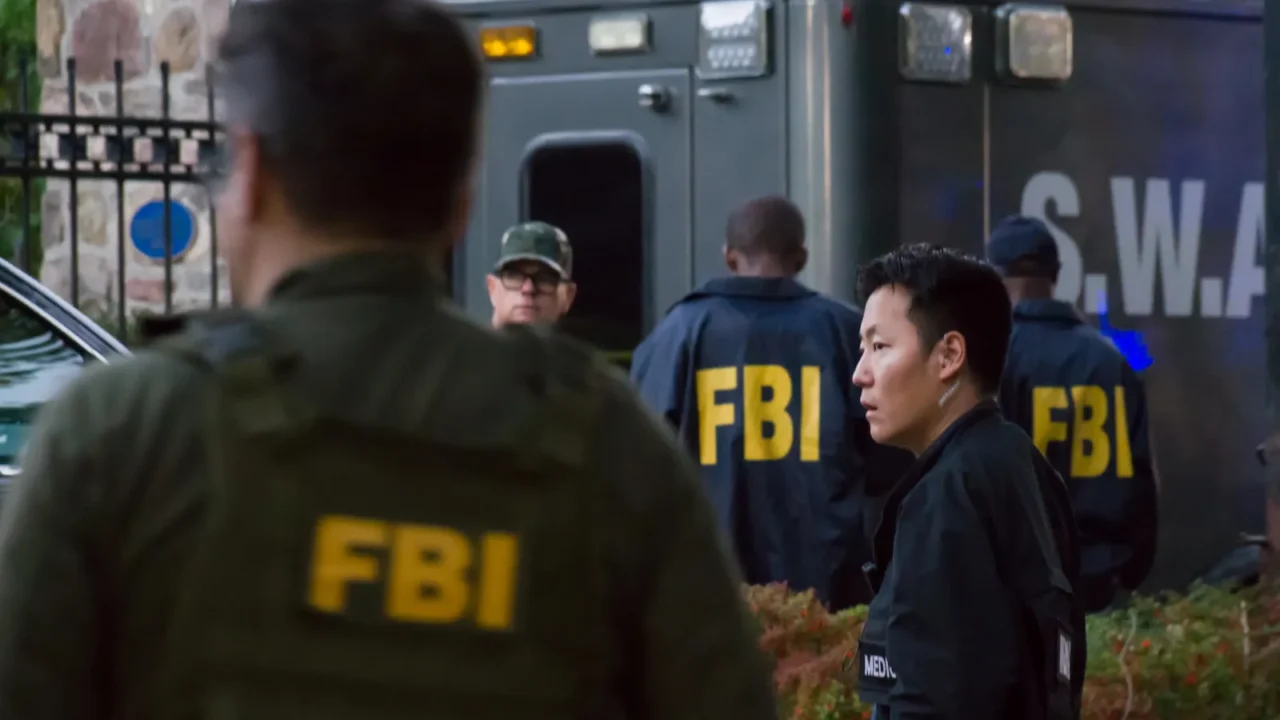
The Federal Bureau of Investigation is leading the ongoing investigation into the synagogue attack, cooperating with local and state law enforcement. Officials have said the act appears to be a targeted incident against the Jewish community and not random violence. The vehicle found at the scene contained possible explosive devices, prompting federal bomb technicians to respond.
The FBI will analyze digital evidence, witness statements, and available materials from the suspect’s vehicle and communications. Investigators have not yet released a confirmed motive but are exploring possible connections to geopolitical tensions. Detroit area residents and visitors remain alert to updates as the federal review continues.
Travel safety concerns rise
After the attack, local officials and tourism boards stressed that the Detroit area remains safe for visitors. Hotels, restaurants, and entertainment districts in downtown Detroit and surrounding suburbs have continued normal operations, with local authorities coordinating increased vigilance. Travel safety experts say that while the incident is troubling, broader tourist districts have seen no direct threats.
Fact: Detroit received more than 14 million visitors in 2023, contributing billions in travel spending and supporting cultural attractions like the Detroit Institute of Arts and Motown Museum. That economic footprint makes travel safety and destination confidence crucial for area recovery and tourism growth.
Religious sites review security
After the Temple Israel attack, multiple religious institutions across Michigan reviewed their safety procedures. Police departments in metropolitan Detroit increased patrols near synagogues, churches, and other houses of worship. Local interfaith councils also launched meetings to discuss enhanced emergency preparedness for congregations.
Fact: According to national data, places of worship in the United States have seen increased security investments over the past decade, including more than a handful of incidents involving community centers and schools. Many congregations work with local law enforcement to conduct training similar to Temple Israel’s recent exercises.
Impact on Detroit area tourism
News of the attack prompted questions about travel impacts to the Detroit area, including suburbs such as Southfield and Bloomfield Hills. Regional tourism leaders emphasized that cultural attractions and business districts remain open and safe for visitors. Travelers planning visits for conferences, festivals, or sporting events like Detroit Tigers games should not expect major disruptions.
The Greater Detroit area continues to promote its museums, waterfront parks, and music venues as part of regional travel planning. Safety protocols and communication from local officials aim to reassure visitors while maintaining vibrant hospitality sectors. These efforts reflect the region’s commitment to hospitality and community resilience.
Security training praised widely
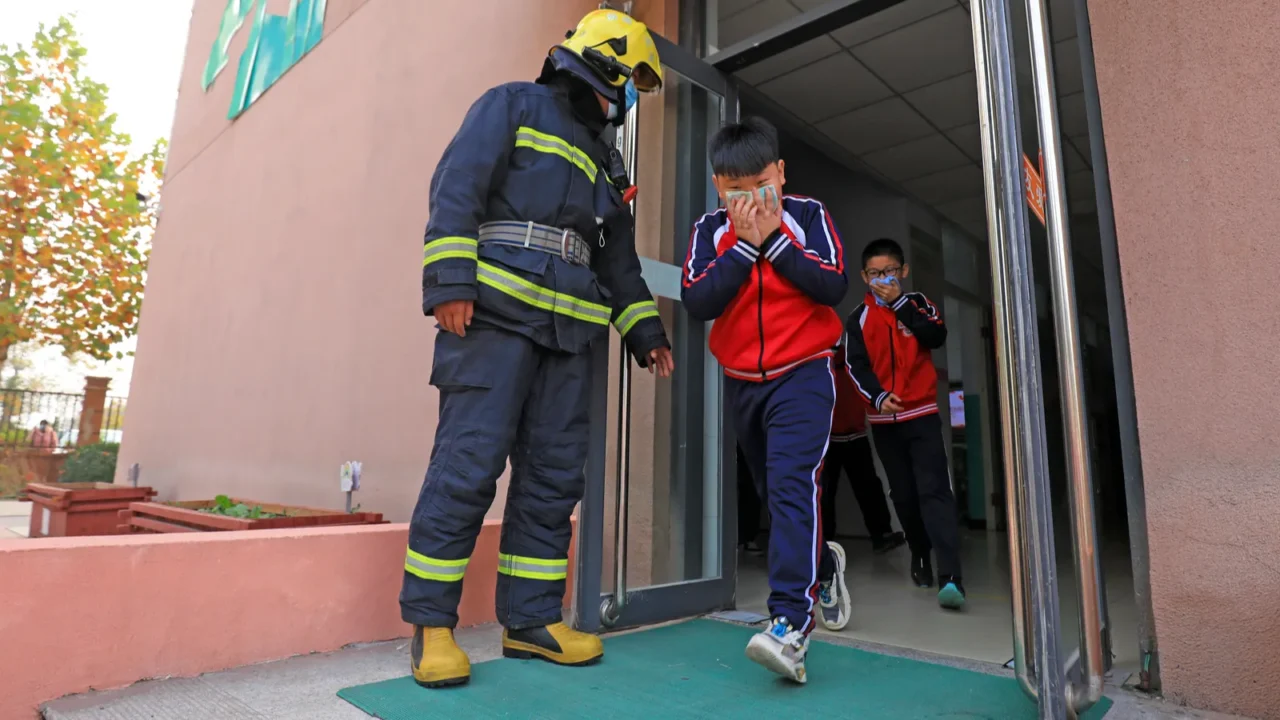
Temple Israel’s prior active shooter preparedness training gained attention after the incident. Leaders said that training helped staff members keep children calm and evacuate safely while security confronted the suspect. That preparedness likely played a significant role in preventing casualties inside the synagogue.
Security experts nationwide pointed to the importance of training for religious and public spaces. Many faith communities in Michigan and beyond said they plan to expand similar readiness programs. Travelers noticing increased security presence at places of worship may also see broader discussions about public safety protocols in news coverage.
Regional emergency measures enacted
Following the attack, law enforcement agencies coordinated with local governments across Michigan to implement precautionary measures. Some school districts near West Bloomfield temporarily increased security around campuses and educational centers. Sheriff departments and police units reiterated advice on staying aware of surroundings and following guidance issued by authorities.
Community leaders encouraged residents and visitors alike to attend public events while remaining mindful of safety protocols. Residents reported increased dialogue between neighbors about personal and community security. These efforts show how local communities respond collectively to incidents that touch public safety and travel confidence.
Officials condemn violence nationally
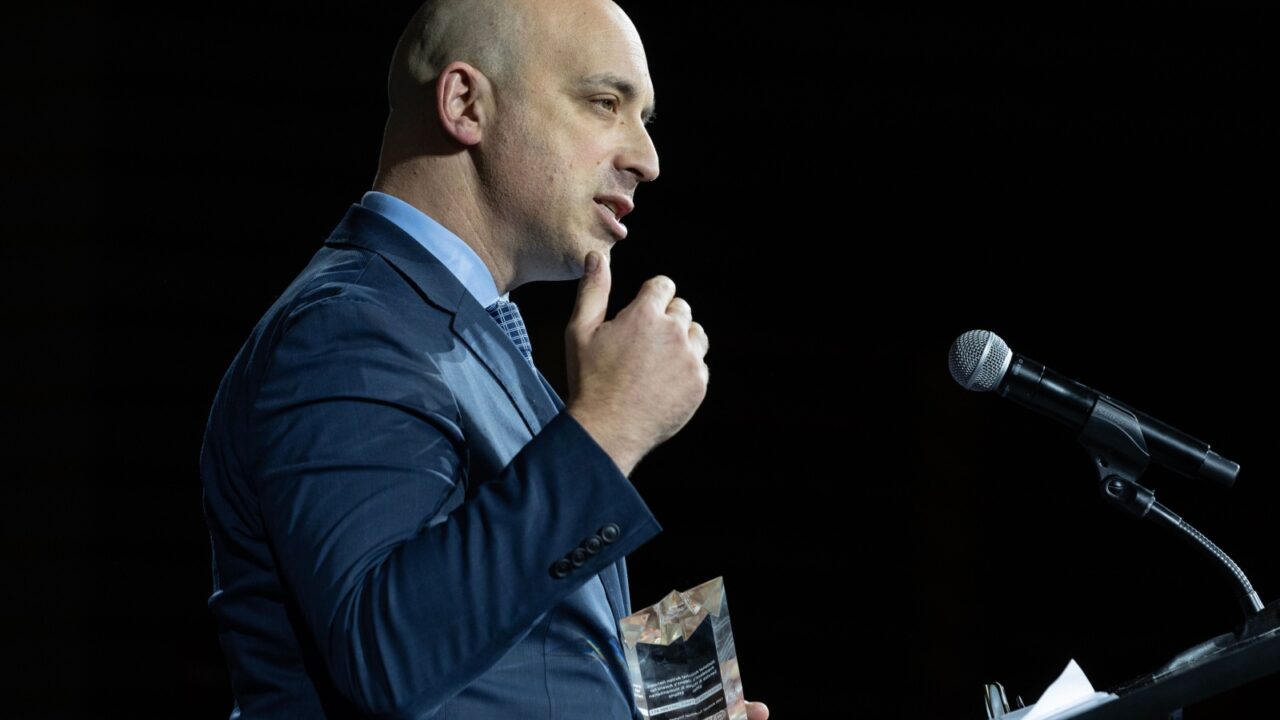
Michigan’s governor and U.S. officials responded to the attack with statements condemning violence against religious communities. Leaders across the country emphasized unity and protection for all faiths following the news. The attack came amid heightened global and domestic tensions involving rising hate crimes in recent years.
National organizations such as the Anti-Defamation League highlighted the incident in broader reports on antisemitic violence patterns. Local lawmakers called for continued support for community safety initiatives. Travelers tracking national news may interpret these developments as part of ongoing discussions about public security in urban destinations.
Community healing begins
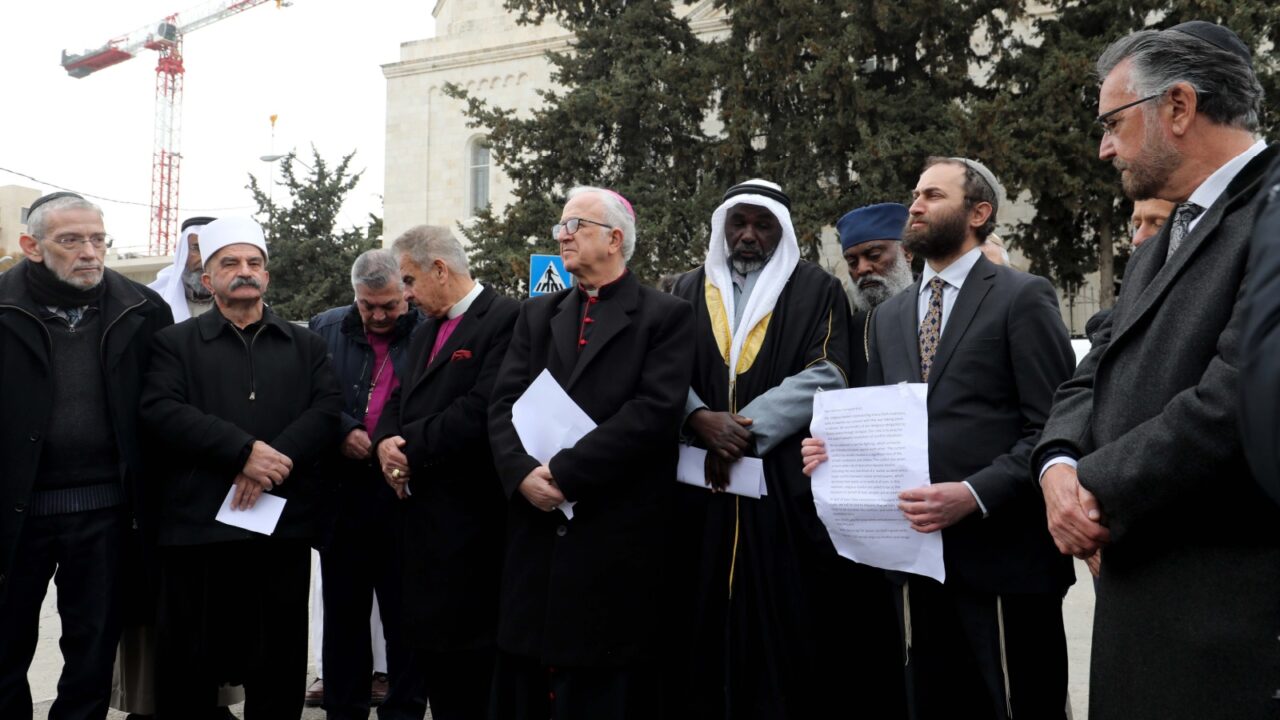
In the days after the incident, congregations and Detroit area citizens organized vigils and discussions to promote healing. Faith leaders invited leaders from other communities to emphasize solidarity and peace. Cultural centers, including the Arab American National Museum in Dearborn, offered space for cross‑community dialogue, raising the question: with Detroit rising as a budget travel hotspot, should you visit now?
Residents in West Bloomfield and neighboring towns described efforts to support families affected by the event. Travel guides to Detroit have also included safety resources and community support contacts for visitors. These community activities show how cities can respond with resilience in the face of tragedy.
Safety and travel considerations
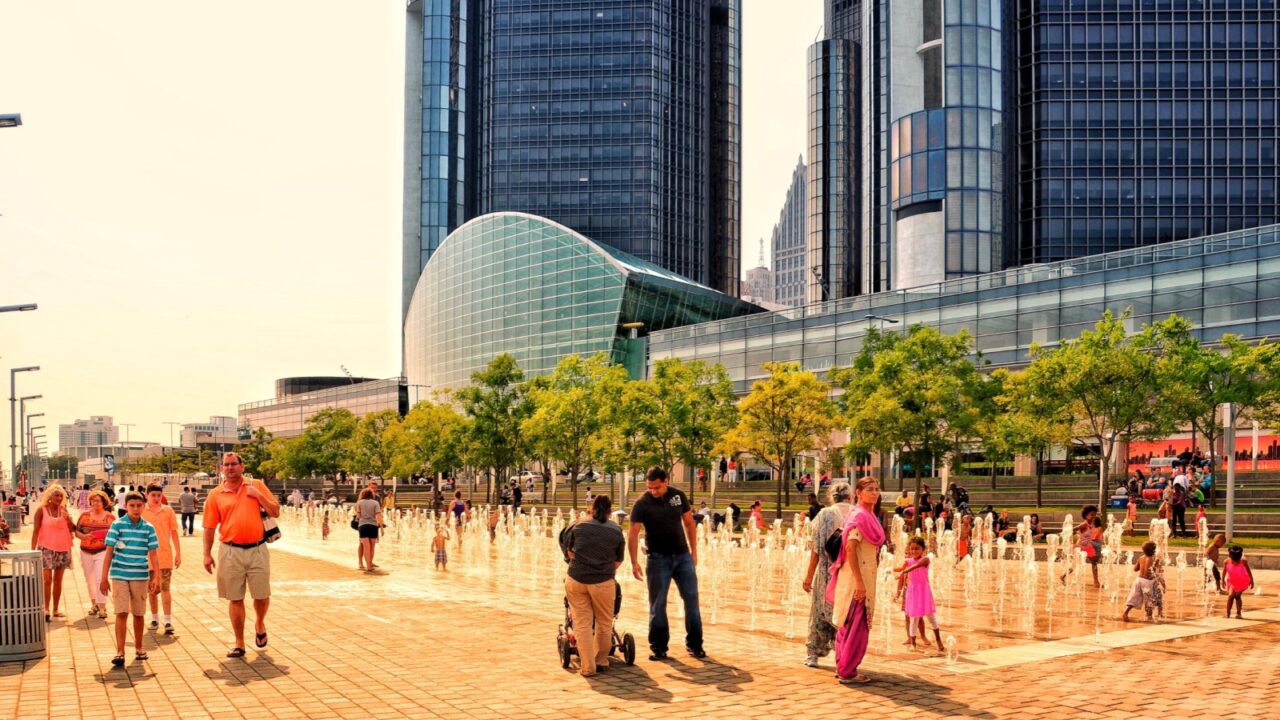
The Temple Israel synagogue attack reminds travelers of broader safety conversations when exploring major cities like Detroit and its suburbs. While this incident was contained and no tourists were harmed, heightened awareness of local safety protocols is now part of travel planning. Detroit’s attractions, from the RiverWalk to Corktown eateries, continue drawing visitors with active steps toward community safety.
Local officials and tourism partners emphasize that Detroit remains welcoming and safe. Discussing how public safety concerns intersect with travel choices underscores the importance of informed travel planning.
For travelers considering a trip to the Great Lakes region this year, what safety practices matter most when planning visits to urban destinations? Share thoughts below.
This slideshow was made with AI assistance and human editing.
Don’t forget to follow us for more exclusive content right here on MSN.
Disclaimer: The images used are for illustrative purposes only and do not depict the actual locations mentioned.
Read More From This Brand:
