The sky closed on a Saturday
On February 28, 2026, U.S. and Israeli strikes on Iran triggered retaliatory missile attacks across the Middle East, shutting down the airspace of at least eight countries almost simultaneously. What followed became the largest travel disruption since the COVID-19 pandemic.
Major Gulf hubs went dark. Thousands of international flights were canceled each day. Governments scrambled to arrange evacuation corridors. The region that once served as the world’s most vital aviation crossroads became, almost overnight, a hole in the sky.
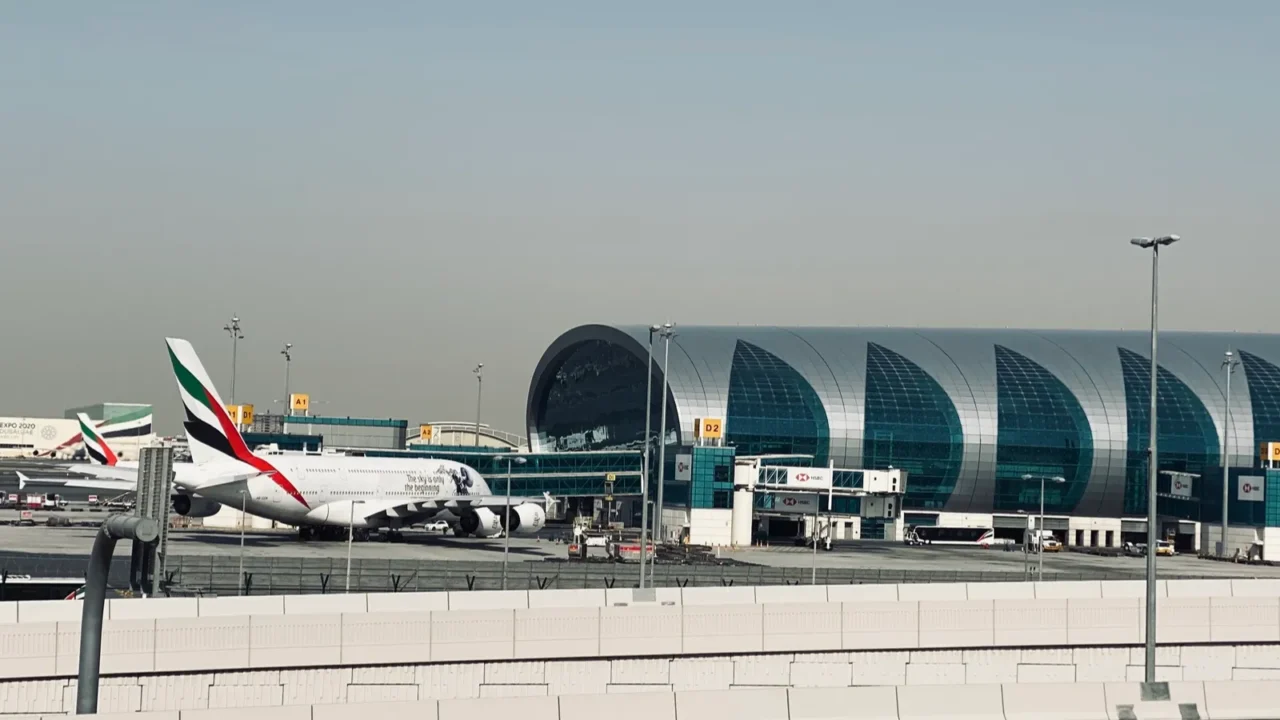
Dubai, United Arab Emirates
Dubai International Airport, the world’s busiest international airport by passenger volume, went completely dark after Iranian strikes hit the city’s airport infrastructure and the Palm Jumeirah on March 1, 2026.
Emirates, the world’s largest international carrier, suspended all scheduled flights. According to UAE aviation and airport statements reported in the press, by March 5, only a small number of flights (roughly 60) had departed Dubai carrying around 17,500 passengers as evacuation services continued, a tiny share of the airport’s normal daily traffic before the crisis. The silence on those runways was historic.

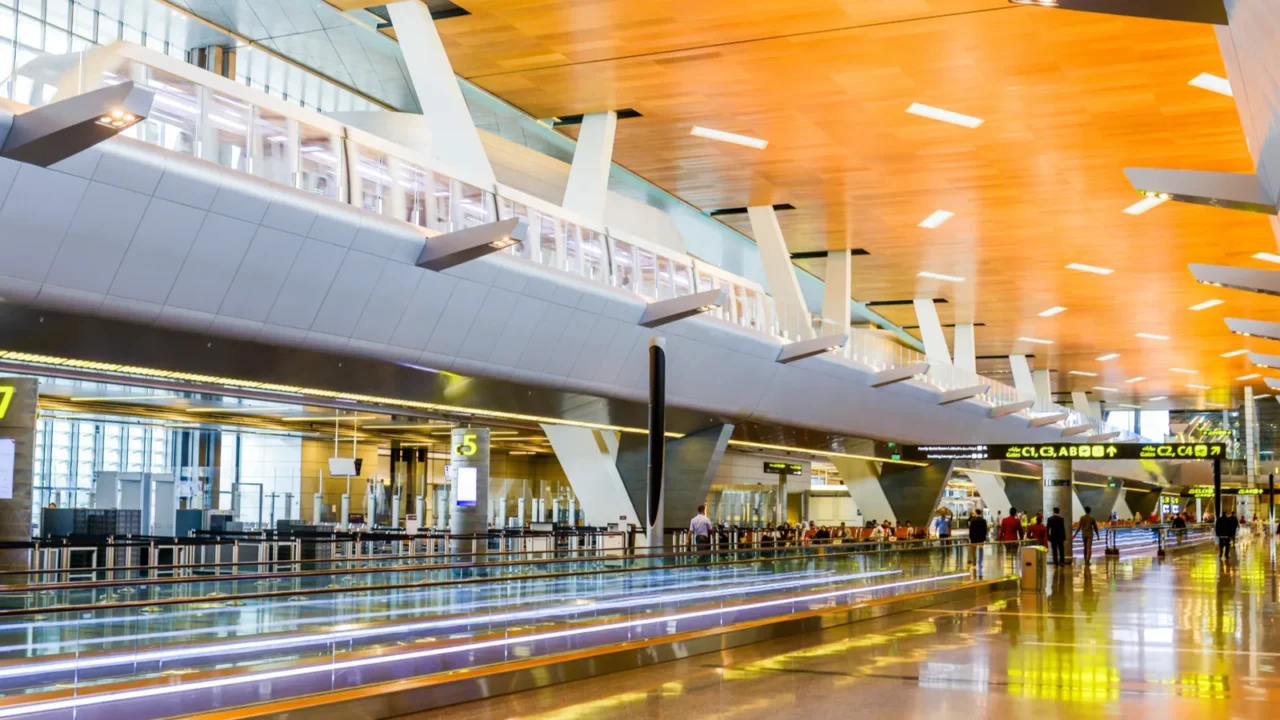
Doha, Qatar
Qatar Airways suspended every single flight in and out of Hamad International Airport after Qatari airspace was sealed following an Iranian missile strike on Al Udeid Air Base near Doha on March 4, 2026.
With roughly 8,000 transit passengers stranded inside the airport, Qatar Airways made an extraordinary pivot, launching relief flights not from Doha but from Muscat, Oman, and Riyadh, Saudi Arabia, operating routes to London, Berlin, Copenhagen, Madrid, Rome, and Amsterdam. A national airline operating its evacuation mission from a foreign airport told the full story of how broken the region’s skies had become.
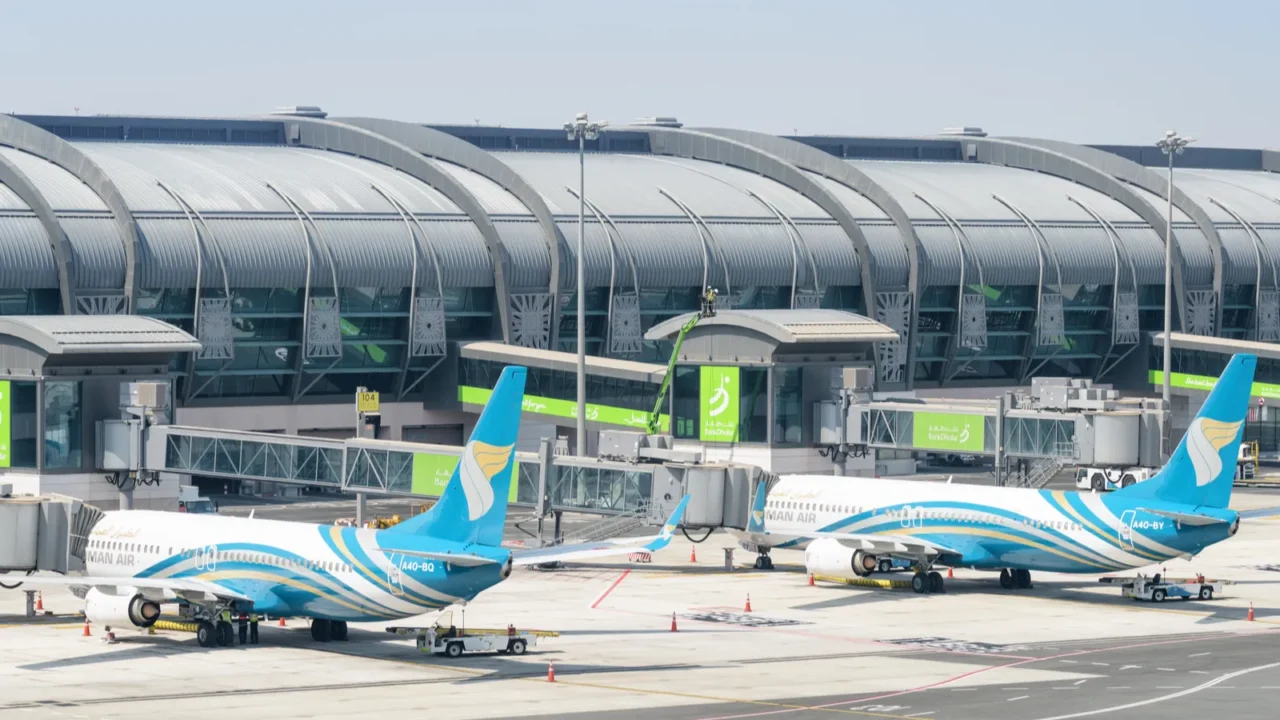
Muscat, Oman
Muscat International Airport, usually a quieter facility favored by travelers seeking Oman’s slower pace over Dubai’s glitz, suddenly became the most critical exit point in the region. Governments from the United Kingdom, Germany, Italy, Singapore, Estonia, and the Czech Republic all dispatched rescue missions there. Private jet movements at the airport surged tenfold in a single week. British Airways operated special Muscat to London Heathrow departures. Both the March 6 and March 7 flights sold out almost immediately. A city known for frankincense and forts became the world’s most important airport almost overnight.
Fun Fact: Oman’s role as the region’s safest exit in March 2026 was no coincidence. The country had already been quietly hosting U.S.-Iran nuclear talks just days before the crisis erupted, a trust no other nation in the region had earned from both sides simultaneously.
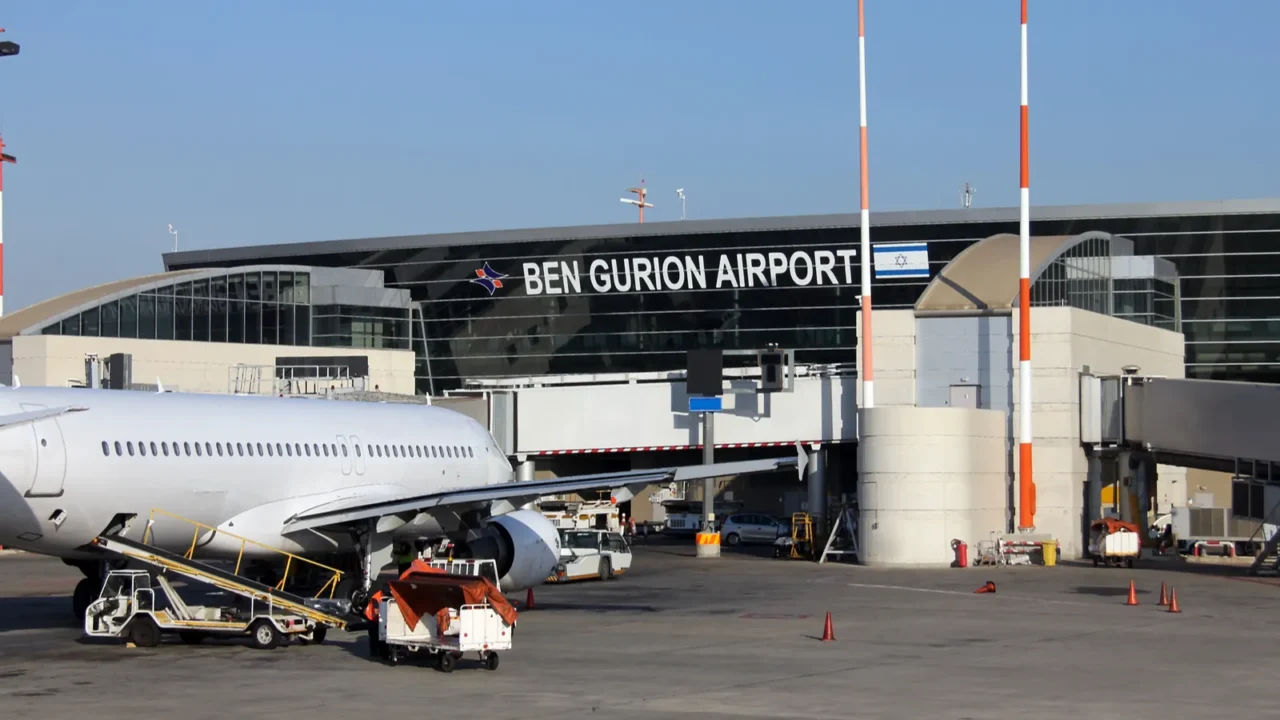
Tel Aviv, Israel
With Ben Gurion Airport operating on a restricted, permission-only basis, the U.S. Embassy in Israel made a decision that would have been unimaginable before the crisis: it began running bus convoys from Jerusalem and Tel Aviv to the Taba border crossing into Egypt, offering Americans a land route out of the country.
Canadian nationals in Israel were offered the same corridor. El Al, Israel’s national carrier, launched its first rescue flight from Athens. Ben Gurion, which handled roughly 21–22 million passengers in 2023 (and had reached about 24 million in pre-pandemic years), was operating on a restricted, permission-only basis and functioning like a wartime facility.

Beirut, Lebanon
Passengers stranded at Rafic Hariri International Airport in Beirut on February 28, 2026, watched departure boards fill with cancellations in real time as the regional crisis exploded around them. Photographs showed travelers sitting motionless in the departure hall, with operations suspended. Limited numbers were eventually allocated to flights out of Beirut as governments negotiated narrow windows with airlines.
A city already carrying the weight of economic collapse and prior conflict found itself once again at the center of a world that did not slow down long enough to ask whether it could handle any more.
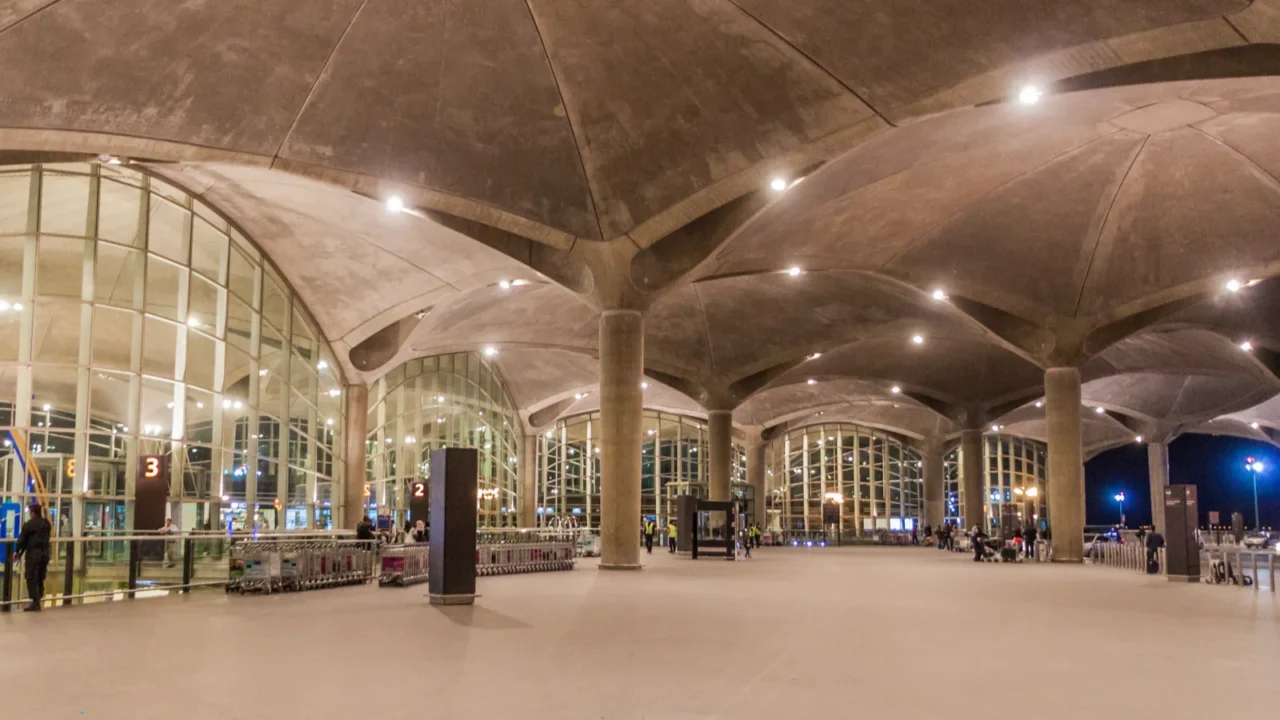
Amman, Jordan
Queen Alia International Airport in Amman emerged as one of the most reliable exit points in the region, with Jordan’s airspace remaining operational when nearly every neighboring country had closed its skies. The Israeli Ministry of Tourism coordinated bus services from Jerusalem and Tel Aviv to Amman, making Jordan a critical land-to-air corridor for travelers trying to escape Israel. The Czech Republic flew evacuation missions directly into Amman. Slovakia extracted 127 citizens through Jordan in two flights. The ancient city that overlooks the ruins of six thousand years of civilization quietly became the most important transit hub of March 2026.
Fun Fact: Jordan keeping its airport open in March 2026 surprised no one who knows its history. The country currently hosts one of the largest refugee populations per capita on earth, a reality that has made Amman a practiced hand at absorbing the region’s crises long before this one arrived.
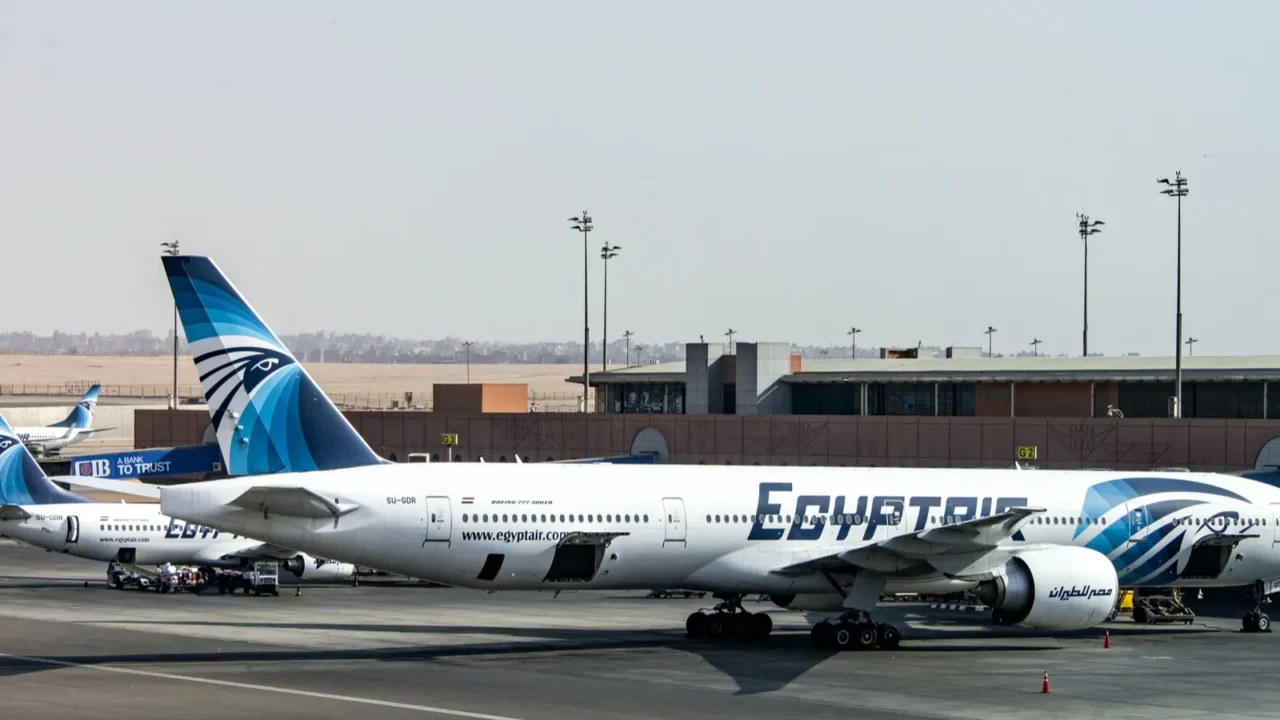
Cairo, Egypt
Egypt’s role in the crisis was immediate and critical. The Taba border crossing between Israel and Egypt became one of the busiest land corridors in the region, with thousands of travelers crossing by foot, bus, and private vehicle to reach operational Egyptian airports. Cairo and Sharm El Sheikh both absorbed the influx, with Egypt’s proximity to conflict zones making it a vital hub for evacuations.
Egypt’s airspace remained open and became the primary southern bypass for Europe-bound flights, rerouting around the closed Gulf corridor. Cairo, accustomed to absorbing the world’s chaos, absorbed this one too.
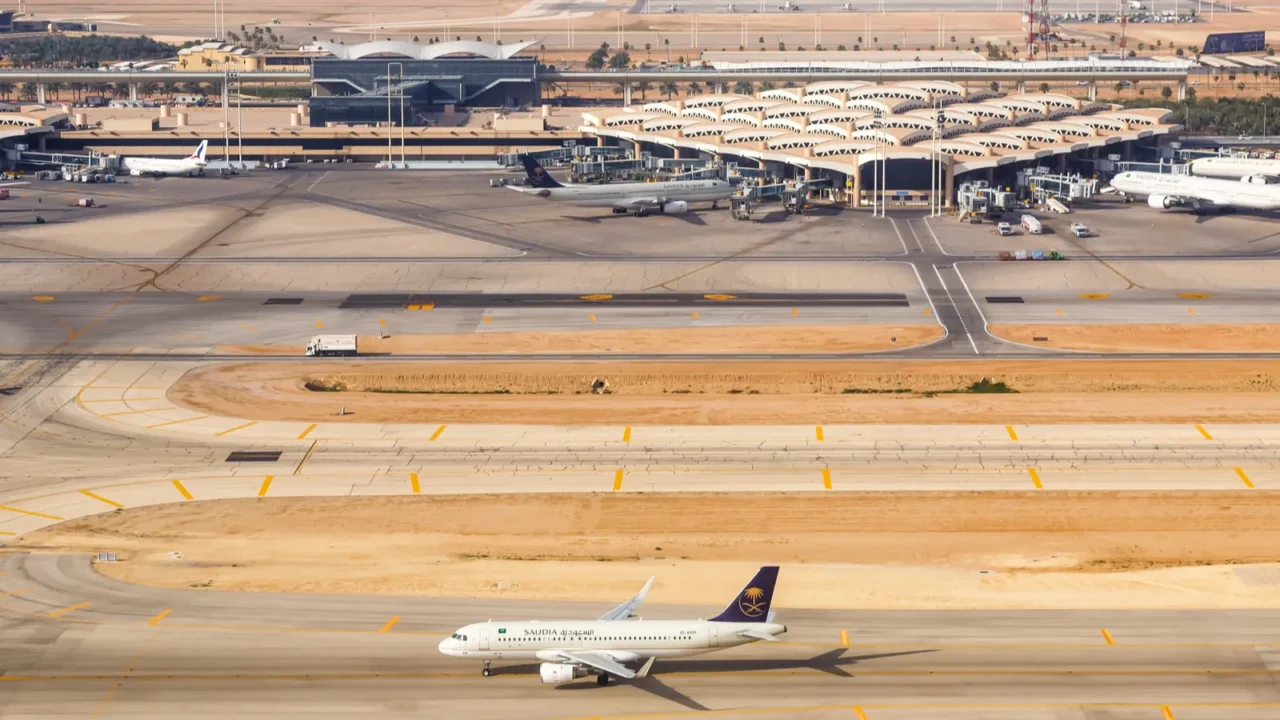
Riyadh, Saudi Arabia
Saudi Arabia’s King Khalid International Airport in Riyadh became one of the few Gulf hubs that maintained partial operations during the worst days of the crisis, giving stranded travelers a narrow but vital option.
Doha Bus launched a shuttle from Doha to Riyadh’s King Khalid International Airport, operating on March 8 to ferry Qatar’s stranded passengers to a functioning departure point, requiring travelers to hold a valid Saudi visa. Qatar Airways also ran relief flights from Riyadh. A country that has spent billions positioning itself as a tourism destination instead found itself playing a quieter, more urgent role: keeping a door open when most others had shut.
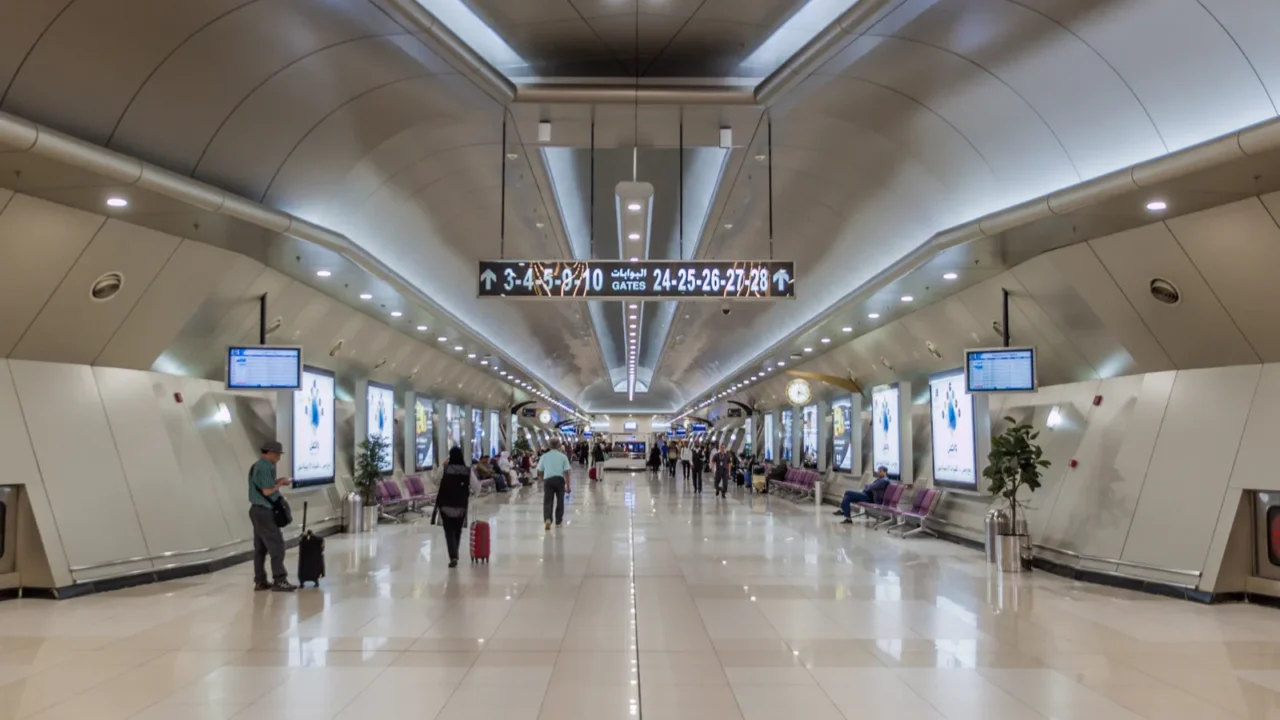
Kuwait
Kuwait International Airport’s Terminal 1 was struck directly by a drone attack, forcing the suspension of all inbound and outbound commercial flights. The damage was not merely logistical. It was psychological.
An international airport is supposed to exist outside the logic of military targeting. Kuwait’s terminal showed that assumption no longer held. Kuwait Airways operated repatriation services from several European cities to Dammam (Saudi Arabia); passengers then completed the final leg overland into Kuwait — a multi-stage journey that for some stretched across days.
Istanbul, Turkey
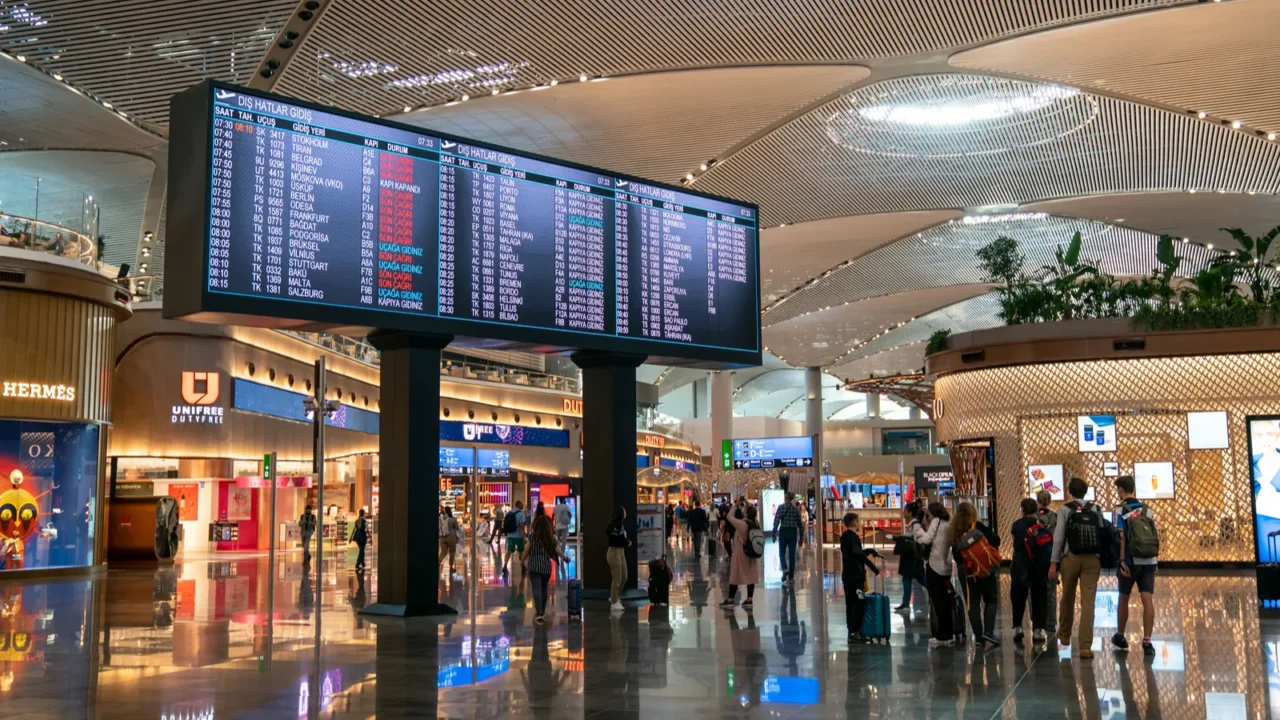
As the Gulf corridor collapsed, Istanbul Airport became one of the primary beneficiaries of rerouted global aviation. Istanbul Airports absorbed substantial diverted traffic as carriers rerouted Europe–Asia services; industry reporting shows reroutes added significant flying time and fuel burn to many sectors, lengthening flights by roughly 1.5–4 hours depending on routing. Turkish Airlines, which had maintained wider Middle East connectivity than most carriers, found itself under extraordinary demand.
Rerouting flights over Turkey added between two and four hours to standard Europe to Asia journey times, with the additional fuel burn driving operating costs sharply higher across the industry as the crisis deepened.
The global ripple
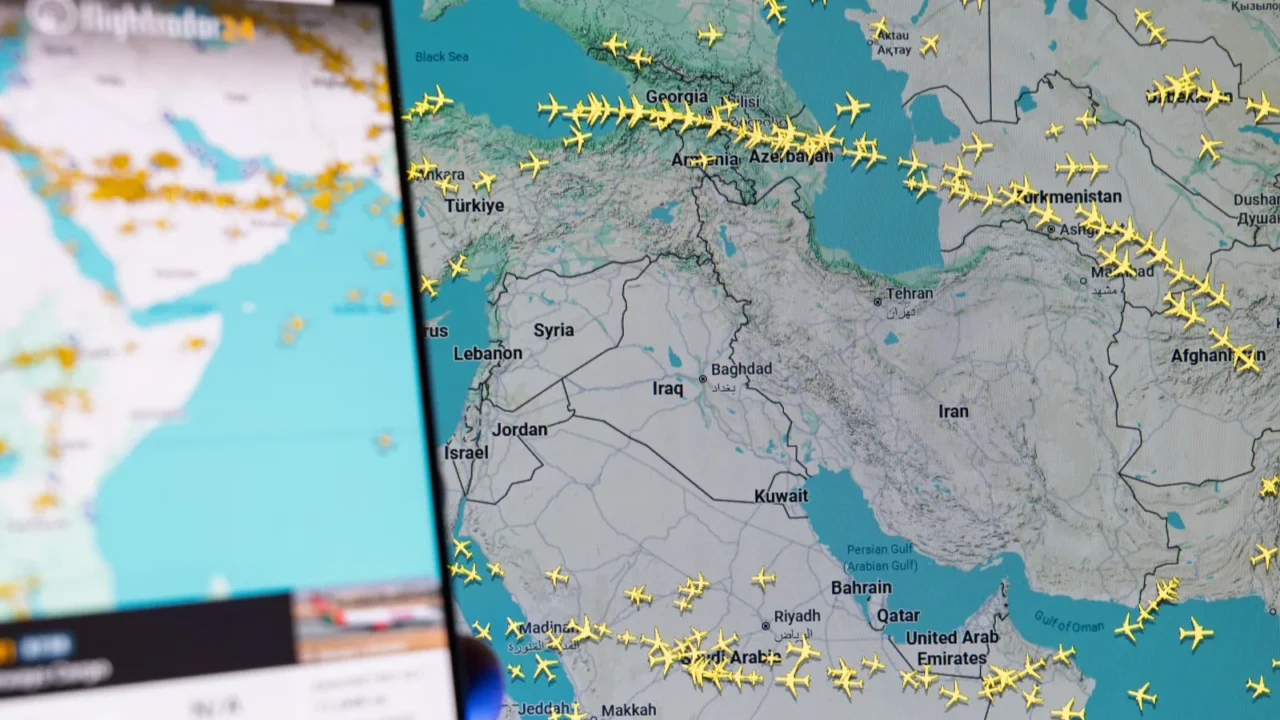
The Middle East sits at the center of modern long-haul aviation. The Gulf corridor accounts for more than 30% of all Europe-to-Asia flights under normal conditions. When it closed, the disruption was not regional. It was planetary. Global air cargo capacity dropped 18% within 24 hours of the initial airspace closures, according to Rotate, a logistics analytics firm.
Asia to Europe airfares spiked dramatically on the remaining routes. Aviation consultant Anita Mendiratta told Al Jazeera that an eight-hour flying distance centered on the Middle East covers two-thirds of the world’s population, and that when that corridor closes, there is nowhere easy left to go, and travel patterns may never look quite the same again.
Every map has a before and after
By March 4, 2026, the U.S. State Department confirmed that more than 17,500 Americans had returned from the region, with over 8,500 departing in a single day alone. Governments from New Zealand to Singapore deployed military aircraft. Charter flights ran from airports that had never handled evacuation missions before.
The Middle East did not stop being a place of extraordinary history, culture, and beauty when the skies closed. It simply became, for a moment, a place the world had to find its way out of before it could find its way back in, and international routes that once felt permanent are quietly being rewritten around that truth.
Eight countries. Closed skies. Thousands stranded. How prepared are you if this happens mid-trip?
This slideshow was made with AI assistance and human editing.
Don’t forget to follow us for more exclusive content right here on MSN.
Read More From This Brand:
