
A pay raise with a price tag
A wage law meant to help workers is now rattling one of Los Angeles’ biggest industries. Hotels in the city are dealing with higher labor costs just as travel demand stays uneven and operators worry about what comes next.
This is not a small change tucked into a budget bill. Los Angeles approved a phased plan that raises pay for covered hotel workers to $30 an hour by July 2028, making it one of the boldest local wage moves in the country.
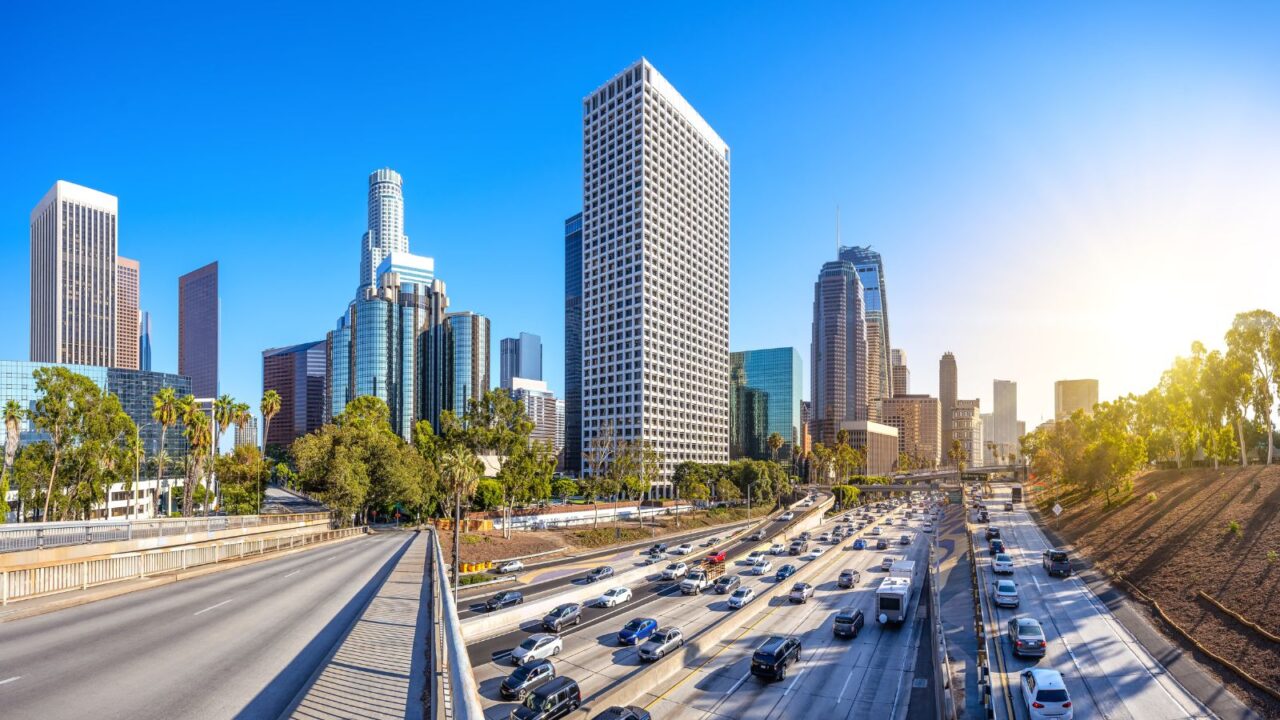
Why LA’s hotels are under pressure
Hotels are a major part of the Los Angeles economy. They serve tourists, business travelers, convention guests, and airport-area visitors in a city that depends heavily on hospitality spending.
That is why this fight has gotten so much attention. When costs rise quickly in a hotel-heavy city like LA, the effects can spread to room rates, staffing, restaurants, parking, and even future building plans.

What the ordinance actually does
Mayor Karen Bass signed the ordinance on May 27, 2025, after it passed the Los Angeles City Council. It is often called the “Olympic Wage” because the final wage target arrives just before the 2028 Summer Olympics in Los Angeles.
The law covers hotel workers at properties with 60 or more rooms in the city, along with certain LAX-related workers. The pay floor reached $22.50 when the measure took effect and is scheduled to rise to $25 in 2026, $27.50 in 2027, and $30 in 2028.
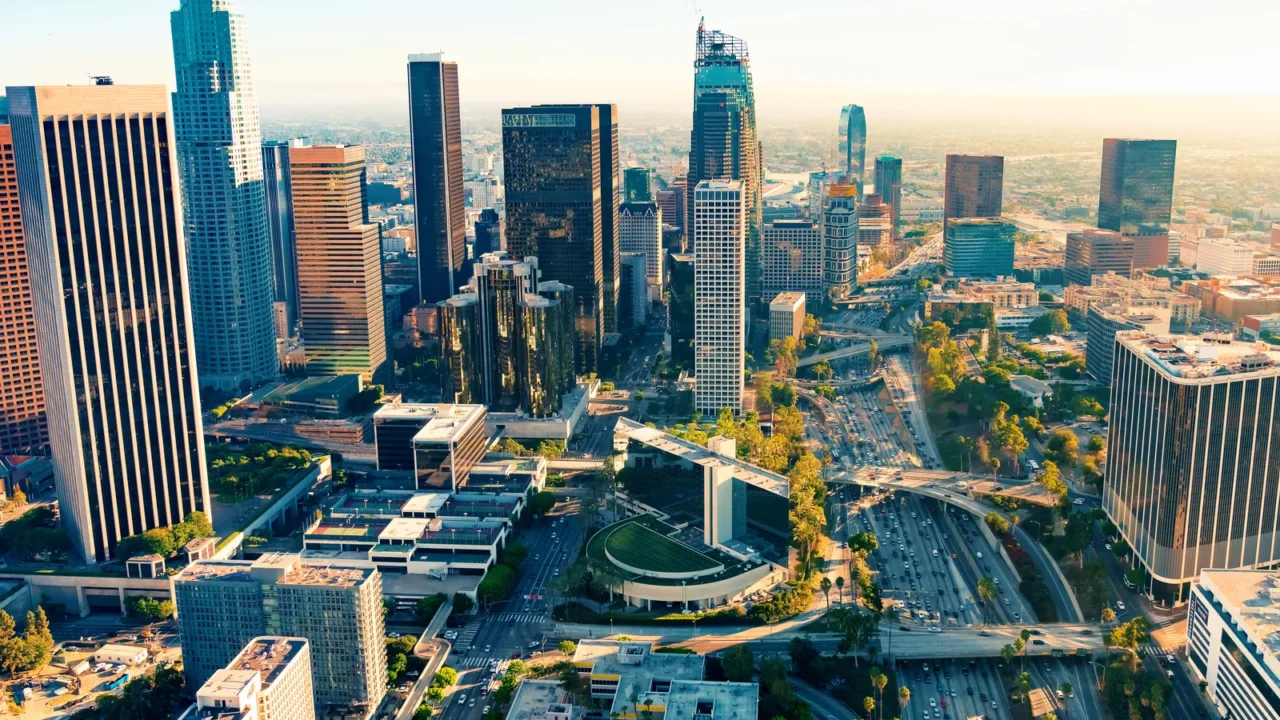
The first jump was immediate
For hotel operators, the concern is not only the final $30 target. It is the speed of the increase and the fact that the first jump landed before many businesses felt fully stable again.
Industry groups say that timing matters a lot in a city where labor, insurance, utilities, and property costs are already high. They argue that even a popular destination like Los Angeles cannot absorb every new cost without cutting somewhere else.

Hotels say jobs are already going
A HERO analysis commissioned by the Hotel Association of Los Angeles found that surveyed hotels reported a 6% decline in positions following the ordinance’s implementation (the HERO/HALA summary also reports that 62% of respondents expected to reduce staff hours in 2026). The figures come from the sample of hotels surveyed and are presented as sample-based estimates rather than a count of every job in the city.
The report said many of the impacted roles were labor-heavy jobs like housekeeping, food and beverage, and parking. Those are the kinds of positions many people count on as entry points into the hospitality business.

Hours may shrink next
The job-cut number is only part of the concern. The same survey found that 62% of hotels expected staff hours to decrease in 2026, with many predicting double-digit cuts.
For workers, reduced hours can sting almost as much as a layoff. A higher hourly wage sounds better on paper, but a smaller schedule can leave paychecks looking less dramatic than the headline number suggests.

Some hotel services are getting trimmed
The survey also pointed to changes guests may actually notice. Hotels reported restaurant closures, delayed improvements, and higher parking charges as they looked for ways to manage rising payroll costs.
That is where policy debates get real for travelers and local workers alike. What starts as a wage fight can quickly turn into fewer amenities, postponed upgrades, and a more cautious business mood across a city’s hotel scene.

Subcontractors feel it too
The pressure does not stop with hotel payrolls. According to the industry survey, outside providers working on hotel properties also expect to raise prices, and some may drop hotel contracts altogether.
That matters because hotels rely on a web of vendors. Laundry, maintenance, food service, security, and other contract work can all become more expensive when the cost structure shifts across a major tourism market.

Supporters say workers need this
Backers of the law see a very different picture. Supporters say tourism workers deserve a stronger share of the money flowing into Los Angeles, especially with the city preparing for major events and facing a very high cost of living.
They argue that better pay helps workers keep up with rent, food, and transportation in one of America’s most expensive metro areas. From that view, the wage hike is not a burden but a correction for workers who have long been underpaid in a profitable industry.
Little-known fact: Los Angeles will host the 2028 Summer Olympics, making it the third city after London and Paris to host the Summer Games three times.

This fight is bigger than one city
Los Angeles is getting attention because it is a huge tourism hub with global visibility. What happens here could shape how other blue cities think about local wage laws for hotels, airports, and event-driven industries.
The debate also lands at a symbolic moment. LA is preparing for the World Cup, the Olympics, and other major events, so city leaders are being pushed to prove they can protect both workers and business growth at the same time.
Little-known fact: Los Angeles is the sixth-largest hotel market in the U.S., with more than 1,000 hotels and over 98,600 hotel rooms.

Why managers are worried too
Hotel leaders say the strain is not limited to front-line payroll. They argue that tight budgets can reduce training opportunities and slow the ladder that helps workers move from entry-level jobs into supervisory or management roles.
That point resonates because hospitality has long been an industry where workers can climb over time. When companies freeze hiring or scale back programs, the people hurt are not only current staff but also future workers hoping to move up.
Little-known fact: The Hollywood Walk of Fame has more than 2,800 stars, making it one of the city’s most famous tourism landmarks.

The health benefit adds another layer
The wage schedule is not the only financial piece in play. Industry summaries of the ordinance note that employers are also required to pay an additional hourly amount toward health benefits beginning in 2026.
That added cost helps explain why hotel groups say the burden is larger than the hourly wage figure alone. In a business with thin margins at some properties, each extra required expense can affect staffing, pricing, or planned investment.
A $1 billion movie museum is turning into Los Angeles’ next must-see stop. Check out why this new attraction could become a major draw for film fans, tourists, and the city’s tourism economy.
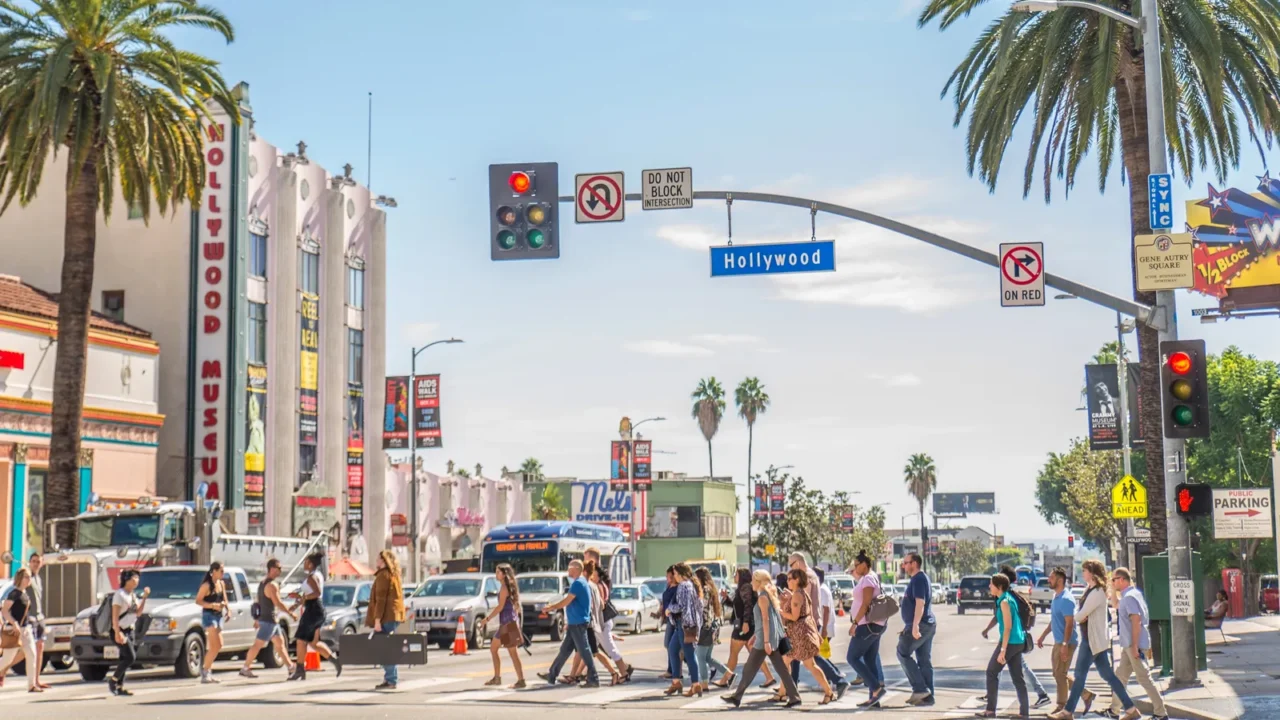
What happens next
The law is in effect, but the political fight around it is not over. Hotel groups, labor advocates, and city leaders are still battling over what the ordinance will mean by the time the next scheduled increases arrive.
That means 2026 could be a key test year. If hotels keep cutting jobs or hours, critics will say the warning signs were real, but if business holds up and workers gain stability, supporters will say the policy worked exactly as intended.
Minimum wage laws look very different across states in 2026, creating a patchwork that affects workers, employers, and local economies. Check out which states pay more, which still follow the federal rate, and why the gap keeps growing.
Do you think Los Angeles got this balance right? Share your thoughts in the comments.
This slideshow was made with AI assistance and human editing.
Don’t forget to follow us for more exclusive content right here on MSN.
Read More From This Brand:
