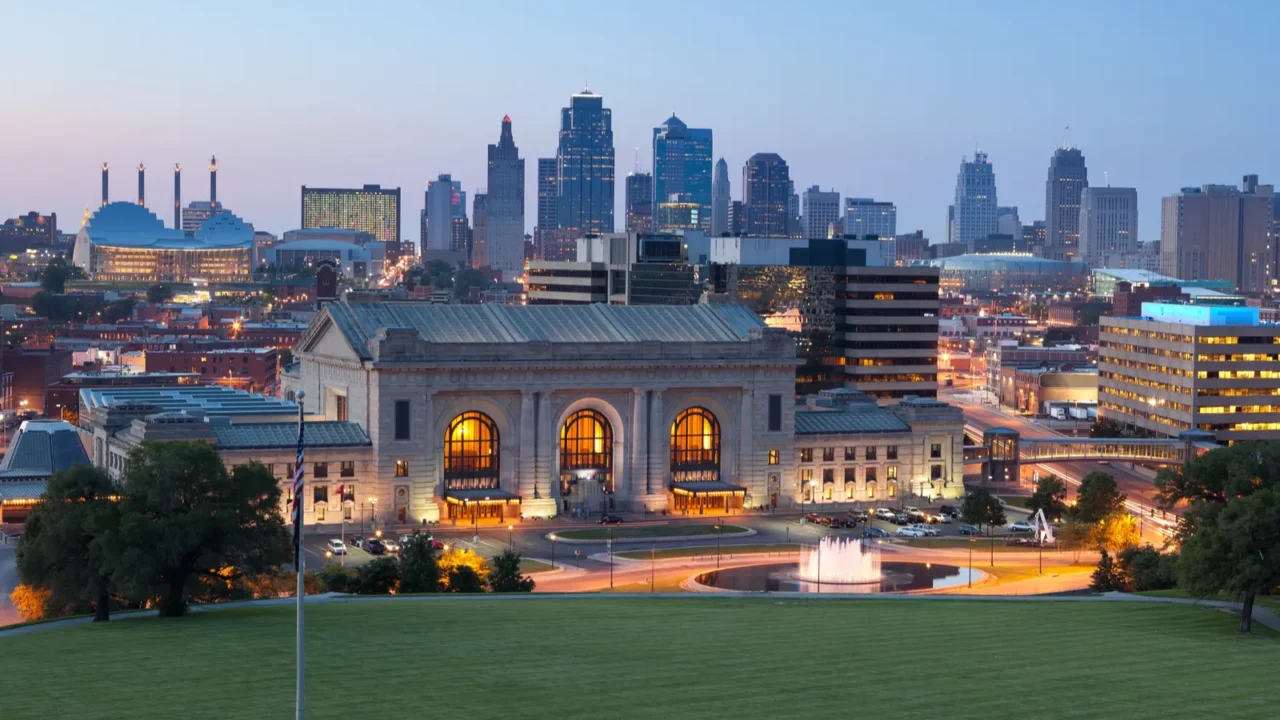
Rivers reset travel pace
Missouri’s river cities are drawing travelers who want calmer energy than major Midwest metros. Places like St. Charles and Hannibal move at a human scale shaped by the river. Daily life feels steady instead of compressed.
The Missouri and Mississippi Rivers set the rhythm naturally. Walks, meals, and conversations stretch longer without pressure. That slower pace is becoming the main attraction.
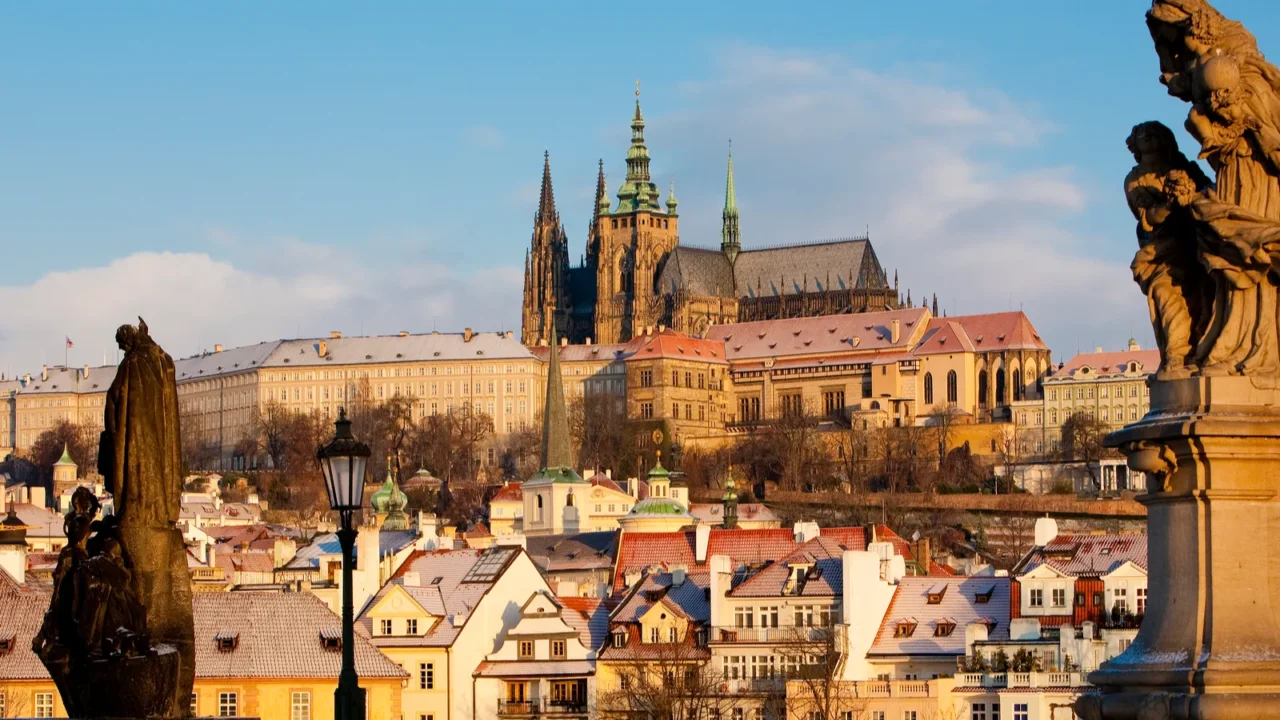
History lives downtown
River cities grew long before modern urban sprawl. St. Charles Historic Main Street and Hannibal’s riverfront preserve that early layout. Brick buildings and narrow streets encourage wandering.
History stays visible rather than tucked away. Travelers encounter landmarks while shopping or eating. That immersion rewards longer stays.
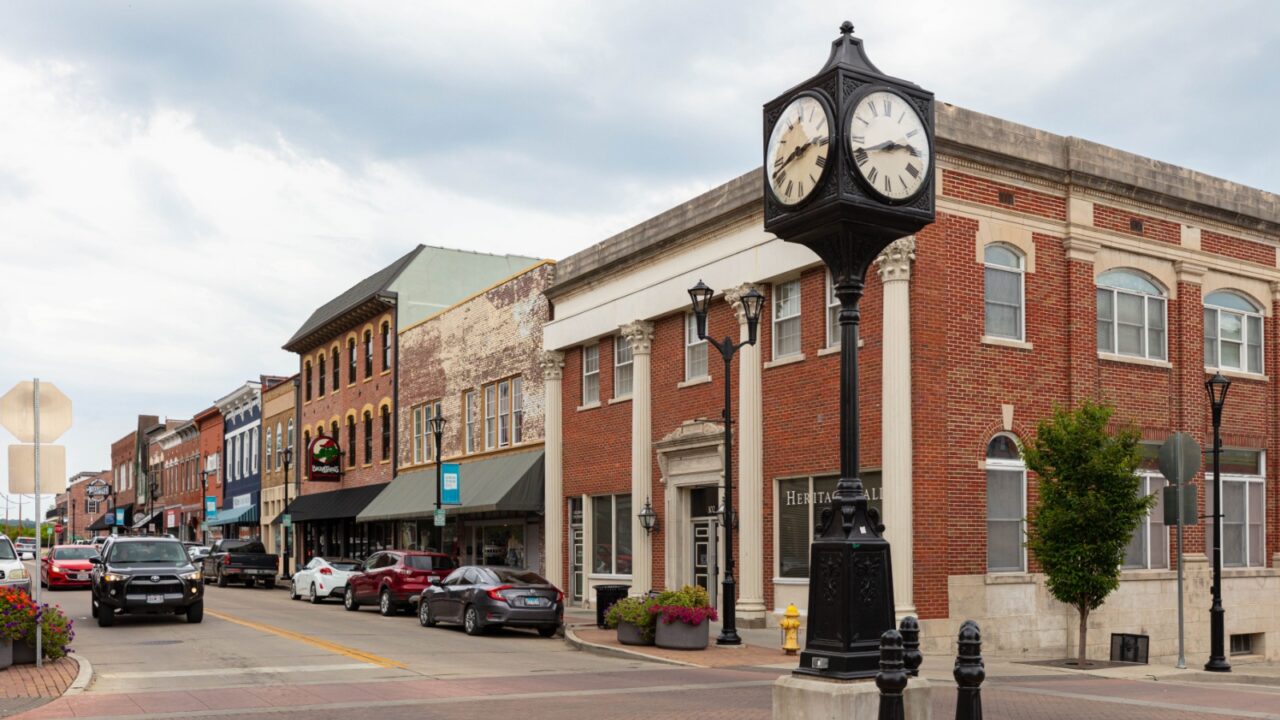
Smaller cities feel approachable
Missouri’s river cities feel welcoming instead of overwhelming. Cape Girardeau and Jefferson City balance civic life with local character. Streets remain navigable without traffic stress.
Travelers settle in quickly without learning complex systems. Getting around feels intuitive and relaxed. That ease contrasts sharply with larger Midwest metros.
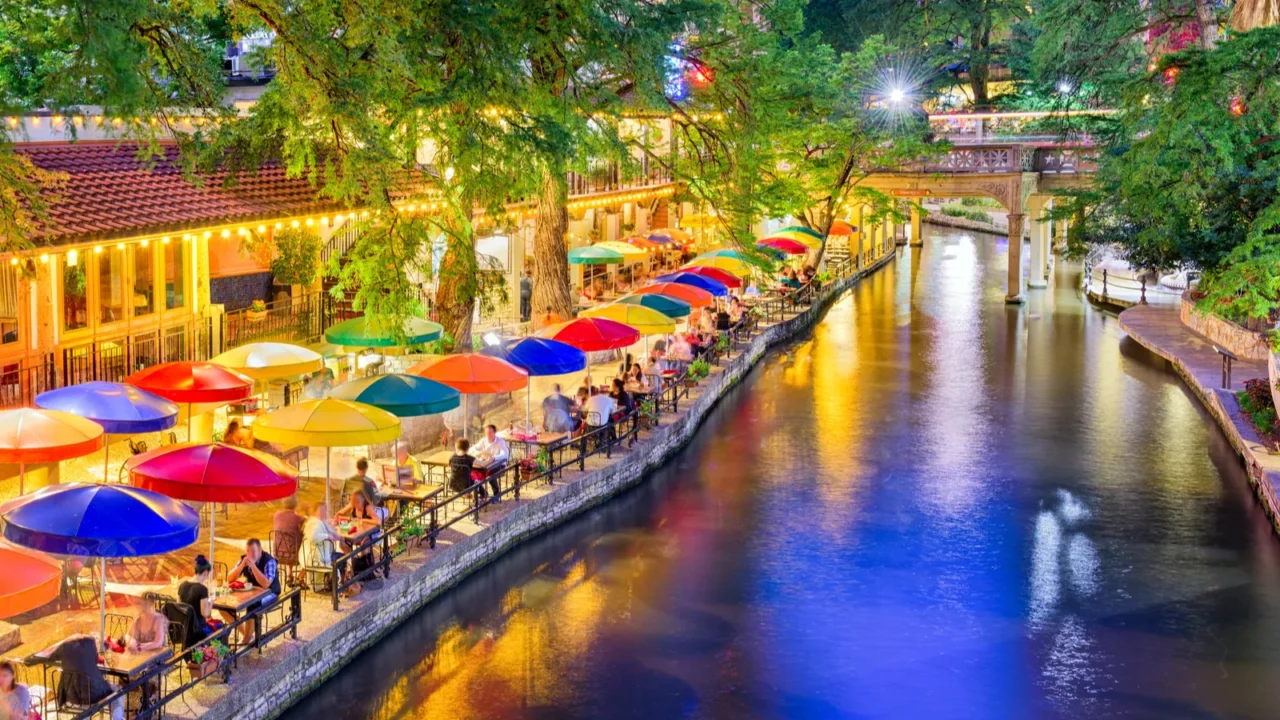
Riverfronts anchor daily life
Riverfronts remain central gathering spaces. Hannibal’s riverwalk and Cape Girardeau’s floodwall murals draw locals daily. The river acts as a shared backdrop.
Morning strolls and evening views feel routine here. Visitors blend into local patterns naturally. That connection makes trips feel less temporary.

Culture without the noise
Arts and culture thrive quietly in these cities. Hannibal celebrates Mark Twain through museums and performances. St. Charles hosts festivals without overwhelming crowds.
Events feel community-driven rather than commercial. Travelers enjoy culture without fighting for space. That balance keeps experiences enjoyable.
Food stays locally rooted
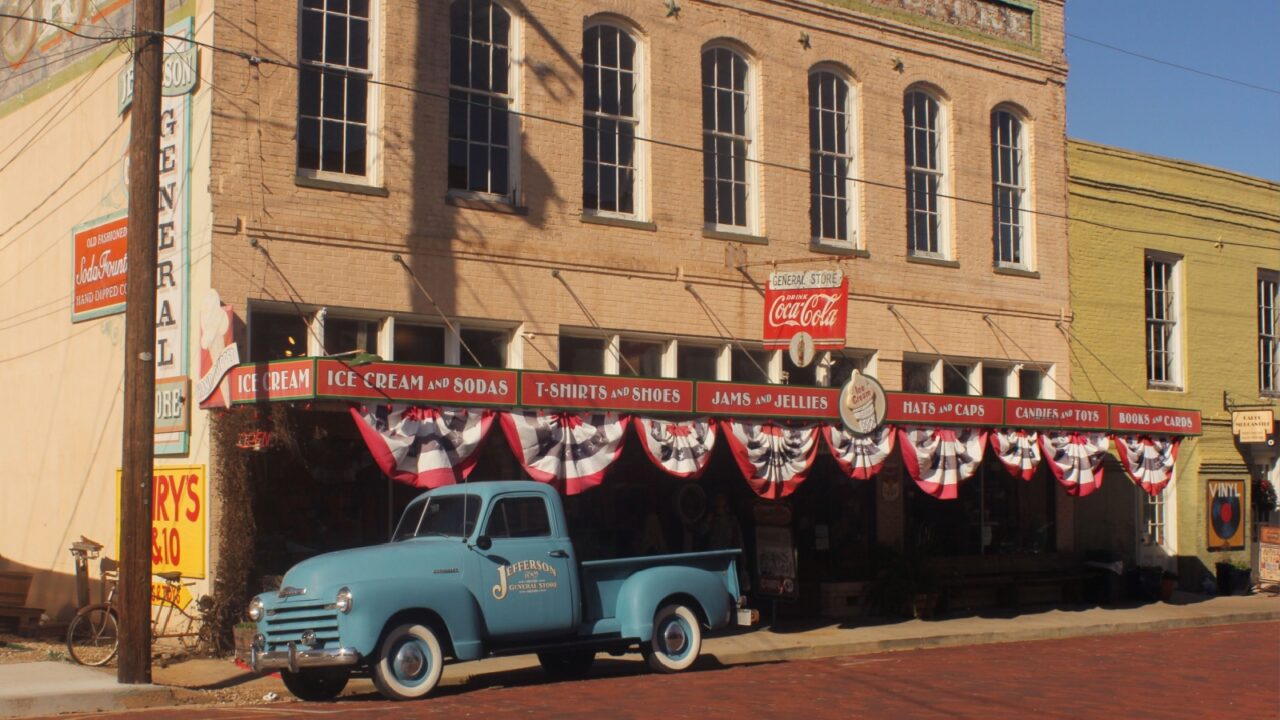
Dining reflects regional habits and river history. Cafes and taverns in Jefferson City and Cape Girardeau favor comfort and consistency. Menus avoid chasing short-lived trends.
Meals unfold at an unhurried pace. Conversations stretch across tables. Food becomes part of the atmosphere instead of a spectacle.
Walkability replaces congestion
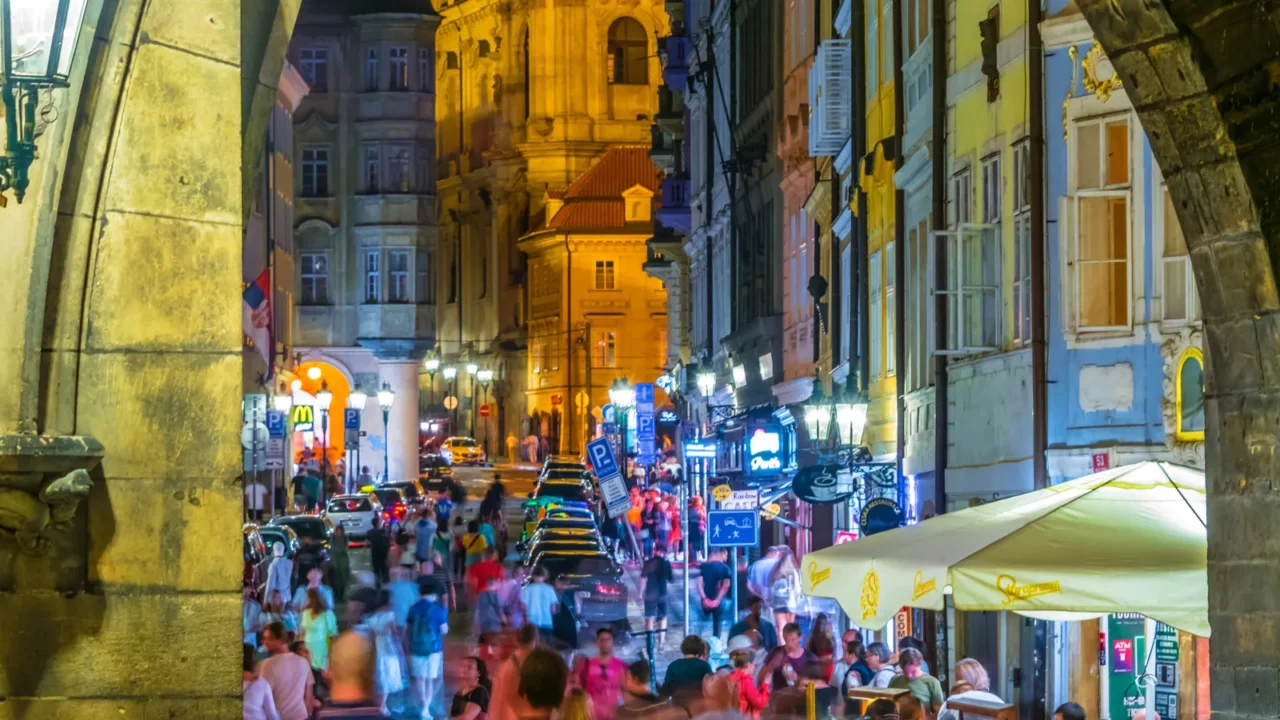
River cities were built before car dominance. Downtown St. Charles and Hannibal remain highly walkable. Attractions sit close together.
Travelers spend more time walking and less time navigating. Streets feel safe and active throughout the day. That walkability changes how time is spent.
Nature stays close by
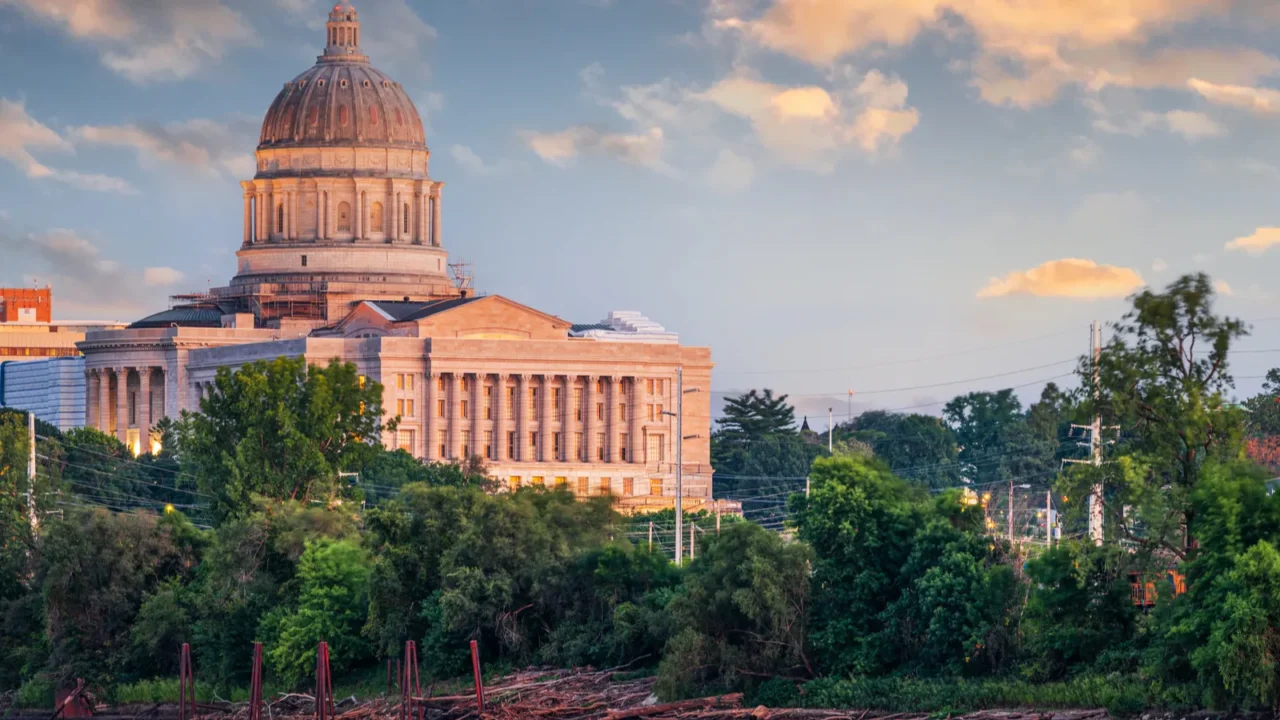
Rivers bring green space into city life. Trails, bluffs, and parks surround Cape Girardeau and Jefferson City. Nature doesn’t require long drives.
Visitors shift easily between town and landscape. Short walks deliver wide views and fresh air. That proximity adds value to slower trips.
Costs feel more reasonable
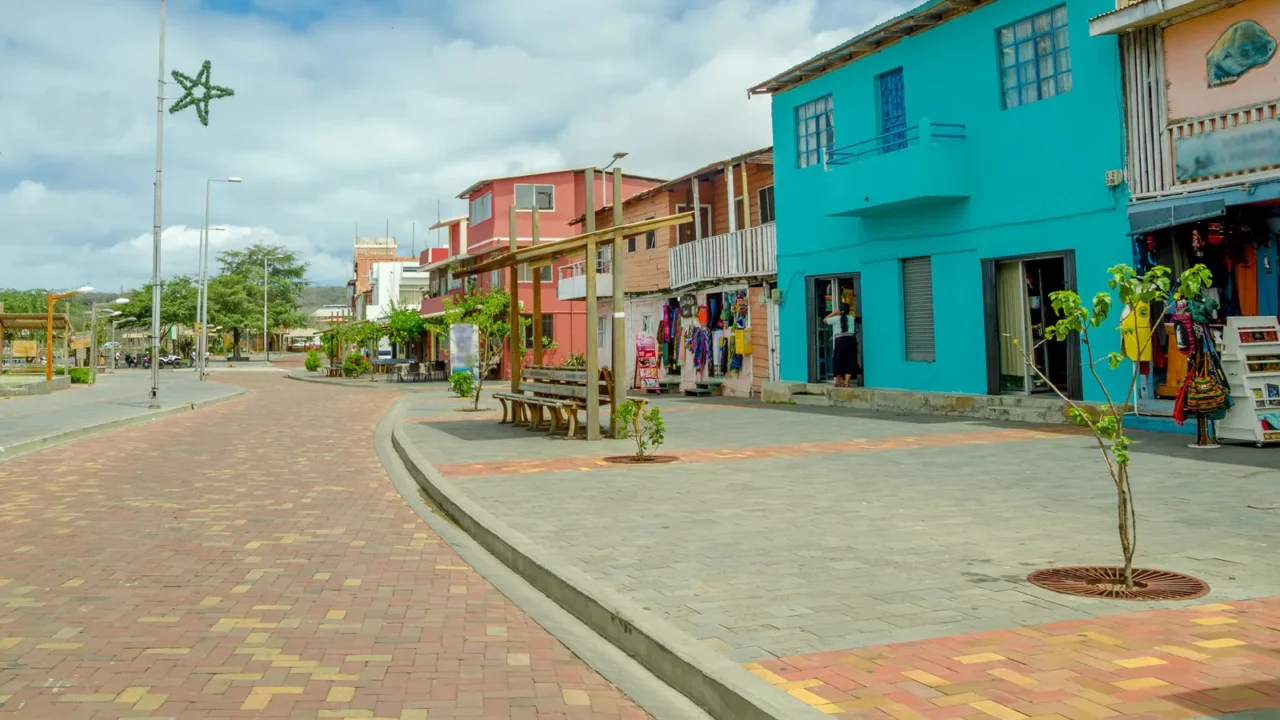
River cities offer better value than major metros. Lodging, dining, and parking remain affordable in Hannibal and St. Charles. Extended stays feel practical rather than indulgent.
Travelers stretch trips without stretching budgets. Spending feels intentional and relaxed. That affordability supports longer visits.
Community interactions feel natural
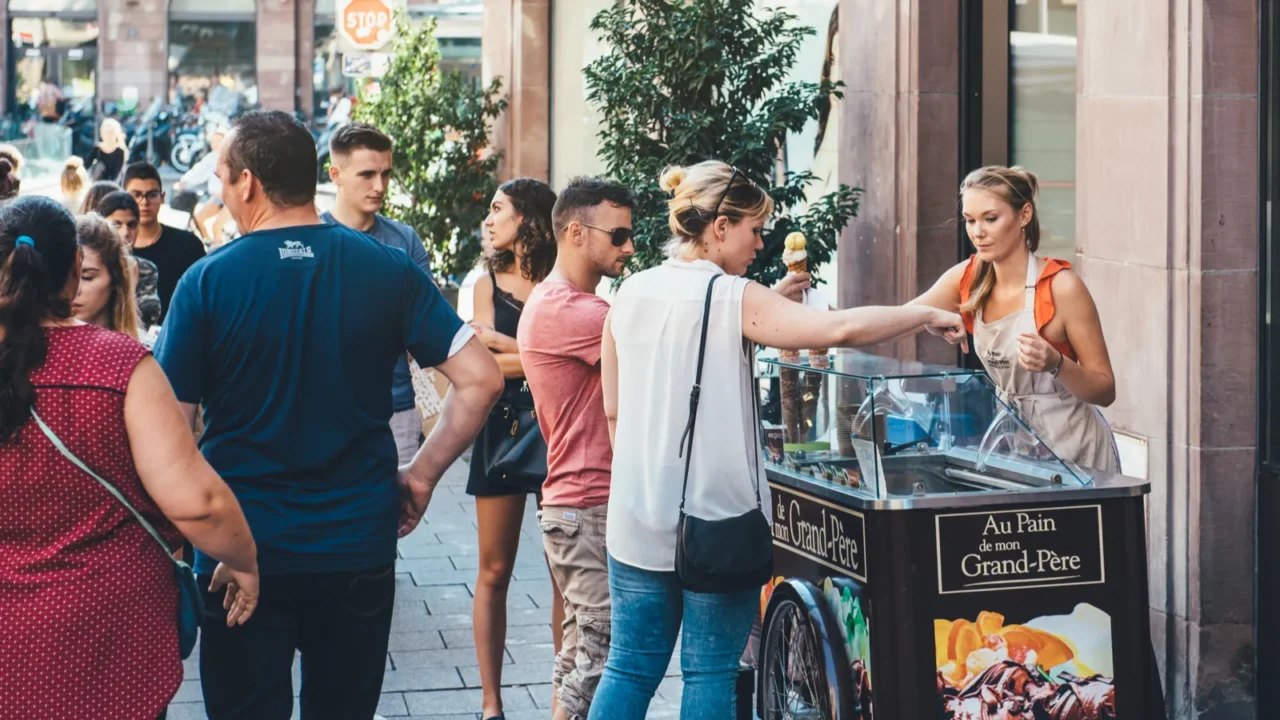
Local interactions happen easily in smaller cities. Shop owners and servers recognize faces quickly. Conversations feel genuine instead of transactional.
Travelers feel welcomed without effort. That warmth builds comfort over time. It’s harder to replicate in larger cities.
Evenings stay calm
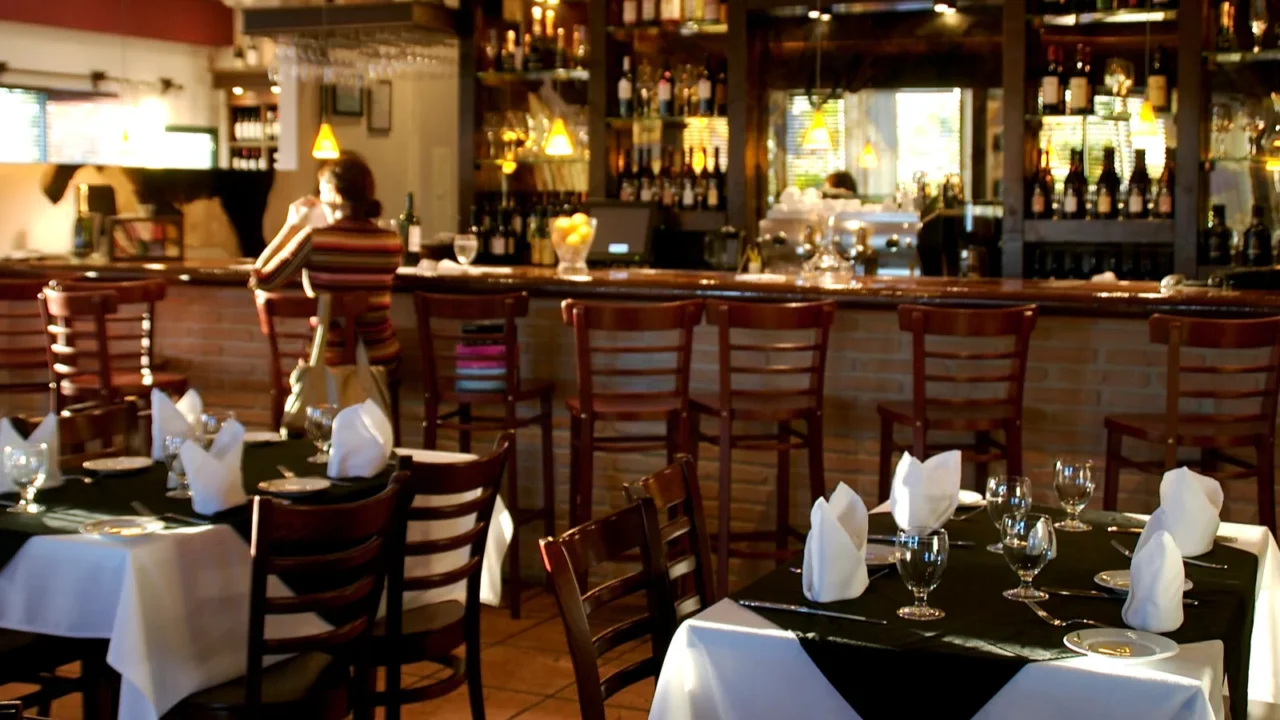
Evenings in river cities remain peaceful. Restaurants and riverfront paths in Jefferson City wind down gradually. Noise stays low and manageable.
Evening walks feel safe and reflective. The river reflects the lights quietly. Those calm nights become favorite memories.

Remote work fits easily
River cities adapt well to flexible travel. Cafes, libraries, and inns support remote routines, while reliable internet remains unobtrusive, and even destinations like Thailand’s floating markets operate with a similar rhythm, blending commerce and local life along the water. Travelers enjoy spaces that support work without overwhelming the experience.
Days blend productivity with exploration. Work feels balanced rather than intrusive. That flexibility attracts modern travelers.
Choosing balance over scale
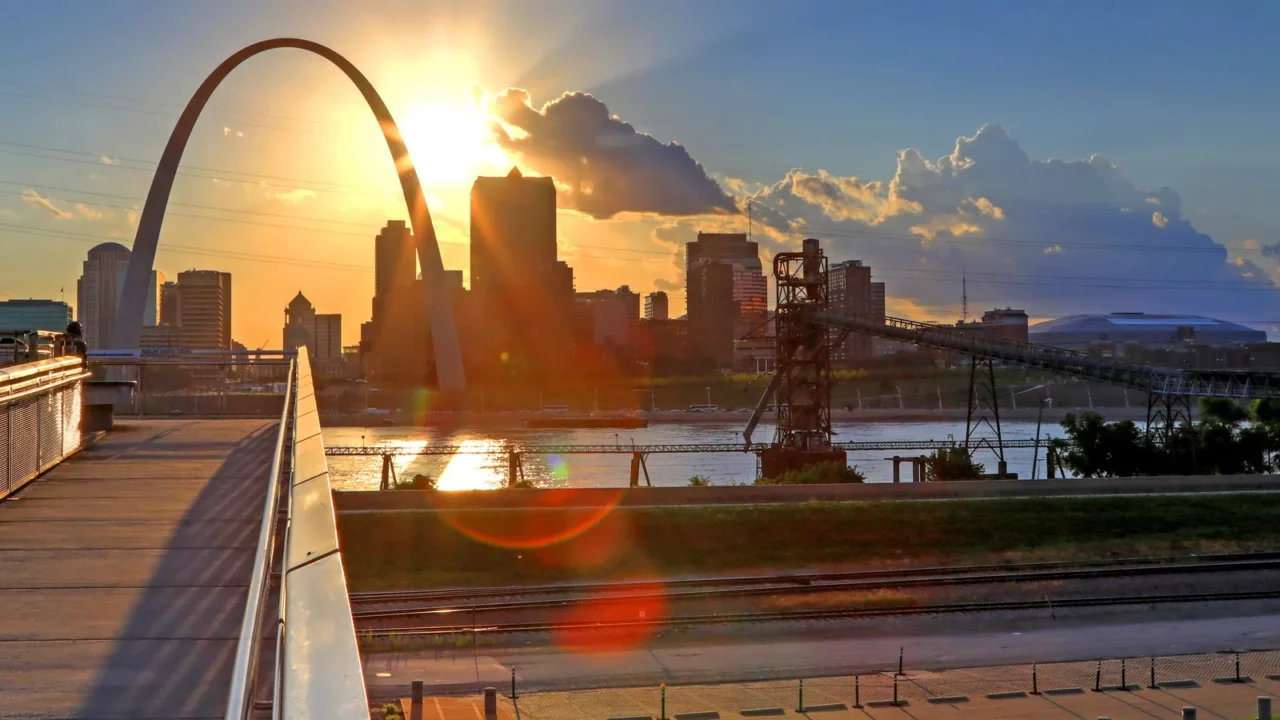
Missouri’s river cities offer an alternative to big metro intensity. St. Charles, Hannibal, and Cape Girardeau reward time and attention. Experiences feel fuller without excess.
Travelers leave feeling rested and connected. The river pace reshapes expectations. That balance explains the shift away from major Midwest metros.
If you found this interesting, give us a like and share your thoughts in the comments.
This slideshow was made with AI assistance and human editing.
Don’t forget to follow us for more exclusive content right here on MSN.
Read More From This Brand:
