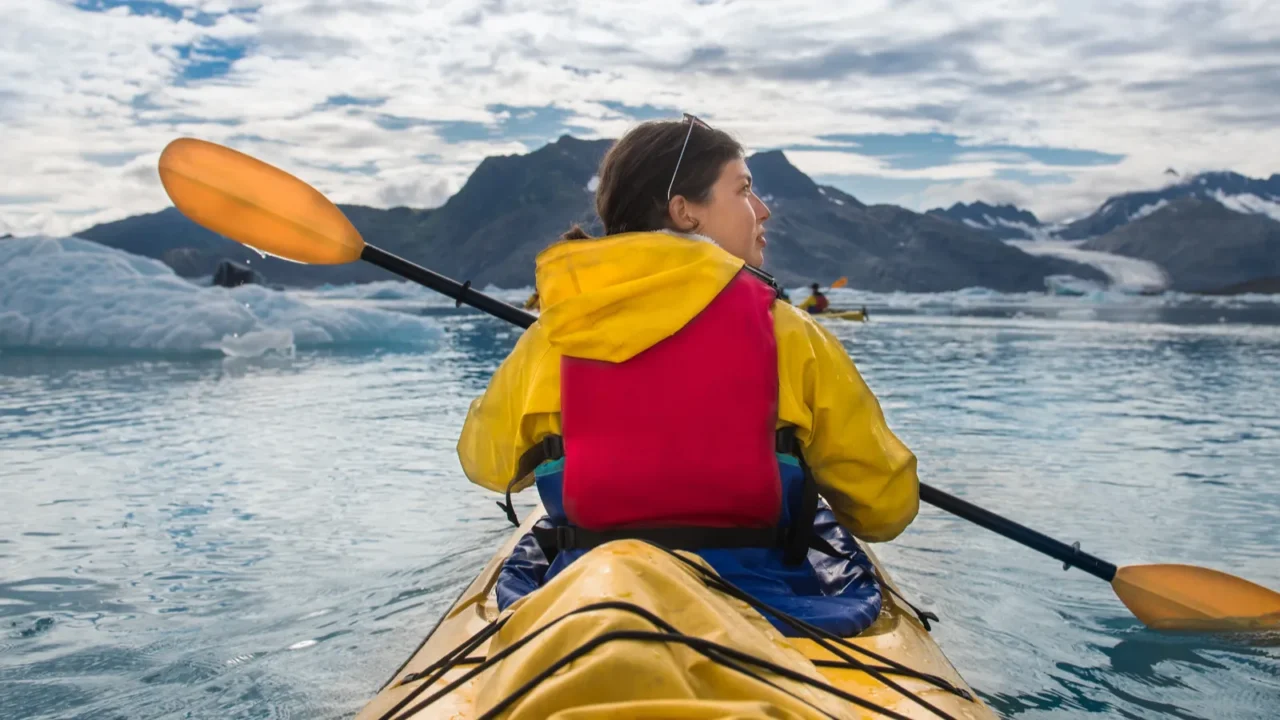
Moving to Alaska is a real reset
Alaska looks like freedom on a postcard, but daily life runs on planning. You get wilderness, space, and a culture that still feels proudly different. You also get distance, weather, and higher everyday costs. New arrivals usually love it or leave it.
A lot of people stay because the slower pace feels healthier. Others move back because small problems get bigger when help is far away. The key is to plan for basics first, not adventures. If you do that, Alaska can be a great fit.

Grocery math hits hard up north
Food costs vary a lot by location, and rural areas can spike fast. A USDA cost update shows Alaska’s Thrifty Food Plan costs can run 28.52% higher in Rural I areas and 56.42% higher in Rural II areas compared with Anchorage. That difference is a daily budget reality.
Even within Alaska, prices can swing wildly from city to village. One reported comparison showed groceries in Unalakleet could be nearly 80% higher than in Anchorage for a sample basket. Locals learn to plan meals, buy in bulk, and waste less. That habit saves real money.

Heating is not optional spending
Cold weather turns your home into a monthly expense machine. In Fairbanks, one University of Alaska Fairbanks study estimated that residents spent about 10% of their income on energy in 2024. That is far above the national average cited in the same report.
This is why locals obsess over insulation, drafts, and maintenance. People also track heating fuel use like a dashboard number. A single cold snap can blow up a tight budget. Build a winter cushion before you arrive.

No state income tax helps, but
Alaska does not have a state income tax, and that feels like a win on paper. The tradeoff is that many basics can cost more, especially outside major hubs. Food, shipping, and winter living add up quickly. You still need a realistic monthly budget.
Some communities also have local sales taxes, depending on where you live. That means your tax story can change from town to town. Newcomers often say the budget feels “rearranged,” not magically cheaper. Think of it as a different kind of bill stack.

The PFD is real, but variable
Alaska’s Permanent Fund Dividend exists, but you cannot count on a big number every year. The state lists the 2025 PFD amount as $1,000. Payments also follow a schedule based on eligibility status.
Some people move, expecting the PFD to carry their finances. Locals usually treat it like a helpful cushion for essentials. If you need it to cover rent or utilities, your plan is too tight. Build your budget so the PFD is a bonus.
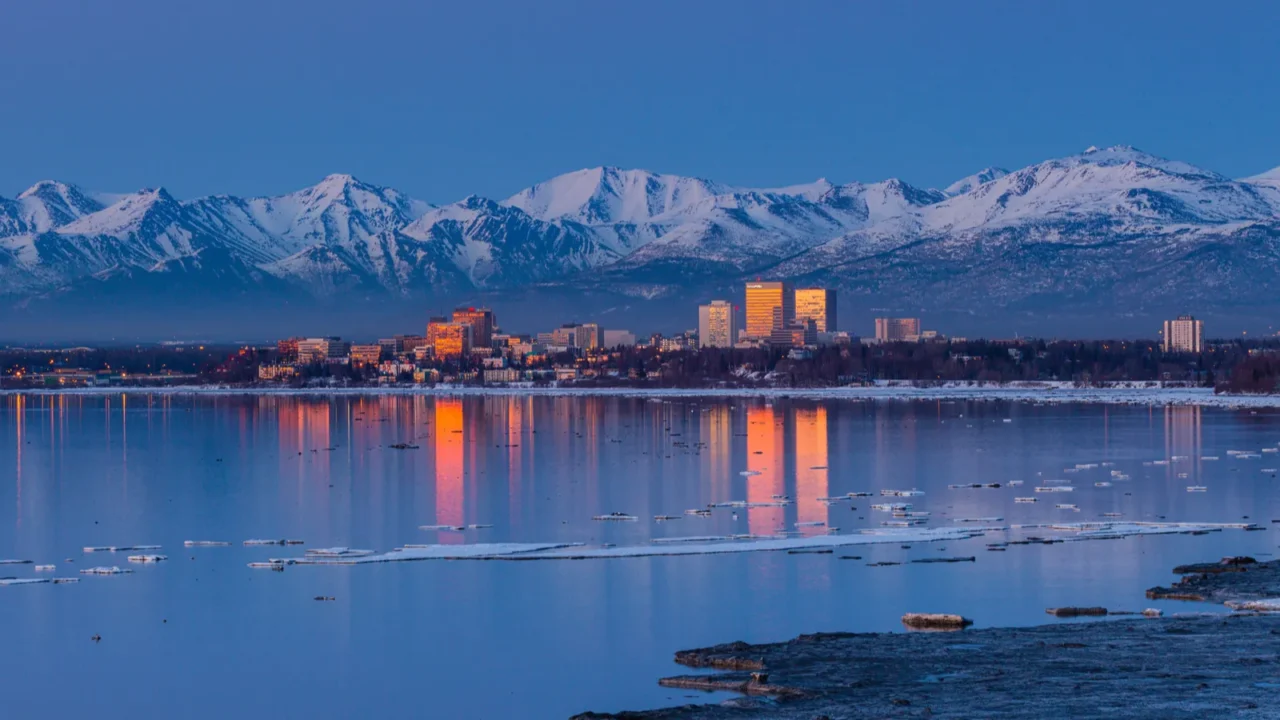
Dark winters can mess with you
The cold is obvious, but the darkness can be the real shock. Visit Anchorage says the shortest day still brings nearly 5.5 hours of daylight in Anchorage. Farther north, the seasonal swing gets tougher. That can affect sleep and mood.
Many locals use routines to stay steady. Light therapy lamps, scheduled walks, and social plans help a lot. It is also normal to feel off at first. Planning for mental health is part of moving smart.
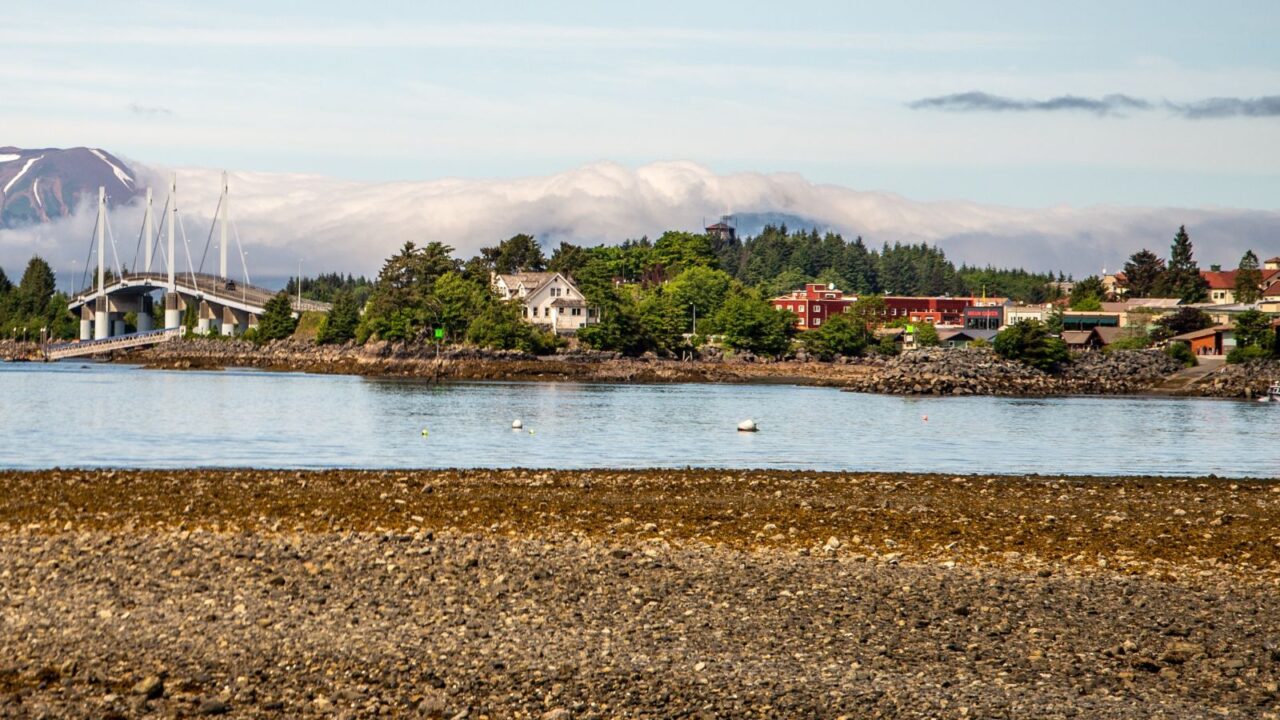
Summer light can break your sleep
Now flip it, because summer light is intense too. Visit Anchorage notes that the city can experience up to 22 hours of daylight near the summer solstice. That sounds fun until bedtime becomes a fight. Your body clock may need help.
Locals rely on blackout curtains like they are basic gear. Kids and pets can stay wired late, too. The upside is you can hike or run errands at odd hours. It feels like extra life in the day.

Remote living is not a vibe
A lot of Alaska is not connected like the Lower 48. Alaska DOT says 82% of communities and FAA-recognized locations are not accessible by road. That means flights, boats, and weather delays matter. It also affects costs and timelines.
This changes how you plan everything, from medical visits to deliveries. You learn to order early and keep backups at home. Locals treat preparedness as normal, not paranoid. If you hate logistics, this will stress you out fast.
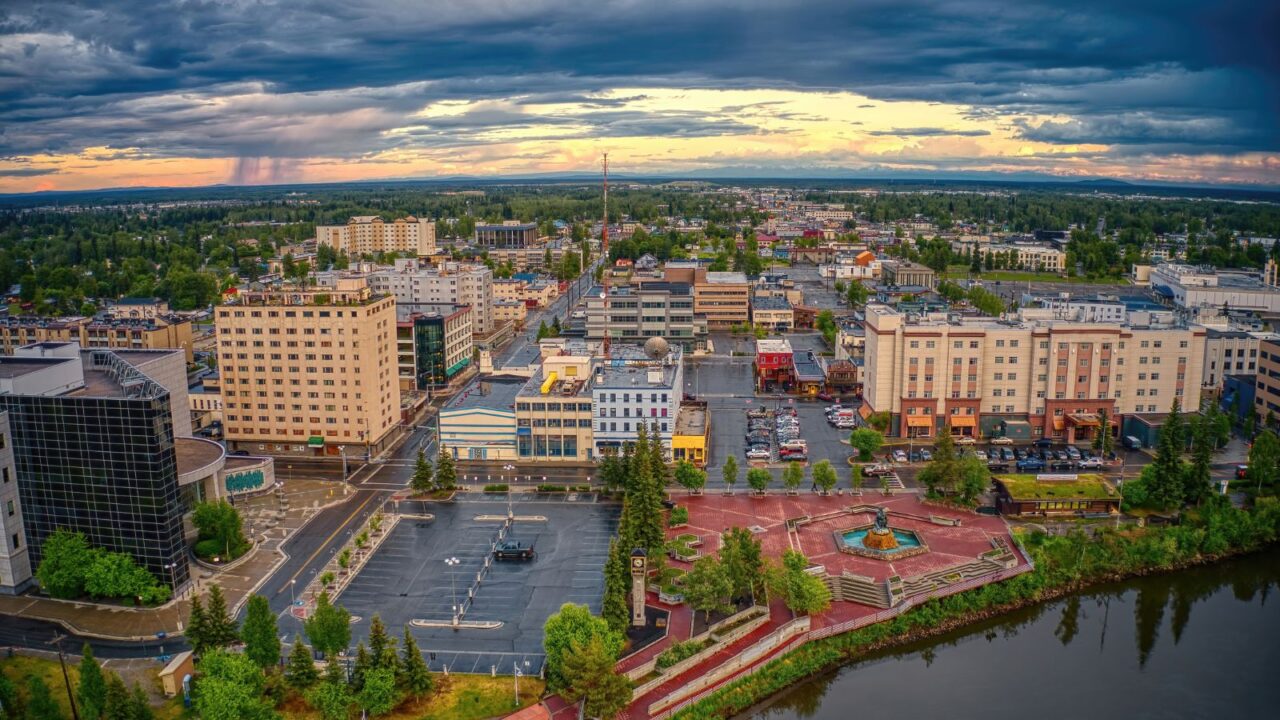
Driving is a different sport here
Winter roads change how you drive and what you drive. Snow, ice, and long distances punish unreliable cars quickly. Some areas also have rough surfaces and limited services. A breakdown can become serious if help is far away.
This is why locals keep winter kits and basic tools in the vehicle. Good tires and maintenance matter more than fancy features. People also learn to drive slower and leave extra time. Your first winter teaches you quickly.

Housing costs depend on your hub
Housing can be pricey where jobs and services concentrate. Redfin shows Anchorage’s median home price was about $403,000 in December 2025. That surprises people expecting frontier bargains. Competition and inventory can shape prices quickly.
Rent varies too, and winter utilities can change what “affordable” means. Smaller towns can be cheaper, but supply may be tight. Condition matters in harsh climates, so inspections matter. Start your search early and stay realistic.
Wildlife is not a theme park
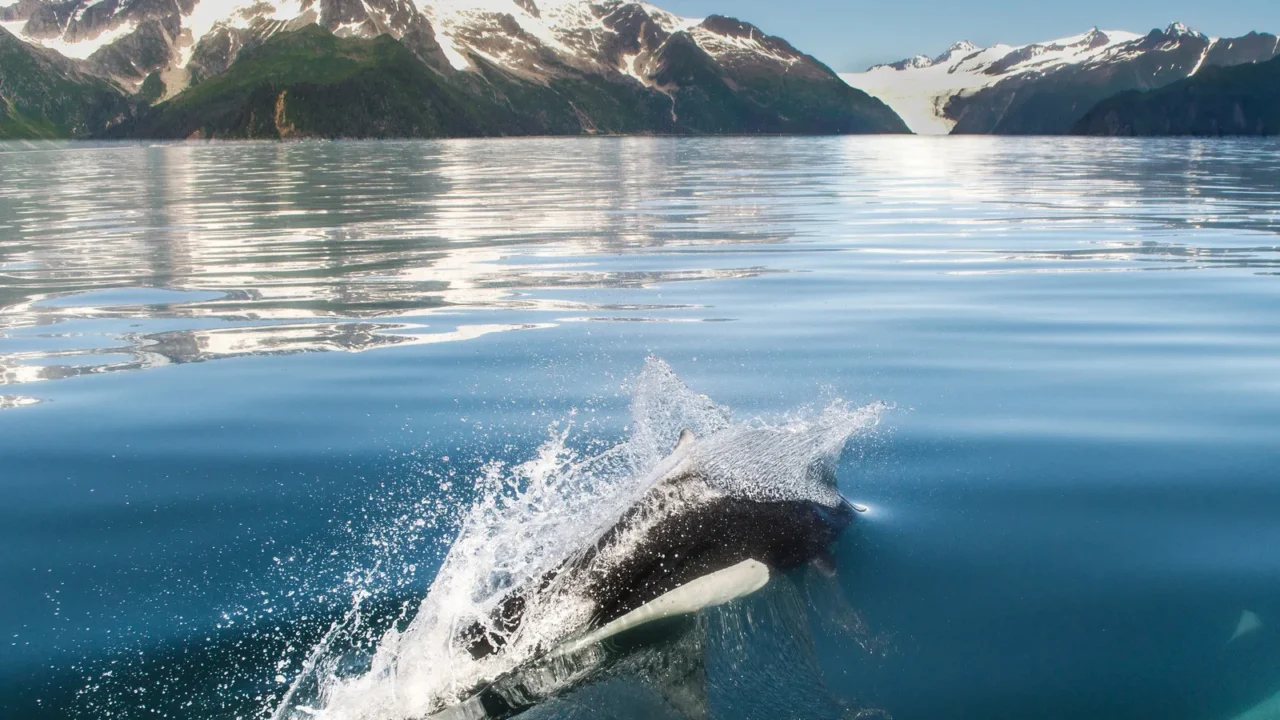
Living near moose and bears can be normal, depending on where you settle. That means learning safe distances, food storage, and what to do when animals show up. It is about respect, not fear. Your habits protect you and the animals.
Newcomers sometimes treat wildlife like a photo opportunity. Locals hate that because it leads to dangerous behavior and bad outcomes. The smartest move is to give space and follow local guidance. Calm and prepared usually wins in Alaska.

Crime deserves a serious check
Safety depends heavily on the community and even the neighborhood. USAFacts reports Alaska had the highest violent crime rate of any state at 724 per 100,000 people, using FBI data. That does not mean every town feels unsafe. It does mean research is not optional.
Locals often say block-by-block differences are real. Ask about lighting, winter walking routes, and response times. Look at recent local reporting and official stats. Pick your area like you are picking a long-term home, not a vacation rental.
Culture runs deep across the state
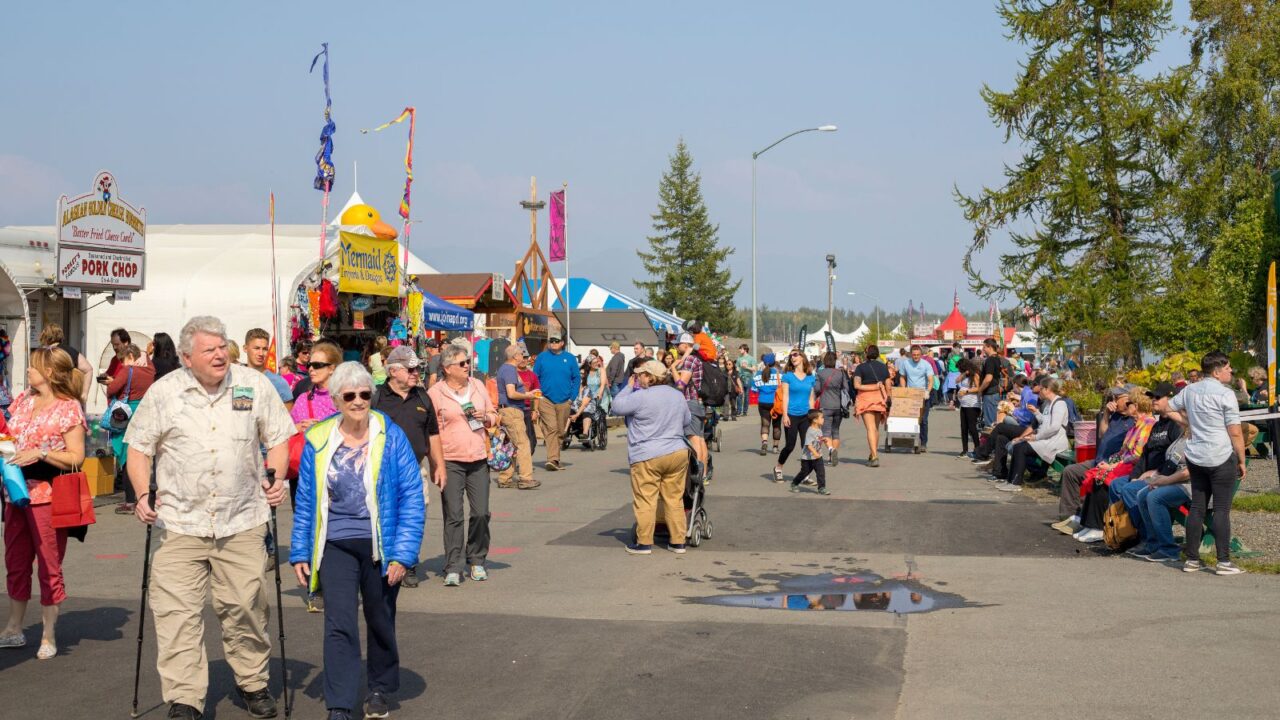
Alaska’s identity is shaped by Native communities and long local histories. The Native American Rights Fund notes Alaska is home to 229 federally recognized Tribes. That influence shows up in events, art, food, and place names. If you move with respect, you will learn a lot.
This is also why “moving to Alaska” is not one experience. Anchorage, Juneau, and rural villages can feel like different worlds. Listening matters more than arriving with assumptions. The best newcomers show curiosity and humility. That goes a long way.
Curious what it’s actually like to explore Greenland up close? Explore the expedition to majestic Greenland with a travel legend.
Are you also have any plan to move to Alaska? What are your thoughts after reading this guide? Share in the comments.
This slideshow was made with AI assistance and human editing.
Don’t forget to follow us for more exclusive content right here on MSN.
Read More From This Brand:
