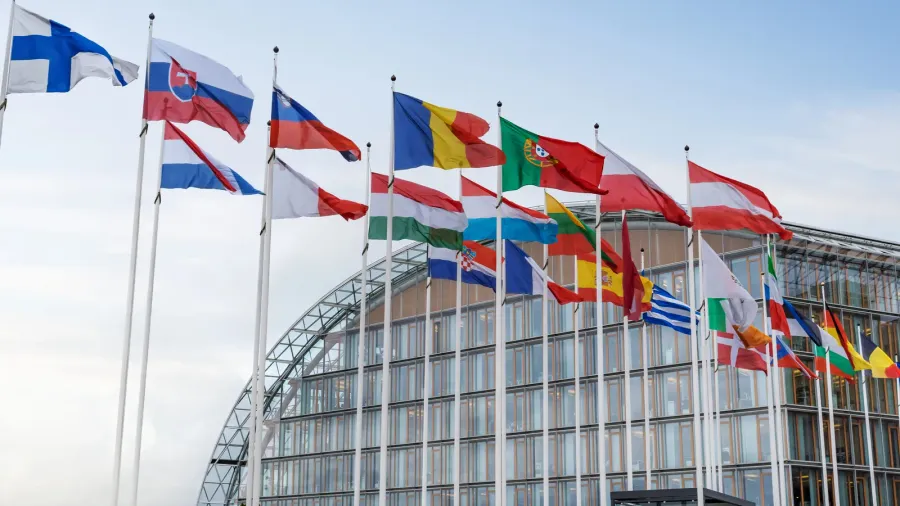
Europe leads the happiness race
The World Happiness Report shows European countries dominating global life satisfaction rankings. These nations consistently score high in social support, income, freedom, trust, and generosity, making them models of human well‑being.
Europe’s dominance reveals how intentional policy and cultural investments build lasting quality of life beyond mere scenery.
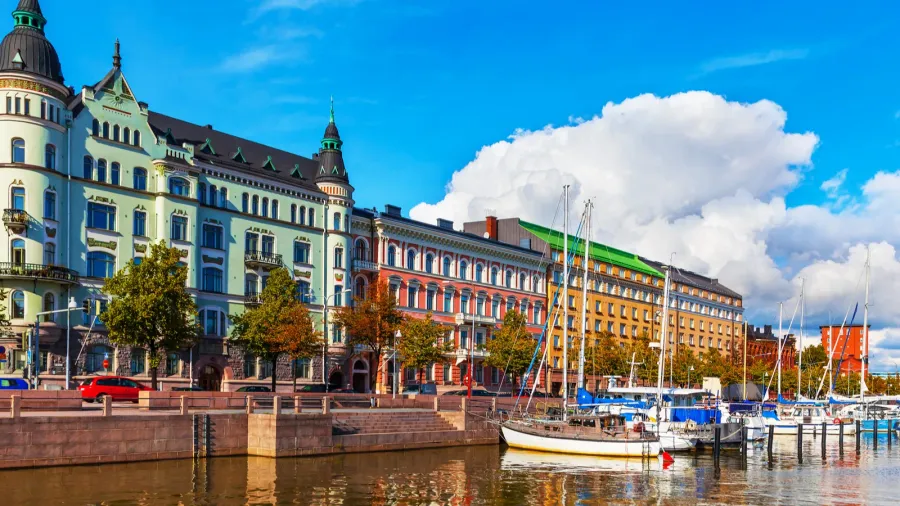
Finland’s quiet happiness secrets
Finland ranks as the world’s happiest country, leading global life evaluation scores, with exceptional levels of trust, social support, and equality. Daily life here balances work, nature, and community in a uniquely harmonious way.
Travelers sense intentional calm in forest walks, modern cities, and thoughtful design that prioritizes well‑being over frenzy.
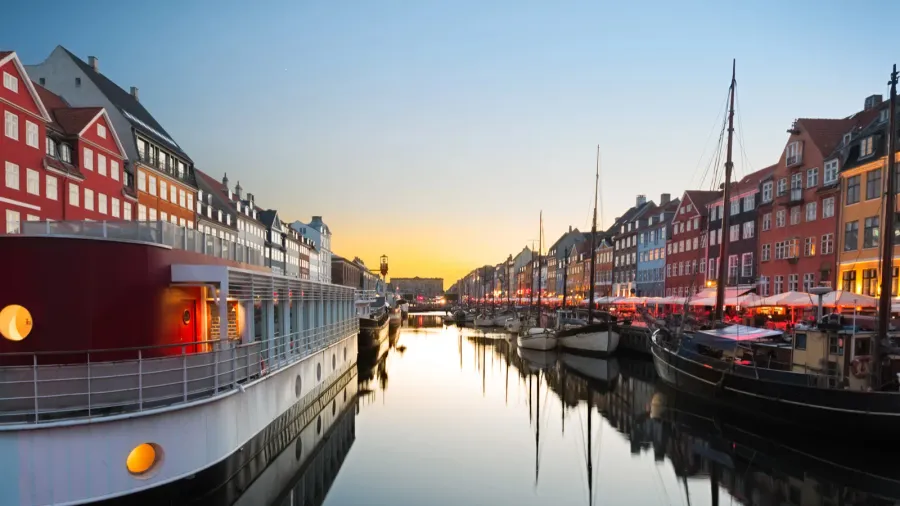
Denmark perfects the art of living
Denmark remains near the top of global happiness rankings, blending strong social support with cycling culture, accessible places, and human‑centered design. Copenhagen feels like a city built for people, not cars.
The concept of “hygge,” or cozy togetherness, guides everyday life, whether in candlelit cafes or relaxed public spaces filled with warmth and community.
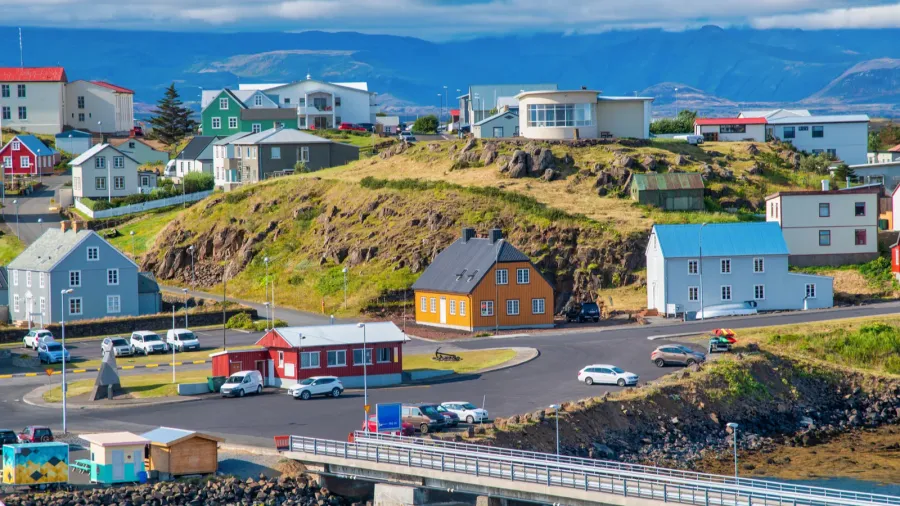
Iceland rises above all extremes
Iceland’s inclusion near the top of happiness rankings surprises many who expect only rugged landscapes. Instead, its strong social trust and equality fuel a high quality of life.
Iceland relies heavily on renewable energy, with almost all electricity coming from renewable sources and geothermal heating widely used in homes. That energy system helps make low-emission living part of everyday life rather than a niche ideal. Visitors find community, warmth, and shared appreciation for nature woven into daily society.
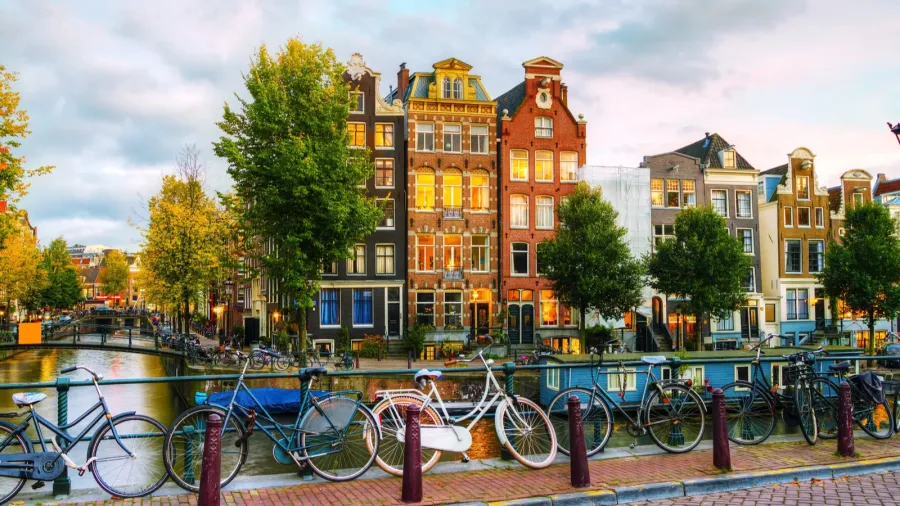
The Netherlands: Bikes, canals, bliss
The Netherlands scores high in happiness thanks to social safety nets, quality healthcare, and vibrant civic life. Utrecht blends university energy with canal charm, while cycling represents community and active living.
With abundant paths connecting towns and fields, travelers feel what happens when infrastructure meets joy.
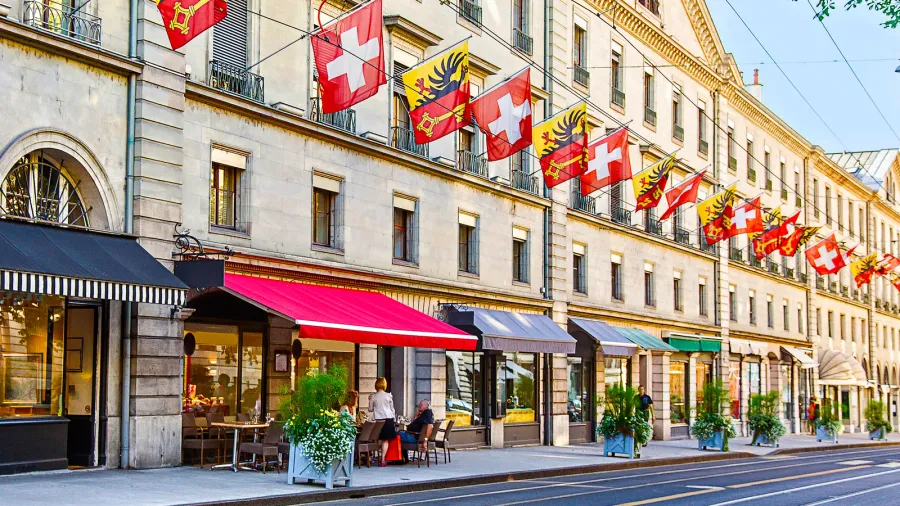
Switzerland scores high, always
Switzerland remains one of Europe’s higher-ranked countries in the World Happiness Report, supported by strong institutions, prosperity, and a high quality of life. Its appeal comes from more than scenery, with efficient systems and well-kept public spaces shaping daily life. Geneva and Zurich rank among the most livable cities, offering efficient transport and rich civic amenities.
Direct democracy empowers communities, while the Alps serve as more than scenery by shaping identity, activity, and collective pride in a balanced lifestyle.
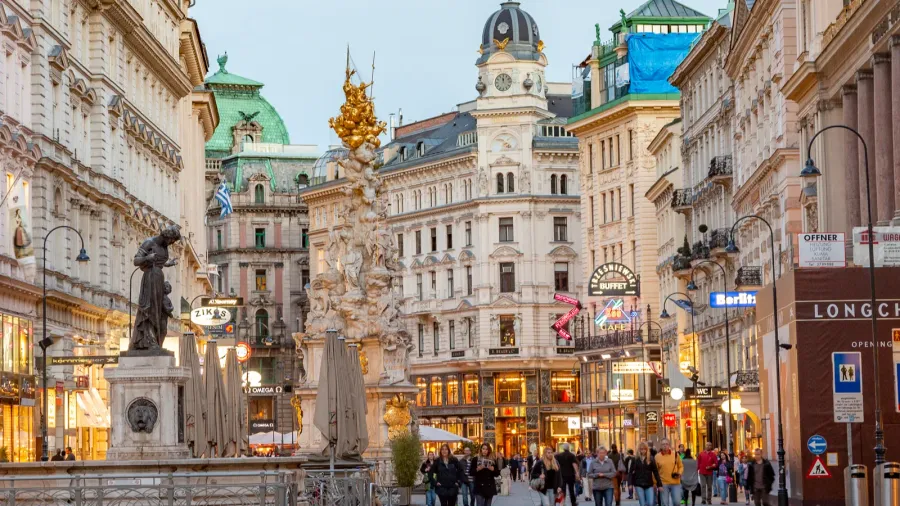
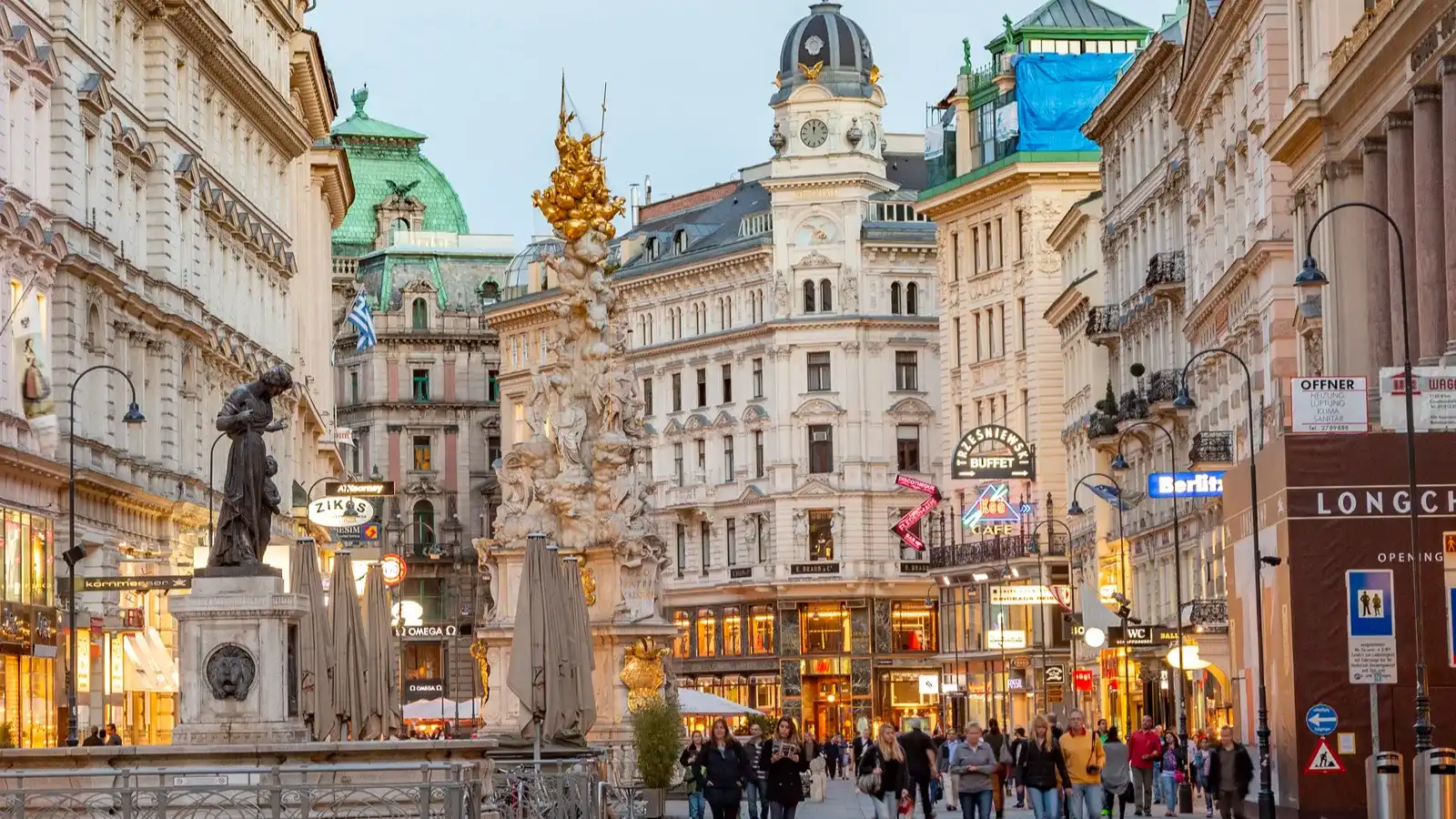
Austria’s alpine soul, ranked high
Austria remains a well-regarded country for quality of life, with broad healthcare coverage, strong cultural institutions, and attractive public spaces. Vienna in particular blends history, transit, and everyday livability in ways that shape the country’s appeal.
Walking through museums or stopping for melange coffee shows that living well is not just possible, it’s baked into Austria’s cultural rhythm.
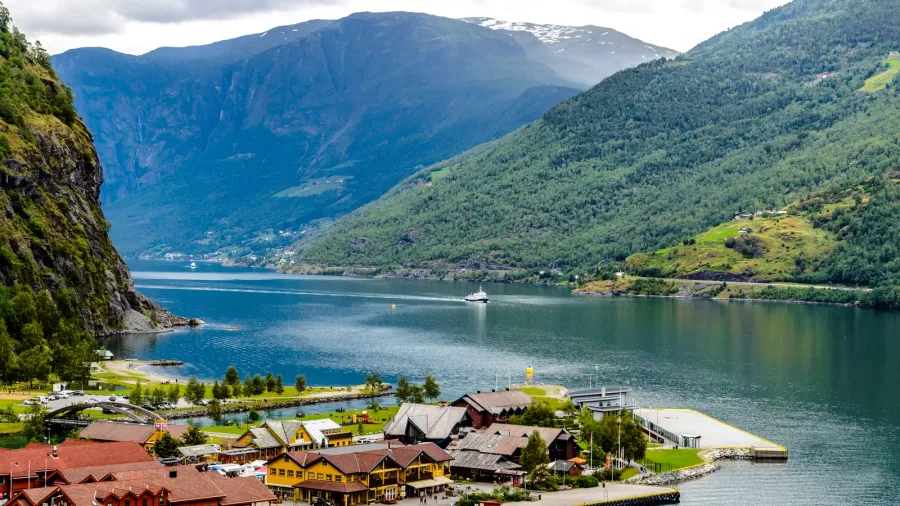
Norway’s fjords run deeper still
Norway ranks high among the happiest nations, thanks to social support, freedom, and inclusive services. The country pairs outdoor devotion with well‑being, building societies where people thrive both inside cities and beside nature. Factors like universal healthcare and community trust make happiness sustainable in everyday life.
Fact: Norway ranks 7th in the World Happiness Report 2025 with a score of 7.262, reflecting strong social cohesion and support systems.
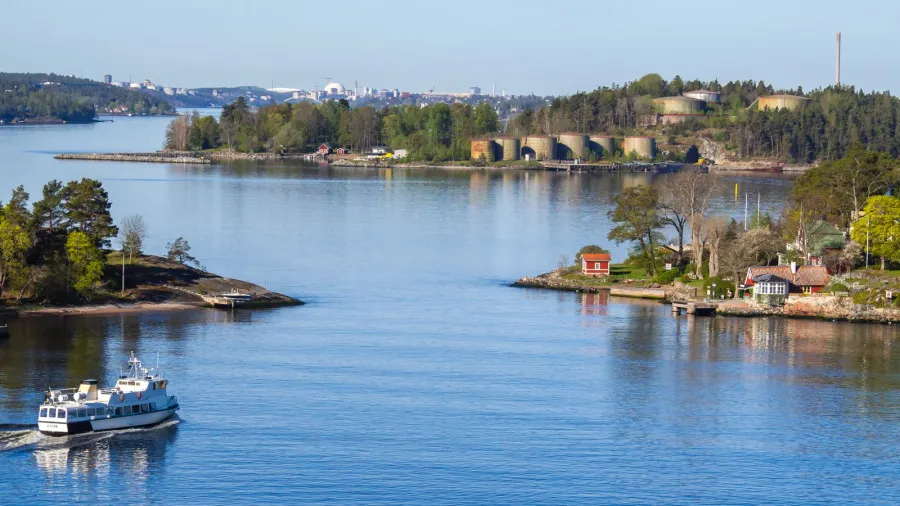
Sweden’s model worth studying
Sweden’s universal access to nature, transparent governance, and generous parental leave boost life satisfaction. Stockholm’s archipelago and urban design show how nature and cities interact to create balance.
The Swedish idea of “lagom,” meaning “just enough,” shapes culture from planning to everyday moments, highlighting moderation as a happiness driver.
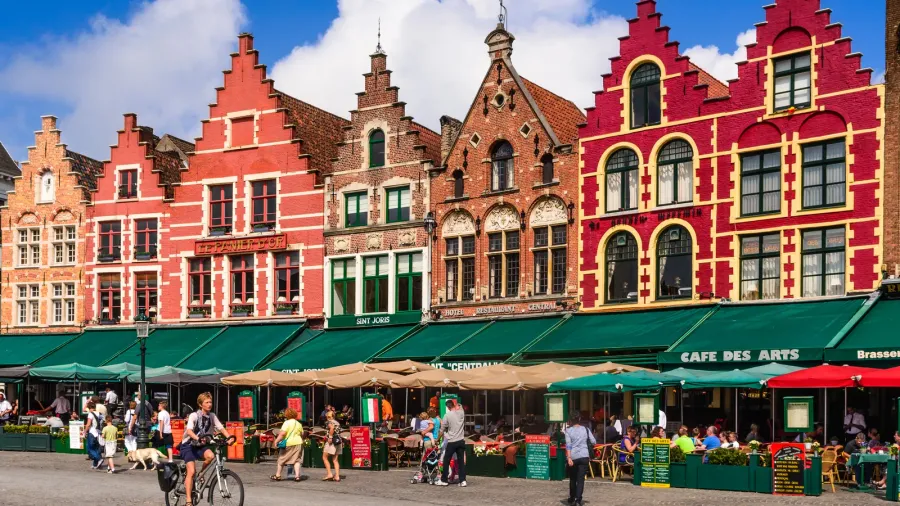
Belgium’s underrated joy factor
Belgium ranks among Europe’s top twenty happiest nations, blending medieval architecture, dynamic cities, and rich cultural traditions. Brussels and Bruges balance history with everyday community life that locals truly embody.
Fact: Belgium’s beer culture was added to UNESCO’s Representative List of the Intangible Cultural Heritage of Humanity in 2016. That recognition reflects how brewing traditions remain deeply woven into Belgian community life and identity.
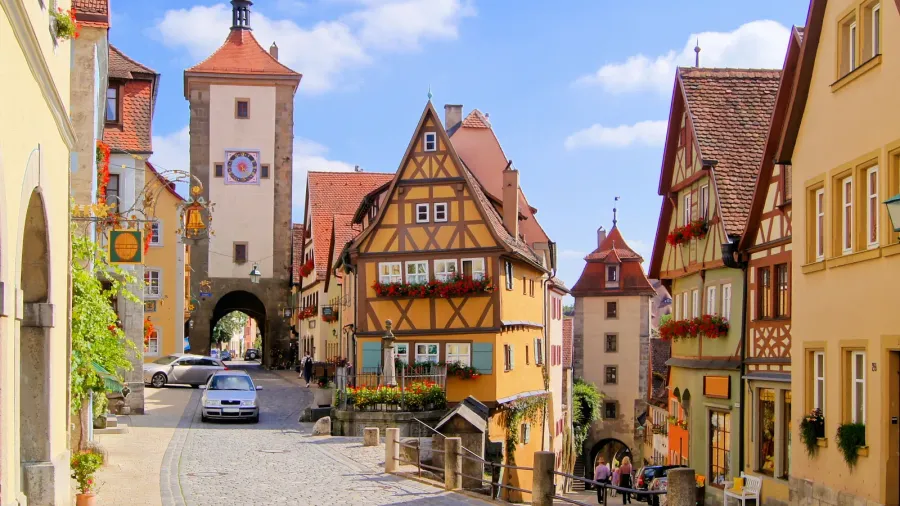
Germany balances precision with warmth
Germany’s happiness ranking reflects strong public transportation, work‑life balance, and regional diversity. Munich blends culture, parks, and beer garden life into a graceful daily rhythm.
The Romantic Road showcases medieval towns and deep tradition, turning every corner into a unique world worth exploring with curiosity.
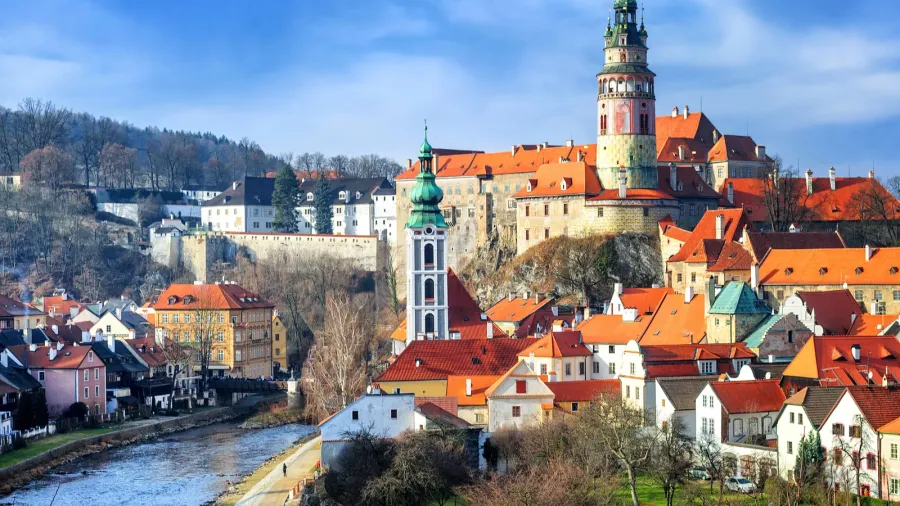
Czech Republic’s hidden happiness core
Czechia ranks in the upper part of the World Happiness Report table, showing that quality of life in the country extends beyond Prague’s postcard image. Neighborhoods such as Vinohrady and Žižkov offer a more local view of everyday city life.
Český Krumlov’s charm and pub traditions highlight community spaces where connection and conversation drive satisfaction in everyday life, inviting travelers to explore European cities and see happiness woven into daily routines.
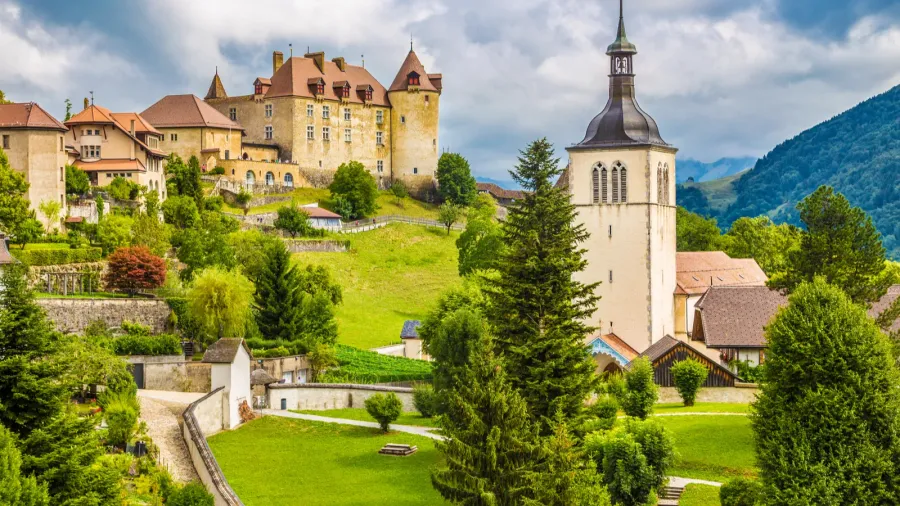
Europe’s happiness, a living blueprint
Europe’s top happiness rankings show that well‑being can be designed, not discovered. Policies on health, freedom, trust, and community work together to shape happier societies.
Travelers return with more than memories; they take home new perspectives on how intentional culture and civic systems can foster contentment anywhere, encouraging visits to European villages, inviting Americans to experience authentic local life.
Have you ever wondered what daily life would feel like if happiness were designed, not just dreamed?
Read More From This Brand: