America’s expanding neighborhood reach
The United States has long maintained political, economic, and military influence over its neighboring countries, particularly Canada, Mexico, and nations across Latin America and the Caribbean.
Recent policy discussions have reignited debates about the extent of American control in these regions. Analysts, foreign governments, and international observers are closely watching how proposed frameworks could reshape sovereignty, trade agreements, and diplomatic relationships across North America and beyond.

Canada feels Washington’s pressure
Canada, long considered America’s closest ally, is facing mounting pressure from Washington over trade policies, border security, and military spending commitments. Recent American policy proposals suggest deeper integration of Canadian economic decisions with United States federal interests.
Ottawa has responded cautiously, with Canadian officials emphasizing national sovereignty while simultaneously attempting to preserve the longstanding bilateral relationship that defines much of Canada’s economic stability and international identity.
Mexico at a political crossroads
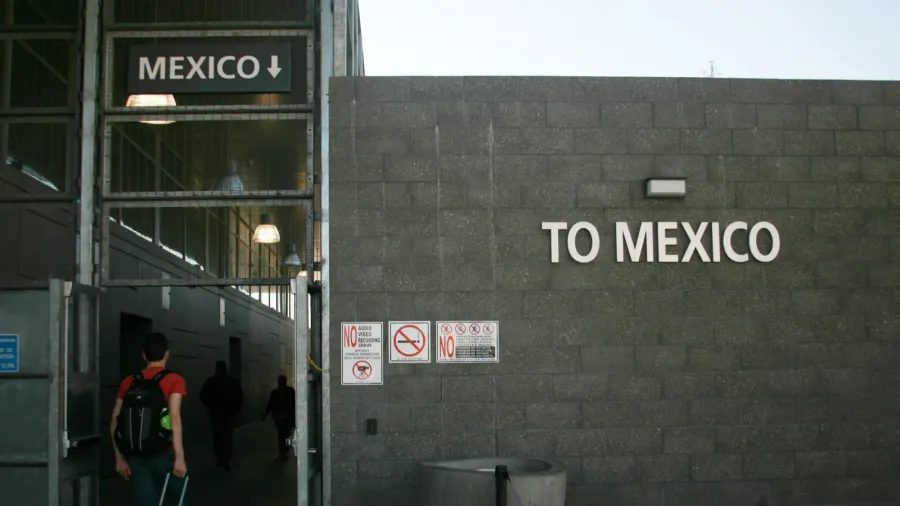
Mexico sits at the center of intensifying American policy ambitions. Washington’s proposed plans target immigration enforcement, drug cartel operations, and cross-border trade regulations with unprecedented directness.
Mexican officials have pushed back firmly, citing constitutional sovereignty and national dignity. The relationship between these two neighbors, deeply intertwined through geography, culture, and commerce, is being tested in ways that could fundamentally alter how both nations cooperate for decades ahead.
Panama Canal, power struggle
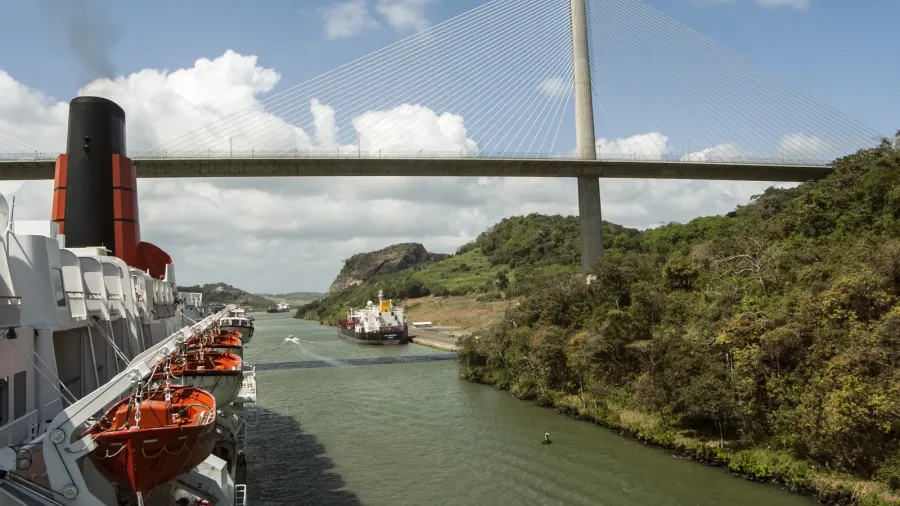
The Panama Canal remains one of the most strategically significant waterways on Earth, and recent American policy rhetoric has placed it back under geopolitical scrutiny. United States officials have floated language suggesting greater American oversight of canal operations, alarming Panamanian leadership and regional observers alike.
Panama has governed the canal independently since 1999, and any perceived attempt to reverse that arrangement carries enormous diplomatic, legal, and symbolic consequences for Latin American sovereignty.
Greenland, Arctic ambitions rise
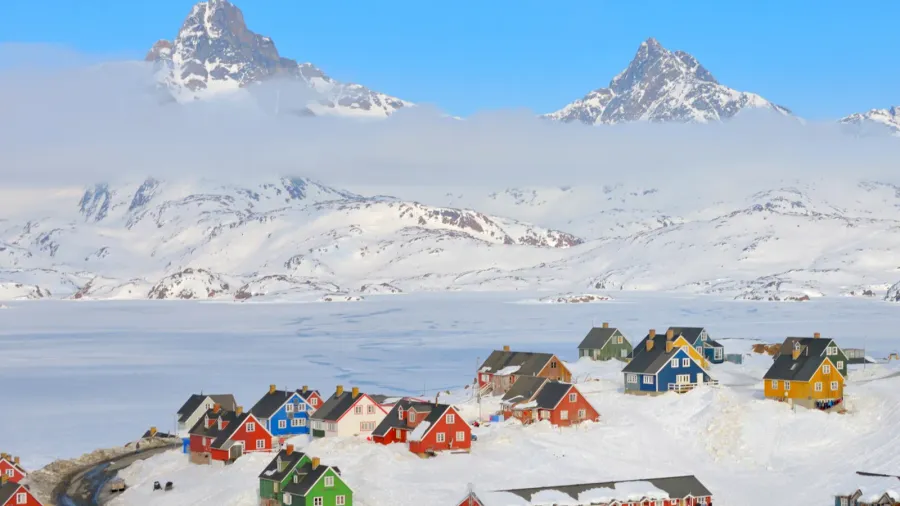
Greenland, an autonomous Danish territory within the Arctic Circle, has emerged unexpectedly as a focal point of American strategic interest. United States policymakers have expressed desire for greater influence or even acquisition of the island, citing Arctic security and natural resource access. Denmark and Greenland’s government have both rejected such overtures firmly.
This renewed attention signals how American foreign policy is increasingly framing the Arctic as a contested zone of national interest.
Caribbean Nations under scrutiny
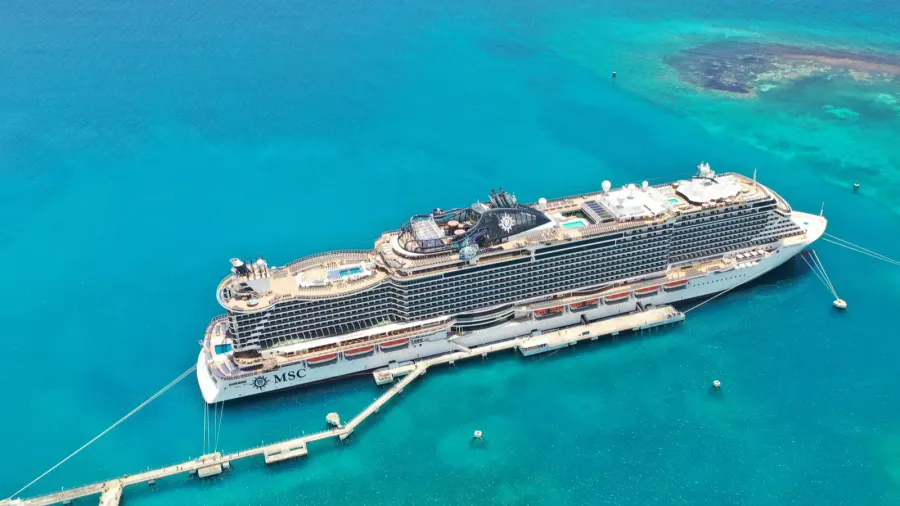
Small Caribbean island nations have historically operated within America’s sphere of influence, but new policy proposals suggest Washington intends to formalize that relationship more assertively. Countries like Haiti, Jamaica, and the Dominican Republic face increased American involvement in governance, economic aid conditions, and security frameworks.
Regional leaders are caught between accepting financial assistance tied to compliance and defending the political independence their nations have fought historically to establish and protect.
Cuba’s defiant geopolitical position
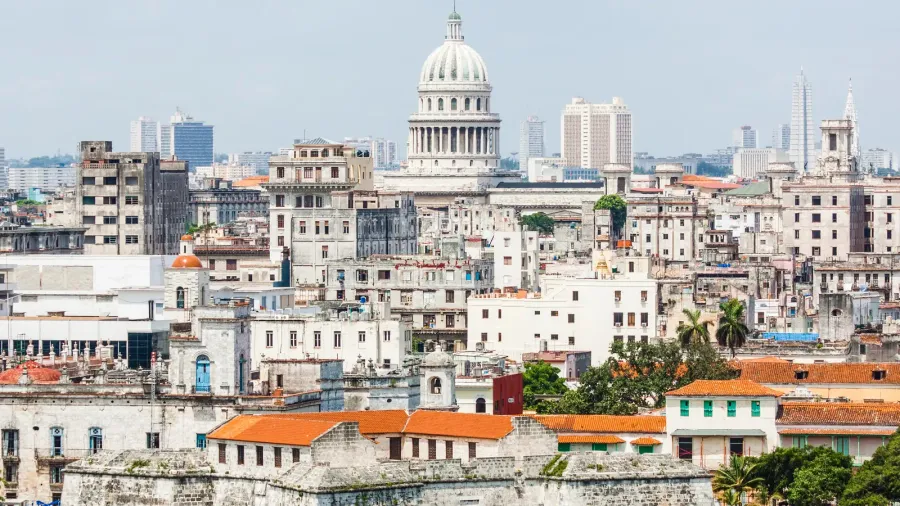
Cuba has stood in direct opposition to American foreign policy for over six decades, and current policy proposals do nothing to soften that tension. Washington’s strengthened regional control agenda singles out Cuba as a persistent concern, particularly regarding its relationships with rival global powers.
Havana continues to reject American interference, maintaining ideological resistance while navigating severe economic hardship. The island’s response to escalating United States pressure will shape Caribbean geopolitics significantly in the years to come.

Venezuela’s oil, Washington’s eye
Venezuela, home to the world’s largest proven oil reserves, occupies a critical position in American strategic calculations. United States policy frameworks increasingly target Venezuela’s government, citing authoritarian governance while simultaneously eyeing energy resources vital to Western markets. Sanctions, diplomatic isolation, and now stronger regional control policies have squeezed Caracas considerably. The Venezuelan situation illustrates how resource wealth and political ideology combine to make a neighboring country a permanent fixture in Washington’s foreign policy agenda.
Fact: Venezuela holds approximately 303 billion barrels of proven oil reserves, surpassing Saudi Arabia’s 267 billion barrels as the world’s largest, according to OPEC’s Annual Statistical Bulletin 2025.
Colombia, alliance with conditions
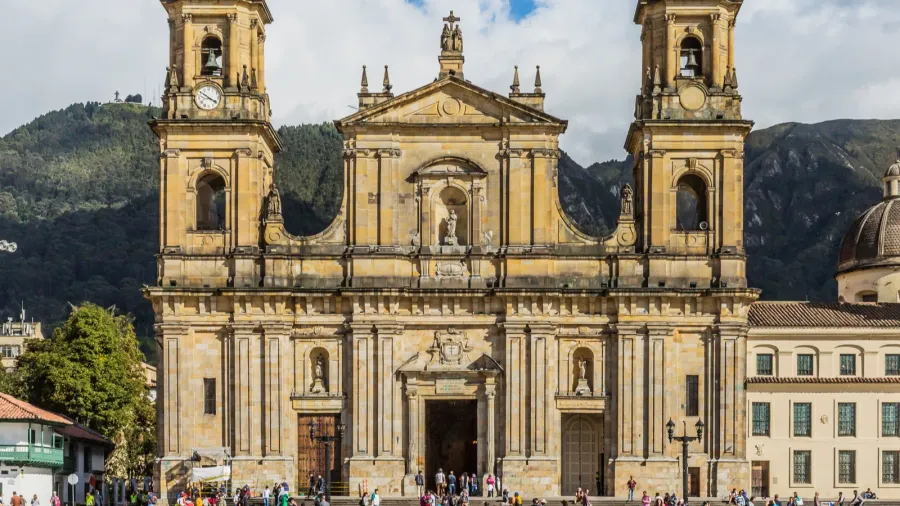
Colombia has been one of America’s most consistent Latin American partners, particularly in counter-narcotics and security cooperation. However, stronger United States control policies are straining even this reliable alliance.
Washington is pushing Bogotá toward stricter compliance on migration control, drug interdiction metrics, and trade terms that critics argue disadvantage Colombian industries. Colombian leaders face domestic pressure to resist perceived overreach while maintaining the American partnership that funds significant portions of their national security apparatus.
Brazil, South America’s wild card
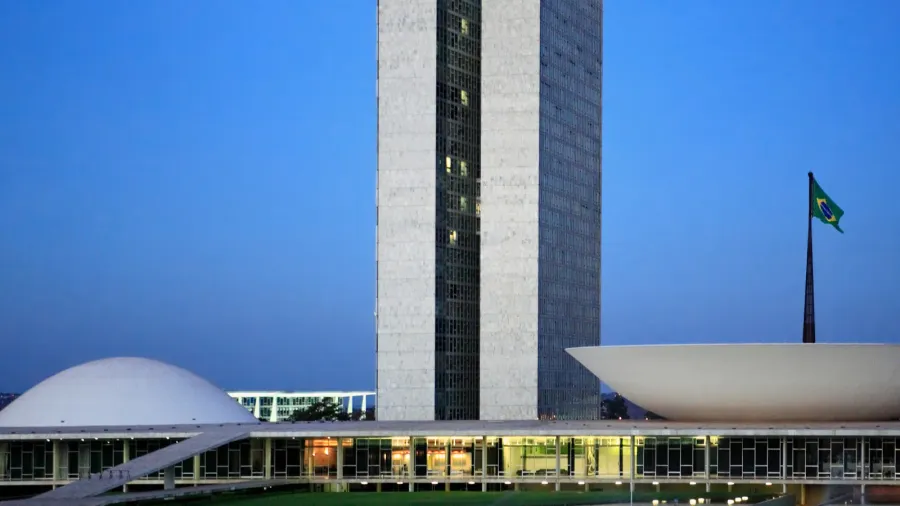
Brazil, South America’s largest and most populous nation, presents a complicated case for American regional dominance ambitions. As a BRICS member with growing ties to China and Russia, Brazil operates outside easy American influence. United States policy strategists recognize that any comprehensive regional control framework must address Brazil’s independent posture. Brasília has shown willingness to engage Washington diplomatically but remains resistant to arrangements that could compromise its longstanding tradition of strategic autonomy in global affairs.
Fact: Brazil is the only Portuguese-speaking country in South America and the fifth largest nation on Earth by area, exceeded in size only by Russia, Canada, the United States, and China.
NATO neighbors feel the shift
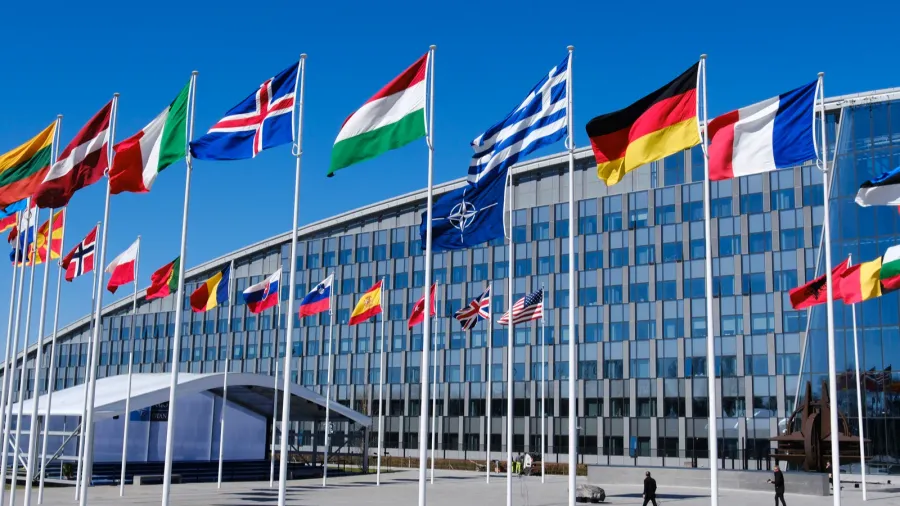
Canada’s position as both a neighbor and NATO ally creates a unique tension within American regional control discussions. Washington’s expectation that Ottawa increase defense spending to meet NATO targets has taken on a sharper edge alongside broader sovereignty pressure. Canadian public opinion remains protective of national independence, making political compromise difficult for any sitting government.
The overlap between alliance obligations and neighborhood dominance strategies puts Canada in a diplomatically delicate position unlike any other American partner nation faces.
International law and a contested boundary
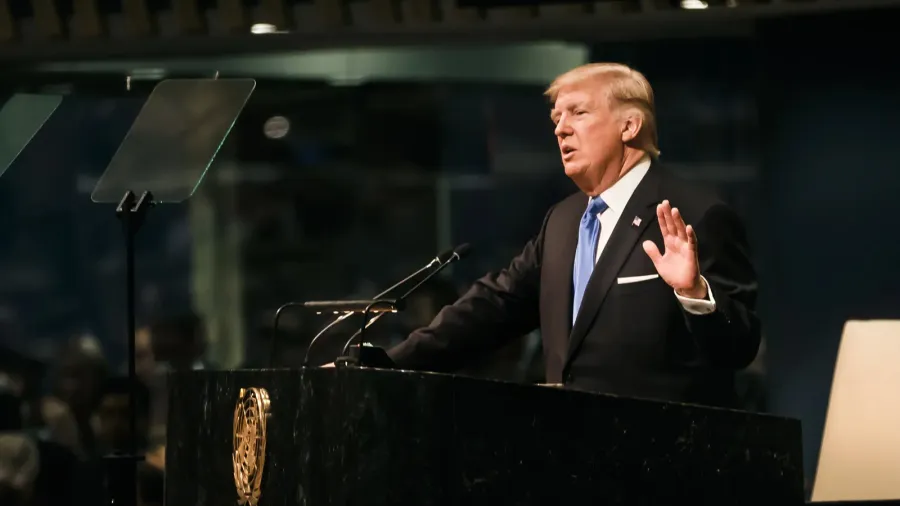
Legal scholars and international governance experts have raised significant concerns about American regional control proposals and their compatibility with established international law. Principles of sovereign equality, non-interference, and self-determination are enshrined in the United Nations Charter, which the United States itself helped author.
The same administration dismantling these global norms domestically through its Trump DEI is now projecting that same ideology outward. How far does Washington’s reach actually go?
What comes next for neighbors
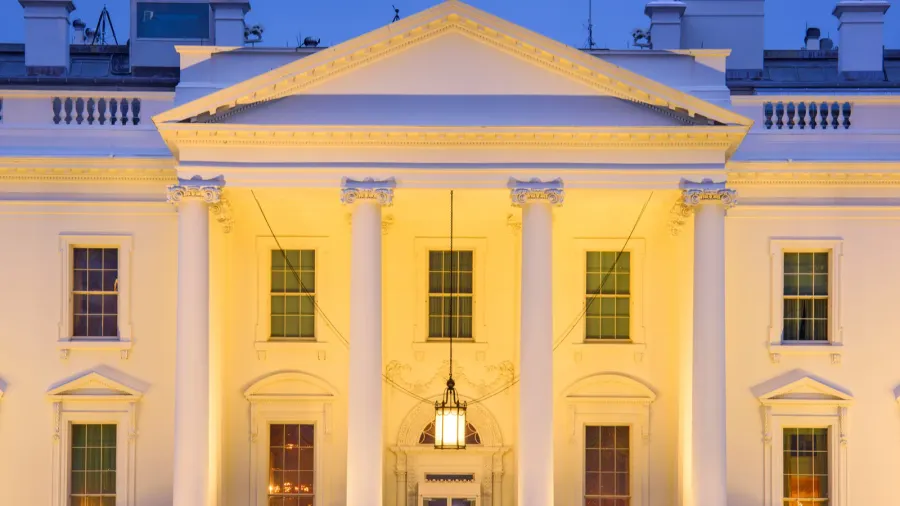
The trajectory of American policy toward its neighbors will depend heavily on domestic political dynamics, global power competition with China and Russia, and the resilience of affected nations to resist or accommodate Washington’s ambitions.
The administration’s aggressive immigration crackdown has already forced neighboring governments to accept deportation flights and reshape their own border policies under direct American pressure. How neighboring countries navigate this will define hemispheric relationships for generations.
As Washington tightens its grip on the Western Hemisphere, one question demands an answer: where does American national interest end and the sovereignty of an independent nation begin?
Disclaimer: The images used are for illustrative purposes only and do not depict the actual locations mentioned.
Read More From This Brand: