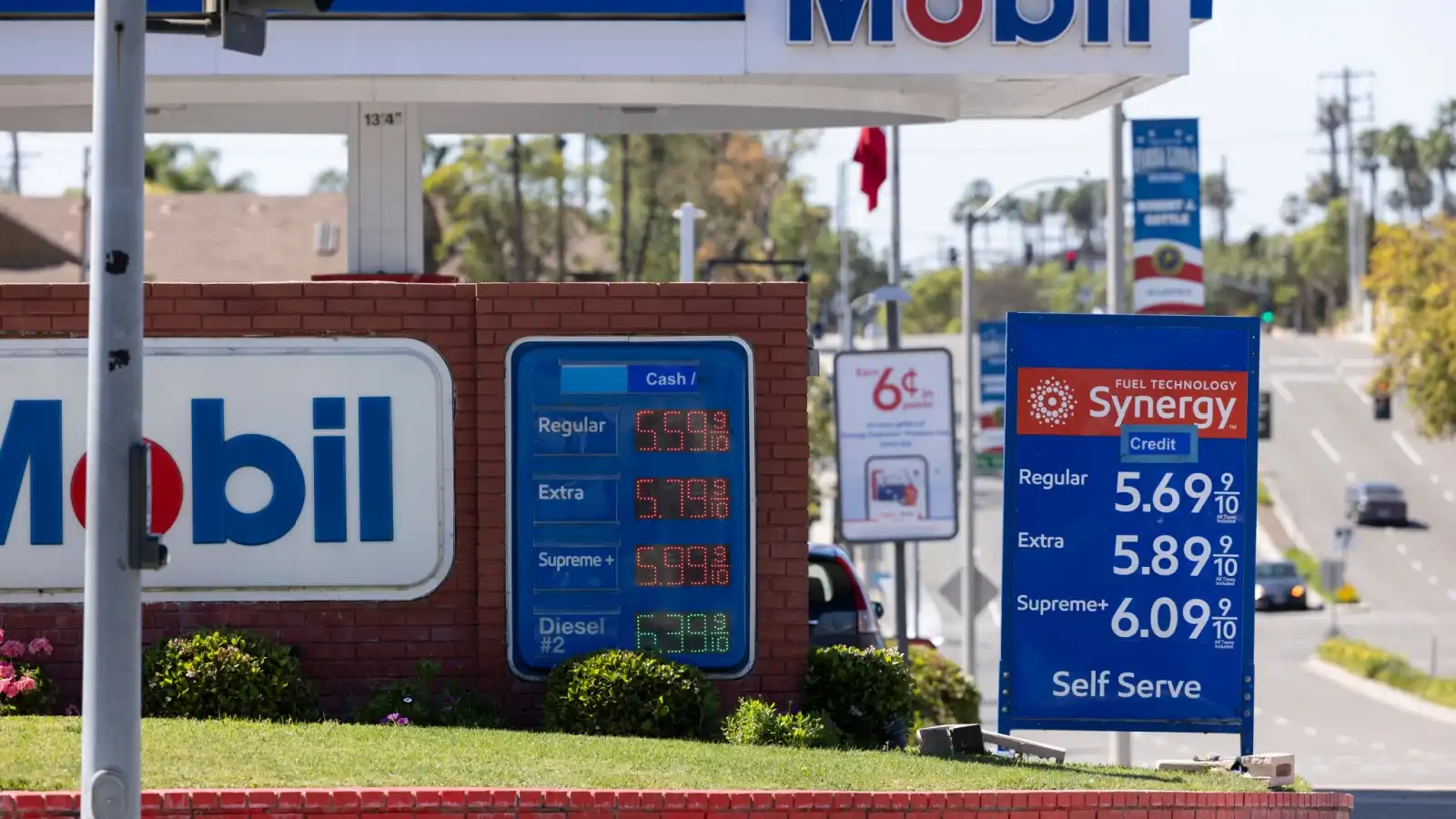

Gas prices reshape travel
The U.S. Energy Information Administration reports that gasoline prices have fluctuated significantly in recent years due to supply and demand dynamics. National averages have remained sensitive to crude oil trends and seasonal consumption patterns. These shifts are now influencing how Americans approach travel planning.
Road trips across the United States are being planned with closer attention to fuel costs. Travelers are adjusting trip distances and vehicle choices to manage expenses. Gas prices have become a central factor in everyday mobility decisions.

Fuel costs affect planning
Gas prices are now a key consideration in trip planning across the United States. AAA encourages travelers to estimate fuel expenses in advance when planning road trips, reflecting how closely gas costs can affect overall travel budgets.
Travelers heading from Chicago to Nashville are increasingly mapping fuel stops in advance. Shorter drives and fewer detours are becoming more common. The influence of fuel costs is visible in everyday travel behavior.
Road trips shift shorter
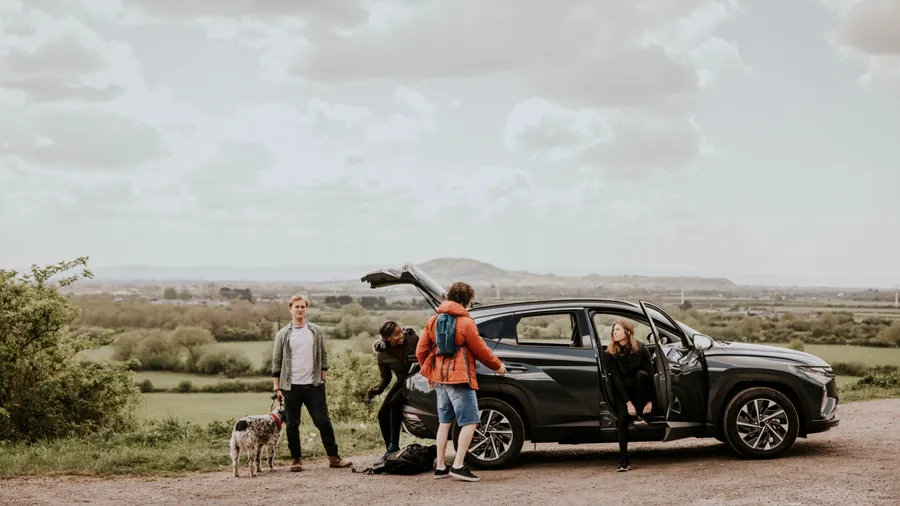
As gas prices remain elevated in some regions, travelers may become more selective about distance and trip length. Weekend getaways are gaining popularity over longer cross-country drives. This shift reflects a practical response to rising travel costs.
Destinations near Denver and Phoenix are seeing increased regional traffic. Travelers are opting for closer scenic routes instead of extended journeys. This pattern highlights a growing preference for efficiency.
Air travel gains attention
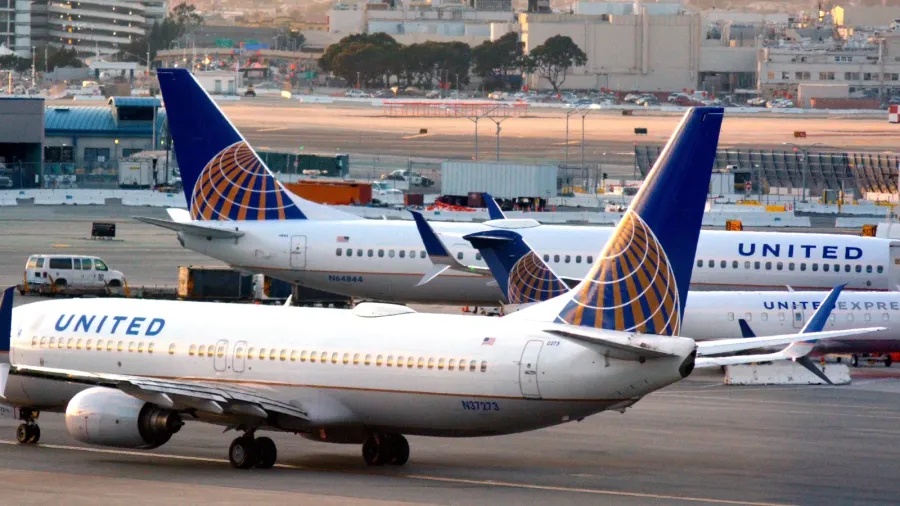
As fuel costs rise, some travelers are comparing road trips with airfare more closely. In certain cases, flights can offer competitive pricing when gas expenses are high. This comparison is influencing travel decisions.
Routes between Dallas and Orlando often highlight this tradeoff. Airlines adjust fares based on demand, sometimes narrowing the cost gap. Travelers are weighing time, cost, and convenience more carefully.
Electric vehicles gain interest
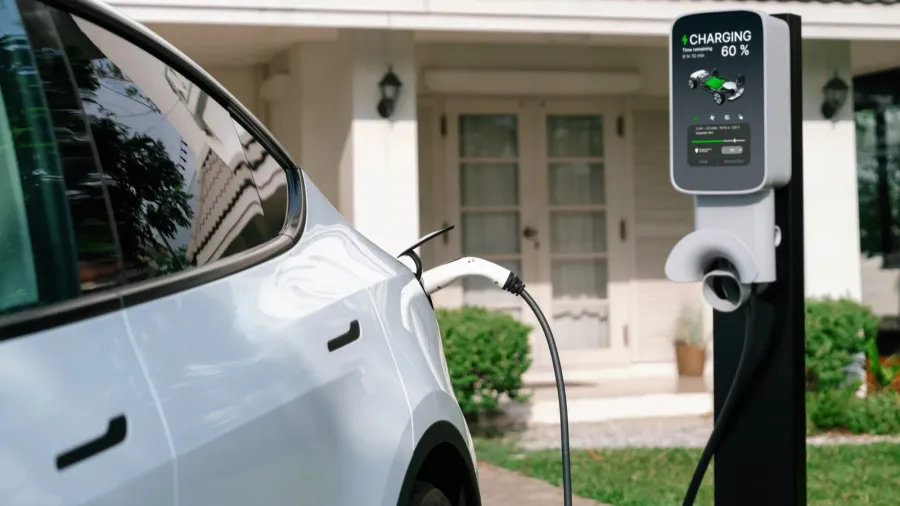
Rising gas prices are increasing interest in electric vehicles for both daily travel and road trips. Lower fueling costs and expanding charging networks are key factors driving this shift. Many travelers are exploring alternatives to traditional gasoline vehicles.
Charging corridors in states like California and Texas continue to expand rapidly. EV travelers often plan longer drives around charger availability and route access. This reflects a broader transformation in mobility habits.
Historical price patterns matter
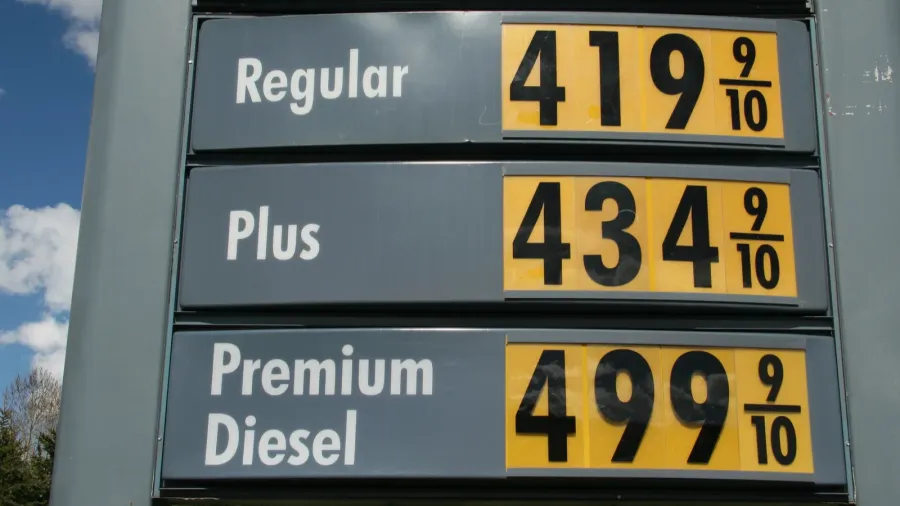
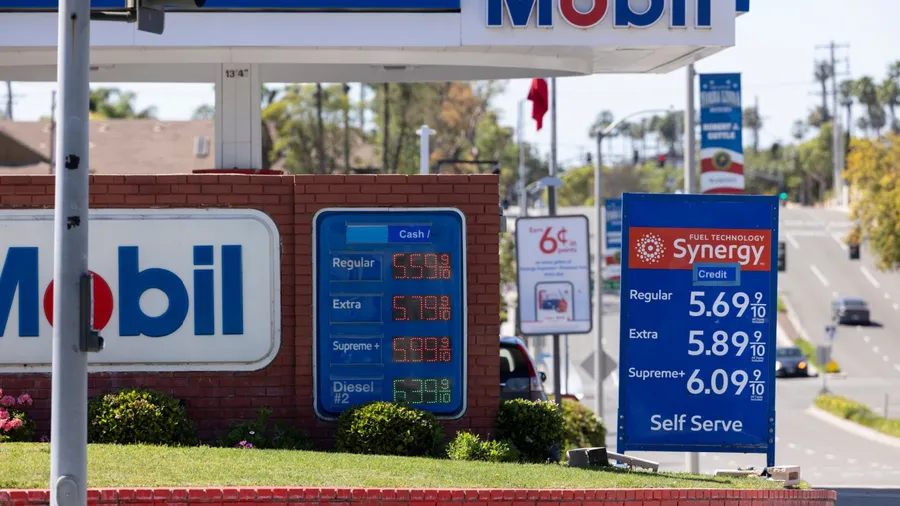
U.S. gasoline prices reached an all-time high national average of about $5.02 per gallon in June 2022, according to the U.S. Energy Information Administration. That spike reshaped how travelers viewed fuel affordability across the country. Historical peaks continue to influence current travel decisions.
That price spike remains a reference point for many travelers thinking about fuel affordability. The memory of sharp price increases encourages more cautious trip planning. Long-term behavior shifts often follow major price spikes.

Driving habits adjust gradually
Fact: The Federal Highway Administration reports that vehicle miles traveled can decline during periods of high fuel prices. Data shows that even small increases can influence driving frequency over time. This reflects a measurable behavioral response.
Urban travel in New York City and San Francisco often shifts toward public transit during such periods. Travelers adapt by combining trips or reducing unnecessary drives. These patterns show how fuel prices shape everyday mobility.
Regional differences influence costs
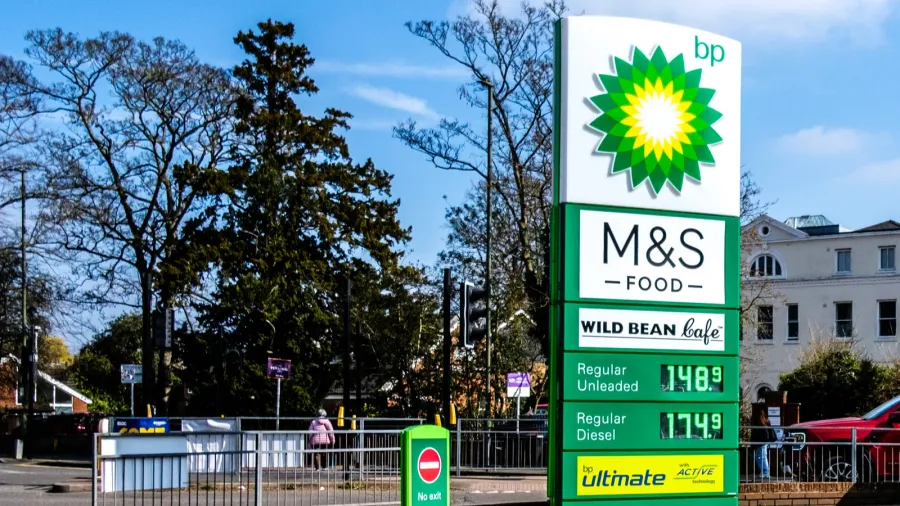
Gas prices vary widely across regions due to taxes, supply chains, and refining capacity. States on the West Coast often report higher averages than other parts of the country. These differences shape where and how people travel.
Travel between San Francisco and Seattle can involve higher fuel costs than routes in the Midwest. Regional pricing encourages travelers to adjust routes and budgets. Location plays a major role in trip planning.

Tourism adapts to trends
Tourism boards are adapting marketing strategies to reflect changing travel behavior. Promotions increasingly highlight nearby attractions and shorter itineraries. This aligns with the shift toward regional travel.
Cities like Orlando and Atlanta are targeting travelers within driving distance. Campaigns emphasize convenience and affordability. Gas prices are indirectly shaping tourism messaging.
Car rental demand shifts
Car rental demand is also evolving as travelers reconsider long-distance driving. Short-term rentals for local exploration are becoming more common. Pricing structures are adjusting to reflect new usage patterns.
Rental demand often shifts with seasonal travel patterns and changing trip preferences. Higher fuel costs can influence rental duration and vehicle choice. Compact and fuel-efficient models are gaining preference.
Rural travel feels pressure
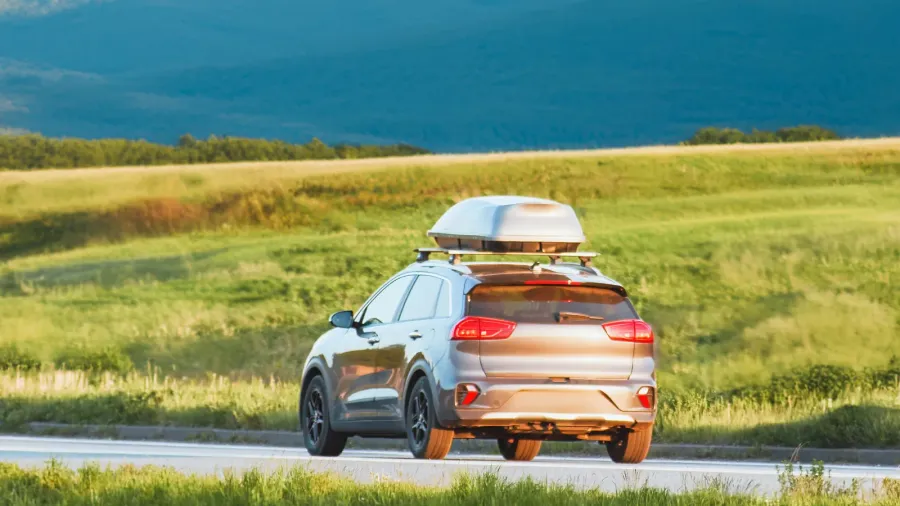
Rising gas prices tend to affect rural travel more directly than urban mobility. Longer driving distances and limited transportation alternatives make fuel costs a bigger burden. Daily routines and travel plans in rural areas are more sensitive to price changes.
Regions surrounding Boise and Billings often require extended driving for work and services. Road trips in these areas are less flexible due to fewer route options. Gas price increases can significantly reshape travel frequency.

Weekend travel patterns shift
Weekend travel patterns are changing as gas prices influence short-term trip decisions. Travelers are increasingly choosing destinations within a few hours’ drive. This allows for more controlled spending while maintaining travel experiences.
Trips from Houston to Austin or nearby coastal areas are becoming more common. Washington and California have also escalated their policy discussions around the 2035 gas car transition, adding another layer to how travelers think about future mobility. These patterns reflect a practical adjustment to fuel expenses.
Travel decisions remain dynamic
Travel decisions across the United States continue to reflect changing fuel price conditions. Flexibility and planning are now central to how trips are organized. Gas prices remain a key variable in mobility choices.
From Los Angeles to Chicago, travelers are balancing cost with experience. Road trips remain a core part of American travel culture despite rising expenses.
Read More From This Brand: