WTO warns trade tensions
The World Trade Organization said rising trade tensions between major economies are increasing uncertainty in global markets. WTO officials reported that new tariffs and trade restrictions have begun affecting international supply chains and investment decisions. The organization noted that these policies are influencing the pace of global economic growth.
Travel industries often monitor global trade conditions because economic stability affects tourism demand and airline expansion. Major hubs such as New York City and Singapore depend heavily on international business travel. Economic uncertainty can shape airline routes, hotel demand, and corporate travel budgets.
Global tariffs increase
Recent years have seen several countries introduce new tariffs on key industries, including technology, agriculture, and manufacturing. Governments argue that tariffs protect domestic industries and national security interests. Economists warn that these policies can also increase costs across global supply chains.
Major export economies such as China and the United States have imposed competing trade measures. Businesses operating across borders must adjust pricing, logistics, and investment decisions. These shifts often ripple into tourism and international travel demand.
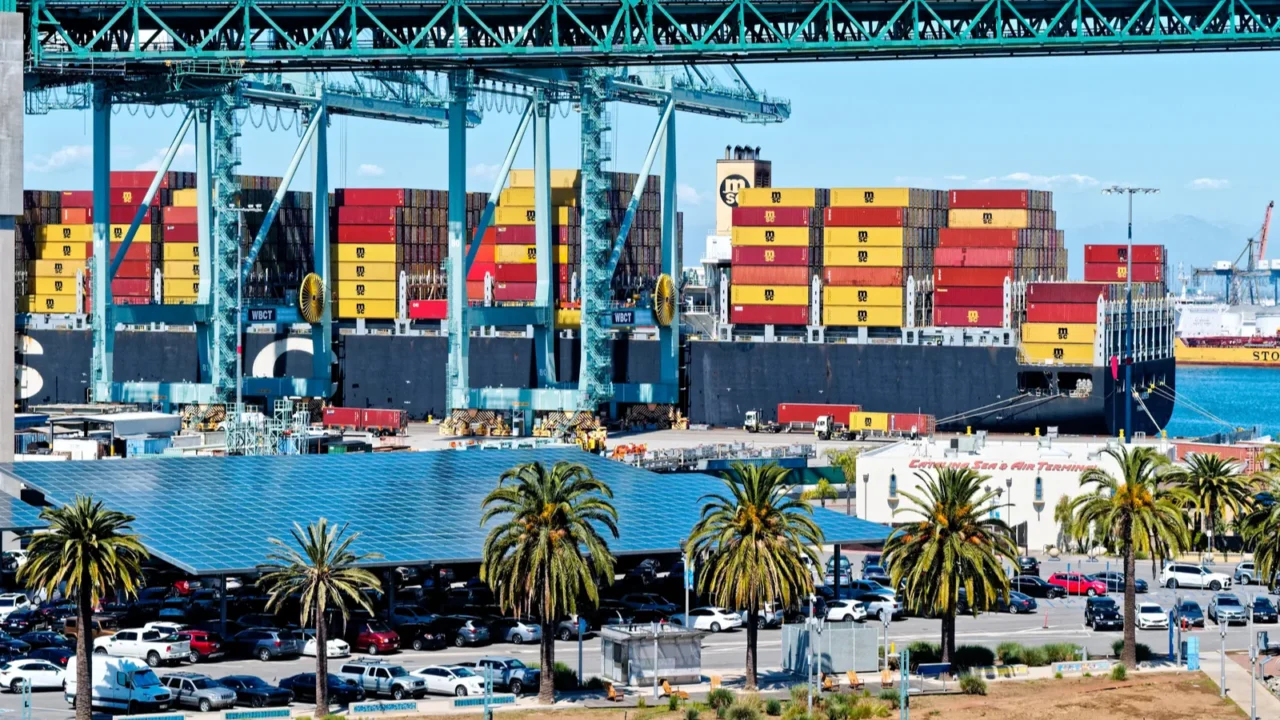
WTO monitors policy changes
The WTO regularly tracks global trade measures introduced by governments worldwide. WTO monitoring has shown that trade restrictions and tariff coverage have remained elevated in recent years, even after the worst pandemic-era supply disruptions eased. The organization says many countries are prioritizing domestic production and supply security.
The WTO said these policy changes can reshape global shipping and aviation patterns. Ports such as the Port of Los Angeles and the Port of Rotterdam handle massive volumes of international goods. Trade flows through these hubs often influence economic activity in nearby tourism centers.

Businesses face uncertainty
Companies operating internationally are adjusting strategies amid evolving trade policies. Tariffs and regulatory changes can increase production costs and alter investment plans. Businesses often respond by shifting supply chains to different regions.
These changes sometimes affect airline cargo routes and logistics networks. Major freight hubs such as Memphis International Airport handle global shipments for companies, including FedEx. Cargo activity at these airports also supports passenger flights and travel infrastructure.
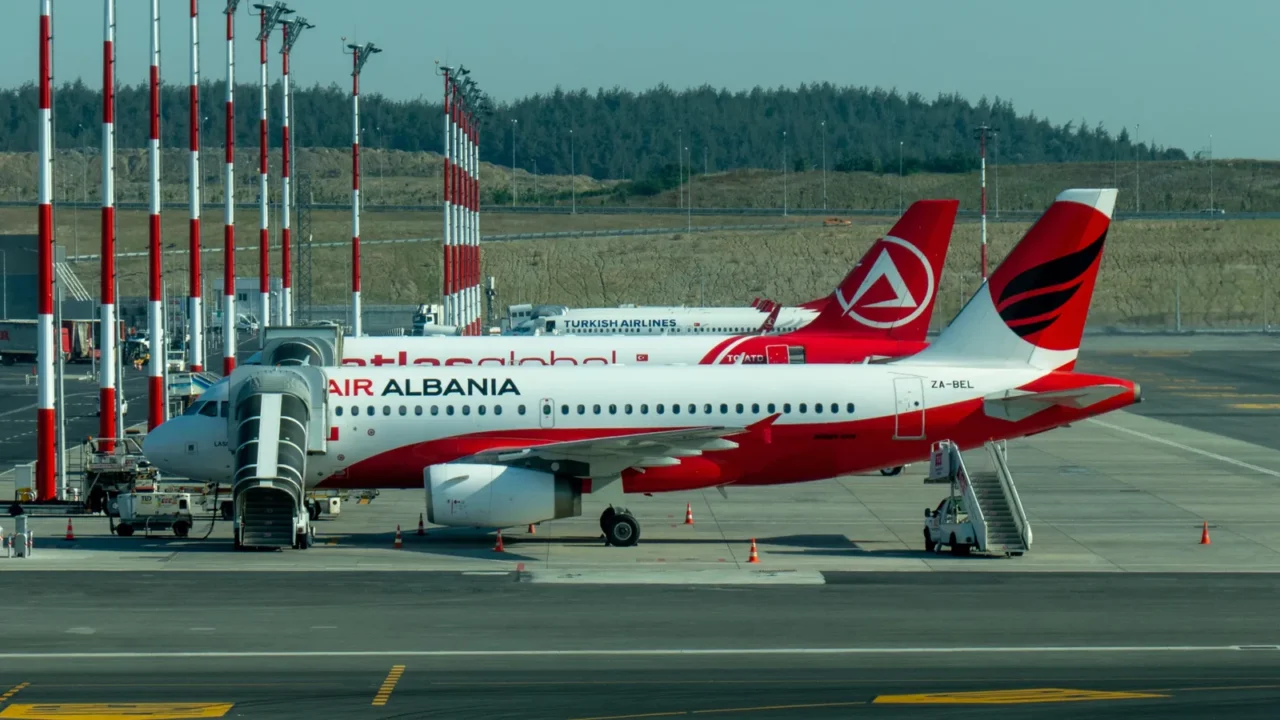
Tourism and the wider economy
Tourism industries often reflect broader economic trends across the world. When economic growth slows, international travel spending sometimes declines. Airlines and hotels frequently adjust pricing and capacity in response to economic conditions.
Destinations such as Paris and Bangkok depend heavily on international visitors each year. Trade tensions that weaken economic confidence can influence travel budgets for business and leisure trips. Global tourism markets, therefore, watch economic developments closely.

Global trade reaches trillions
International trade remains one of the largest drivers of the global economy. Goods and services move daily through complex supply networks linking dozens of countries. These systems support industries ranging from electronics to tourism.
Fact: Global trade reached about 32 trillion dollars in 2022, one of the highest levels ever recorded. These enormous trade flows connect airlines, shipping routes, and tourism hubs worldwide.
Shipping lanes drive tourism
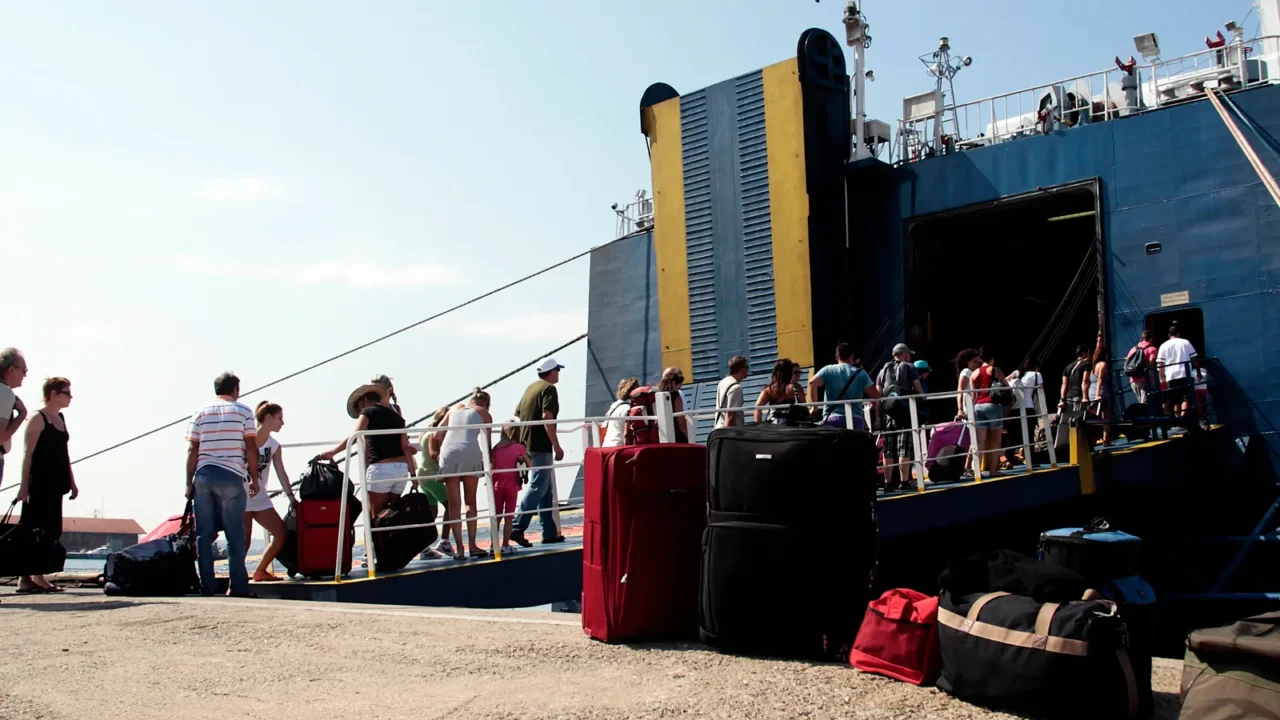
Global shipping routes play a critical role in international trade networks. These routes often overlap with major cruise destinations and tourism hubs. Ports that handle cargo ships frequently host cruise ships as well.
Fact: The Port of Miami is widely known as the cruise capital of the world and also manages significant cargo activity. The port handles millions of cruise passengers annually while supporting international trade.
Airlines track economic shifts
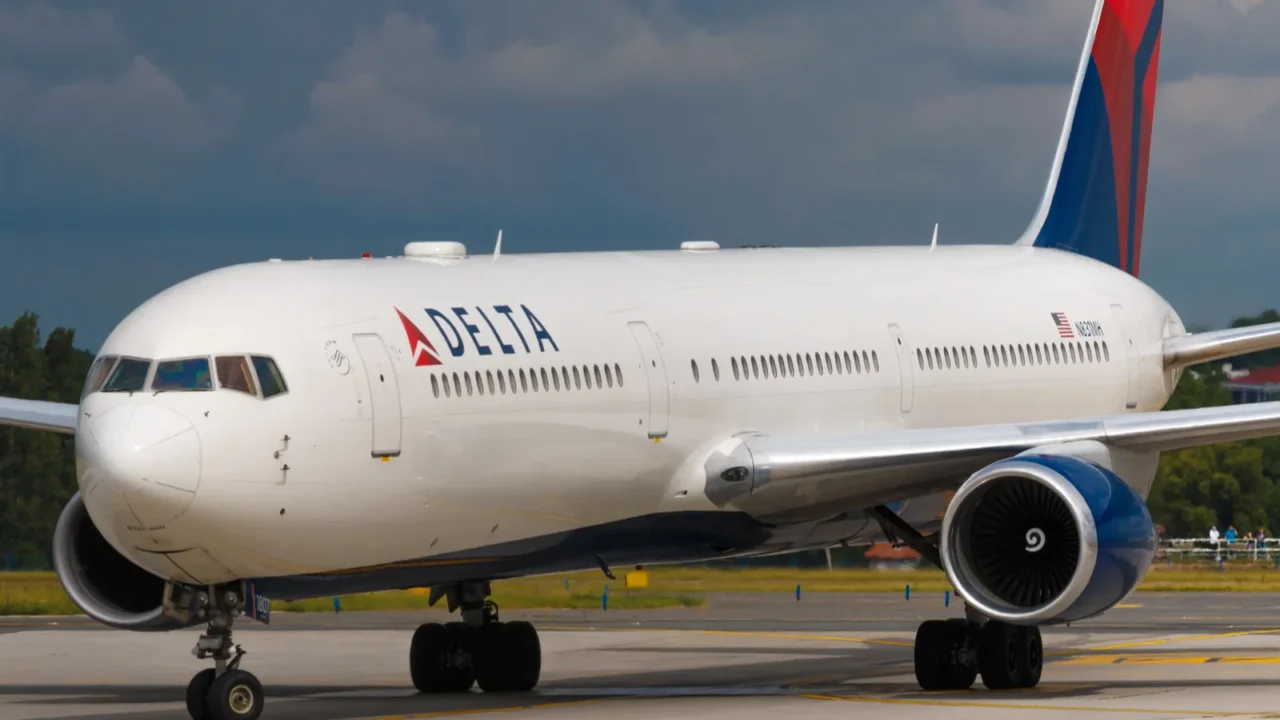
Airlines closely monitor global economic conditions when planning international routes. Demand for business travel often changes alongside global investment trends. Economic uncertainty can influence airline fleet expansion and ticket prices.
Major carriers such as Delta Air Lines and Emirates rely on international trade hubs to support passenger demand. Cities with strong business connections typically see higher year-round travel activity. Trade tensions, therefore, affect aviation planning across multiple regions.
Supply chains shift globally
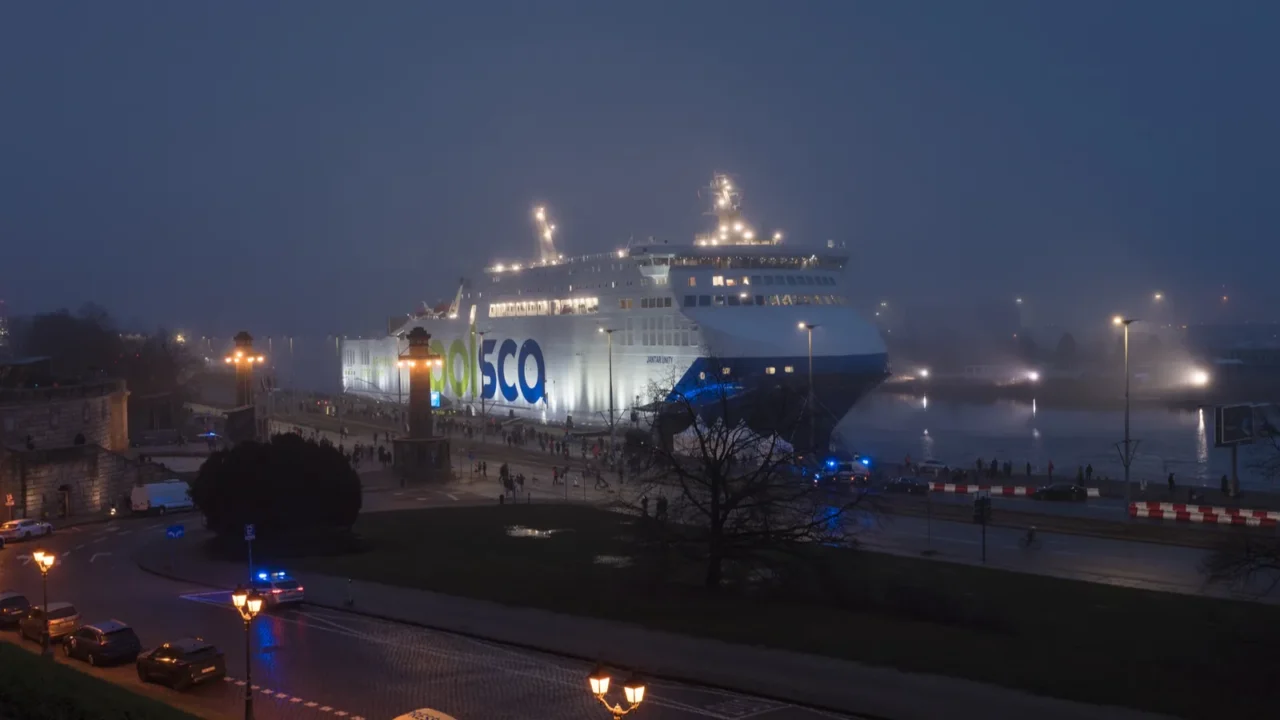
Companies sometimes move manufacturing to new countries when trade policies change. These adjustments create new logistics corridors and shipping networks. Economic geography can shift as businesses search for lower costs and stable regulations.
Manufacturing growth in regions such as Vietnam and Mexico reflects these evolving supply chains. Economic development in these regions has also expanded tourism infrastructure. New airports, hotels, and resorts often follow industrial investment.

Tourism markets respond
Global tourism markets often respond quickly to economic signals. When companies reduce travel budgets, international flights and conferences may decline. Business tourism can represent a large share of travel spending.
Convention destinations such as Las Vegas and Orlando host thousands of corporate events every year. Economic uncertainty sometimes influences attendance at major industry conferences. Travel planners monitor global financial conditions when scheduling events.
Governments debate trade policy
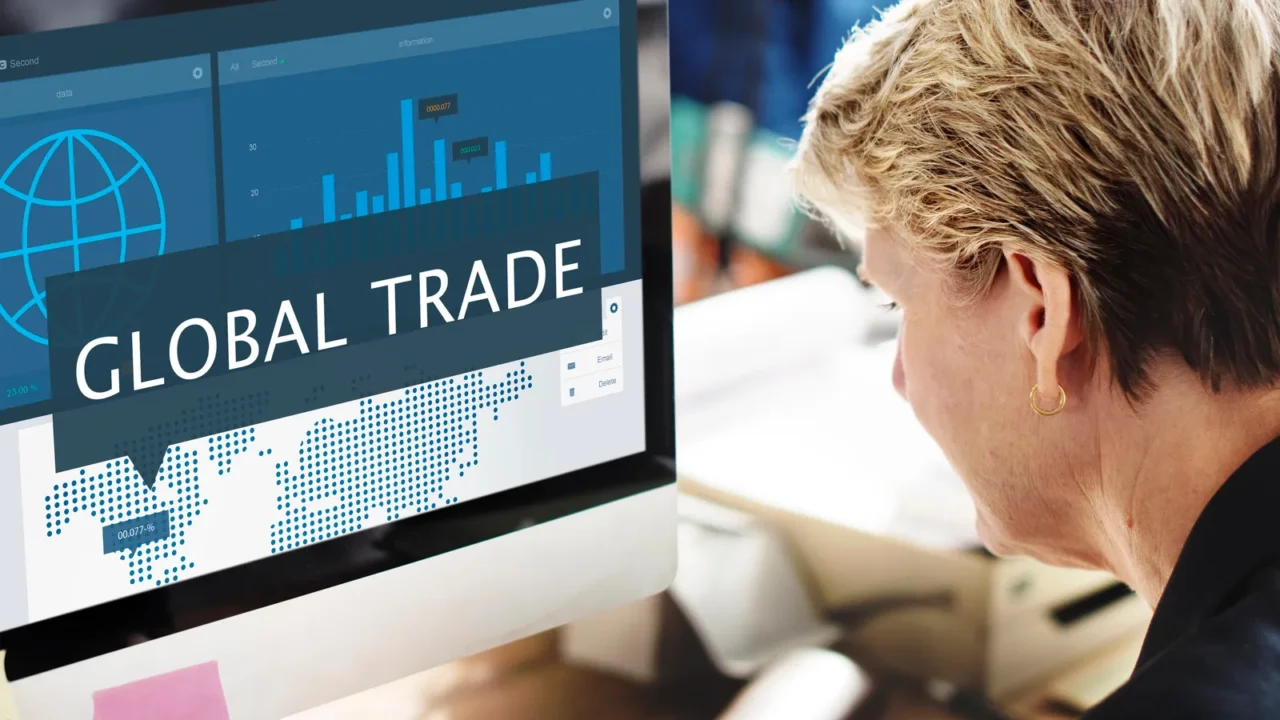
Governments around the world continue debating how trade policies should balance economic security and growth. Some leaders support tariffs to protect domestic industries. Others argue that open trade supports global stability and development.
Policy discussions often occur in international forums such as the Group of Twenty economic meetings. Leaders from countries including Germany and Japan regularly address trade cooperation. These conversations influence long-term economic planning.
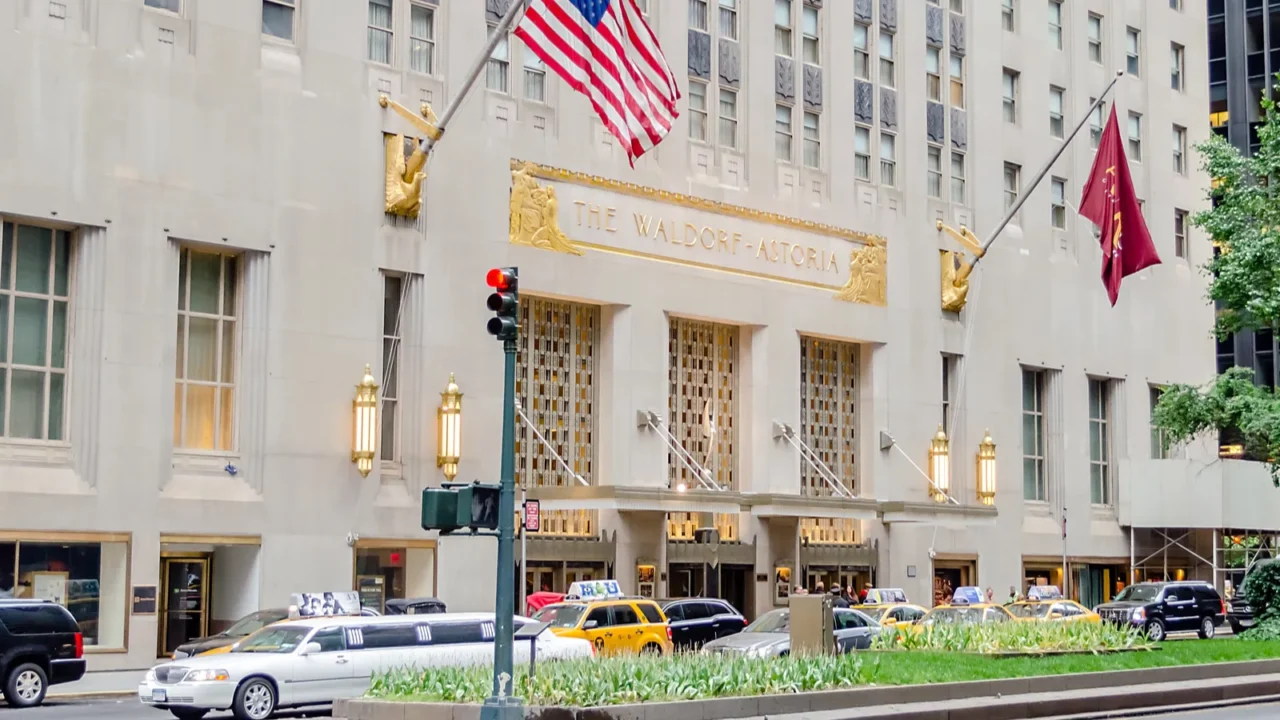
Travel industry watches closely
Travel companies closely track economic policy changes around the world. Airlines, cruise lines, and hotels depend on stable international business conditions. Global travel demand often rises alongside economic growth.
Tourism agencies in destinations such as Dubai and Barcelona regularly analyze global economic forecasts. These cities host millions of international visitors each year. Trade tensions, therefore, remain an important factor in travel industry planning, especially as discussions continue around how the Trump trade war is creating new global winners and new losers.
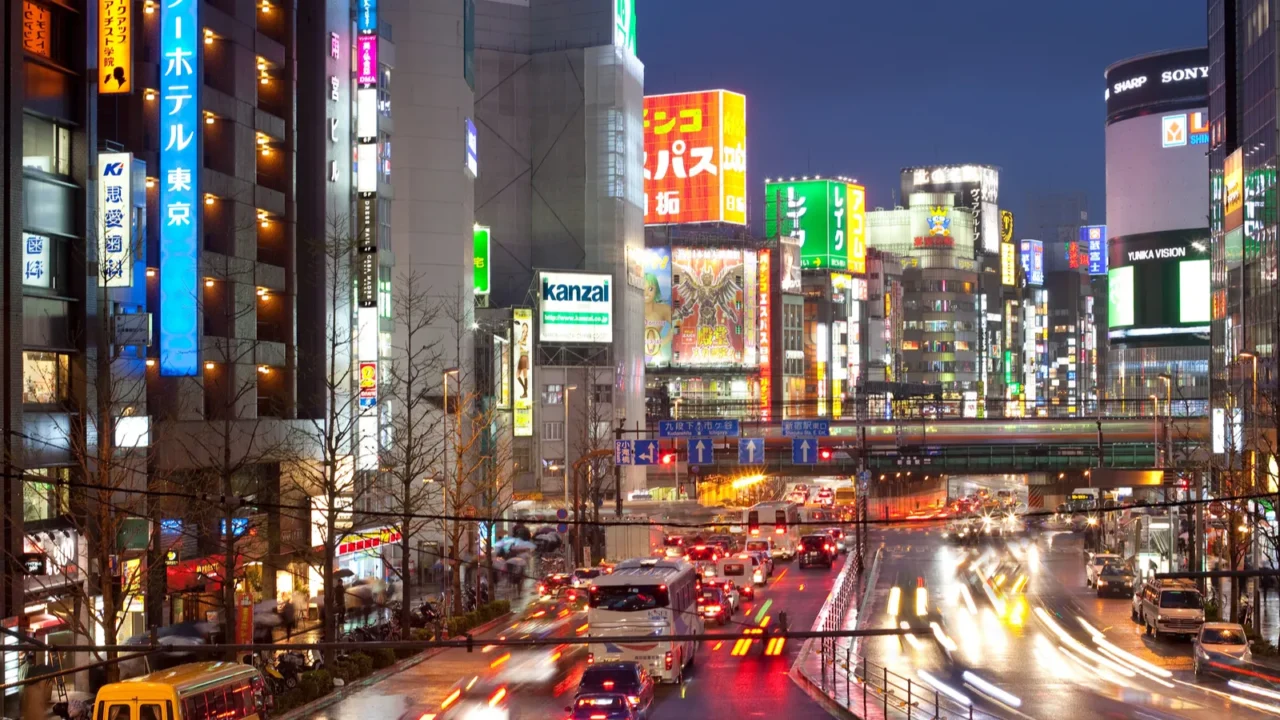
Global travel remains resilient
Despite economic uncertainty, international tourism continues to recover across many regions. Airports, airlines, and tourism boards are expanding services to meet growing demand. Travel remains a major contributor to economic activity worldwide.
Destinations from Tokyo to Rome continue welcoming millions of visitors each year. Economic policies may shift, but global curiosity and cultural exchange remain powerful drivers of travel.
Which international destination feels like the most exciting place for travelers right now? Share thoughts below.
This slideshow was made with AI assistance and human editing.
Don’t forget to follow us for more exclusive content right here on MSN.
Read More From This Brand:
