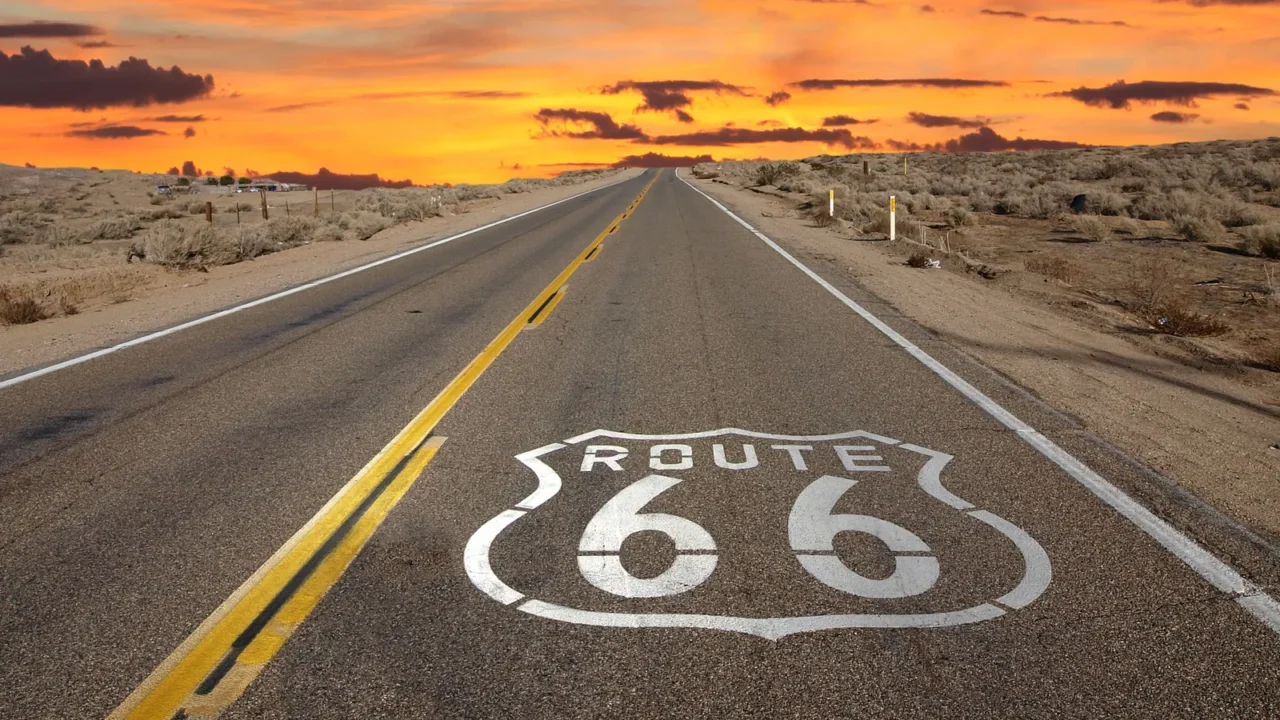
A centennial pushes Route 66 back into the spotlight
Route 66 turns 100 in 2026, and the anniversary is turning a familiar highway into a national travel moment. Communities along the route are planning events meant to bring visitors into towns that were often bypassed when interstates took over.
For travelers, the timing matters because many centennial activities are scheduled across the calendar, not just on one weekend. That creates a long runway for road trips, local festivals, and museum-style storytelling tied to the “Mother Road” brand.
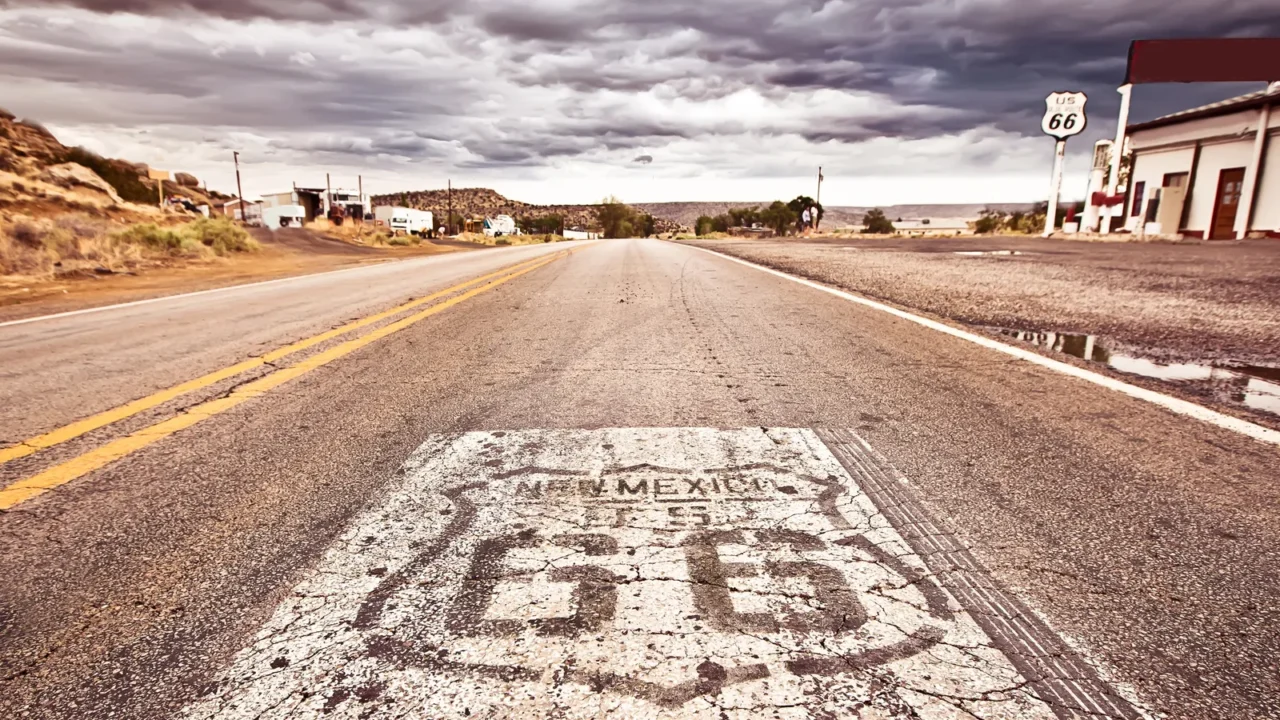
What Route 66 is and why 2026 is the milestone year
Route 66 was established on November 11, 1926, as part of the original U.S. numbered highway system. It ran from Chicago to Santa Monica, crossing eight states and becoming one of the country’s best-known long-distance routes.
The centennial marks 100 years since that official commissioning, not just the later pop-culture era people picture. That distinction is why many centennial organizers are treating 2026 like a yearlong commemoration rather than a single birthday party.
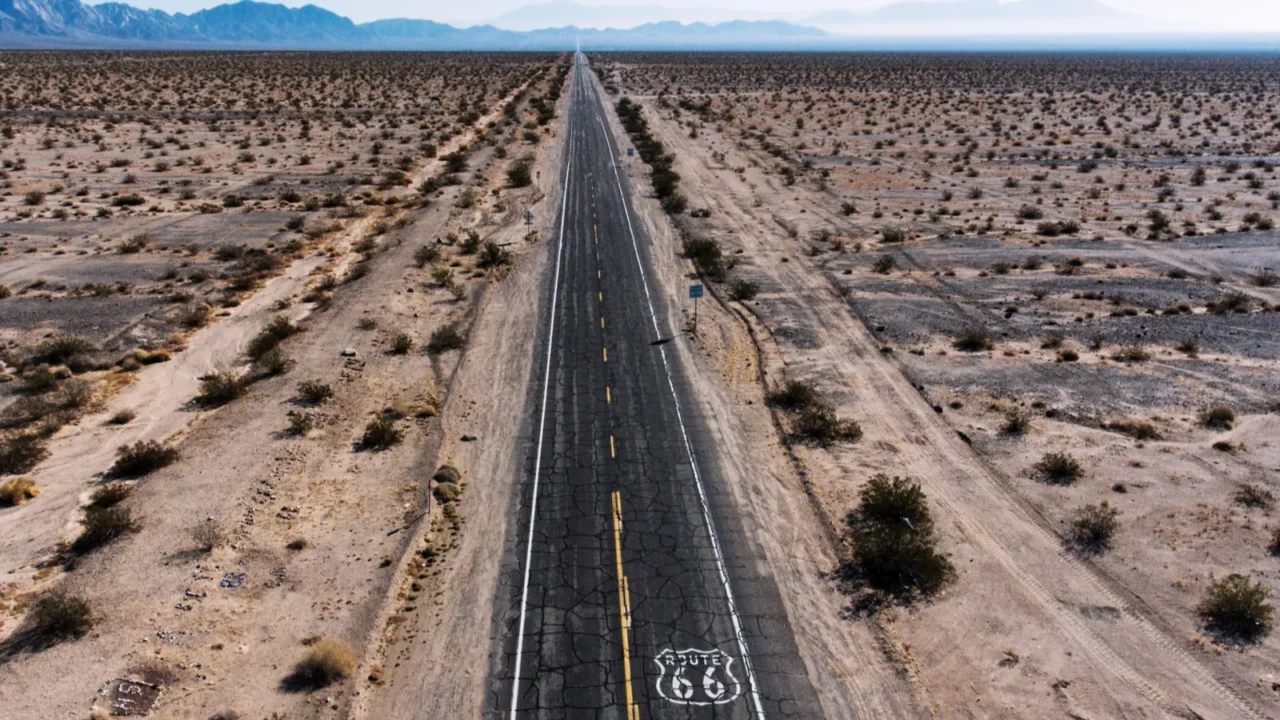
The 2,448-mile route that stitched eight states together
In its best-known alignment, Route 66 spans 2,448 miles from Illinois to California, running through IL, MO, KS, OK, TX, NM, AZ, and CA. The length matters because it explains why the road became a ready-made blueprint for long, cross-country driving.
It also explains why centennial planning is so decentralized. Each state is promoting its own stretches, towns, and landmarks, so the anniversary is less like one event and more like a chain of local celebrations connected by one historic name.
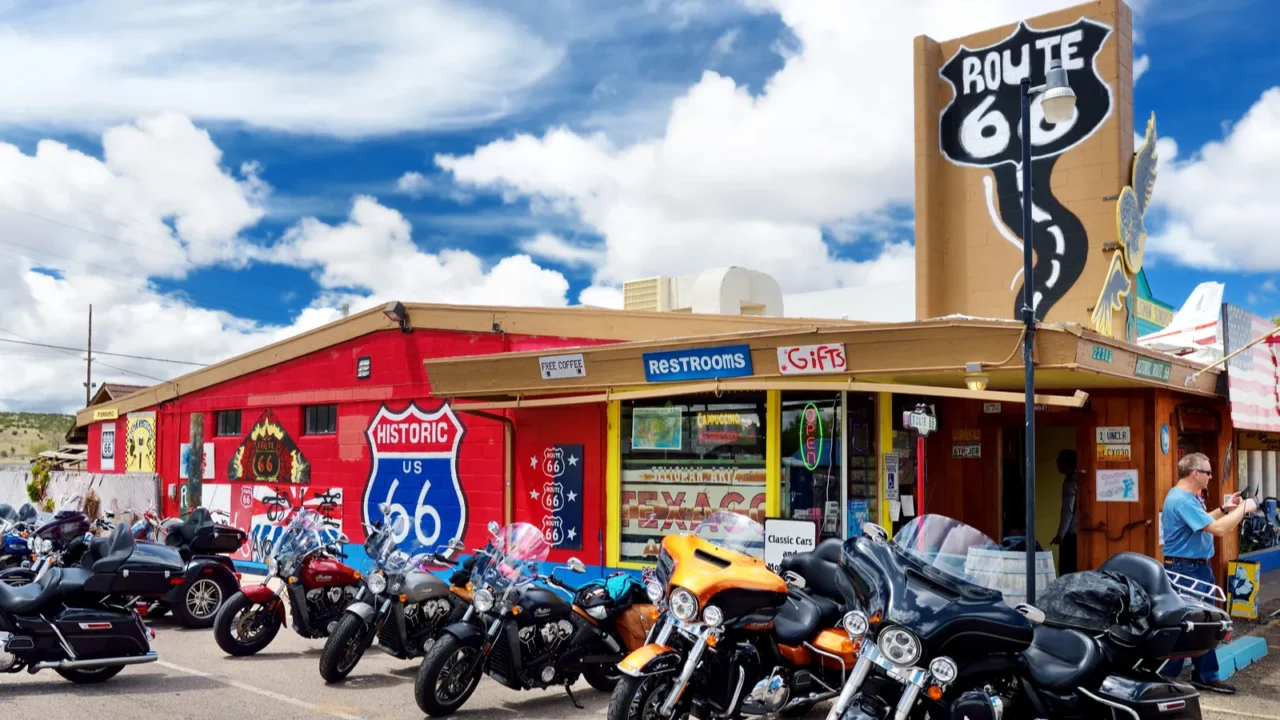
Why the centennial is being treated as a travel campaign
The centennial effort is designed to pull travelers off the interstate and into older business districts, diners, motels, and museums. Supporters say that kind of tourism spending can matter more in small towns than in major cities, because a busy weekend can lift multiple local businesses at once.
Some regions are already investing in promotion and visitor services ahead of the anniversary year. In parts of Illinois, tourism planners have described state funding support tied to centennial prep, betting that international and domestic interest will rise in 2026.
Springfield Missouri’s April 30 kickoff anchors the calendar
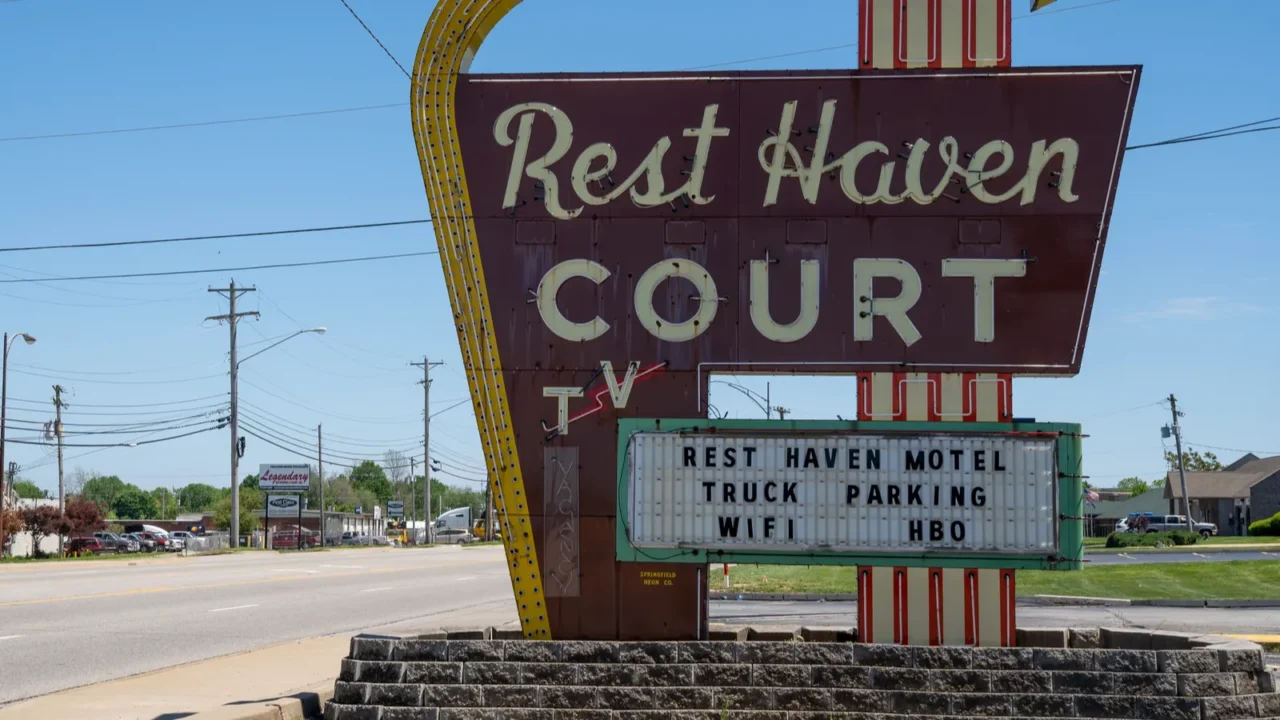
Organizers have selected Springfield, Missouri, as the official host city for the centennial’s national kickoff, scheduled for April 30, 2026. The idea is to launch the anniversary with a high-visibility event and then point travelers toward celebrations across the route.
Local schedules tied to the kickoff include multiple days of programming, including a concert on April 30 and related events stretching into early May. For travelers, it’s a clear planning marker in a year that otherwise has dozens of scattered dates.
A January cross-country drive starts the year in motion
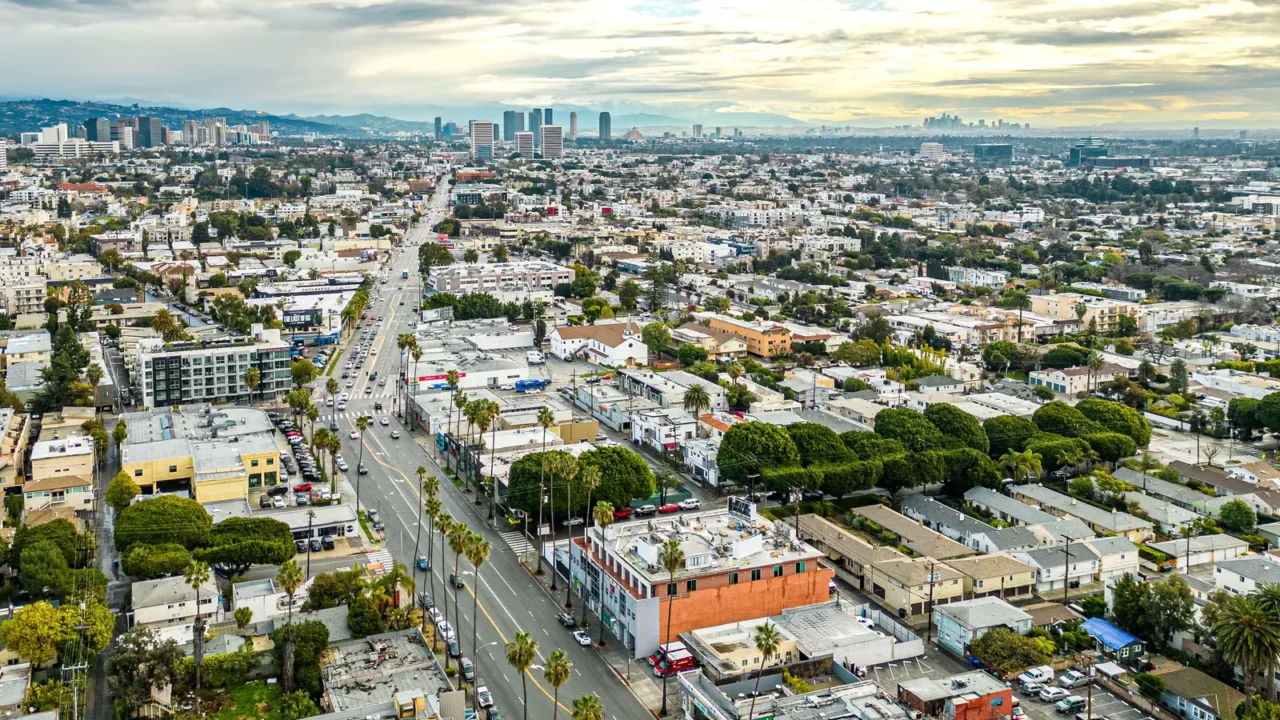
The centennial calendar begins early with The Drive Home VII, which starts in Santa Monica on January 3, 2026. It’s framed as a group drive honoring the Route 66 story, with stops and meetups that turn the route into a moving event rather than a static destination.
Organizers have linked this edition to the broader centennial push, aiming to generate winter attention before spring and summer festival season. That matters because Route 66 tourism usually peaks later in the year, when school breaks and road trip weather arrive.
The Great Race brings vintage cars to the Mother Road
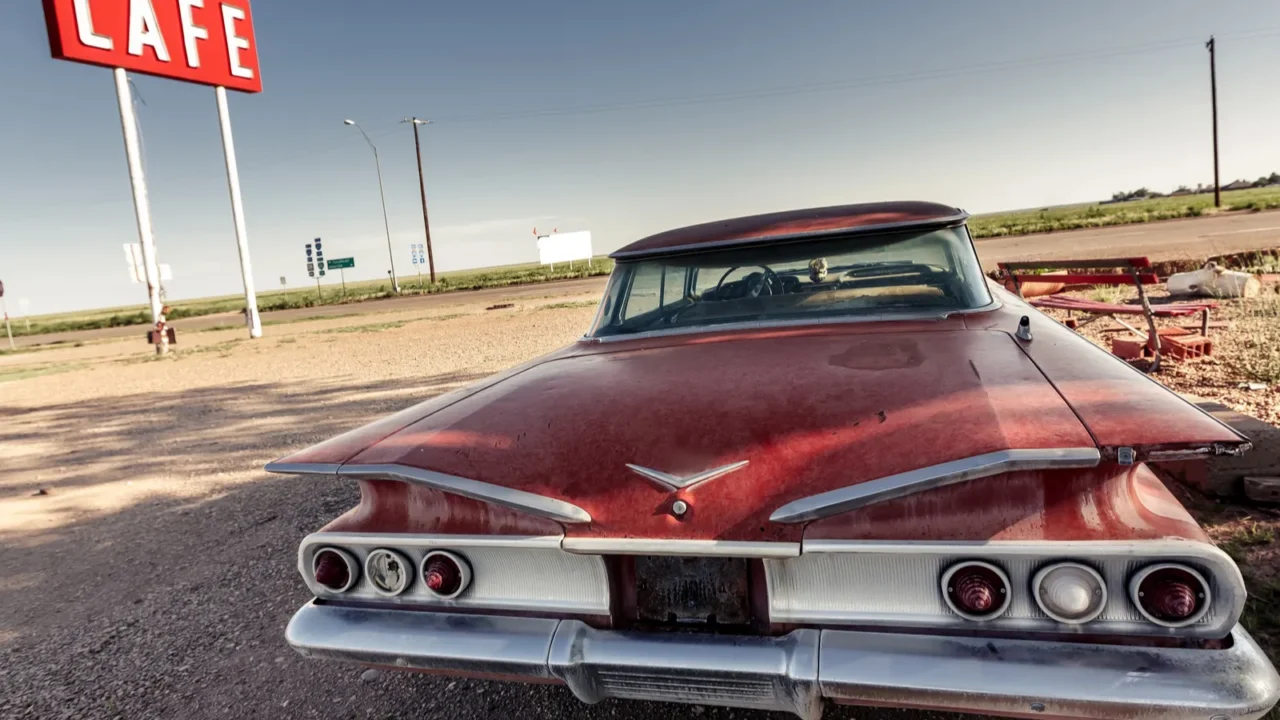
One of the headline events is the Route 66 Centennial Great Race, described as a 9-day vintage car rally running from Illinois to California with Route 66 as its backbone. It turns the centennial into a spectator-friendly story because the cars and stops create photo moments town by town.
Event listings place the rally in late June, giving it prime travel-season timing. For many communities, a rolling rally is also a practical economic tool, because it produces predictable crowds moving along the corridor on a schedule.
Tulsa aims for a world-record classic car parade
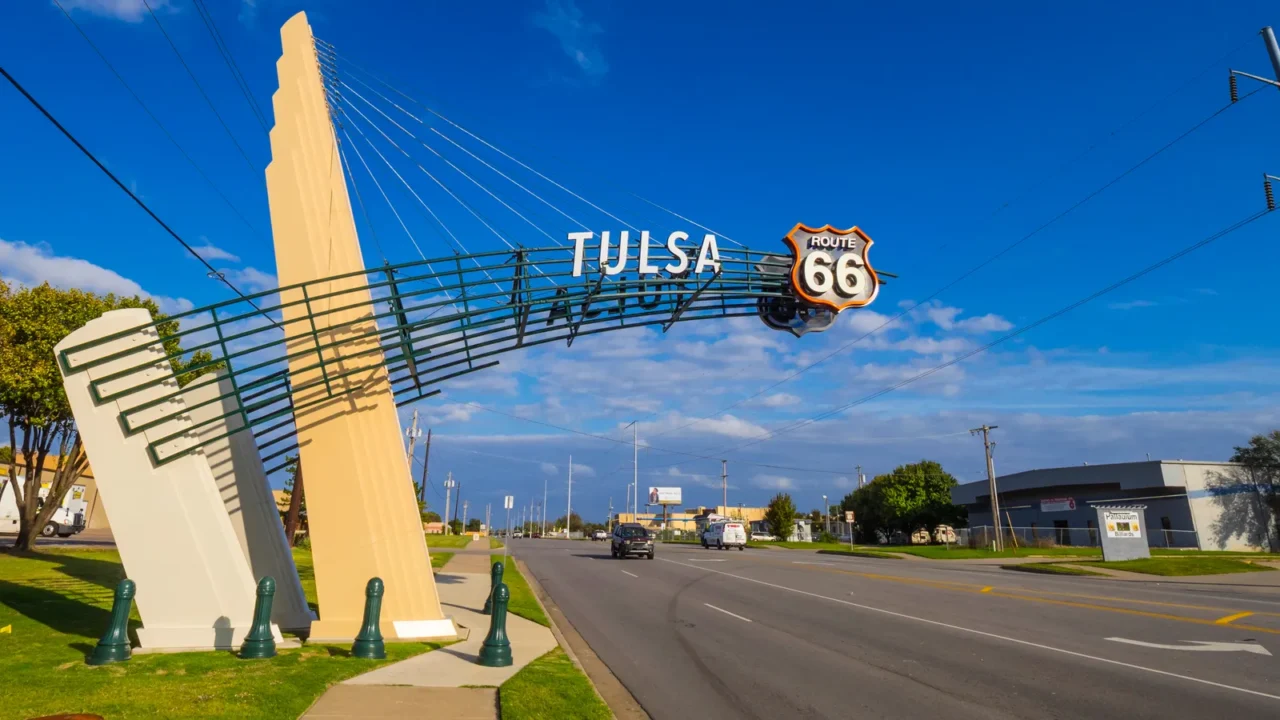
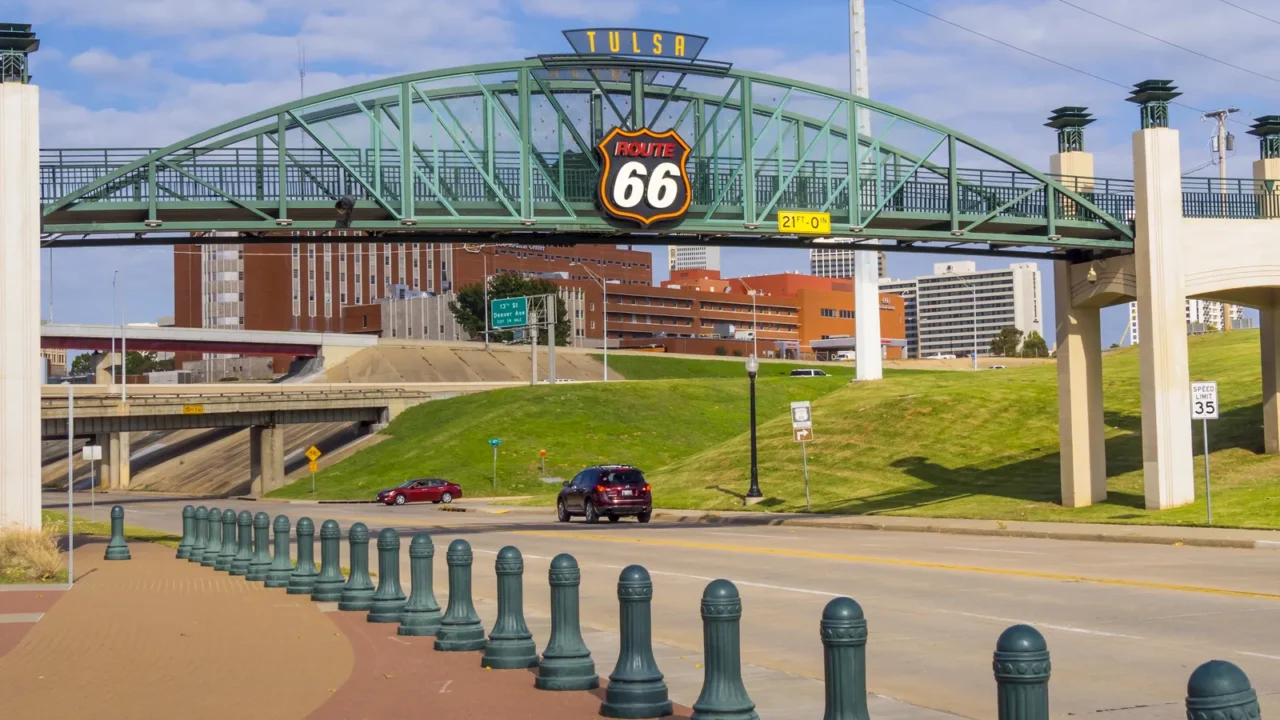
Tulsa’s Route 66 Capital Cruise is being promoted as a world-record attempt for the largest classic car parade, with a scheduled date of May 30, 2026. The pitch is simple: one huge, measurable spectacle that can attract visitors who might not plan a full eight-state drive.
For the centennial effort, record attempts serve a second purpose beyond publicity. They create a single day when local hotels, restaurants, and downtown areas can plan for a surge, instead of hoping traffic trickles in unpredictably.
New monuments turn roadside stops into scan-and-learn sites
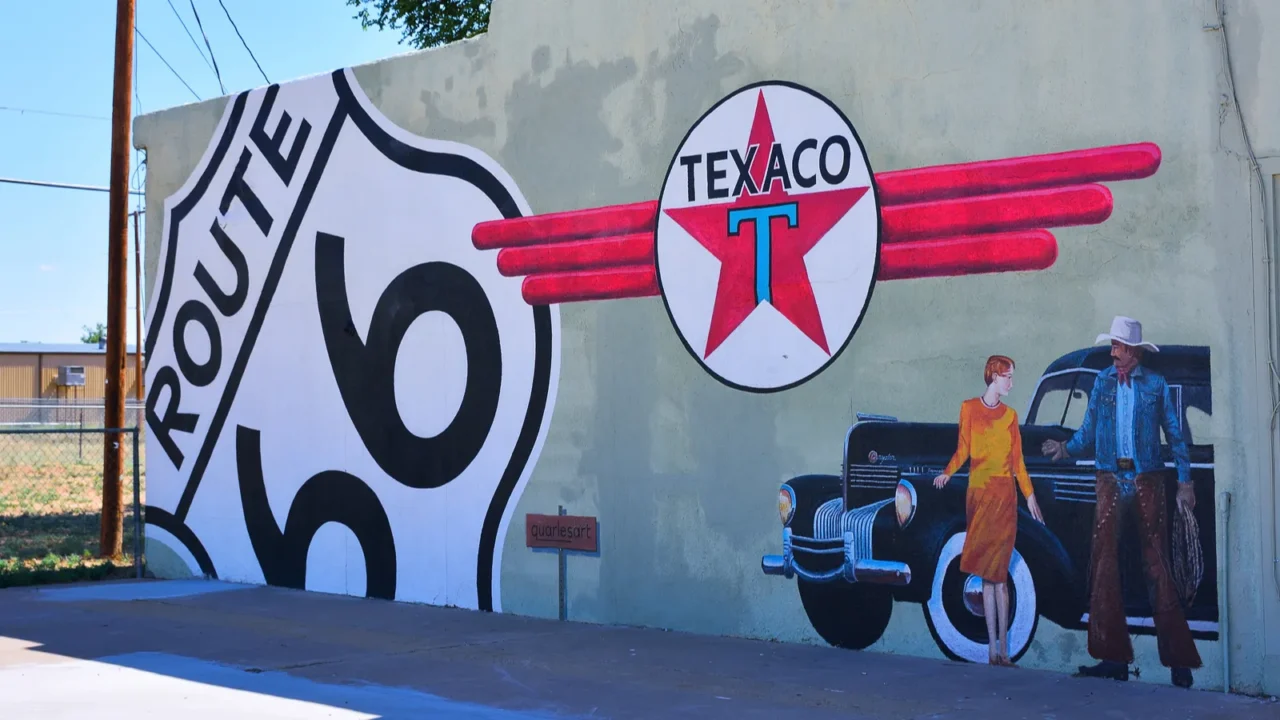
The centennial plan includes a monument program built around 16-foot, internally lit monuments that are meant to be hard to miss day or night. Each installation is designed as a branded “you are here” marker, helping travelers identify participating towns and districts along the route.
The digital hook is the QR code system tied to each monument, linking visitors to location-specific history and context. That approach reflects how heritage tourism is changing, with roadside photo ops now expected to come with built-in information and shareable storytelling.
New Mexico’s passport program turns stops into a checklist
New Mexico’s Route 66 Centennial Passport is built around collecting stickers from participating MainStreet districts along the route. The program is designed to push travelers past quick drive-throughs by giving them a reason to park, shop, and visit multiple towns instead of just one.
Officials have described the passport as a yearlong 2026 effort, with a defined set of stops from Gallup to Tucumcari. For small businesses, the value is repeatable foot traffic tied to a simple goal that visitors can finish and keep as a souvenir.
A new interactive map tries to make the old road easier to follow
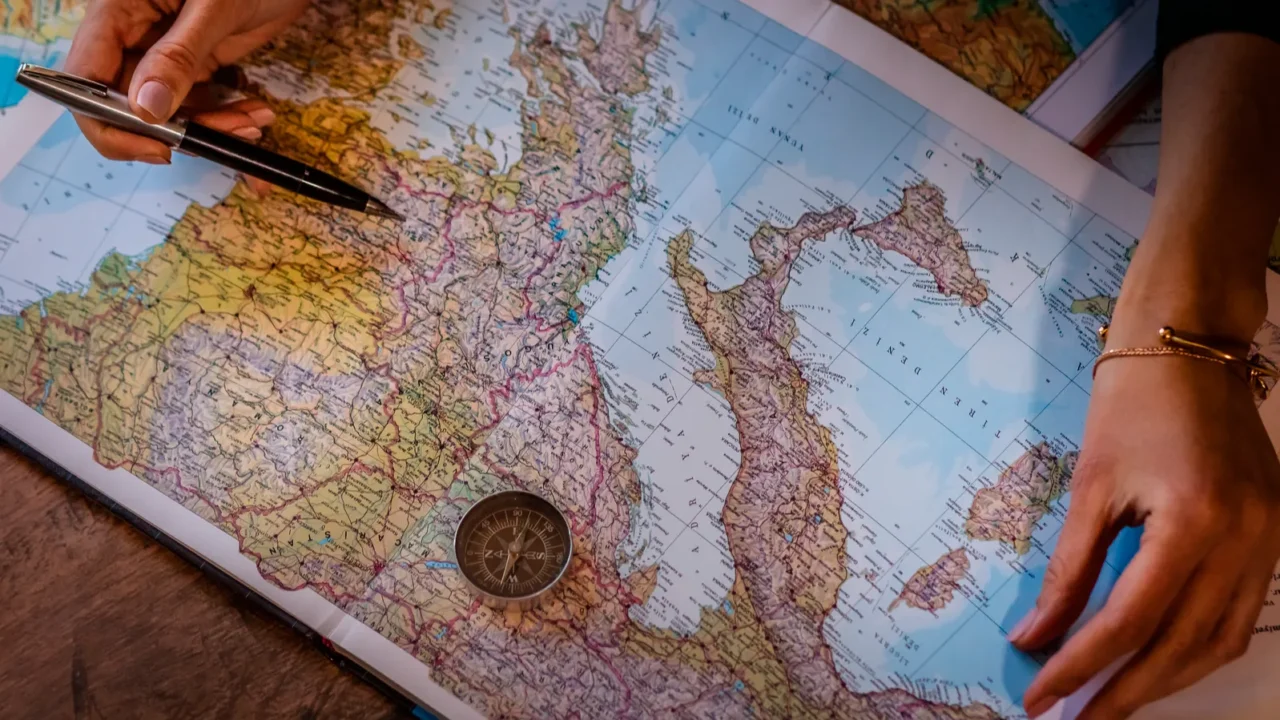
The centennial push also includes the Route 66 Pathway Project, promoted as a public, interactive multimedia map. Its purpose is to help travelers visualize the layers of Route 66 history and understand what they’re seeing when alignments shift or when the “original road” becomes harder to spot.
Route 66 is not a single, uninterrupted roadway anymore. A mapping-first approach is a modern fix for a classic frustration, especially for first-time visitors trying to stay on historic segments without missing the story.
How Route 66 shaped the business model of the road trip
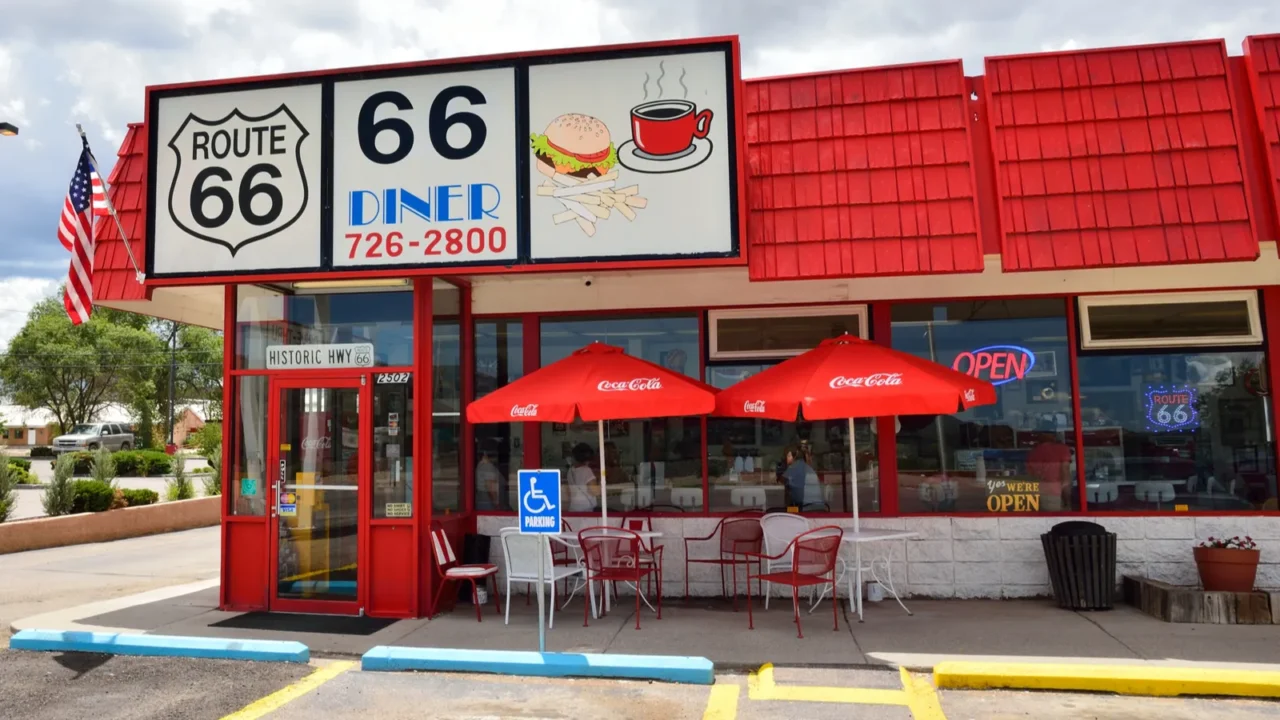
Route 66 helped popularize the idea that long-distance drives should be supported by services catering to travelers, not just locals. Federal highway historians note how the route’s popularity lined up with an auto boom and fueled a corridor of filling stations, restaurants, and auto camps that treated motorists as a steady market.
That legacy still shows up in what travelers look for today: diners, neon motel signs, and oddball roadside attractions that feel uniquely American. In 2026, centennial marketing is leaning into that old commercial language because it remains instantly recognizable.
In other news, see why Tourism authorities are warning against visiting viral locations.
Why Route 66 still carries cultural weight beyond travel
Route 66’s “Mother Road” identity is tied to migration and memory, not just recreation. The Federal Highway Administration notes that John Steinbeck helped cement that label in The Grapes of Wrath, linking the road to Dust Bowl-era flight and the search for opportunity.
Later, the route became a symbol of nostalgia and reinvention, including modern pop culture that sends new visitors looking for real-world inspirations. That’s why organizers view the centennial as storytelling infrastructure—not just tourism promotion—because the road’s meaning travels with it.
Curious how Arizona’s deserts deliver this kind of magic? Then explore 15 magical desert landscapes in Arizona worth the trip.
Will you plan a Route 66 stop in 2026, and what would make it worth the detour? Share your thoughts in the comments.
This slideshow was made with AI assistance and human editing.
Don’t forget to follow us for more exclusive content right here on MSN.
Read More From This Brand:
