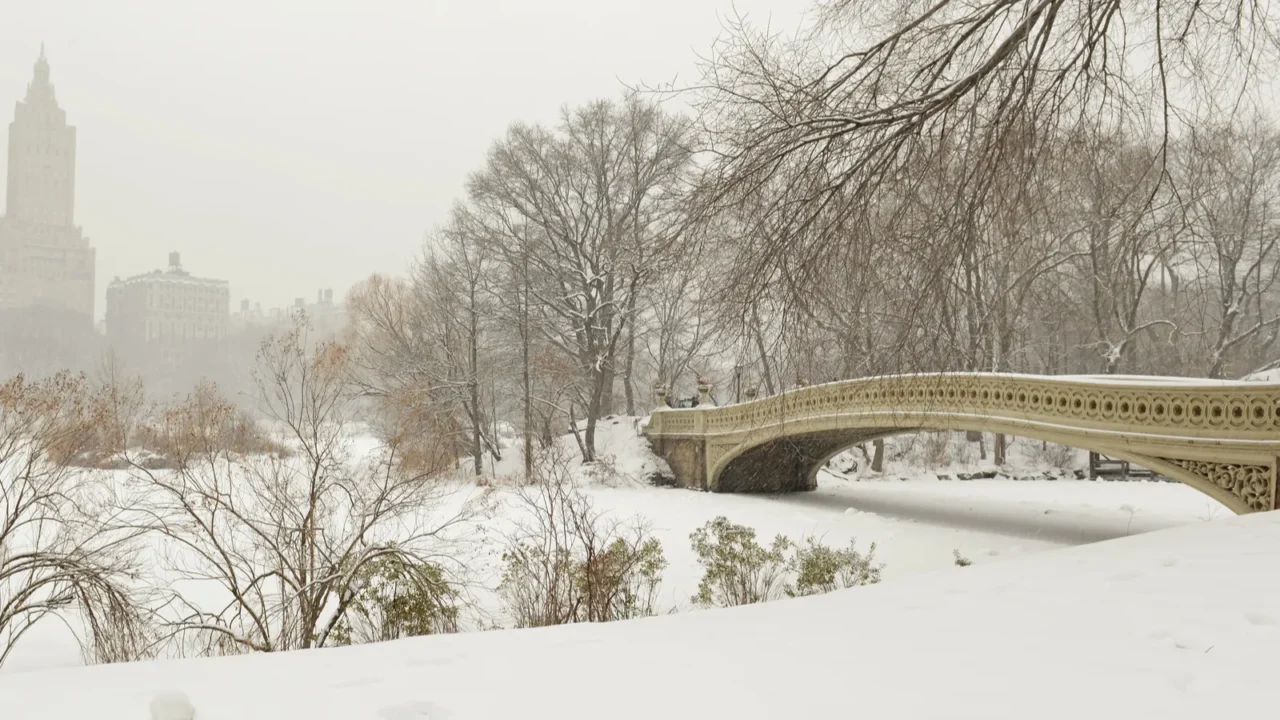
Cold air is on the move
A massive shift in the polar vortex is underway, and it could change winter weather across the Northern Hemisphere. Over the next few weeks, some U.S. cities could swing from record warmth to freezing temperatures, catching many off guard.
Scientists note that such early-season disruptions are uncommon in November. It may set the stage for a snowy and icy December in parts of the U.S., Europe, and Asia, making this a winter to watch closely, especially for travelers and outdoor enthusiasts.
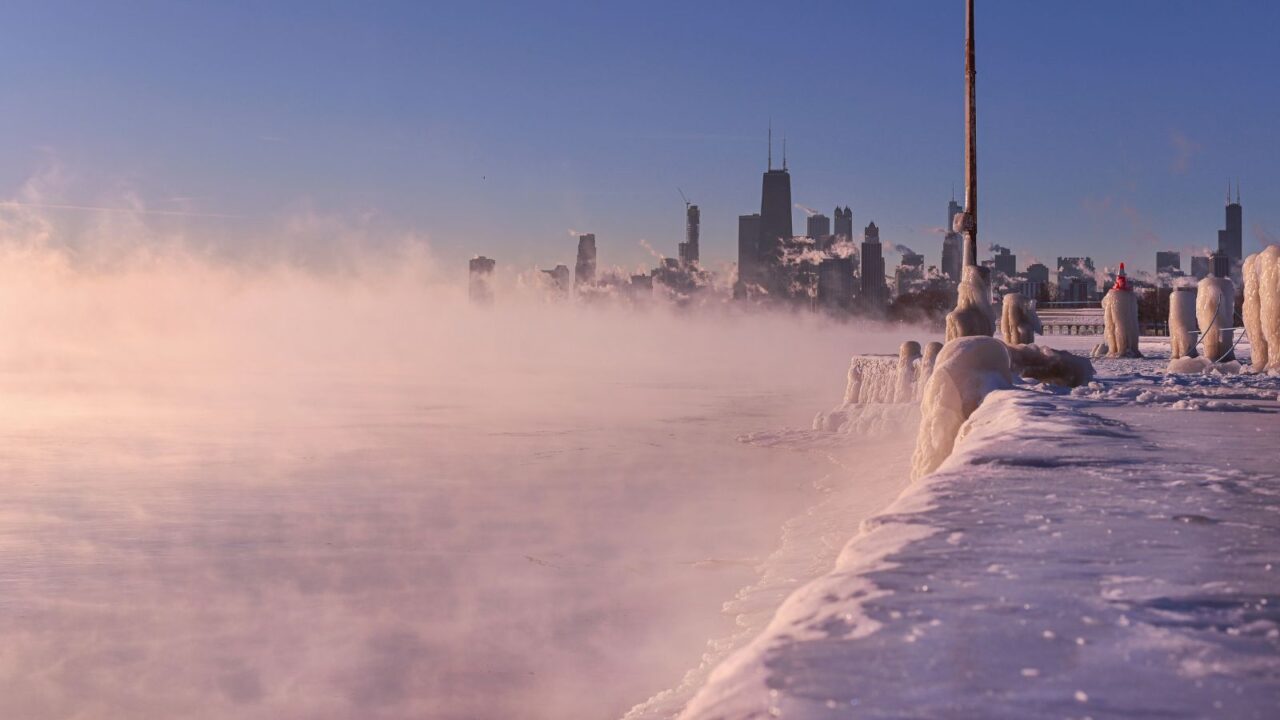
What is the polar vortex
The polar vortex is a giant swirl of cold air circling the North Pole. Usually, it keeps Arctic air contained, but when it weakens, frigid air spills southward, affecting weather thousands of miles away.
Disruptions often come from sudden stratospheric warming events. These events can flip normal weather patterns, sending cold waves into the lower 48 and across Europe and Asia, impacting daily life and winter activities.
Early warning
Recent meteorological reports suggest stratospheric warming patterns may be emerging earlier than usual this season, which could push the vortex off balance sooner than usual, altering seasonal expectations.
An early polar vortex disruption can trigger extended cold snaps. Regions currently experiencing unseasonable warmth might see dramatic shifts to colder weather in the coming weeks, forcing people to adjust plans quickly.
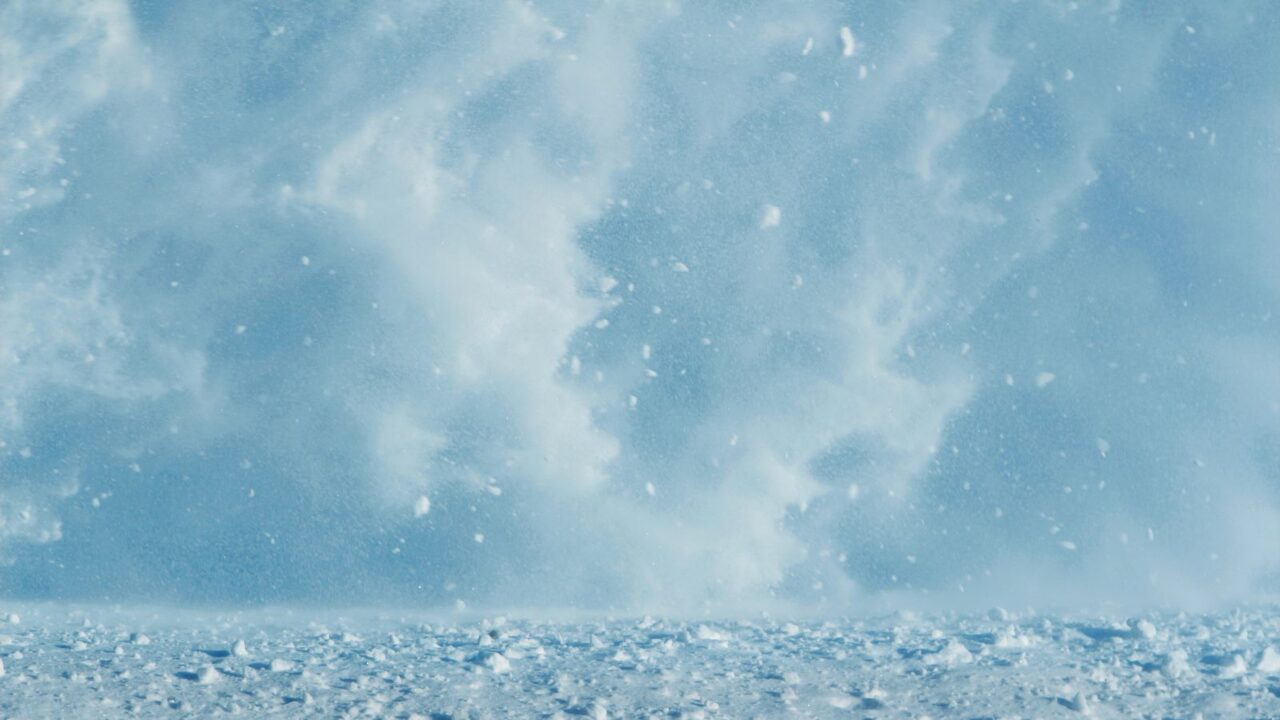
How cold air travels south
When the vortex weakens, Arctic air can slide south like a spinning top wobbling out of control. This can bring frosty conditions to mid-latitude regions where most people live, changing landscapes and city life.
The jet stream shifts during these events, guiding the icy air. Storm tracks also change, potentially increasing snowfall and winter storms in affected areas, and creating unpredictable weather patterns for communities.
U.S. winter outlook
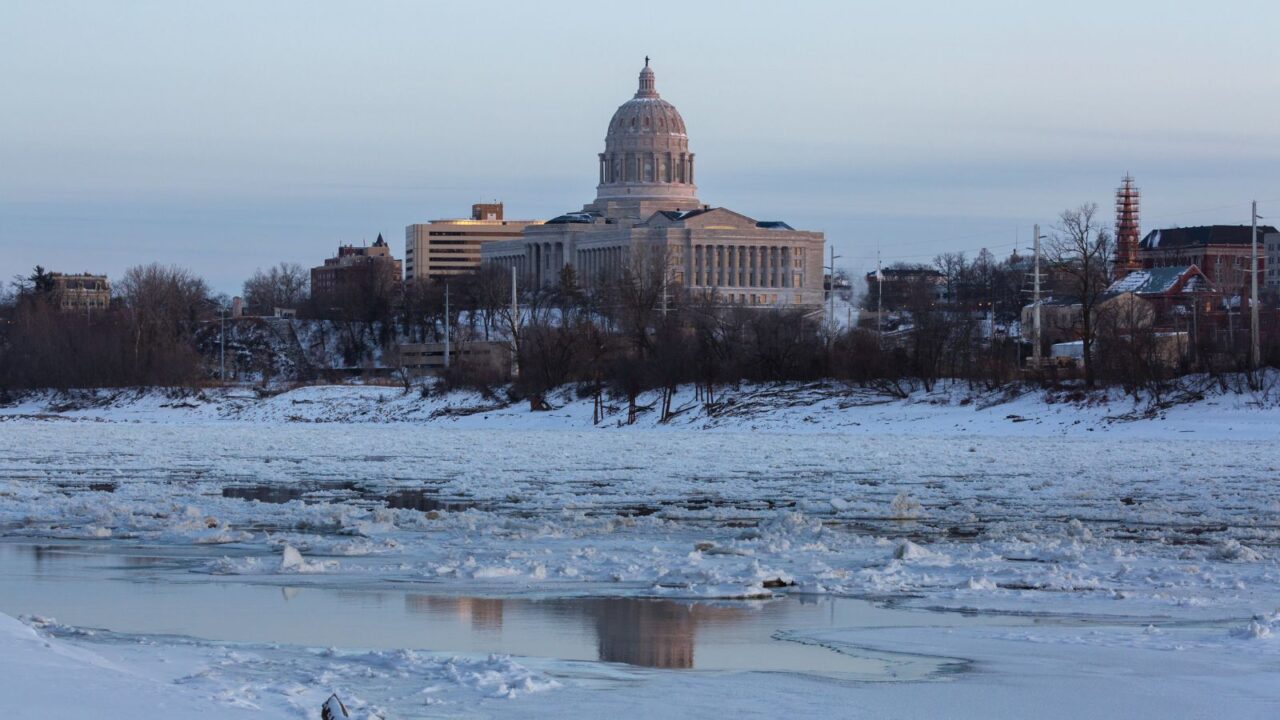
Areas in the central and eastern U.S. could face snowier, colder conditions than usual. The pattern resembles past events that produced harsh Decembers and icy January spells, highlighting the need for early preparation.
Experts emphasize that timing and location are still uncertain. But residents in the Midwest and Northeast may want to prepare for winter surprises early this season, stocking essentials and staying alert to forecasts.

Europe could feel it too
Germany and other parts of Europe may see a colder winter than normal. Arctic air could push south, creating frosty spells and occasional heavy snow, especially after Christmas, surprising many with early winter chills.
Historical examples, like Germany’s 1978–79 winter, show how a shifted vortex can create intense cold. Even if temperatures fluctuate, a chilly pattern may dominate mid- to late December, impacting travel and local events.
La Niña’s role
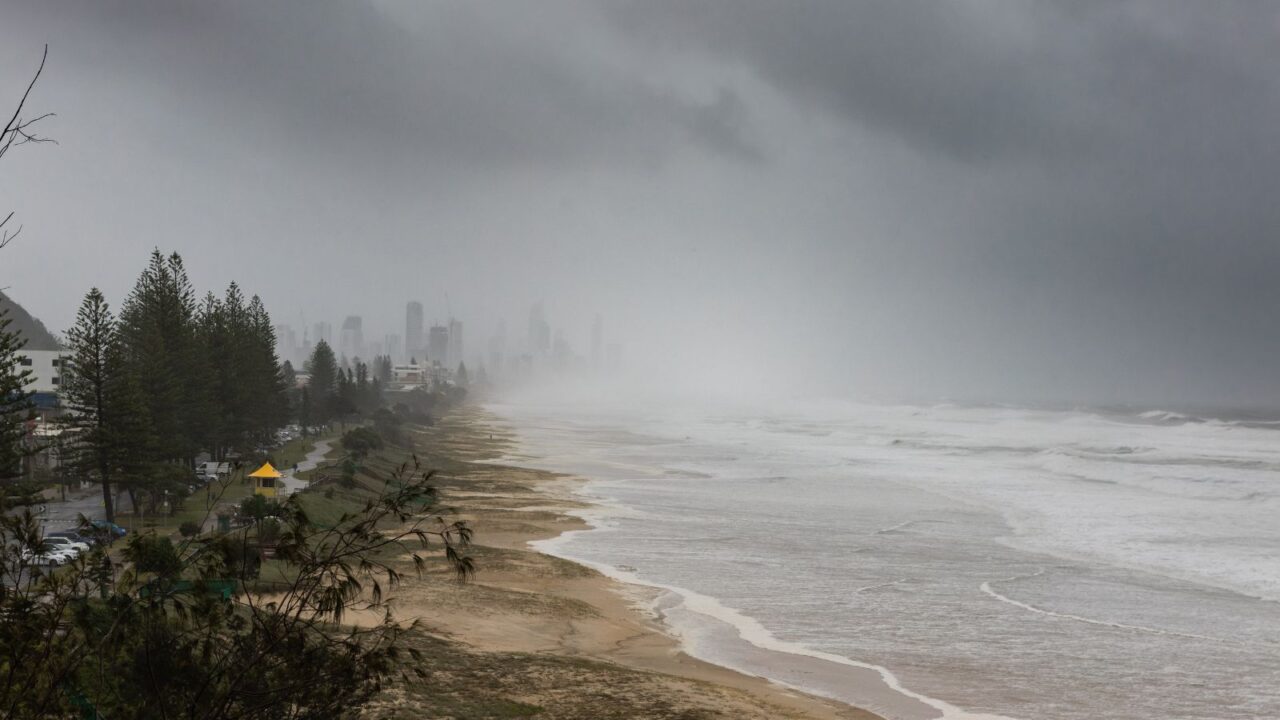
La Niña is active this winter, with cooler Pacific waters influencing global weather. It tends to bring colder, wetter conditions to Europe and stronger snow in the Alps, shaping seasonal outlooks.
Combined with the polar vortex, this could mean more frequent snowfalls. Skiers and winter sports fans may welcome the chance for a white season, but residents need to be ready for icy conditions and heavy snowfalls.

Why scientists watch the stratosphere
Sudden stratospheric warming events happen high above us, but their effects reach the surface. These shifts can improve 7- to 10-day forecasts and reveal upcoming cold spells, helping communities plan ahead.
Researchers track temperature and wind changes miles above Earth. Knowing how the vortex moves helps predict which regions may experience winter extremes, giving valuable lead time for preparation.
Unpredictable outcomes
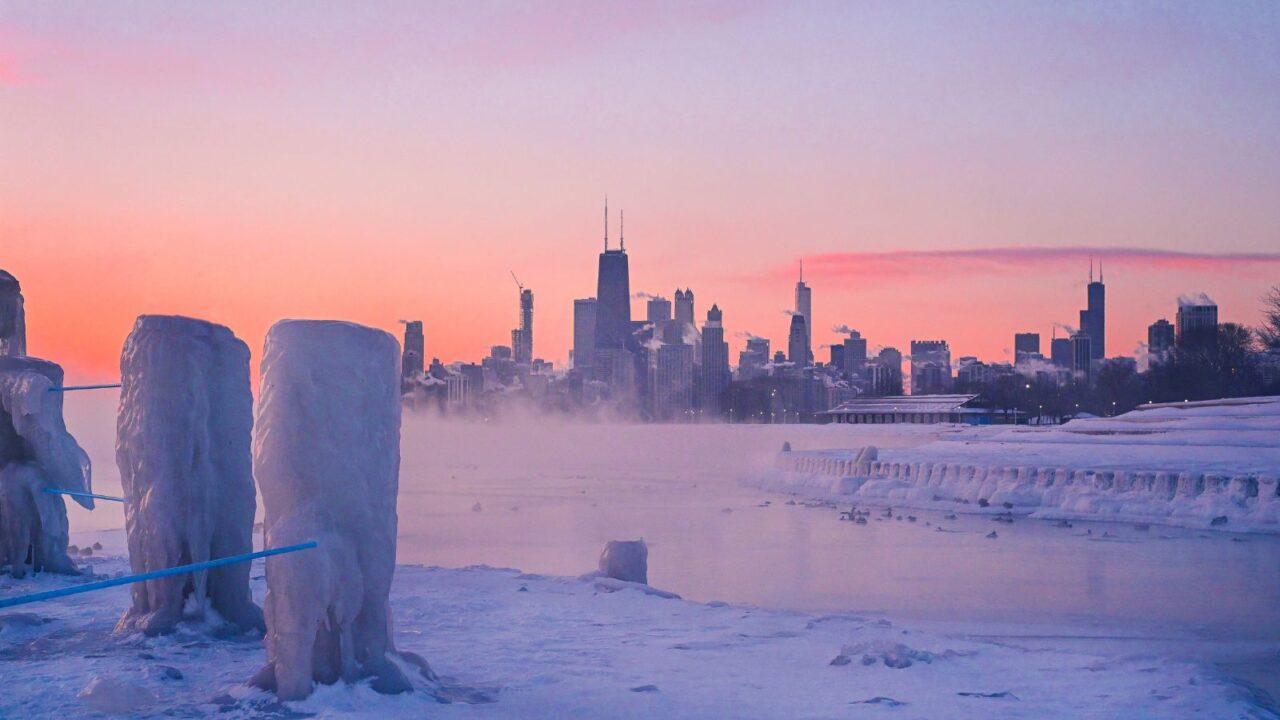
No two polar vortex events are exactly alike. Where the cold lands is hard to predict, and temperature models may not fully account for the vortex’s impact yet, leaving uncertainty for forecasters and the public.
This uncertainty makes monitoring crucial. Mid-latitude populations might see alternating warm and cold periods, with sudden snowstorms catching people by surprise and affecting daily routines.
North America’s risk zones
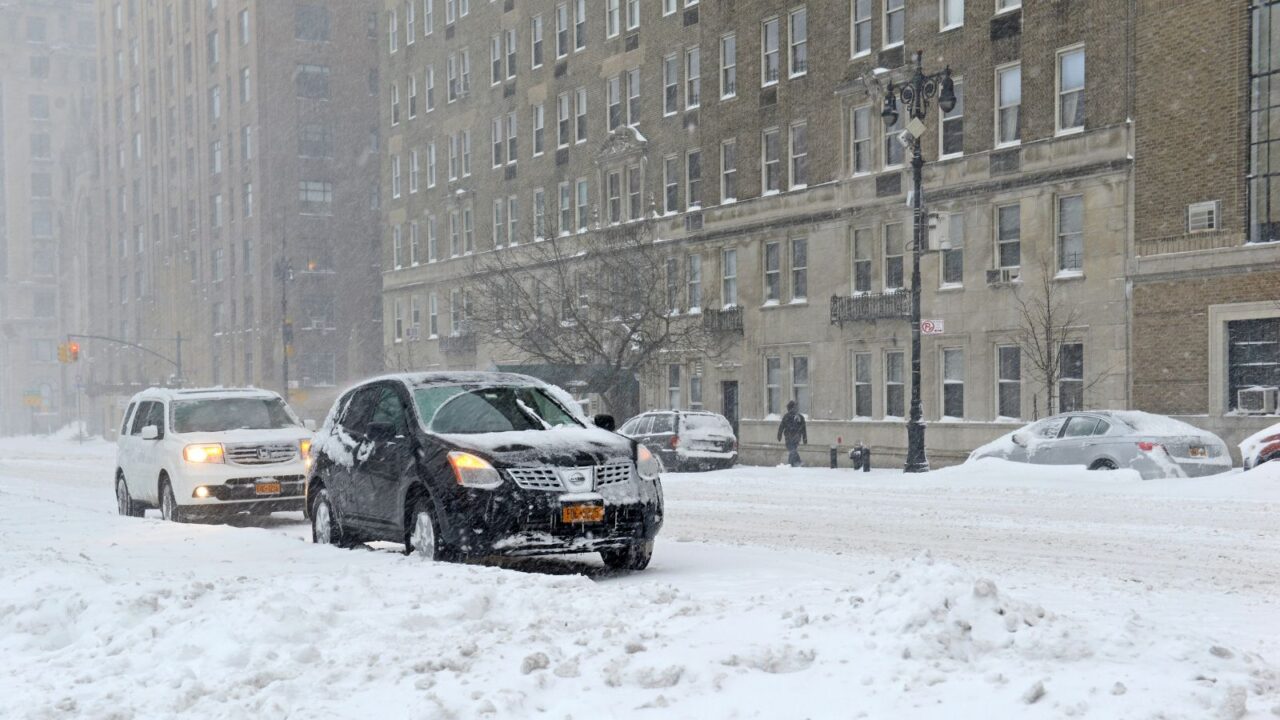
Eastern Canada and the northeastern U.S. are often the first to feel the impact. Snow and ice can spread down into the Midwest and parts of the South if the vortex dips far enough, bringing unexpected winter hazards.
Previous events, like the 2021 Texas freeze, resulted in billions in damages, highlighting the potential impact of polar vortex collapses. Extreme cold, icy roads, and heavy snowfall can challenge infrastructure and daily routines, requiring vigilance and preparedness for families and local authorities.
Jet stream effects
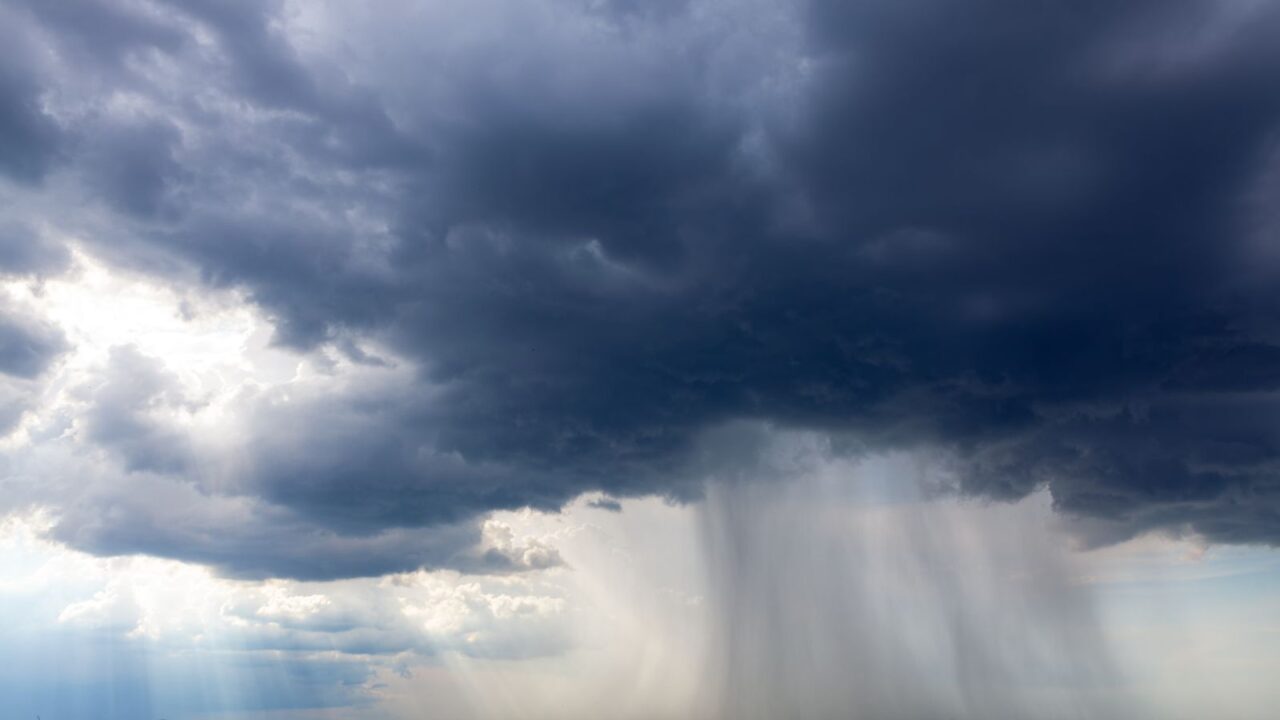
A weakened polar vortex alters the jet stream’s path. Warm air may surge north in some areas while cold Arctic air plunges south in others, creating extreme contrasts across the continent.
These meanders can trigger droughts or floods, depending on the region. Storms may intensify when they move through areas where cold meets warmer, moisture-filled air, making weather events more severe and unpredictable.
Links to climate change
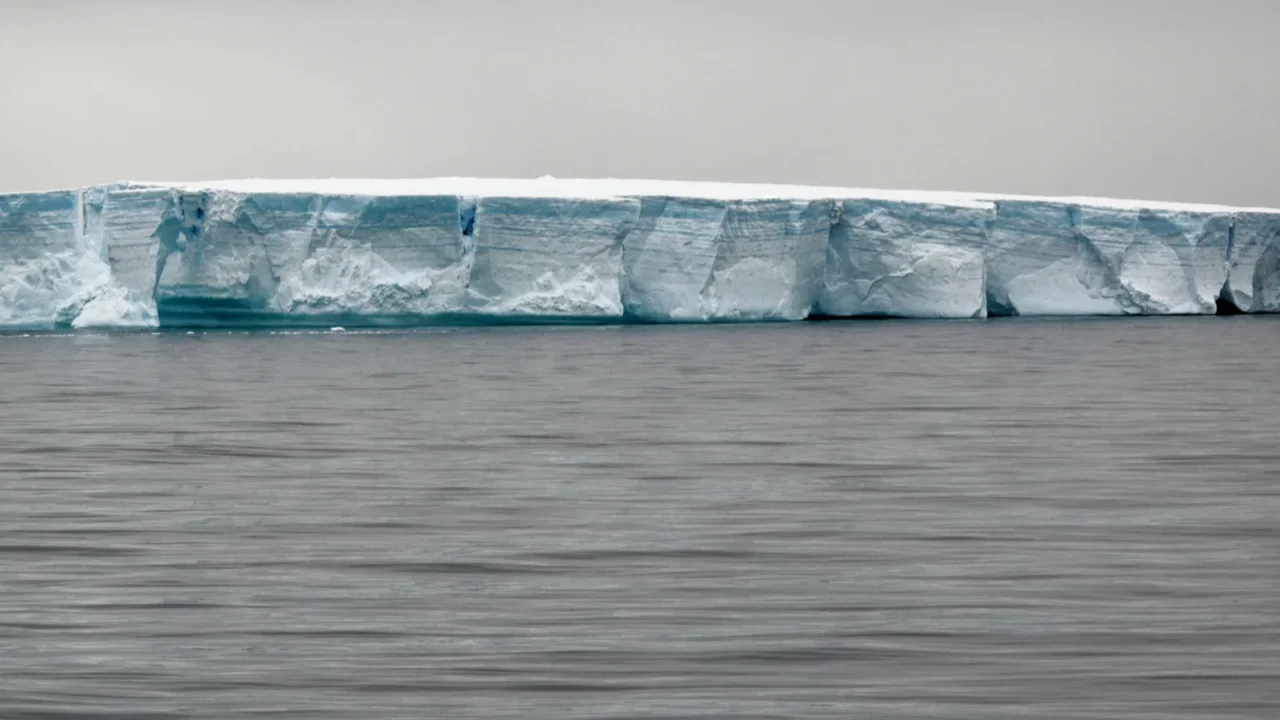
Arctic warming is making the polar vortex less stable. Melting sea ice and warmer Arctic temperatures amplify disruptions, increasing the chance of sudden, strong cold snaps that affect global weather patterns.
Researchers warn that long-term warming may alter how winters behave. Some future winters could see stronger polar vortex collapses or, paradoxically, warmer mid-latitudes if Arctic ice disappears entirely, changing the season’s rhythm.
In other news, see how Hawaii’s new climate tourism fee faces backlash.
Preparing for winter
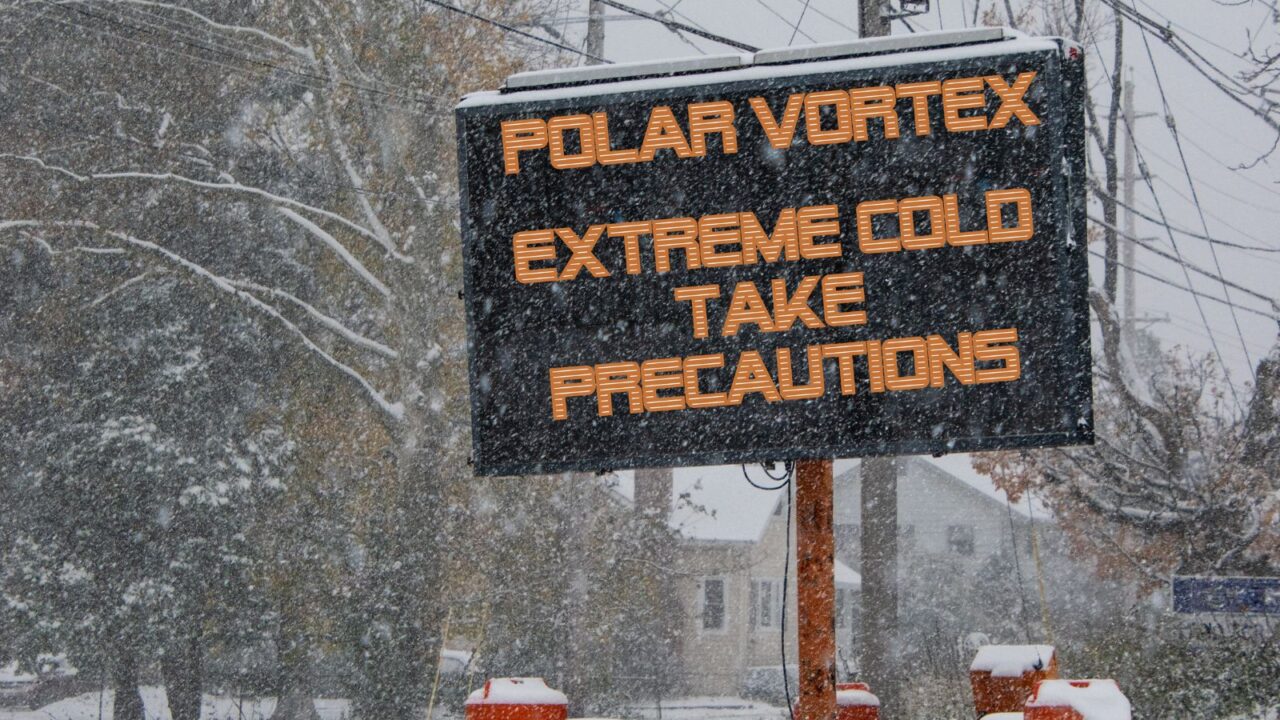
Being aware of vortex disruptions can help families and communities plan ahead. Stocking winter essentials and monitoring forecasts becomes more important this year, especially in regions prone to sudden Arctic blasts.
Even small preparations, like checking heating systems or winter tires, can make a big difference. Awareness can help reduce risks from sudden Arctic blasts and heavy snowfall, keeping households safer and more comfortable. Next, check out how travel plans are at risk as up to 12 inches of snow hit the U.S.
How are you preparing for this year’s polar vortex? Share your tips, winter plans, or thoughts on the upcoming cold snap in the comments.
This slideshow was made with AI assistance and human editing.
Don’t forget to follow us for more exclusive content right here on MSN.
Read More From This Brand:
