
Korea’s smart resort trend
South Korea is redefining luxury stays with smart eco-resorts. Travelers are drawn to spaces that mix wellness, nature, and cutting-edge technology. From AI check-ins to automated room services, the experience feels futuristic yet relaxing.
These resorts also prioritize sustainability, blending modern convenience with eco-conscious design. Guests can enjoy green spaces, solar power, and energy-efficient systems. Let’s dive in and explore how technology meets wellness in South Korea!
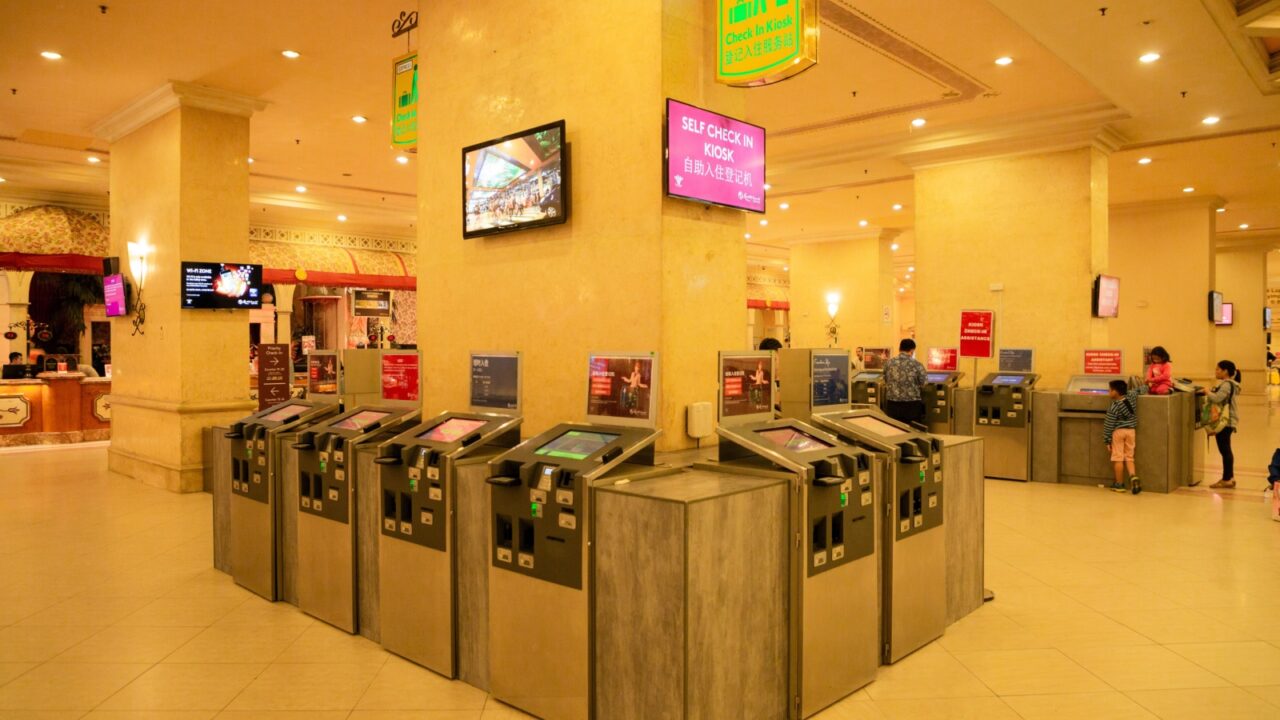
AI check-in systems
AI-powered check-ins allow travelers to skip the front desk hassle. Facial recognition and mobile apps handle identification and key delivery. This reduces waiting times and creates a seamless arrival experience.
Hotels can also track occupancy and anticipate guest needs. Smart systems make operations smoother and more personalized. Travelers often notice how effortless their first interactions feel.
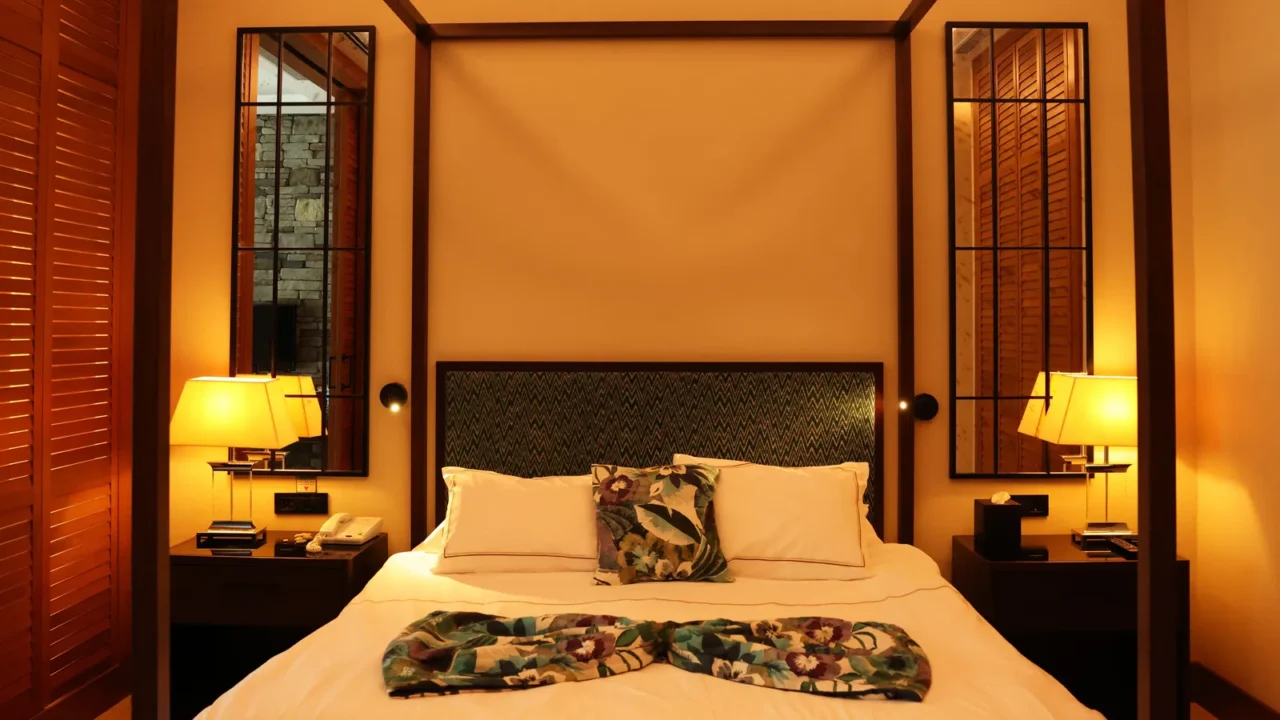
Personalized room settings
Rooms in smart eco-resorts adjust lighting, temperature, and ambiance automatically. AI learns guest preferences to create the perfect environment. This adds a personal touch without extra effort from staff.
Guests can control settings through voice commands or mobile apps. Some resorts even suggest music or lighting based on the time of day. It’s an experience that feels both luxurious and intuitive.

Wellness integration
Wellness isn’t just a spa offering; it’s part of the entire resort. AI tools track guest activity and suggest relaxation routines or yoga sessions. Resorts also provide meditation spaces and fitness programs tailored to individuals.
Some resorts analyze sleep patterns to optimize rest. Healthy meals and organic dining options complement these wellness features. Guests feel supported in mind, body, and environment.
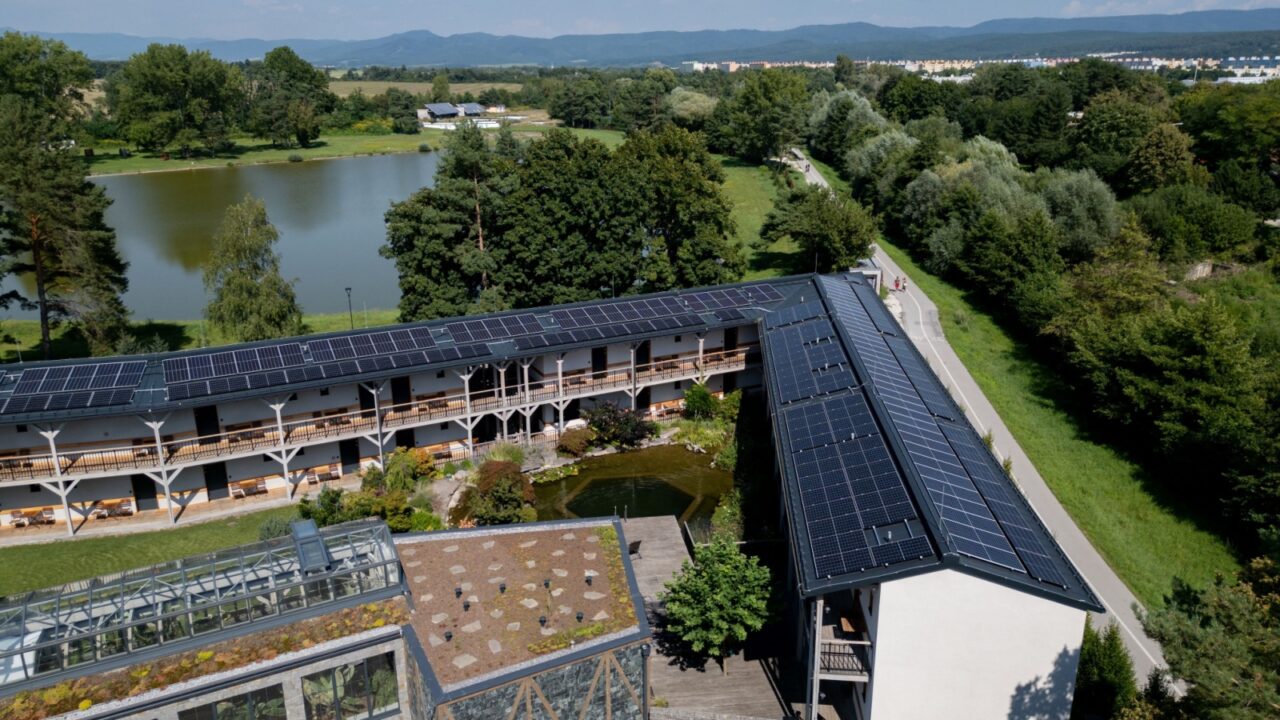
Eco-friendly design
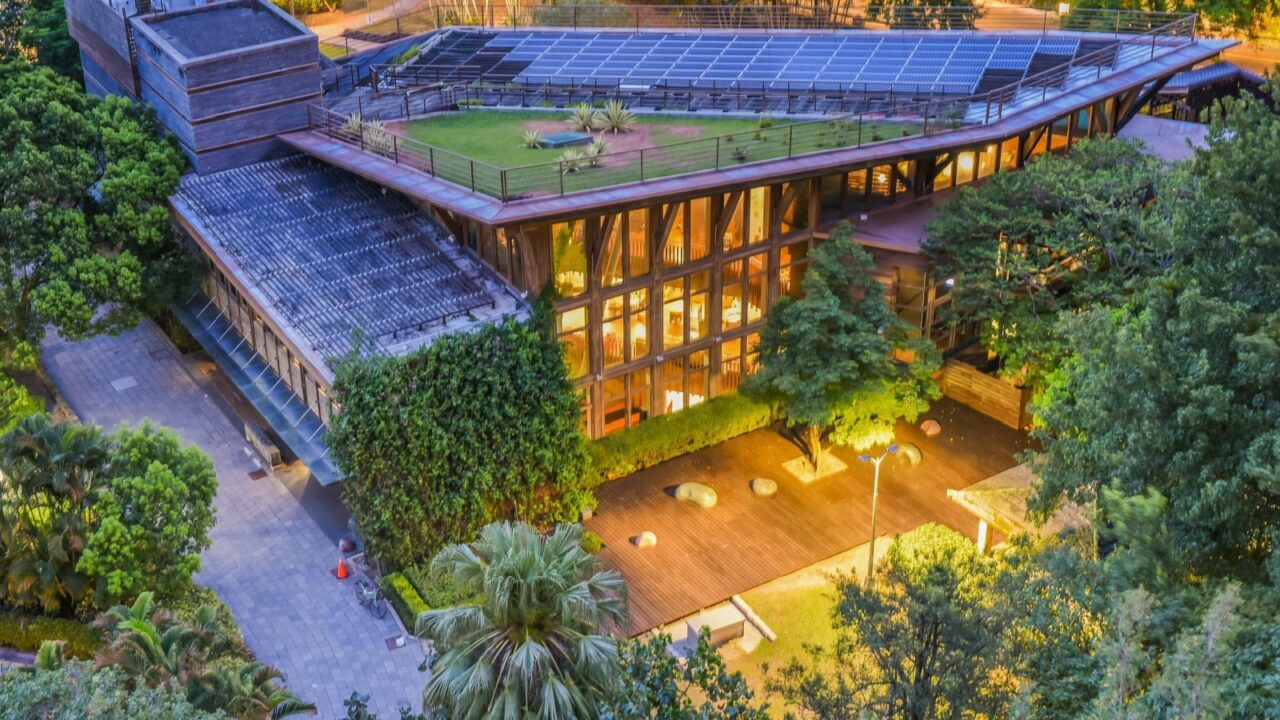
Sustainable architecture is a core feature of these resorts. Solar panels, green roofs, and water recycling systems reduce environmental impact. Construction often uses locally sourced, low-impact materials.
Landscape design incorporates native plants that minimize water use. Smart lighting and climate control cut energy waste. The result is a resort that feels natural, modern, and eco-conscious.

Automated services
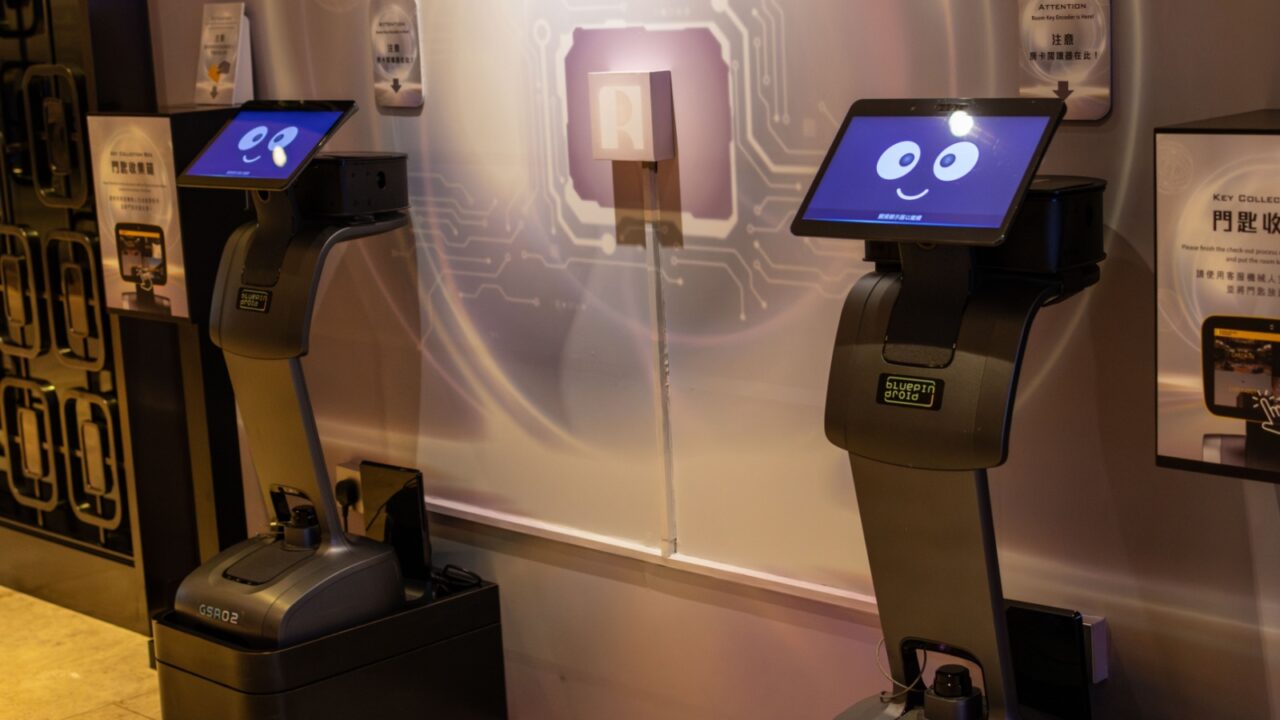
AI handles routine tasks such as room cleaning, alerts, and supply management. Robots sometimes deliver luggage or room service directly to guests. These systems free staff to focus on personalized attention.
Automation improves efficiency without feeling impersonal. Guests can enjoy prompt service any time of day. It also helps resorts maintain higher standards consistently.

Smart wellness rooms
Some resorts feature rooms equipped with fitness monitors and stress trackers. Guests can see how daily routines affect heart rate and relaxation. AI suggests gentle adjustments to enhance well-being.
Sleep-focused features include adjustable beds and noise-cancellation systems. Lighting mimics natural rhythms to support rest cycles. The integration feels futuristic while still comforting.

Seamless dining experiences
Dining is often personalized using AI recommendations. Nutritional preferences, allergies, and past meal choices are considered. This makes each meal feel tailored and convenient.
Some resorts offer robotic chefs or smart kitchens. These systems help maintain quality and reduce food waste. Guests enjoy a combination of technology, flavor, and sustainability.

Smart energy management
AI monitors energy use in real time. Heating, cooling, and lighting adjust automatically for efficiency. This ensures comfort without unnecessary consumption.
Guests may notice subtle changes that save energy behind the scenes. Smart meters track solar power, water usage, and battery storage. The resort runs smoothly while minimizing its footprint.
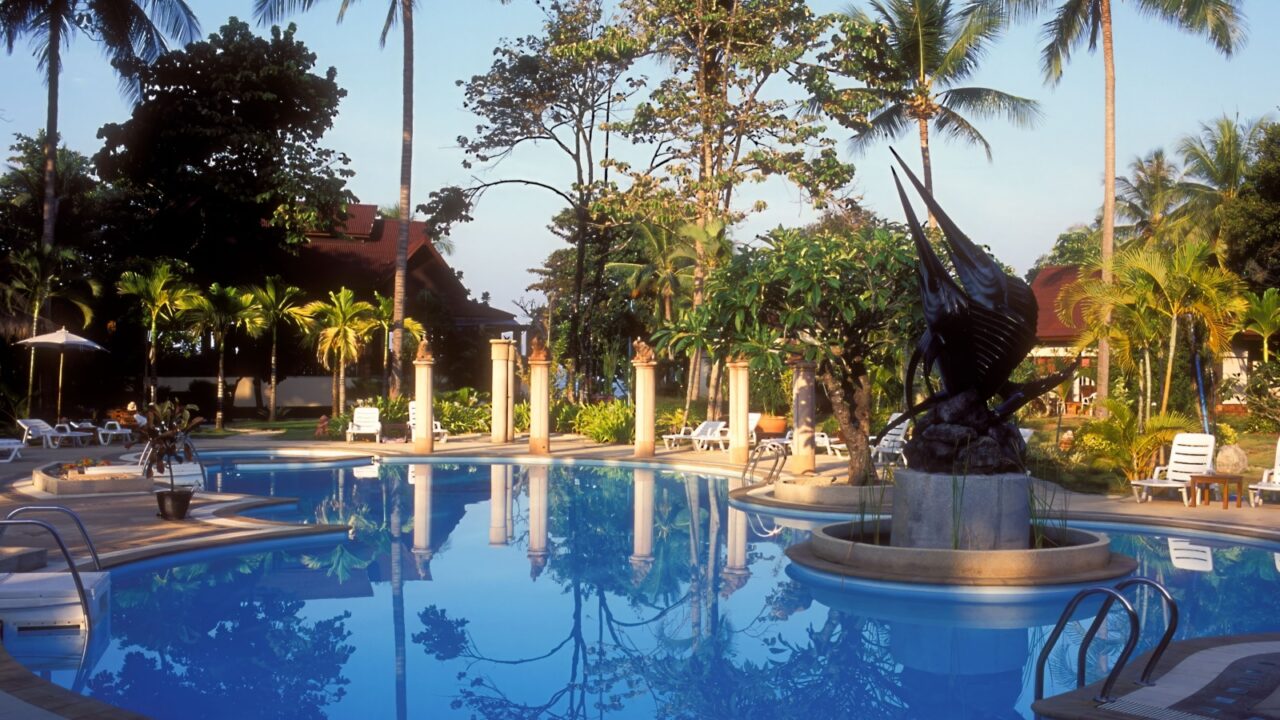
Nature meets technology
Eco-resorts prioritize natural surroundings alongside high-tech amenities. Walking trails, forest views, and water features complement AI-driven systems. Guests can enjoy serene landscapes without sacrificing convenience.
Outdoor spaces are also integrated into wellness routines. Meditation platforms and yoga decks take advantage of natural scenery. The combination of nature and tech enhances the overall retreat experience.
Guest feedback insights
AI gathers feedback automatically to improve services. Personalized surveys and sensors track satisfaction across different areas. This ensures continuous improvement without waiting for manual reports.
Resorts can anticipate needs before travelers request them. For example, housekeeping and dining services adjust in real time. This responsiveness helps create a seamless and enjoyable stay.
Global appeal
Smart eco-resorts are attracting international visitors seeking futuristic wellness. South Korea positions itself as a leader in combining technology and sustainability. The trend is inspiring similar innovations worldwide, especially as shows like The White Lotus inspire buzz around immersive, tech-forward resorts worldwide.
Luxury travelers see these resorts as a next-level experience. Young holidaymakers are intrigued by the convenience and eco-conscious approach. This creates a new standard for modern travel experiences.

Experience the future
Smart eco-resorts in South Korea show how technology can enhance wellness and sustainability. Travelers enjoy a balance of comfort, convenience, and care for the environment. The combination feels modern, calming, and uniquely Korean.
AI-driven stays and eco-friendly design may redefine what luxury means. Resorts here are creating experiences that merge nature, technology, and well-being. Which smart eco-resort feature would make the perfect getaway? Share thoughts below!
Read More From This Brand:
- 12 reasons moving to Los Angeles isn’t as glamorous as it looks
- Inside the Kardashians’ winter luxury playbook in Dubai
- The Crown’s most majestic palaces and where to book a royal stay
Don’t forget to follow us for more exclusive content right here on MSN.
This slideshow was made with AI assistance and human editing.
Disclaimer: The images used are for illustrative purposes only and do not depict the actual locations mentioned.
