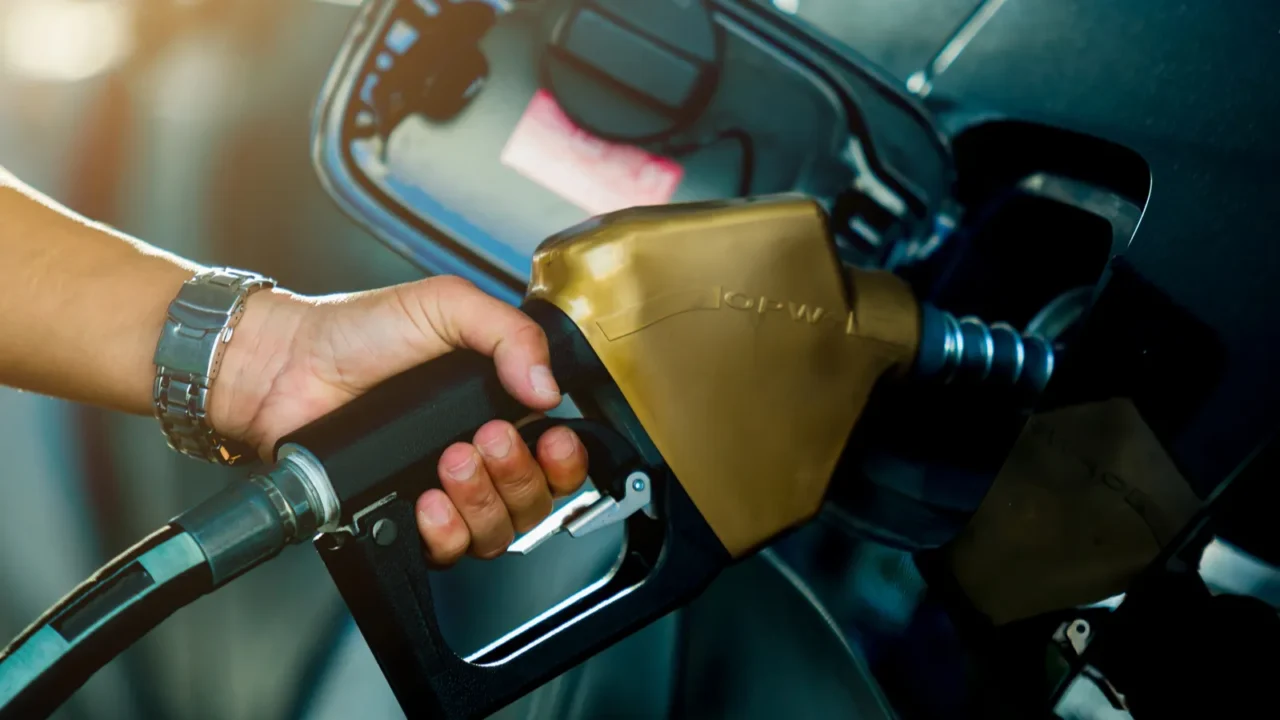
Your getaway just got pricier
You can feel it before you even leave town. Gas prices climbed fast in early March, and oil volatility is suddenly part of spring trip planning again. What looked like a simple spring booking window now feels much more unpredictable for everyday travelers.
That means your beach weekend, college visit, or family flight may cost more than it did a few days ago. For many travelers, the budget squeeze starts at the pump and follows them all the way to the airport. Even people staying closer to home may notice that transportation costs are suddenly harder to ignore.
Why one waterway matters so much
A lot of this pressure traces back to the Strait of Hormuz. The U.S. Energy Information Administration says about 20 million barrels of oil moved through it daily in 2024, equal to about 20% of global petroleum liquids use. That makes it one of the most important chokepoints in the global energy system.
When traders worry that the route could stay disrupted, prices react fast. Even temporary delays can raise shipping costs, tighten supply, and push fuel prices higher around the world. That is why a distant conflict can quickly show up in very local travel budgets.
Gas jumped in a hurry
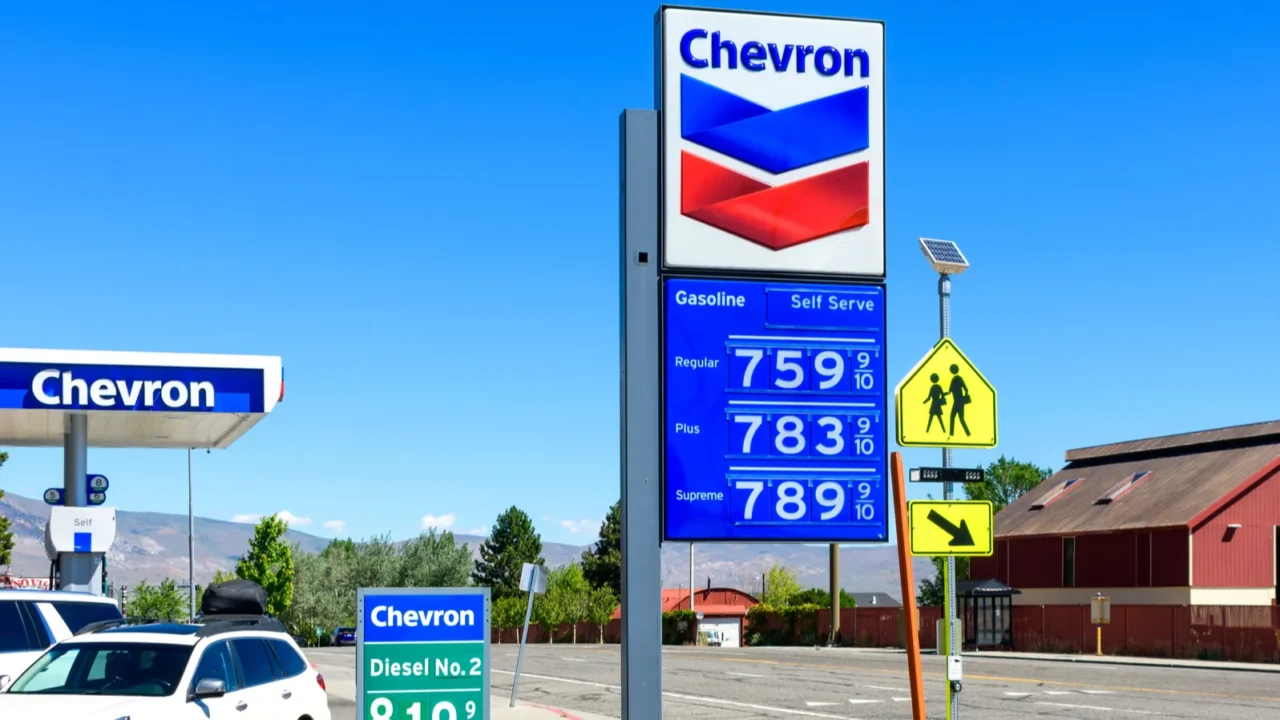
AAA’s national average for regular gas reached $3.478 on March 9, 2026. That was up from $2.997 a week earlier, which is a sharp jump for such a short stretch of time. Sudden moves like that tend to catch travelers before they have time to adjust their plans.
AAA had already warned on March 5 that prices were rising quickly. By March 9, that spike had become even more obvious for drivers planning road trips and daily commutes. It also made spring travel budgeting feel less predictable from one day to the next.
Diesel is the bigger warning sign
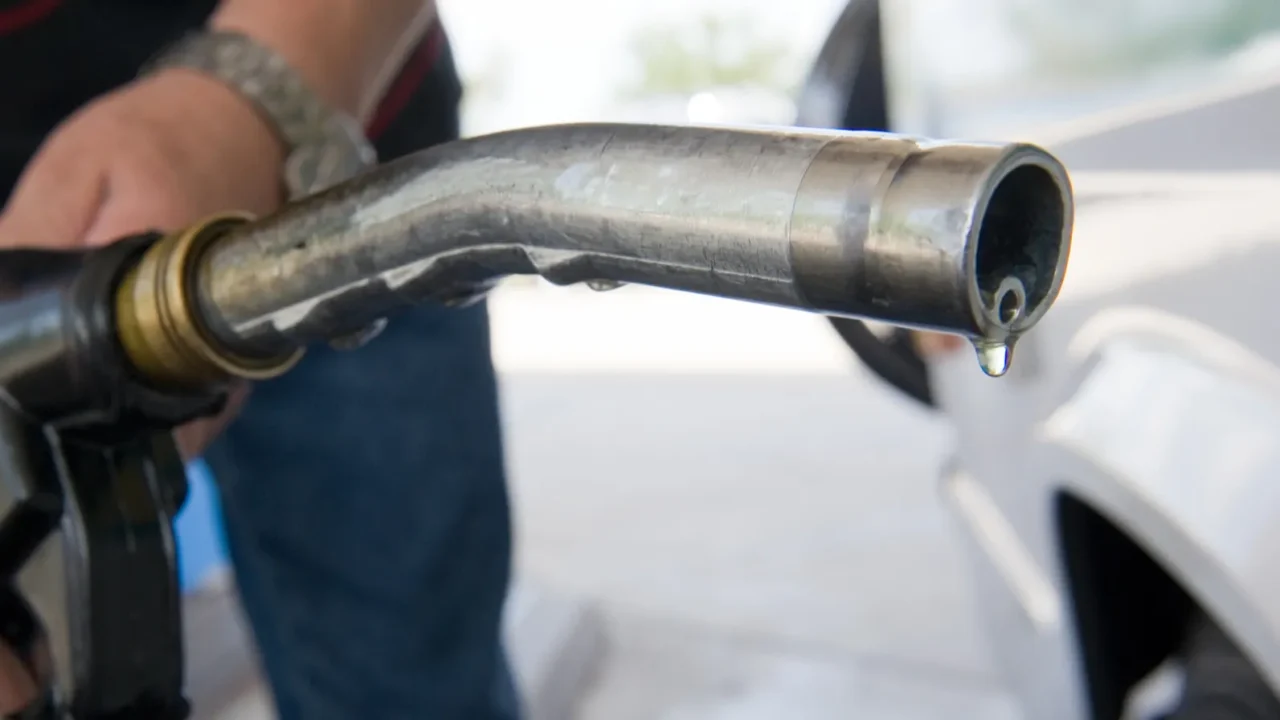
Diesel often tells you how broad the pain could become. AAA’s national diesel average hit $4.656 on March 9, up from $3.770 a week earlier. That kind of jump suggests the pressure is spreading beyond private cars and vacations.
That matters because diesel powers freight, farm equipment, and a huge share of the supply chain. When diesel jumps this hard, the cost pressure rarely stays limited to truck stops. It can eventually filter into store shelves, shipping bills, and household budgets too.
Airlines are feeling it too
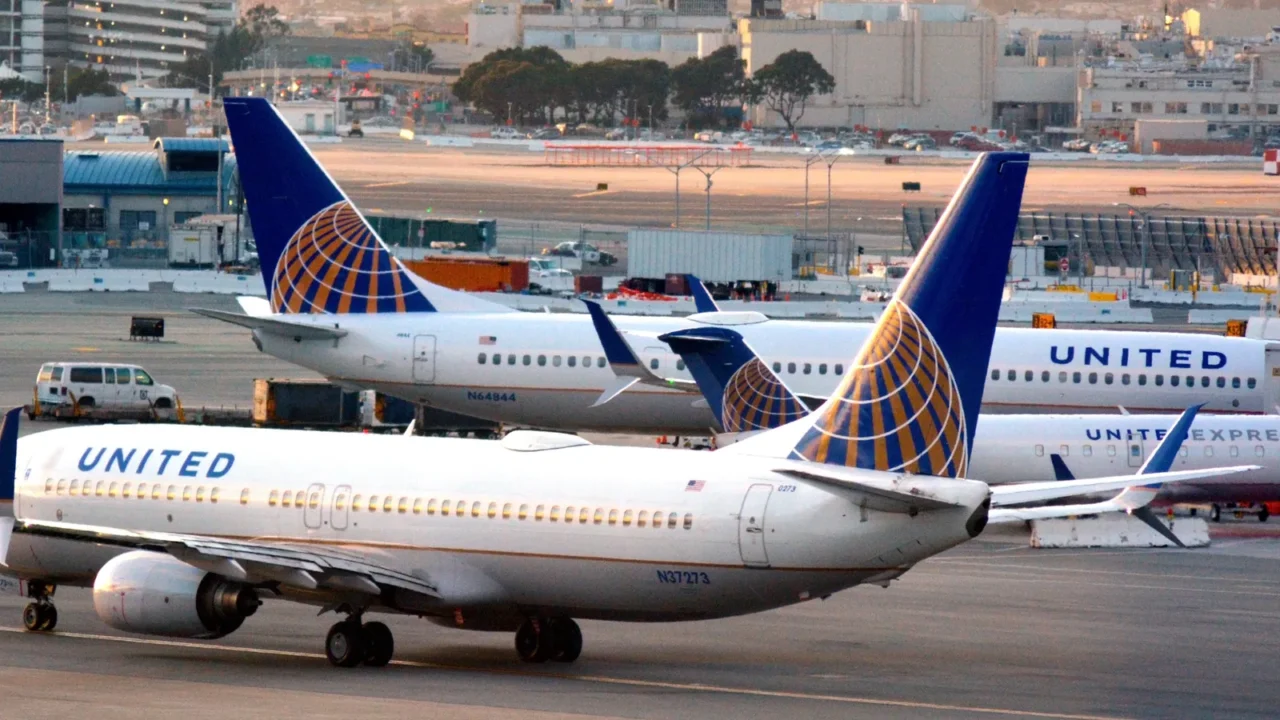
Airlines do not just watch oil headlines for fun. Reuters reported average jet fuel at $2.83 per gallon, while Gulf Coast spot fuel surged to $4.12, the highest since June 2022. That kind of spike can change airline cost calculations very quickly.
That is a real hit to airline math. Reuters also noted many U.S. carriers no longer hedge fuel heavily, leaving them more exposed when prices move fast. That gives airlines less protection when fuel markets swing sharply in a matter of days.

Detours can raise costs too
Fuel is not the only issue for airlines right now. Route closures and safety concerns have disrupted airspace, and Reuters said more than 19,000 flights had been canceled across seven major Middle East airports since February 28.
Even if your trip is nowhere near the Gulf, rerouting can still matter. Longer paths, tighter schedules, and fewer available planes can all add cost somewhere in the system.

Road trips may look better at first
Driving can still feel cheaper than flying for a short trip. But when regular gas jumps almost fifty cents in a week, the savings on a long drive can shrink quickly. That makes the classic “let’s just drive instead” idea less automatic than it first seems.
This is where mileage starts to matter more than mood boards. A budget trip from Atlanta, Dallas, or Chicago can change fast once fuel stops pile up. Travelers may need to look at total driving costs more carefully than usual this season.

Some states feel it faster
Gas spikes never hit every state the same way. On March 9, AAA listed California at $5.204 a gallon on average, while some lower-cost states stayed closer to the low $3 or even high $2 range.
That means spring travel math looks very different depending on where you live. A family leaving Los Angeles starts from a much tougher fuel baseline than one leaving Oklahoma City.
Little-known fact: The United States got only about 2% of its petroleum liquids consumption through Hormuz-linked Persian Gulf imports in 2024.

Spring already pushes prices up
This story is not only about conflict. AAA notes spring usually brings higher gas prices because demand rises and refineries begin producing summer-blend gasoline.
So travelers are getting hit by two forces at once. Seasonal price pressure was already on the way, and global oil fears made it stronger.
Little-known fact: Fuel is typically the second-largest expense for U.S. airlines after labor.
The U.S. is not fully exposed
There is one detail that helps put this in perspective. The EIA says the United States imported about 0.5 million barrels per day from Persian Gulf countries through Hormuz in 2024, just 7% of U.S. crude imports and 2% of petroleum liquids use.
So this is not simply a story of America running out of oil. It is more about how global pricing works when a major chokepoint gets shaky.
Little-known fact: Saudi and UAE pipelines could provide about 2.6 million barrels per day of bypass capacity if Hormuz traffic is disrupted.

Travelers still have smart moves
You do not have to panic-book everything tonight. But this is a good moment to compare drive-versus-fly costs again, check total trip spending, and use points or miles where you can.
Flexibility matters more in this kind of market. A shorter drive, a midweek departure, or one less stop can protect your budget more than you think.
Watch what happens next
Markets are still swinging hard, which means travel prices can move quickly, too. On March 9, oil briefly neared $120 a barrel before pulling back later in the day.
That kind of whiplash is a reminder that this is not settled yet. A calmer week could ease pressure, but prolonged disruption would keep travel costs on edge.
Will the escalating Iran conflict keep grounding flights and disrupting travel plans worldwide? Check out how airlines and passengers are being affected.

This reaches beyond vacations
Higher fuel costs do not stop at spring break. They can affect deliveries, groceries, farm costs, and the price of moving goods across the country.
That is why travel stories like this catch attention fast. When fuel rises sharply, it can reshape both weekend plans and everyday spending in the same month.
Could higher oil prices soon hit everything from gas bills to airfare? Check out the full story on how U.S.-Iran tensions are fueling supply fears.
Will higher fuel costs change your spring plans? Share your thoughts in the comments.
This slideshow was made with AI assistance and human editing.
Don’t forget to follow us for more exclusive content right here on MSN.
Read More From This Brand:
