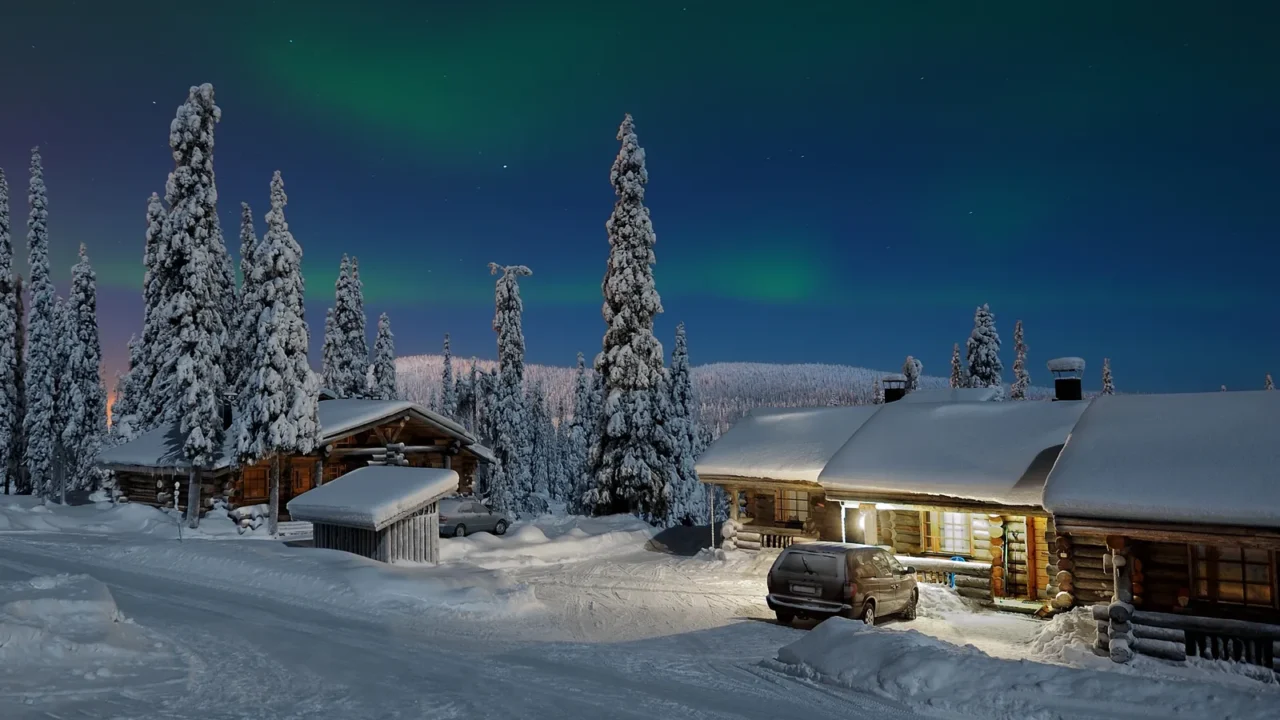
Art meets Arctic solitude
Imagine a place where artists retreat to the sub-Arctic wilderness, and that space becomes a peaceful, remote luxury escape. These are residencies deeply rooted in nature, creativity, and stillness. The idea of celebrities “backing” them makes the concept feel both glamorous and radically intentional. Let’s dive in.
For many artists, these residencies are not just about making work, they’re about resting, reflecting, and reconnecting with wild landscapes. Some stages of the story feel like a real-life dream: remote cabins, northern lights, and creative flow. Yet the “luxury” part of this story is more nuanced than it sounds.

What is a sub-Arctic residency
A sub-Arctic artist residency is a program where creators live, work, and reflect in extremely remote, often cold, natural settings. These residencies usually emphasize solitude, creative inspiration, and minimal infrastructure. Rather than a typical hotel, guests become part of an artistic journey.
In some cases, these residencies run out of research stations, wilderness lodges, or basecamps that are rustic but meaningful. They are meant to strip away distraction, not necessarily to deliver five-star amenities. But that doesn’t mean comfort is absent, many sites offer cozy cabins, shared studio space, and a deep sense of purpose.

Arctic Circle Retreat, Yukon
Arctic Circle Retreat runs at the Eagle Plains Hotel, about 35 km north of the Arctic Circle in Canada’s Yukon. It hosts artists in residence who want to create work inspired by sub-Arctic environments, wilderness, and isolation. The setting is remote and austere, powered by a generator and focused on simplicity over glamour.
Though it’s a residency first, some visitors do stay and soak up the solitude while engaging in creative practices. The location offers a raw, deeply quiet landscape that encourages introspection. While it’s not a traditional luxury retreat, the experiential value can feel priceless for the right traveler.
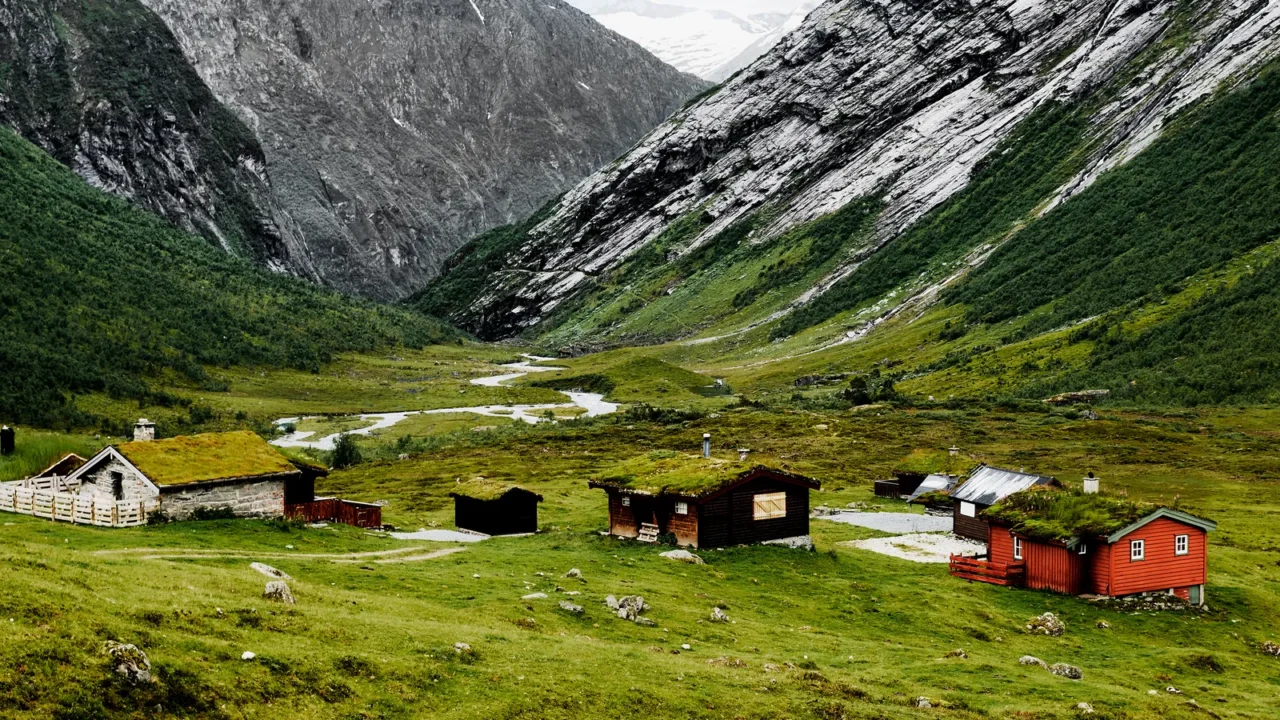
The Arctic Hideaway, Norway
The Arctic Hideaway in Norway offers private cabins, a communal studio and sauna, and artist-in-residence programs. Its ethos blends isolation, sustainability, and creative reflection, integrating design and nature in a minimalist setting.
Visitors say the cabins are warm, well-designed, and deeply calming, even though there’s no extravagant luxury. The communal creative space doubles as a social hub for reflection and collaboration among residents. It’s a place where the beauty of the sub-Arctic is both muse and companion.

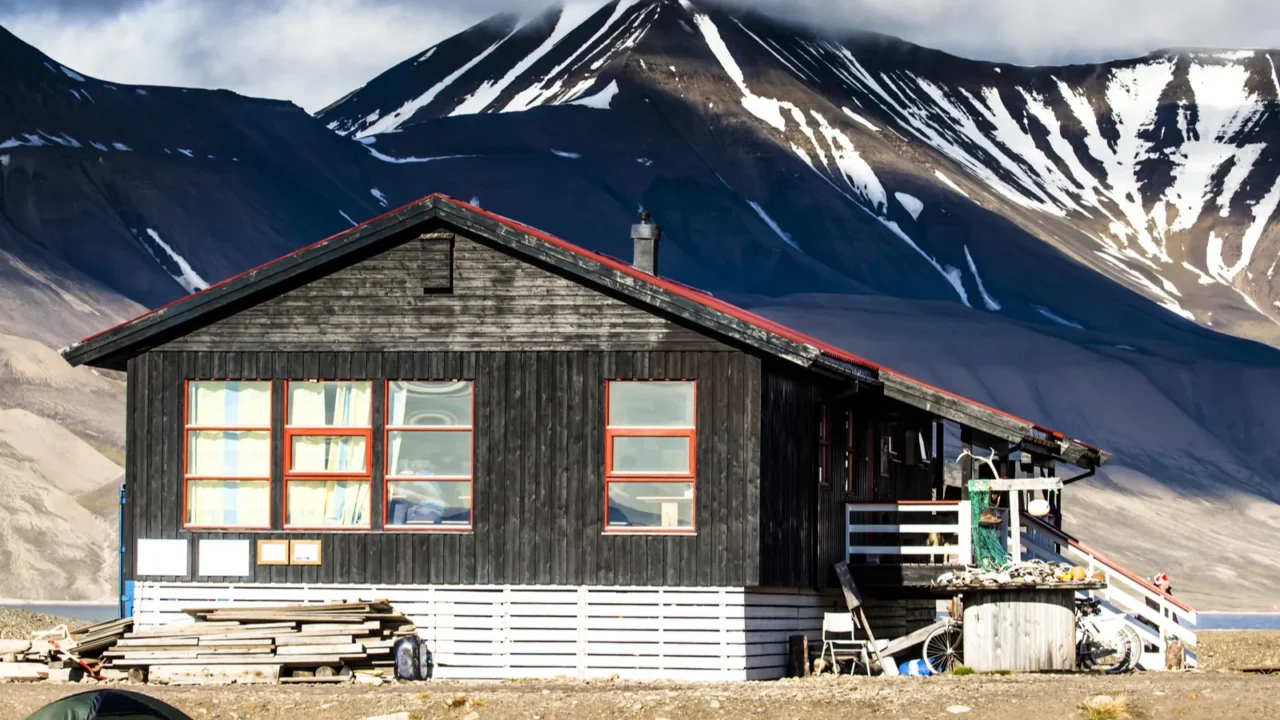
Artica Svalbard residency
Artica Svalbard runs artist and writer residencies in Longyearbyen, deep in the Svalbard archipelago.
The location is dramatic: ice, snow, polar nights, and an environment that challenges the imagination. Residencies last several weeks, giving creators the time to absorb this top-of-the-world stillness.
The accommodations are modest, with shared studios and simple living areas, not a resort, but deeply meaningful. Because the place is so remote, every trip feels like an expedition, not just a getaway. For some visitors, the remoteness is the luxury.
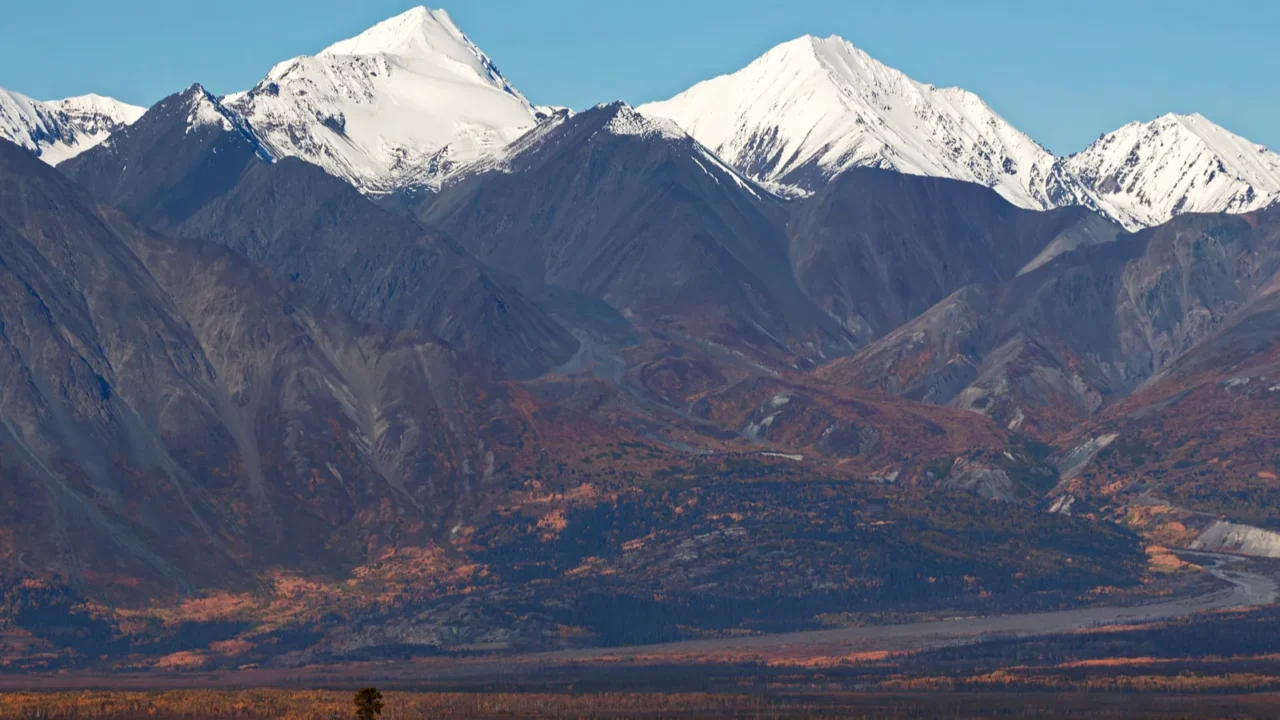
Kluane National Park residency
In Canada’s Yukon, the Kluane National Park Artist Residency uses the Kluane Lake Research Station for creative stays. The program is supported through a partnership between Parks Canada and the Yukon Arts Centre and supports artists whose work engages with nature, science, and place. Staying at the research station encourages a blend of creativity and environmental awareness.
Participants live simply, share communal space, and often explore the vast wilderness around the research base. There’s no spa or luxury suite; the focus is on meaningful work and connection to the sub-Arctic ecosystem. The value comes from the solitude and immersive nature experience.
Is there celebrity backing?
Despite rumors, no solid public evidence shows that major Hollywood celebrities are funding or owning these sub-Arctic residencies. A deep dive into public records and media coverage doesn’t support big-name investments. The Arctic Circle Retreat, Artica Svalbard, Kluane Residency, and Arctic Hideaway are primarily supported by arts institutions, public funding, or independent founders.
This isn’t to say the places lack prestige; many are prestigious in the world of art and nature. Their appeal lies in solitude, creative depth, and environmental mission, not celebrity flash or glitz. For travellers interested in artistry and remote beauty, the truth is rich enough.

Why the mix matters
The idea of artist residencies turning into places where other travelers stay is compelling. It brings together creative work, sustainable travel, and unique design. When a residency offers a stay option, guests spend time with purpose, not just leisure. This hybrid model helps support the residency itself, giving artists more stability and visitors more meaning.
That said, these stays are not “resort-level” luxury; they’re quiet, thoughtful, and intentionally limited. For many, that subtle, sustainable experience is the luxury. It’s about immersion, not indulgence.
Sustainability in design
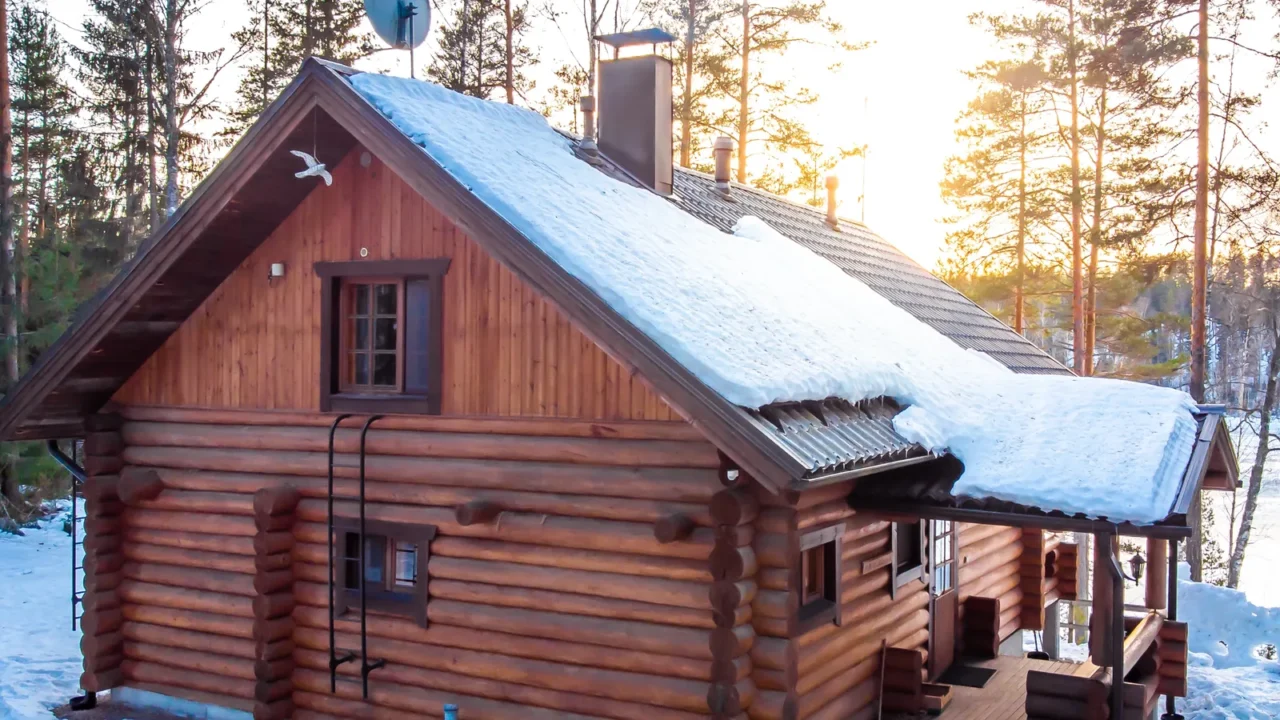
Many of these sub-Arctic residencies prioritize sustainable architecture, with low-impact cabins and thoughtfully placed studios. At the Arctic Hideaway, for example, buildings are designed to blend with the landscape, not dominate it. Remote energy solutions, local materials, and a minimalist footprint are often part of the equation. These places recognize their fragile environments need protection, not exploitation.
Visitors often leave not just refreshed, but more connected to natural cycles, local ecology, and the practice of restraint. Their stay supports both creative work and environmental conservation. In other words: lasting impact, not just a fleeting escape.
Guest experience and creativity
When travelers arrive at a residency that also hosts artists, they often feel the place is alive with quiet intention. Communal meals, shared studios, and creative energy make staying there feel like being part of a project. Guests can walk, reflect, journal, or sketch while surrounded by a landscape that inspired real artworks. Despite being noncommercial, these places offer a kind of refined solitude.
Because these residencies are small, the scale of experience is intimate: not many people stay at once, which means more space for reflection. That intimacy is part of the magic. A stay here is not about vacation, it’s about creativity and presence.
Practical things to know
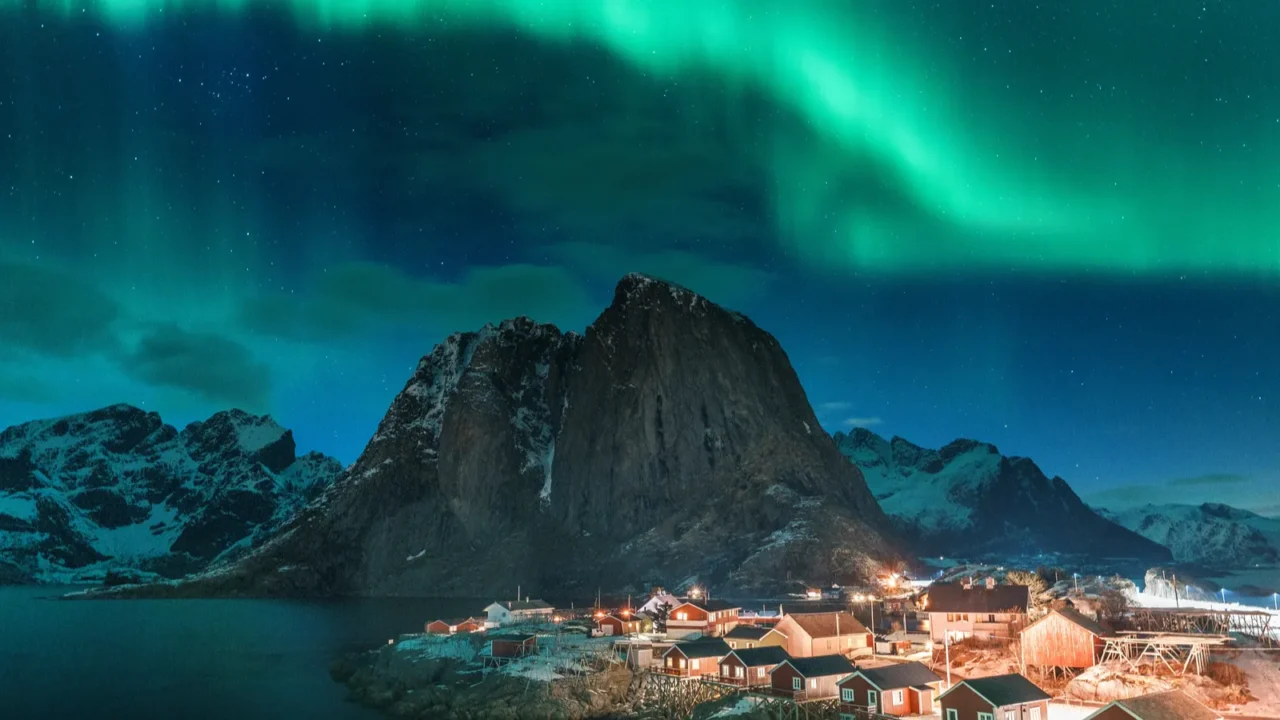
Booking stays at these residencies often requires planning, because space is limited and demand is growing. Artists in residence may apply through open calls, while travelers looking to stay should check with the residency or local partners. Because of the remote sub-Arctic locations, travel logistics can be complicated. Flights, transfers, gear, they all take more thought and planning than a typical hotel escape.
That said, many find the journey part of the experience. The effort you put in often rewards you with deep stillness, creative spark, and unforgettable memories. For those willing to embrace the wild, this is travel with real depth.
Impact on local communities
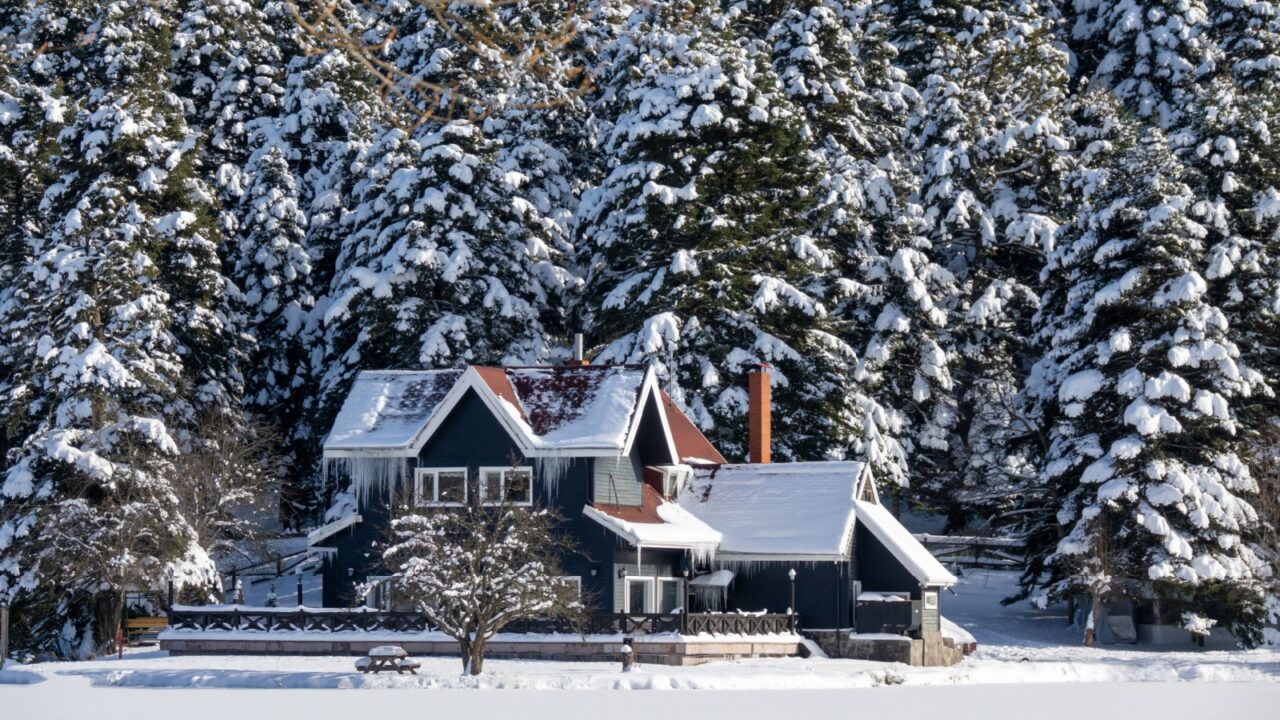
Residencies that double as guest stays often support local economies, especially in very remote sub-Arctic regions. By welcoming responsible travelers, these programs generate income that helps sustain research stations and support creative work. Many of them emphasize collaboration with indigenous or local communities, ensuring the impact is culturally grounded. This cooperation means that art, research, and tourism can all serve shared values, a shift that parallels broader trends highlighted in the rise of expedition cruises in Alaska and Antarctica.
When done well, these residencies are not extractive; they invest in nature, culture, and creative futures, making travel more meaningful than ever. Guests often feel like they’re part of something bigger than themselves, not tourists, but participants in a quiet, creative legacy. That kind of travel changes people, and sometimes places, too.

Is a sub-Arctic stay for you?
If someone is drawn to wild landscapes, creative reflection, and intentional rest, these sub-Arctic residencies might be exactly the kind of place to go. They’re not five-star hotels, but for travelers who value quiet, purpose, and connection, they feel very luxurious in their way.
What do creative travelers think? Does the idea of staying somewhere that nurtures art, nature, and introspection feel like the kind of getaway worth exploring? Drop thoughts in the comments.
Read More From This Brand:
- Adorable model villages that feel like tiny worlds
- Celebrity safari adventures inside Africa’s most exclusive camps
- How cold snaps in the U.S. are fueling last-minute Florida trips
Don’t forget to follow us for more exclusive content right here on MSN.
This slideshow was made with AI assistance and human editing.
