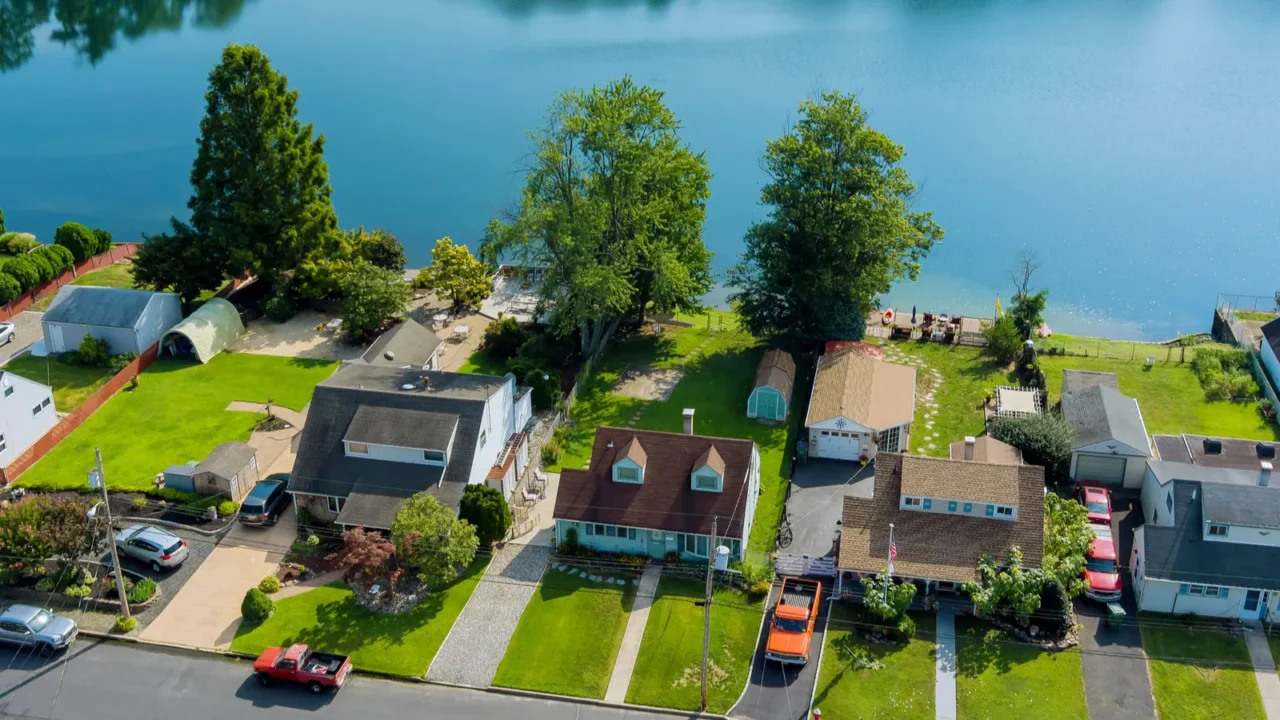
America’s suburban revolution
Suburban communities in the United States are undergoing a structural transformation, emerging as independent economic and cultural centers rather than residential extensions of major metropolitan areas. Several suburbs across the South and West recorded annual population growth rates above 10 percent between 2023 and 2024, according to the U.S. Census Bureau Vintage 2024 estimates.
Cities once dismissed as characterless sprawl are now building real downtowns, attracting major employers, and drawing residents who choose them deliberately. The American suburb has stopped playing a supporting role in the national story. It has stepped confidently to the front, and the numbers confirm it is not stepping back.
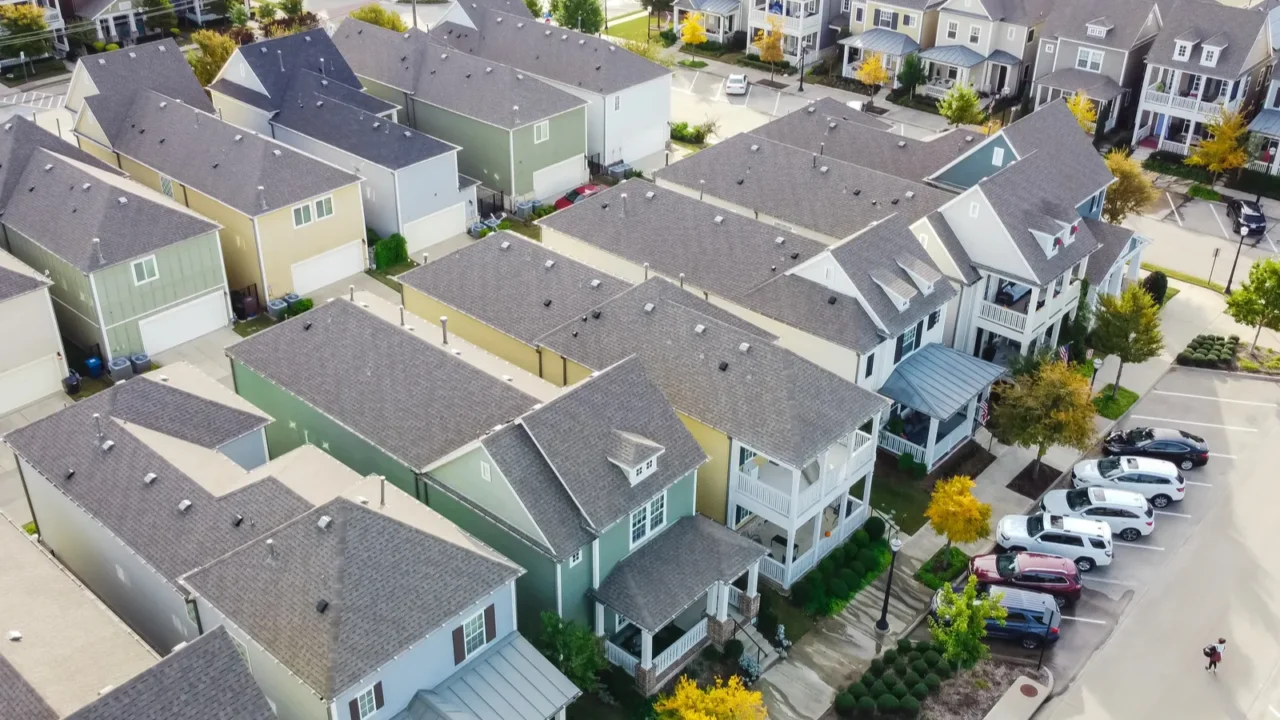
Princeton, Texas rewrites the map
Forty-two miles northeast of Dallas, Princeton, Texas, became the fastest-growing American city in 2024. The The U.S. Census Bureau recorded a 30.6 percent surge, pushing the population to 37,019, more than double its 2020 population estimate. Median home values sit around $325,000, compared to $500,000 in nearby McKinney, and that price gap explains everything.
Growth arrived so fast that the city imposed a temporary construction moratorium so infrastructure could catch up. Four neighboring Collin County cities also ranked among the nation’s 15 fastest-growing that year. North Texas is not just growing. It is redefining where Americans believe a good life is genuinely possible.
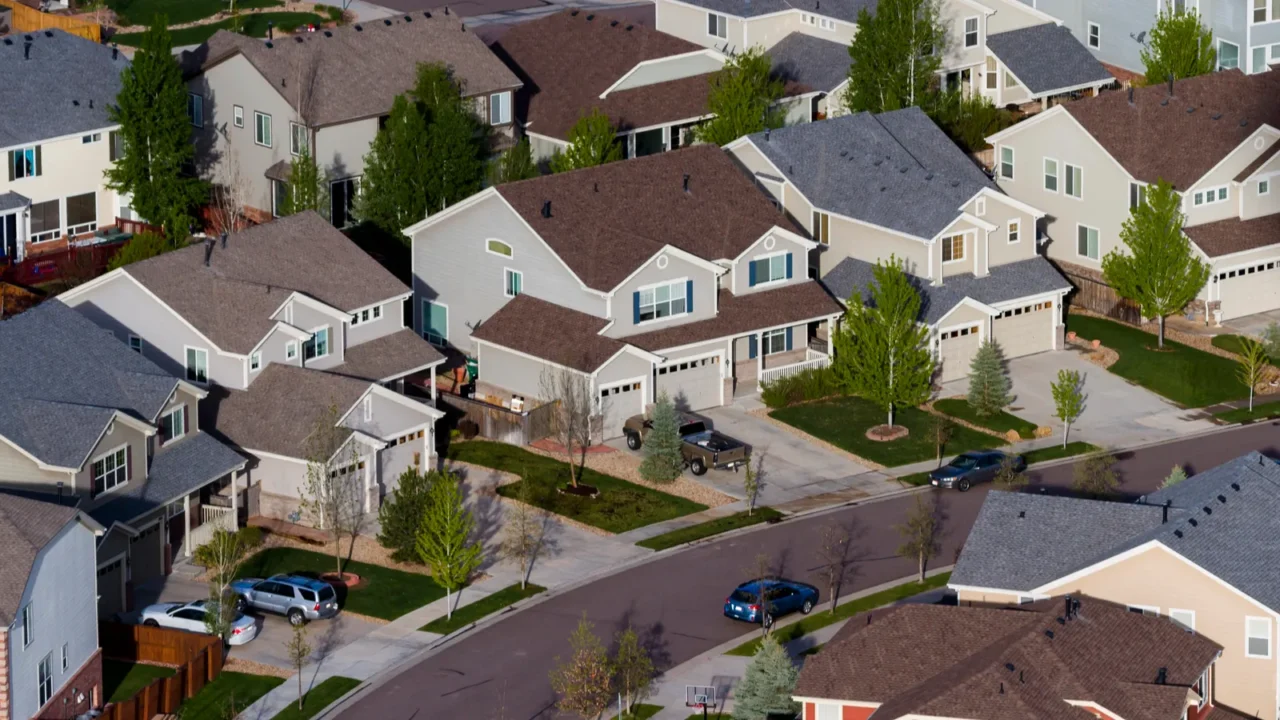
Fulshear, Texas: A decade of 1,082%
Thirty-four miles west of Houston, Fulshear recorded a population increase of 1,082 percent between 2014 and 2023, per StorageCafe, making it the single fastest-growing American city across that entire decade. The Census Bureau then confirmed a 26.7 percent jump in 2024, pushing the count to 54,629. Median household income sits near $178,000.
Top-rated Fort Bend Independent School District schools, master-planned communities, and land priced well below Houston’s inner suburbs created a pull that shows no sign of weakening. The city council considered a development moratorium in 2023 because infrastructure simply could not keep pace. Fulshear is a city growing faster than it can build itself.
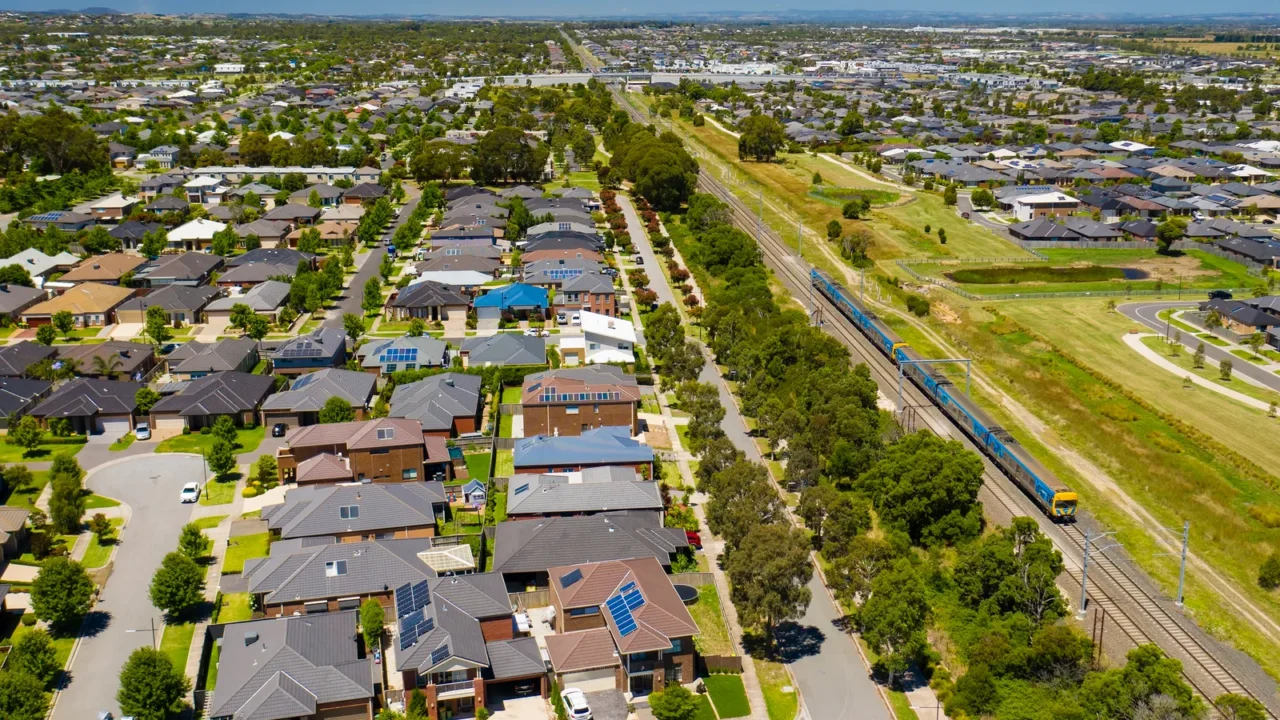
Leander, Texas rides the rail north
Leander, just north of Austin along the CapMetro MetroRail corridor, grew 8.7 percent in 2024, adding over 7,000 residents to reach roughly 88,000 people. The rail line delivers commuters into downtown Austin in under 45 minutes, letting residents keep city salaries while paying prices well below comparable Austin addresses.
Fun fact: When CapMetro extended its MetroRail line to Leander, commute times to Austin dropped 15 minutes and local home sales jumped 12 percent within months.
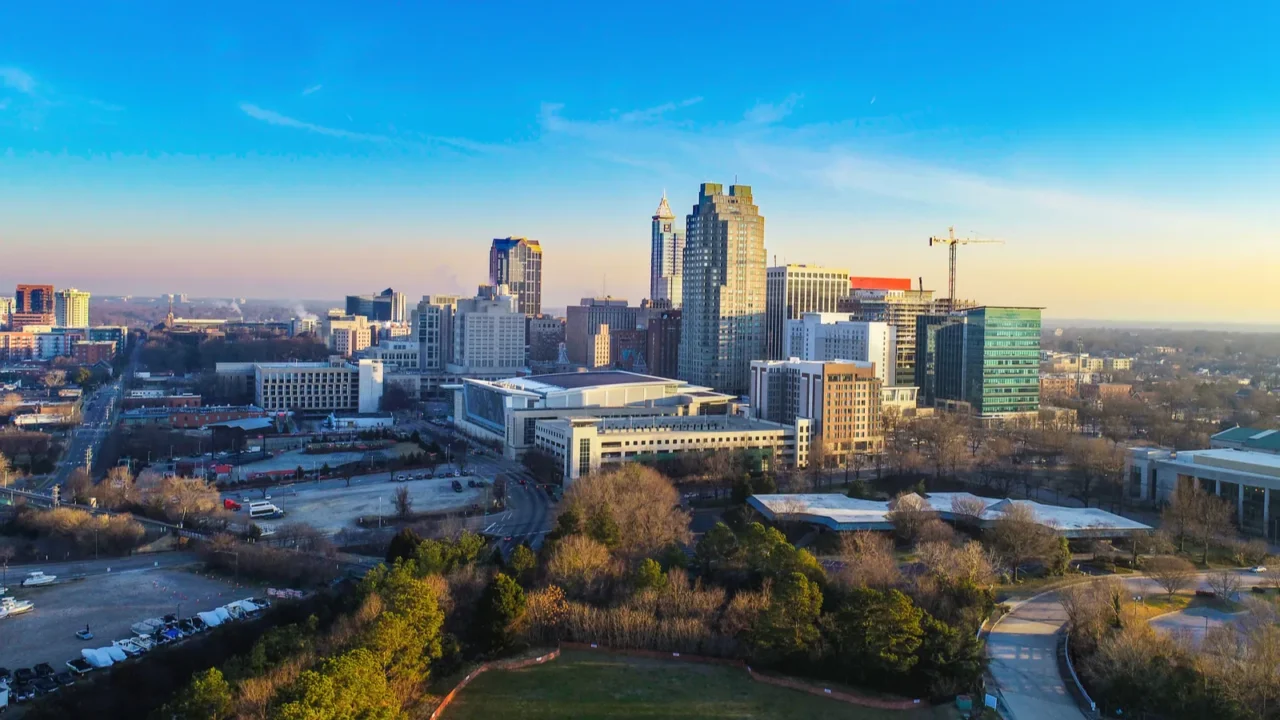
Cary, North Carolina’s quiet powerhouse
Cary, a Raleigh suburb within North Carolina’s Research Triangle, has grown to roughly 192,000 residents and ranked fifth best place to live in the United States by U.S. News and World Report for 2025 to 2026, first in North Carolina. It is placed in the top five percent nationally for job market strength.
U.S. News credited abundant employment opportunities, high living standards, and a small-town feel that residents did not expect from a city this size. It also ranked among the top metro areas nationally for education and economic strength.
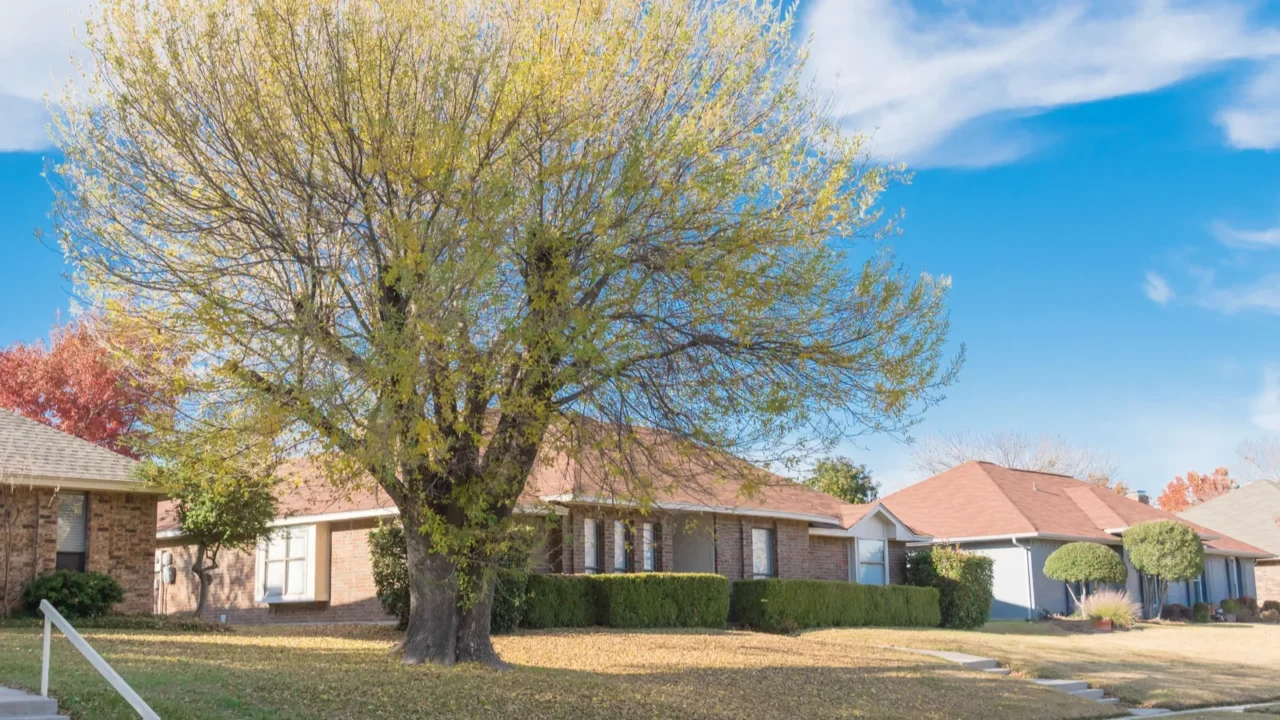
Celina, Texas: Where cowboys meet condos
Celina, a Collin County suburb north of Dallas, ranked second among the nation’s ten fastest-growing cities across the decade ending in 2023, per StorageCafe. The Census Bureau confirmed an 18.2 percent jump in 2024. Luxury subdivisions now rise beside working cattle farms, a surreal tableau of old and new Texas unfolding simultaneously across the same landscape.
Fun fact: Celina’s 2024 growth rate was more than 36 times the national average of 0.5 percent.
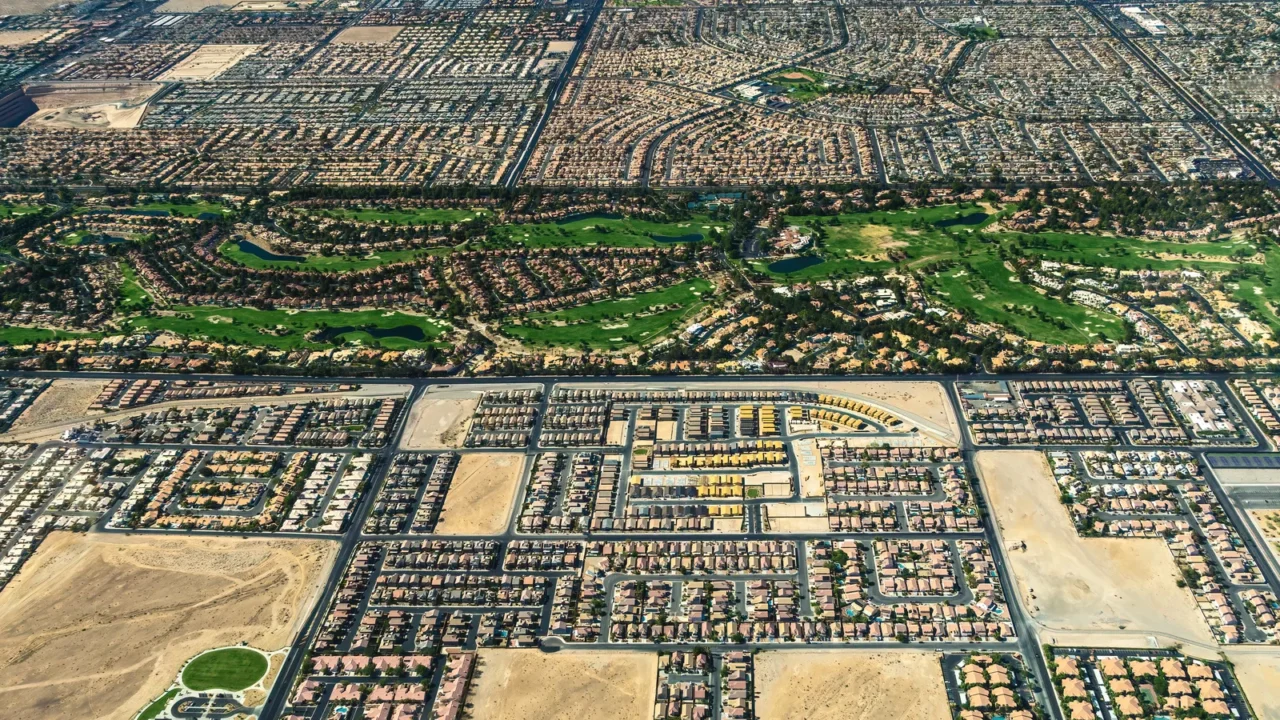
Henderson, Nevada goes global
Henderson, Nevada, just southeast of Las Vegas, designated its West Henderson district a global business hub and employment opportunity zone, per Nevada Public Radio in 2024. It then won the 2024 Malcolm Baldrige National Quality Award, one of only five cities in American history to earn that presidential recognition for performance excellence.
Nevada’s zero income tax draws business broadly, but Henderson adds a skilled workforce. At 36.8 percent, it holds Nevada’s highest share of bachelor’s degree holders, attracting Amazon, Google, and Switch, whose data center campus spans 7.2 million square feet. Henderson is no longer Las Vegas’s quieter neighbor. It is building its own identity entirely.
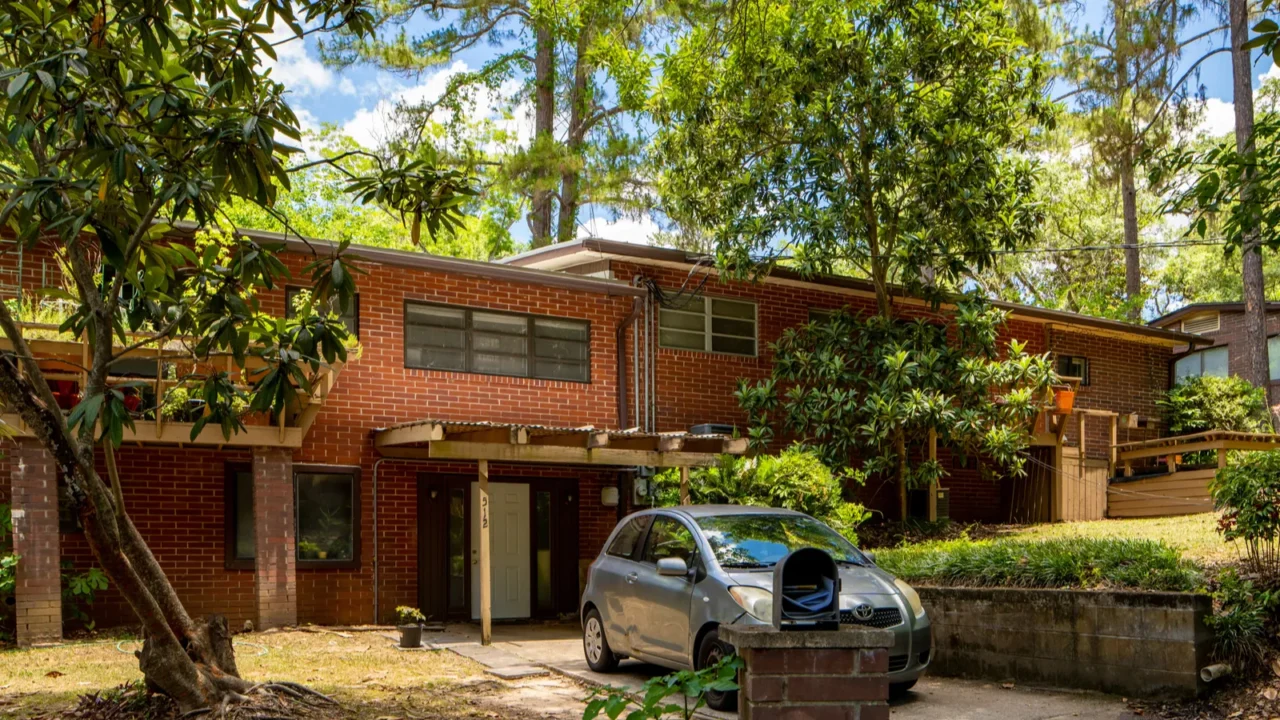
Avondale, Arizona catches the Sun belt wave
Avondale, Arizona, roughly 20 miles west of Phoenix, is earning national attention for affordability paired with serious institutional investment. Median home prices run around $380,000, tracking 8 percent year-over-year growth in 2024. Maricopa County, which contains Avondale, added 38,000 new housing units between 2023 and 2024, the single largest county-level gain in the entire United States.
The Avondale Civic Center anchors the community with parks, venues, and services in a format that suburban planners rarely execute this well. For families priced out of Scottsdale or Chandler, Avondale offers the same Phoenix-area job market at a cost of entry that actually makes financial sense right now.
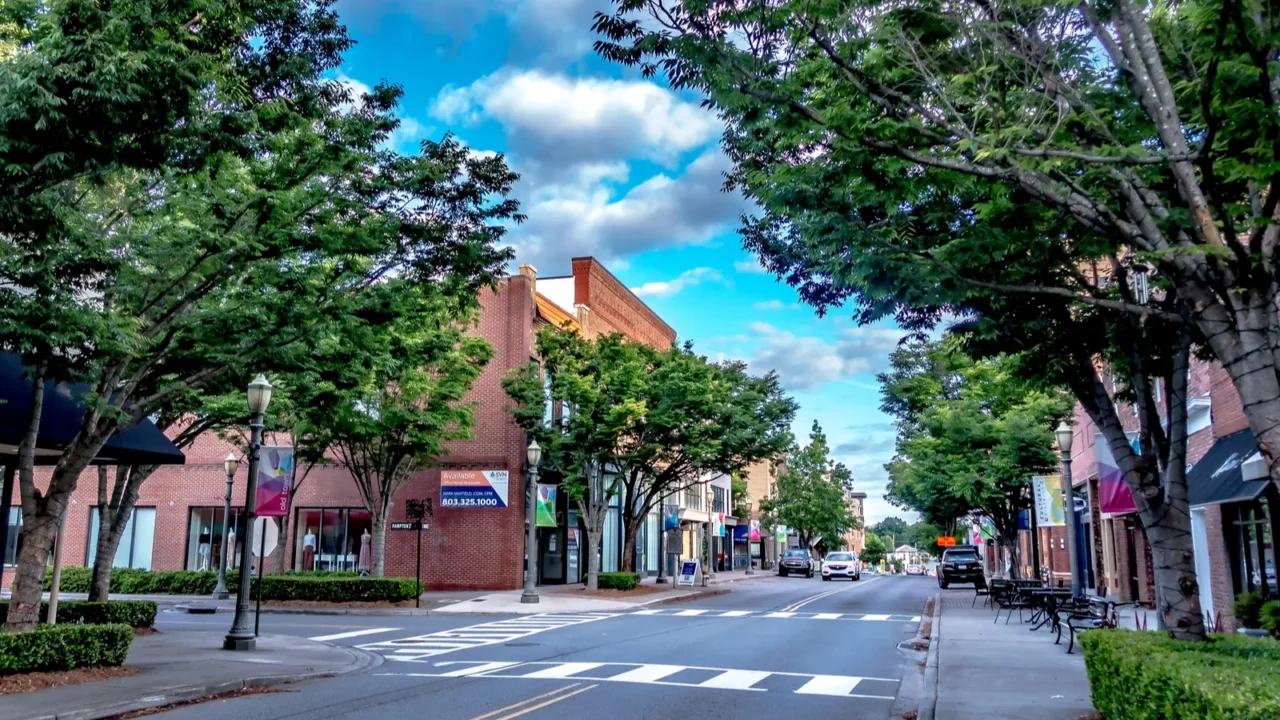
Fort Mill, South Carolina beats Charlotte
Fort Mill, South Carolina, just across the state line from Charlotte, has become one of the Southeast’s most closely watched suburban growth stories. York County has ranked among the top counties nationally for population gains across multiple consecutive years. South Carolina levies no local income tax, and property assessments run substantially lower than in neighboring Mecklenburg County.
Baxter Village, Fort Mill’s walkable master-planned community, represents suburban design centered on human scale over sheer square footage. Charlotte ranked fourth in U-Haul’s 2025 migration study, and Fort Mill captures a meaningful share of those arrivals. People come planning to stay two years and wind up staying for a generation.
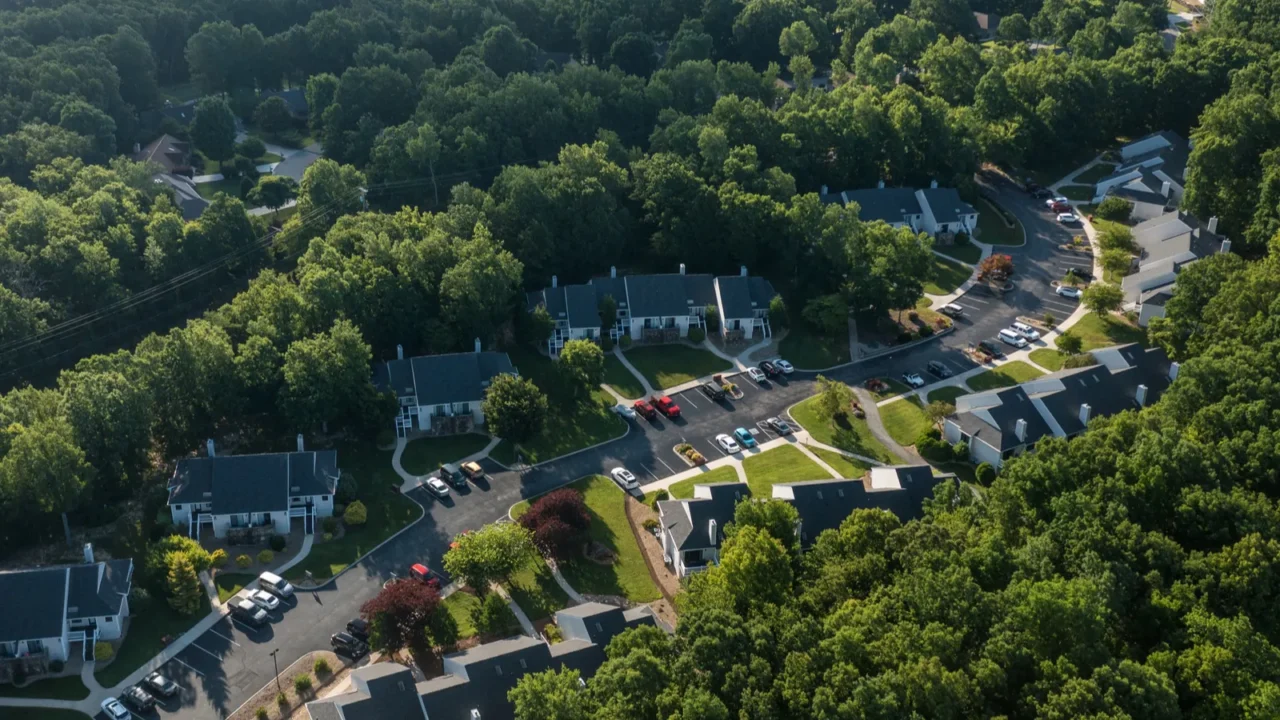
Nolensville, Tennessee: Nashville’s secret south side
Nolensville, Tennessee, ranked tenth among the nation’s fastest-growing cities across the decade ending in 2023, a remarkable placing for a community most Americans outside the South could not locate on a map. About 20 miles southeast of Nashville in wealthy Williamson County, it balances pastoral character with high incomes and proximity to a metro that drew Amazon, Oracle, and AllianceBernstein.
Williamson County schools consistently rank among Tennessee’s best. The historic commercial district along Nolensville Road gives residents a genuine main street amid surrounding sprawl, a rootedness that newer communities rarely achieve. Nashville ranked sixth in U-Haul’s 2025 migration study, and Nolensville captures families priced out of Brentwood without sacrificing anything that matters.
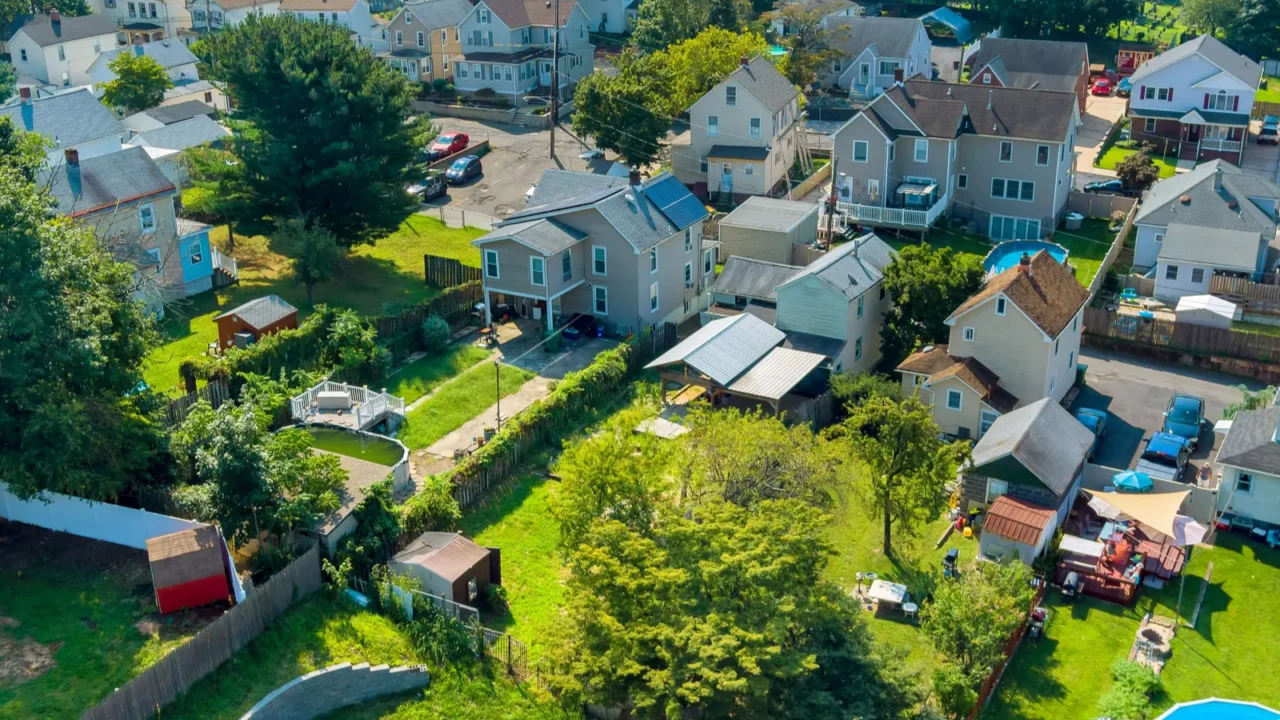
Three forces reshaping American geography
Three forces are driving the suburban surge. First, affordability. Coastal median home prices exceed $800,000 in many markets, while Sun Belt suburbs offer comparable quality between $300,000 and $500,000. Second, remote work broke the link between home address and commute distance, making a suburb 40 miles out entirely manageable two or three days a week.
Third, corporate migration. Tesla, Apple, Oracle, Toyota, and Amazon have expanded into Sun Belt metros, building suburban job markets that need no downtown address to access. The National Association of Realtors reported in 2024 that 60 percent of buyers chose suburbs, continuing a multi-year trend favoring suburbs.
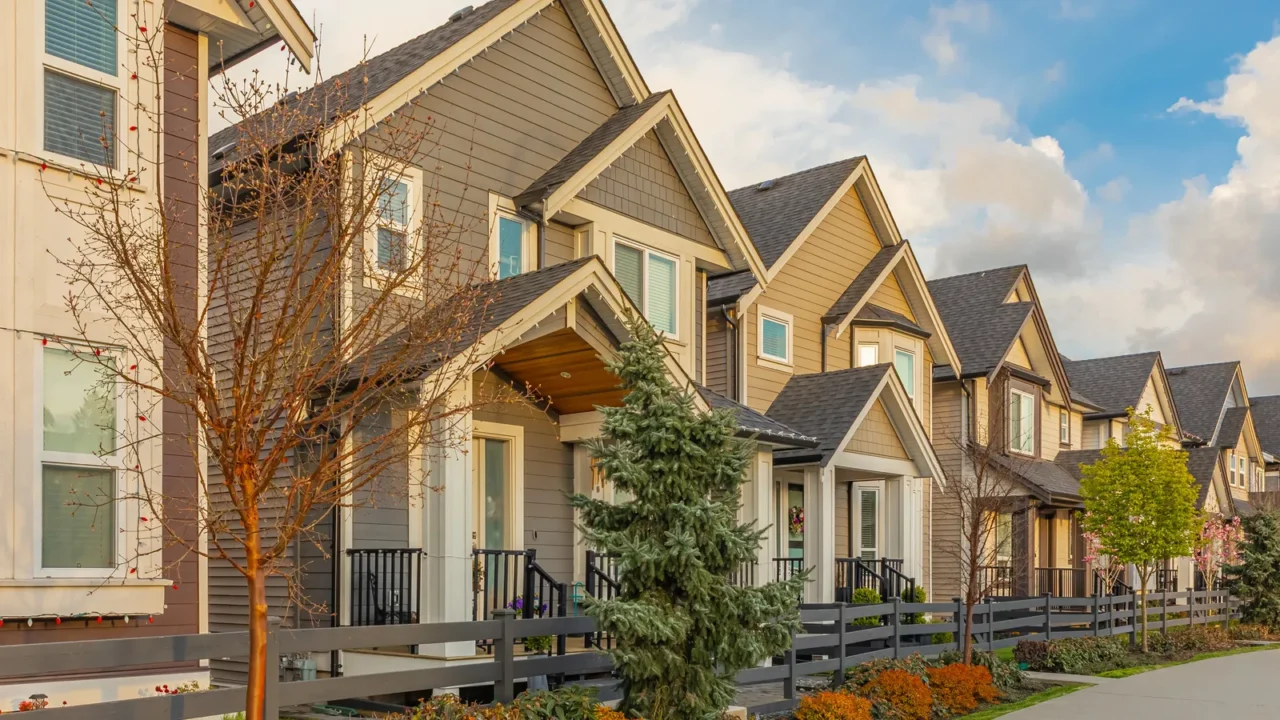
The numbers that tell the real story
Princeton, Texas, grew 30.6 percent in one year. Fulshear, Texas, expanded by 1,082 percent across a decade. Maricopa County added 38,000 housing units in 2024 alone. Cary, North Carolina, ranked fifth best place to live nationally. Celina grew 36 times the national average. Sixty percent of American home buyers chose suburbs in 2024, per the National Association of Realtors.
These figures represent real families making deliberate decisions, not desperate ones. Median home values in the fastest-growing suburbs average between $325,000 and $450,000, often significantly lower than comparable properties in major coastal metros. The same suburban energy reshaping Texas and Arizona is already turning LA suburbs into style hubs, and that story is just as worth following.
The suburbs have stopped waiting
For generations, the suburb played a supporting role in the American story, somewhere to move once the city had given you what it had. That framing no longer holds. Princeton, Fulshear, Cary, Henderson, Fort Mill, and Nolensville are not imitations of great cities. They are building their own economies, identities, and reasons to arrive on purpose.
The communities in this series share one thing: infrastructure, affordability, and economic anchoring arriving in the same window simultaneously. That combination does not stay quiet long, and it is showing up across U.S. towns in ways that will genuinely catch you off guard if you are not already paying attention.
Which of these suburbs surprises you most, and could you see yourself actually packing up and moving there? Let us know in the comments.
This slideshow was made with AI assistance and human editing.
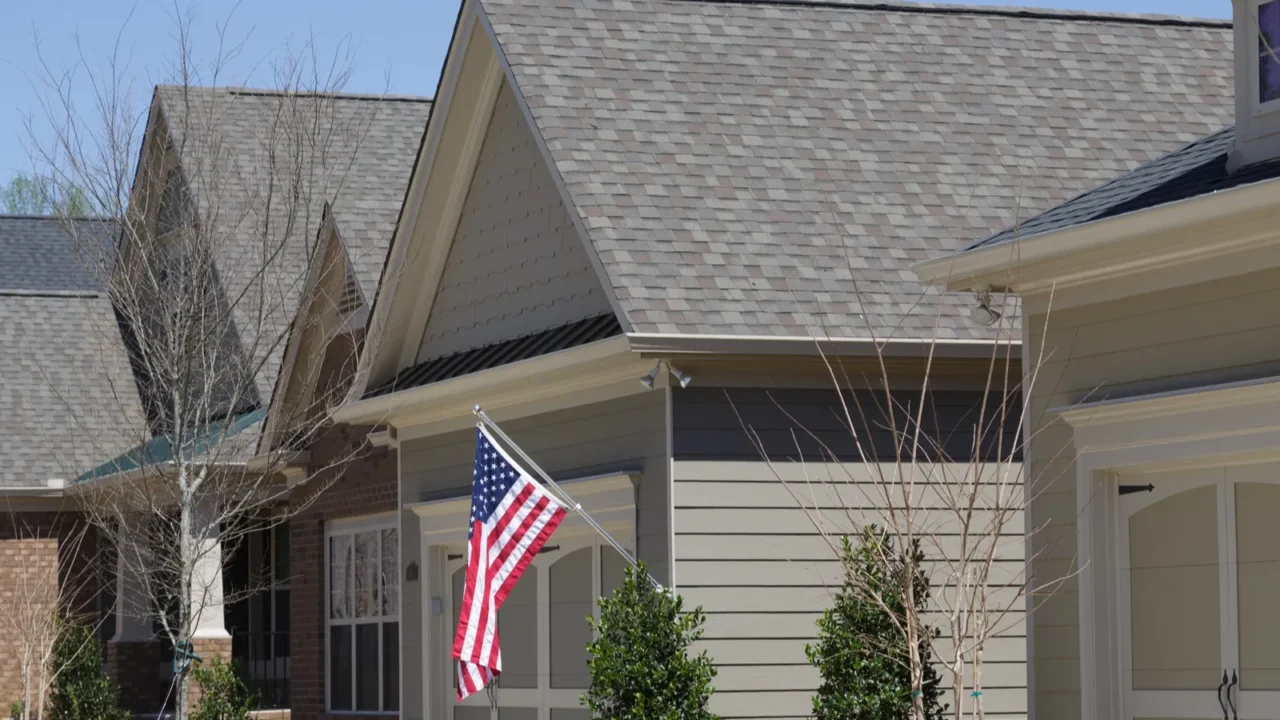
Disclaimer: The images used are for illustrative purposes only and do not depict the actual locations mentioned.
Don’t forget to follow us for more exclusive content right here on MSN.
Read More From This Brand:
