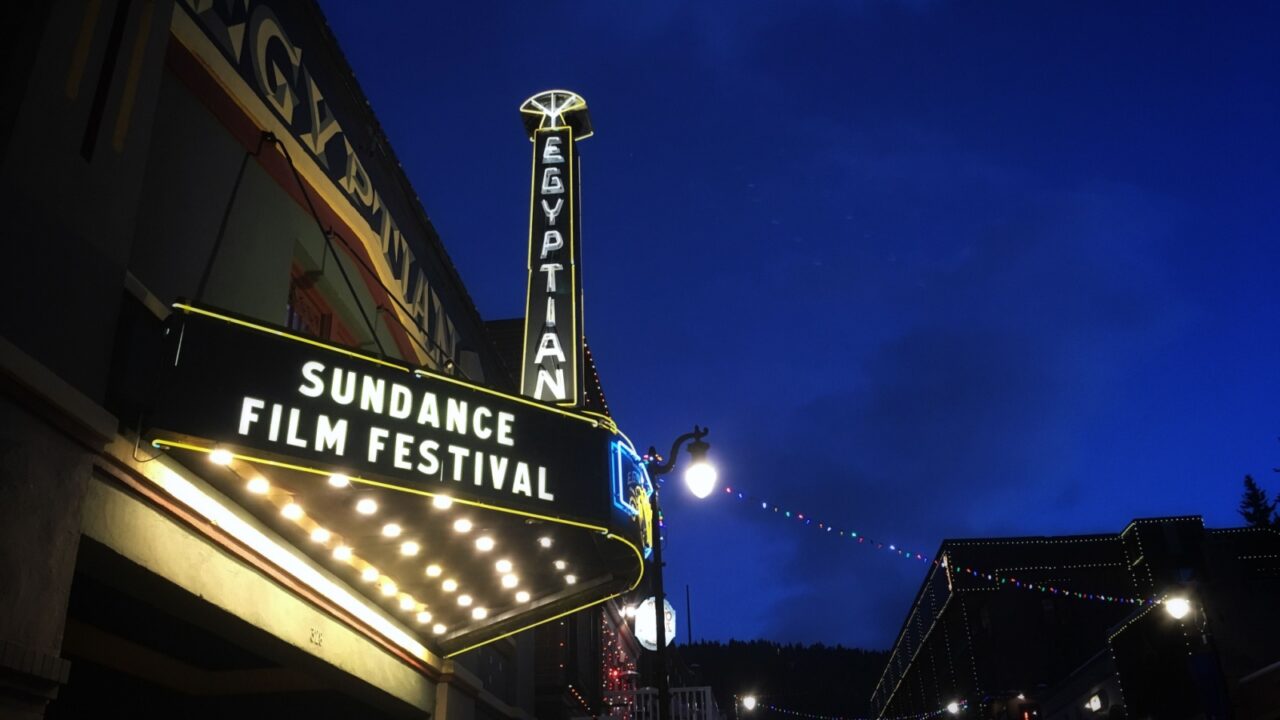
Final Sundance in Utah
The 2026 Sundance Film Festival ran in Park City and Salt Lake City from January 22 to February 1, 2026. The Sundance Institute announced that the Festival will relocate to Boulder, Colorado, beginning in 2027, ending a run in Utah that began with the festival’s founding in 1978. This farewell year blends cultural legacy, economic impact on winter tourism, and anticipation for the future of a festival many know and love.
Utah’s 2026 Sundance marked a transition point for film lovers and visitors alike. The festival showcased dozens of premieres that drew passionate crowds along Main Street and in Salt Lake venues. As the festival closes this chapter in Utah, interest in what comes next is rising across both the film and travel worlds.

Sundance roots in Utah
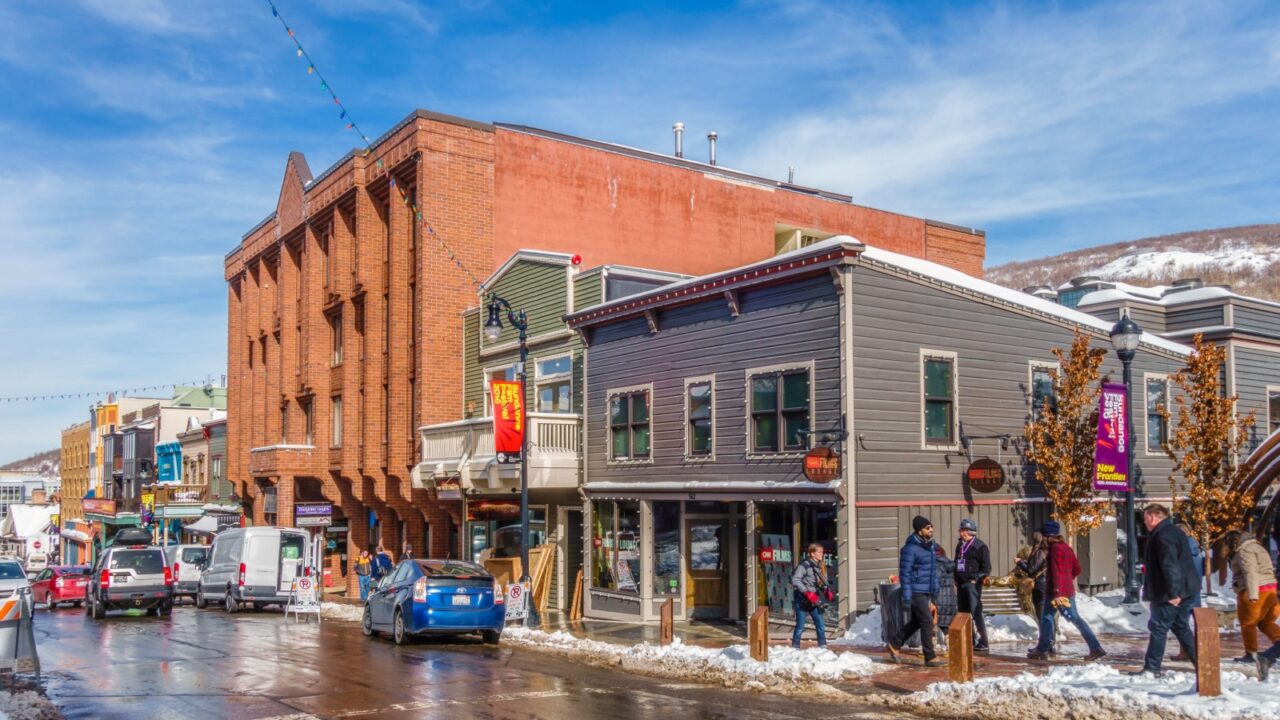
The festival began in 1978 as the Utah/US Film Festival; Robert Redford later helped found the Sundance Institute and the event evolved into what is now the Sundance Film Festival as it moved to Park City and expanded in the 1980s. Over the decades, the event grew from a small local showcase into one of the world’s most influential independent film festivals. Its January timing made Sundance a major winter cultural event that attracted filmmakers, artists, and holidaymakers from around the globe.
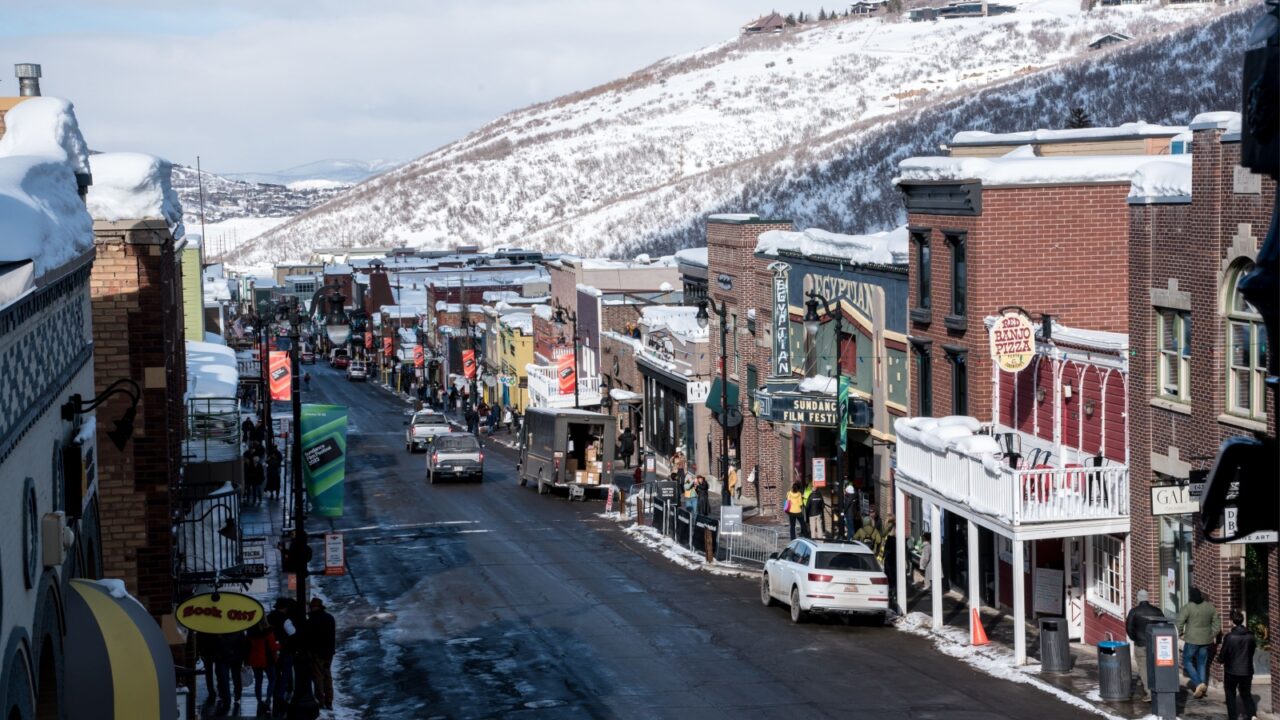
By the beginning of the 21st century, Sundance was deeply woven into Utah’s tourism fabric. Venues like the Egyptian Theatre and Broadway Centre became synonymous with premieres and industry buzz. For many years, it helped define Park City as a cultural and winter travel destination in the American West.
Economic impact in Utah
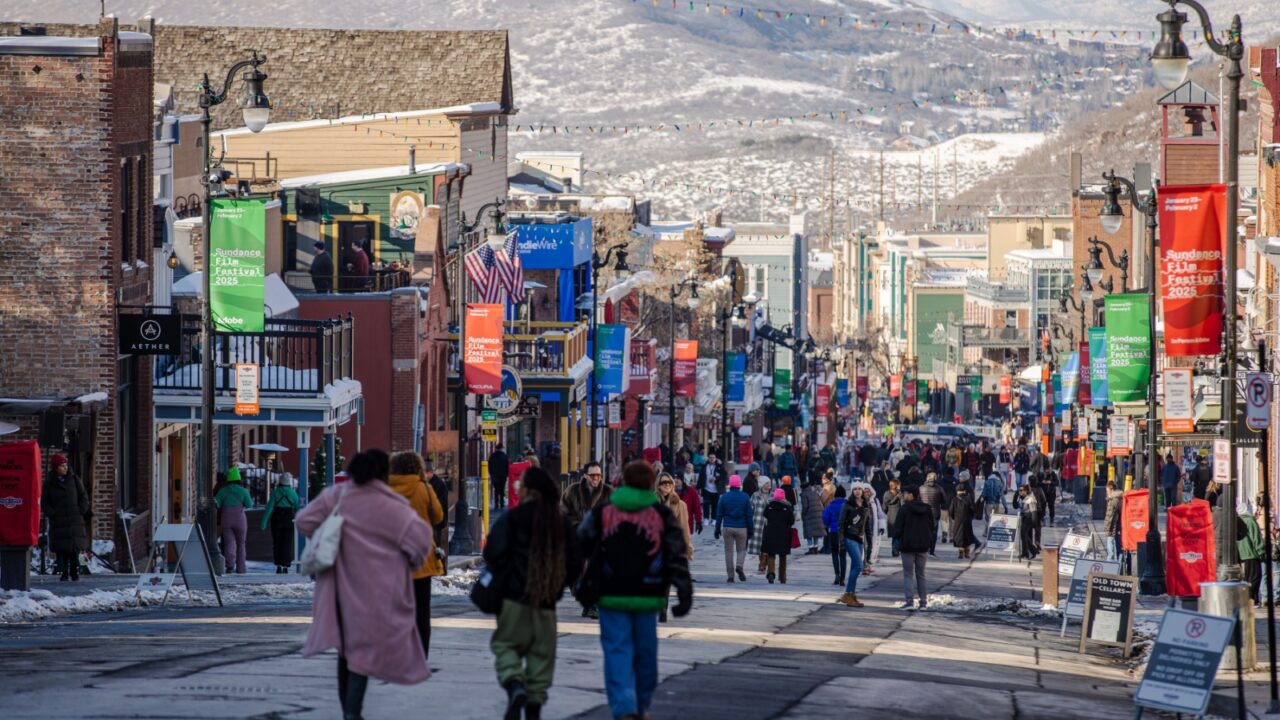
The 2025 Sundance Film Festival generated a record economic impact of about $196.1 million in Utah, making it the largest economic contribution in the festival’s history. Out-of-state visitors spent around $162.4 million during the eleven-day event, supporting local hotels, restaurants, and transport services. The festival also contributed more than $21.1 million in combined state and local tax revenue, underscoring its broad financial relevance.
In 2025 the festival drew 85,472 in-person attendees, including visitors from more than 20 countries. The event also supported nearly 2,700 jobs and contributed millions in wages for Utah residents. These figures illustrate how Sundance consistently drove tourism and local spending during what would otherwise be a quieter winter season.
Travelers’ cost trends rising
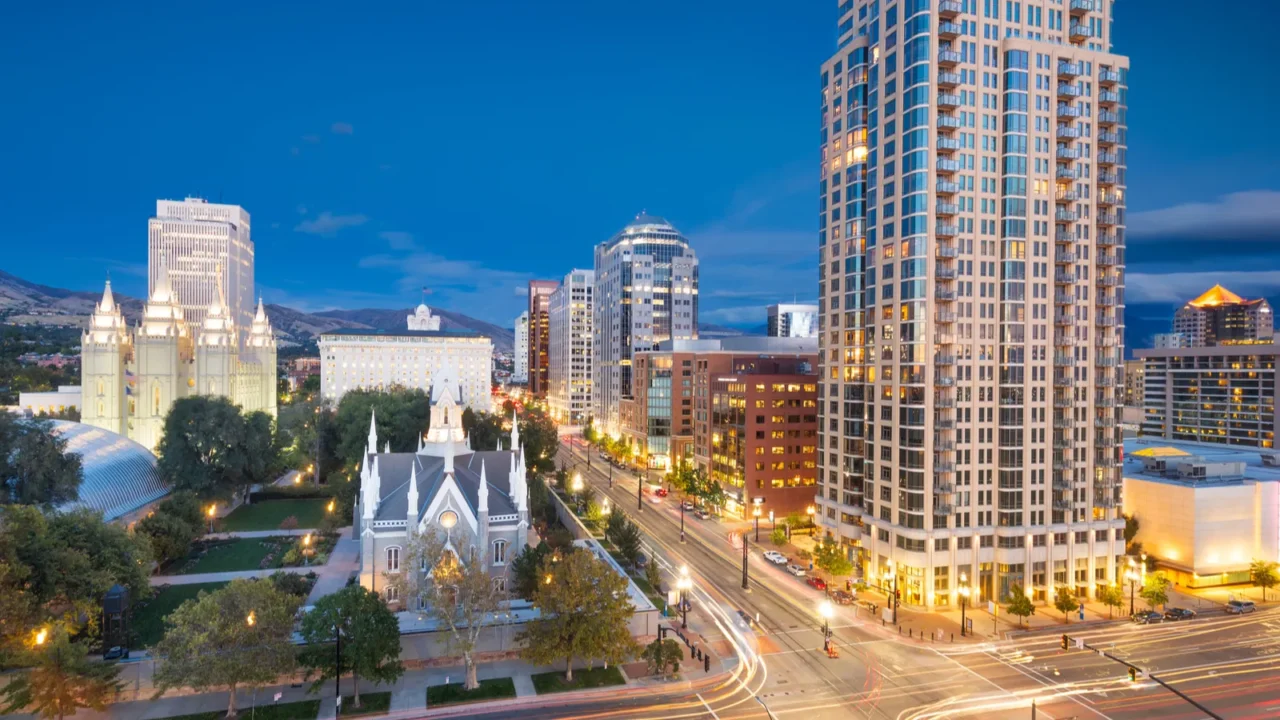
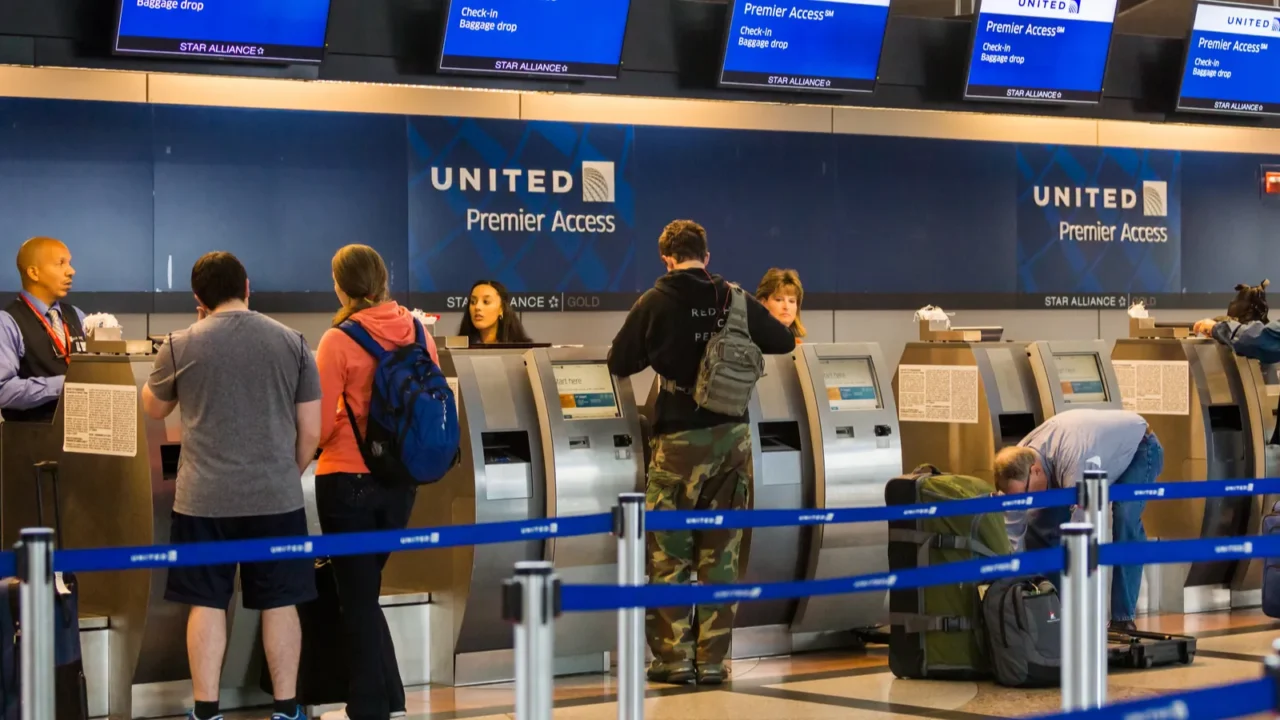
In recent years, travel costs tied to Sundance in Utah increased, partly because lodging near festival venues became harder to secure and more expensive. Park City hotel rates typically spiked during the January dates, and many short-term rentals were booked months in advance. Travelers who flew into Salt Lake City during Sundance often saw airfare and ground transport prices increase due to demand.
For holidaymakers and film fans, these travel cost trends added pressure to plan earlier and book strategically. Even car rentals and festival-area amenities spiked in price, reflecting a seasonal surge in tourism spending. This pattern shaped how travel budgets were built and influenced decisions about when and where to stay
Reasons for moving festival
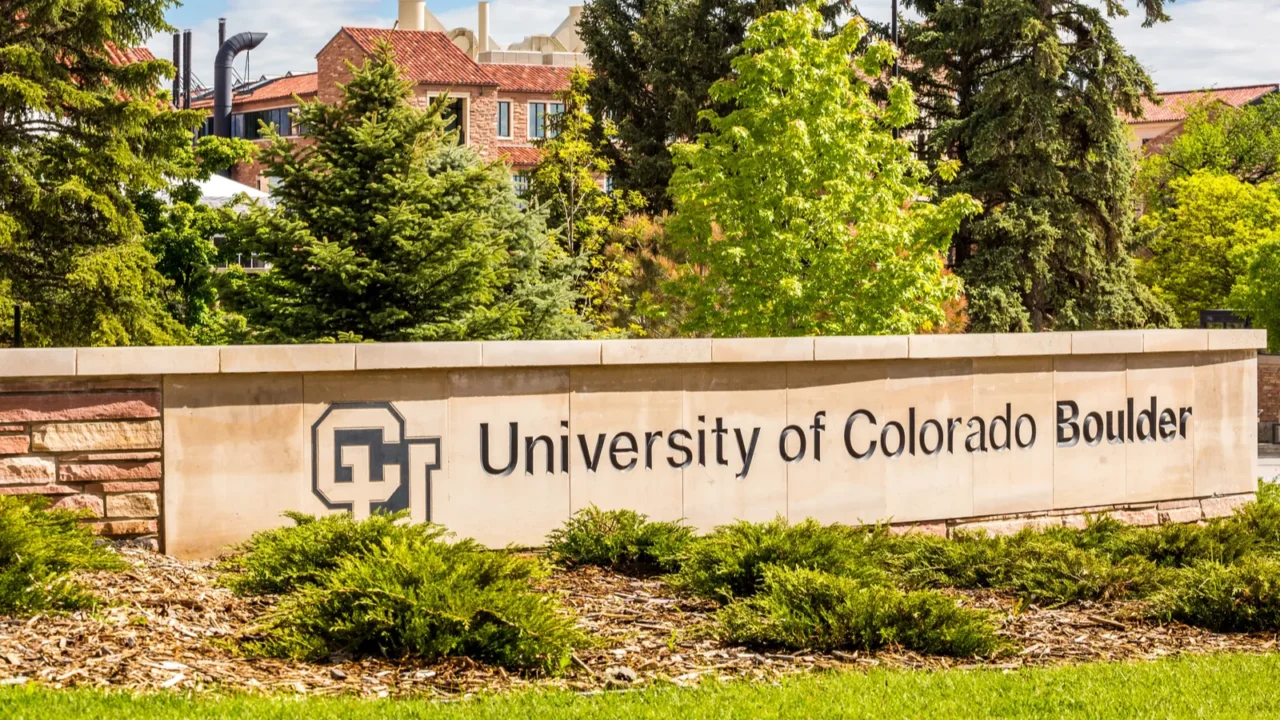
Festival leadership has said that hosting Sundance in a small mountain resort was becoming increasingly costly and logistically complex for an event of its global scale. Rising housing and service costs for volunteers, film crews, and staff contributed to operational challenges in Park City. Organizers also cited Colorado’s strong incentive package and larger venue options as attractive alternatives.
The Sundance Institute sought proposals from cities across the U.S. before selecting Boulder, reflecting a desire to sustain the festival’s mission long-term. Boulder offered expanded venue capacity and the potential for new local partnerships, particularly with the University of Colorado Boulder. This collective move promised logistical advantages that were harder to maintain in Utah’s festival footprint.

Boulder’s hosting package details
Boulder’s bid to host the Sundance Film Festival starting in 2027 included a substantial incentive package valued at an estimated $34 million in tax credits and related support over ten years. The offer was backed by local and state economic development offices, the Boulder Chamber, and Visit Boulder. Support also included in-kind services for public safety, permitting, and marketing to help establish the festival in its new mountain town home.
State and local leaders argued that the festival would generate a significant economic boost for Colorado, attracting tens of thousands of visitors. They also emphasized cultural benefits, including job creation and enhanced arts engagement across the region. Boulder’s active business community positioned itself as ready for the influx of winter travelers and industry visitors that Sundance would bring.
Utah’s competing bid response
When Utah sought to keep the Sundance Film Festival, state and local officials offered financial incentives and competitive bids to the Institute. Utah legislators put forward cash and support packages as part of a bid that included public funding and in-kind contributions. Despite that effort, Colorado’s larger tax incentive plan and expanded venue space ultimately swayed the decision in Boulder’s favor.
Local leaders in Utah expressed disappointment at the outcome but emphasized the importance of maintaining cultural tourism in other ways. Some state officials said they believed Sundance would regret leaving a place where it deeply shaped film culture and winter travel patterns.
Sundance visitor experiences shift
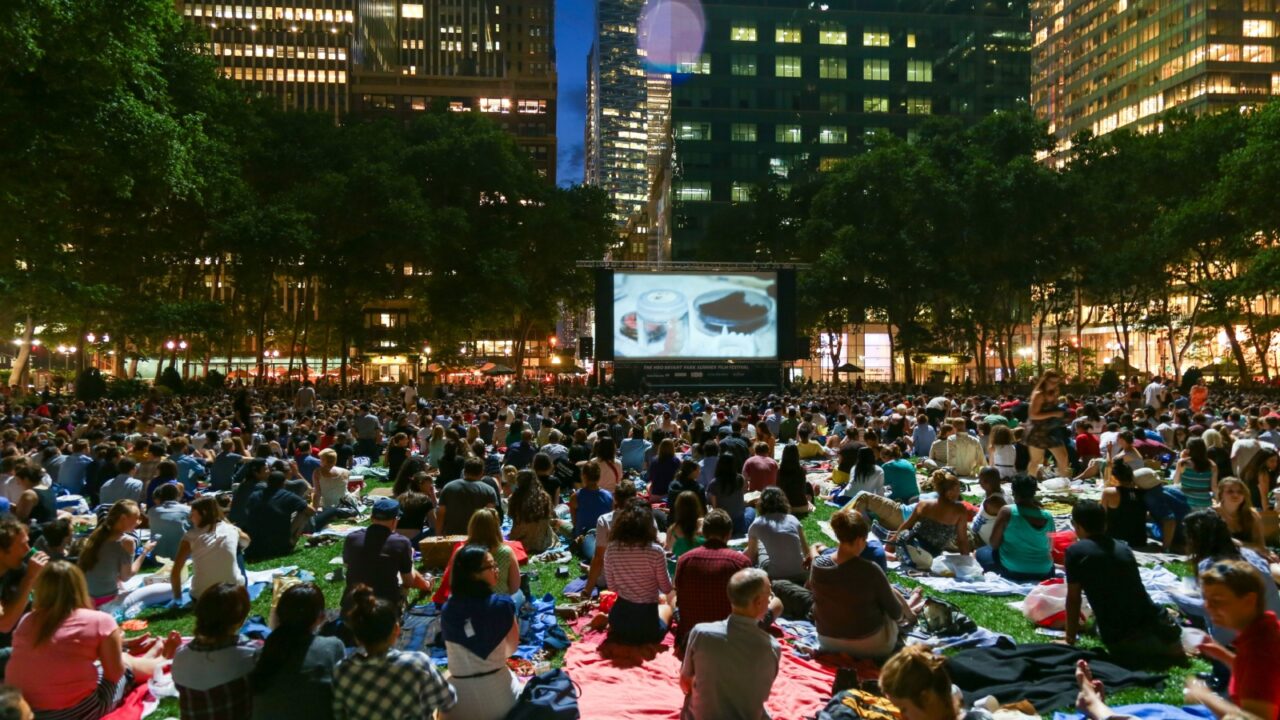
Many longtime festivalgoers described the final Utah Sundance as bittersweet, combining nostalgia with curiosity about the festival’s future identity. Attendees remarked that Park City’s unique combination of snowy terrain, Main Street screenings, and small-town energy defined their experience. Some say relocating to Boulder might change the ambiance that made Sundance special for decades.
Other visitors and film professionals noted practical benefits like expanded venues and new cultural connections in Boulder. Some expressed hope that the festival’s spirit would endure in its new setting. Nonetheless, Utah’s final season felt, for many, like the end of a distinct chapter in independent cinema travel.
Local business reactions Utah
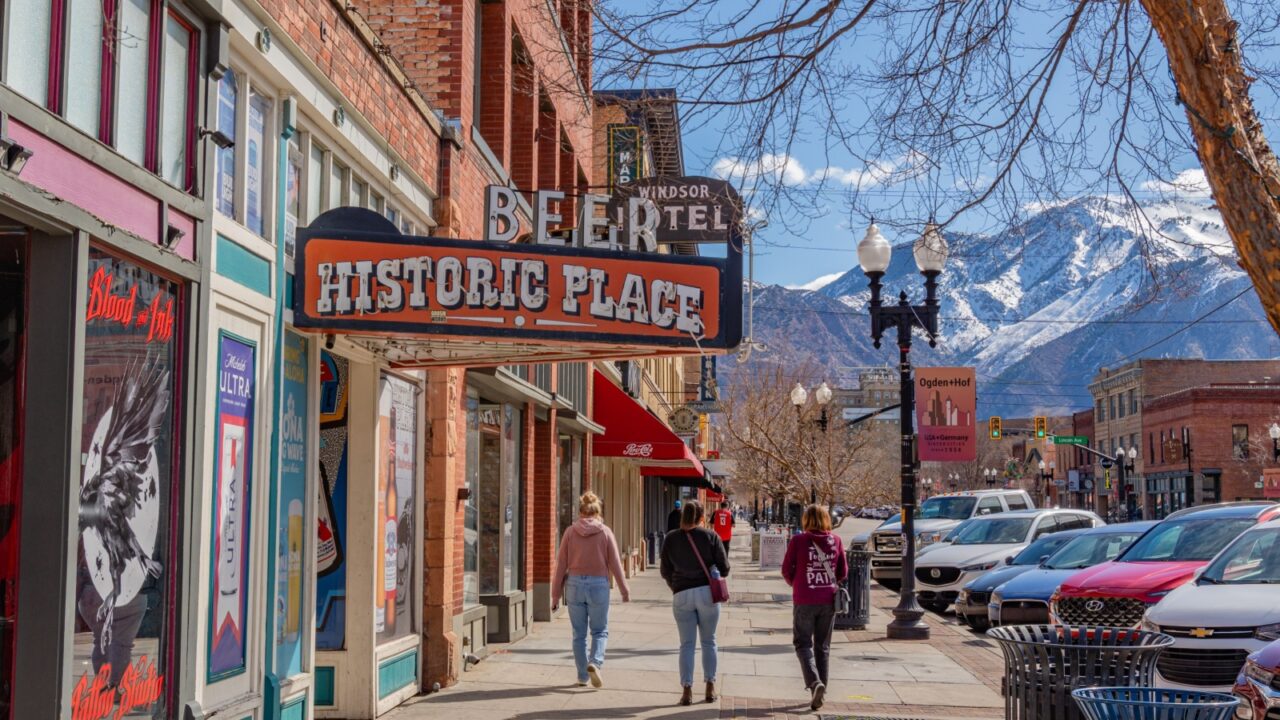
Park City and Salt Lake City businesses have noted their reliance on Sundance for an economic lift during mid-January, a period that otherwise sees less tourism. Restaurants, bars, lodging, and retail outlets often rely on festival-driven spending to sustain winter revenue. With Sundance’s departure, some owners worry about the steadiness of demand.
Others in the local hospitality sector believe that ski tourism and cultural weekends might fill gaps left by Sundance. Some say Utah’s evolving winter offerings, including snow sports and festivals, will continue drawing visitors even without the film event. Still, festival-specific spending patterns are expected to diminish compared to Sundance years.
Boulder travel cost context
Travel to Boulder for the Sundance Film Festival could carry different cost dynamics than Utah, as lodging and living costs there are already above the national average. Visitors note challenges securing hotel rooms and rentals when university events or other seasons overlap. Still, Boulder’s proximity to Denver International Airport and larger accommodation inventory might offer more travel options compared to Utah’s ski resort draw.
Cost comparisons show that while both Colorado and Utah see seasonal travel spikes, Boulder’s infrastructure may spread visitor demand more broadly. Festival-goers could find flights into Denver and ground transport to Boulder more flexible than flights directly into Salt Lake City. Travel cost trends will evolve as the festival settles into its new home city.
Winter tourism impacts ahead
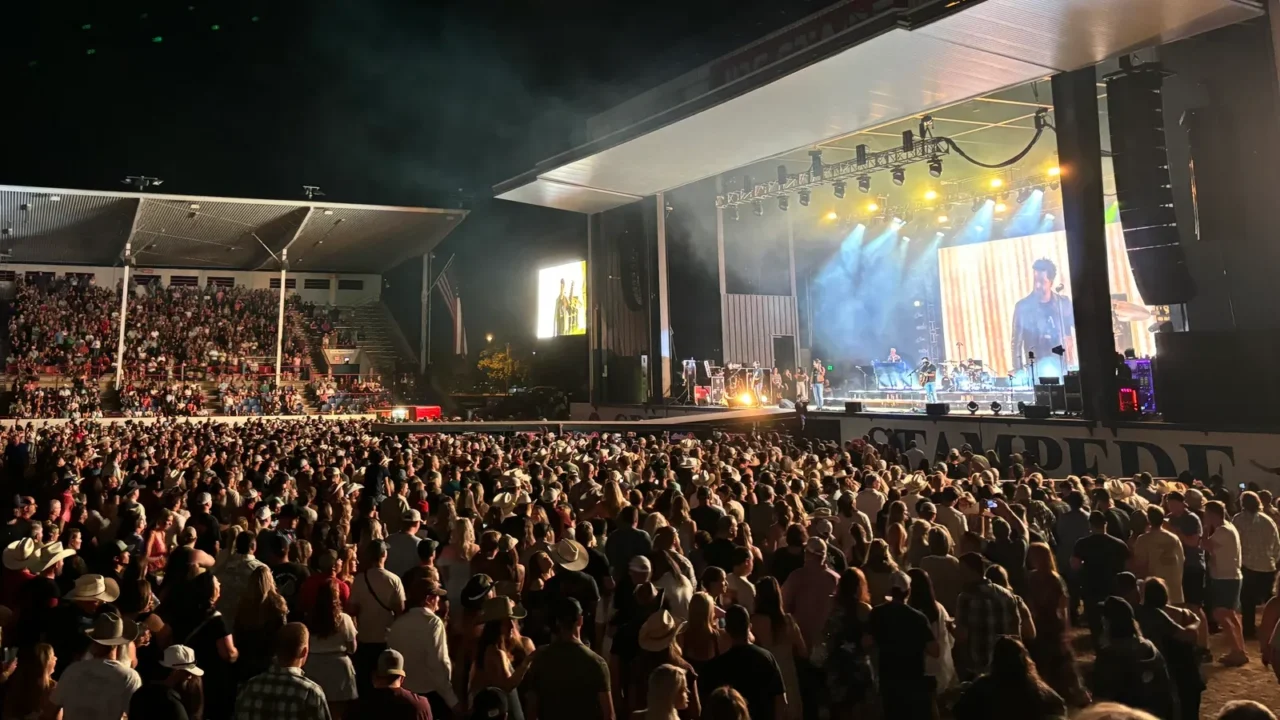
The relocation of Sundance alters winter tourism forecasting in both Utah and Colorado. Utah may see reduced peak tourism pressure in late January as festival travelers shift their plans. That could influence hotel occupancy and discretionary spending patterns at ski resorts and nearby attractions.
In Colorado, winter travel demand may increase around festival dates, supplementing ski season demand with cultural tourism. Local economies around Boulder and Denver could benefit from expanded visitor spending on lodging, food, and transport. Regional planners are already considering how to support lodging capacity during the two-week festival period.
Cultural and artistic legacy
Sundance’s legacy in Utah includes launching many influential films and careers, and shaping global independent cinema conversations. Its programming exposed diverse voices and brought filmmakers together in a mountain community known for creativity. The legacy now becomes part of Utah’s cultural heritage as the festival moves on, much like how Euphoria’s filming spots are turning Los Angeles suburbs into emerging style hubs tied to screen culture.
Meanwhile, Boulder’s embrace of the festival signals a new chapter where independent film and winter travel traditions intersect in a Rocky Mountain community. The move invites cultural exchange and fresh opportunities for artists and audiences. That evolution may influence how film tourism operates across seasons and states.
Travelers consider futures
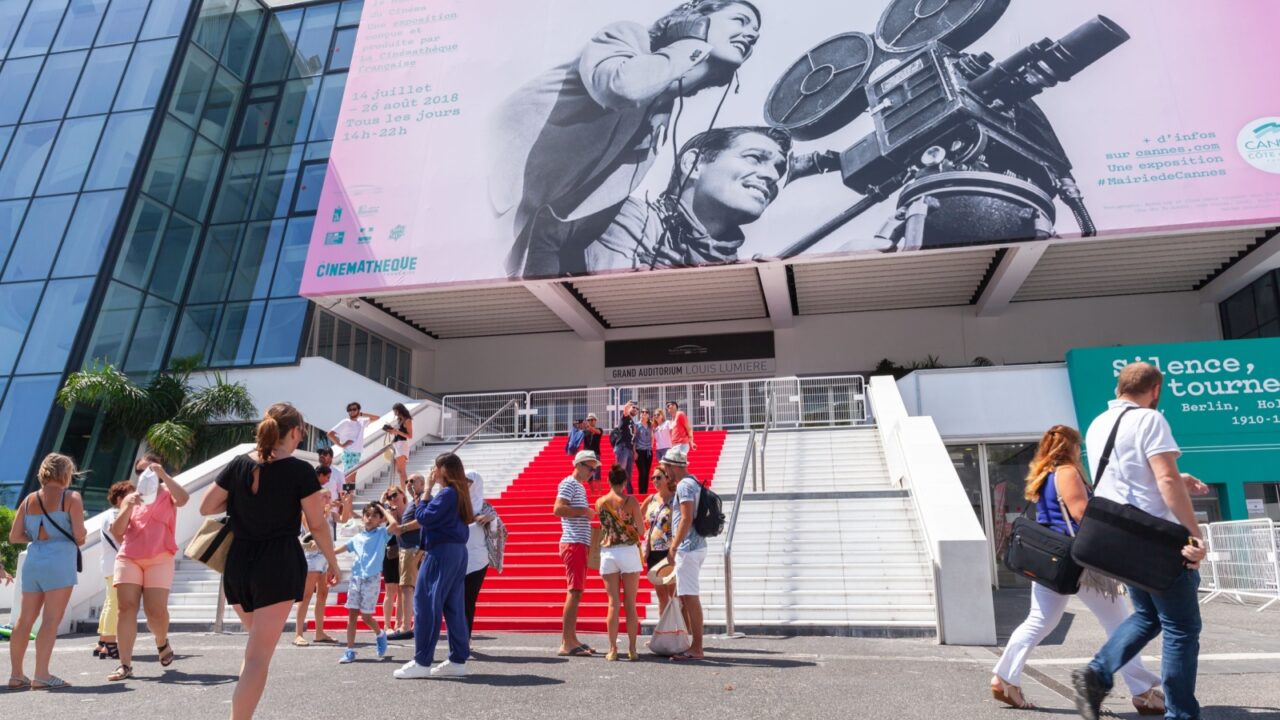
The 2026 Sundance Film Festival’s final Utah season offers a moment to reflect on how cultural events shape regional travel and tourism platforms. Film fans and holidaymakers may remember Park City’s wintry streets and packed theaters as part of a long-running tradition that reshaped winter travel.
Which destination feels like the perfect escape for film and winter travelers now? Share your thoughts below.
This slideshow was made with AI assistance and human editing.
Don’t forget to follow us for more exclusive content right here on MSN.
Read More From This Brand:
