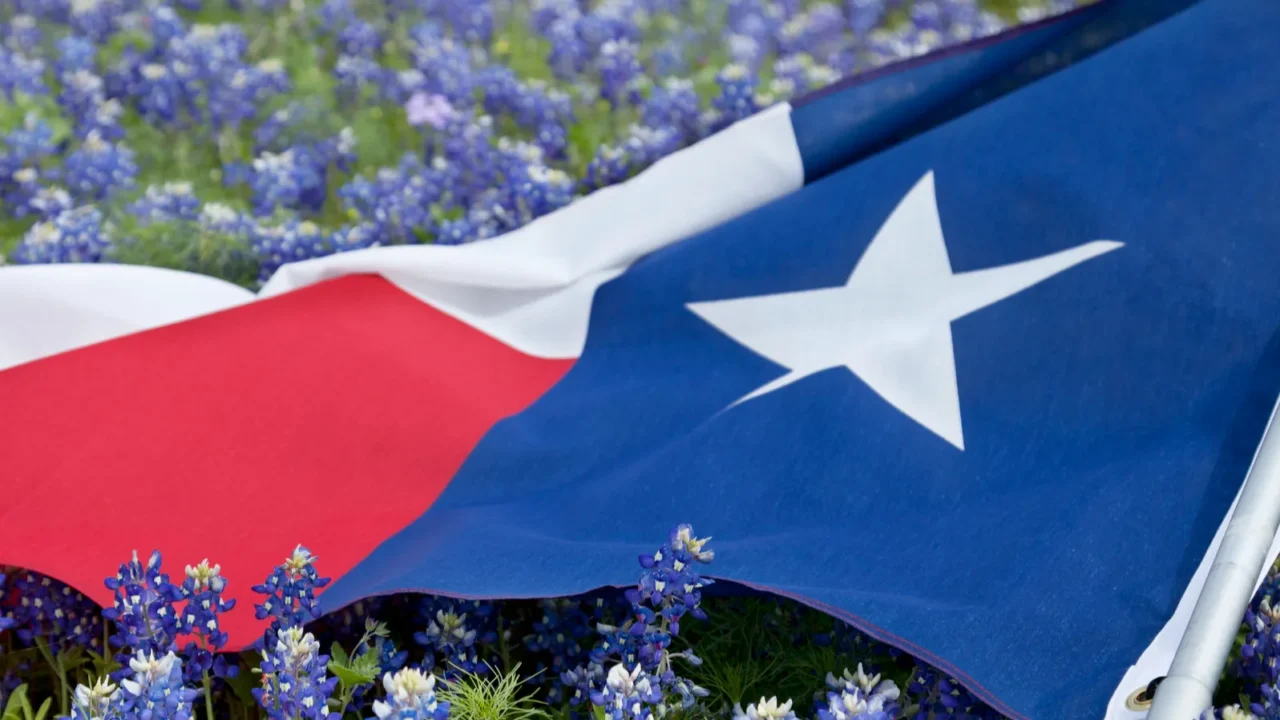
A quiet travel shift
Leisure travel across Texas has softened slightly as travelers grow more selective with trips and spending. At the same time, a different type of visitor is quietly filling hotels, flights, and downtown streets. Business travelers attending conventions are becoming a stabilizing force across major Texas cities.
Instead of chasing vacation crowds, cities are leaning into meetings, expos, and large-scale conferences. These visitors travel year-round and spend consistently across dining, transport, and lodging. The shift is strategic, intentional, and already visible across Texas, so let’s dive in!
Why conventions matter now
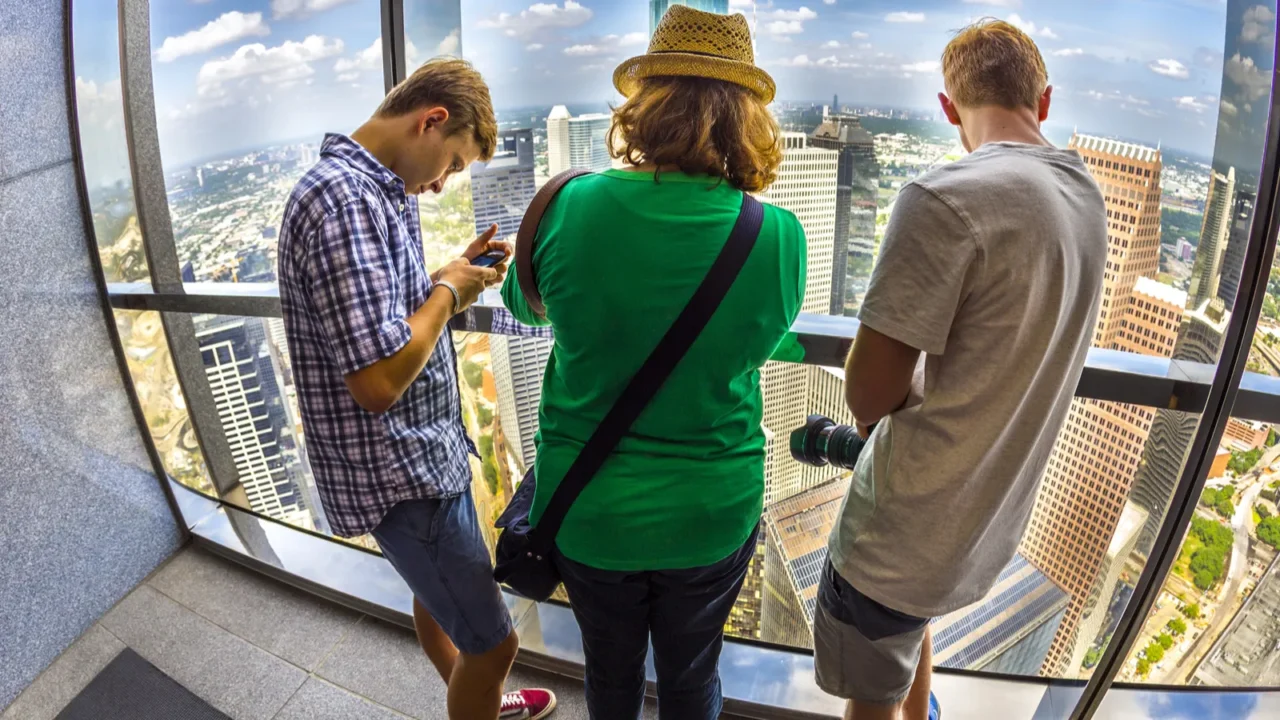
Convention travelers behave very differently from leisure visitors, especially during uncertain travel cycles. They plan months ahead, travel regardless of season, and often stay longer than weekend tourists. That predictability is appealing for cities facing softer vacation demand.
Texas cities are using convention tourism to stabilize hotel occupancy and airline routes. These events also generate weekday spending, which many downtown areas rely on to survive. As leisure travel slows slightly, meetings and conventions are filling crucial economic gaps.
Dallas leads the charge
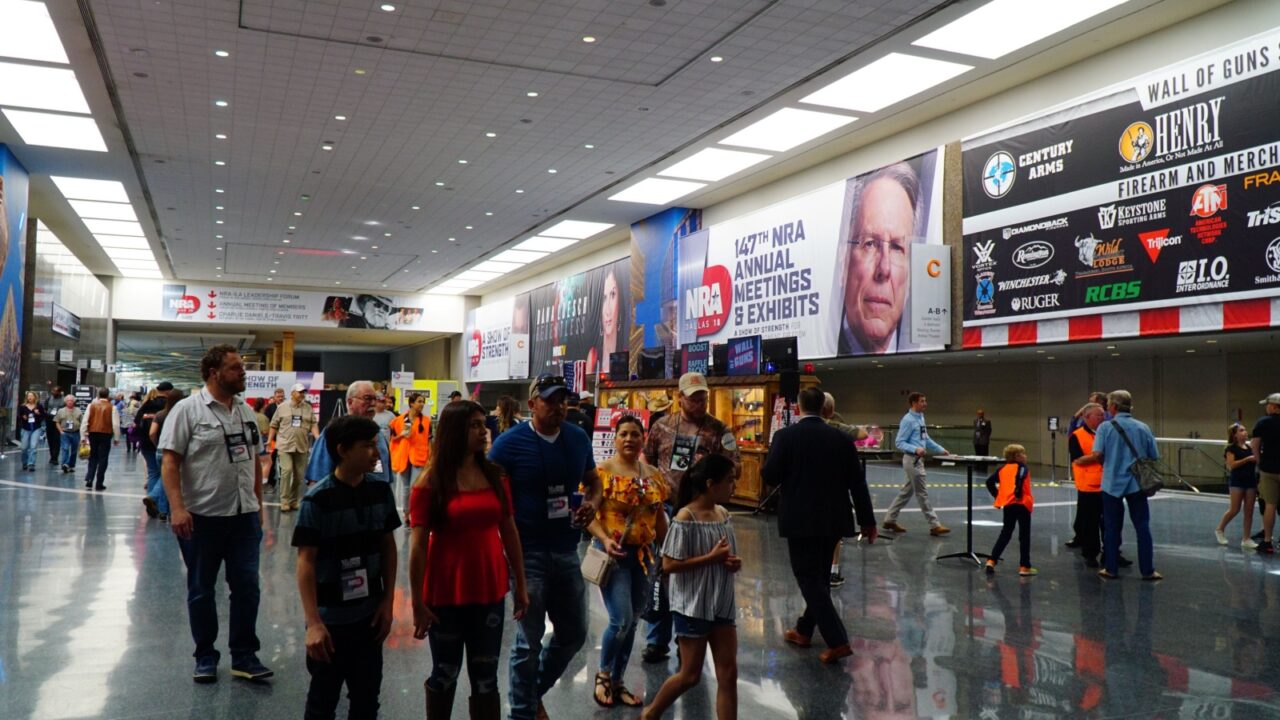
Dallas has positioned itself as one of the strongest convention hubs in the southern United States. The Kay Bailey Hutchison Convention Center continues hosting massive medical, tech, and corporate expos. Its central location and airport connectivity make it an easy choice for national events.
Major hotel expansions around downtown Dallas support high-volume conference traffic. Restaurants and transport services benefit from consistent weekday crowds. Dallas proves how convention tourism can anchor an entire urban economy.
Austin blends business culture
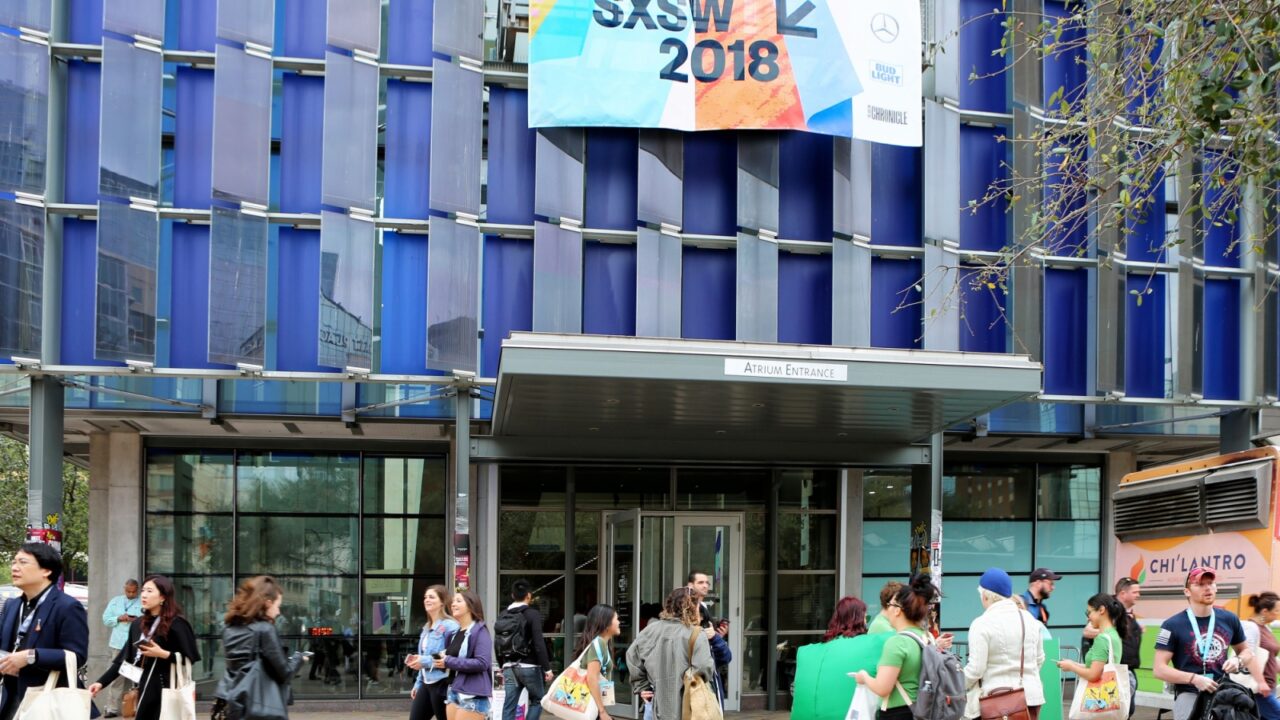
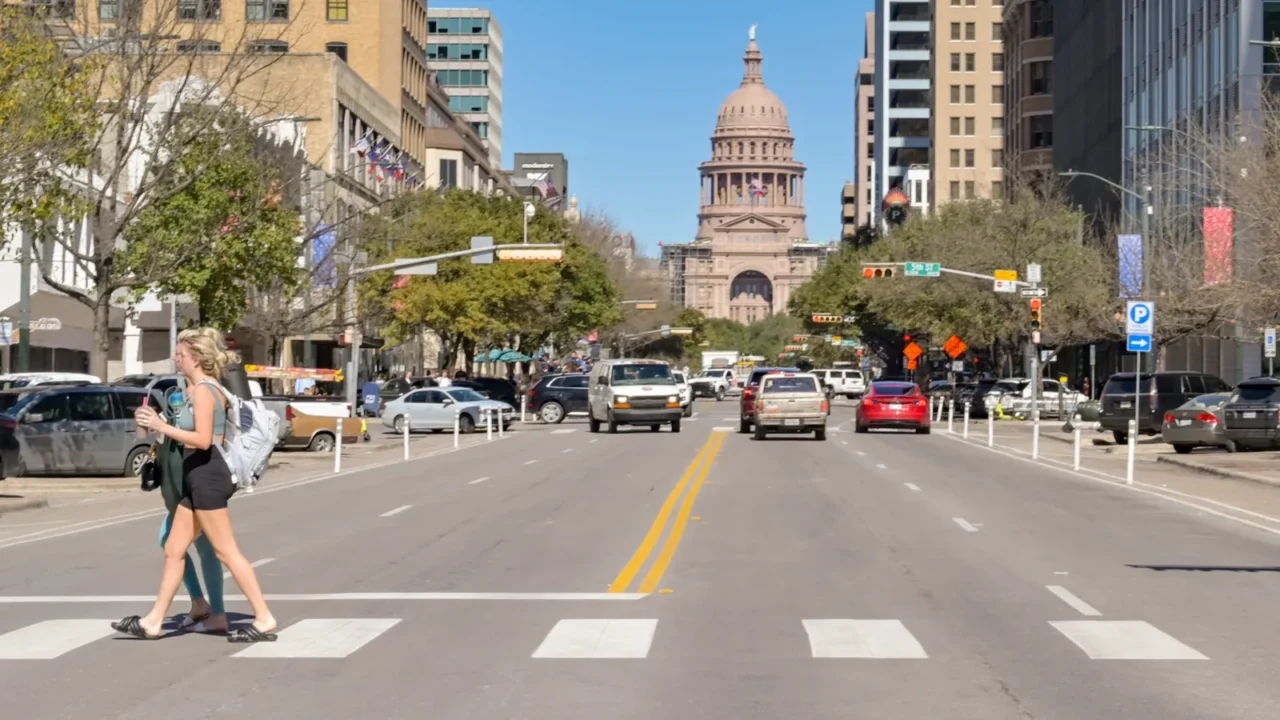
Austin brings a unique twist to convention tourism by blending work with culture and entertainment. The Austin Convention Center regularly hosts tech, creative, and innovation-focused conferences. Many attendees extend their stays to experience music venues and food scenes.
This blend keeps hotel nights high even when leisure bookings dip. Conference visitors spend heavily on dining and local experiences. Austin shows how conventions can feel less corporate and more destination-driven.
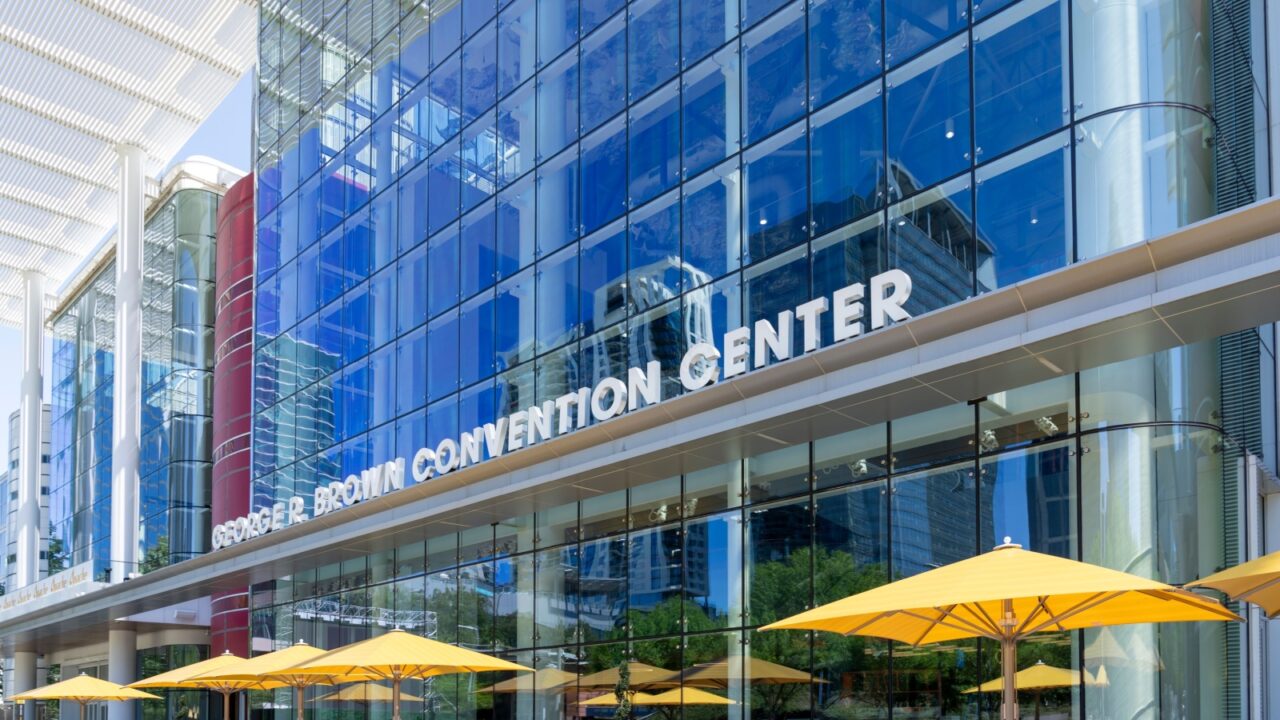
Houston plays global host
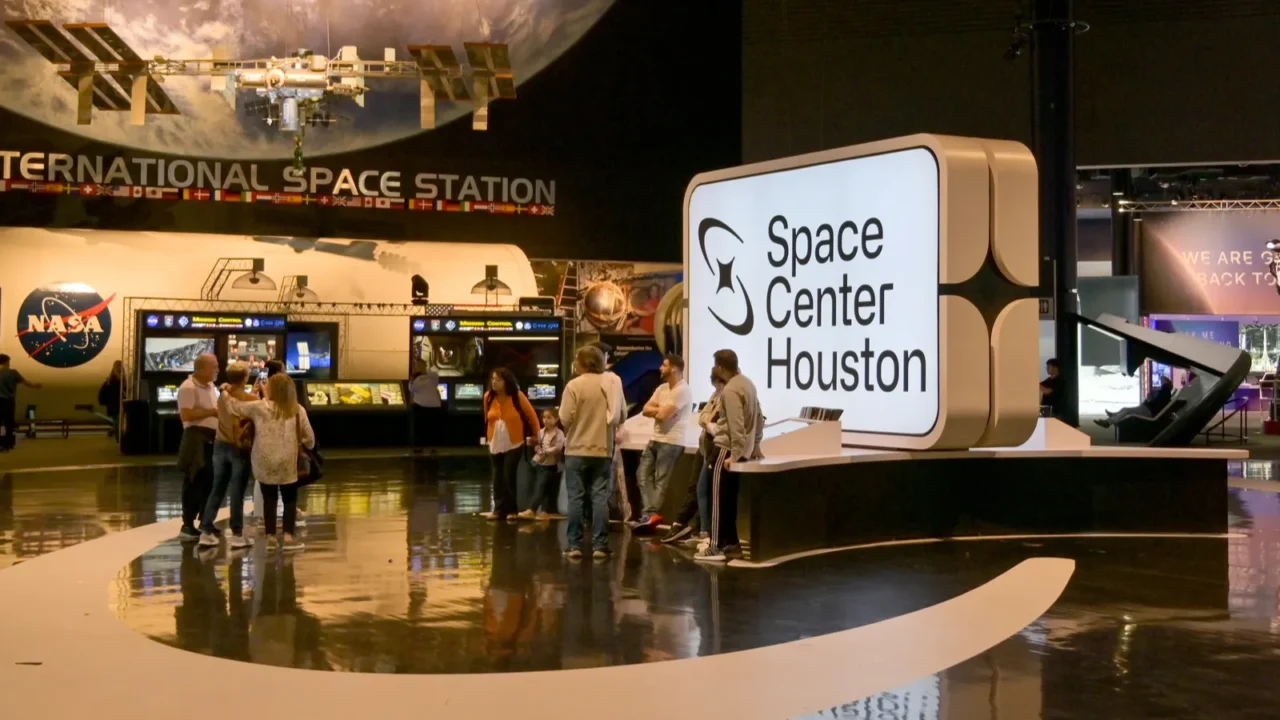
Houston’s convention strategy leans heavily into international business travel. The George R Brown Convention Center attracts energy, medical, and aerospace conferences from around the world. Proximity to major airports strengthens its global appeal.
Business travelers here often stay longer due to multi-day events. Restaurants, museums, and transport networks benefit from consistent foot traffic. Houston’s scale makes convention tourism a reliable economic engine
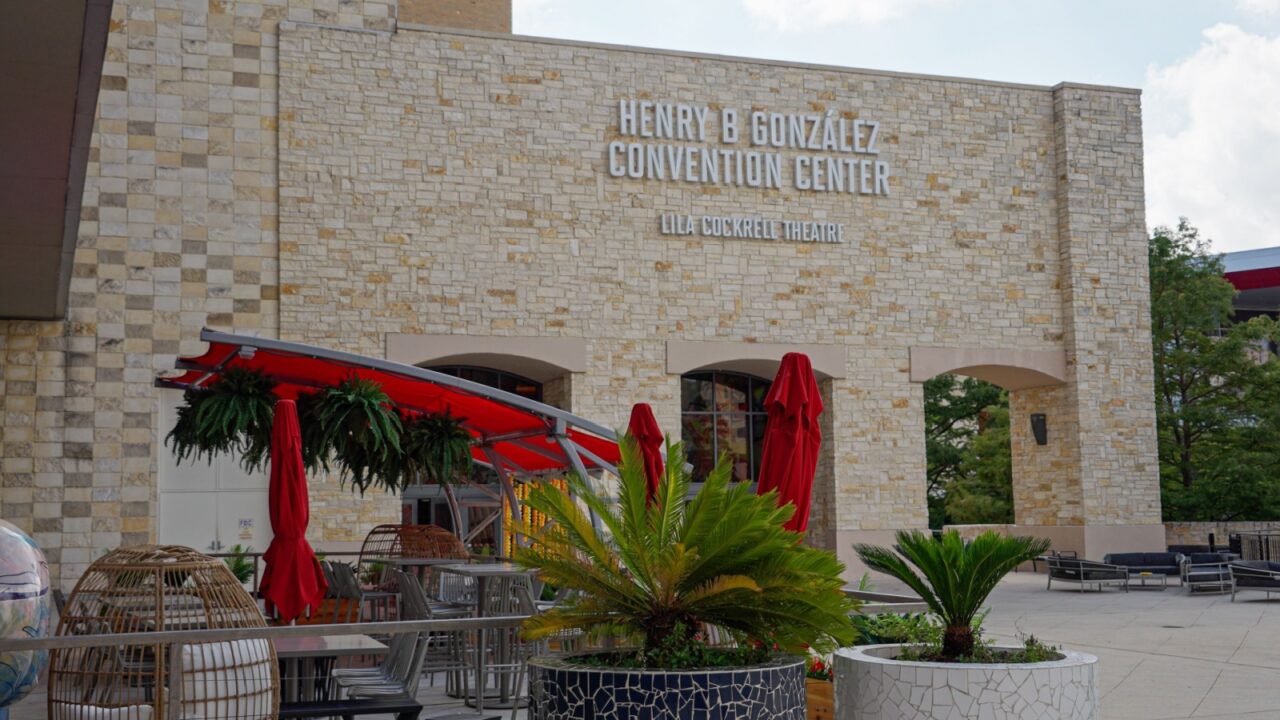
San Antonio’s steady appeal
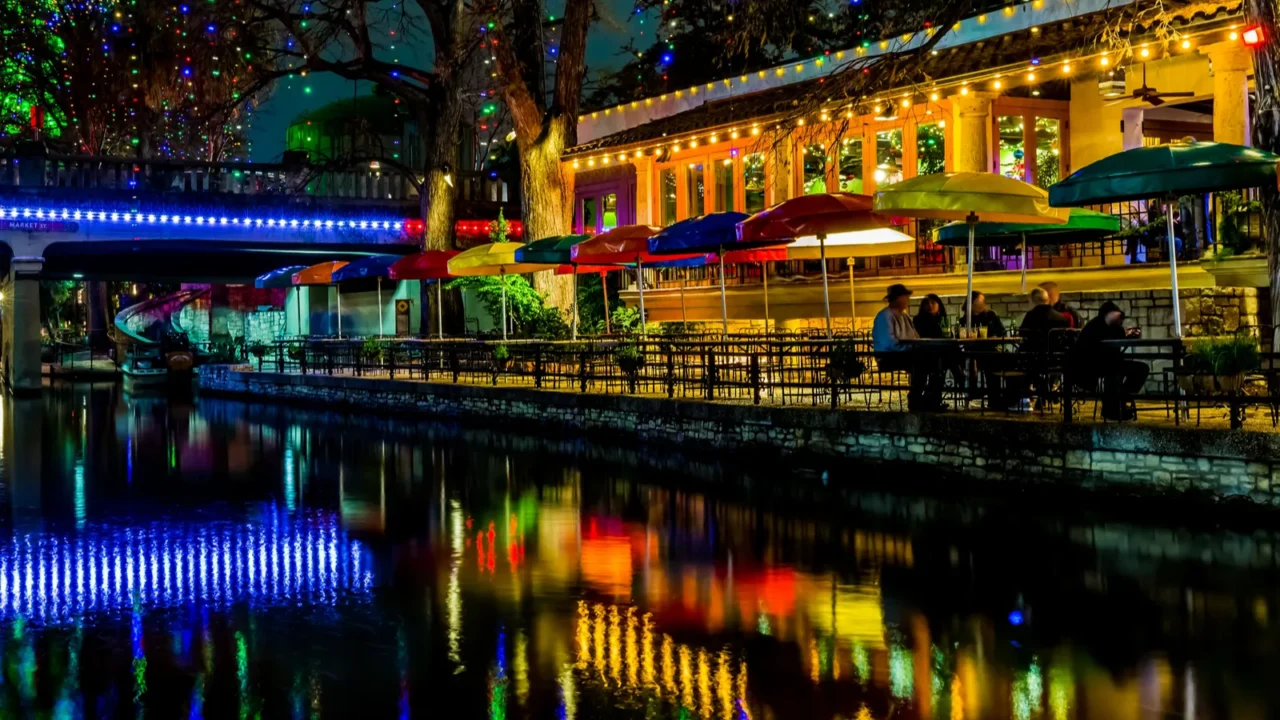
San Antonio has long balanced leisure tourism with convention traffic. The Henry B Gonzalez Convention Center sits next to the River Walk and major hotels. That walkable setup appeals strongly to conference planners.
Visitors can attend meetings during the day and explore historic areas by night. This balance helps San Antonio maintain stable tourism numbers year-round. Convention travel keeps the city resilient when vacation trends fluctuate.
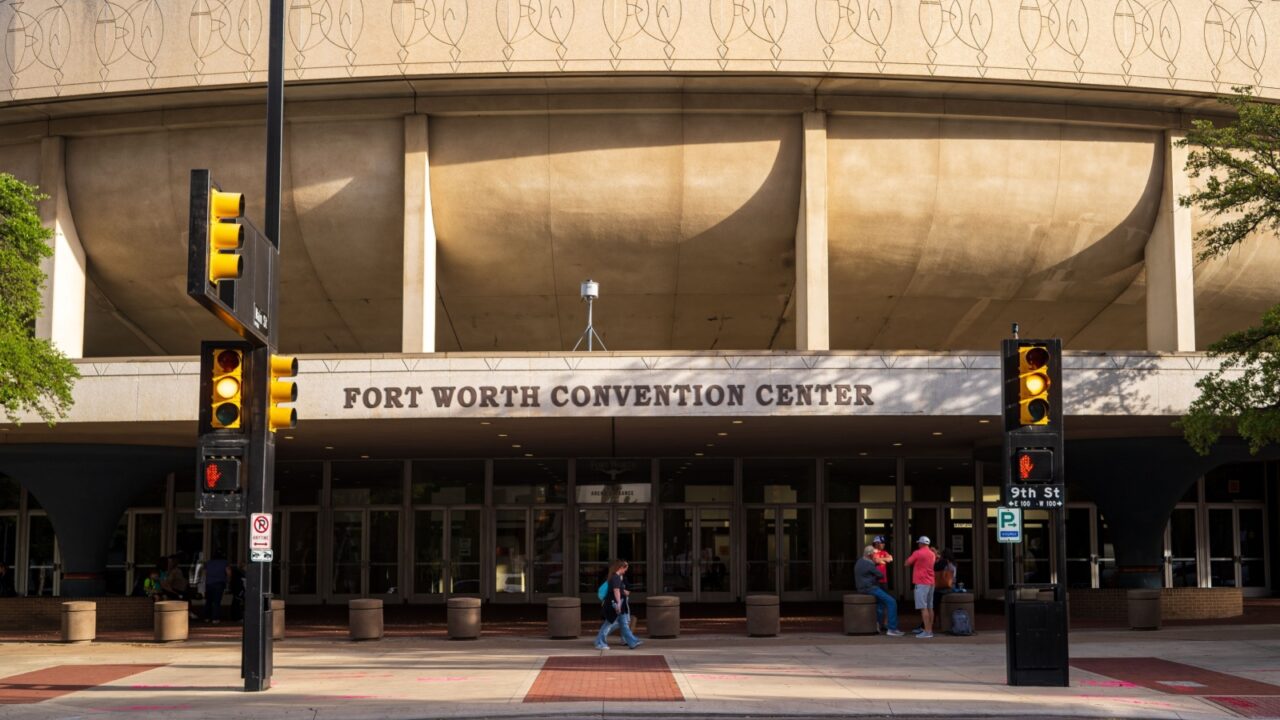
Fort Worth gains momentum
Fort Worth is emerging as a quieter but effective convention destination. Investments near the Fort Worth Convention Center are expanding meeting capacity. The city markets itself as less crowded than Dallas while remaining well-connected.
Conference visitors appreciate easier navigation and lower accommodation pressure. Local businesses benefit from predictable midweek crowds. Fort Worth’s steady growth shows convention tourism is not limited to megacities.
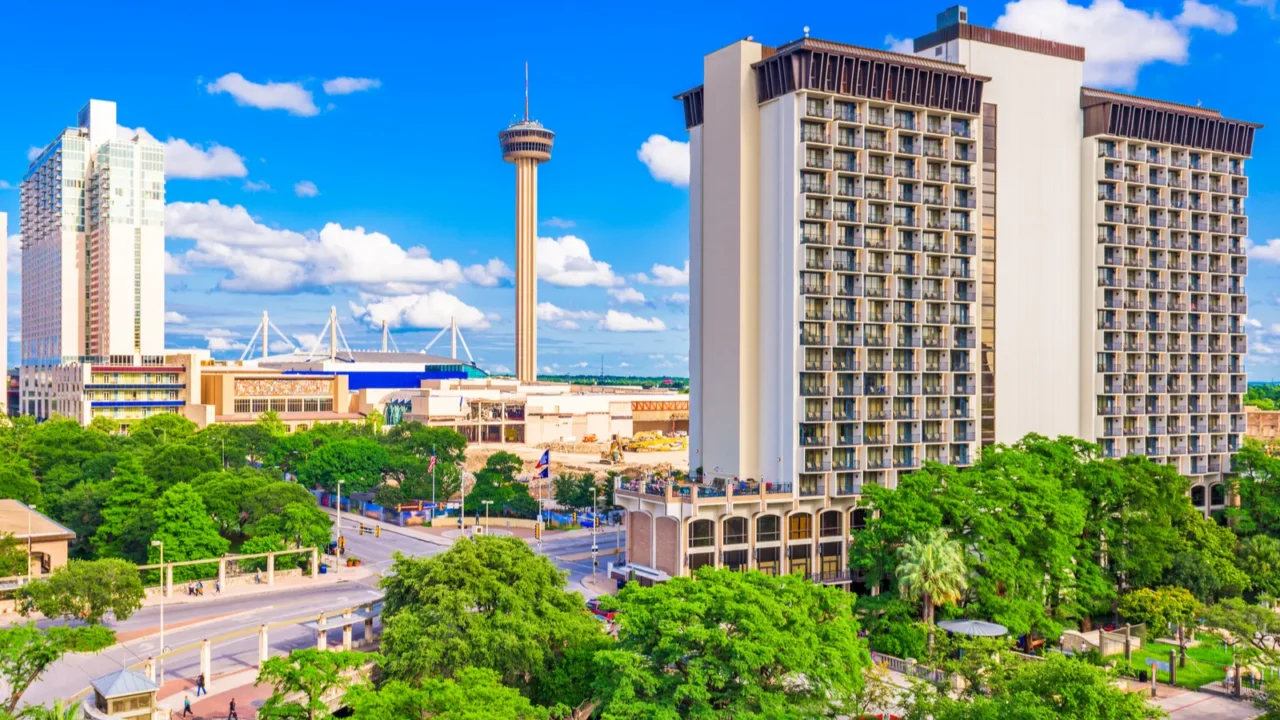
Hotels follow the strategy
Hotel development patterns reveal how serious Texas cities are about convention tourism. New properties are opening near convention districts rather than beach or resort areas. These hotels focus on meeting spaces, business amenities, and longer stays.
Weekday occupancy has become just as important as weekends. This shift protects revenue during slower vacation periods. Hotels are aligning closely with city-level convention strategies.
Airlines benefit quietly
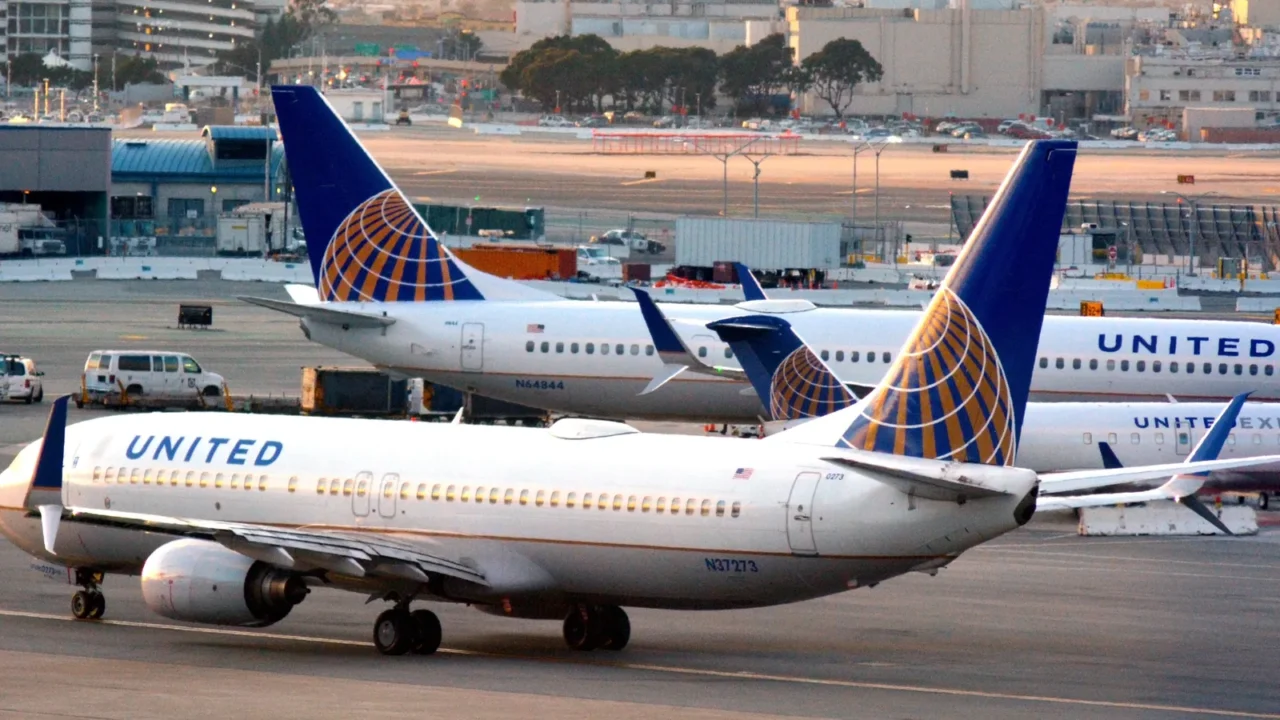
Convention travelers help sustain midweek airline traffic that leisure demand alone may not fully support. Business travelers fill flights midweek when planes often fly half empty. Texas hubs benefit greatly from this consistency.
Cities like Dallas and Houston maintain strong domestic and international connections. That connectivity then attracts more conventions in return. It becomes a self-reinforcing travel ecosystem.
Downtown economies revive
Convention visitors spend heavily in downtown cores during weekdays. Restaurants, coffee shops, ride services, and retail all benefit. This spending stabilizes areas that struggle outside peak vacation seasons.
Some Texas cities are investing in more walkable convention districts to boost downtown spending. That keeps money circulating locally instead of dispersing outward. Convention tourism quietly supports urban recovery.
Long term tourism insurance
Convention tourism is not replacing leisure travel, but it is protecting cities from volatility. When vacation demand softens, meetings keep hotels and flights active, especially in business-focused hubs like Dallas, Austin, and San Antonio. At the same time, regions like the Texas Hill Country are drawing winter travelers who prefer quieter, cooler seasonal escapes.
Cities investing early are seeing better tourism resilience. The strategy supports jobs and local businesses year-round. Texas is setting a model that others are watching closely.
A smarter travel mix
Texas cities are proving that tourism does not have to rely solely on vacation crowds. Conventions bring consistent visitors, reliable spending, and long-term planning advantages.
That balance keeps destinations strong even during slower leisure cycles. The future of travel may favor cities that diversify visitor types. Texas is already leaning into that reality.
Which Texas city do travelers think has mastered the convention and culture balance best? Share your thoughts below.
This slideshow was made with AI assistance and human editing.
Don’t forget to follow us for more exclusive content right here on MSN.
Read More From This Brand:
