
Thailand hits pause on its long-discussed entry fee
Thailand has pushed its proposed tourist entry fee to the middle of 2026. Officials say the timing matters because arrivals have been softer than hoped and the economy is uncertain. The idea is to avoid adding friction while the tourism rebound is still uneven.
This is not a brand-new policy that appeared overnight. Thailand’s cabinet approved the concept in principle back in February 2023, and the timeline has moved more than once since then. For travelers, the key point is simple: the fee is still not being collected today.
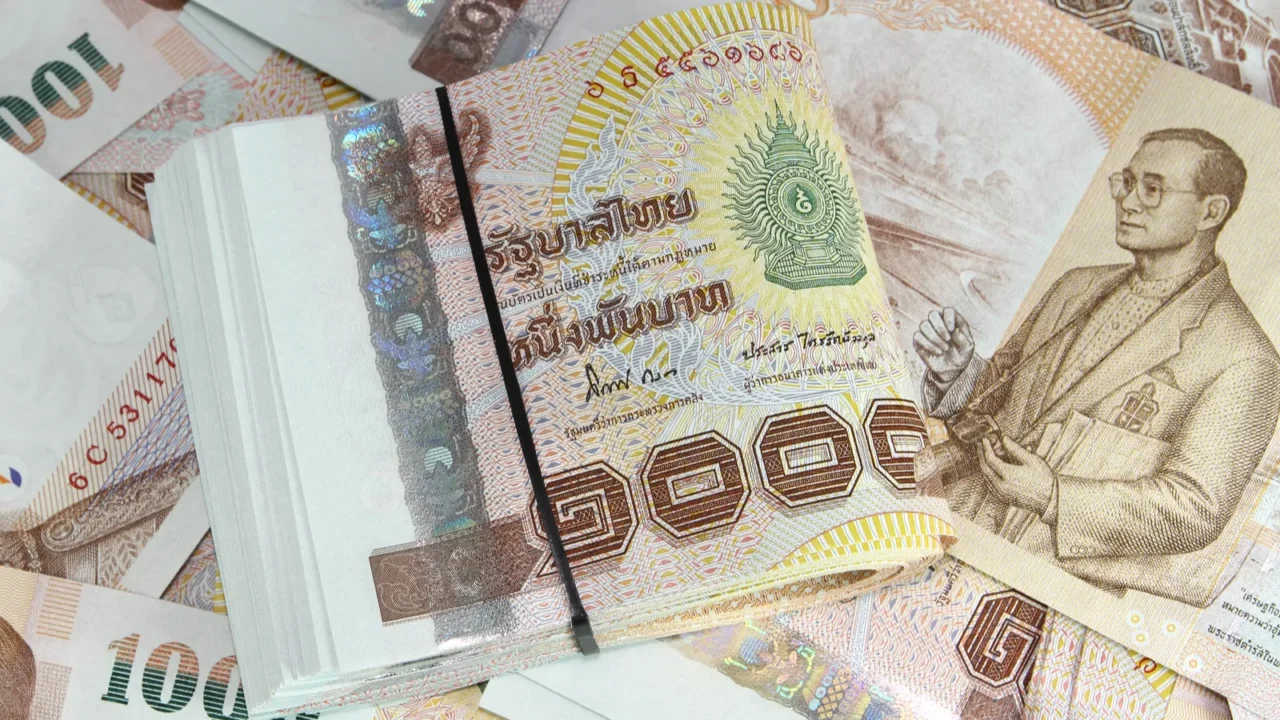
The price depends on how you enter Thailand
The plan sets a 300 baht fee for visitors who arrive by air. A lower 150 baht rate is tied to land or sea arrivals. Officials have described it as a “stepping onto Thai soil” fee.
The fee is meant to apply to foreign tourists, not Thai nationals. It is designed as a standardized charge, not a percentage that changes with your ticket price. The amounts are small in isolation, but they become noticeable for families or frequent travelers.

Officials say the money is for insurance and upgrades
The government has linked the fee to two main uses: basic visitor insurance and tourism improvements. Coverage is framed as medical or accident insurance from the moment a traveler enters the country. The rest is meant for infrastructure, public amenities, and safety systems in tourist areas.
One detail that stands out is the split inside the fee. Reporting has described about 70 baht being assigned to the insurance component. That framing helps officials argue the fee is a service, not just a tax.
The delay is about demand and confidence
Thailand’s tourism ministry has said it wants to wait and reassess demand before launching the fee. Officials have pointed to external uncertainty and the need to avoid hurting recovery. The current target discussed publicly is Q2 or Q3 of 2026.
The logic is straightforward even if you disagree with it. If fewer people are booking, governments tend to avoid new charges that might look like a penalty for visiting. Thailand is treating the entry fee as something to add later, not during a fragile stretch.
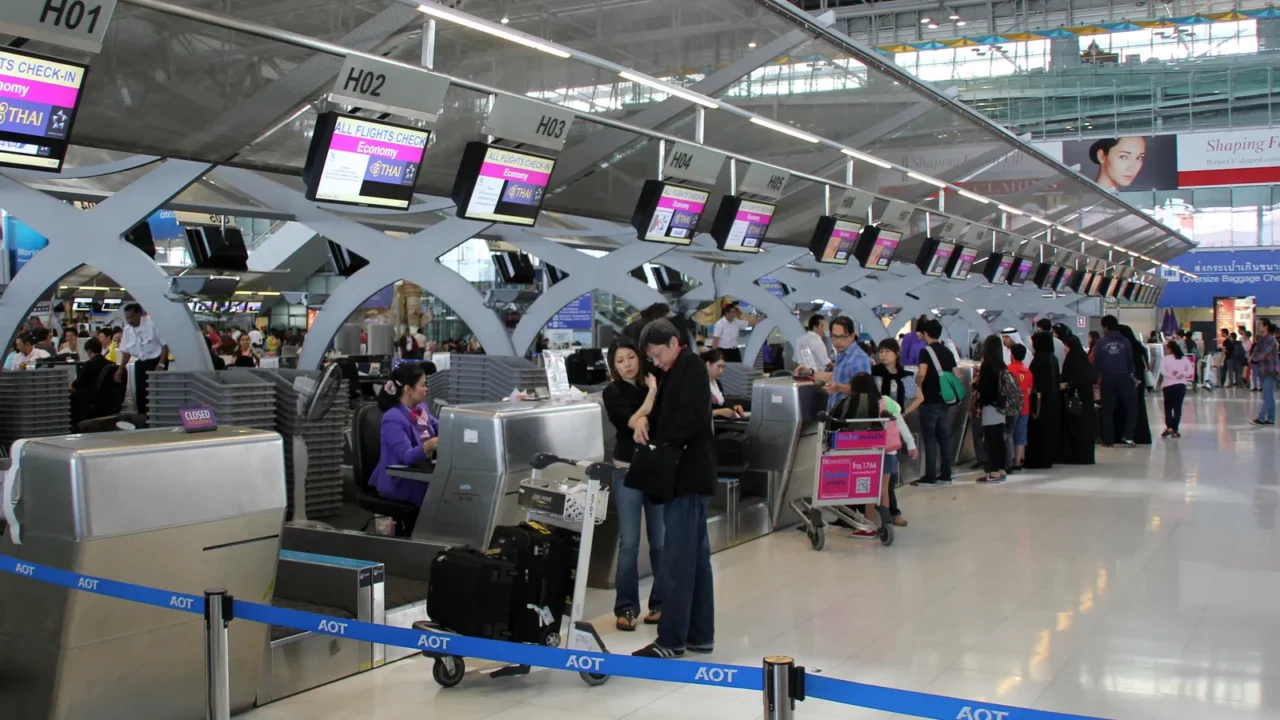
Collection is expected to be built into travel flow
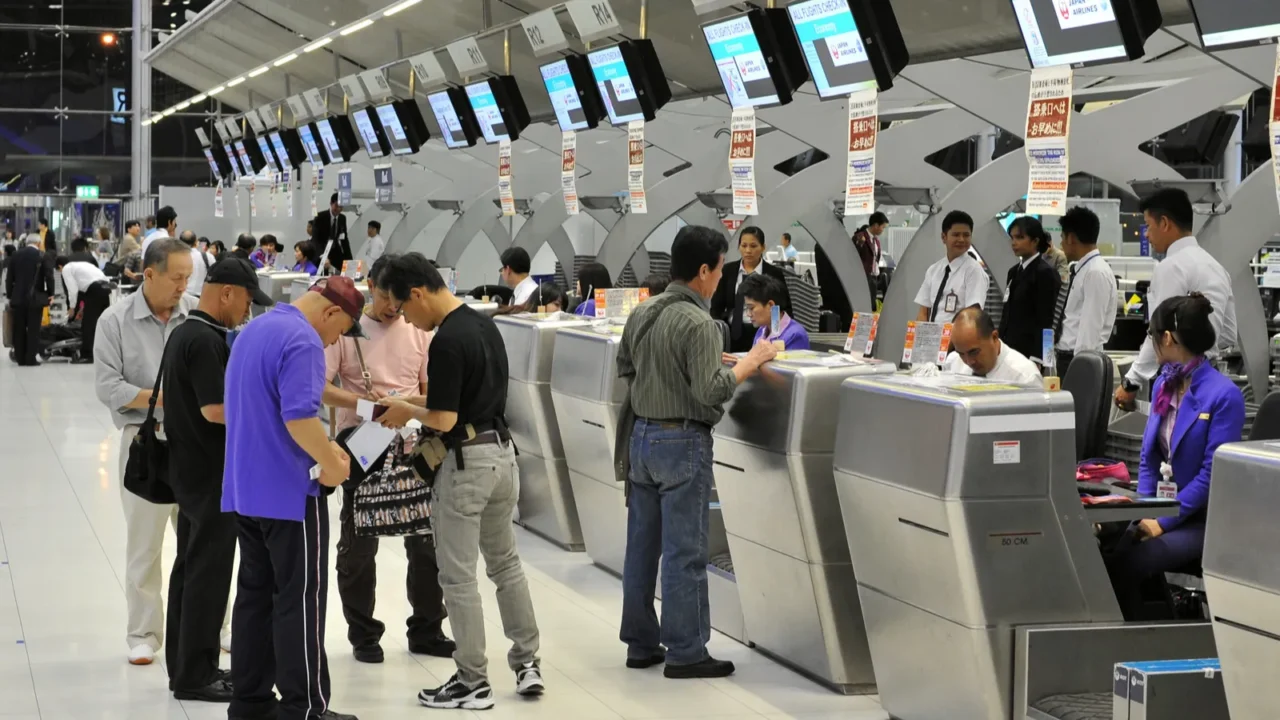
Officials have said airlines and border checkpoints would collect the fee. That suggests many air travelers would see it added into the ticketing process. Land and sea entries could involve payment at border points instead.
Thailand is also modernizing entry steps in other ways. The Thailand Digital Arrival Card, known as TDAC, is an online form that replaces the old paper TM6 process. Reports say TDAC is required at least 72 hours before arrival, and it is separate from any tourist fee.
For now, travelers are still entering without this fee
Because the entry fee is delayed, visitors are not paying it at the border today. That matters for anyone planning a 2026 trip on a tight budget. It also matters for tour operators who do not want price surprises in packages.
Visa rules are a different layer, and they have their own updates. Thailand’s 60-day visa exemption for citizens of 93 countries took effect in July 2024, according to Thai consular guidance. That policy can change over time, but it is not the same thing as the proposed entry fee.
What a mid-2026 rollout could look like in real life
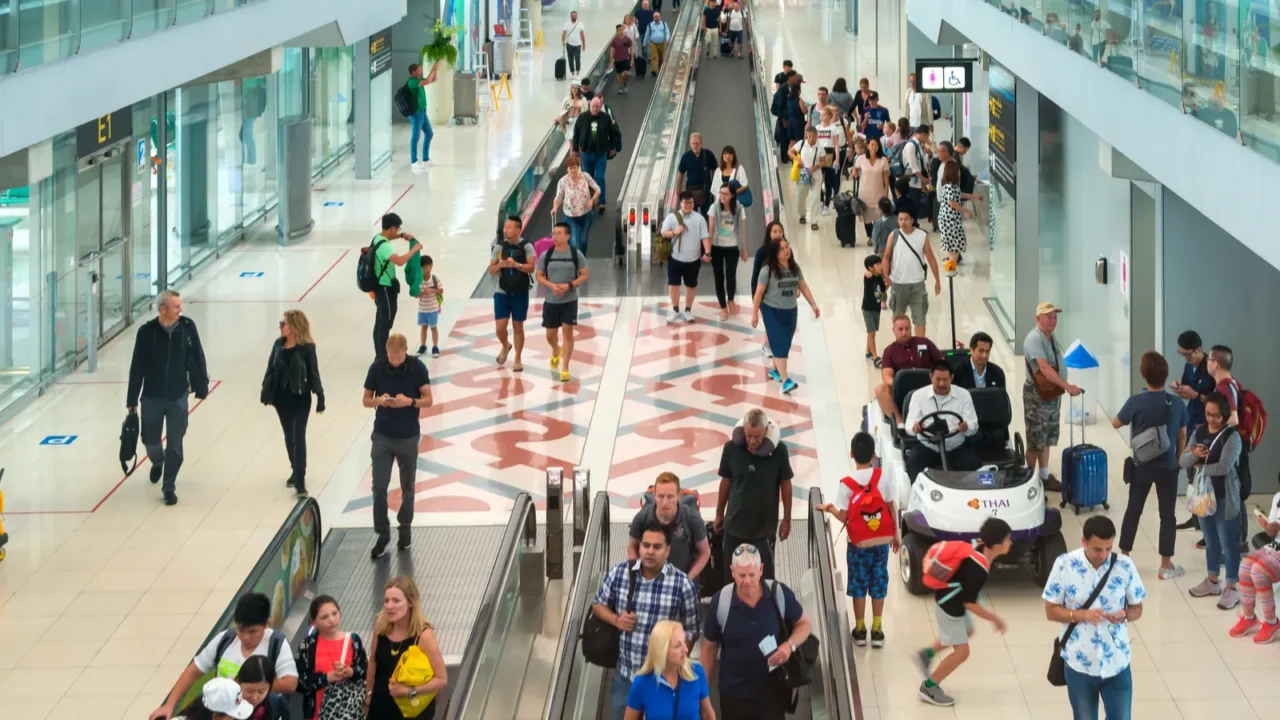
If Thailand turns the fee on in mid-2026, most travelers will feel it as a small extra line item. Air arrivals would likely notice it during booking or check-in if airlines handle collection. Land crossings could feel it more directly if payment happens at the checkpoint.
The practical move is to plan for the charge even if the date shifts again. Travelers who like certainty may prefer trips earlier in 2026, before any new collection begins. People traveling in larger groups should budget for the total, not just the per-person headline.

Supporters frame it as a safety and service upgrade
Supporters argue the fee creates a stable pool of money tied directly to visitor experience. They point to insurance coverage and better safety systems as easy-to-explain benefits. They also argue popular sites need steady maintenance funding when visitor volumes swing.
This framing is meant to make the fee feel less like a penalty. Instead of “pay to enter,” it is marketed as “pay for protection and improved facilities.” That distinction can matter in how travelers react, especially in price-sensitive markets.

Critics worry the fee lands at the wrong time
Critics say even small fees can change behavior when travelers are comparing destinations. Southeast Asia is full of close substitutes, and price differences stack up fast. A new charge can feel symbolic, even if it is not huge.
Officials delaying the rollout shows they recognize that risk. The ministry has explicitly tied timing to demand conditions and the high season readout. That is another way of saying the government is watching whether travelers are already pulling back.

The hardest part is making it feel seamless
Any entry fee becomes unpopular when payment feels confusing or inconsistent. If air travelers pay through airlines but land travelers pay in person, the experience can feel uneven. That is why the “how it is collected” detail is as important as the amount.
Thailand has said it needs time to study fee structure by travel mode. That suggests the government is still working through logistics and edge cases. A smooth rollout usually requires clear instructions, consistent enforcement, and a simple proof of payment.
Exemptions are hinted at, but not nailed down
Some reports mention possible exemptions for certain traveler categories. That can include groups like long-term visa holders or residents, but details have not been finalized publicly. Until rules are published clearly, travelers should not assume they are exempt.
This is where confusion can spread fast online. People tend to share “who pays” lists before the government confirms them. The safest approach is to wait for final guidance from Thai authorities and major carriers.
Thailand is also changing other small travel charges in 2026
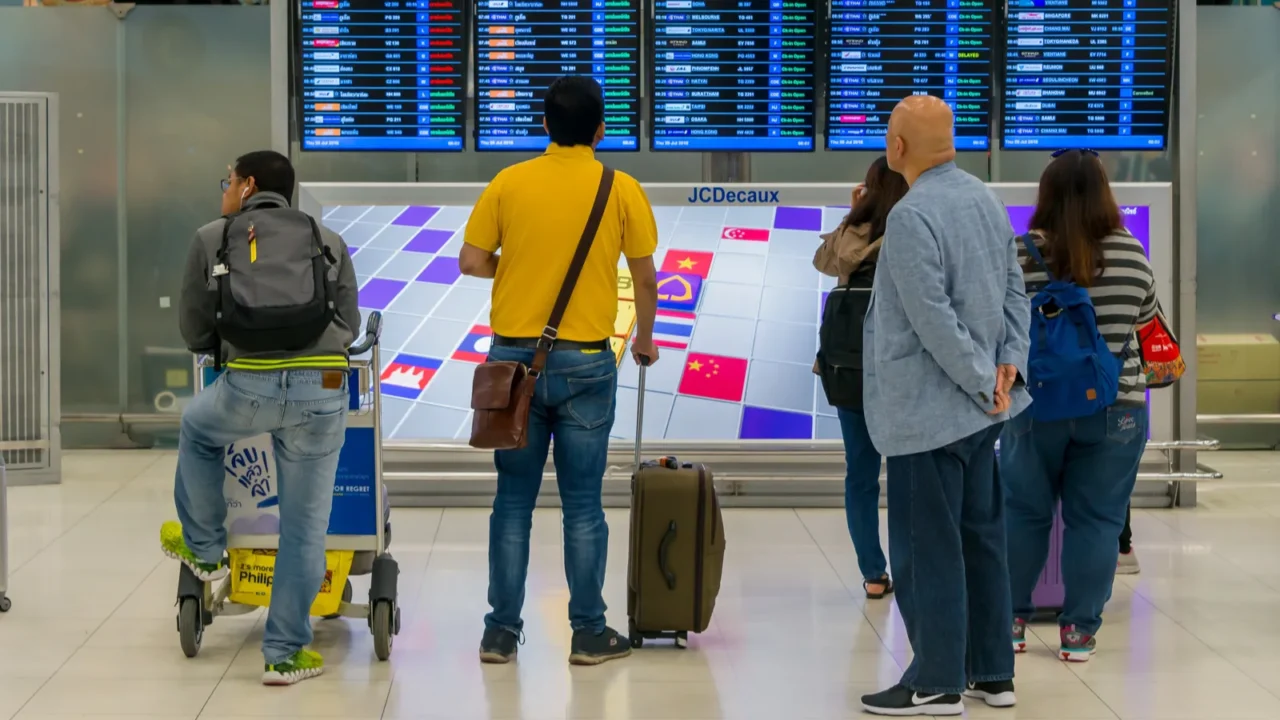
Separate from the tourism entry fee, Thailand’s aviation regulator is raising the passenger entry-exit fee to 25 baht from February 1, 2026. The Civil Aviation Authority of Thailand described it as a funding mechanism for regulatory duties and safety standards. This is not the same thing as the proposed tourist entry fee.
This is why travelers see mixed headlines. One fee is an aviation system charge tied to air travel administration, and the other is a tourism levy tied to visitors. If you want clean budgeting, you have to track each fee separately and watch the effective dates.
Explore the list of countries testing entry fees for day tourists only and how it is affecting tourism.
A simple checklist before you book Thailand in 2026
Check whether the tourist entry fee has an official start date before you finalize mid-2026 travel. Confirm how your entry method is treated, since air and land or sea rates differ in the current plan. Complete the TDAC requirement on time if it applies to your trip.
Budget for small add-on fees and keep screenshots of official guidance in case rules shift. If you are traveling as a family, multiply the fee across the whole group so you do not undercount the cost.
And when you land in Thailand, don’t forget to explore the stunning floating markets that operate like river cities.
What do you think about Thailand delaying its tourist entry fee to mid 2026, and should it charge visitors at all? Share your thoughts and your view in the comments.
This slideshow was made with AI assistance and human editing.
Don’t forget to follow us for more exclusive content right here on MSN.
Read More From This Brand:
