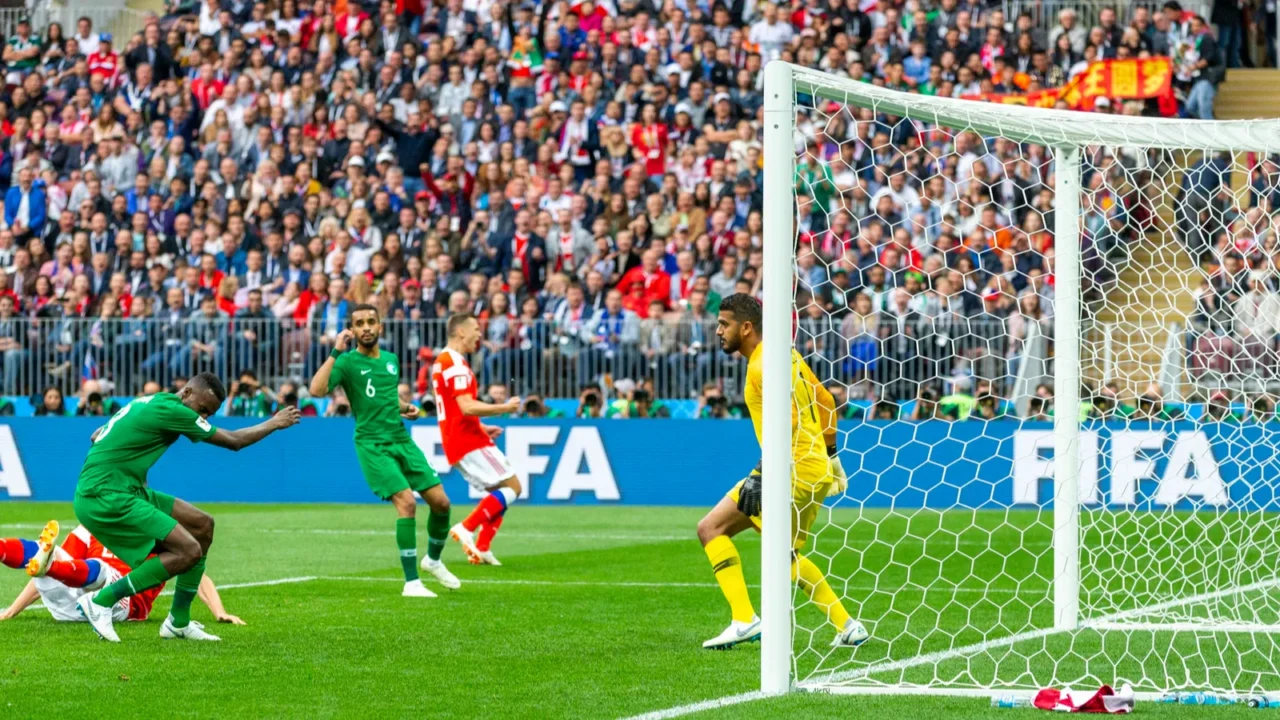
The party nobody’s throwing
The 2026 FIFA World Cup is scheduled for June 11 to July 19, 2026, across 16 host cities in the United States, Canada, and Mexico, marking the first time three nations will co-host the tournament simultaneously. It will feature 48 national teams competing across 104 matches, making it the largest men’s World Cup in FIFA history.
Millions of global soccer fans anticipated this moment for years. Yet as the opening match draws near, a quiet but growing wave of hesitation has replaced excitement for many. From soaring ticket prices to immigration fears and blistering summer heat, the biggest party in sports is arriving with more questions than confetti.
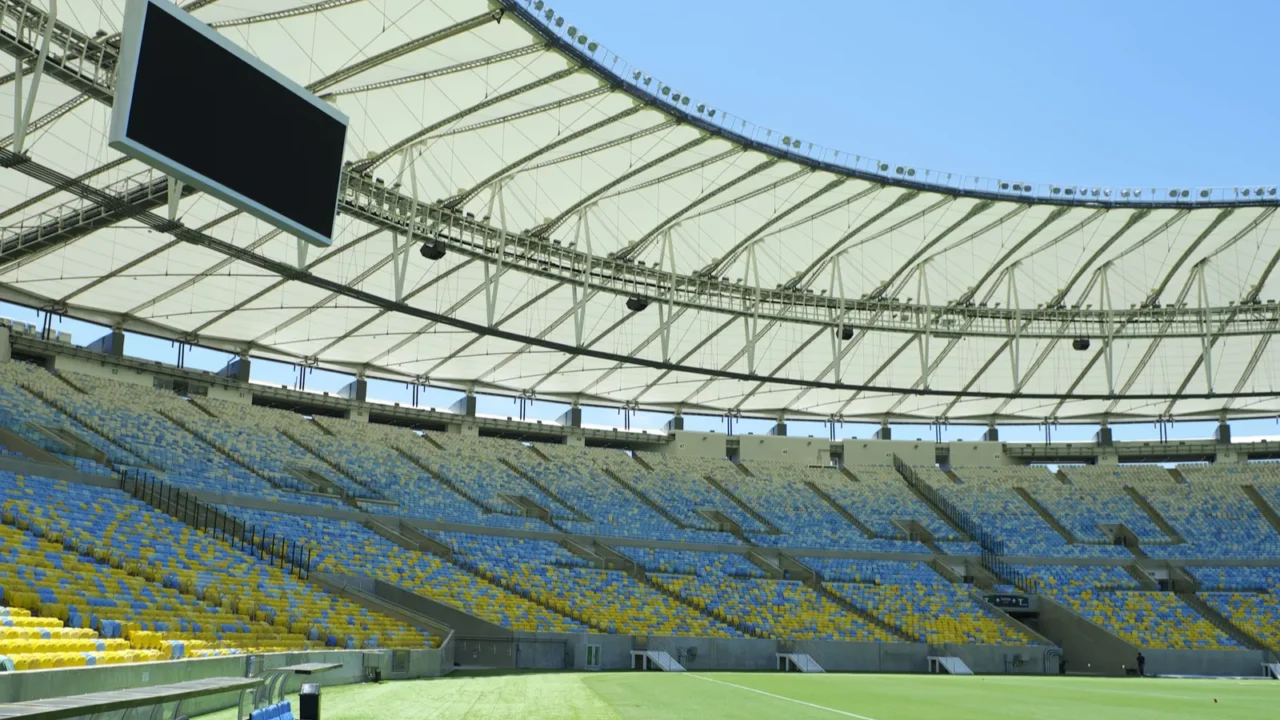
Billion-dollar game, empty seats
The 2026 FIFA World Cup is projected to generate more than $10 billion in revenue for FIFA, setting a new financial record for the tournament. The expanded 48-team format means 40 more matches than the 2022 Qatar edition, giving FIFA significantly more commercial inventory to sell across three host nations.
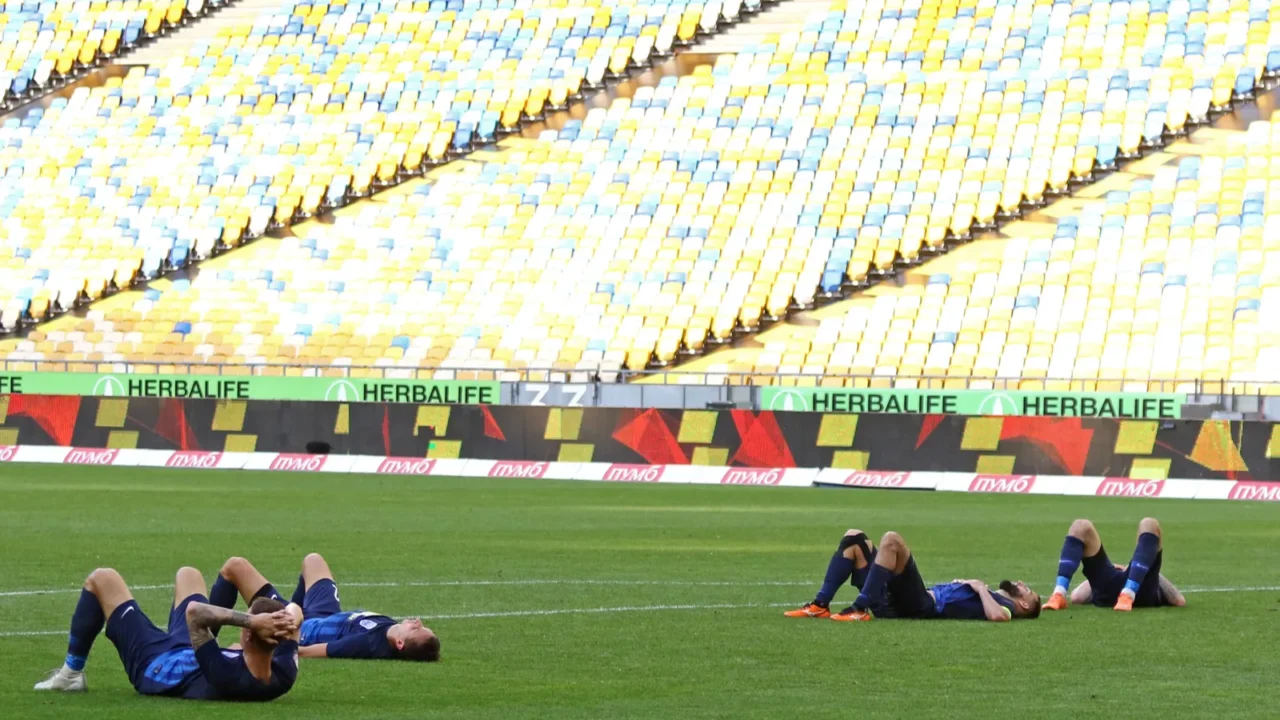
Yet the Club World Cup, which served as a dress rehearsal across American stadiums in summer 2025, told a different story. A knockout match at Charlotte’s Bank of America Stadium drew barely 20,000 fans into a 75,000-seat venue, with officials eventually allowing upper-deck ticket holders to move downstairs to fill a visibly half-empty lower bowl.
What $8,860 buys you
FIFA introduced dynamic pricing in World Cup history for the 2026 edition, allowing ticket costs to fluctuate based on demand, team popularity, and match timing. Premium final seats at MetLife Stadium surged to $8,860, compared to bid documents that originally projected group-stage tickets starting at just $21.
Football Supporters Europe called the pricing a monumental betrayal of the World Cup’s traditions, and 69 members of the United States Congress signed a letter urging FIFA to reverse course. The letter described the dynamic model as price gouging at the direct expense of the fans who make the tournament what it is.
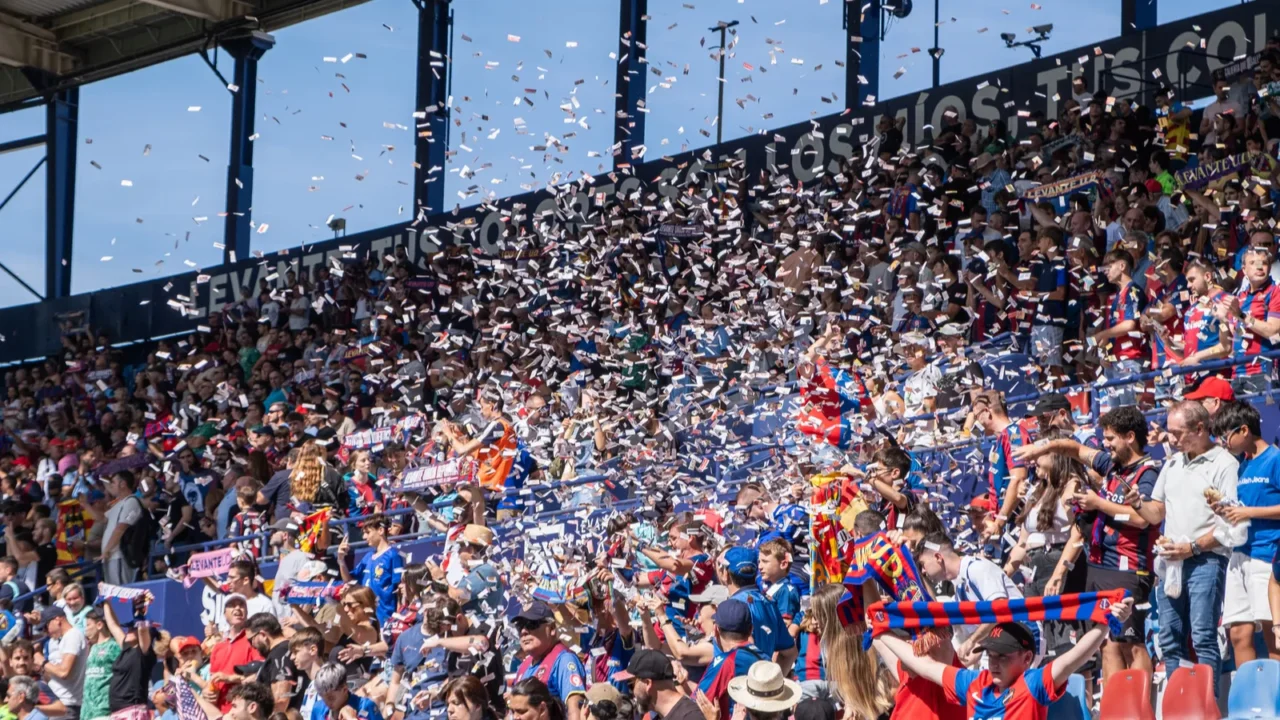
The final at MetLife stadium
MetLife Stadium in East Rutherford, New Jersey, located approximately 10 miles west of Manhattan, was selected in February 2024 as the host venue for the 2026 World Cup final, scheduled for July 19, 2026. During the tournament, it will be officially renamed the New York-New Jersey Stadium to comply with FIFA’s policy prohibiting corporate-sponsored venue names.
The stadium will host eight total matches, opening with Brazil versus Morocco on June 13. Officials project the tournament will generate over $2 billion in economic impact for the New York and New Jersey region alone, supporting more than 14,000 jobs and bringing over one million visitors to the area.
Playing in a furnace
Research from Queen’s University Belfast, published in January 2025, analyzed 20 years of meteorological data across all 16 World Cup host stadiums. The findings revealed that 14 of the 16 venues could exceed dangerous wet bulb globe temperature thresholds during the June and July window, with Miami, Kansas City, Boston, and New York identified as the highest risk. FIFA later confirmed that daytime matches in 2026 would prioritize covered, air-conditioned venues in Dallas, Houston, Atlanta, and Vancouver.
FACT: A 2025 peer-reviewed study found that 14 of the 16 host locations could exceed the 28°C wet bulb globe temperature threshold at least some of the time during June and July afternoons, strengthening calls for FIFA to avoid the hottest kickoff windows.

The travel ban problem
On June 4, 2025, President Donald Trump issued a proclamation restricting entry to nationals from 19 countries, predominantly from the Middle East and Africa. By December 16, 2025, the administration expanded that list to 39 nations. While athletes and coaches are exempt, fans from those countries will largely be unable to attend matches on United States soil.
Haiti, Iran, Senegal, and Cote d’Ivoire all qualified for the 2026 World Cup, and all appear on the restricted nations list. Haiti qualified for the tournament for the first time in over 50 years, yet the vast majority of fans from the island cannot legally travel to the United States to watch their team play.

ICE at the turnstile
During the 2025 Club World Cup, U.S. Customs and Border Protection published a social media post announcing that agents would be suited and booted and present at tournament venues. The post was later deleted, but the damage to fan confidence was already done. A Telemundo countdown boat party was separately interrupted by U.S. Coast Guard and Border Protection officers. Human Rights Watch noted that without direct pressure on FIFA, the 2026 World Cup risks being marked by scenes of fans caught in immigration enforcement operations.
Fact: Human Rights Watch reported that an asylum seeker who took his children to the July 13, 2025 Club World Cup final was detained near MetLife Stadium after a drone-related incident and later returned to his country of origin, a case the group says shows how immigration enforcement could affect noncitizens at FIFA events.

When Iran said no
Iran, one of Asia’s stronger qualifying nations and a seven-time World Cup participant, was scheduled to play New Zealand and Belgium in Los Angeles and Egypt in Seattle. Los Angeles is home to one of the largest Iranian diaspora communities in the world, making those fixtures particularly meaningful for local fans.
Amid escalating tensions in early 2026, including sanctions and sharp diplomatic rhetoric, Iran’s Sports Minister expressed serious safety concerns for the national team, stating that our children are not safe. Iran Football Federation president Mehdi Taj acknowledged the deep uncertainty on state television, introducing a level of geopolitical strain unprecedented in recent World Cup history.
Copa America was a warning
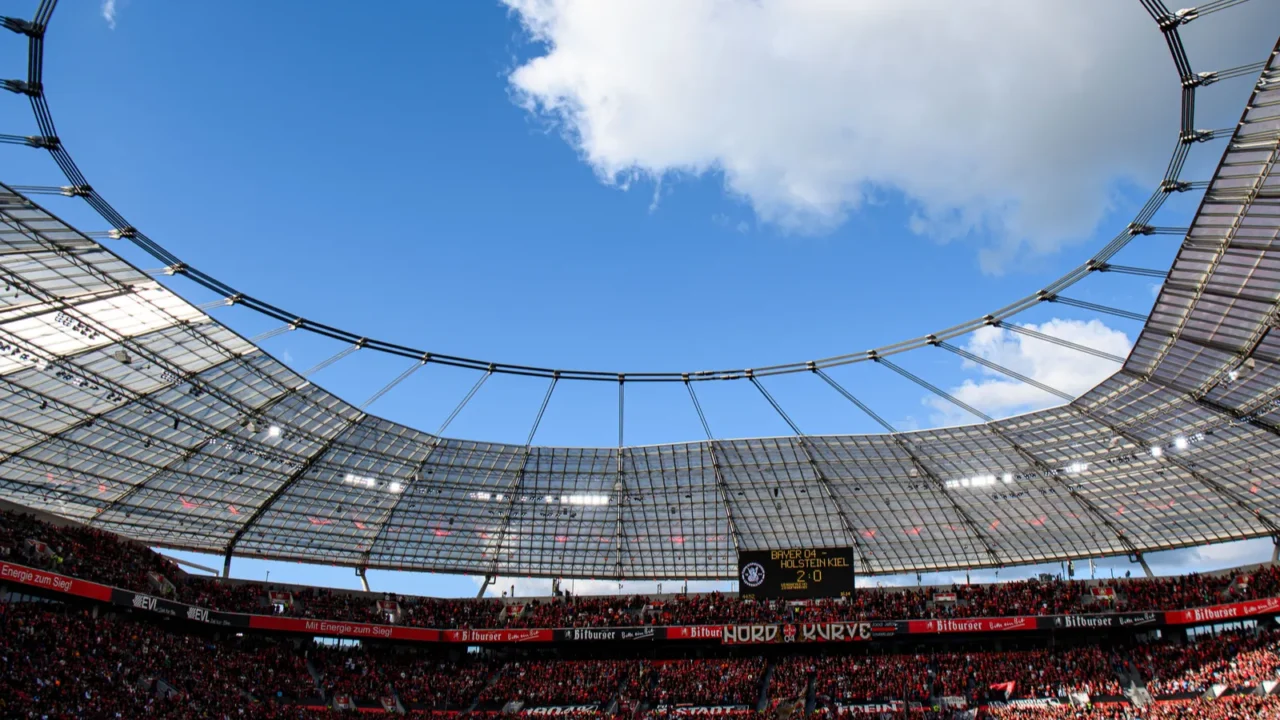
The 2024 Copa America final in Miami provided a stark preview of what can go wrong when a major soccer tournament lands on American soil without adequate crowd management. Overheated and ticketless fans forced their way through barriers at Hard Rock Stadium, with some paying customers never reaching their seats because those spaces had already been occupied.
That incident became a frequently cited reference point for critics questioning whether the United States is operationally prepared for a 48-team World Cup. Security coordination across multiple law enforcement agencies and border authorities across three countries adds an additional and significant layer of logistical difficulty that organizers have yet to fully address.
Grass in an NFL house
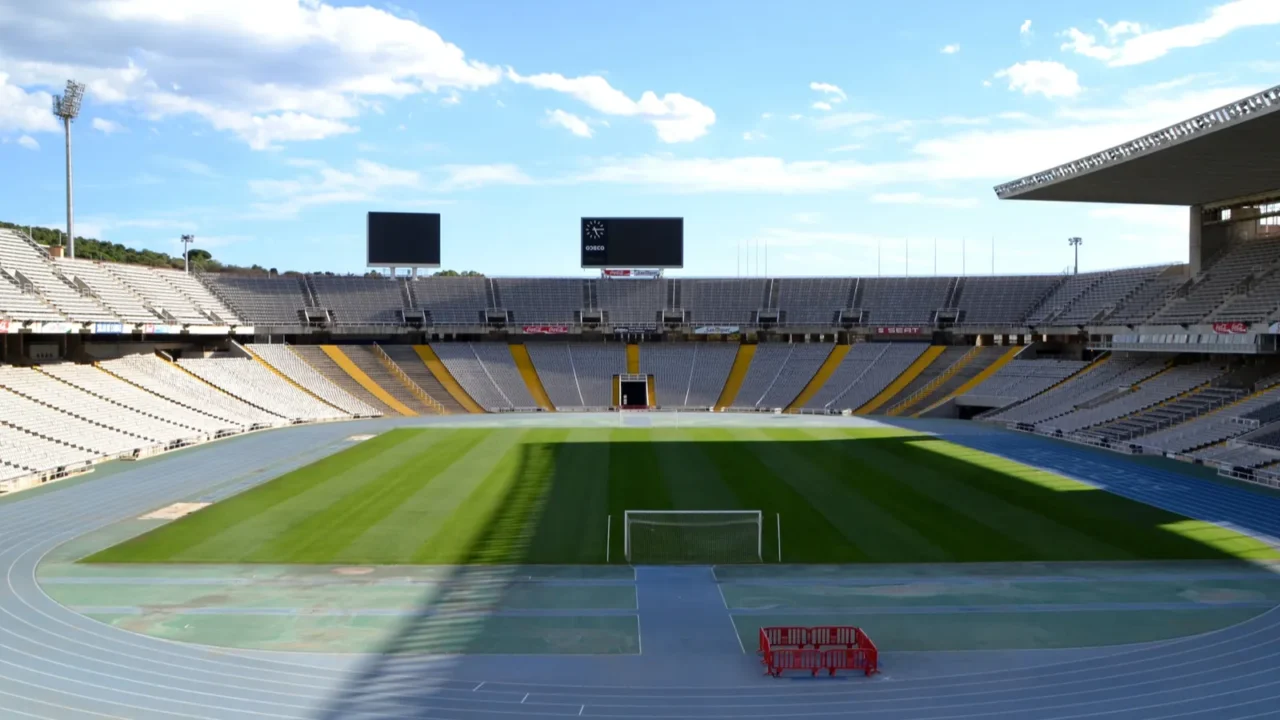
FIFA mandates that all World Cup matches be played on natural grass, creating a significant challenge for NFL stadiums built around artificial turf. MetLife Stadium underwent an extensive two-phase renovation beginning in January 2024 to widen its field and install a natural grass surface suitable for World Cup play, replacing its standard synthetic NFL surface.
Complaints about temporary grass overlays surfaced during the 2025 Club World Cup, with players and coaches noting that surface quality did not consistently meet the standard of permanent natural grass venues. The uneven conditions drew comparisons to earlier controversies over artificial surfaces used in women’s international tournaments across North America.

Schedule built for TV, not players
Because soccer’s biggest audiences are in Europe, FIFA scheduled a number of 2026 World Cup matches during American afternoon hours, allowing European fans to watch in prime evening hours. At several Club World Cup venues in 2025, players competed in temperatures exceeding 90°F during these afternoon kickoffs, a direct result of scheduling decisions driven by television rights.
Real Madrid goalkeeper Thibaut Courtois told reporters the heat made conditions anything but easy after a 4:00 p.m. quarterfinal in New Jersey. Juventus coach Igor Tudor said multiple players requested a substitution during a Miami match, describing the heat and humidity as physically debilitating in ways they had not encountered at other major tournaments.
Soccer America can’t ignore
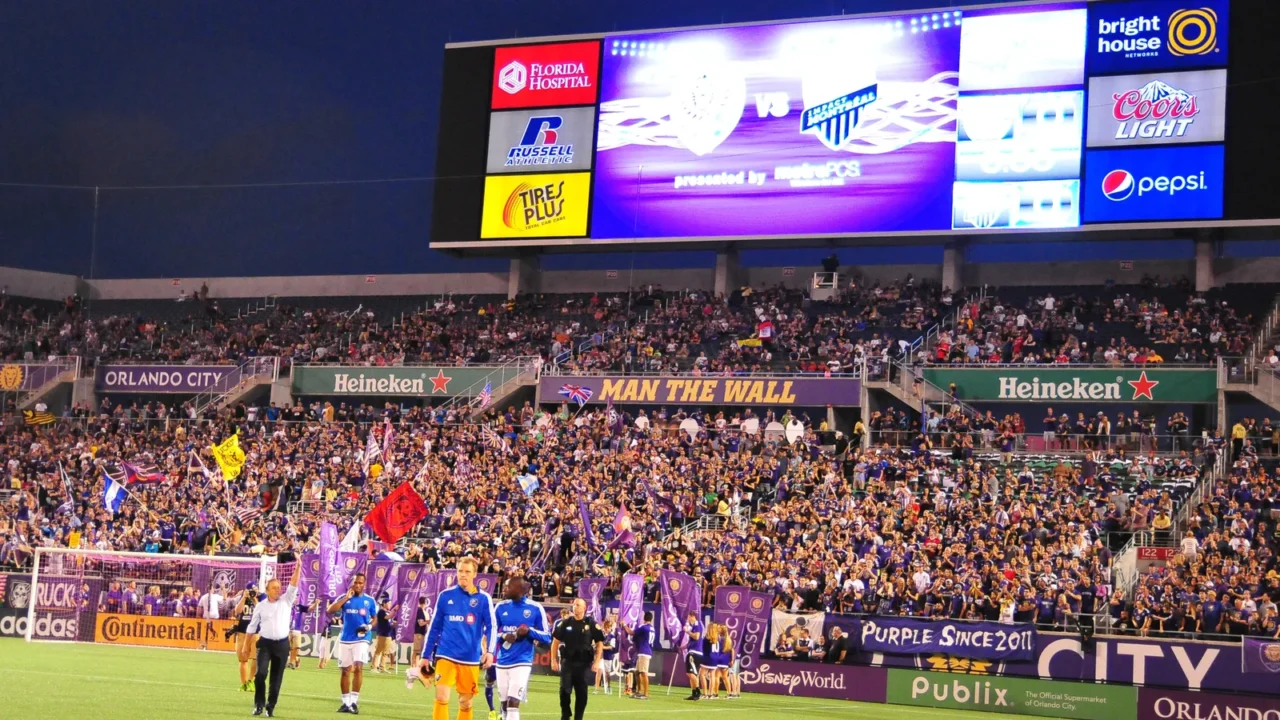
A 2025 report confirmed that soccer overtook baseball as America’s third-favorite sport, trailing only American football and basketball. Twenty years ago, that outcome would have seemed implausible. The growth reflects the sport’s international appeal, the influence of immigrant communities, and the rising profile of Major League Soccer and the United States men’s national team.
Yet the U.S. men’s team has struggled to generate strong ticket demand domestically. During the 2025 Gold Cup, the squad’s lack of marquee star power meant venues fell short of capacity despite playing on home soil. That gap matters because sports fans are now 41% more likely than the average traveler to build entire trips around live events, and the 2026 sports travel boom is already reshaping how Americans plan vacations around stadiums. Officials acknowledge that international excitement, not domestic enthusiasm, drives the real attendance numbers.

A World Cup worth saving
The 2026 FIFA World Cup remains the largest sporting event ever staged, with 104 matches across 48 nations and 16 host cities in the United States, Canada, and Mexico. FIFA projects revenues surpassing $11 billion, with the U.S. economy alone expected to see over $30 billion in impact and five to six million in-person attendees across the tournament.
Ticket prices shutting out loyal fans, immigration policies barring supporters from 39 nations, summer heat threatening athlete safety, and unresolved security concerns are not small footnotes. They are the story. Travel patterns are already shifting in response, with fans rerouting plans toward Canada and Mexico, where hotel occupancy and visa access are far less complicated. Whether FIFA addresses these challenges before June 11 will define whether 2026 is remembered as the greatest World Cup ever held or the sport’s most avoidable cautionary tale.
One of the world’s biggest sporting events is just weeks away, yet many fans are quietly reconsidering whether the trip will be worth it. What does that tell you about where the beautiful game is headed?
This slideshow was made with AI assistance and human editing.
Don’t forget to follow us for more exclusive content right here on MSN.
Disclaimer: The images used are for illustrative purposes only and do not depict the actual locations mentioned.
Read More From This Brand:
