
The CES travel trend hiding in plain sight
Most CES travel headlines focus on robots, flying taxis, or flashy gadgets. But the most useful shift for travelers in 2026 is quieter and far more practical. It’s called edge AI, and it changes how travel tech works when the internet doesn’t.
Instead of relying on cloud servers, edge AI lets devices process intelligence directly on the device. That means faster responses, fewer data issues, and tools that keep working even when Wi-Fi disappears. For travelers, that reliability matters more than hype.

What edge AI actually means for travelers
Edge AI simply means artificial intelligence runs locally on your device. Your phone, camera, earbuds, or car processes information without sending it to distant servers. That keeps things working even with weak or zero connectivity.
For travelers, this solves a real problem. Airports, rural roads, underground metros, and foreign cities often have unreliable networks. Edge AI removes that dependency, making tools faster, more private, and far more dependable when you need them most.

Why offline AI matters more than ever
Travel rarely happens in perfect conditions. Data plans fail, roaming is expensive, and public Wi-Fi can be slow or unsafe. Edge AI fills those gaps by keeping core features functional no matter where you are.
Offline translation, navigation assistance, and photo processing can now run instantly on-device. That means no spinning wheels, no dropped connections, and no waiting. In 2026, reliability is becoming the real luxury feature in travel tech.

CES 2026 confirms the shift is real
At CES 2026, AI isn’t just about bigger data centers anymore. The focus has moved toward local intelligence powered by new chips and software built for on-device use.
The show runs January 6–9 in Las Vegas, with Media Days starting January 4. AI-heavy announcements dominate the schedule, signaling that edge computing is no longer experimental. It’s becoming the foundation for everyday devices that travelers already carry.

Nvidia’s keynote signals where AI is headed
When Jensen Huang takes the CES stage, attention follows. Nvidia’s focus is no longer just cloud GPUs. It’s about pushing AI performance into laptops, vehicles, and personal devices.
That shift matters for travel because it enables intelligence to run anywhere. From real-time image processing to autonomous navigation systems, Nvidia-backed hardware is helping AI move closer to the user. Less cloud reliance means more consistency on the road.

Translation finally works without Wi-Fi
Translation tech is one of the clearest travel wins from edge AI. Devices like Timekettle are marketing translators that work fully offline with near-instant response times.
This changes how travelers communicate in taxis, museums, markets, and remote towns. Instead of searching for a signal, translation happens instantly on-device. For first-time international travelers, this removes one of the biggest stress points of being abroad.

Offline transcription helps in noisy places
Crowded stations, trade shows, and tours are difficult environments for cloud-based tools. Edge AI solves this by processing audio locally, even in loud settings. Devices like iFLYTEK showcase offline transcription and translation built for real-world use.
For travelers, this helps with guided tours, conferences, and group travel. Notes, conversations, and instructions can be captured without relying on spotty connections. It’s a quiet upgrade that makes busy travel days easier to manage.

Travel photos get smarter on the device
Edge AI is also changing travel photography. Phones and cameras can now analyze scenes, improve lighting, reduce noise, and upscale images instantly. All of this happens without uploading photos to the cloud.
That matters when travelers are shooting in remote areas or on long trips. Photos are processed immediately, battery usage is more efficient, and privacy stays intact. The result is better memories captured without waiting for connectivity to catch up.
Vehicles benefit when AI stays local
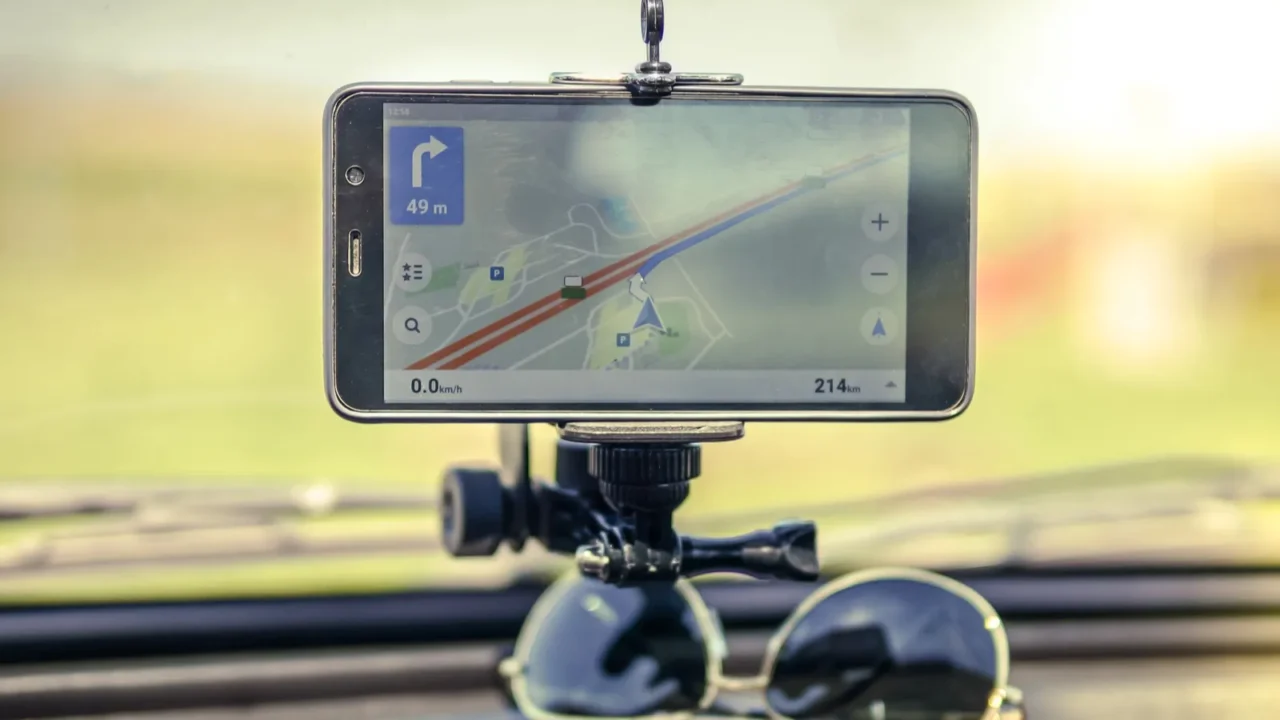
Navigation and mobility systems depend on quick decisions. Edge AI allows vehicles to process sensor data locally instead of waiting for cloud instructions. This is especially important in rural areas, tunnels, and crowded cities.
At CES, automotive suppliers like Aptiv highlight how local AI improves safety and reliability. For travelers using rental cars or ride services, this means smoother routing and better response times in unfamiliar places.

Personal assistants that don’t disappear
Cloud-based assistants often stop working when connectivity drops. Edge AI changes that by keeping key features available offline. Weather checks, reminders, translations, and local context can still function.
For travelers, this creates a more dependable companion. Whether you’re on a long flight or exploring a remote town, your device remains useful. Always-on assistance becomes less about novelty and more about trust.

Privacy becomes a travel advantage
Travel involves sensitive information like passports, bookings, and conversations. Edge AI keeps more of that data on the device instead of sending it to external servers.
This reduces exposure and increases confidence for international travelers. It’s especially appealing for business travelers and families. Faster processing and better privacy combine to make edge AI a practical upgrade rather than a flashy feature.

The Las Vegas stress test
CES turns Las Vegas into a real-world lab for edge AI. With more than 140,000 attendees, packed hotels, and busy roads, systems are pushed to their limits. Local processing helps manage crowds, traffic, and logistics.
The Las Vegas Convention Center’s upgrades reflect this shift. Edge AI tools are tested in navigation, safety, and venue management. For travelers, CES proves these systems work under pressure, not just in demos.
While in Las Vegas, here’s your guide to exploring the best attractions without breaking the budget.

Why travelers will notice it first
Travel exposes every weakness in technology. Bad signals, drained batteries, and unreliable tools stand out immediately. That’s why edge AI improvements feel more dramatic on the road than at home.
When translation works instantly, or navigation doesn’t fail, travelers notice. These small wins add up to smoother trips. Edge AI isn’t flashy, but it solves problems travelers deal with every day.
Talking about travel, Las Vegas has been seeing a dip in visitors. What’s driving the slowdown, and can new technology help turn things around?
Would you choose offline AI over cloud features while traveling? Share your take in the comments.
This slideshow was made with AI assistance and human editing.
Don’t forget to follow us for more exclusive content right here on MSN.
Read More From This Brand:
