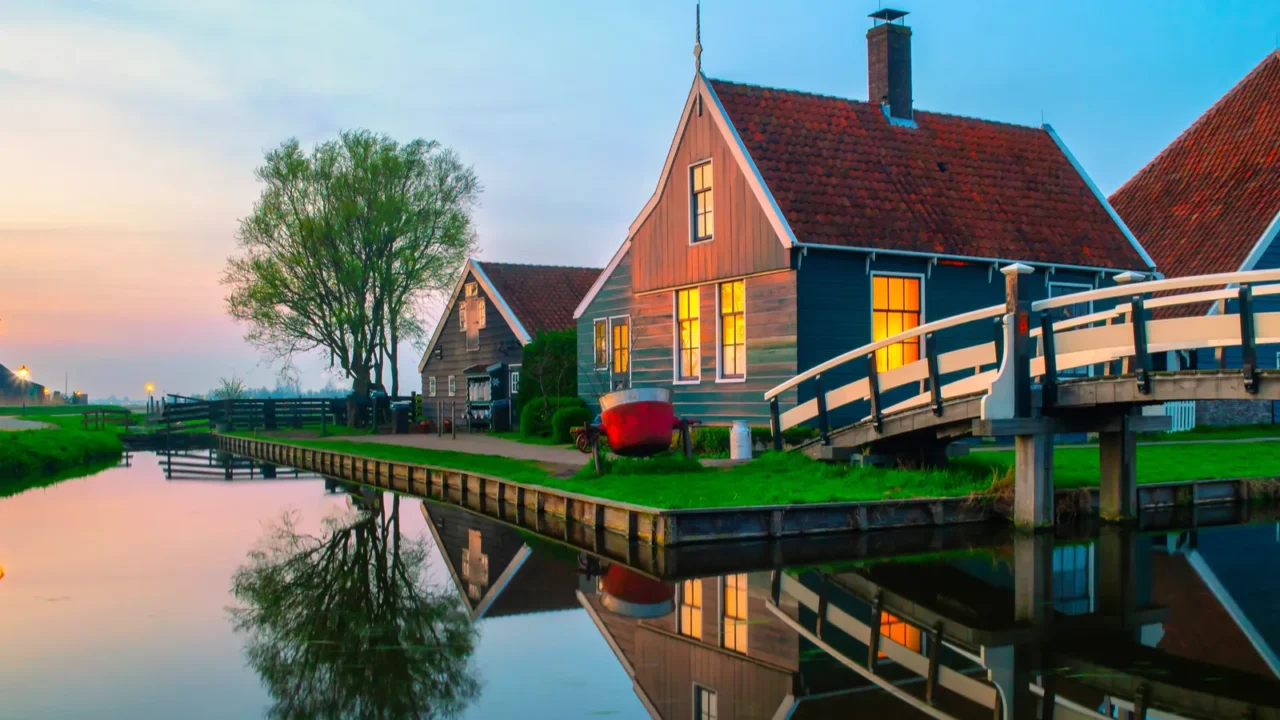
A postcard village facing a big change
For decades, visitors have walked freely through Zaanse Schans, snapping photos of windmills and wooden houses. It feels like stepping into a living postcard just outside Amsterdam. The site is often included in half-day Amsterdam itineraries because of its accessibility.
Starting in spring 2026, that experience will change for many visitors. Local officials say crowds have reached a breaking point. New rules aim to protect the village while keeping it open. The policy follows years of debate over overtourism in small Dutch communities.
Why Zaanse Schans is overwhelmed
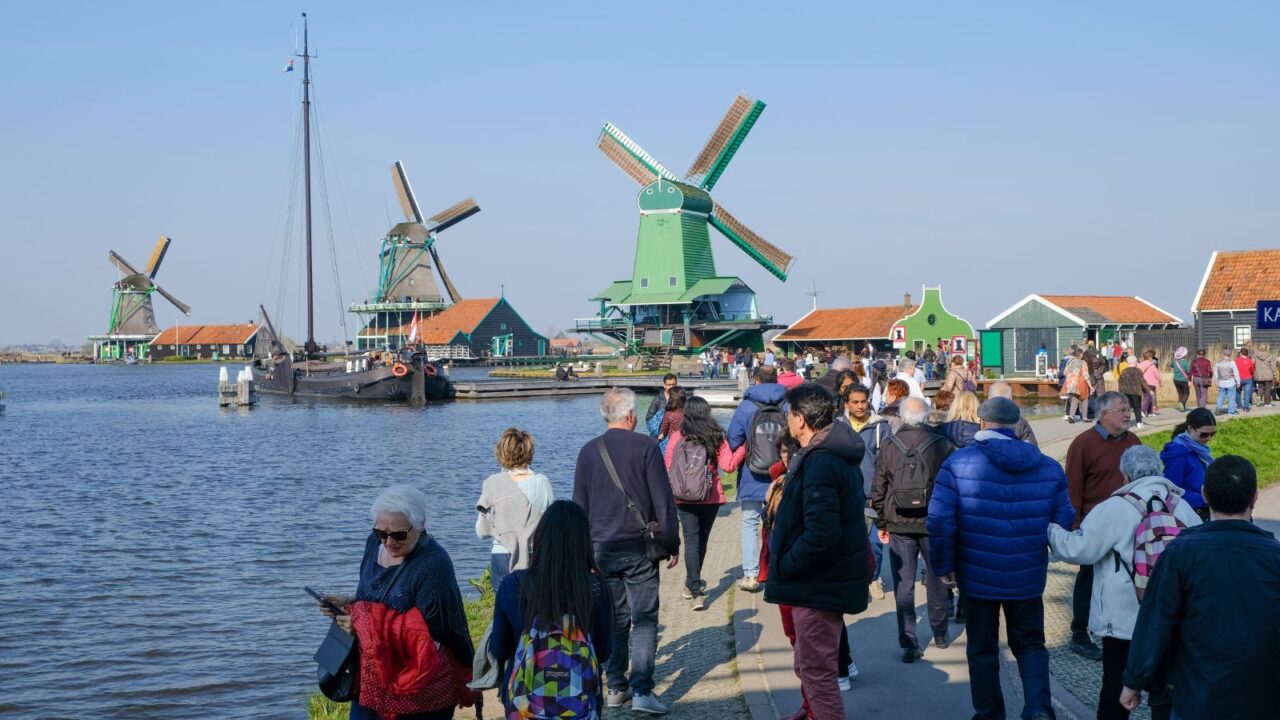
Zaanse Schans expects around 2.8 million visitors this year. That is a massive number for a village with roughly 100 residents. The visitor-to-resident ratio is among the highest in Europe.
Officials say the area simply cannot handle that volume anymore. Narrow paths, homes, and working spaces are under constant pressure. The village was never designed for mass tourism. Many buildings date back centuries and require careful preservation.

What the new €17.50 fee means
From spring 2026, visitors from outside the area will pay about €17.50. The fee applies to key attractions, not the entire village. Local residents and nearby communities will be exempt.
Tickets will likely be dated and timed, similar to museum systems across Europe. Officials hope this will spread visitors more evenly throughout the day. The approach mirrors crowd-control systems used in Venice and Florence.
What remains free to visitors
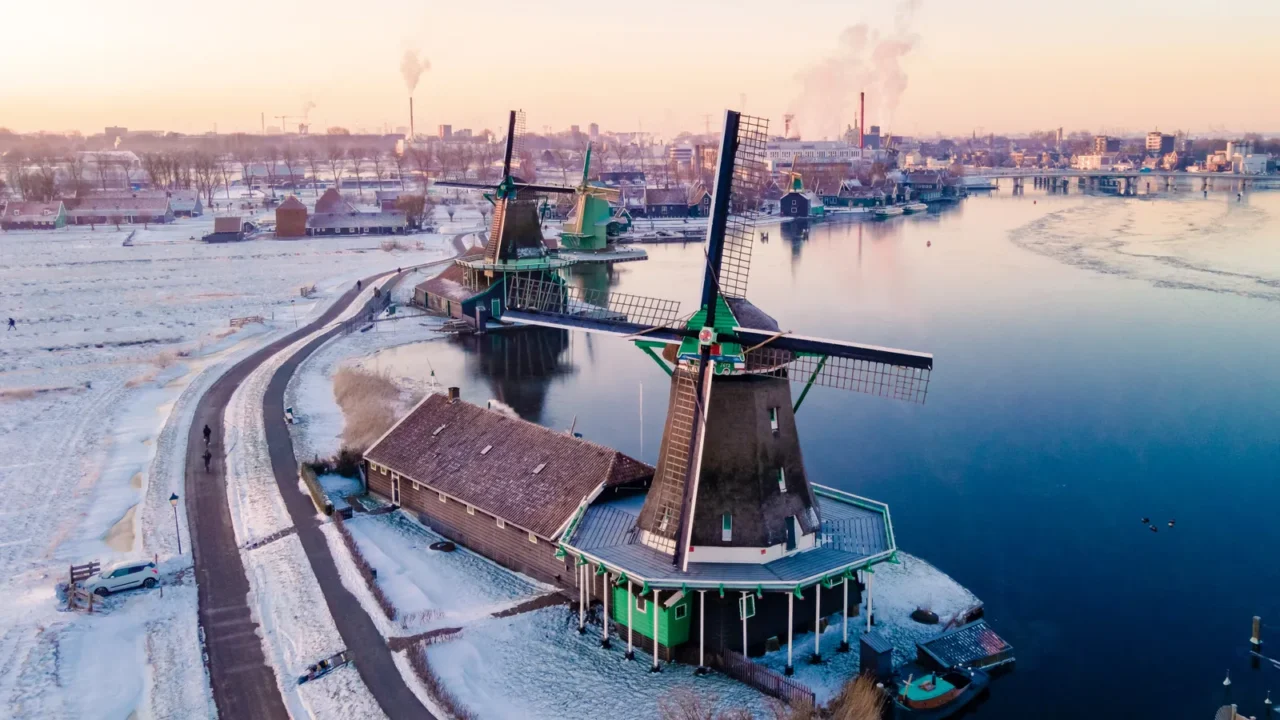
Walking through the open-air public village will still be free. Visitors can stroll paths, cross bridges, and enjoy views without paying. Photography from public paths will remain unrestricted.
This preserves the village’s identity as a real, lived-in place. The fee targets attractions that require staffing, maintenance, and crowd control. Officials stress that Zaanse Schans is not becoming a closed museum.
What the ticket includes
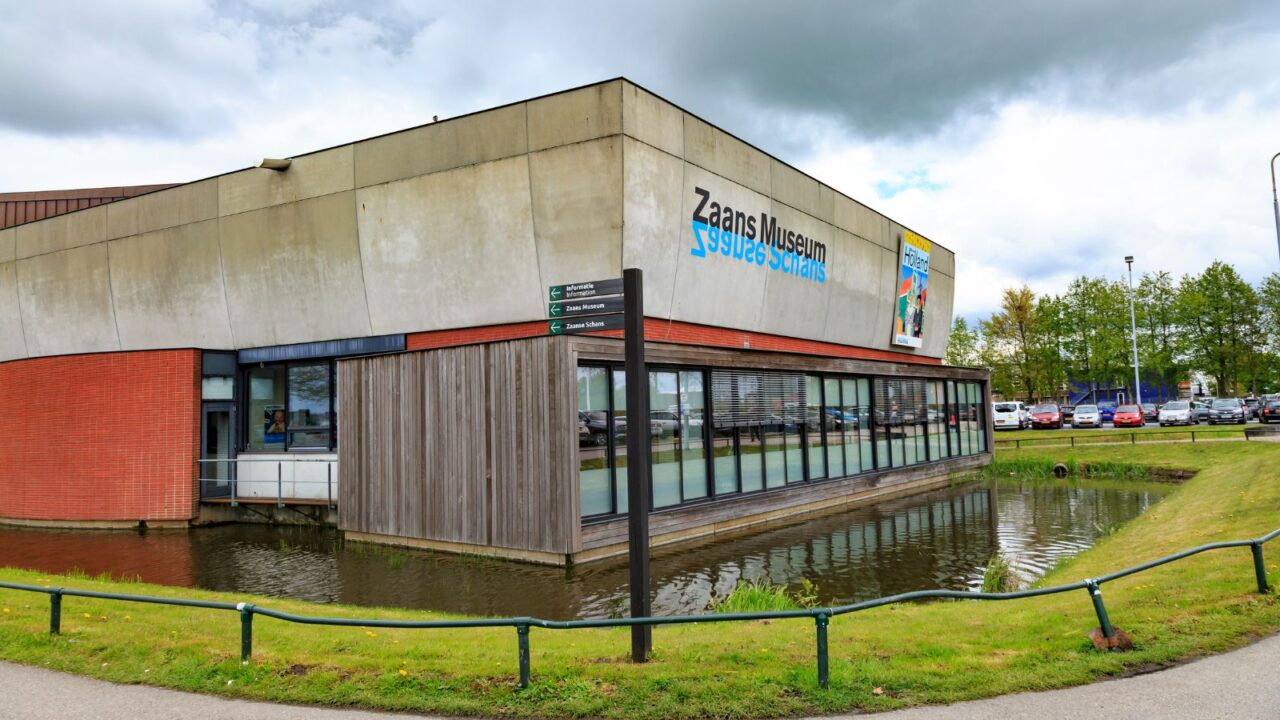
The €17.50 ticket covers entry to the Zaans Museum. It also includes access to several working windmills and workshops. These attractions currently require separate tickets.
Not every windmill will be included. Some will still require separate tickets or limited access depending on capacity and safety rules. Windmill interiors have strict visitor limits due to narrow stairways.

Why officials say action is needed
Village leaders say visitor behavior has crossed serious lines. Residents report tourists entering homes and private gardens. Complaints have increased steadily over the past five years.
Museum director Marieke Verweij says privacy has disappeared. She notes visitor numbers rose from 1.7 million in 2017 to nearly 2.8 million today. Infrastructure has not expanded at the same pace.
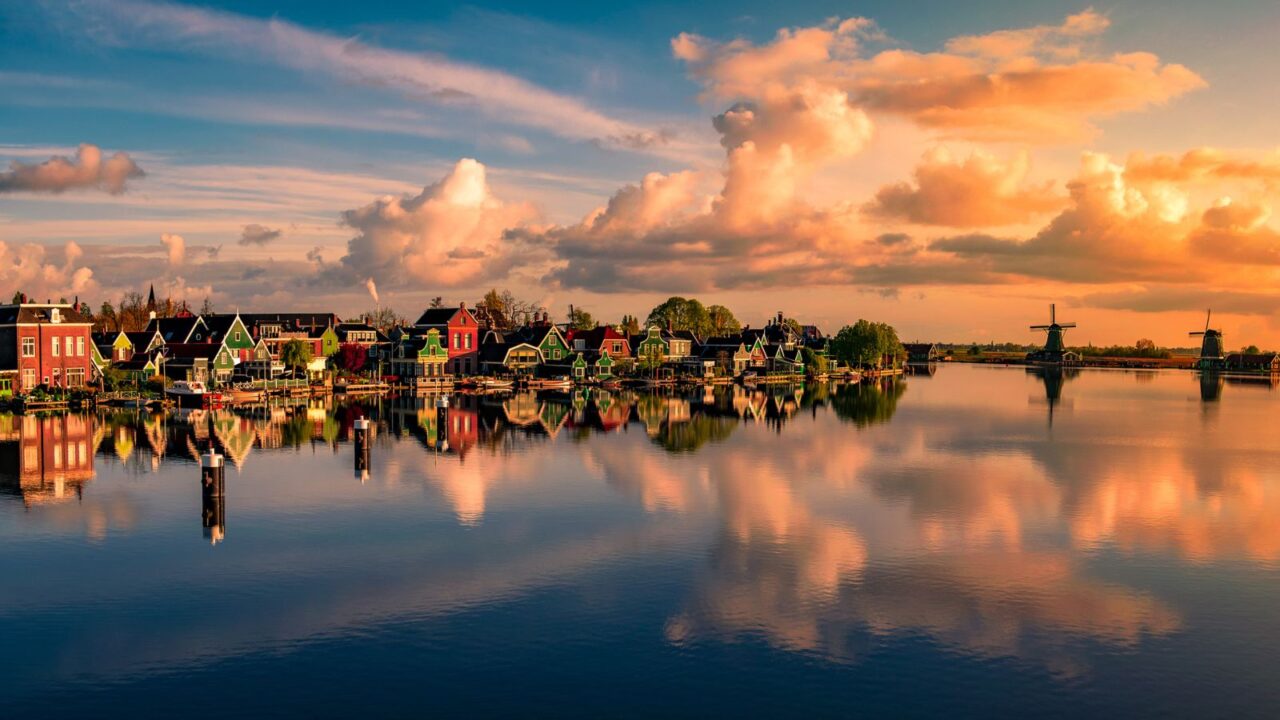
A rare move for a living village
Charging entry to a real community is extremely rare in Europe. Zaanse Schans joins a short list of similar places worldwide. Most European villages rely on voluntary visitor guidelines instead.
Examples include Clovelly in England and Civita di Bagnoregio in Italy. These measures are usually taken only as a last resort. In each case, overcrowding threatened daily life for residents.
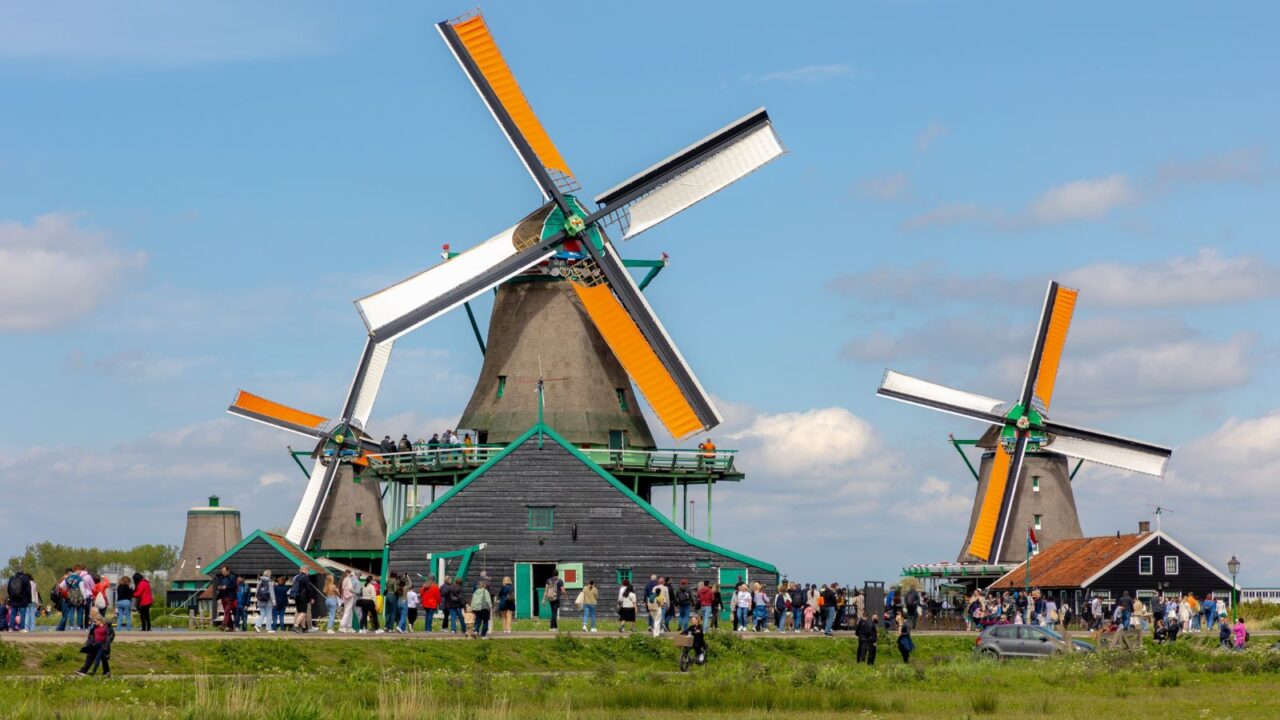
Why some tourists support the change
Some visitors say fewer crowds would improve the experience. Paying for access may reduce congestion and long lines. Many travelers already expect timed entry at major attractions.
Others like that museum and windmill entry will be bundled. For many, that feels clearer and more complete than paying separately. Bundled access may also shorten decision-making on arrival.
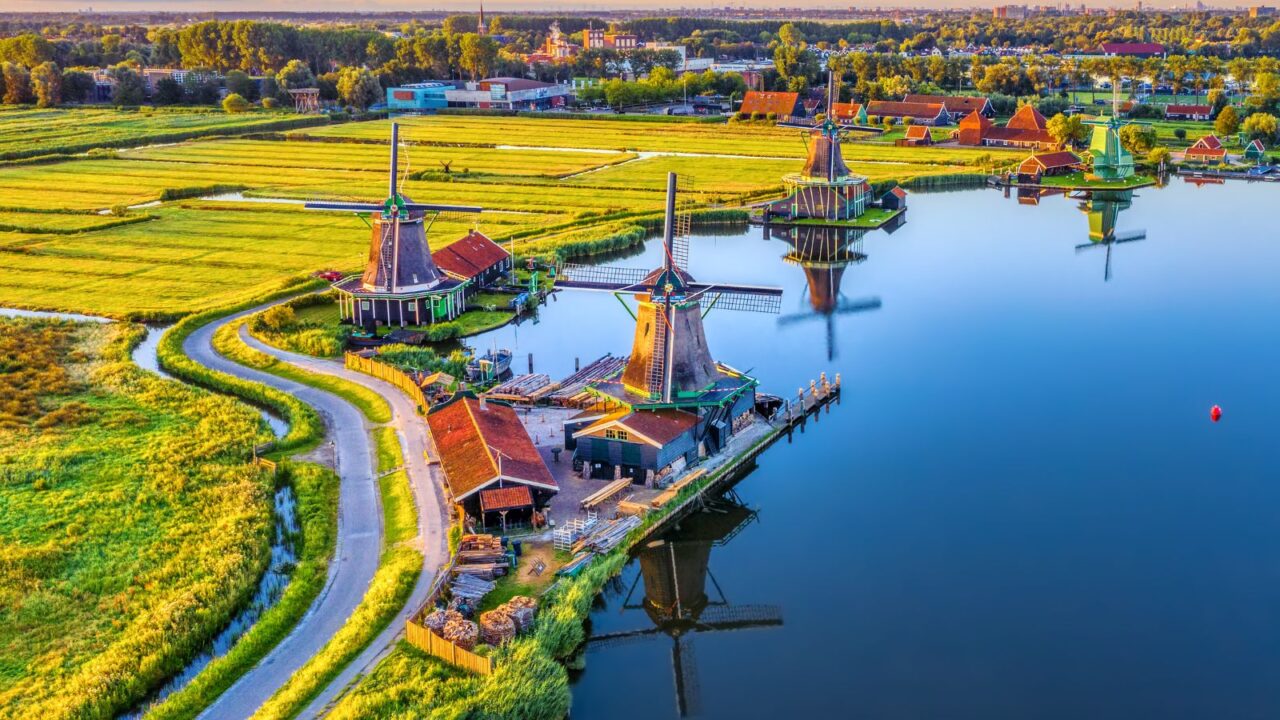
Why local shops are worried
Shop and restaurant owners fear fewer visitors overall. A family of four could spend nearly €100 before buying food or souvenirs. That cost includes tickets, parking, and transport.
Some retailers worry budget travelers will skip the village entirely. They depend heavily on impulse foot traffic from tour groups. Many shops operate seasonally with slim margins.
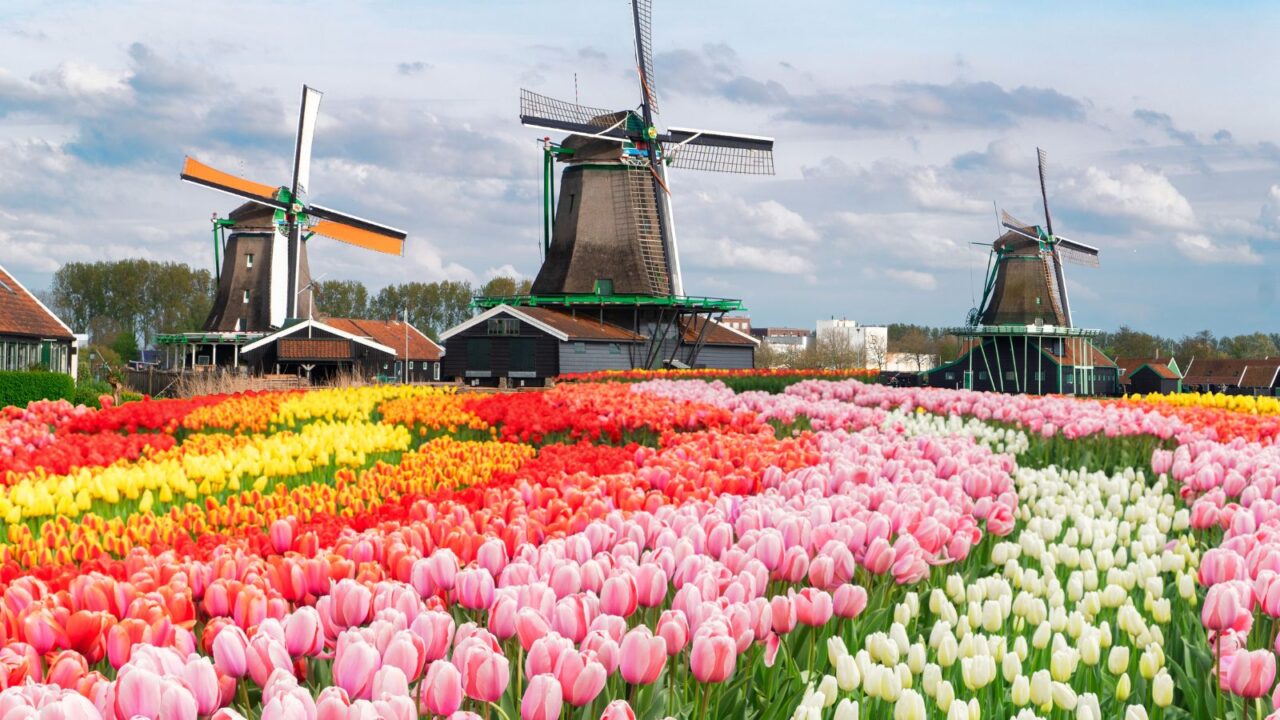
How the money will be used
Officials estimate annual revenue could reach €24.5 million. That money will not go to profit. Funds will be managed by local authorities and heritage groups.
Funds are earmarked for windmill maintenance, infrastructure, and public facilities. New restrooms and crowd management systems are planned. Maintenance costs for historic windmills are particularly high.
When to visit to avoid crowds
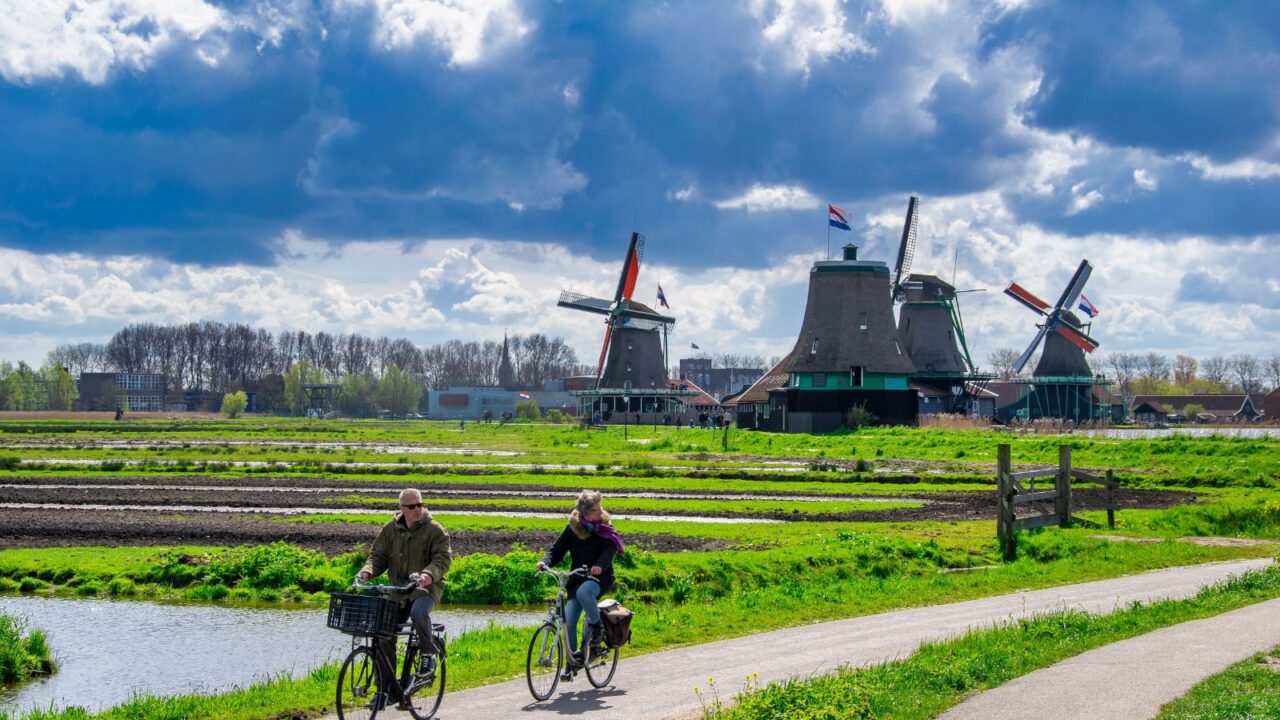
Early mornings between 7 and 8 am are the quietest. Evenings also offer calmer paths and softer light. Many tour buses arrive after 9 am.
Midday sees the heaviest tour bus traffic. Timed tickets may help, but off-hours remain the best strategy. Summer months remain the busiest overall.
Officials strongly recommend buying tickets online in advance. Walk-up availability may be limited during peak seasons. Popular time slots may sell out days ahead.
How Zaanse Schans compares globally
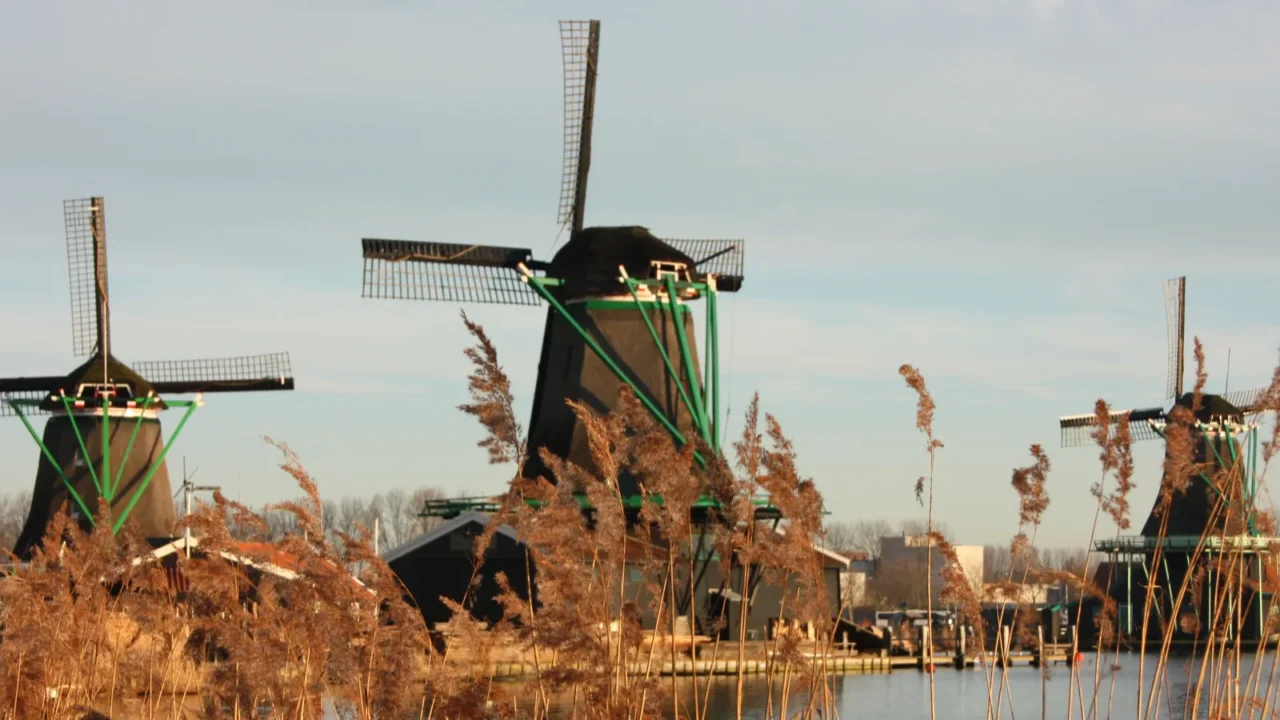
Professor Rachel Dodds compares it to Venice’s day-tripper fee. Bhutan and other destinations already charge for access. These policies aim to shift tourism from volume to value.
Zaanse Schans reflects a broader tourism shift. Popular places are prioritizing preservation over unlimited entry. The Netherlands has debated similar measures in Amsterdam’s city center.
Looking for a storybook escape? Explore adorable model villages that feel like tiny worlds.
A turning point for famous villages
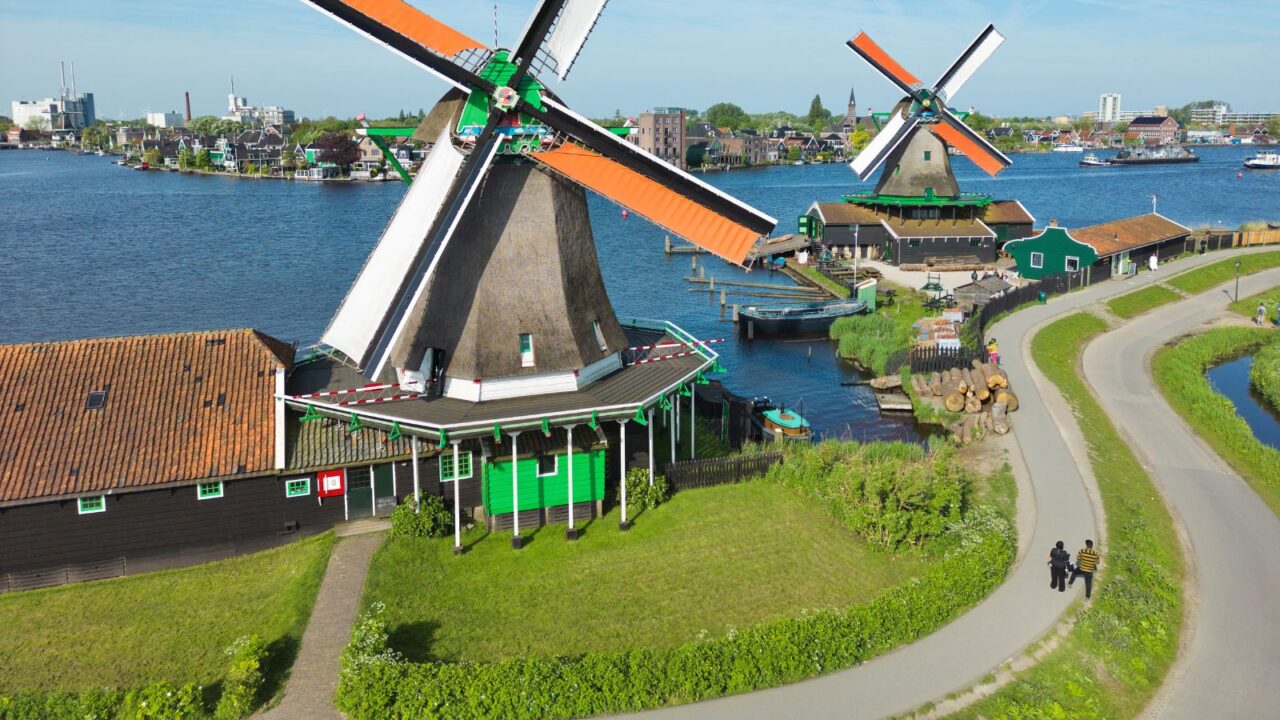
Despite changes, Zaanse Schans remains unique. Working windmills still demonstrate 17th-century Dutch industry. Some mills still grind pigments, oil, and wood.
The village also houses historic shops, bakeries, and artisan workshops. Its closeness to Amsterdam keeps it highly appealing. Travel time from Amsterdam Centraal is under 20 minutes by train.
The fee may reshape tourism across Europe’s small heritage sites. Other villages are closely watching the outcome.
In other news, Yosemite plans $100 fee for nonresidents to help fund park upkeep.
Would you pay to protect places like this? Share your thoughts and your view in the comments.
This slideshow was made with AI assistance and human editing.
Don’t forget to follow us for more exclusive content right here on MSN.
Read More From This Brand:
