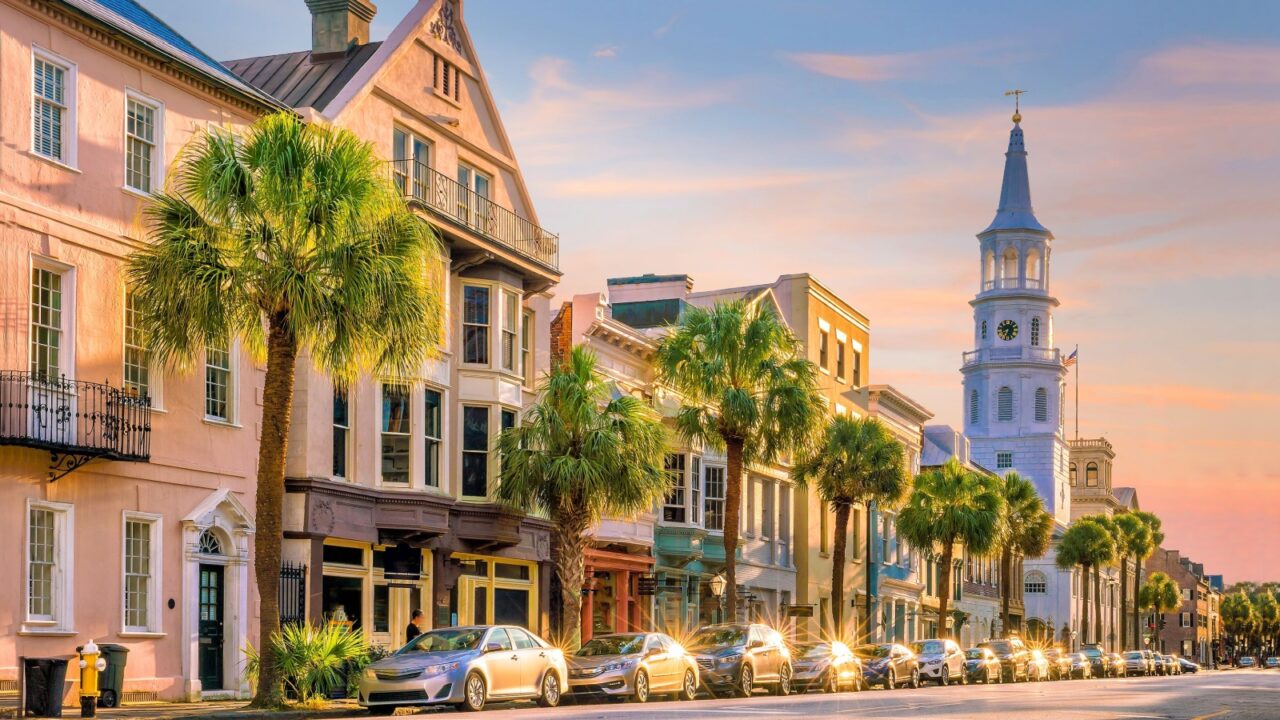
Charleston’s food heritage boom
Charleston’s historic districts are serving up more than scenic streets and pastel-colored homes. Heritage food tourism is on the rise, drawing holidaymakers to discover centuries-old recipes and culinary traditions. From Lowcountry classics to hidden family-owned eateries, the city’s flavor is a major attraction.
Visitors are exploring cobblestone streets with fork and knife in hand. Restaurants, markets, and historic taverns are making the past deliciously tangible. Let’s dive in!
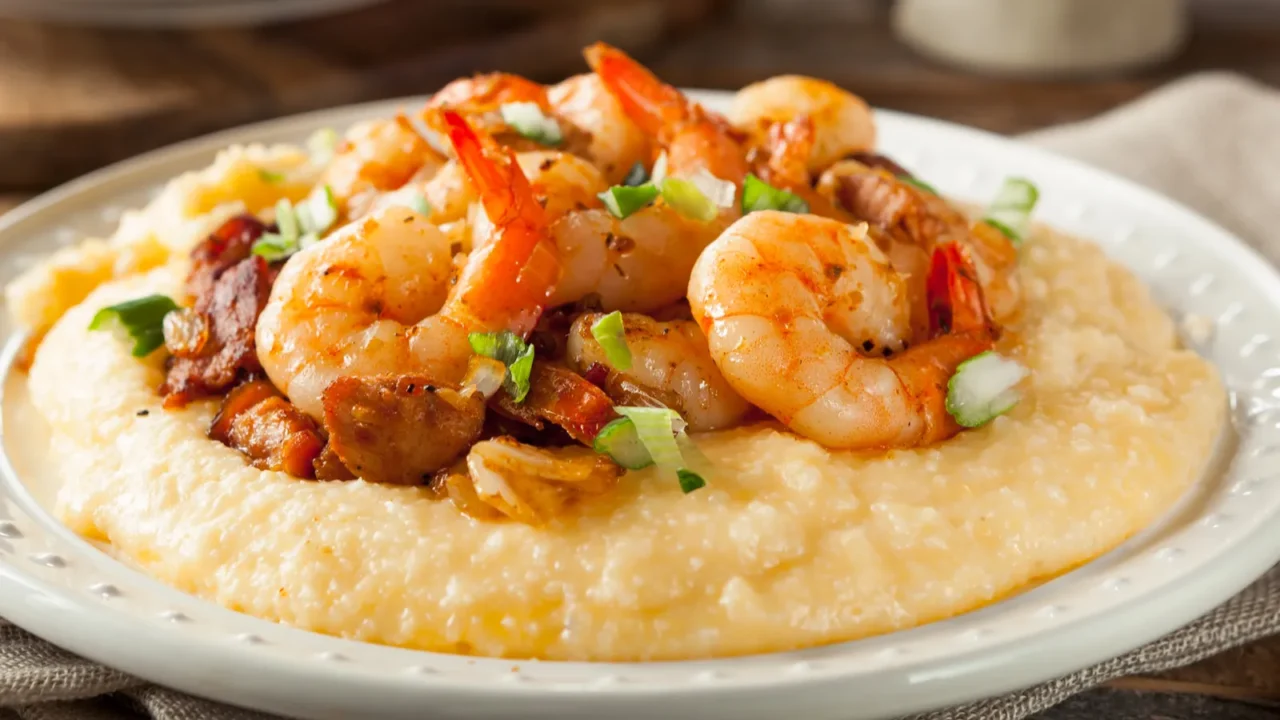
Lowcountry cuisine spotlight
Lowcountry cuisine defines Charleston’s culinary identity. Shrimp and grits, she-crab soup, and fried green tomatoes are just the beginning. Local chefs honor recipes passed down for generations while adding modern twists.
Historic districts like the French Quarter and South of Broad showcase these flavors beautifully. Food tours often combine cooking demonstrations with storytelling about the city’s past. Heritage and taste merge seamlessly here.
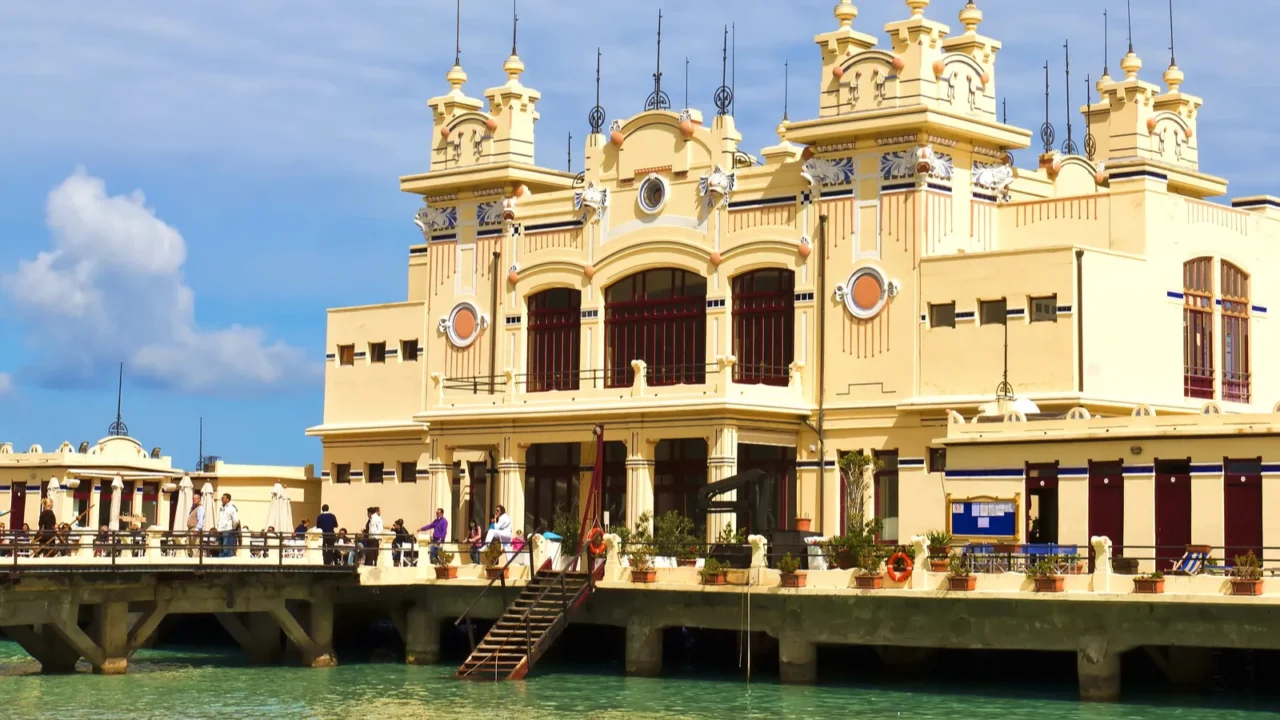
Iconic historic eateries
Places like Husk and Poogan’s Porch offer more than meals; they offer history. Husk celebrates Southern ingredients while highlighting old Charleston recipes. Poogan’s Porch serves traditional dishes in a 19th-century townhouse setting, keeping the city’s culinary story alive.
These eateries draw food lovers from across the country. Visitors can savor flavors while imagining Charleston’s historic streets as they were centuries ago. Dining becomes a journey through time.
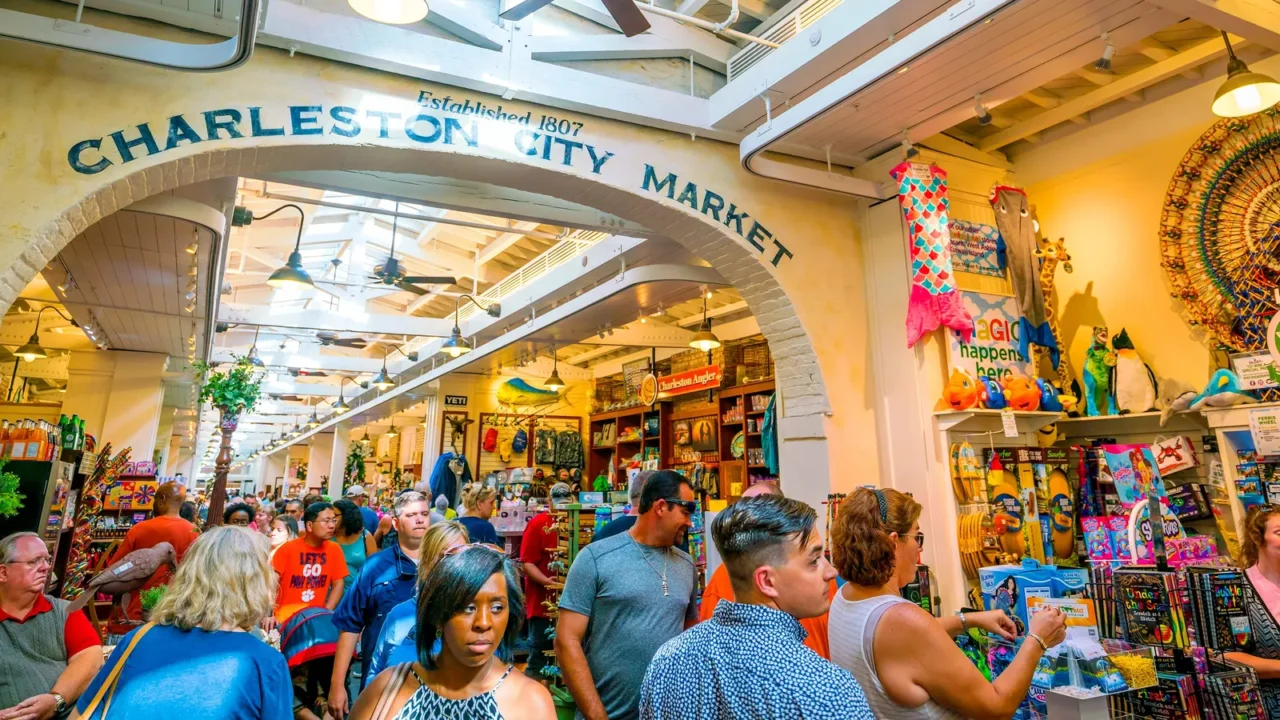
Markets and local flavor
The Charleston City Market is a hub for heritage food experiences. Visitors can sample pralines, benne wafers, and local jams while learning about the Gullah-Geechee culinary traditions. Market tours blend tasting with cultural insight.
Local farmers’ markets also highlight seasonal Lowcountry produce. Holidaymakers encounter fresh seafood, artisanal cheeses, and heirloom vegetables directly from producers. Food and history are intertwined in these lively spaces.

Culinary walking tours
Walking tours combine history, architecture, and flavors in the city’s historic districts. Guides explain how enslaved cooks and immigrant communities shaped Charleston’s cuisine. Visitors stop at bakeries, taverns, and hidden cafes along the route.
Tours often feature hands-on experiences, like tasting secret family recipes. Travelers learn why certain ingredients and techniques define Lowcountry cooking. Heritage becomes tangible with each bite.
Seafood traditions preserved
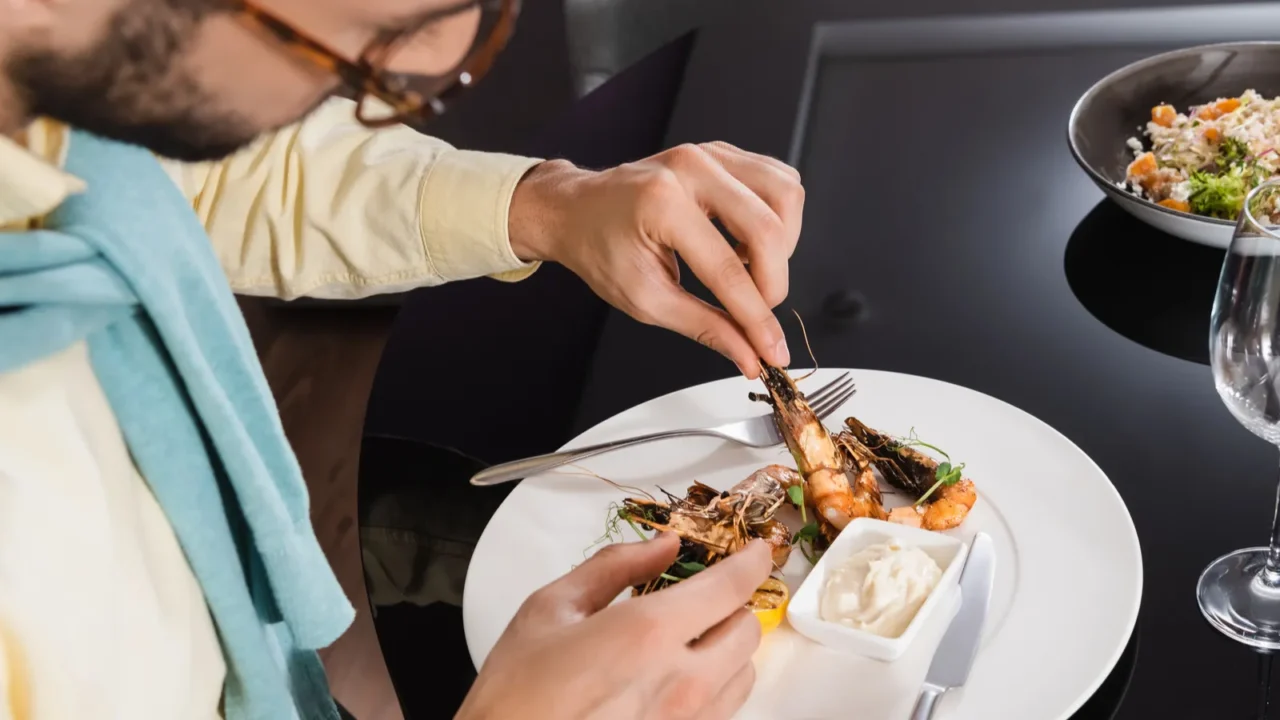
Charleston’s proximity to rivers and the Atlantic Ocean shapes its seafood culture. Oysters, crabs, and shrimp appear on menus across historic districts. Traditional preparations honor generations of local culinary knowledge.
Old wharfs and seafood shacks maintain authenticity despite growing tourism. Visitors enjoy fresh catches paired with storytelling about Charleston’s maritime history. Flavor and history go hand in hand.
Sweet treats and confections
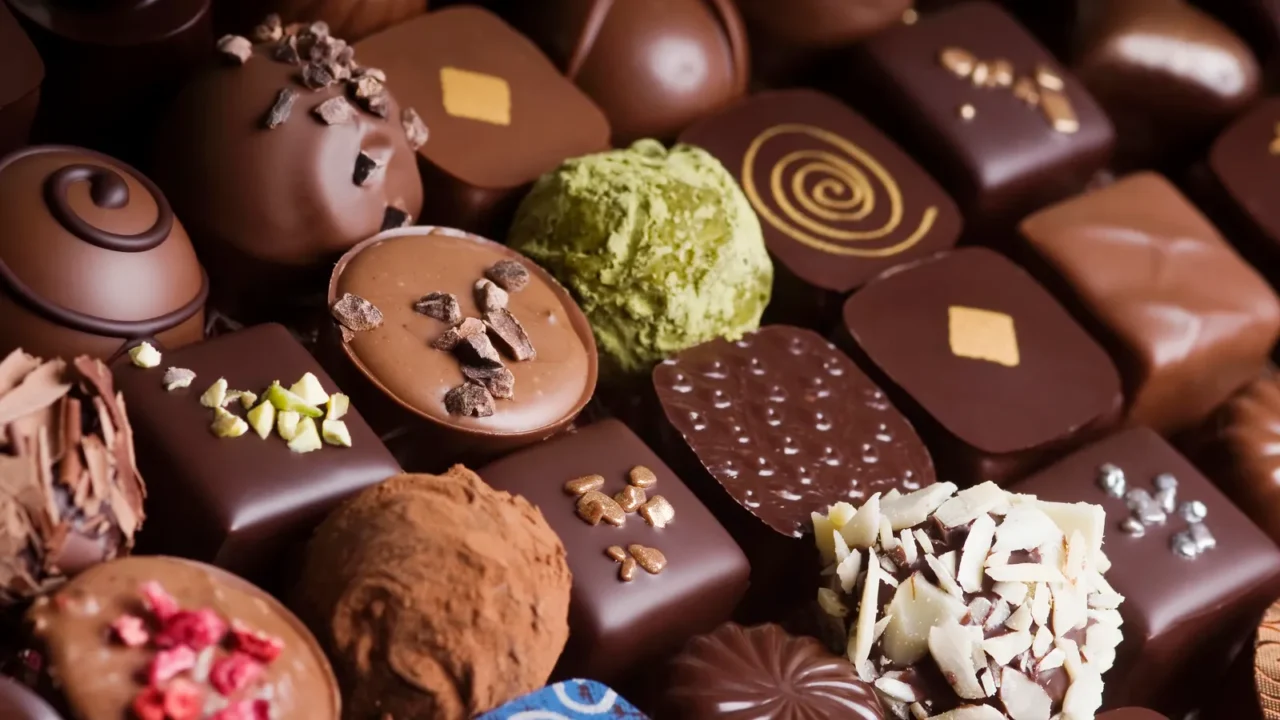
Desserts are central to Charleston’s heritage food scene. Classic pralines and benne seed candies trace back to Gullah and French culinary influence. Local confectioners continue these traditions while innovating flavors for modern palates.
Places like Sugar Bakeshop and Saffron Bakery attract visitors for both taste and history. Sampling sweets becomes a way to explore Charleston’s cultural layers. Holidaymakers savor history one bite at a time.

Historic taverns and pubs
Historic taverns like The Olde Charleston Coffee House and The Gin Joint connect food, drink, and story. Patrons enjoy cocktails alongside narratives of colonial Charleston and early American life. These spots offer a sense of place beyond the menu.
Visitors feel transported to centuries past while tasting locally inspired dishes. Each sip and bite becomes a mini history lesson. Heritage tourism thrives in these atmospheric locales.
Gullah-Geechee influence
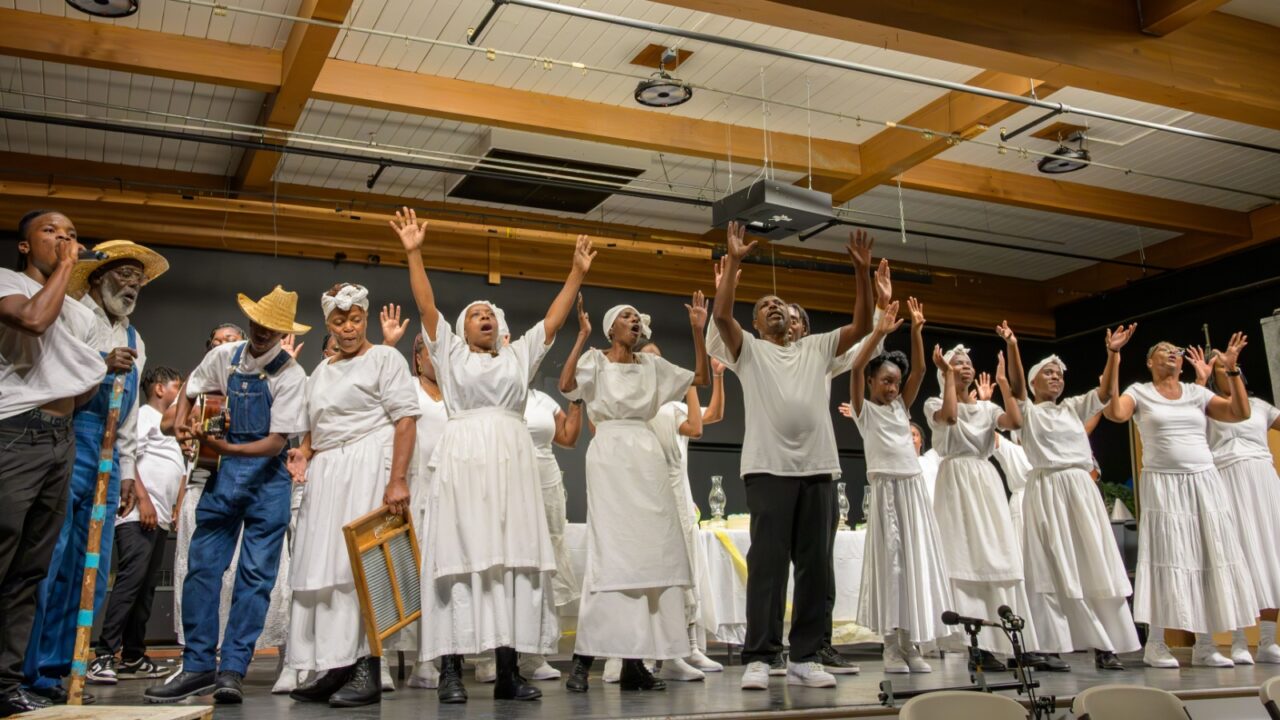
The Gullah-Geechee community shapes much of Charleston’s culinary identity. Recipes for rice dishes, seafood boils, and desserts reflect this rich cultural heritage. Tours and cooking classes highlight these traditions for visitors eager to learn.
Travelers explore neighborhoods where generations preserved recipes orally. Heritage food tourism connects holidaymakers with stories, techniques, and flavors that might otherwise be lost. It’s cultural immersion through the palate.
Hands-on culinary experiences
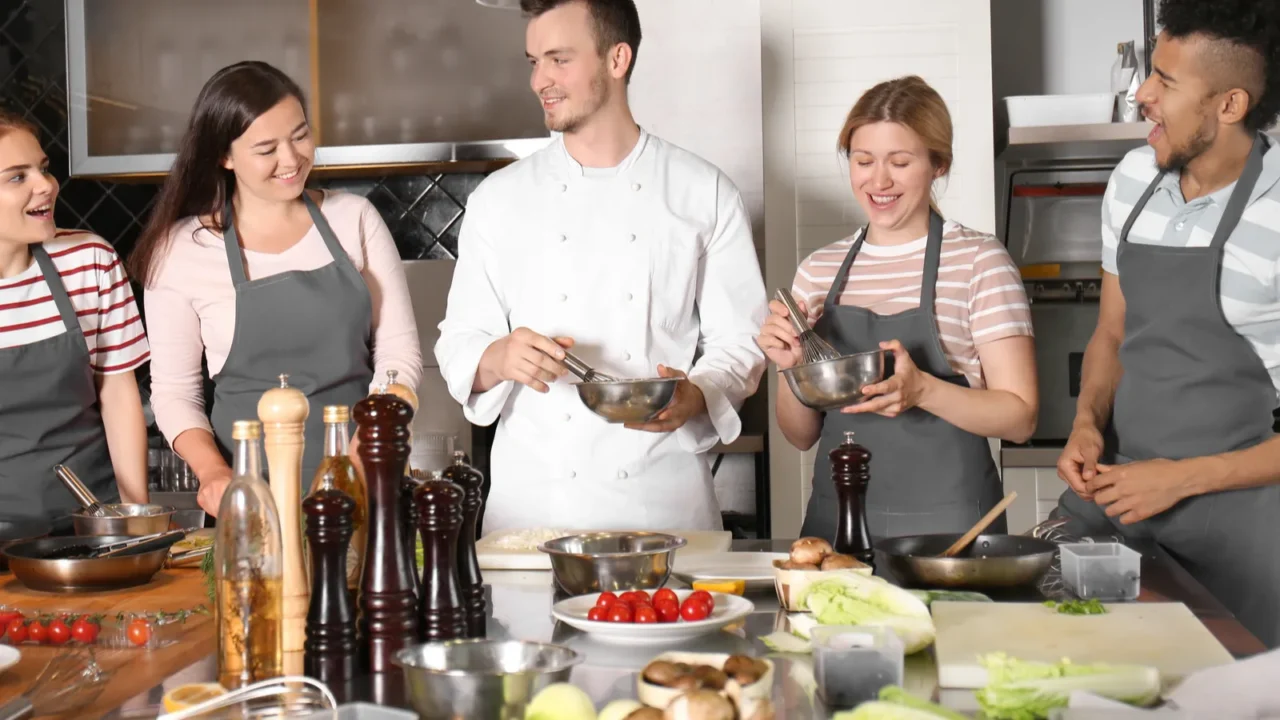
Cooking classes in historic district kitchens let visitors recreate traditional dishes. Holidaymakers knead dough for biscuits, simmer she-crab soup, or pan-sear local fish. Every step comes with historical context and storytelling.
Local chefs and family-run kitchens make the experience authentic. Participants leave with skills and appreciation for Charleston’s food legacy. It’s history that can literally be tasted.
Food festivals highlight heritage
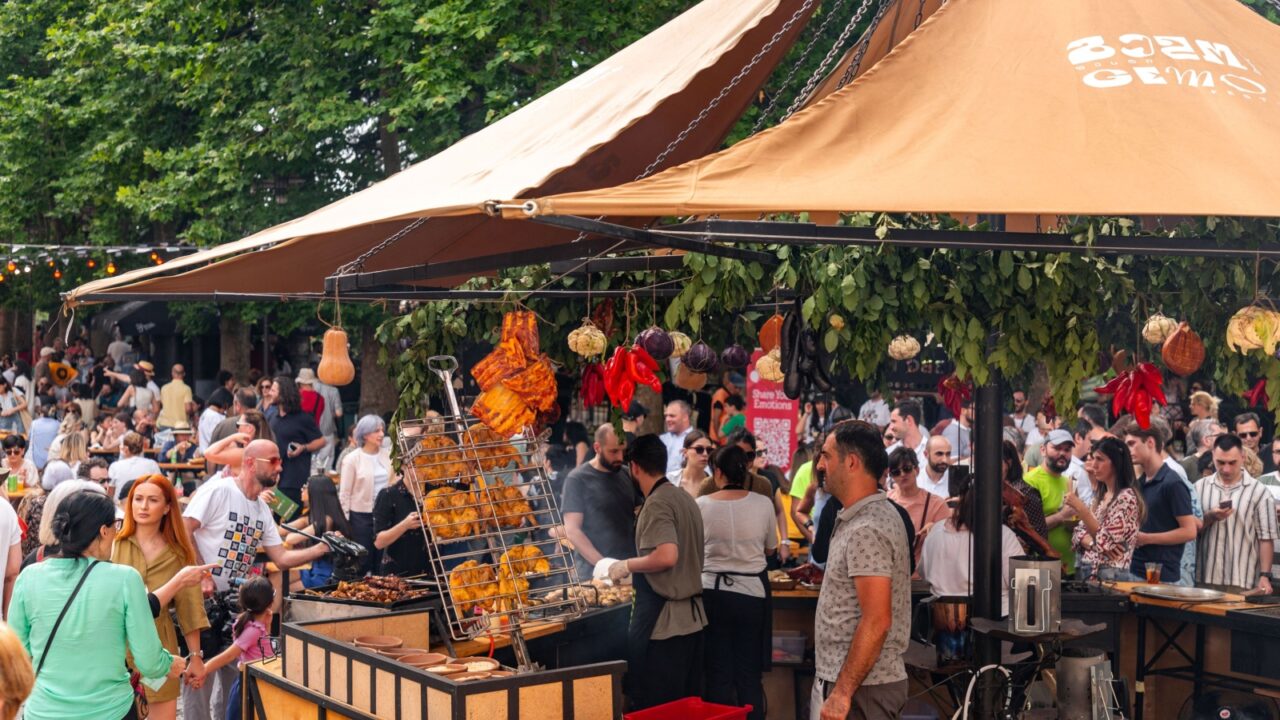
Annual events like the Charleston Food and Wine Festival celebrate the city’s culinary roots. Chefs, farmers, and historians come together to showcase traditional flavors and modern takes. Celebrity chef getaways and the rise of culinary tourism have made these festivals major draws for food-focused travelers.
Festivals highlight regional seafood, Lowcountry produce, and classic Southern recipes. They also emphasize sustainable sourcing and preserving historic techniques. Heritage tourism is alive and flavorful at these celebrations.
Savoring Charleston’s past
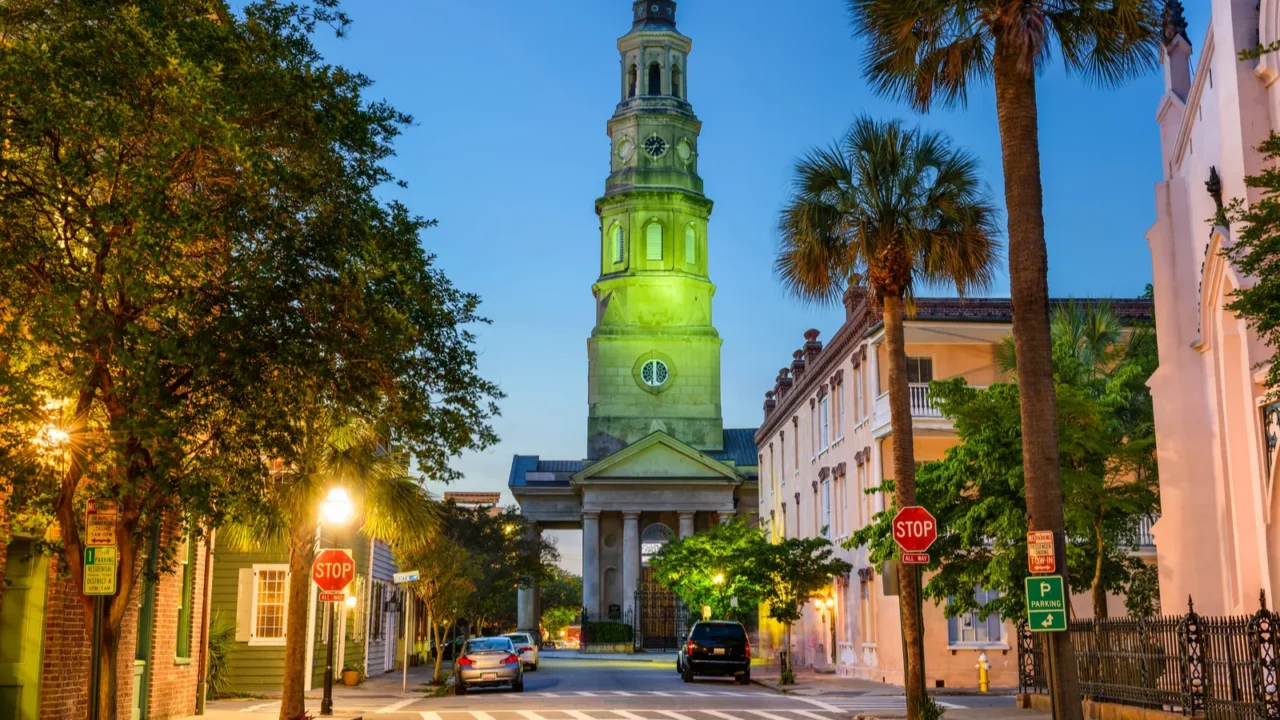
Charleston’s historic districts offer more than architecture; they offer taste. Every street, market, and tavern tells stories through flavor and tradition. Visitors experience centuries of culinary evolution in every meal.
Heritage food tourism ensures these flavors endure for generations. Holidaymakers enjoy authentic dishes while connecting with Charleston’s past. It’s a city where history is truly delicious.
This slideshow was made with AI assistance and human editing.
Don’t forget to follow us for more exclusive content right here on MSN.
Disclaimer: The images used are for illustrative purposes only and do not depict the actual locations mentioned.
Read More From This Brand:
