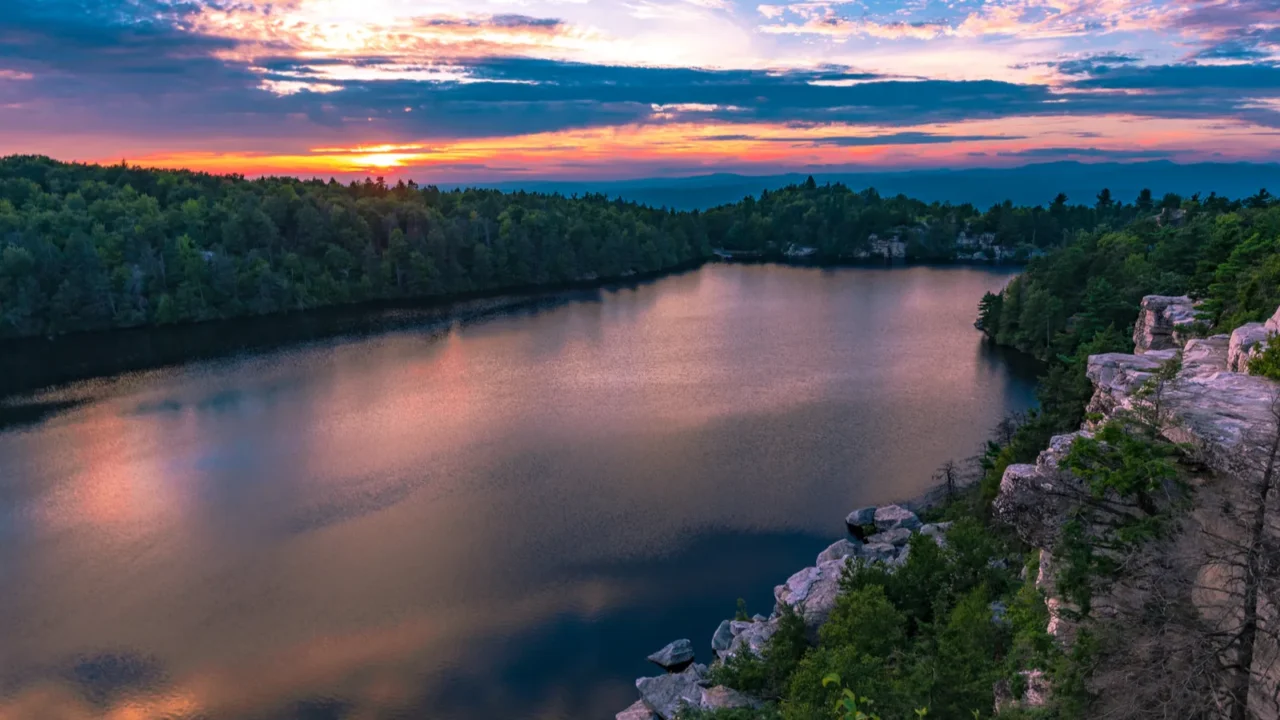
Changing ways we explore parks
In 2024, the United States National Park Service recorded 331.9 million recreation visits, setting a new all‑time high and showing that interest in outdoor travel remains powerful. This continuing trend reflects broader patterns of people valuing fresh air, inspiring scenery, and meaningful experiences outdoors.
Across the country, visitor numbers are increasing not just at iconic parks but also at lesser‑known landscapes, as travelers spread out throughout the year instead of focusing only on summer months. A growing number of parks reported above‑average monthly visits, highlighting this shift in how people travel and experience nature.
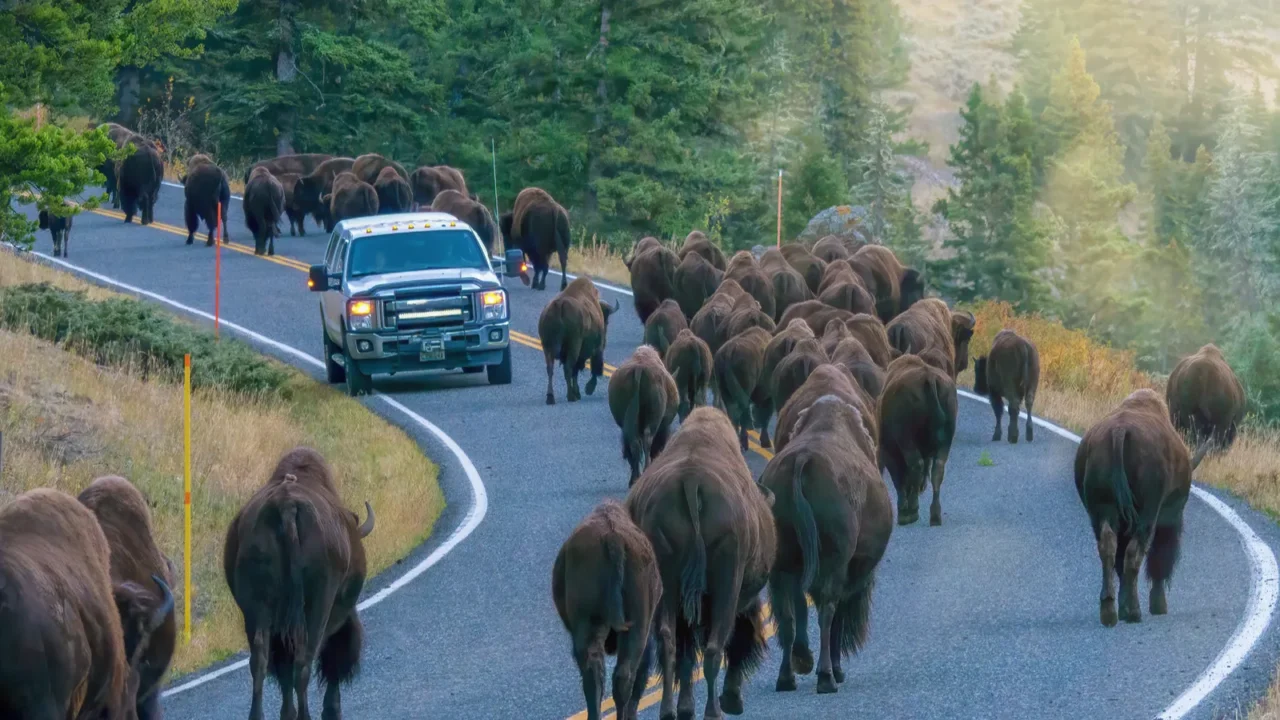
Yellowstone’s visitor growth
Yellowstone National Park remains one of the most visited protected areas in the nation, welcoming around 4.7 million recreation visits in 2024. This continues a pattern of strong interest in its geysers, hot springs, and abundant wildlife.
While not the fastest‑growing in percentage terms, its large overall numbers help drive visitation trends across the system. Yellowstone’s mix of geological wonders, rich history, and year‑round adventure keeps visitors returning from around the world.
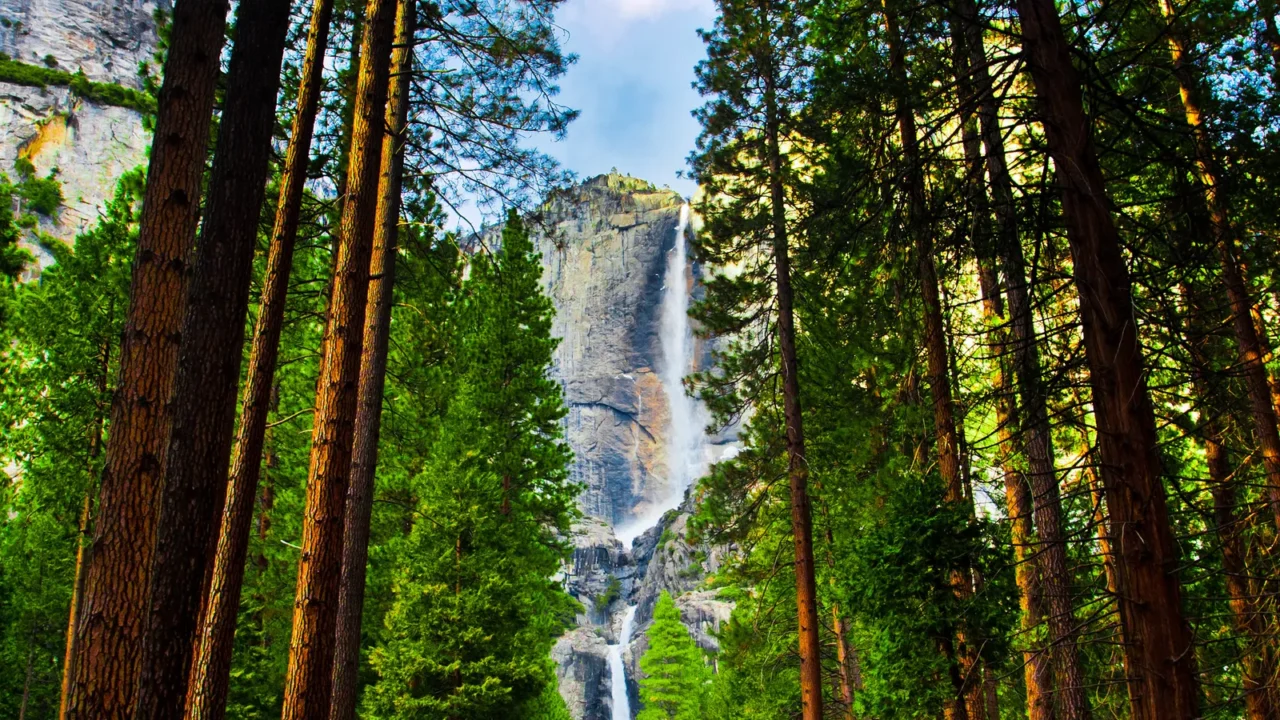
Yosemite’s rising attendance
Yosemite National Park experienced notable attendance in 2024, recording more than 4.1 million visitors. Its towering granite cliffs, cascading waterfalls, and giant sequoias continue to capture the imagination of travelers seeking iconic scenery.
Management efforts such as timed entry and improved trail infrastructure aim to balance visitor experiences with environmental protection. Despite challenges, Yosemite remains a magnet for both first‑timers and seasoned park explorers.
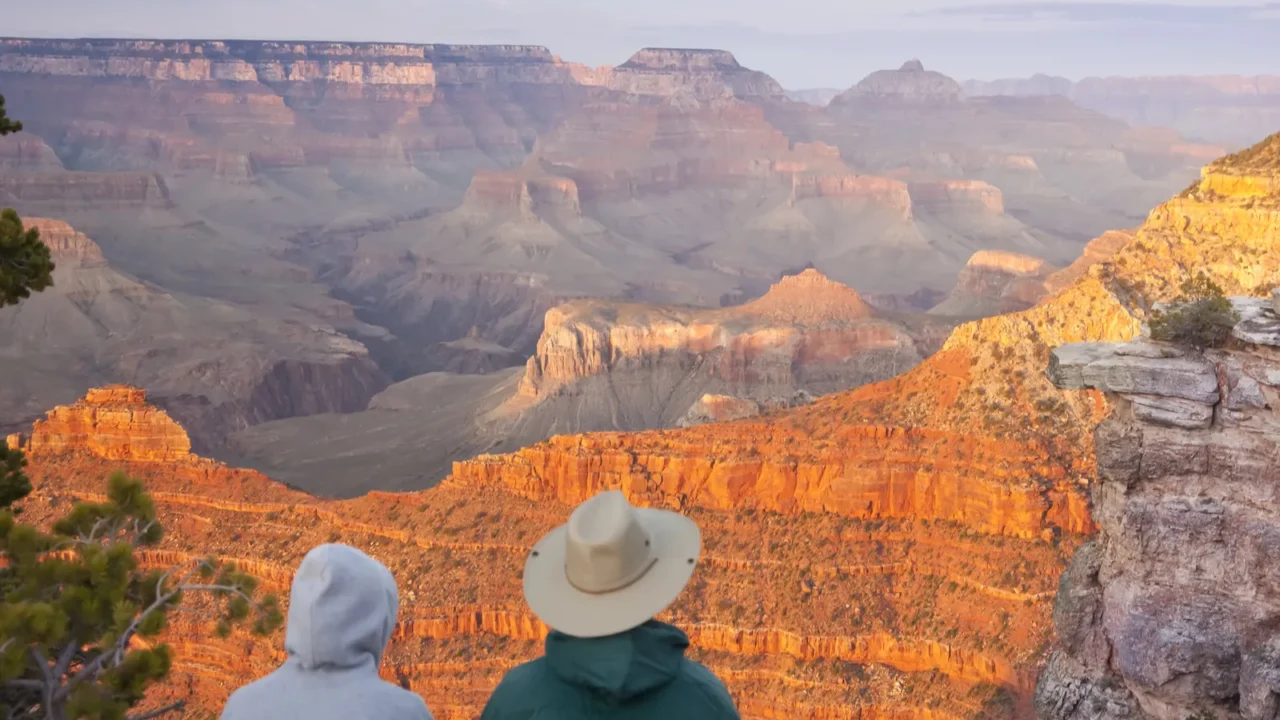
Grand Canyon’s strong showing
Grand Canyon National Park in Arizona continues to draw millions of visitors, with about 4.9 million in 2024. Its immense scale and dramatic desert vistas make it a classic American natural wonder.
The park’s South Rim sees the highest traffic, but many visitors also seek out quieter areas and river adventures below the canyon rim. This diverse range of experiences helps maintain strong visitation year after year.
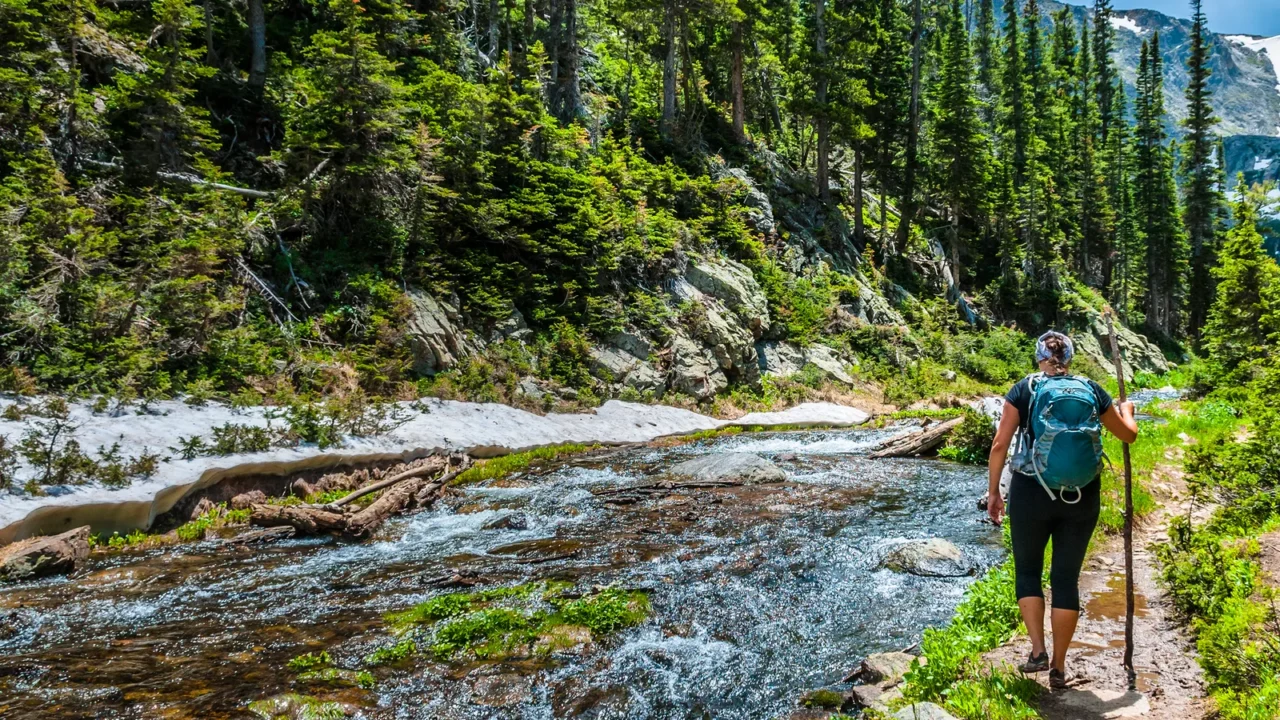
Rocky mountain’s visitor interest
Rocky Mountain National Park in Colorado recorded over 4.1 million visits in 2024, making it one of the most popular high‑elevation parks in the country. Its dramatic peaks, alpine lakes, and abundant wildlife draw hikers, photographers, and families alike.
Visitors are discovering not just the main scenic corridors but also quieter meadows and backcountry routes, spreading the love for these towering landscapes.
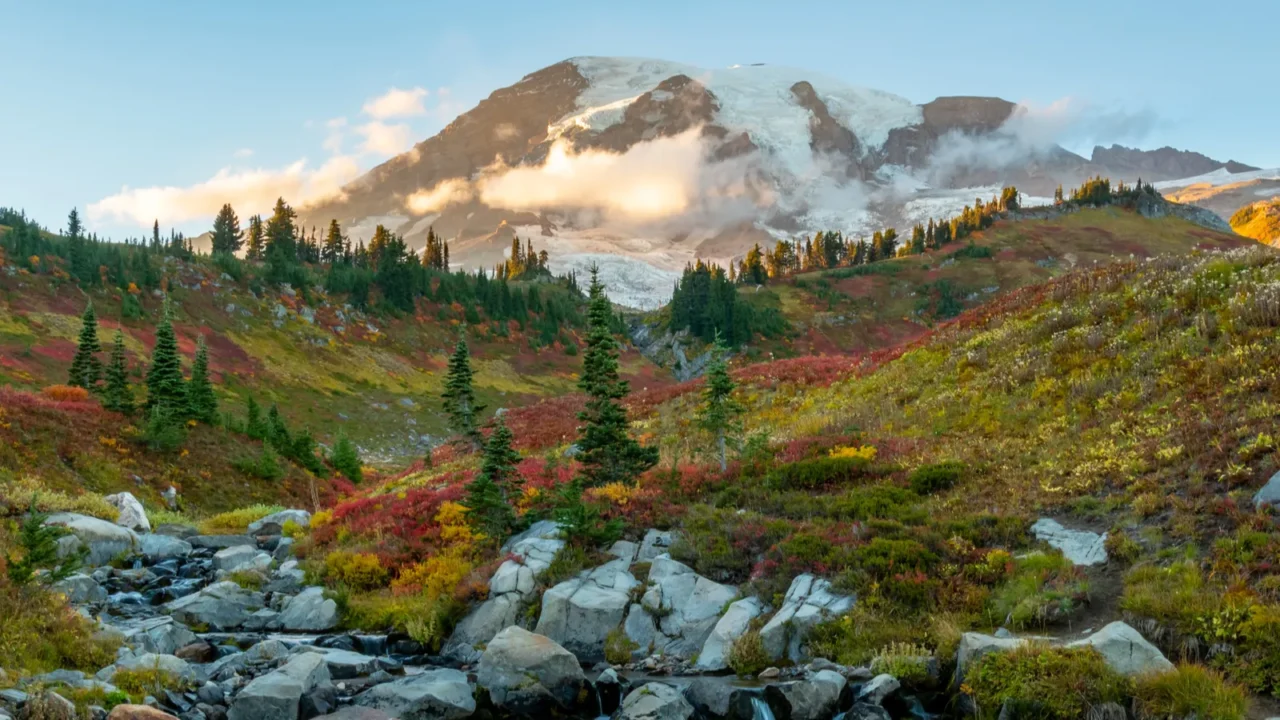
Mount Rainier’s steady rise
Mount Rainier National Park in Washington saw about 1.6 million visitors in 2024, a strong number for a rugged, alpine park that rewards exploration with glacier views and wildflower meadows.
Its iconic volcanic peak and network of trails make Rainier a favorite for climbers and nature lovers. As improvements to infrastructure and access continue, more travelers are including Mount Rainier on their bucket list each year.
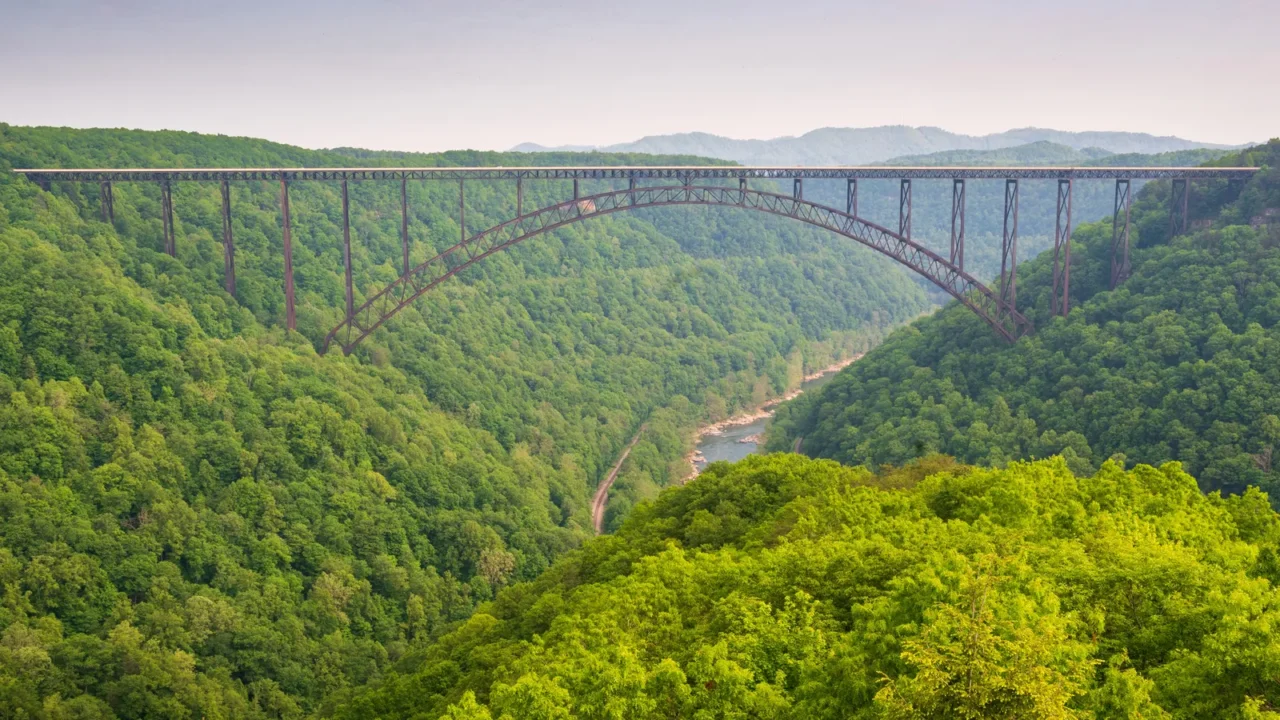
New River Gorge’s growing fame
New River Gorge National Park and Preserve in West Virginia has seen growing interest as an outdoor destination, thanks to its whitewater adventures, scenic overlooks, and cultural history. In recent years, visitation has risen, placing it among the parks with noticeable increases.
The park’s suspension bridge and hiking opportunities appeal to both adrenaline seekers and families, helping put this Appalachian treasure on the radar of national travelers.
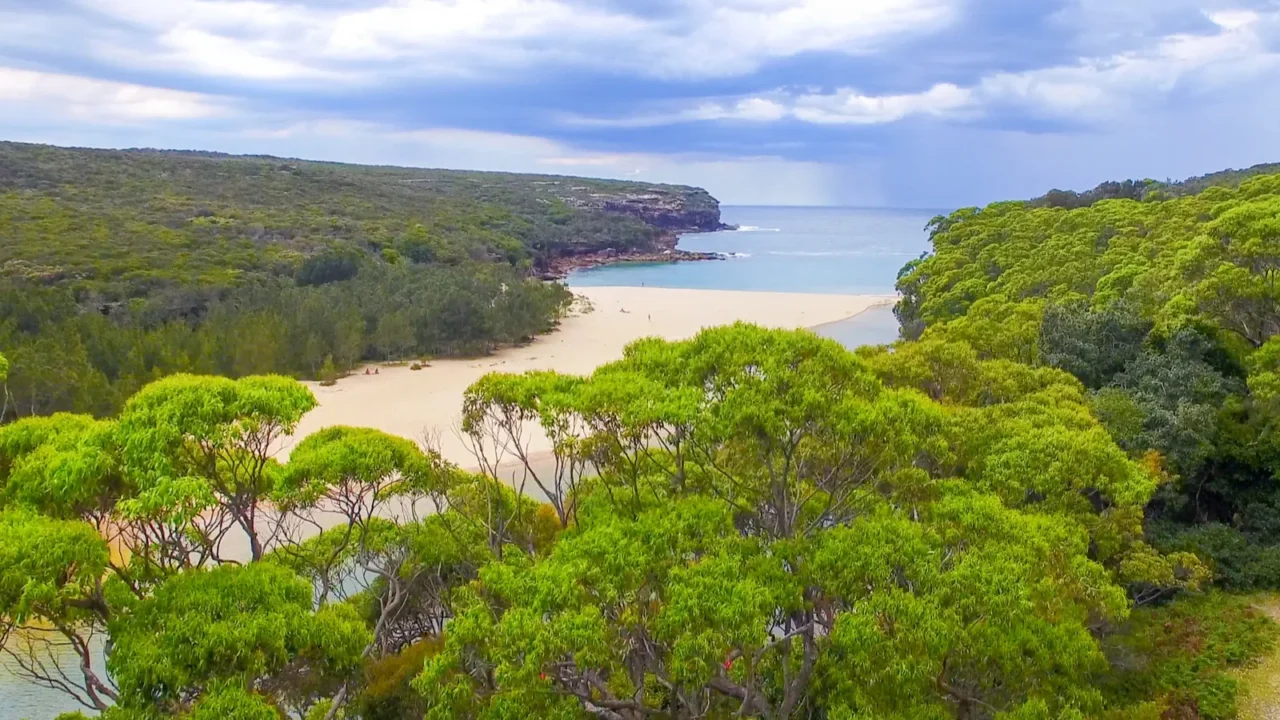
Isle Royale’s quiet boom
Isle Royale National Park in Michigan remains one of the remote and quieter destinations, yet it saw rising interest as visitors seek solitude and unspoiled nature. While overall numbers remain modest compared to bigger parks, its wilderness setting continues to attract those looking for peaceful, backcountry experiences.
Accessible only by boat or seaplane, the rugged island landscapes provide a unique destination for backpackers, paddlers, and wildlife watchers alike.

Dry Tortugas attraction
Dry Tortugas National Park in Florida drew visitors interested in snorkeling, historic forts, and crystal‑clear waters. Although smaller in total numbers than larger parks, its unique remote experience continues attracting travelers willing to make the trip by boat or seaplane.
This park’s blend of natural beauty and history makes it a surprising hotspot for those seeking something different from traditional mountain or forest landscapes.
Lesser-visited gems grow
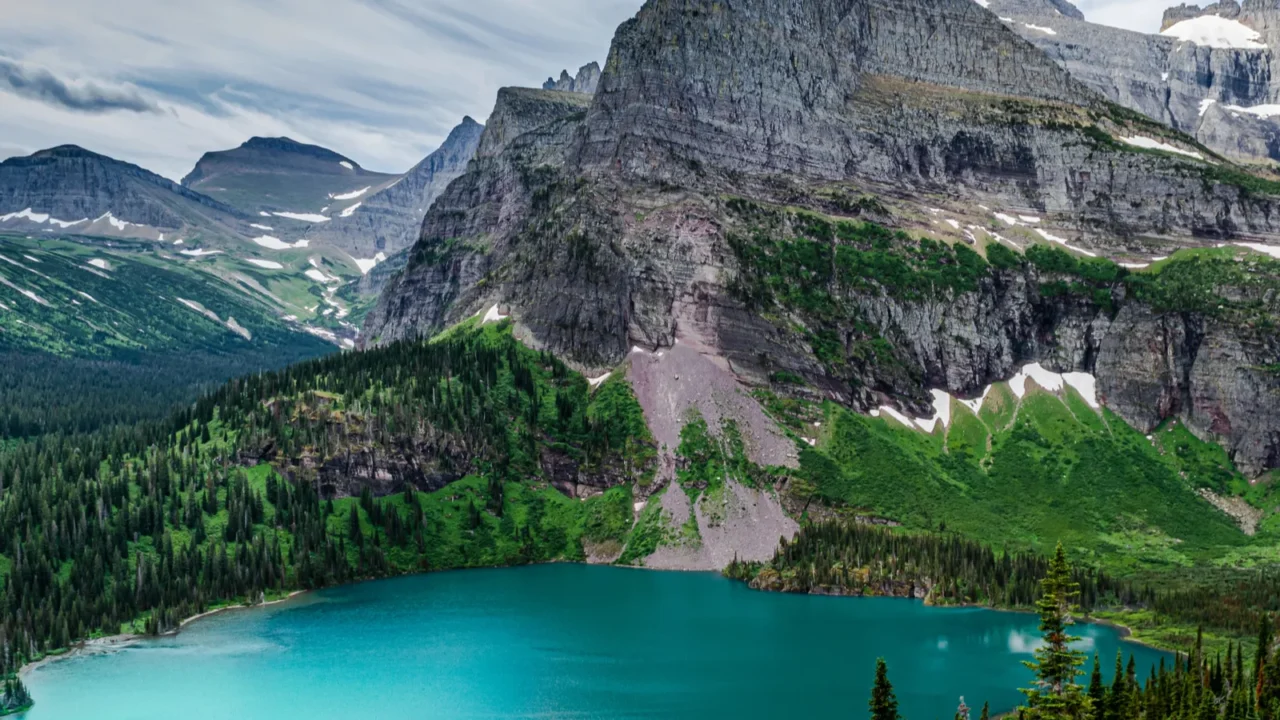
Beyond iconic parks, several lesser‑visited landscapes have attracted more attention from curious travelers. Places like Grand Teton and Glacier National Park saw strong numbers in 2024, with millions of visitors discovering dramatic mountains, lakes, and remote valleys.
Even parks with smaller totals are drawing growth, as travelers increasingly seek out unique and less crowded experiences across the country.
Why people are exploring more
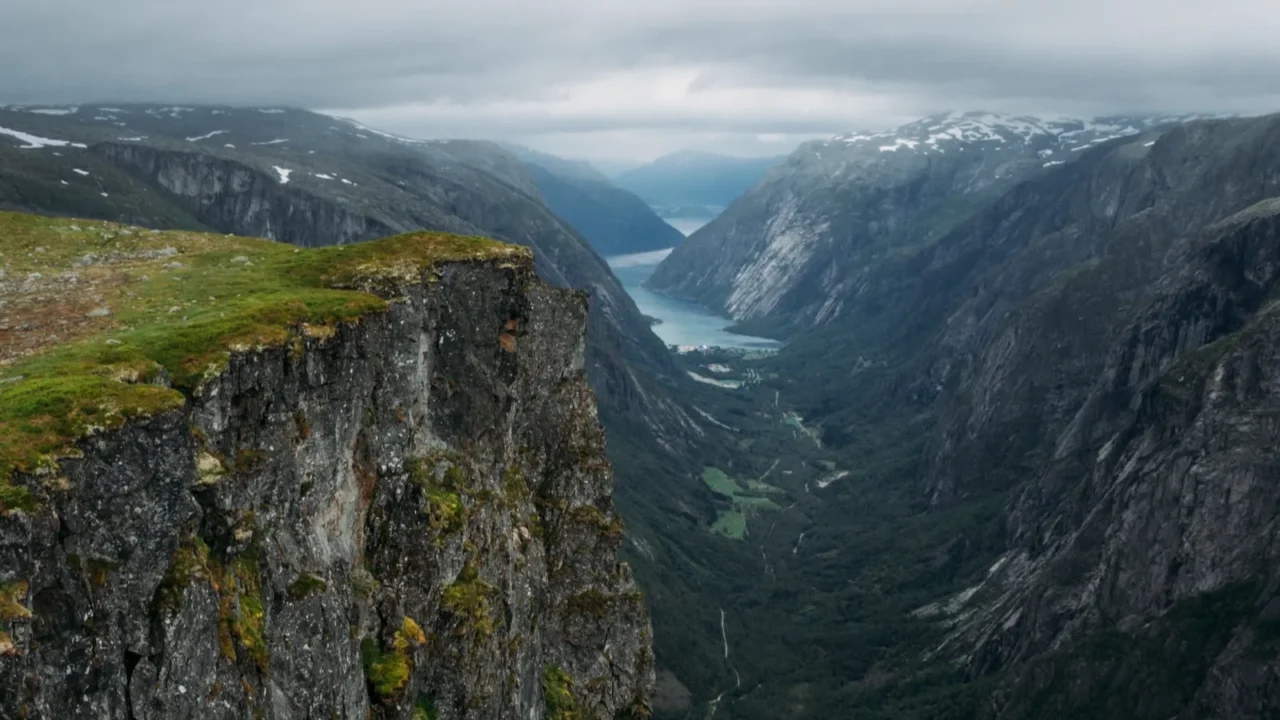
Several forces are driving the spike in park visits. Outdoor recreation continues rising in popularity as people look for meaningful experiences, physical activity, and connections with nature. Parks offer something no virtual or urban getaway can match.
Improved park services, better information online, and interest in sustainable travel also help people plan trips to places they might never have considered before. This range of influences continues to reshape how Americans explore the outdoors.
Managing visitor growth
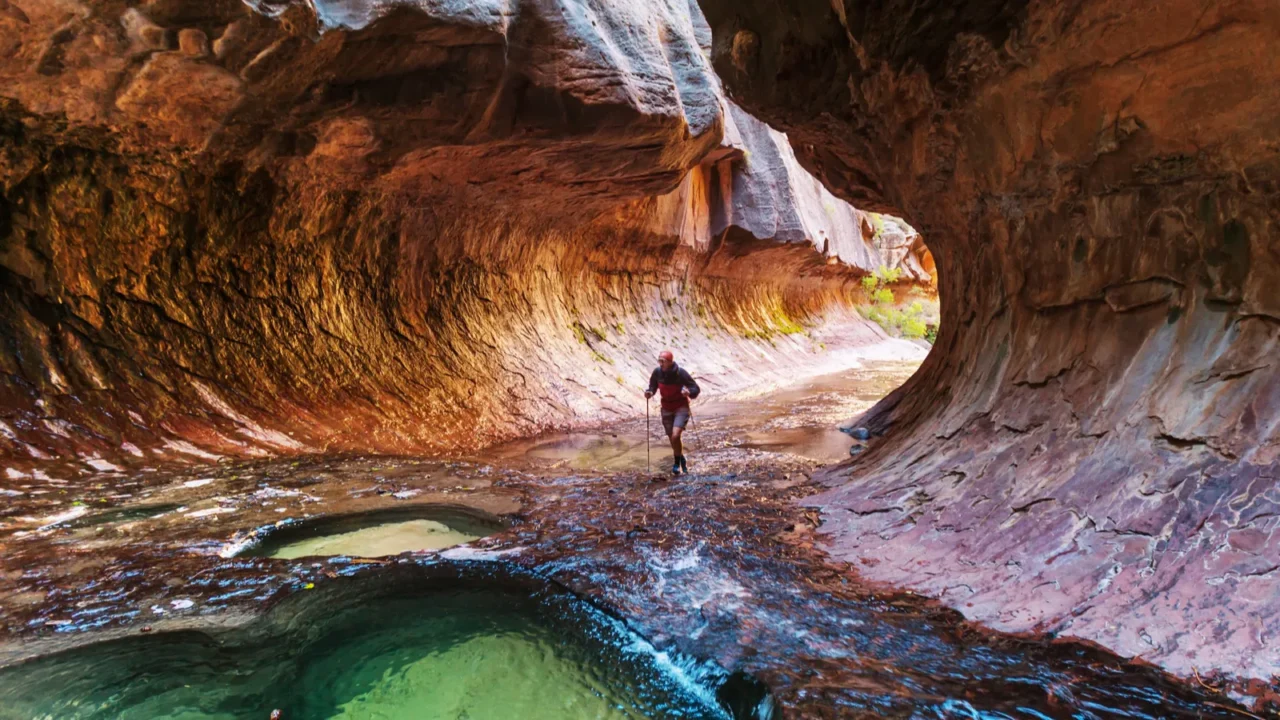
With more visitors comes the challenge of managing parks so that natural beauty and wildlife are protected. Many parks have expanded infrastructure, shuttle systems, and visitor education programs to spread use across the landscape and throughout the year. (nps.gov)
These efforts aim to keep places like Yosemite, Yellowstone, and Zion accessible while reducing crowding impacts, showing how parks evolve alongside rising demand. Exploring these strategies can inspire your next adventure to U.S. national parks.
Why this matters
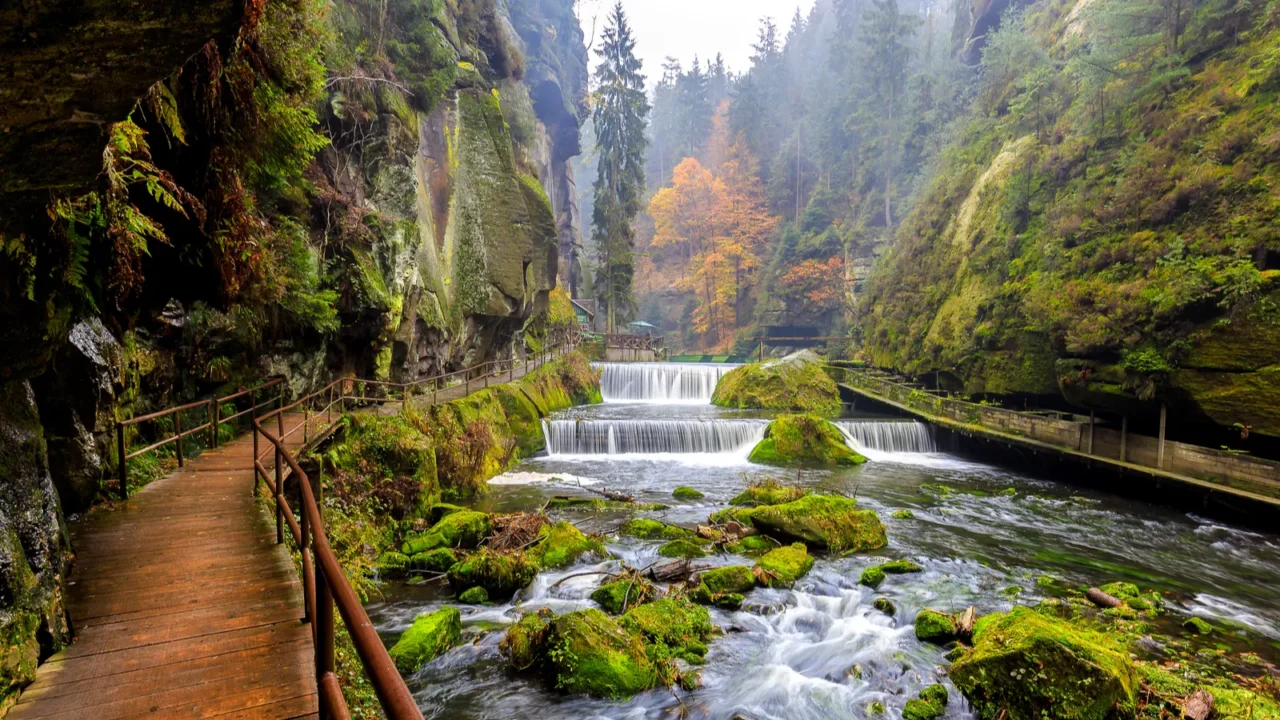
The increase in national park visitation reflects deeper values such as people seeking awe‑inspiring places, emotional renewal, and shared experiences with friends and family. Visiting parks connects us to landscapes older than any city or road.
Those visits also support local economies, conservation efforts, and park stewardship, helping ensure these places remain inspiring for generations to come. Consider how urban green spaces are following this trend through rooftop gardens and revitalized public spaces in cities like Chicago.
Which park or unexpected destination has captured your curiosity lately? Let us know in the comments.
This slideshow was made with AI assistance and human editing.
Don’t forget to follow us for more exclusive content right here on MSN.
Read More From This Brand:
