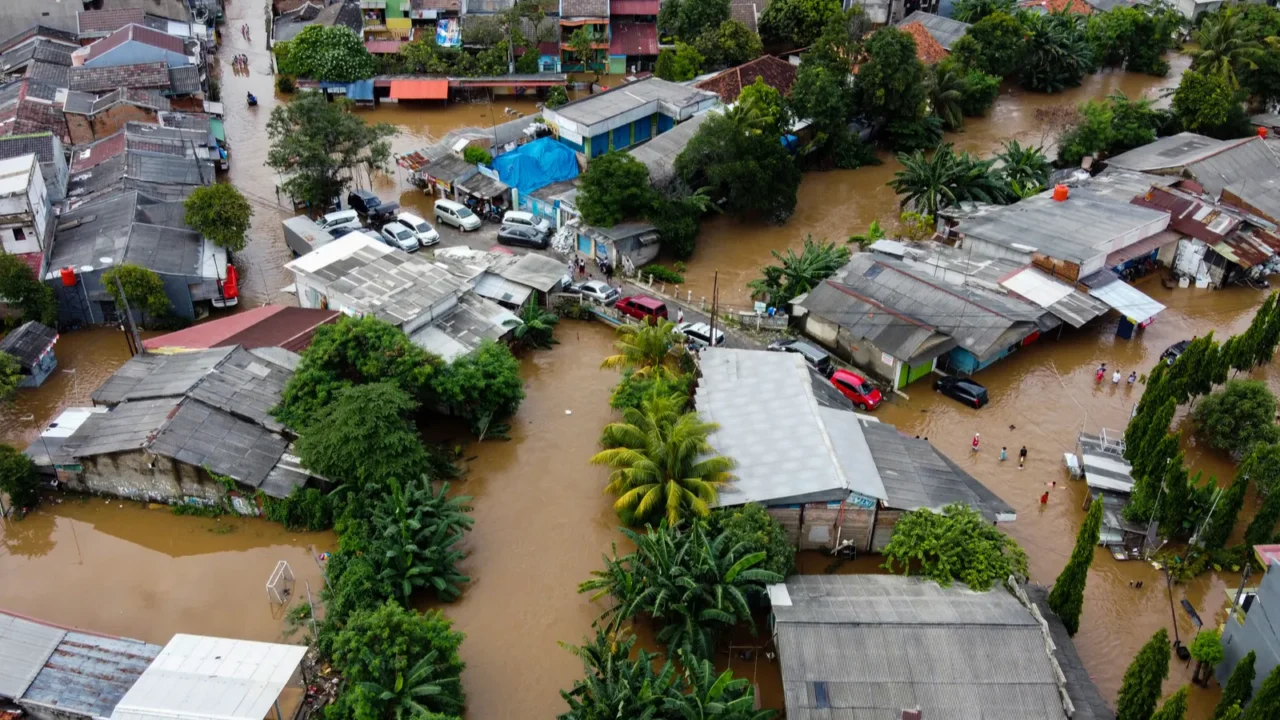
Post diaster travel truths
Post-disaster tourism raises difficult questions because travelers often feel torn between curiosity, compassion, and ethical responsibility. Many destinations are left struggling with damaged infrastructure, displaced residents, and limited resources, which makes the arrival of visitors complicated. Communities need help, but they also need space to recover at their own pace.
Some travelers believe their spending can support local recovery efforts, yet the impact depends on timing and sensitivity. Responsible choices matter because poorly planned visits can add pressure on emergency services and disrupt the healing process for families who are still rebuilding.
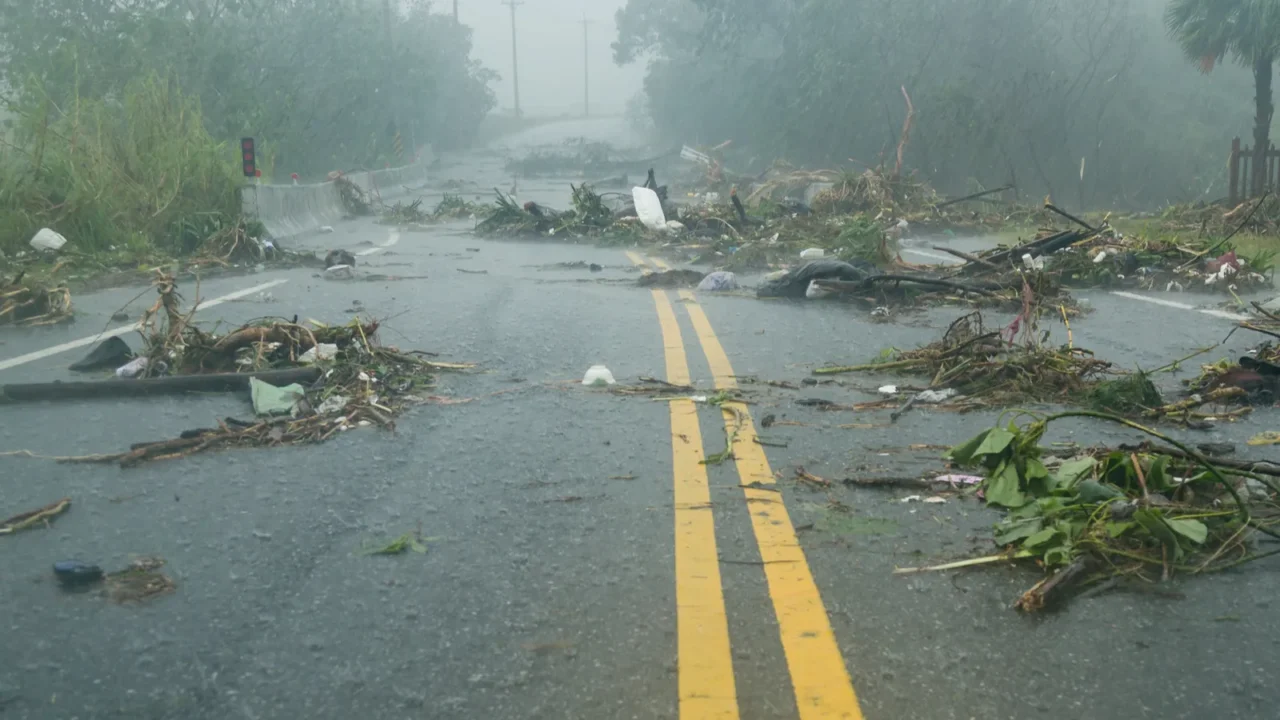
When curiosity meets recovery
After major events like hurricanes and wildfires, travelers often feel drawn to understand what happened. This instinct is natural, but entering recovering neighborhoods too soon can intensify emotional stress for local families. Many residents say they are not ready to be seen while coping with loss and rebuilding their lives.
At the same time, some communities benefit from thoughtful tourism once safety improves. Visitor spending in small shops, restaurants, and local services can support economic bounce back, but only when community leaders agree that the timing is appropriate.
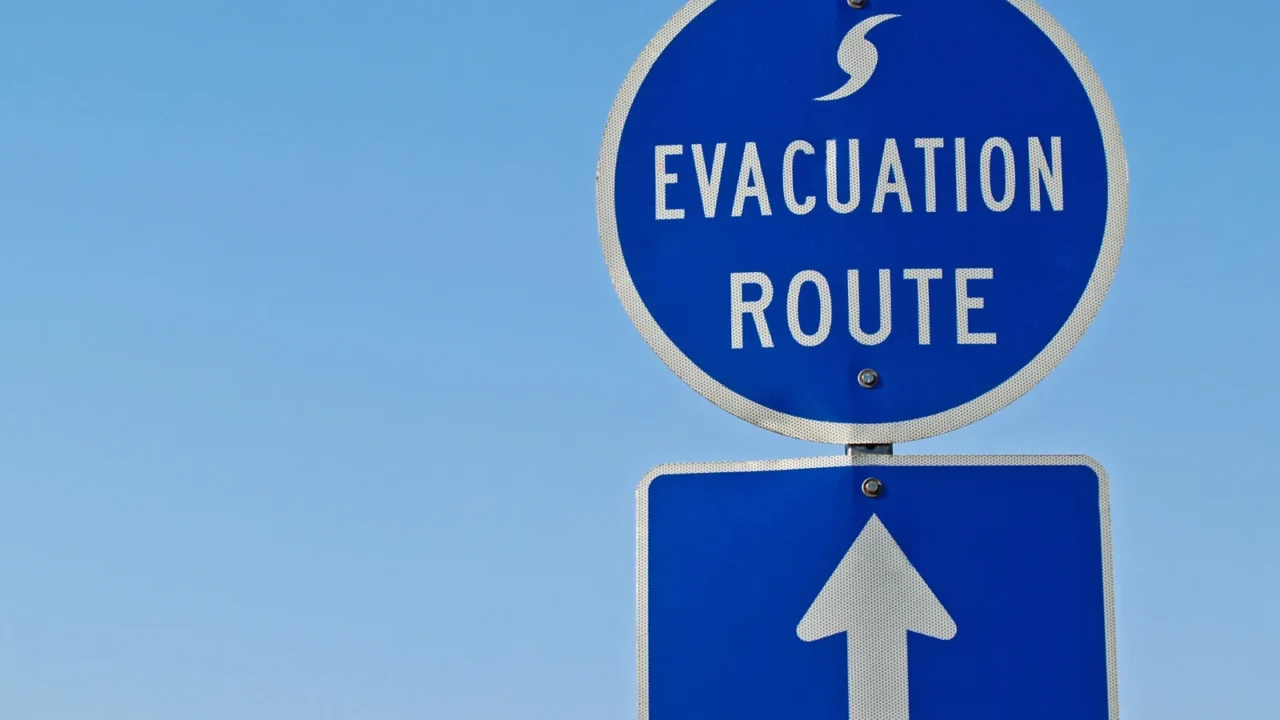
Lessons from New Orleans
Following Hurricane Katrina, New Orleans experienced a rapid rise in visitors who wanted to witness the city’s transformation. Many residents felt conflicted because tourism brought essential revenue but also created moments when people felt observed during personal hardship. The city eventually developed guided experiences that respected community stories and protected private spaces.
That model showed that recovery-focused tourism can succeed when locals have control over what is shared. It also proved that respectful engagement can help preserve culture and encourage long-term investment in the region.

Nepal mountain paths
Nepal faced enormous challenges after the 2015 earthquake, especially in remote villages along major trekking routes. Many travelers returned quickly, hoping their presence would help rebuild mountain communities. Local guides and tea house owners relied on tourism income, so the return of visitors offered real financial support.
However, experts stressed the importance of choosing certified operators who followed safety guidelines. Responsible trekkers who supported community run lodges helped ensure recovery funds stayed with the people who needed them most.

Japan’s Tohoku resilience
The Tohoku region of Japan slowly reopened to visitors after the 2011 earthquake and tsunami, but only when municipalities confirmed safe conditions. The community created learning based experiences that honored local stories rather than sensationalizing the disaster. Visitors were encouraged to spend time in small businesses and coastal towns that were rebuilding step by step.
Travelers who came with empathy often formed meaningful connections with residents. Their presence helped sustain family-owned shops and cultural centers that risked closing without outside support.
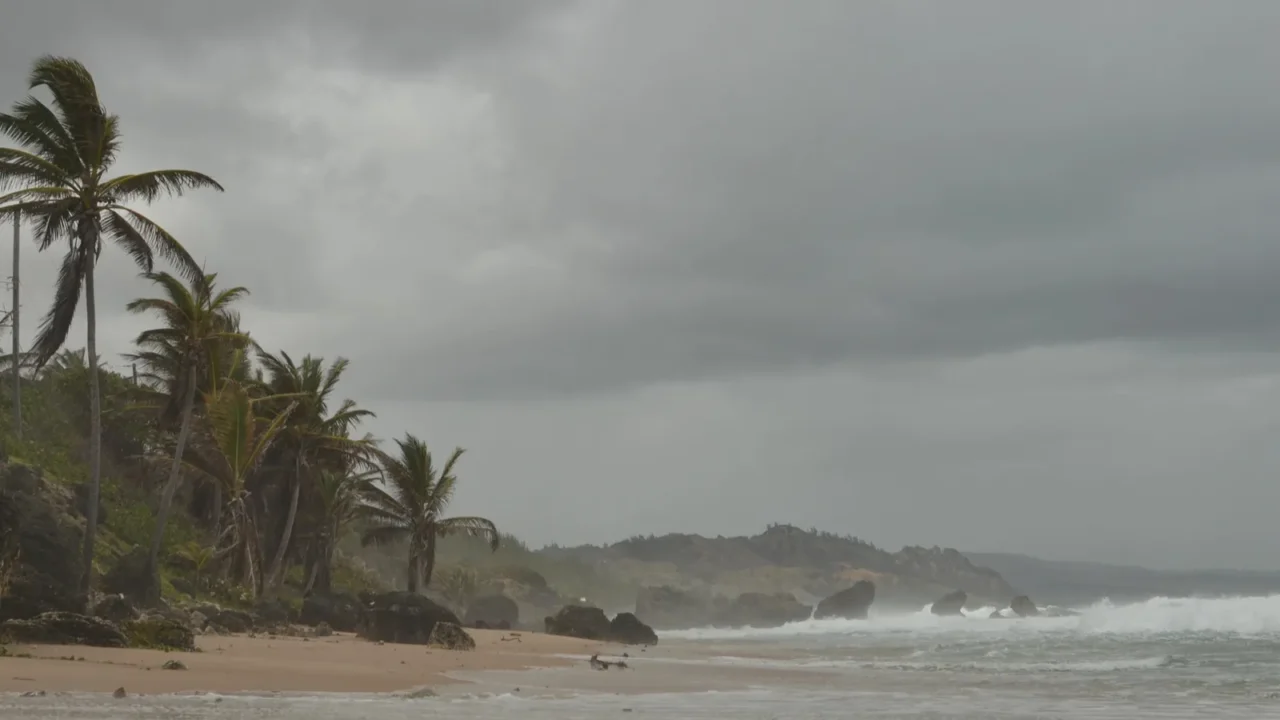
Caribbean storm realities
Caribbean islands often depend heavily on tourism, so hurricane seasons can create long and difficult rebuilding periods. Some islands ask travelers to return sooner to keep workers employed, while others request more time because hotels, medical centers, and electrical systems need major repairs. Listening to official announcements is essential since conditions vary widely between islands.
When travelers return responsibly, they can help families stay afloat financially. Spending at local markets, beachside restaurants, and community tours keeps money circulating where it matters most.
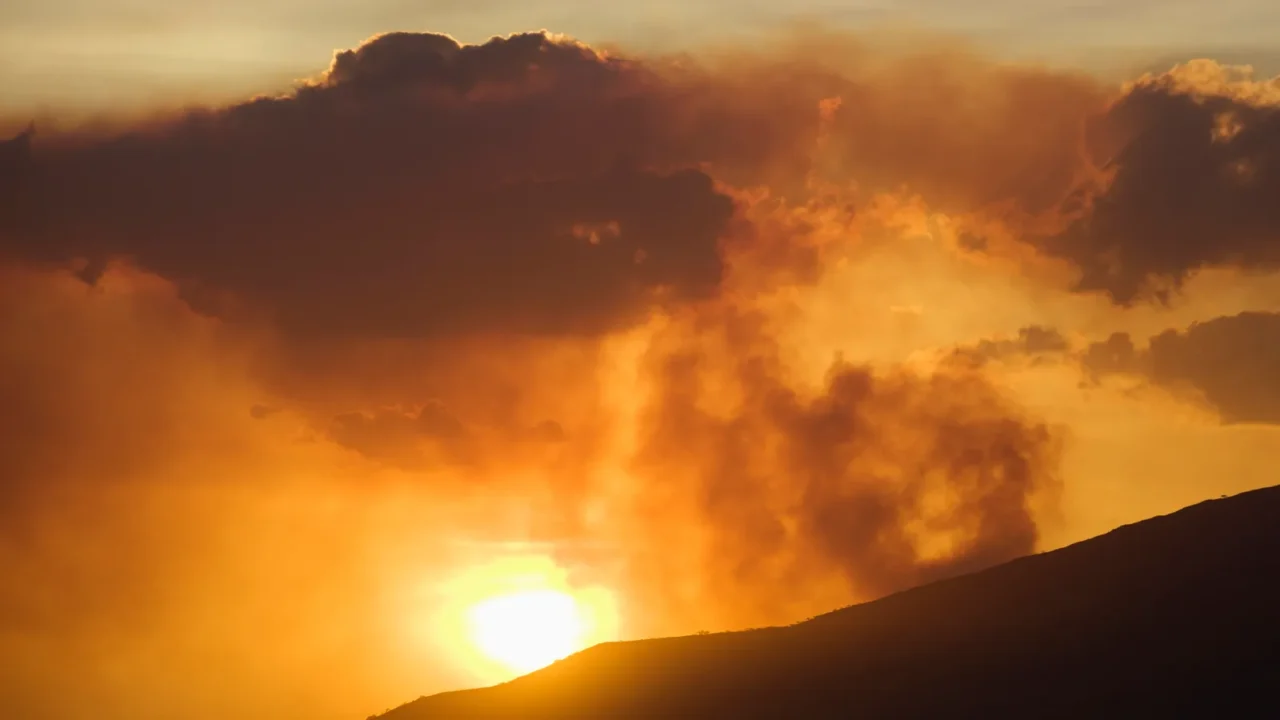
Ethical lines in Maui
After the Maui wildfires, many residents voiced deep concerns about visitors entering affected communities too soon. Local leaders urged tourists to avoid damaged areas and focus on businesses in regions that were ready for guests. This balanced approach allowed families space to grieve while still supporting the island’s economy.
The situation showed that empathy should guide every decision. Travelers who listened, adjusted plans, and supported verified community initiatives were welcomed because they helped recovery without intruding on private pain.
Media influence on travel
Images of destroyed neighborhoods often spark public curiosity, and this curiosity shapes travel trends in unexpected ways. Dramatic coverage can lead outsiders to underestimate the emotional weight communities carry during rebuilding. Travelers may not realize how overwhelming it is for residents to be viewed as part of a scene rather than as people with ongoing struggles.
Thoughtful tourism begins with understanding that real lives have been altered. When visitors focus on learning instead of spectacle, they create space for respectful interaction.

Community consent matters
In many destinations, residents want tourism to return but on their terms. Community consent ensures that experiences do not exploit trauma or turn daily hardship into entertainment. This approach also helps locals decide which parts of their story they want to share and what remains private.
Visitors who follow local guidance are more likely to support responsible rebuilding. Conversations with guides, small business owners, and cultural groups often reveal what type of involvement is most helpful.
When tourism helps first
Tourism can create positive change when it aligns with community needs. For example, eco lodges, local tour companies, and regional artisans often depend on visitor spending to stay open. Supporting these businesses can prevent job losses and strengthen long-term recovery. It can also encourage new investments in infrastructure and cultural preservation.
However, this support is meaningful only when safety is restored. Travelers who wait for official clearance reduce the strain on emergency teams and allow rebuilding crews to work without distraction.
When tourism causes harm
In some cases, tourists return too early and unintentionally place pressure on limited resources. Hotels may need rooms for displaced families, and restaurants may be operating with reduced staff. Visitors might also block roads needed for recovery vehicles or take photos of private loss, which many residents find distressing.
Harm occurs when the presence of travelers becomes a burden instead of a benefit. Choosing ethical timing and behavior is essential to avoid making recovery harder.

A traveler’s responsibility
Every traveler carries influence when visiting places that are rebuilding. Researching local guidance, choosing community-led tours, and focusing spending on small businesses can shape recovery in meaningful ways. These decisions help families regain stability and protect cultural traditions that might otherwise fade.
Responsible travel also means waiting for clear approval from local authorities before entering a recovering region. Patience shows respect for the people restoring their homes and daily routines. It reflects awareness of the changing climate patterns that shape every rare storm surge. Take the next step and learn how your choices can support safer and more responsible travel.
Choosing the right path
Post-disaster tourism brings both potential benefits and real risks. The outcome depends on timing, compassion, and understanding that communities must lead their own recovery. Visitors who follow local directions and avoid intrusive behavior often make a positive difference that extends far beyond a single trip.
The decision to welcome travelers is ultimately in the hands of the people who live there. Listening to their needs creates trust and long-lasting impact. This awareness is essential at a moment when global tourism is struggling. Join the movement to travel with intention and help communities rebuild with dignity.
Have you ever visited a place recovering from a natural disaster? Share your experience below.
This slideshow was made with AI assistance and human editing.
Don’t forget to follow us for more exclusive content right here on MSN.
Read More From This Brand:
