
Travel etiquette rules travelers now notice
Travel feels different lately, and many visitors sense the shift as soon as they arrive. Cultural etiquette rules that once felt flexible are now being clearly stated and actively enforced. Destinations want respect, balance, and smoother interactions between locals and visitors.
From dress codes to behavior in public spaces, expectations are now clearly stated. Signs, fines, and official guidance are now a regular part of the travel experience. Here’s what travelers should know.
Why enforcement increased globally
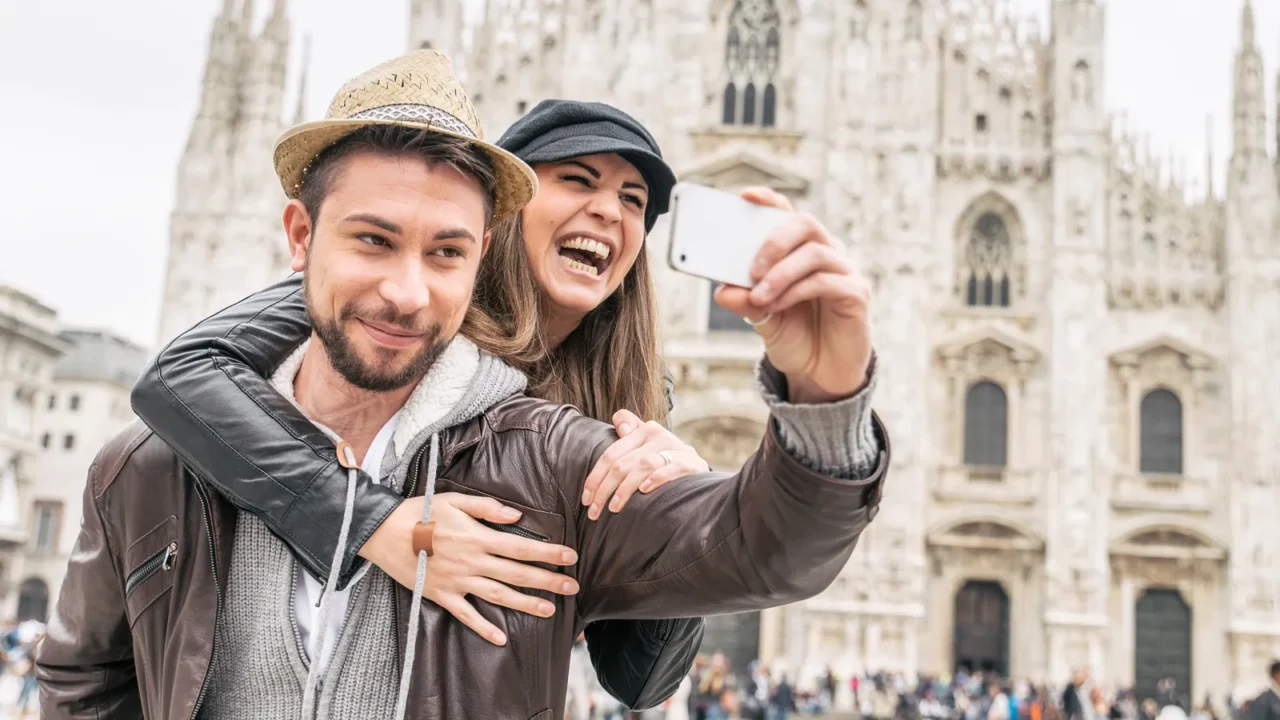
Tourism rebounded quickly after travel restrictions eased, bringing heavier crowds than many places expected. Popular cities struggled with noise, overcrowding, and behavior that clashed with local customs. Authorities responded by tightening rules that already existed but were loosely applied.
This approach aims to protect residents while preserving cultural identity. Officials say respectful tourism lasts longer than unchecked visitor growth. Stricter enforcement reflects a long-term shift rather than a temporary reaction.
Dress codes draw attention
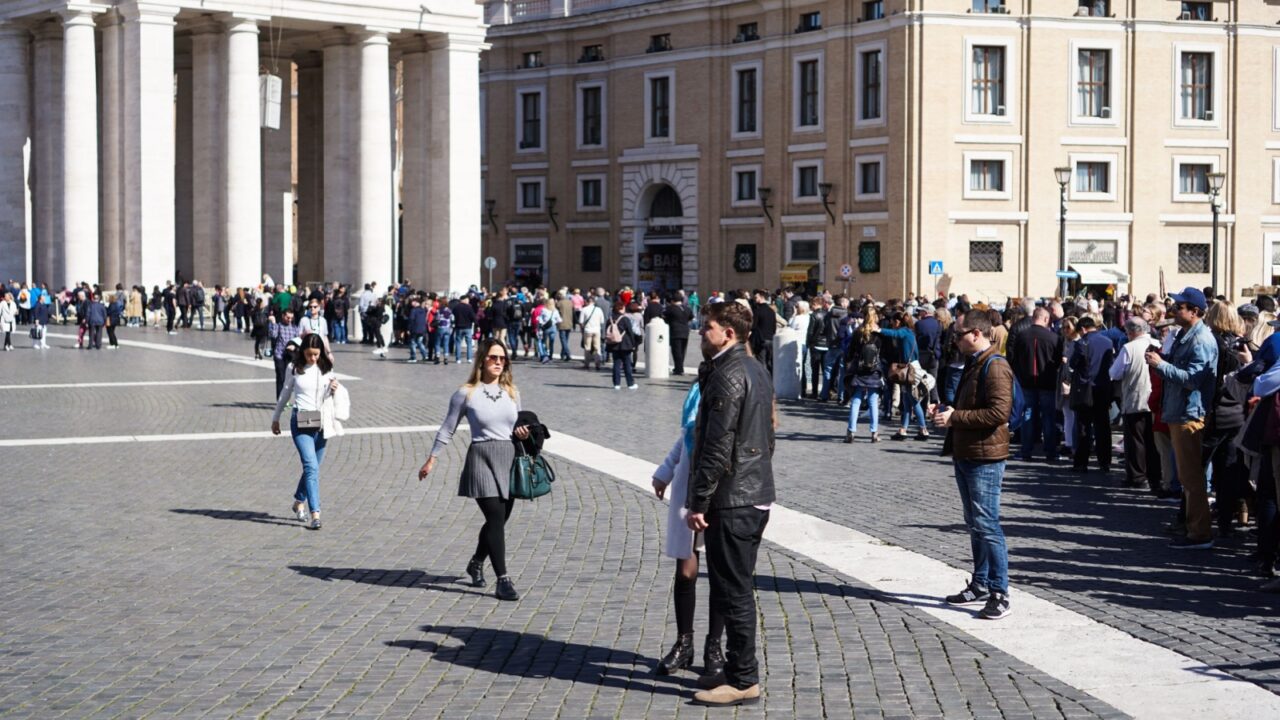
Dress expectations are receiving renewed focus in religious and historic destinations. In Italy, cities like Venice and Rome now fine visitors who walk shirtless near landmarks. Churches across Europe continue enforcing covered shoulders and knees.
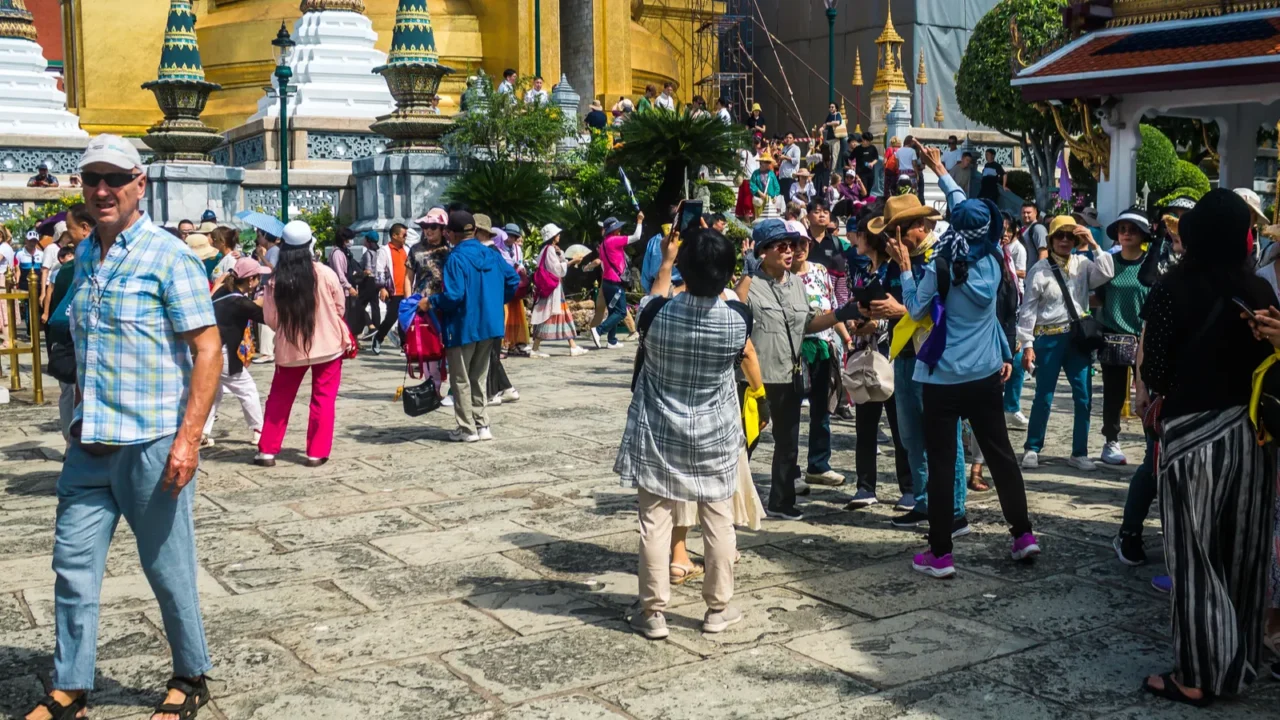
Southeast Asian temples have also reinforced guidelines with staff and signage. Bali and Bangkok regularly deny entry without appropriate clothing. Dress rules are no longer suggestions but entry requirements.

Behavior in sacred spaces
Sacred sites are becoming stricter about silence, photography, and movement. At Japan’s shrines in Kyoto, loud talking and phone use are discouraged more actively. Staff and signs now clearly outline acceptable conduct.
In places like Angkor Wat and the Vatican Museums, rules protect the spiritual atmosphere. Flash photography and staged posing that disrupts sacred settings are increasingly penalized. Respectful behavior preserves meaning beyond visual appeal.
Public conduct under watch
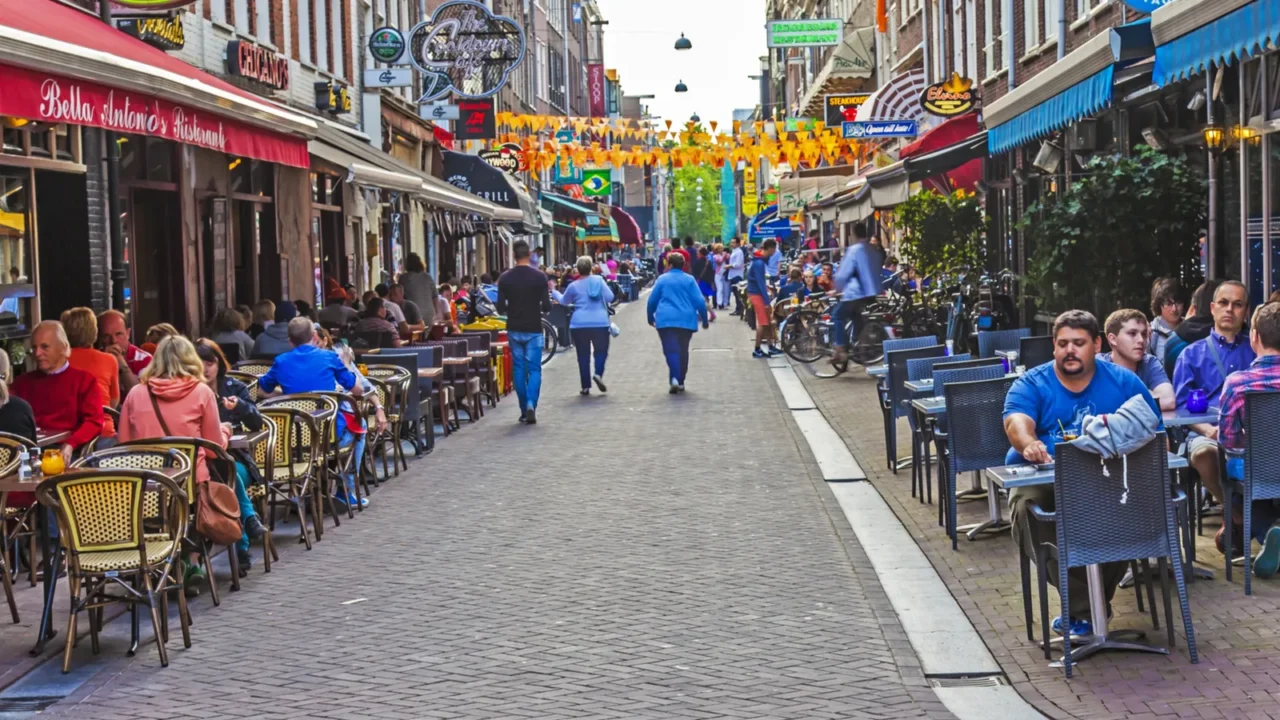
Cities facing over-tourism are closely monitoring public behavior. Amsterdam restricts drinking in public areas popular with visitors. Barcelona enforces noise rules more strictly in residential districts.
Local governments want nightlife without disorder. Fines and patrols send clear signals to visitors. The goal is coexistence rather than confrontation.

Wildlife interaction limits
Animal encounters are another area seeing tighter enforcement. In Thailand, feeding monkeys or posing too closely now leads to penalties. National parks increased ranger presence to control interactions.
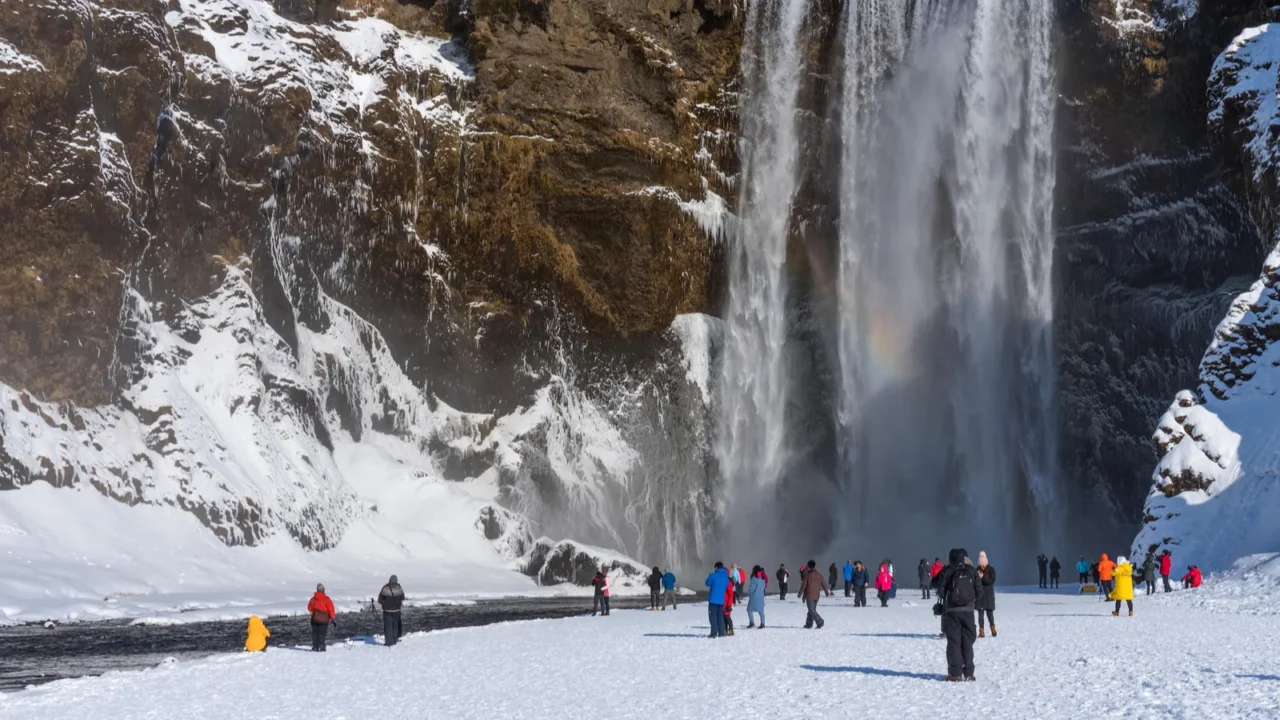
Iceland also discourages approaching wildlife for photos. Visitors are reminded that safety applies to animals and people alike. Responsible behavior protects fragile ecosystems.

Photography rules expand
Photography restrictions surprise many travelers today. In Morocco, photographing locals without consent can lead to serious disputes. Authorities increasingly support residents in such cases.
Japan and South Korea restrict photos in residential alleys. Signs in Kyoto clearly ban geisha photography on private streets. Cultural privacy is being actively defended.

Respecting local traditions
Traditional customs are being reinforced through clear guidance. In South Korea, bowing etiquette and temple conduct are explained through visitor centers. Cultural awareness campaigns now target tourists directly.
India also reminds visitors about shoe removal and temple rules. Enforcement protects rituals that communities value deeply. Traditions remain living practices, not performances.
Transportation etiquette matters
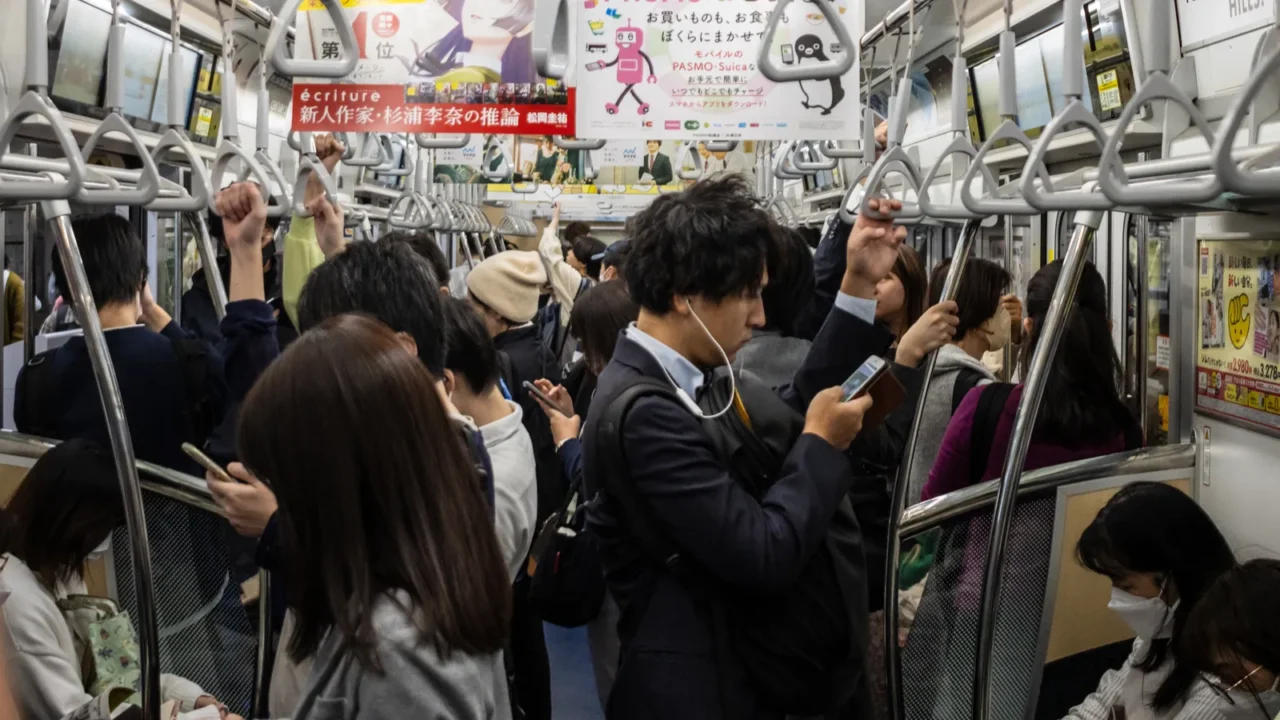
Public transport etiquette is no longer overlooked. In Japan, phone calls on trains are actively discouraged by announcements. Eating on local commuter lines is still frowned upon.
Singapore enforces fines for littering and eating on public transit. Clear penalties maintain order and cleanliness. Transportation reflects everyday cultural norms.
Fines replace friendly warnings
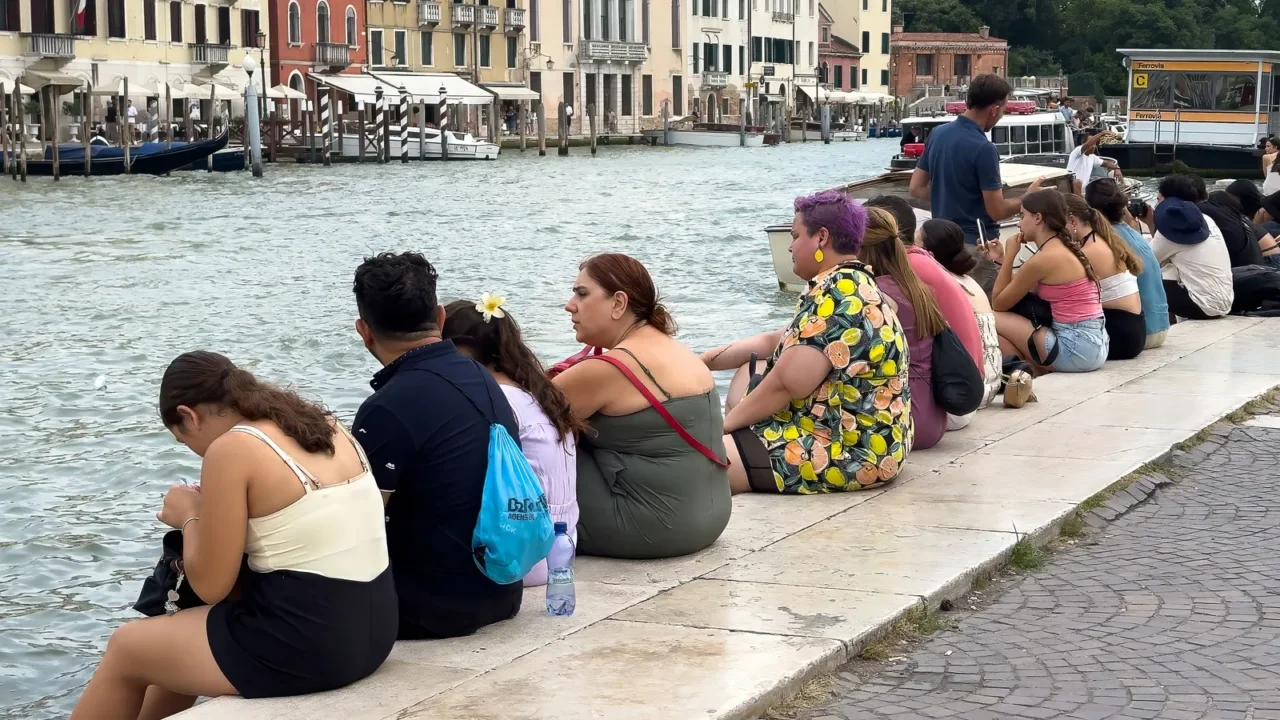
Many destinations moved from verbal reminders to financial penalties. Venice fines visitors who picnic near canals or monuments. Dubrovnik penalizes inappropriate attire inside historic zones.
Officials say fines ensure fairness and consistency. Visitors receive the same treatment regardless of nationality. Enforcement removes confusion around expectations.
Education before punishment
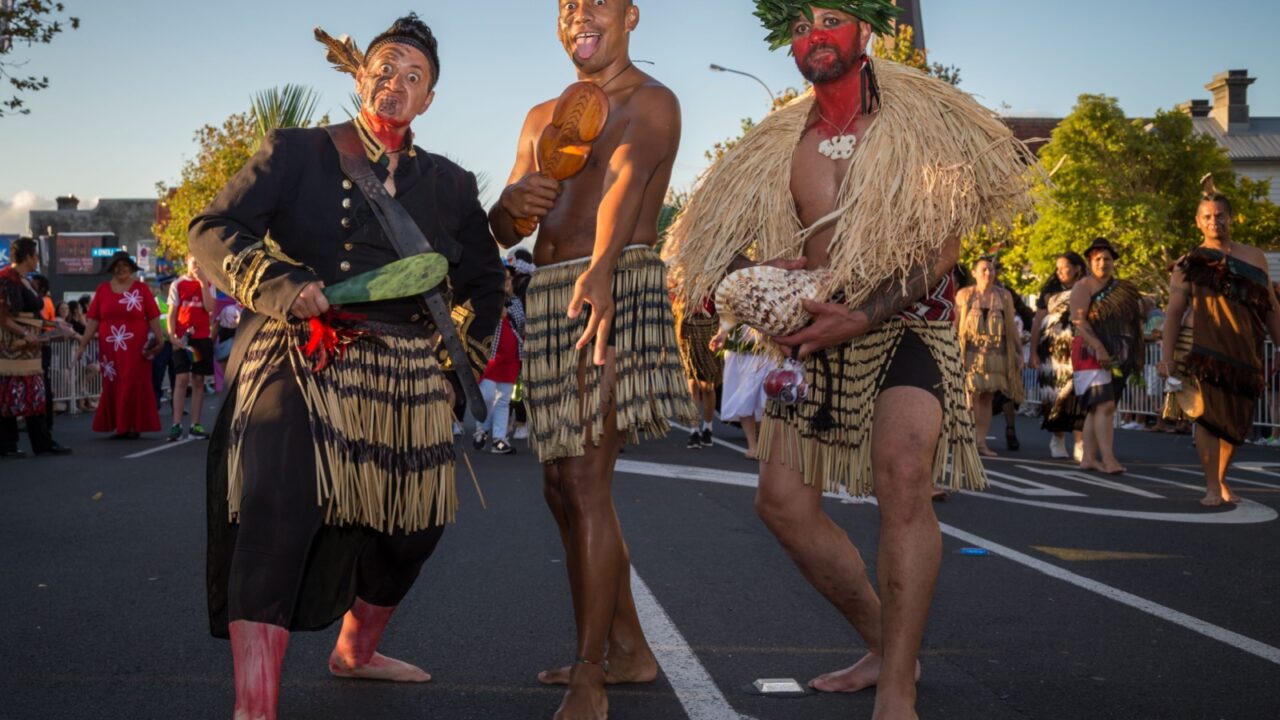
Some cities focus on education alongside enforcement. New Zealand promotes cultural respect through Maori-led tourism programs. Visitors learn behavior expectations before arrival.
Hawaii also emphasizes respect for sacred land and traditions. Signage explains cultural meaning rather than issuing immediate penalties. Education encourages thoughtful travel choices.
Social media’s influence grows
Social media plays a major role in stricter rules, especially when viral trends encourage risky or disrespectful behavior at famous landmarks. Authorities now act faster to prevent misuse, responding directly to online content that spreads unsafe or disruptive habits. These digital moments often trigger real policy changes within weeks rather than years.
Iceland and Norway warn against unsafe photo spots using signs and regular patrols that protect travelers from themselves. At the same time, top European cities like Barcelona and Amsterdam are cracking down on holiday rentals, forcing visitors to follow new accommodation rules tied to responsible tourism. Online behavior increasingly shapes real-world travel policy
Respect shapes future travel
Cultural etiquette enforcement reflects a changing travel mindset. Destinations want meaningful tourism, not just high visitor numbers. Respect is becoming the true entry ticket.
The best trips balance curiosity with awareness of local values. Travelers who adapt tend to enjoy deeper connections.
Which destination’s cultural rules surprised travelers the most? Share your thoughts below.
This slideshow was made with AI assistance and human editing.
Don’t forget to follow us for more exclusive content right here on MSN.
Read More From This Brand:
