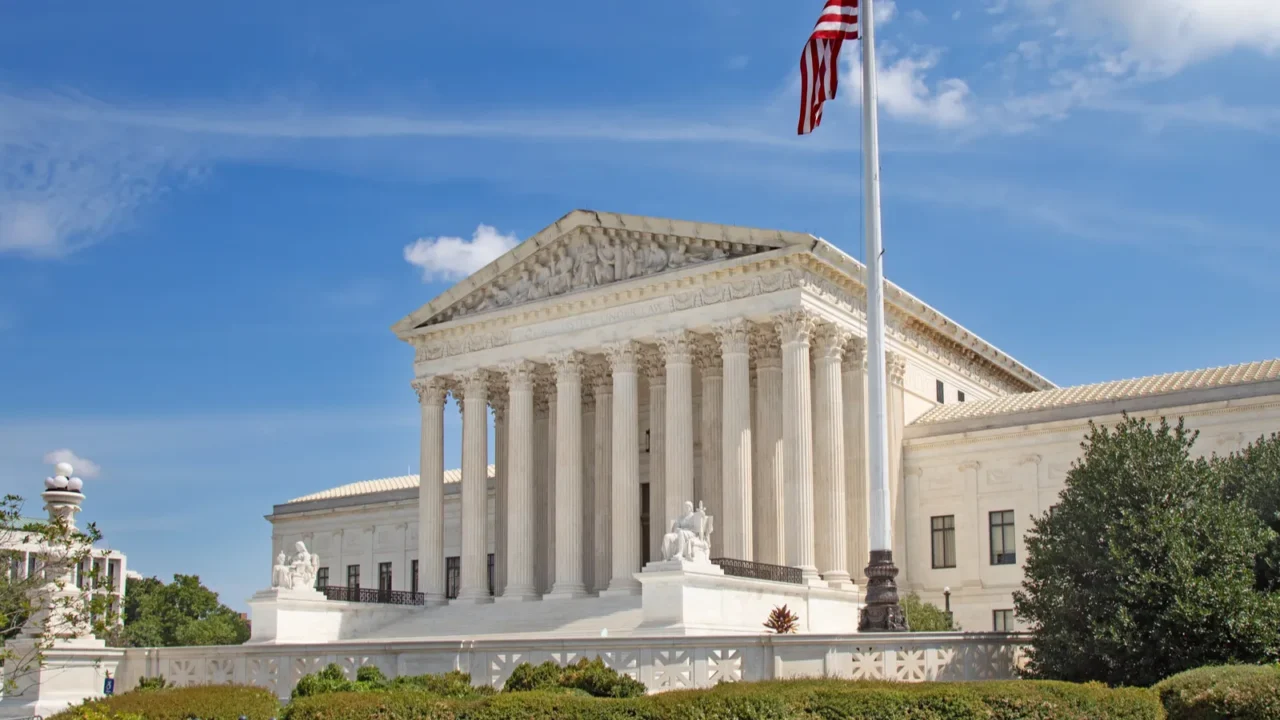
Supreme Court tariff ruling
The Supreme Court of the United States ruled on February 20, 2026, that tariffs imposed under the International Emergency Economic Powers Act were unlawful. The decision invalidated sweeping import tariffs introduced by the administration as part of its trade strategy. The ruling determined that the law used for the tariffs does not authorize a president to impose broad duties on imports.
The decision invalidated a broad set of IEEPA-based tariffs and forced U.S. officials, courts, and importers to sort out the next steps. It also triggered a major policy reassessment in Washington and global markets.
Court limits executive power
The Supreme Court decision made clear that tariffs are traditionally a power held by Congress. The Court said the emergency law used by the administration did not give authority to impose wide import tariffs across global trade partners. The ruling therefore struck down a large group of tariffs that had been implemented during 2025.
Trade experts say the ruling reinforces constitutional limits on presidential authority in economic policy. Businesses that rely on global supply chains are now reviewing contracts and shipping plans. Major gateway cities such as Los Angeles and Seattle could see changes in port activity, shipping volumes, and supply chain planning as trade rules evolve.
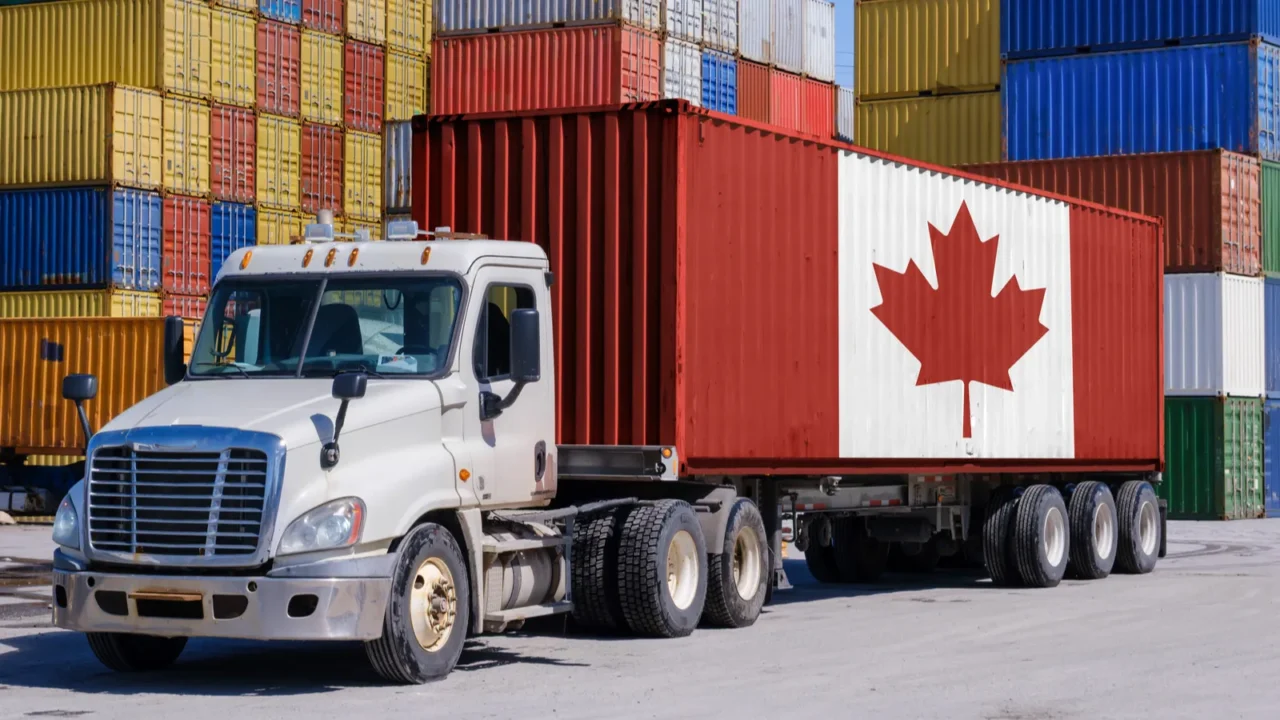
Tariffs imposed under emergency law
The Supreme Court decision focused on tariffs enacted using the International Emergency Economic Powers Act. Those measures included duties placed on imports from countries such as China, Canada, and Mexico during 2025. The challenged measures included 25 percent tariffs on many goods from Canada and Mexico, additional tariffs on Chinese goods, and broader reciprocal tariffs that ranged from 10 percent to 50 percent across trading partners.
The Court determined the emergency law could not be used to impose tariffs in the first place. Economists say that the ruling removed one of the largest sources of tariff increases introduced in recent years. Businesses involved in shipping, manufacturing, and international commerce are monitoring the situation because changes in trade rules can affect costs, cargo flows, and investment planning.

Global trade reactions emerge
International governments quickly reacted to the Supreme Court decision. Trade ministries in Asia and Europe began evaluating how the ruling might change negotiations with Washington. Exporters in countries such as South Korea and India said the decision could reduce uncertainty in global markets.
Global supply chains often shape travel patterns through ports and international business hubs. Cities like Singapore, Dubai, and Rotterdam frequently host trade conferences tied to the shipping and logistics industries. Analysts say a shift in tariff rules could influence those travel events and the industries that support them.

Businesses reassess trade costs
Companies across the manufacturing and retail sectors began analyzing how the ruling might affect import costs. Tariffs often increase the price of goods that rely on global supply chains, including electronics, clothing, and automobiles. Removing some duties could help stabilize costs for businesses operating in international markets.
Lower trade barriers sometimes encourage more cross-border commerce and shipping activity. Major transportation hubs like Los Angeles International Airport and Chicago O’Hare International Airport serve as gateways for business travel tied to global trade. Industry analysts say policy changes often ripple through travel and logistics sectors.
Trade and tourism connections
Trade policy often affects tourism industries more than many travelers realize. Airlines, cruise operators, and hospitality companies rely on stable global commerce for equipment, fuel, and supply chains. Changes in tariffs can influence everything from aircraft parts to hotel construction materials.
Fact: According to the World Travel & Tourism Council, Travel & Tourism contributed about $10.9 trillion to global GDP in 2024, showing how closely transportation, hospitality, and broader economic activity are linked.
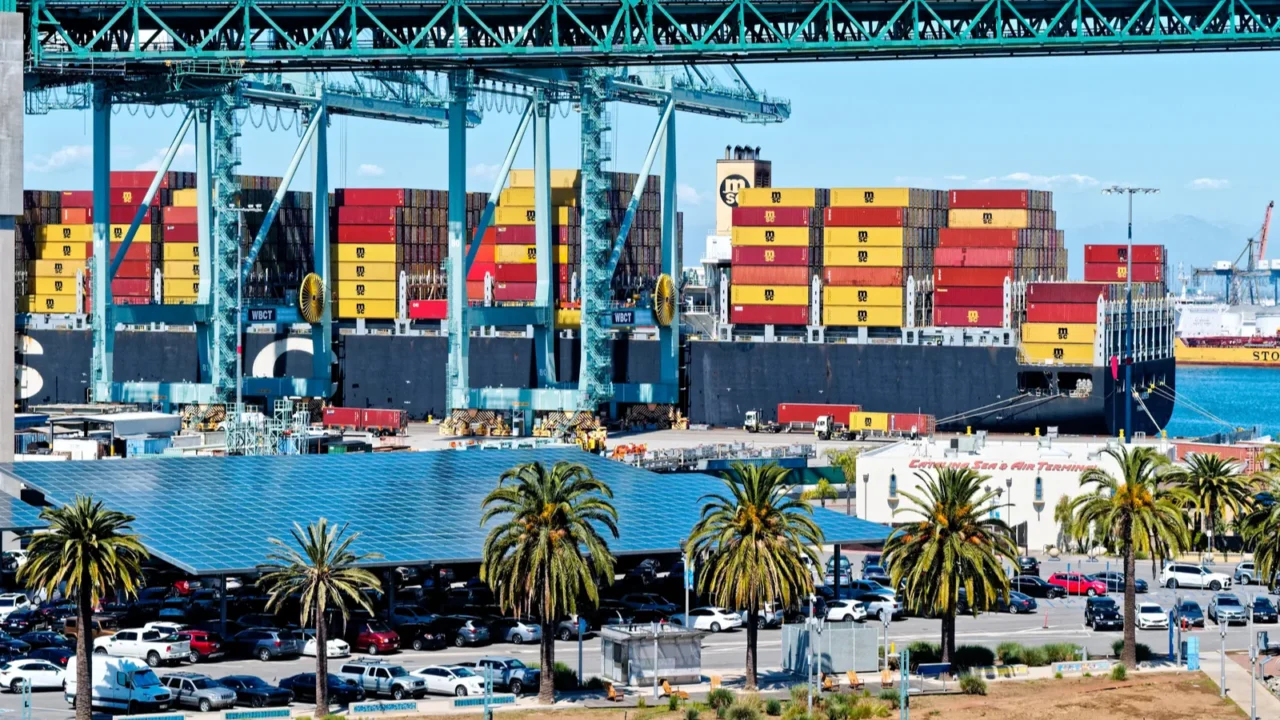
Ports drive travel economies
Major ports often act as gateways for both cargo and travelers. Locations such as the Port of Los Angeles and the Port of Long Beach handle enormous volumes of imports and exports each year. Trade shifts caused by tariff policies can therefore influence cruise travel and logistics employment.
Fact: According to the Port of Los Angeles, the port handled 8,634,497 TEUs in 2023 and remained the busiest container port in the United States.

Businesses seek tariff refunds
Another major issue emerging from the ruling involves refunds for previously collected tariffs. Some companies paid billions of dollars in duties under the invalidated policies. Legal experts say determining refund eligibility could take years of litigation and administrative review.
The refund process could affect companies that import electronics, consumer goods, and industrial materials. Firms operating in cities such as San Francisco and Chicago have already begun reviewing financial filings tied to tariff payments. These developments highlight how trade policy decisions ripple through business centers and travel hubs.

New tariffs still possible
Despite the court decision, trade policy uncertainty has not disappeared. Officials said new tariffs could still be introduced using other trade laws approved by Congress. Those measures might target specific industries or countries, depending on future negotiations.
Political leaders have already discussed replacing the invalidated tariffs with new measures under a different legal authority. Trade analysts say policy adjustments could continue throughout the year. Business travelers attending economic forums in Washington or New York are closely following these developments.

Markets respond cautiously
Financial markets reacted quickly after the Supreme Court ruling became public. Investors and corporations tried to assess how the decision would affect supply chains and trade costs. Some economists say reduced tariffs could lower certain import prices over time.
Markets often influence travel sectors through currency shifts and global investment patterns. Tourism destinations such as Miami and Las Vegas depend on strong economic conditions and international spending. Analysts say trade policy changes sometimes reshape those economic flows.

Global trade negotiations shift
Diplomats and trade officials are reassessing negotiations with the United States after the ruling. Some countries may revisit earlier agreements that were shaped by the now invalid tariffs. Others are waiting to see how Washington adjusts its trade strategy.
International trade talks often take place in major conference cities such as Geneva, Brussels, and Washington. These meetings bring diplomats, economists, and corporate leaders together. Travel related to policy summits and trade forums may increase as governments adjust to the new environment. Ottawa has rebuked Trump and accelerated trade diversification plans to protect Canadian economic sovereignty.
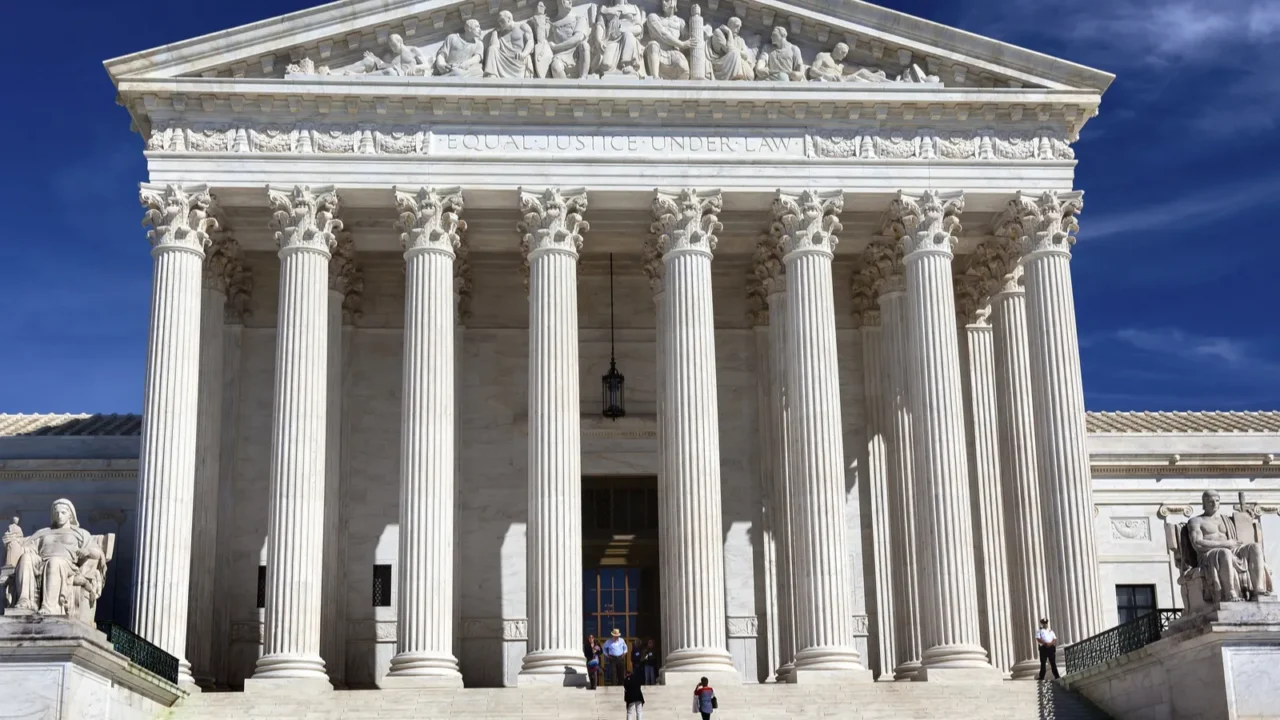
Trade policy enters transition
The Supreme Court ruling created a major turning point in American trade policy. While some tariffs disappeared immediately, the broader strategy remains under debate in Washington and global markets. Businesses, governments, and travel industries are all watching closely as new policies emerge.
Trade decisions often shape economic activity in global cities that host business meetings, logistics hubs, and international conferences. The next phase of U.S. trade policy could influence travel demand tied to commerce and investment.
How might changing trade rules reshape global travel destinations over the next decade? Share thoughts below.
This slideshow was made with AI assistance and human editing.
Don’t forget to follow us for more exclusive content right here on MSN.
Read More From This Brand:
