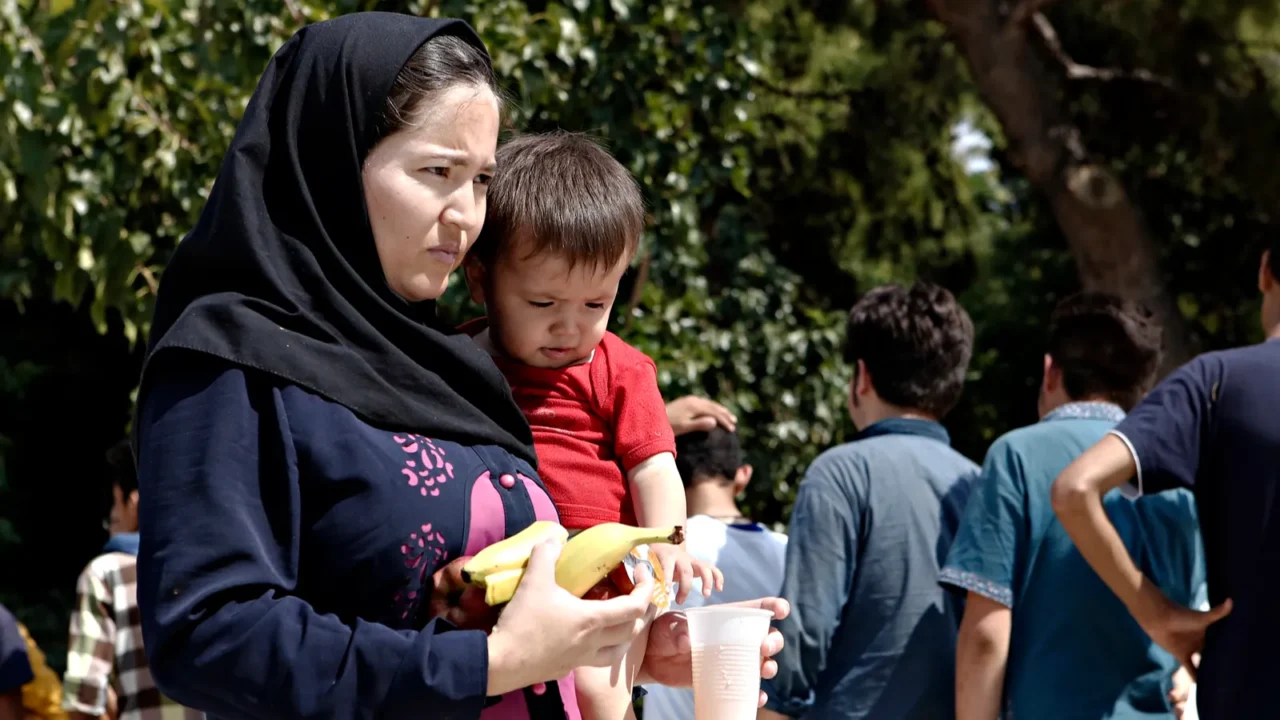
U.S. pauses Afghan immigration now
The U.S. has suspended all immigration applications from Afghan nationals indefinitely. This move comes after a recent incident in Washington D.C. raised national security concerns. Many Afghans who planned to move to the U.S. now face uncertainty about their future.
The pause affects green cards, asylum requests, refugee status, and other pathways. Around 200,000 Afghans are now waiting while authorities review vetting procedures to prevent future risks. Families and individuals are adjusting their plans as they await further guidance.

Triggering incident in D.C.
A November shooting near the White House injured two National Guard soldiers. The suspect, an Afghan national, had previously entered the U.S. under a 2021 evacuation program. The attack has sparked debate about how immigration and security measures are handled.
President Trump called the attack an “act of terror.” He promised a thorough review of all Afghan immigrants admitted under prior policies. Security experts say these reviews could take months to complete.
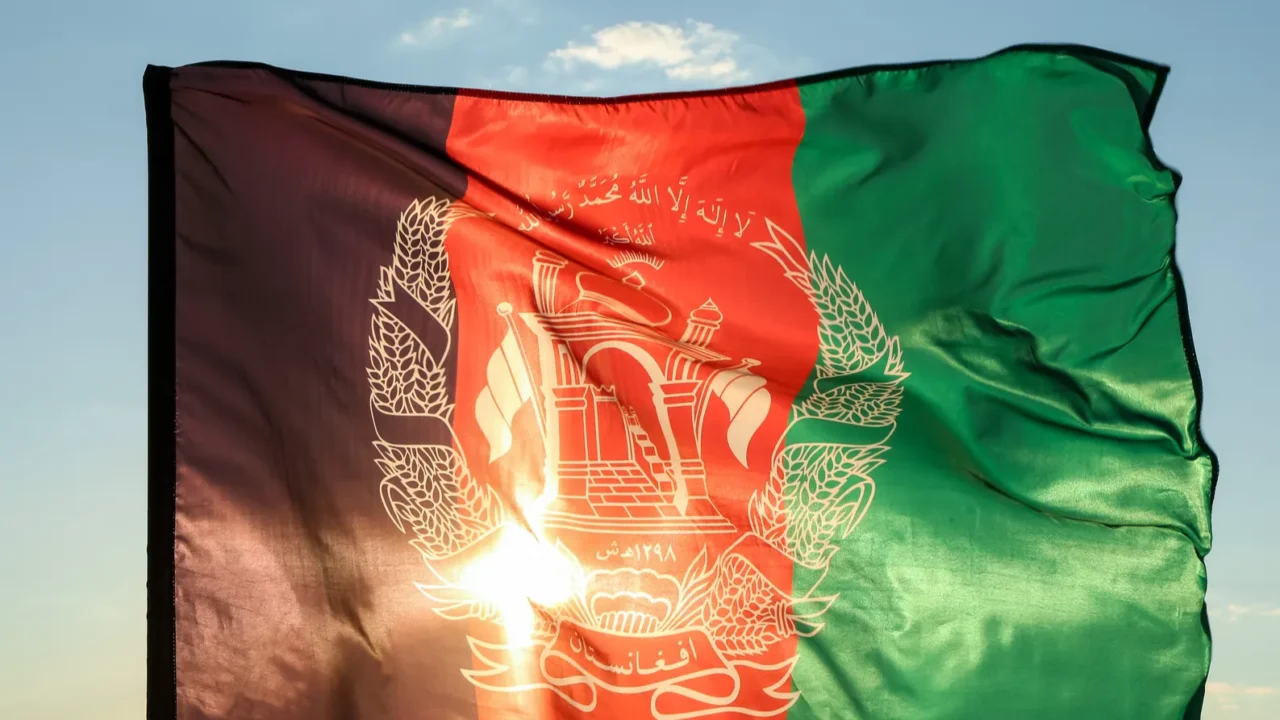
Who is affected by the pause
The halt impacts all Afghan immigration applications, including those already in process. Green cards, asylum claims, and refugee applications are all on hold. Many applicants are worried about job opportunities, schooling, and housing while waiting.
Afghan nationals who are not U.S. residents will face delays while security reviews are completed. Families, individuals, and at-risk collaborators with U.S. forces are among those affected. Humanitarian organizations are urging officials to provide clear timelines for applicants.

Expanding background checks
The administration plans enhanced security screenings for Afghans who were approved previously. Reinterviews may be required for those granted asylum or refugee status. These additional checks aim to catch any potential risks that were missed before.
This step aims to strengthen vetting processes and prevent future security threats. It also aligns with broader immigration reviews for certain high-risk countries. Experts say this may change how other refugee programs are managed.
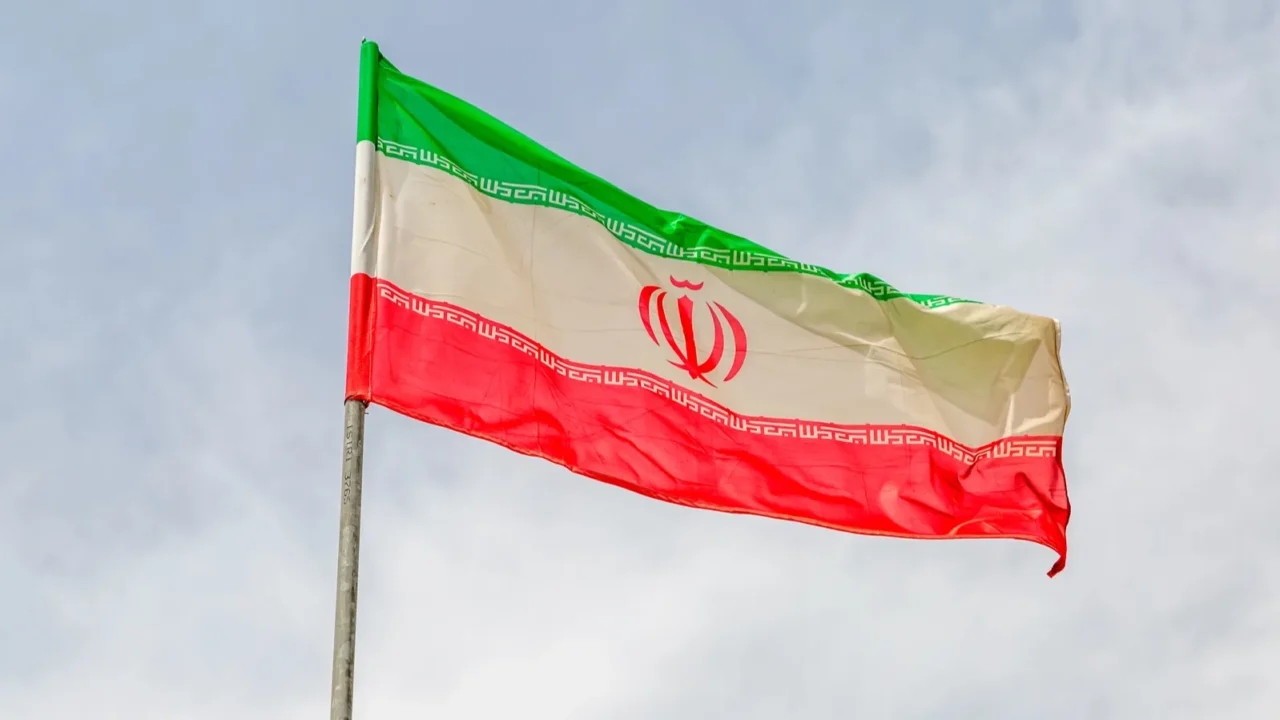
Part of broader immigration policy
This pause builds on earlier limits affecting 19 countries of concern, including Iran and Yemen. Restrictions target nations with higher overstaying or terrorism risks. The policy reflects a broader focus on tightening U.S. borders.
President Trump’s policy emphasizes national safety first. The new measures prioritize U.S. citizens while scrutinizing past approvals under prior administrations. Some see it as a shift from humanitarian priorities to security-focused decisions.
Timeline of recent actions
The indefinite suspension started in late November 2025. It follows a June 2025 proclamation fully restricting Afghan entry for certain visa categories. Officials say the review process could continue for months before changes are finalized.
Officials are now reviewing all pending applications for security compliance. This ensures each case meets updated safety and screening standards. Applicants are being asked to stay patient as procedures unfold.

Impact on Afghan arrivals
Many Afghans arrived in the U.S. during the 2021 evacuation. These individuals include translators, humanitarian workers, and others who collaborated with American forces. Their contributions to U.S. efforts have been significant and highly valued.
The pause leaves them in uncertainty about their status. Legal and refugee protections are temporarily delayed as new checks are applied. This uncertainty is affecting families’ ability to settle and plan for the future.
Global refugee implications
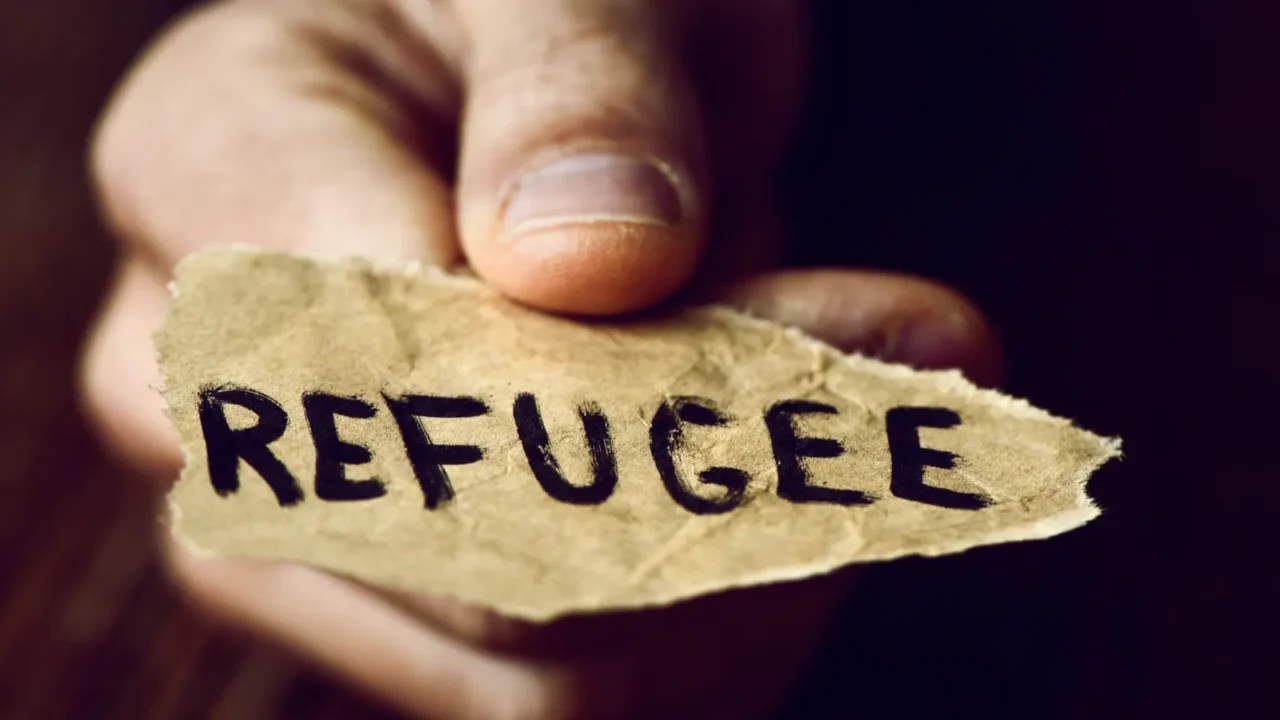
The U.S. halt adds pressure to the worldwide Afghan refugee situation. Many displaced Afghans depend on international resettlement opportunities to escape conflict. Aid agencies are struggling to meet growing needs while U.S. processing slows.
Delays in U.S. processing are slowing relocation efforts and impacting humanitarian support. Other countries may also face challenges accommodating those needing safe refuge. The pause could have ripple effects across international refugee programs.

Exceptions and waivers possible
Some Afghan applicants may qualify for limited waivers during the pause. These are generally for urgent humanitarian or family reunification cases. Officials stress that exceptions are rare and carefully evaluated.
Authorities review requests on a case-by-case basis. However, most applicants must wait until the enhanced security checks are complete. Applicants are encouraged to submit thorough documentation if seeking a waiver.
Green card and asylum reviews
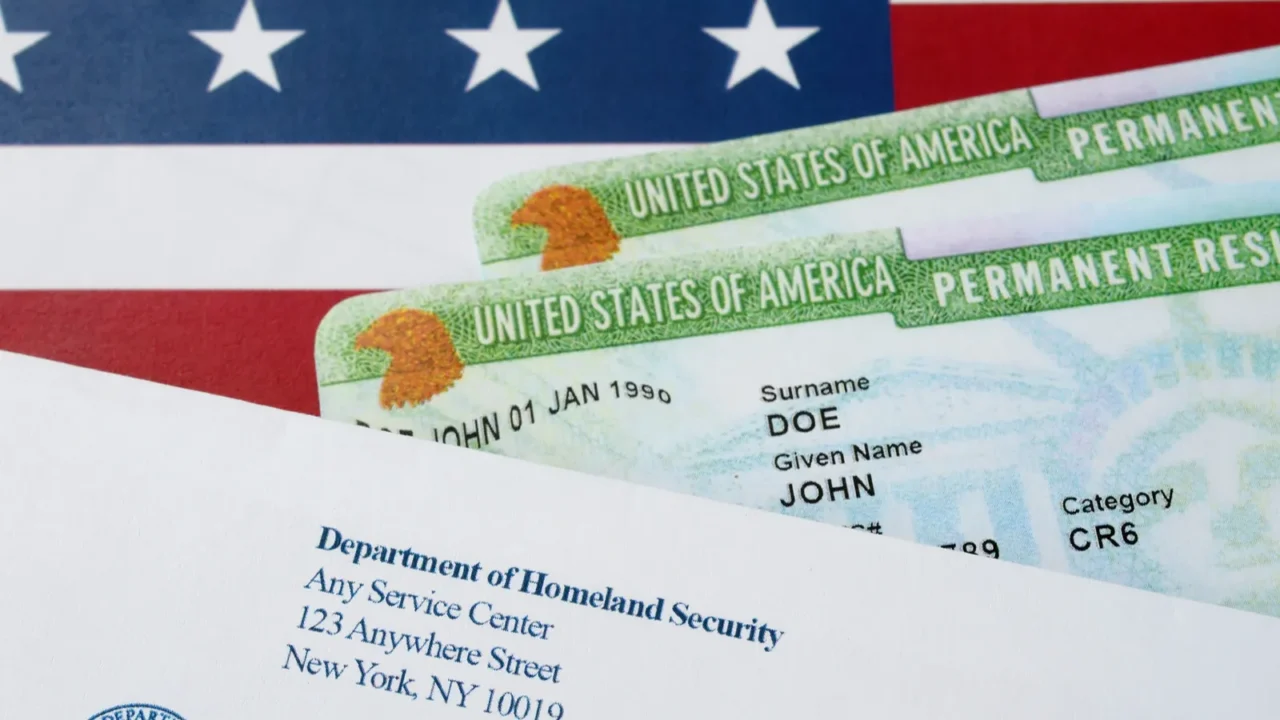
Previously approved green cards and asylum applications may undergo re-evaluation. The goal is to ensure no security gaps exist in prior approvals. This process could require interviews or additional background verification.
This step could affect tens of thousands of Afghans. U.S. officials stress that safety measures are the priority, rather than reversing all approvals. Applicants may experience delays in travel, work permits, or family reunification.

How it affects U.S. communities
Local communities hosting Afghan arrivals may see delays in new residents joining. Schools, workplaces, and social services are affected by slower processing times. Organizations supporting refugees are adjusting resources to handle longer waitlists.
Nonprofit organizations and refugee support programs are adjusting plans. Volunteers continue helping Afghan families navigate uncertainty during the pause. Communities are trying to provide stability despite the ongoing delays.

Broader immigration context
The pause is part of Trump’s broader agenda limiting immigration from higher-risk nations. Similar measures have targeted countries with security or overstay concerns. Experts say these policies reflect a strong emphasis on border security over humanitarian concerns.
The administration aims to strengthen vetting and ensure public safety. Critics say these pauses also create delays for humanitarian arrivals. The approach is sparking debate over balancing safety and compassion. Check out in more detail about what Trump’s 2025 travel bans mean for you.
What applicants should know
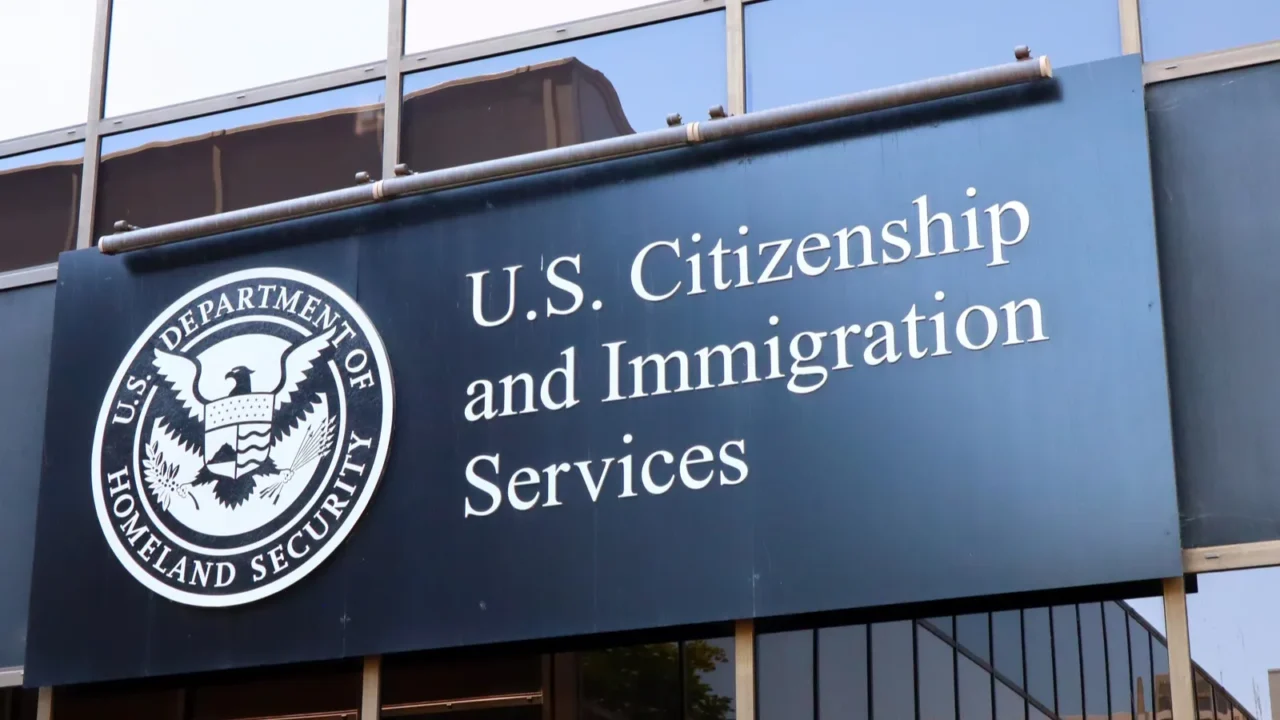
Afghan nationals are advised to check USCIS updates regularly. Official guidance outlines documentation needed for reviews or possible waivers. Staying informed helps reduce stress while applications are pending.
Staying informed can help families and individuals plan next steps. Patience and preparation are key during the indefinite pause. Consulting legal experts may also help applicants navigate the process. In other news, FAA extends ban on flights over Haiti until 2026.
Find this post helpful? Don’t forget to share your views in the comments.
Read More From This Brand:
- The World’s most breathtaking flower festivals (and when to go)
- Untouched destinations where wild nature still thrives
- Why celebrities flock to Italy’s Amalfi Coast after tourist season
Don’t forget to follow us for more exclusive content right here on MSN.
This slideshow was made with AI assistance and human editing.
