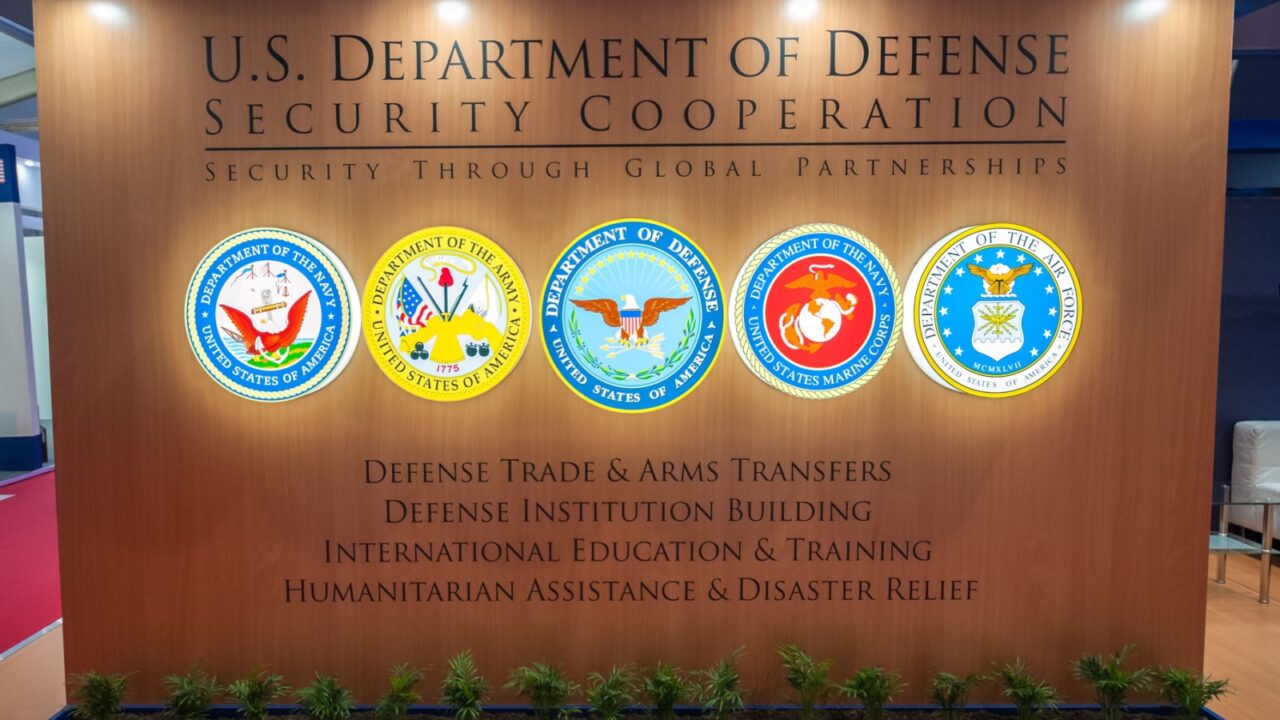
Defense Department travel ripple
The United States Department of Defense is expanding military activity across several strategic regions in the United States and overseas. Increased training schedules, base upgrades, and security restrictions are beginning to influence nearby civilian travel patterns. Some popular destinations near military installations are seeing subtle changes in visitor access and flight routing.
Military planning often overlaps with tourism hotspots, especially in coastal states and Pacific territories. Airports near large bases sometimes adjust air traffic schedules during exercises or heightened readiness periods. These adjustments rarely stop travel completely, but they can influence timing, routing, and visitor experiences.
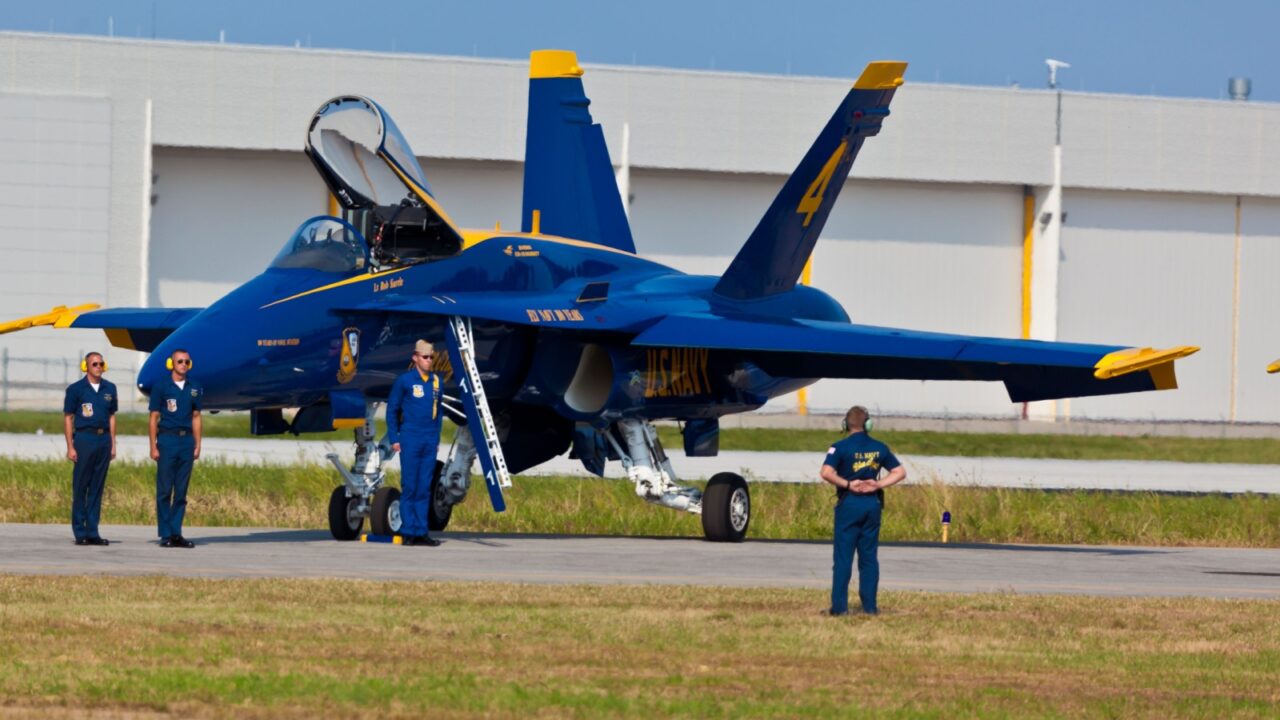
Military training affects flights
The Department of Defense frequently conducts large-scale training exercises near installations such as Naval Air Station Fallon in Nevada and Eglin Air Force Base in Florida. These drills temporarily restrict sections of the surrounding airspace for safety and operational coordination. Commercial airlines occasionally reroute flights when exercises occur in heavily used corridors.
Travelers flying through airports like Pensacola International Airport or Las Vegas Harry Reid International Airport may notice small scheduling adjustments during peak training periods. Airlines usually adapt quickly because modern air traffic management systems allow flexible routing. Most passengers experience only minor delays or route changes.
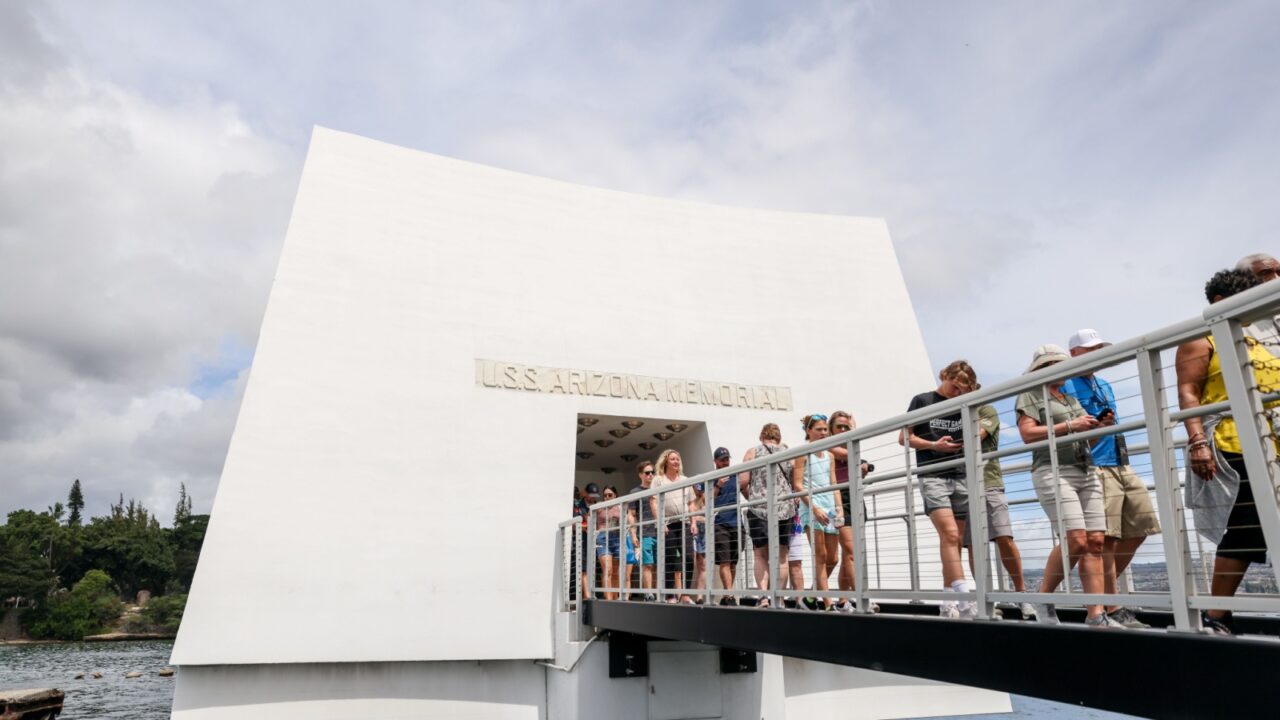
Tourism near base regions
Defense activity can also affect tourism in destinations located near large installations such as Joint Base Pearl Harbor-Hickam in Hawaii. Military exercises sometimes lead to short-term maritime safety zones in nearby waters. Tour operators and cruise companies adjust itineraries when naval drills temporarily limit certain routes.
The Department of Defense works closely with local authorities in places like Oahu and San Diego to minimize disruption. Tourism officials often receive advance notice of major exercises or infrastructure upgrades. This coordination helps hotels, airlines, and tour providers plan around military schedules.
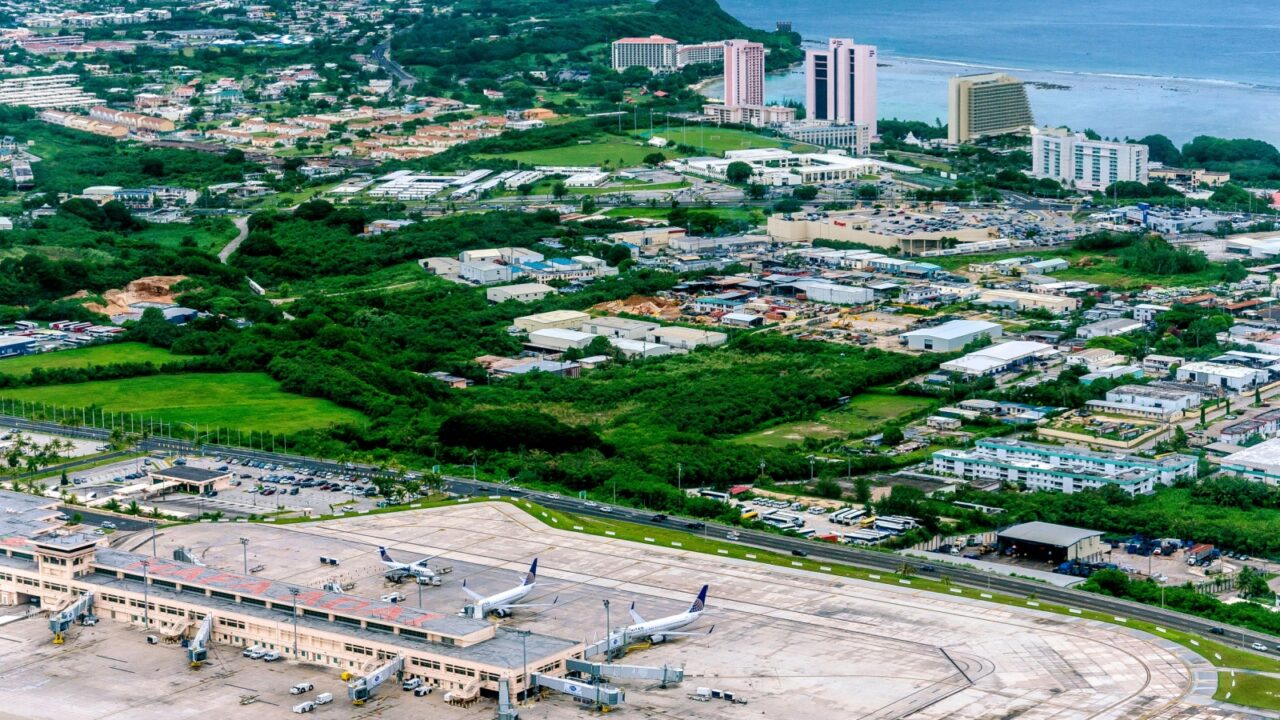
Pacific islands strategic focus
The Pacific region has become a key focus of recent defense investments. Installations on Guam, Saipan, and Tinian are receiving upgrades that support expanded training operations and logistics. These projects are part of broader security planning across the Indo-Pacific region.
Travelers visiting Guam International Airport may notice increased military aircraft movements during major exercises. While civilian flights continue operating normally, airport operations occasionally adjust runway usage or scheduling windows. Local tourism leaders say communication between defense planners and the travel industry remains strong.
Coastal training zones expand
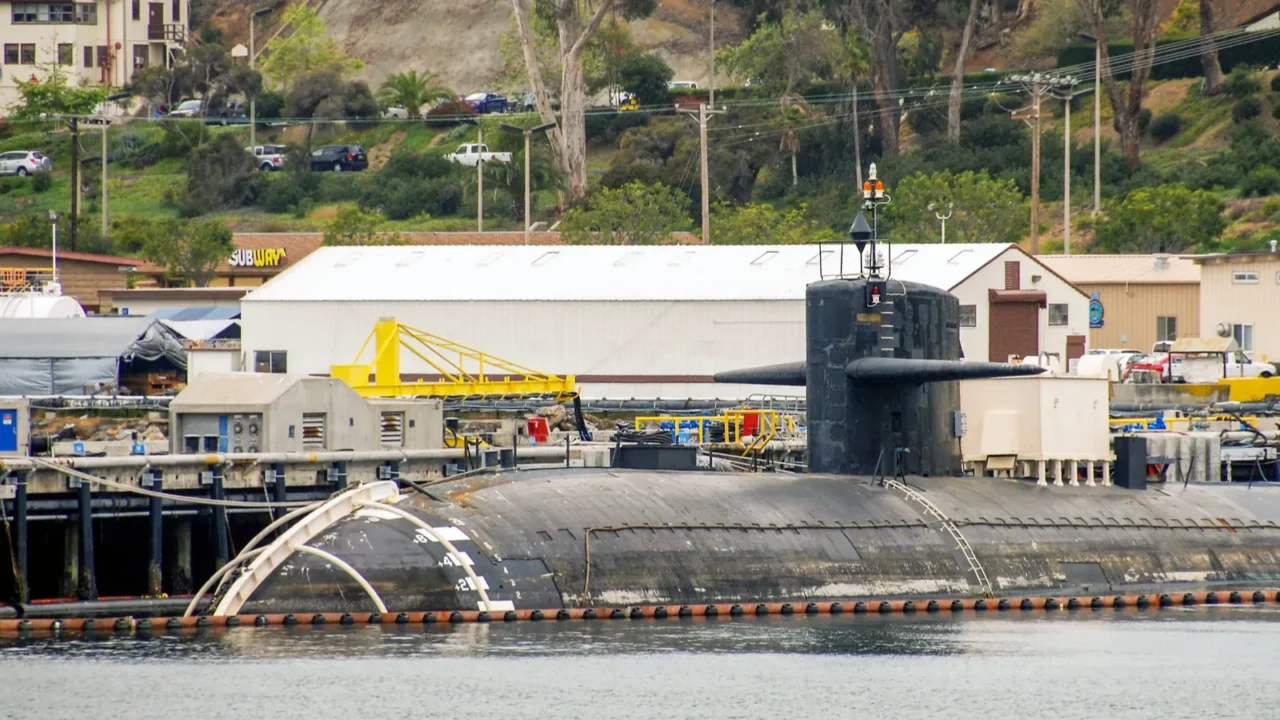
Along the American coastline, naval training zones occasionally expand during major fleet exercises. Areas off Virginia Beach near Naval Air Station Oceana and waters near San Diego Naval Base are commonly used for aviation and maritime drills. Safety notices are issued to ships, charter boats, and recreational travelers.
Cruise routes along the Pacific and Atlantic coasts sometimes adjust slightly during large naval operations. The travel industry typically receives advance navigation warnings through maritime safety bulletins. These systems help tourism operators maintain safe schedules while exercises take place nearby.
Historic military tourism connections
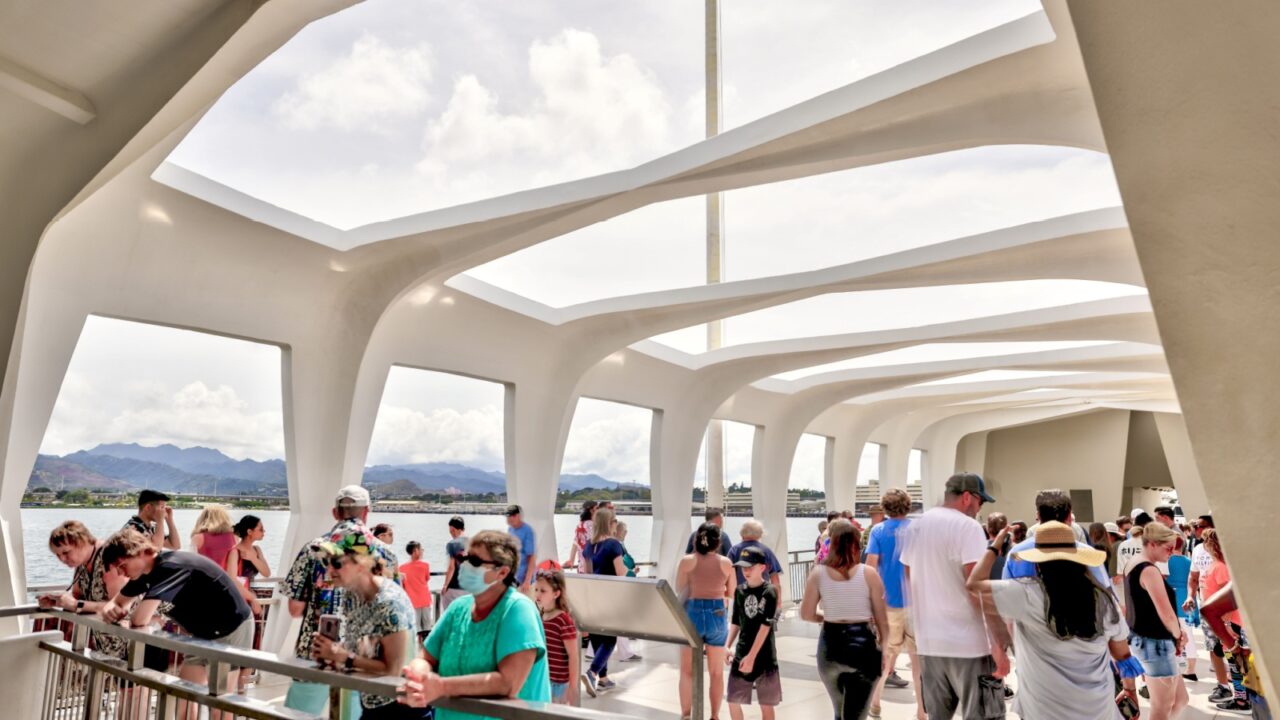
Military bases and tourism have long been linked across several American destinations. This connection shows how military locations can actually strengthen travel interest rather than limit it. Visitors often combine beach vacations in Honolulu with educational visits to historic naval landmarks. Tourism officials say the blend of history and recreation continues to draw global travelers.
Fact: Pearl Harbor National Memorial in Hawaii recorded 1,692,719 visits in 2023, according to National Park Service data, making it one of the most visited military history sites in the country.
Aviation and defense overlap
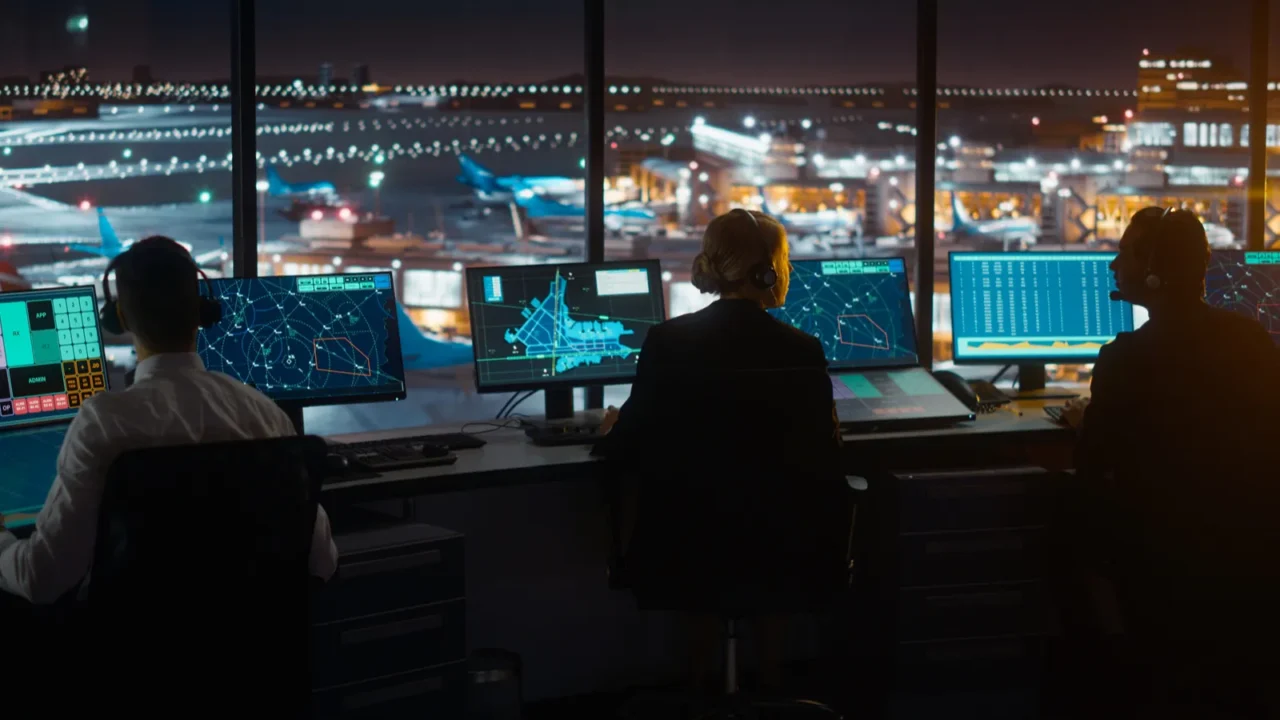
Airspace management is one area where military operations and travel intersect the most. Joint airspace planning allows commercial carriers and defense aircraft to operate safely within the same national system. Temporary restrictions during exercises are carefully mapped and communicated to airlines. This coordination helps maintain one of the world’s busiest aviation networks.
Fact: The Federal Aviation Administration reports that the United States manages more than 45,000 flights daily across shared civilian and military airspace, highlighting how closely aviation systems coordinate operations.
Airline routing adjustments
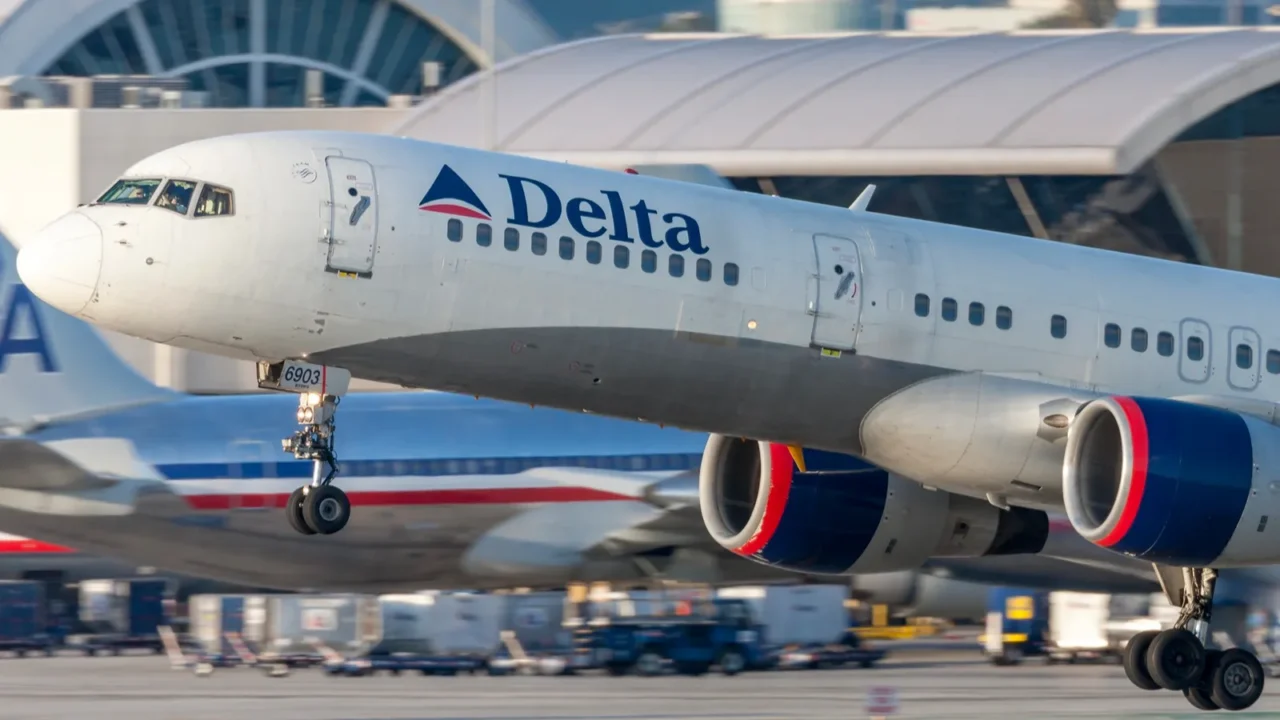
Commercial airlines rely on flexible routing when military exercises temporarily limit certain corridors. Carriers like American Airlines, Delta Air Lines, and United Airlines routinely adjust flight paths using real-time air traffic data. These systems help minimize passenger disruption.
Flights traveling across the Pacific or along the West Coast occasionally shift routes during naval aviation drills. Airlines say the adjustments rarely add more than a few minutes of travel time. Advanced navigation technology allows these changes to happen quickly and safely.

Local economies feel shifts
Communities near major installations often see mixed economic effects from defense expansion. Increased personnel and contractors can boost hotel bookings and restaurant visits in cities like San Diego and Norfolk. At the same time, temporary restrictions on exercises can redirect some tourism activity.
Local tourism boards work with military planners to keep events and festivals running smoothly. In many cases, advance scheduling allows communities to avoid conflicts between tourism peaks and training operations. This balance helps protect both economic interests.
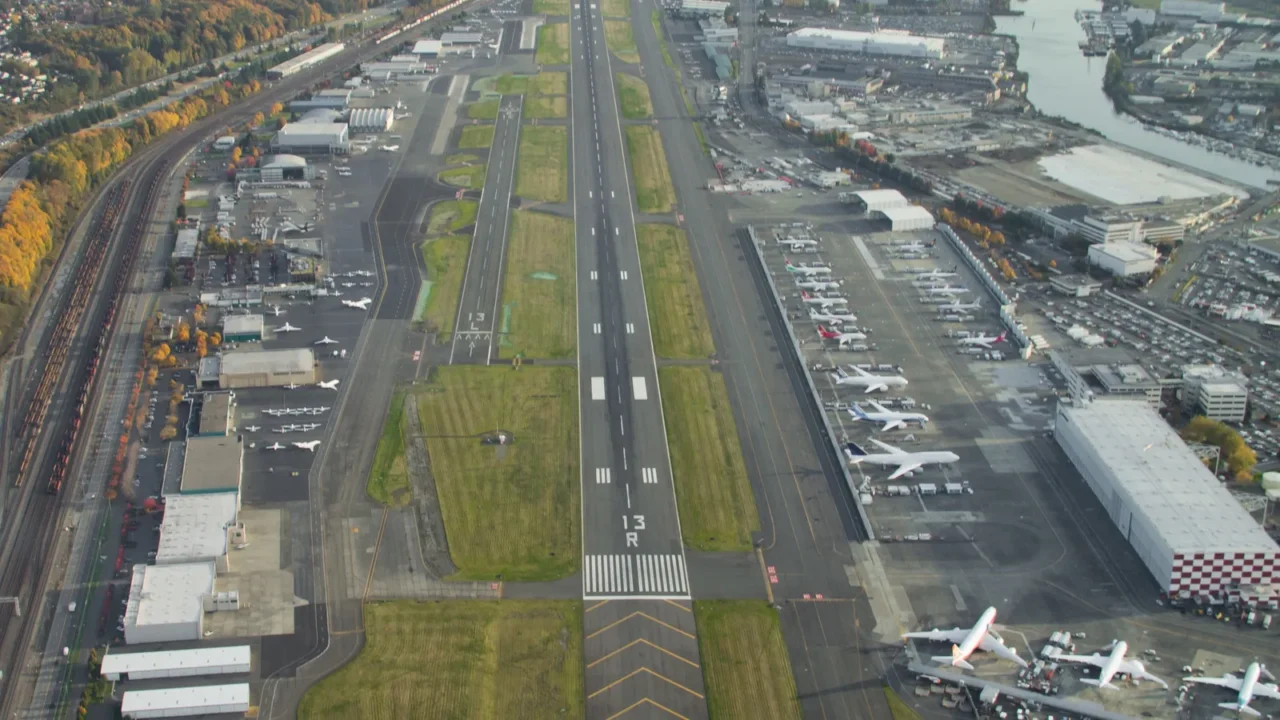
Infrastructure upgrades underway
Defense-related construction is also shaping travel patterns in some regions. Airport expansions and port improvements near installations in Guam and Okinawa support both military logistics and civilian transportation. These upgrades can eventually benefit travelers.
Improved runways, cargo facilities, and transportation links often increase overall capacity in the long term. Tourism experts say infrastructure improvements sometimes lead to better connectivity for international visitors. The changes can reshape regional travel networks over time.
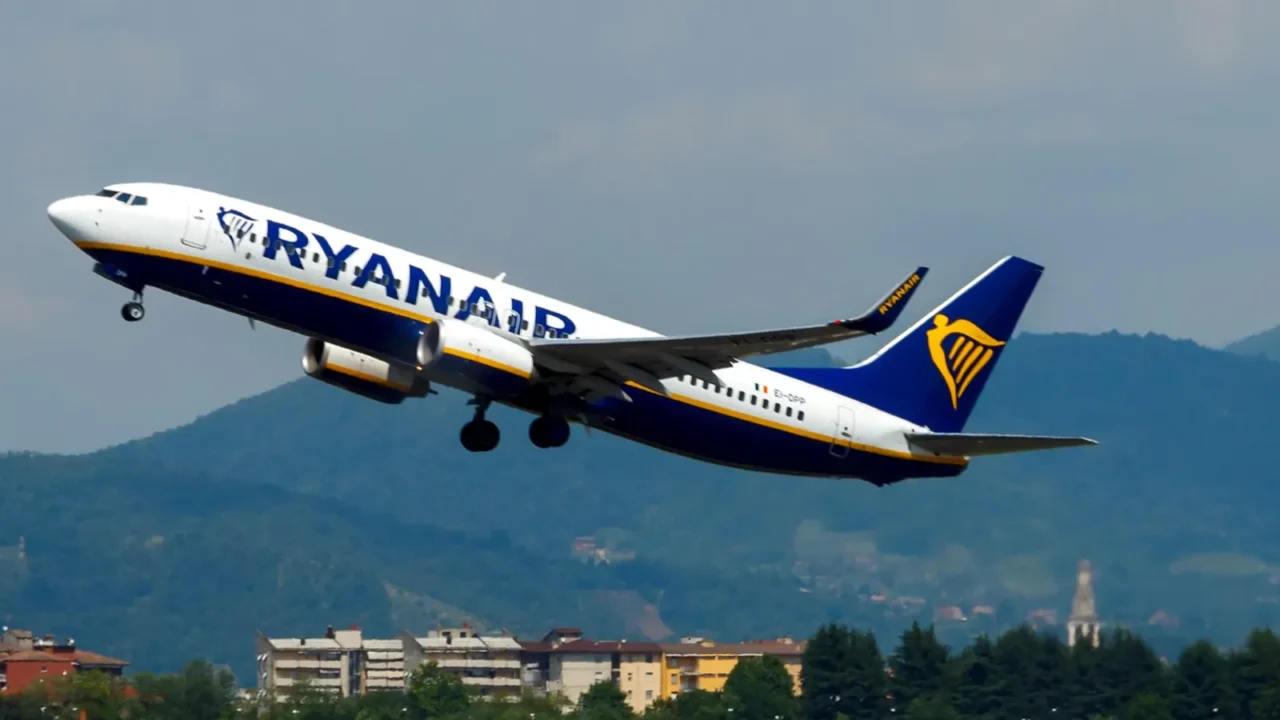
Pacific tourism watching closely
Travel companies operating in the Pacific closely monitor defense activity announcements. Cruise operators and regional airlines often adjust schedules around exercises near Guam, Hawaii, and the Northern Mariana Islands. Advance notice helps maintain stable tourism planning.
Industry analysts say most travelers never notice these behind-the-scenes adjustments. Airlines and tour companies build flexibility into routes and itineraries. That planning helps keep vacations running smoothly despite occasional military activity nearby.
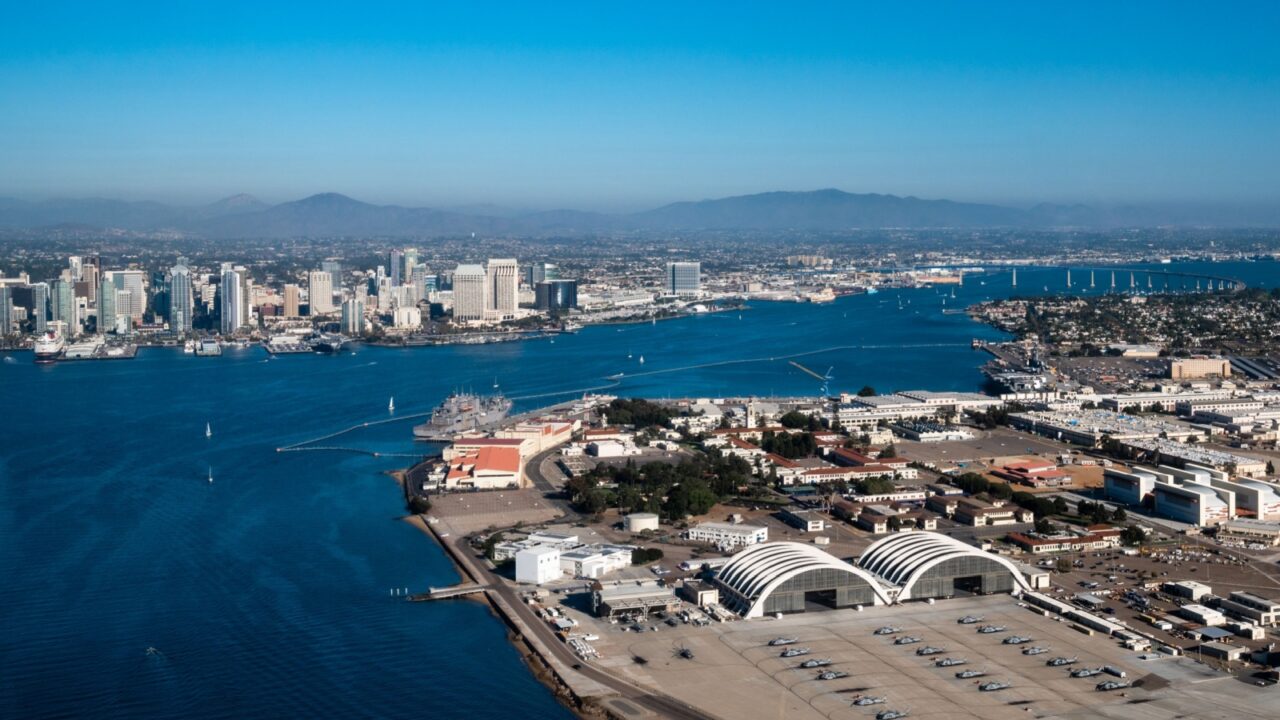
Balancing security and travel
Security planners and tourism leaders both recognize the importance of coordination. Military readiness requires large training areas, but destinations like San Diego, Honolulu, and Pensacola also rely heavily on visitor spending. Collaboration helps maintain that balance.
Public safety notices, airspace planning, and community briefings are common tools used today. Norway recently told citizens to prepare for possible wartime property seizures as part of updated national defense planning. Most experts say cooperation between sectors has improved significantly in recent years.
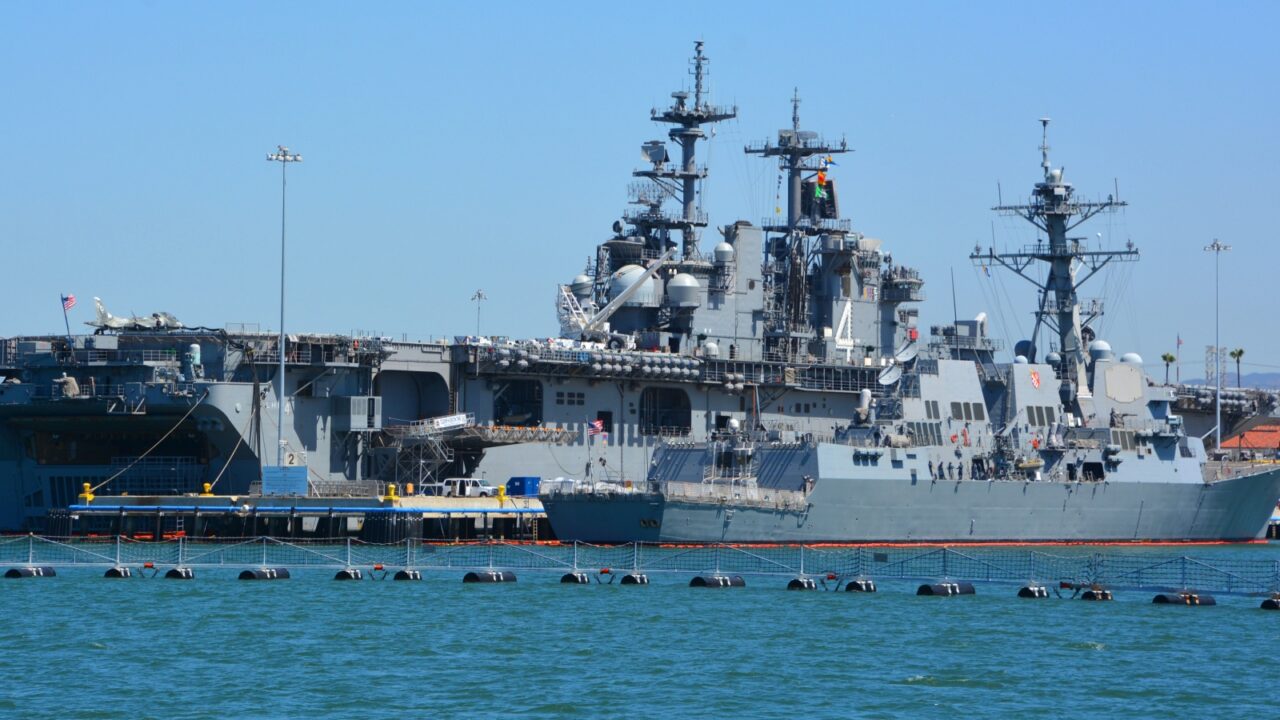
Travel adapting to changes
Travel near major installations is likely to keep evolving as defense strategies shift. Destinations around Pearl Harbor, Naval Base San Diego, and Guam will continue balancing military operations with tourism demand. Most adjustments remain temporary and carefully managed.
For travelers, the biggest changes usually involve timing or routing rather than complete access restrictions. Tourism leaders say communication and planning will remain essential as global security priorities evolve.
Which destinations near historic or active military sites feel most interesting for future trips? Share thoughts below.
This slideshow was made with AI assistance and human editing.
Don’t forget to follow us for more exclusive content right here on MSN.
Read More From This Brand:
