U.S. state parks face rising prices
The United States state parks system includes hundreds of sites that provide hiking, camping, swimming, and more for visitors of all ages. Many state park systems have recently updated fees for camping, parking, and reservations as operating and maintenance costs rise in 2025. Even with price changes, most parks still offer basic access at low cost or no fee for general day use to welcome holidaymakers and outdoor fans.
Some states are raising prices to address funding shortfalls and support services like trail upkeep and restroom maintenance. Other states emphasize keeping parks affordable for families and first-time visitors. The mix of fee increases and free-access options is shaping how travelers plan trips across the country.
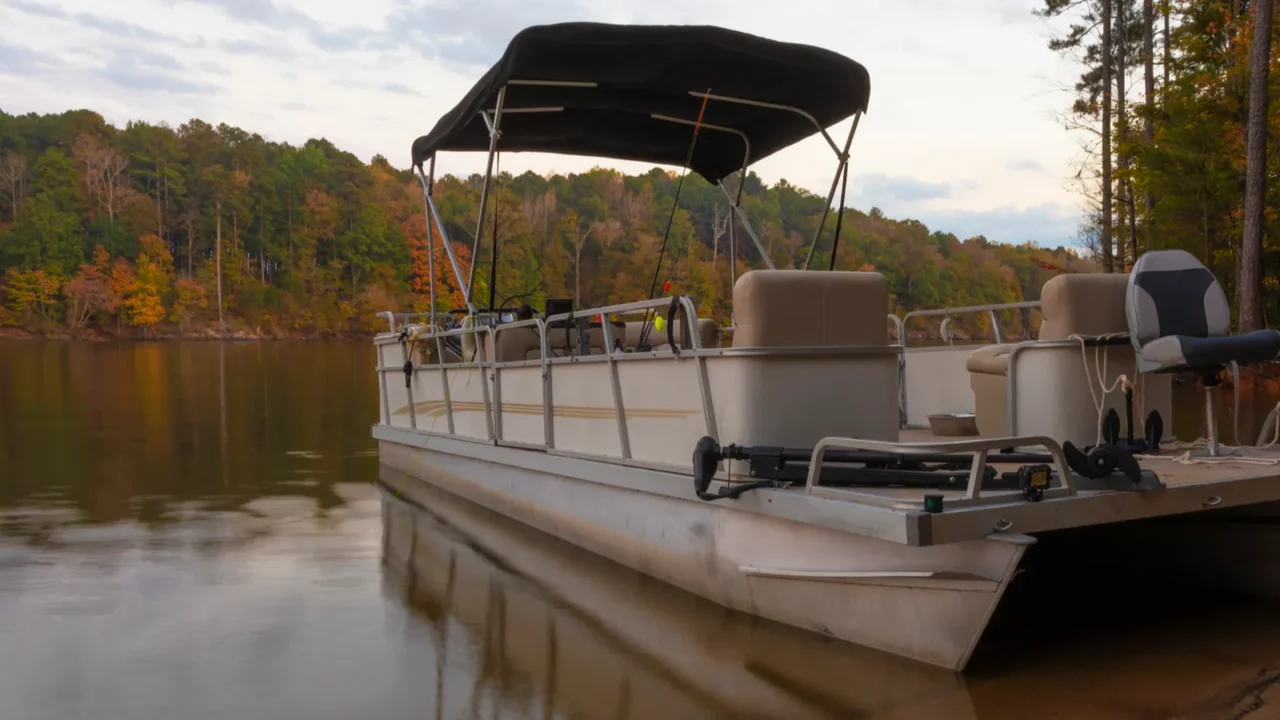
North Carolina hikes camp fees
North Carolina State Parks announced fee increases effective May 1, 2025, affecting campsites and reservoir vehicle entrance charges. Tent campsites will cost about $20 to $30 per night, and RV sites with hookups will be around $45 per night. Vehicle entrance fees at Falls Lake, Jordan Lake, and Kerr Lake will cost about $10 during peak months.
Most state parks outside reservoir zones remain free for general day use year-round. Senior citizens, veterans, and active military will continue to receive a discounted $5 vehicle fee in peak months. Officials say the updates help offset maintenance and operation costs while keeping parks welcoming to visitors.
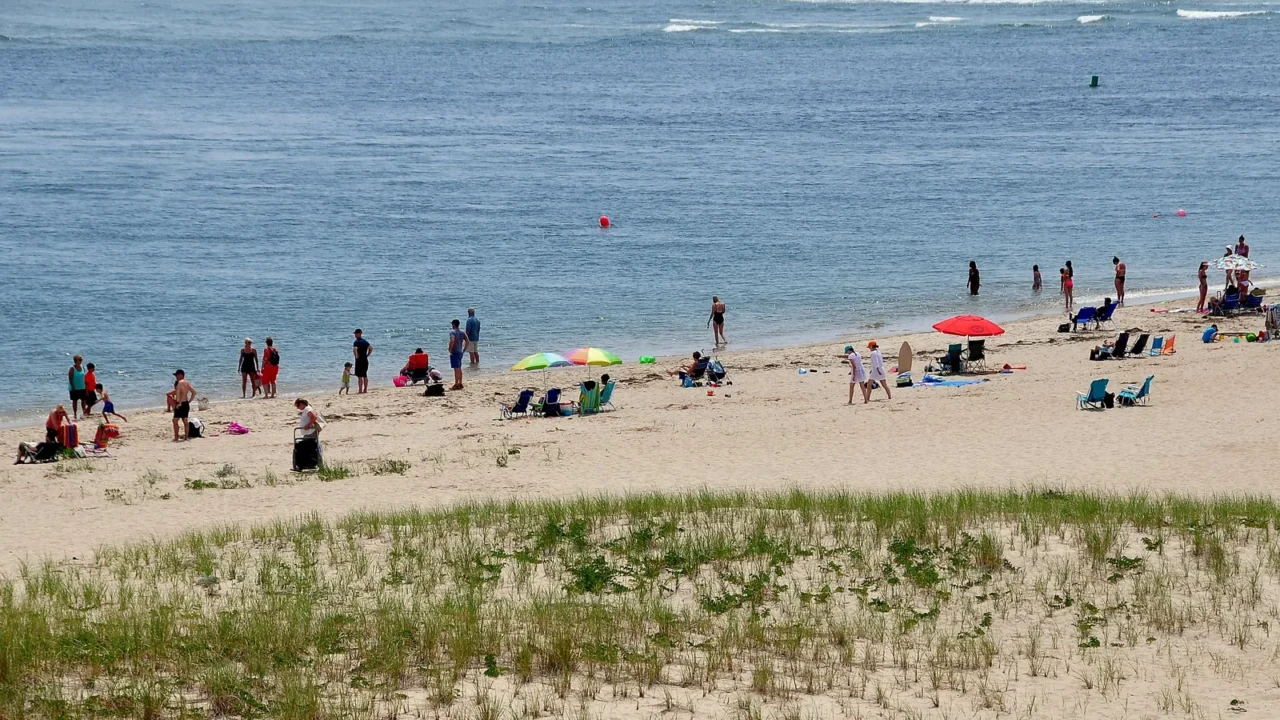
Oregon expands parking fees
Oregon State Parks is increasing parking fees to $10 per day at the 25 parks that already charge for parking, starting January 2, 2025. The 12-month permit is staying at $30 and the 24-month permit at $50 for visitors who plan frequent trips. Previously, day-use parking had been $5, a rate unchanged for more than 15 years.
Beginning October 1, 2025, an additional 21 parks will require parking fees, including busy destinations like Harris Beach State Park. Camping and overnight rates will also rise at many parks to cover utility and maintenance costs. These changes reflect efforts to build a more stable financial future for Oregon parks.
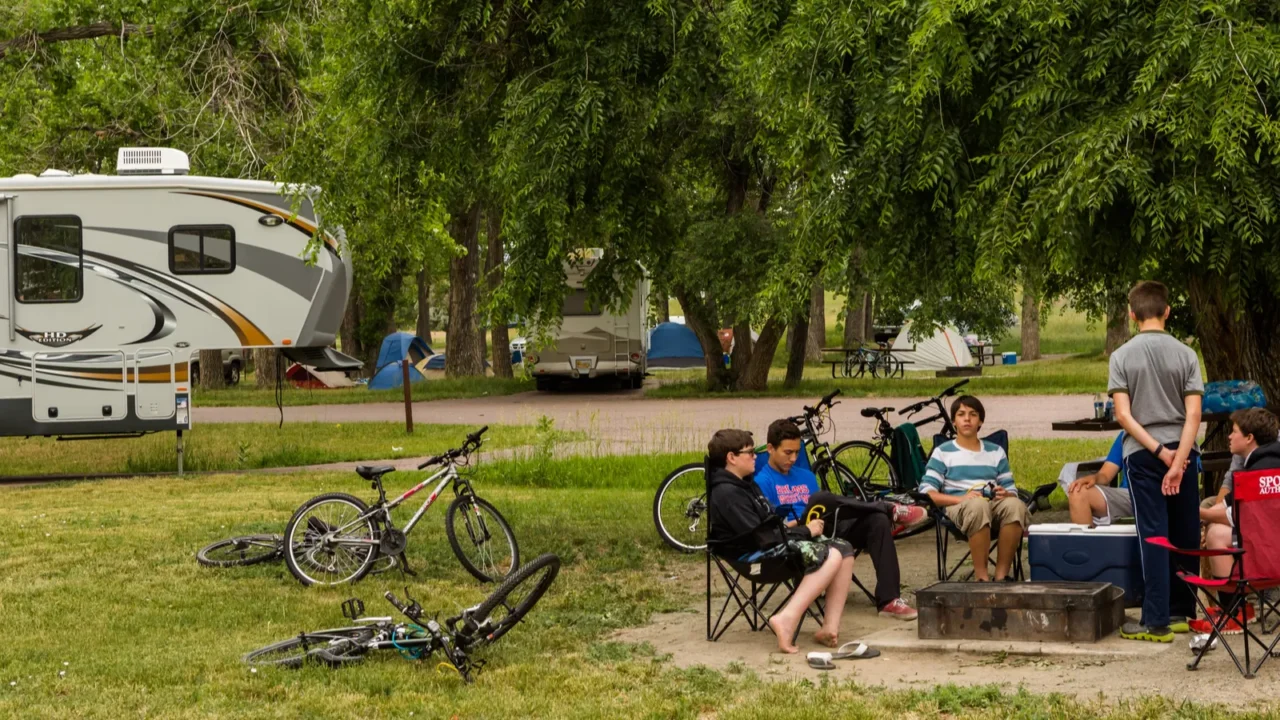
Camping fee increases in Oregon
Oregon State Parks will raise overnight camping fees beginning May 1, 2026, at 29 of the busiest parks. Tent site top rates will increase to about $29 and full RV hookup sites to about $52 for Friday through Sunday stays. Cabin and yurt pricing will also move to the top of their current ranges year-round.
The park system will also raise primitive camping and overflow camping fees to roughly $15 per night across the state. Boat moorage fees at many parks will move from $15 to $20. Officials say these adjustments are necessary to address budget shortfalls and rising operating costs.
Georgia park parking fee updates
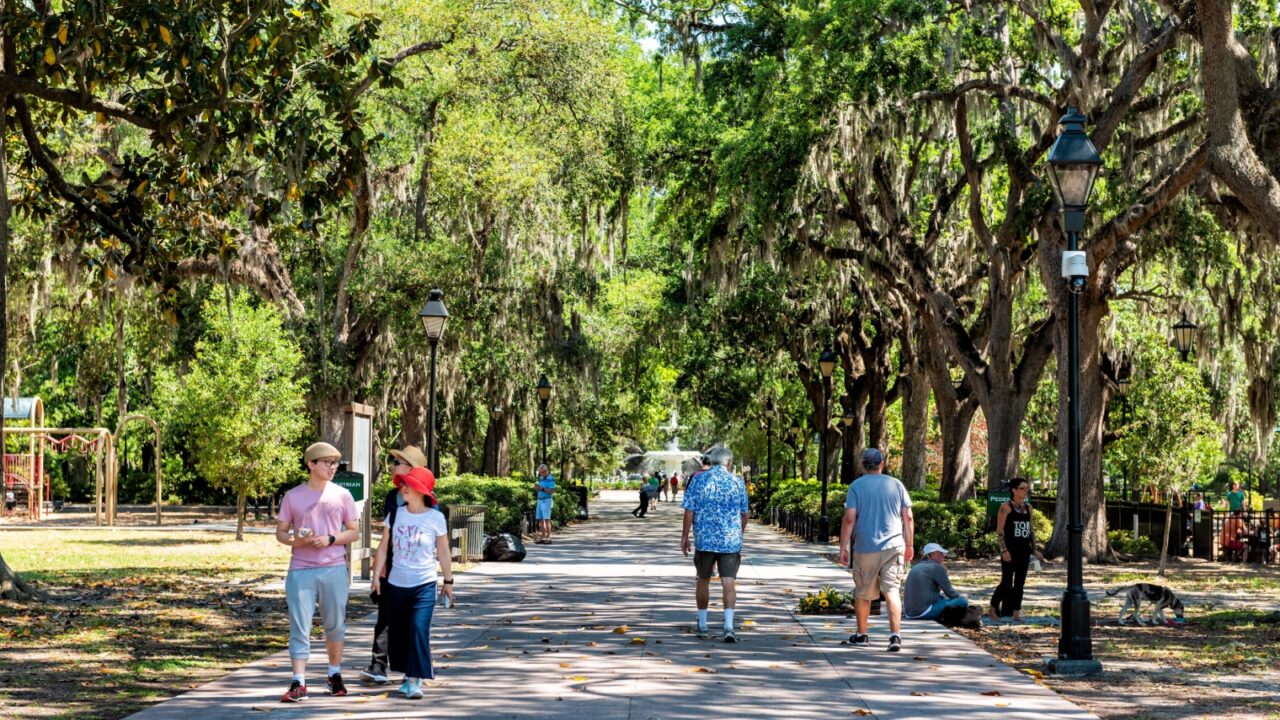
Georgia’s Board of Natural Resources approved raising daily per vehicle parking fees at state parks from about $5 to about $10. Annual parking passes in Georgia parks will go from around $50 to about $70 under the new rate structure. Senior and discounted rates for veterans and others will see proportional increases as well.
This is the first adjustment to core parking fees since 2009 in the Georgia state park system. Supporters argue the change could boost revenue by millions, while critics worry it may create barriers for budget-conscious visitors. The debate highlights the balance states must strike between funding and accessibility.
Many parks remain low cost
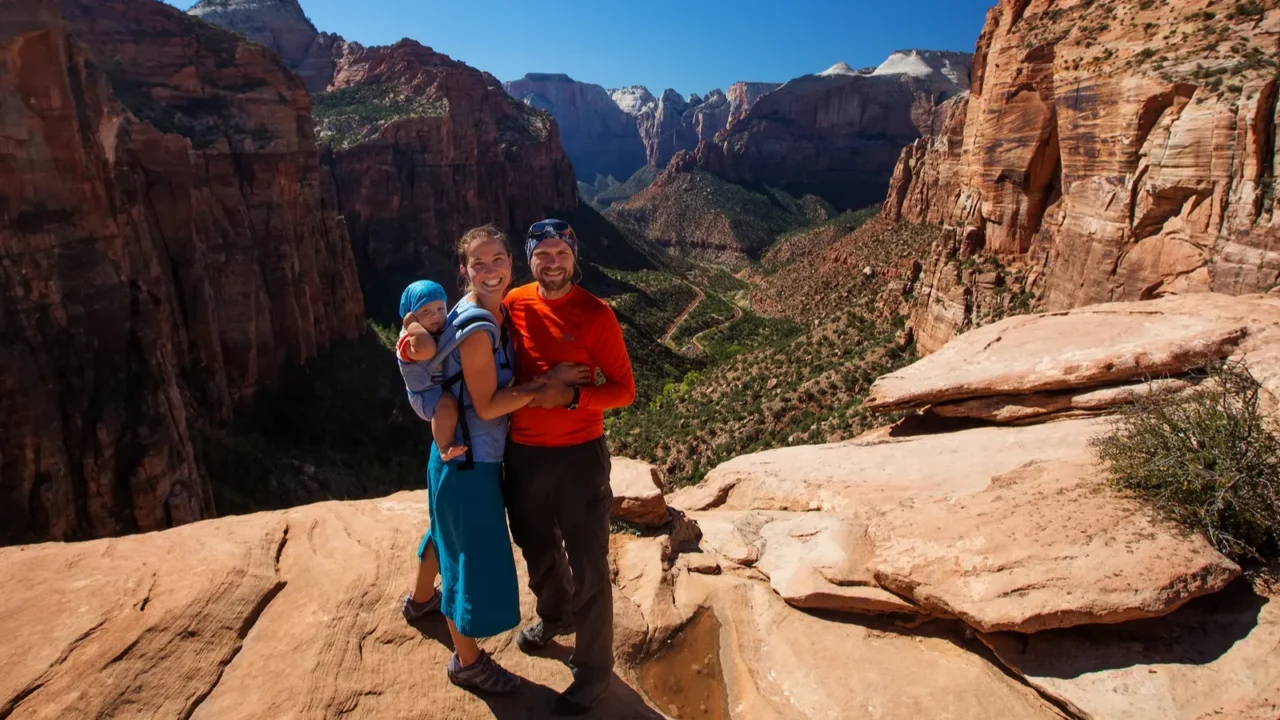
While some states raise fees, many state parks continue offering free or low-cost access options for general visitors. Oregon, for example, still waives parking fees at more than 225 of its more than 250 parks for those who walk, bike, or hold valid camping reservations. These fee waivers make it easier for locals and visitors to enjoy beaches, trails, and natural scenery without paying an entrance charge.
In states like Arkansas, Kentucky, Missouri, and Tennessee, many parks do not charge daily or annual access fees at all. Free-entry parks help keep outdoor recreation affordable, especially for families and first-time holidaymakers. This variety encourages more people to explore nature without spending a lot.
National parks pricing context
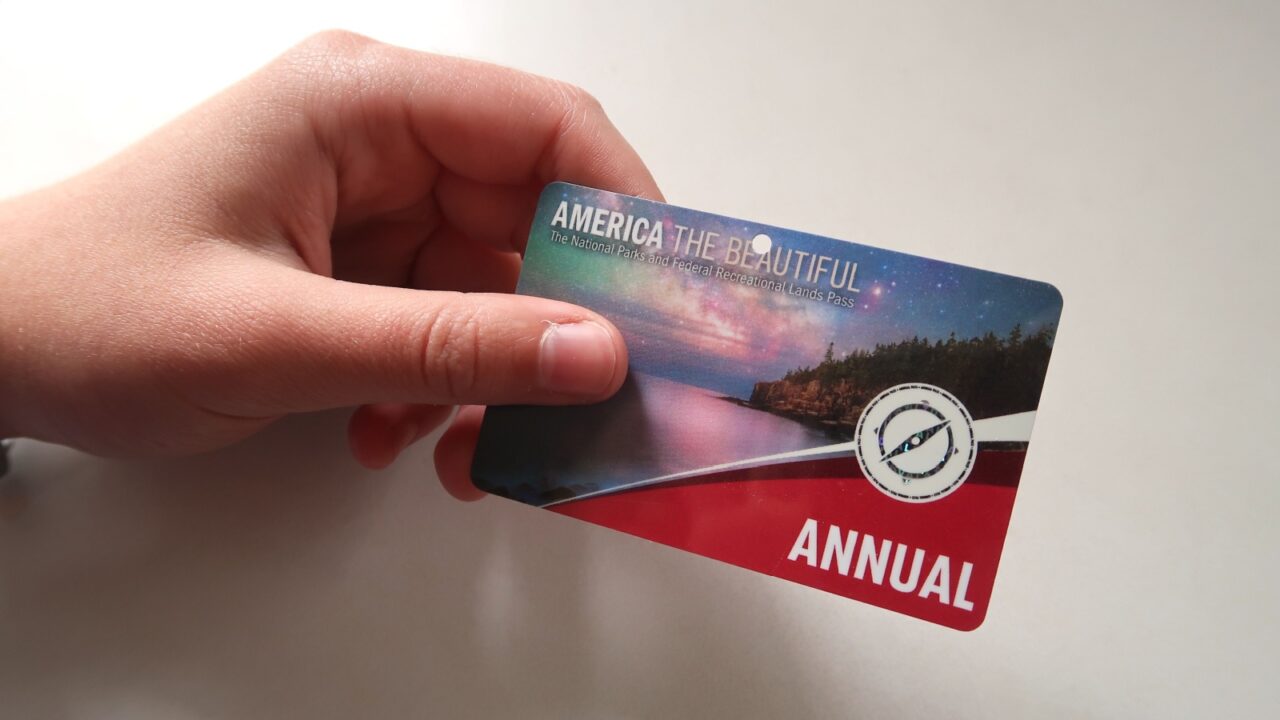
National parks are making pricing changes, too, though they are separate from state park systems. Starting January 1, 2026, the federal “America the Beautiful” annual pass will remain $80 for U.S. residents but will cost $250 for non-U.S. residents. Nonresidents without this pass will pay an additional $100 per person at 11 of the most visited national parks in the United States.
This fee policy change affects parks like Grand Canyon, Yellowstone and Yosemite, where nonresident charges add to standard entrance fees. U.S. residents will still enjoy fee-free days at some parks on designated holidays. Though federal changes do not directly change state park fees, they shape overall travel costs for outdoor trips.
Fee-free days at national parks
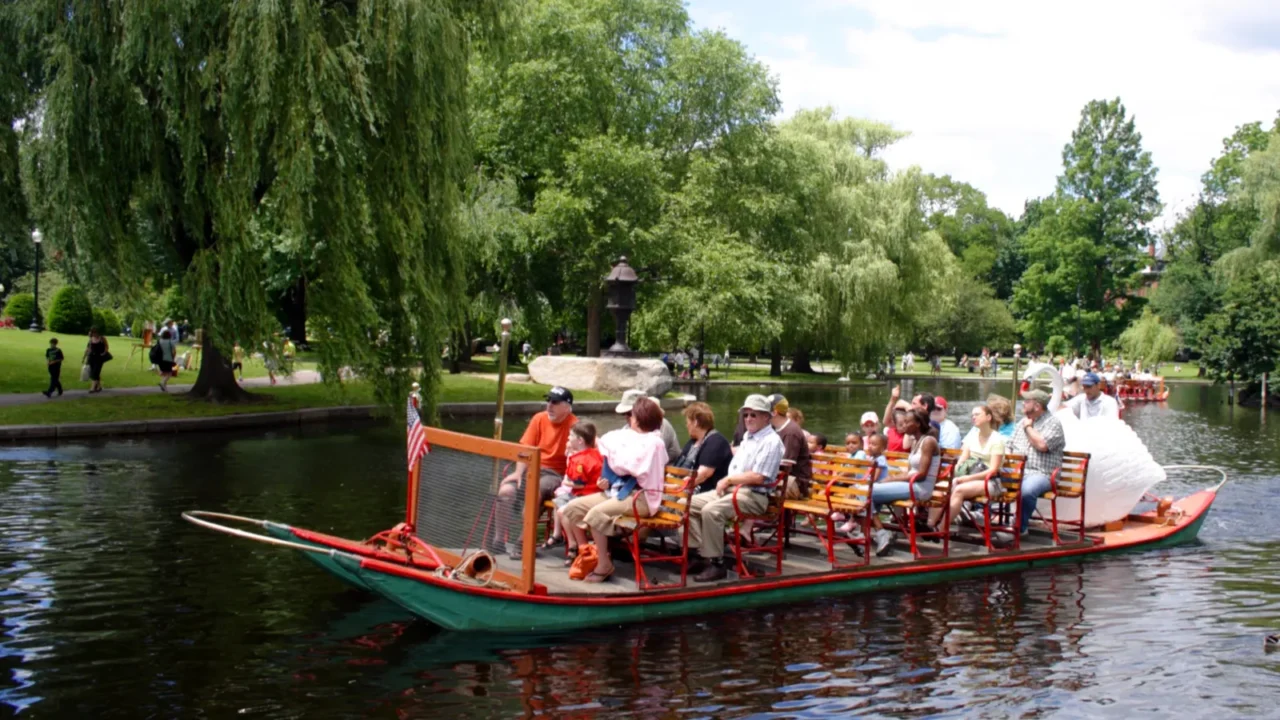
Under the new national pricing policy beginning in 2026, U.S. residents can visit certain national parks without paying entrance fees on patriotic fee-free days. These special dates include holidays such as Memorial Day and Veterans Day. On these dates, national parks typically waive standard entrance charges for U.S. citizens and permanent residents.
These fee-free days help reduce travel costs around major outings to natural landmarks. Campground and tour fees still apply even on free entry days. The national policy may inspire travelers to combine fee-free days with state park visits for budget trips.

Free entry in some systems
Across the U.S., several state park systems do not charge an entrance fee at all. In Tennessee, many parks allow visitors to walk in or park without paying a daily access fee. Similarly, Arkansas and Kentucky offer free day access at many of their natural recreation sites.
These systems keep entry costs low so locals and holidaymakers can visit forests, rivers, and lakes without spending on parking or vehicle permits. Low-cost access is especially valuable for repeat visits and seasonal
Planning around fee changes
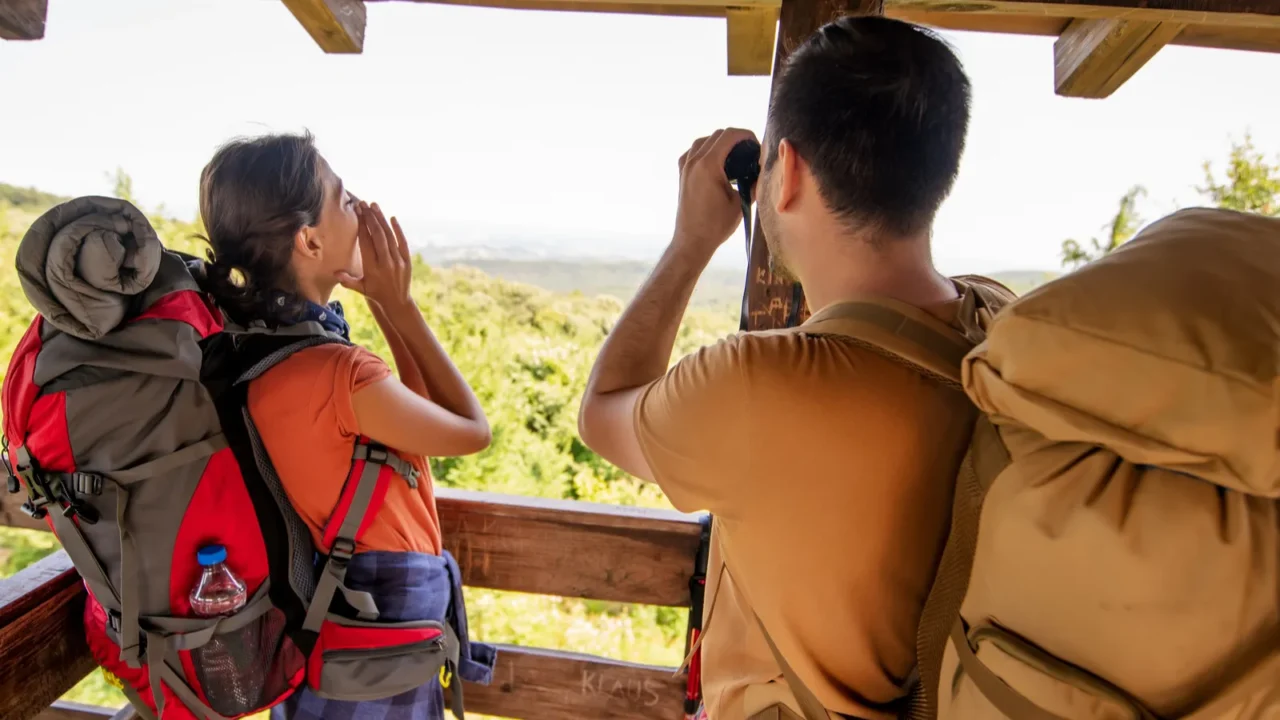
Travelers who plan visits across state parks should check official park websites for current fees and reservation rules. Some parks charge day-use parking while others only charge for camping or overnight stays. Knowing which parks are fee-free or low-cost makes it easier to plan affordable trips.
Combining visits to low-fee parks with state recreation areas that offer discounts for residents can keep costs down. Early reservations often lock in lower prices before peak-season increases. Thoughtful planning helps holidaymakers balance fees with memorable outdoor experiences.
Local affordable park examples
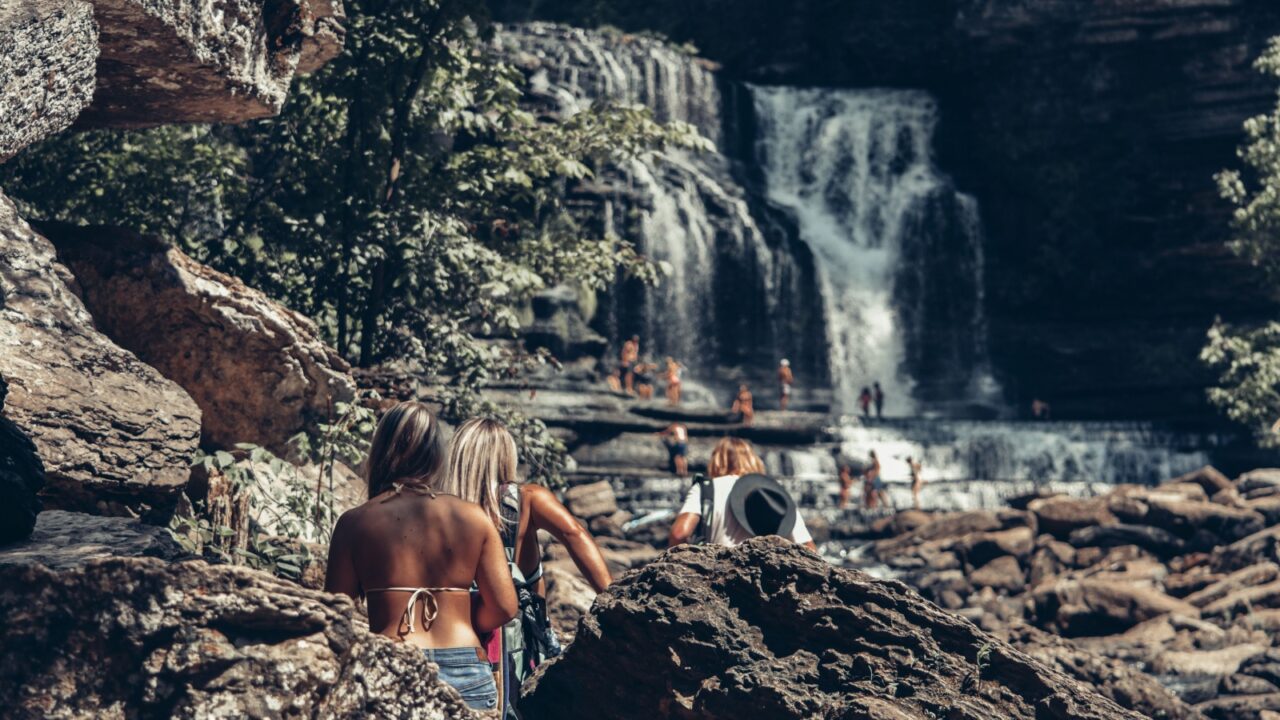
Some local parks highlight how affordable options still exist across the country. In Tennessee, parks like Cummins Falls State Park let visitors enjoy waterfalls and swimming areas without an entrance fee. Arkansas state parks like Petit Jean provide scenic drives and trails for no daily access cost.
Kentucky’s Natural Bridge State Resort Park charges modest fees only for overnight lodging, while general access is free for day visits. These low-cost setups make shorter trips easy for holidaymakers on a budget. They show how a mix of fee policies can help keep parks accessible.
Outdoor travel cost strategies
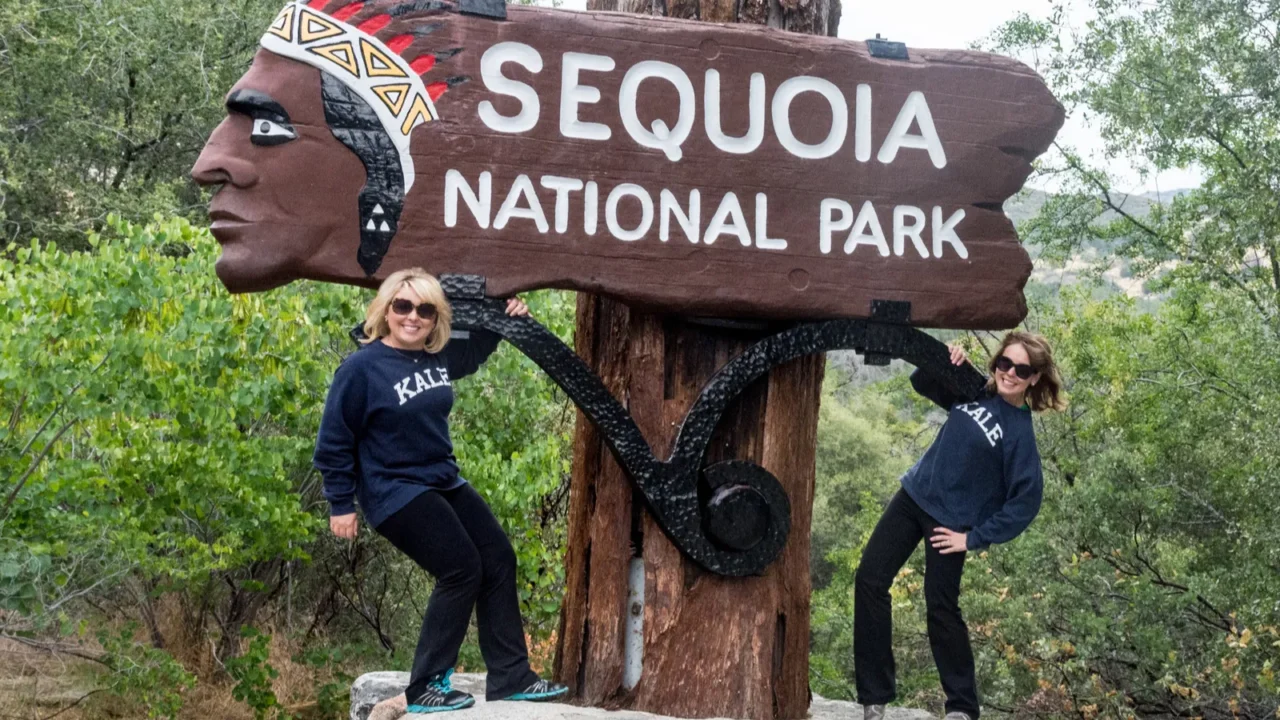
Visitors can stretch their budget by choosing state parks with no or low entry costs, especially for day hikes and picnics. Those who plan overnight stays often find discounts for in‑state residents at many systems. Combining fee‑free days at national parks with low‑cost state park visits creates flexible trip options. Visitors should also be aware of the rules, as there are activities that are illegal in U.S. national parks.
Annual or seasonal passes may be worthwhile for frequent park users, especially in states with many chargeable parks. In states like Oregon, pass holders avoid day-use parking fees at many locations. Keeping an eye on fee calendars and free access periods helps holidaymakers minimize overall spending.
Parks remain accessible experiences
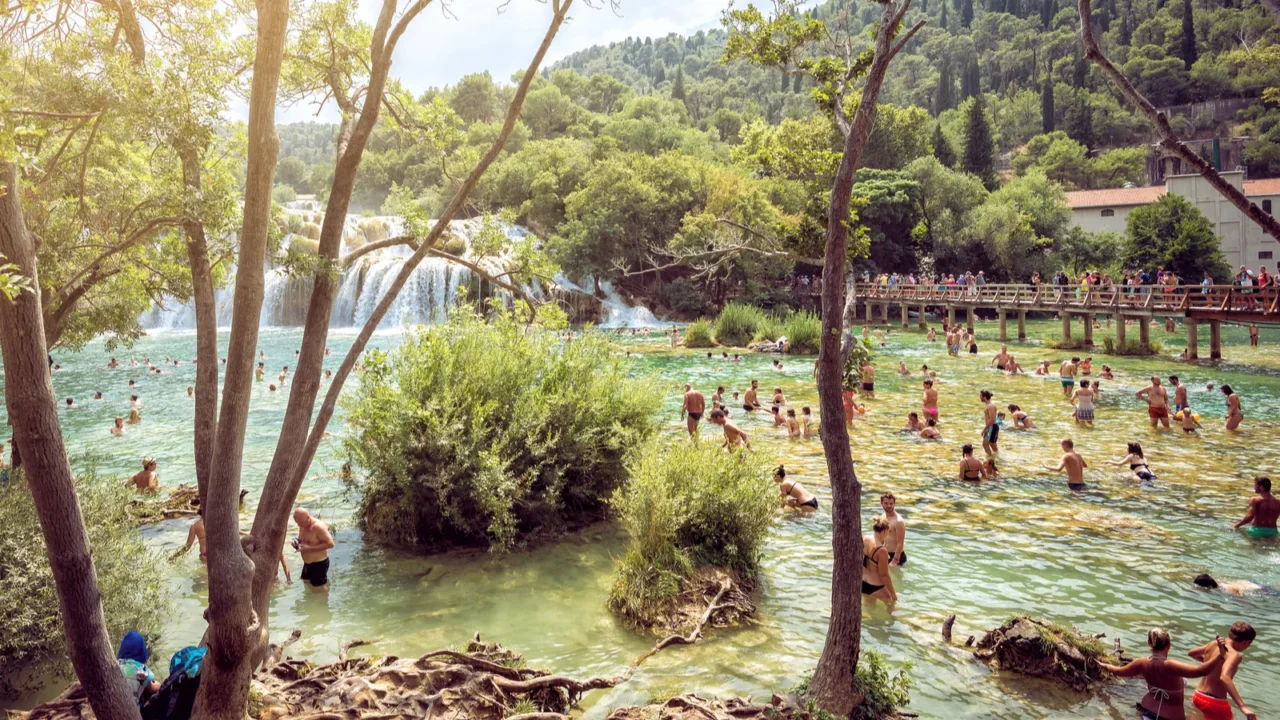
State parks remain among the most affordable ways to enjoy natural areas, even with fee adjustments in 2025 and 2026. Many parks still provide free day-use access, while others adjust fees thoughtfully to support maintenance and services. The price range allows a variety of holidaymakers to experience forests, beaches, waterfalls, and lakes without incurring high costs.
From day hikes to overnight adventures, state and national park fees influence trip planning and budgets.
What low-cost destination feels like the perfect escape right now for travelers who love the outdoors? Share thoughts below.
This slideshow was made with AI assistance and human editing.
Don’t forget to follow us for more exclusive content right here on MSN.
Disclaimer: The images used are for illustrative purposes only and do not depict the actual locations mentioned.
Read More From This Brand:
