
A world under water
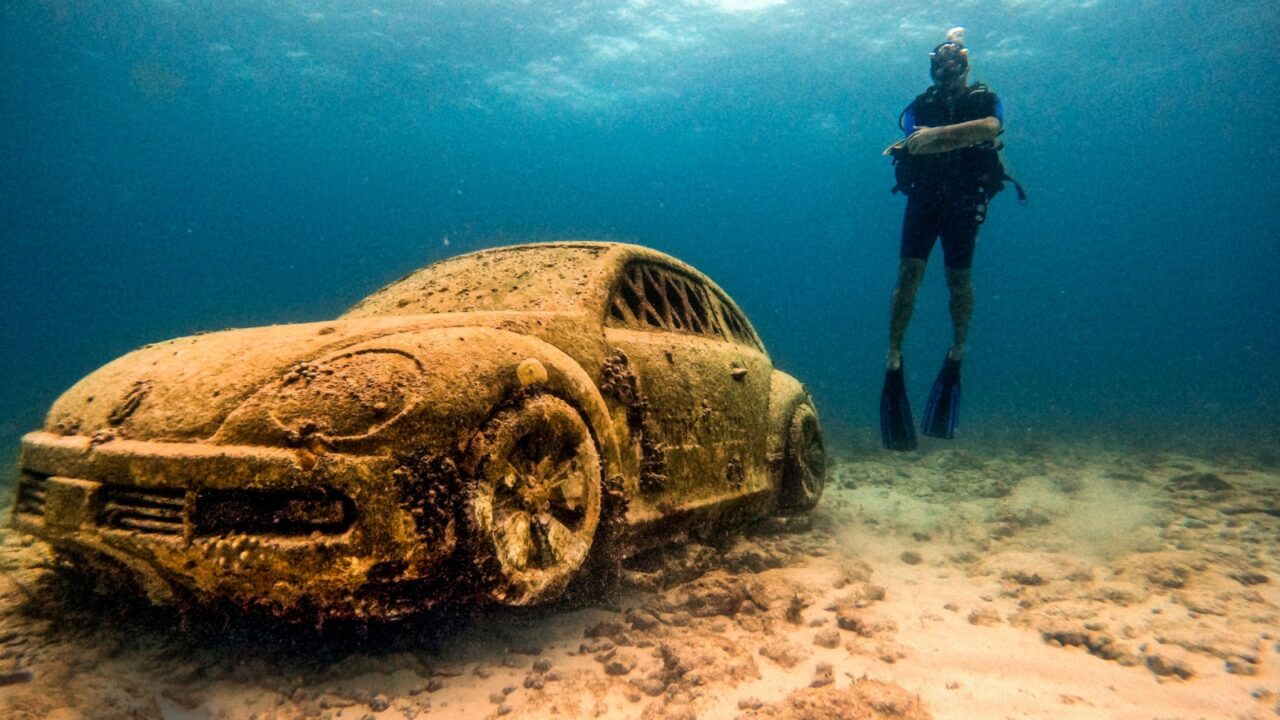
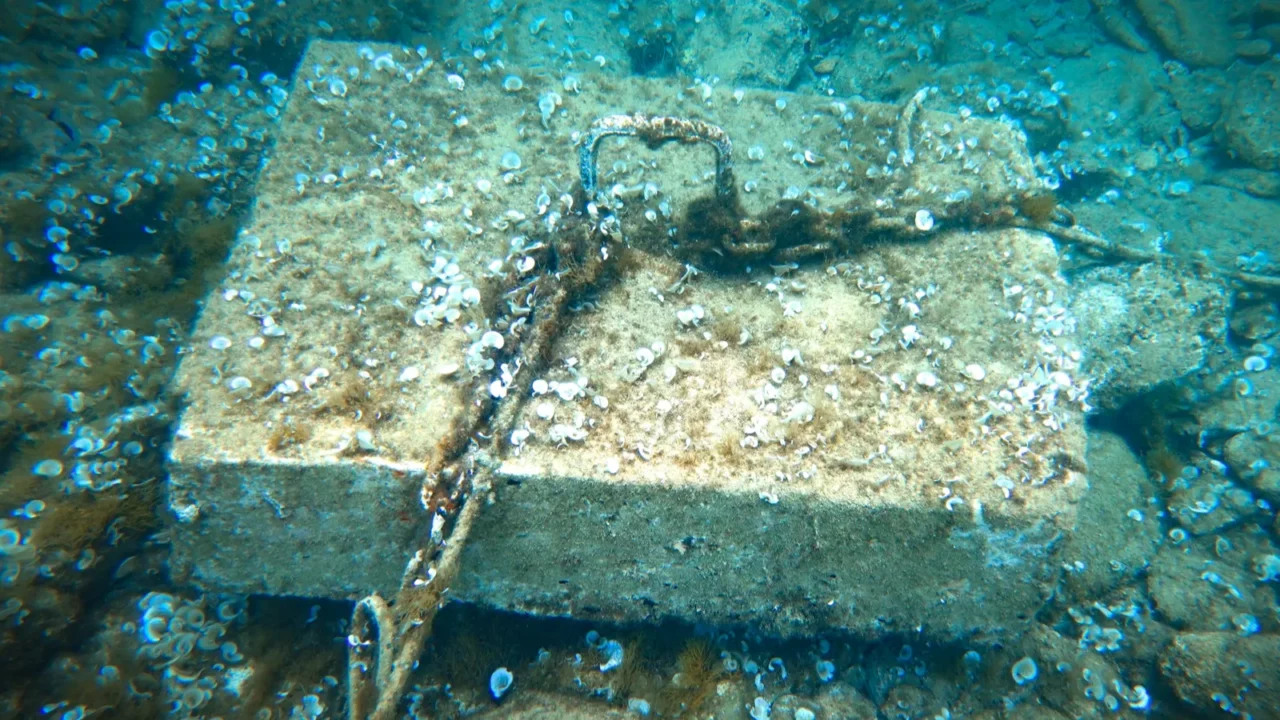
Hidden beneath turquoise waves lies a curious underwater traffic jam, but it’s nothing like visitors expect. Off the coast of South Beach, a fleet of concrete cars now rests 20 feet below the surface, forming part of a brand new underwater sculpture park.
What started as surreal art is already breathing life back into a damaged marine ecosystem. Let’s dive in!

Some art meets ocean healing
What began as a creative vision has become a sanctuary beneath the waves. The submerged sculptures will serve as a foundation for new coral growth and marine life. They mark the beginning of what could be a major shift in reef restoration thinking.
It’s hard to imagine sculptures under sea level, but that’s exactly what’s happening with this project. The installation aims to blend human design with ecological restoration in a unique underwater setting.
The reefline project unveiled
The installation is part of a project called REEFLINE, designed to build a seven-mile underwater sculpture park off the coast of Miami Beach. The first phase dropped 22 concrete cars about 780 to 800 feet offshore, submerged roughly 20 feet below the surface near 4th to 5th Street.
Visitors and locals celebrated the launch during a beachside event, marking the first “hybrid reef + art” deployment in the city’s history.

Why concrete cars underwater
The concrete cars might seem unusual, but they’re made from marine-grade materials that are safe for seawater. They’re designed to mimic reef substrate and offer stable surfaces where corals can attach and grow. Over time, marine creatures will begin to claim them.
This concept flips a symbol of human impact into a platform for nature’s comeback. What once contributed to pollution becomes an anchor for marine biodiversity in a vulnerable coastline.
What’s being planted here
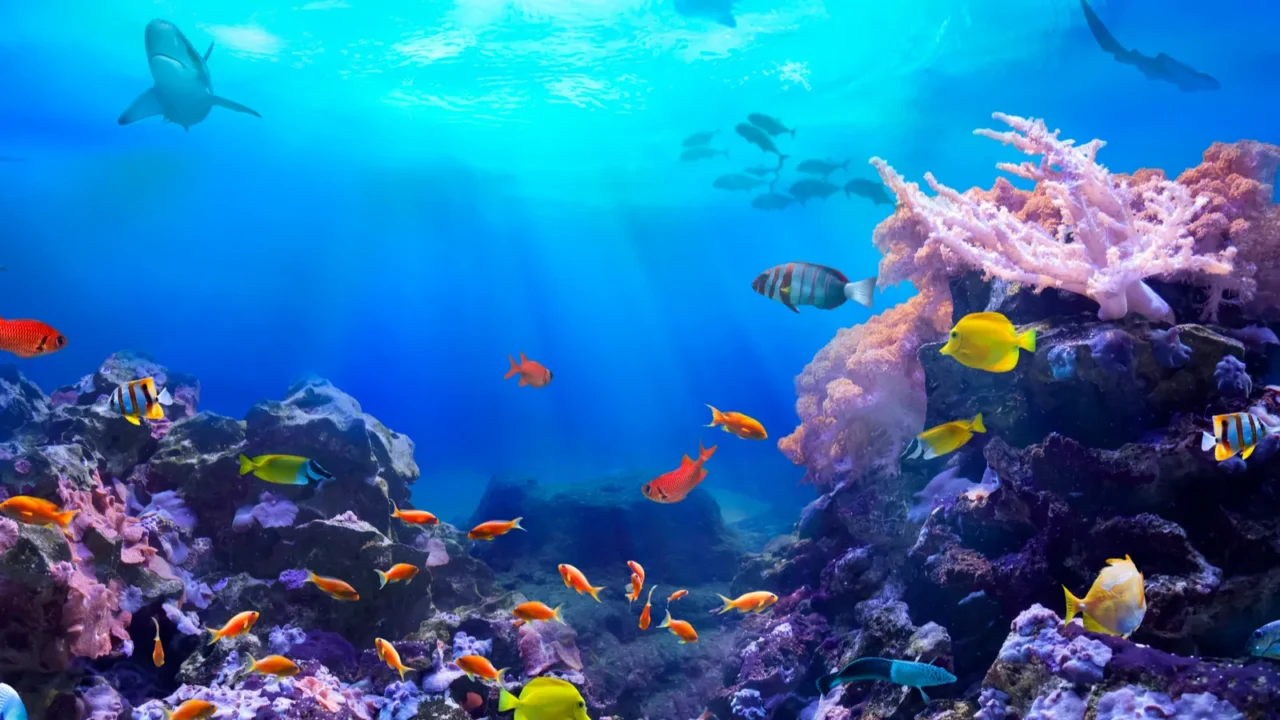
The 22 cars will be seeded with around 2,200 native corals that were grown in a controlled laboratory environment. These corals were cultivated specifically to help repopulate reef habitats damaged by bleaching and rising temperatures.
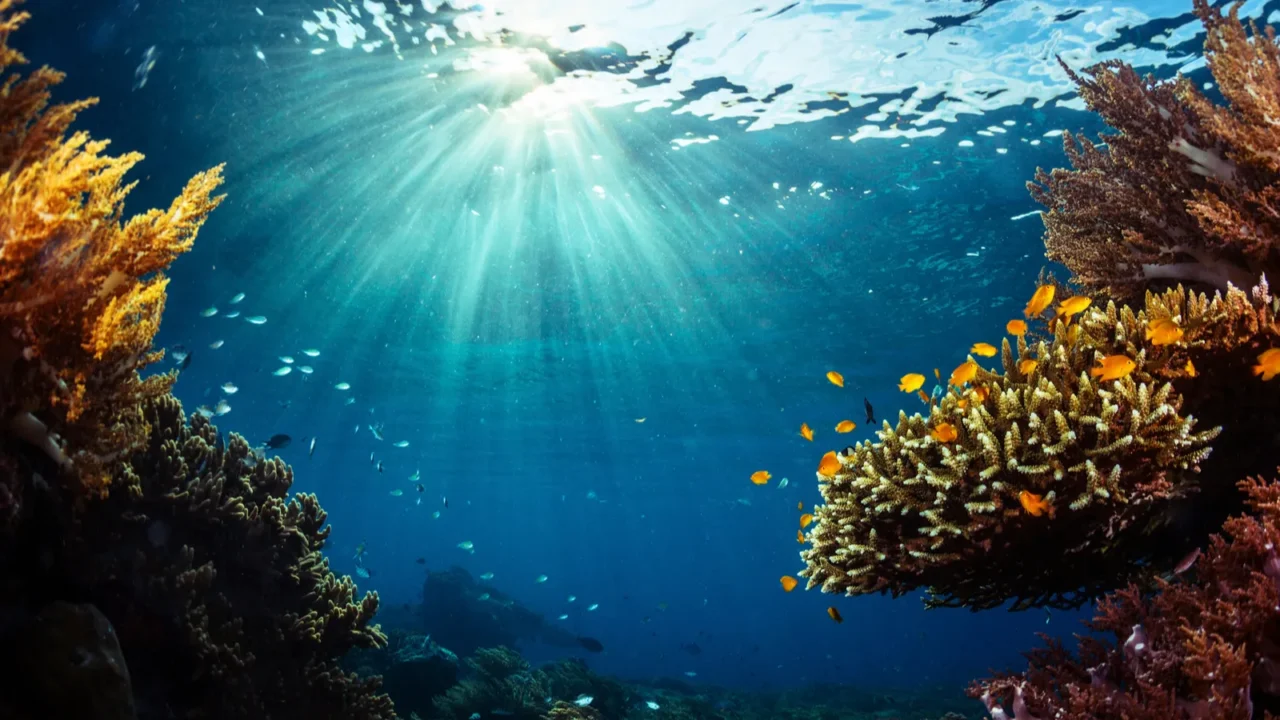
As the corals take hold, they’re expected to spread naturally and create habitat for fish, sponges, and other marine wildlife that depend on reef systems.
Diving, snorkeling or learning
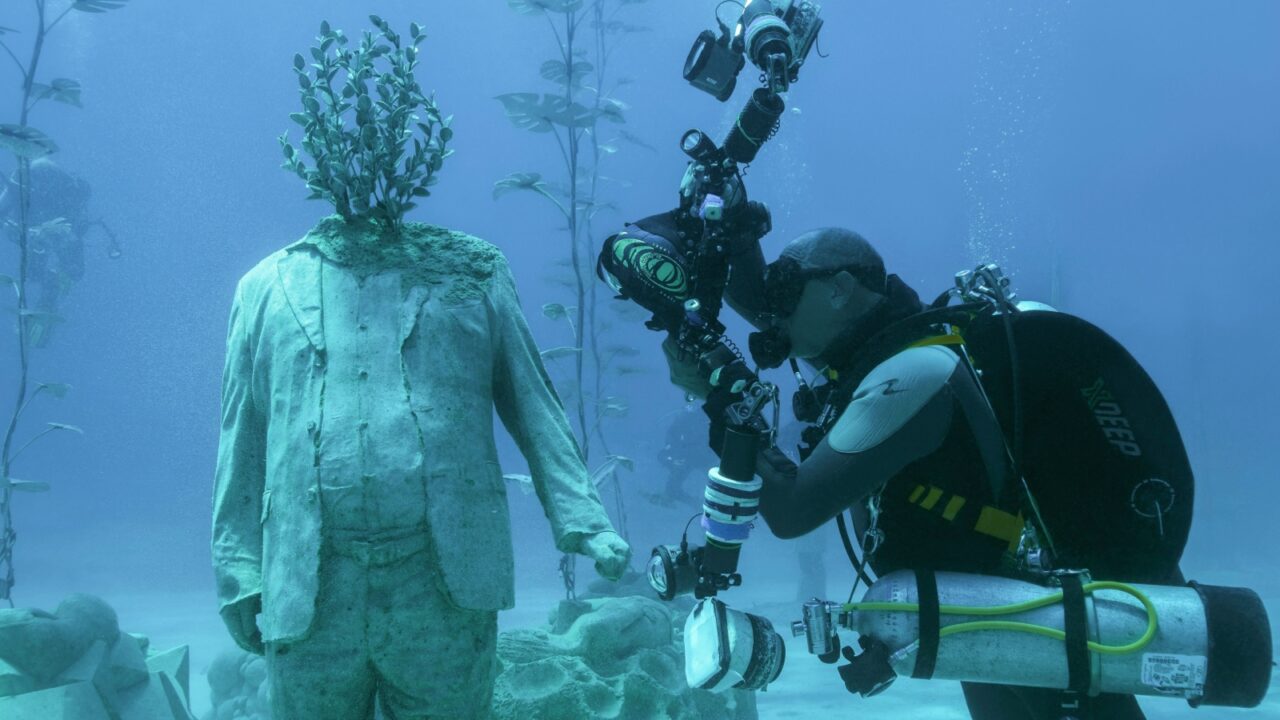
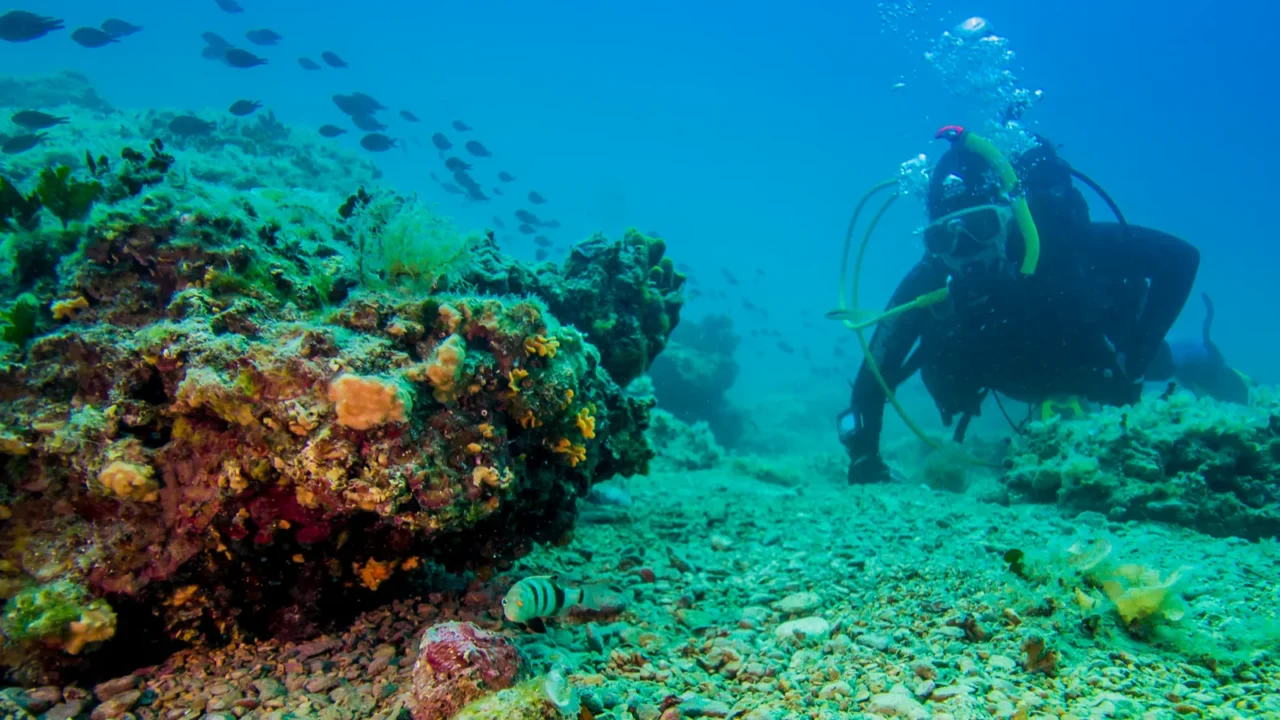
Visitors and divers can now explore this underwater park, swimming around concrete sculptures that will slowly transform into vibrant coral structures. It allows travelers to witness marine restoration taking place in real time.
For locals or tourists, it’s more than a sightseeing activity. It’s a chance to understand how art and science can work together to protect coastlines.
Protecting coastlines and reefs
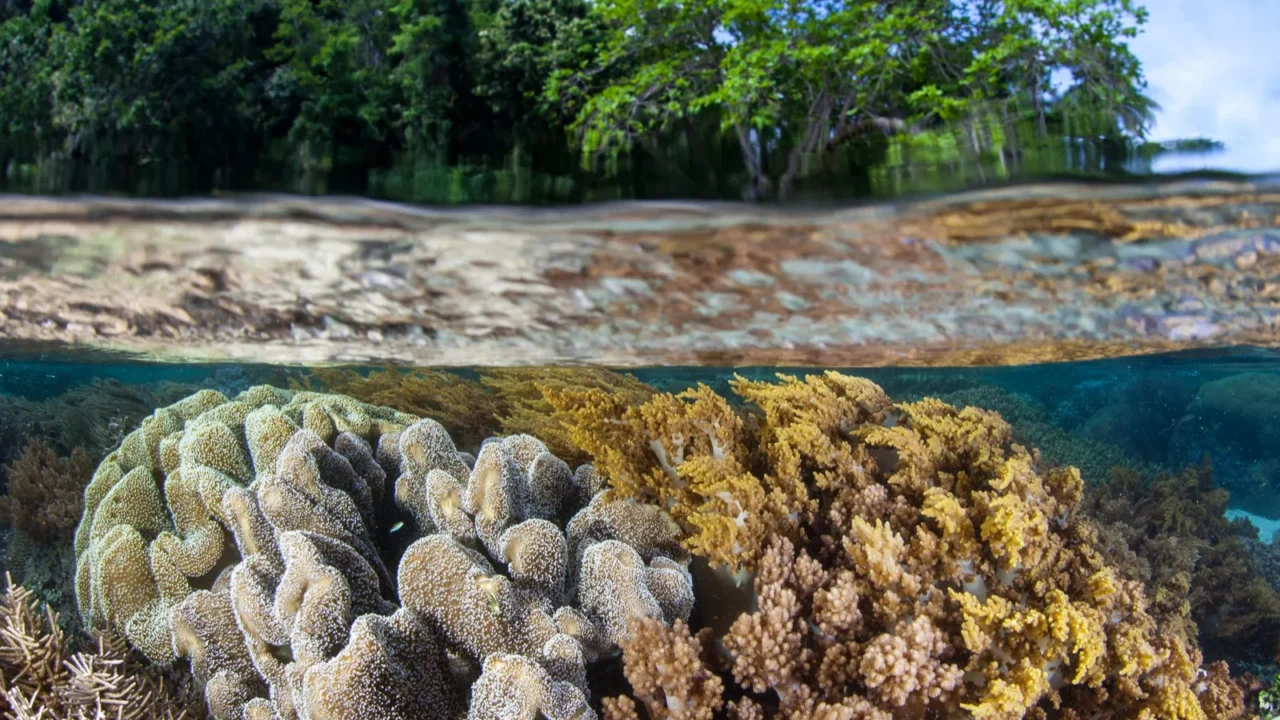
A healthy reef provides natural protection by softening storm surges and reducing coastal erosion, which makes it valuable for beachside communities. That’s why experts often refer to this project as a form of natural infrastructure.
By restoring reef habitat in this area, the project aims to give Miami Beach better resilience as climate threats continue to grow and pressures increase.
Art and science working together
The project brings together artists, scientists, engineers, and coastal planners in a shared vision. The result is a hybrid space that functions as both a public artwork and an ecological restoration site.
The first installation, “Concrete Coral,” created by artist Leandro Erlich, was designed to spark conversation about human impact and environmental repair.
What’s next for the reefline plan
The first phase marks the start of a long-term project. The full REEFLINE plan includes multiple phases that will eventually create a seven-mile underwater corridor of sculptures and reef sites.
Future installations will feature diverse shapes and structures to support marine biodiversity and attract eco-tourism.
Challenges and realistic hopes
The project doesn’t claim to fully fix reef damage, since major threats like warming oceans and coral disease still exist. The corals planted now are mostly softer species rather than the massive reef builders that suffered the worst decline.
Even so, this underwater park will serve as a living lab where experts can observe how restored corals react to real ocean conditions and rising environmental pressures.
Why this matters globally
Projects like this show how creativity and environmental responsibility can work together instead of competing. They demonstrate how public art can support long-term ecological healing.
If the REEFLINE proves successful, it may inspire more coastal cities around the world to explore similar reef restoration methods using local culture and marine science.
Making reef restoration accessible
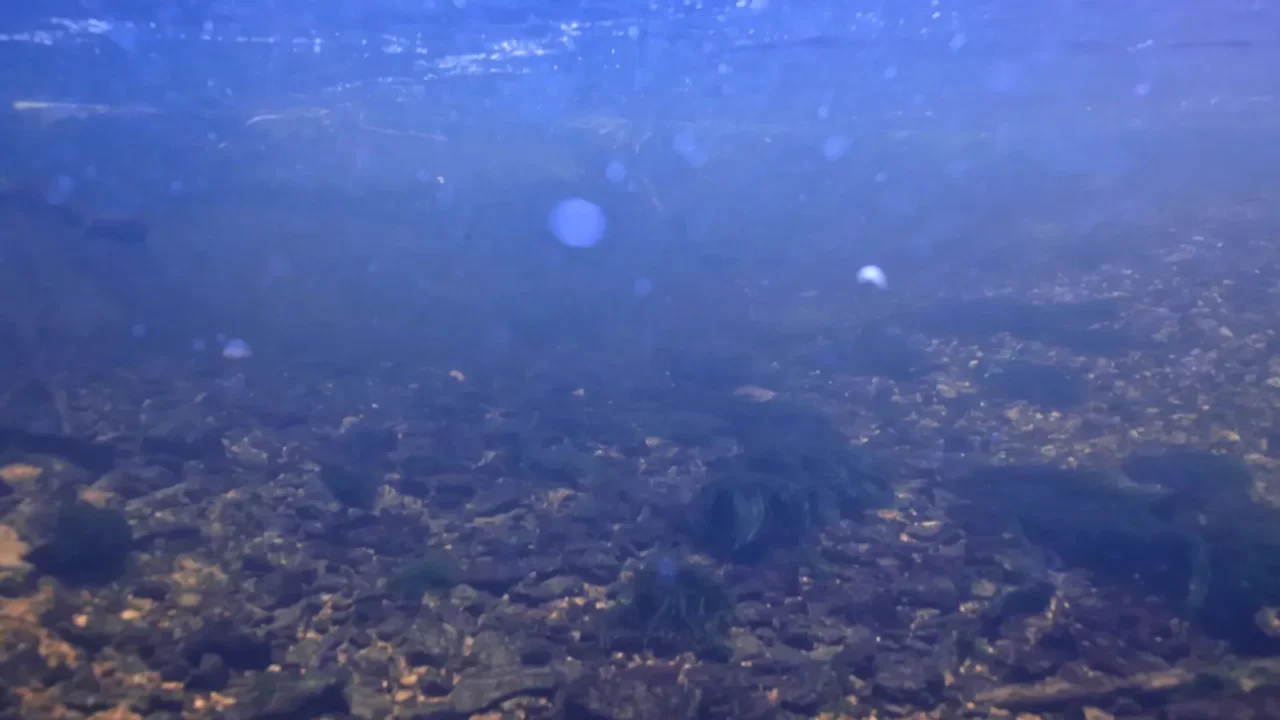
This underwater park gives travelers and divers a firsthand look at how coral restoration actually works. It turns conservation from something abstract into something visitors can see and experience.
For those who love the ocean or want to learn more, it’s a rare opportunity to witness reef recovery while exploring a unique undersea art environment, and it pairs perfectly with the idea that nature and adventure await in Central America’s remote national parks, where untouched landscapes offer even more ways to connect with the natural world.
Ready to explore reef art
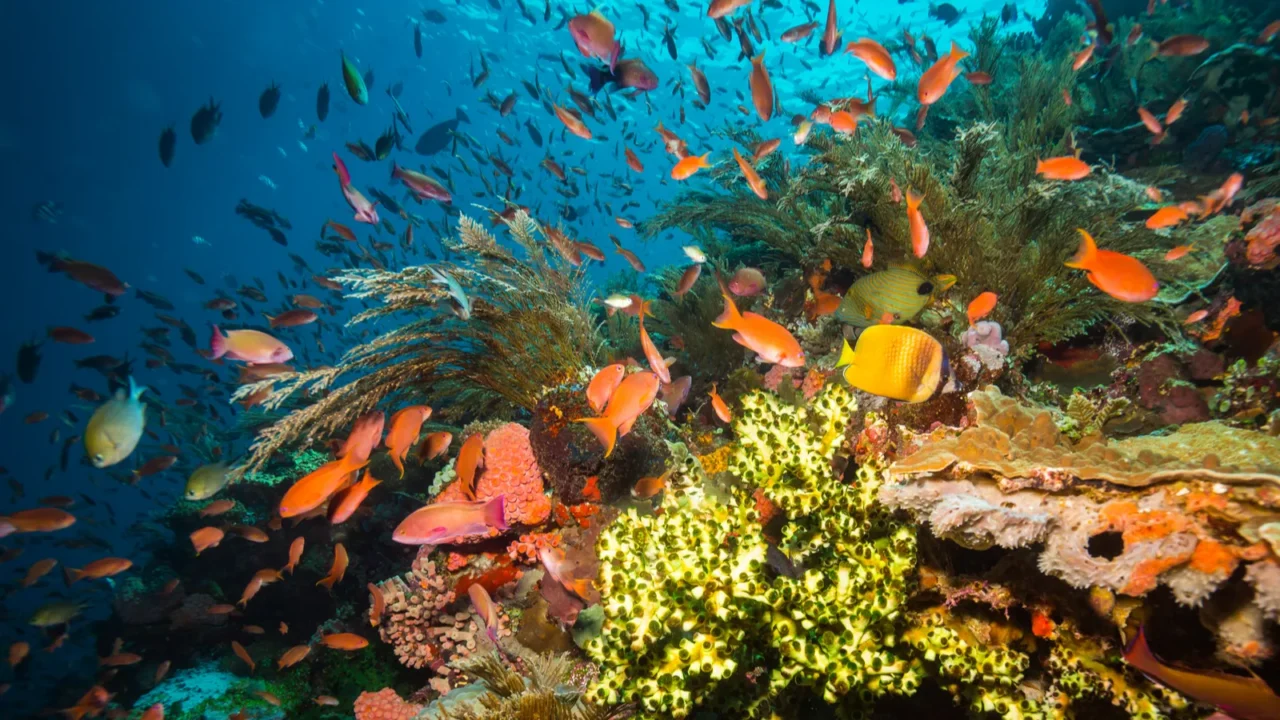
These submerged sculptures are more than a creative underwater gallery. They’re a living and evolving project that blends marine science, public art, and hope for healthier oceans in the years to come.
Does this kind of underwater restoration attract anyone’s inner explorer? Share thoughts below and see if this sparks ideas for a future diving or snorkeling adventure.
This slideshow was made with AI assistance and human editing.
Don’t forget to follow us for more exclusive content right here on MSN.
Read More From This Brand:
