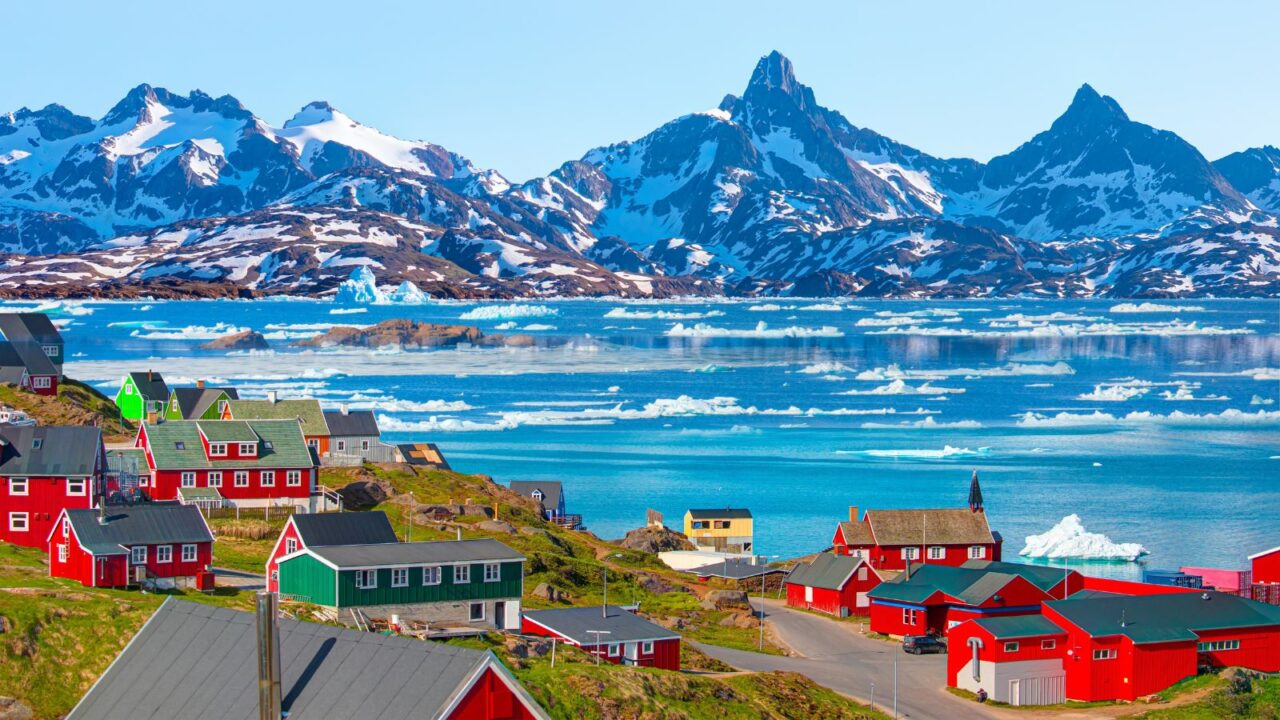
Alaska’s collapse is a live warning for Greenland
When Alaska’s ground fails and coastlines retreat, the first losses are homes, runways, and basic services. That is not a distant scenario for Greenland’s Inuit communities living on thin margins of ice and rock. The Arctic is changing fast enough that “normal” conditions no longer hold from one season to the next. Alaska shows what happens when adaptation arrives too late.
This matters now because Greenland is being pulled into high-stakes geopolitical talk while its communities are already dealing with climate stress. Reuters has reported renewed U.S. interest in taking control of Greenland and how everyday preparedness in settlements still leans on hunting and stored food. In the Arctic, politics and survival systems collide quickly.
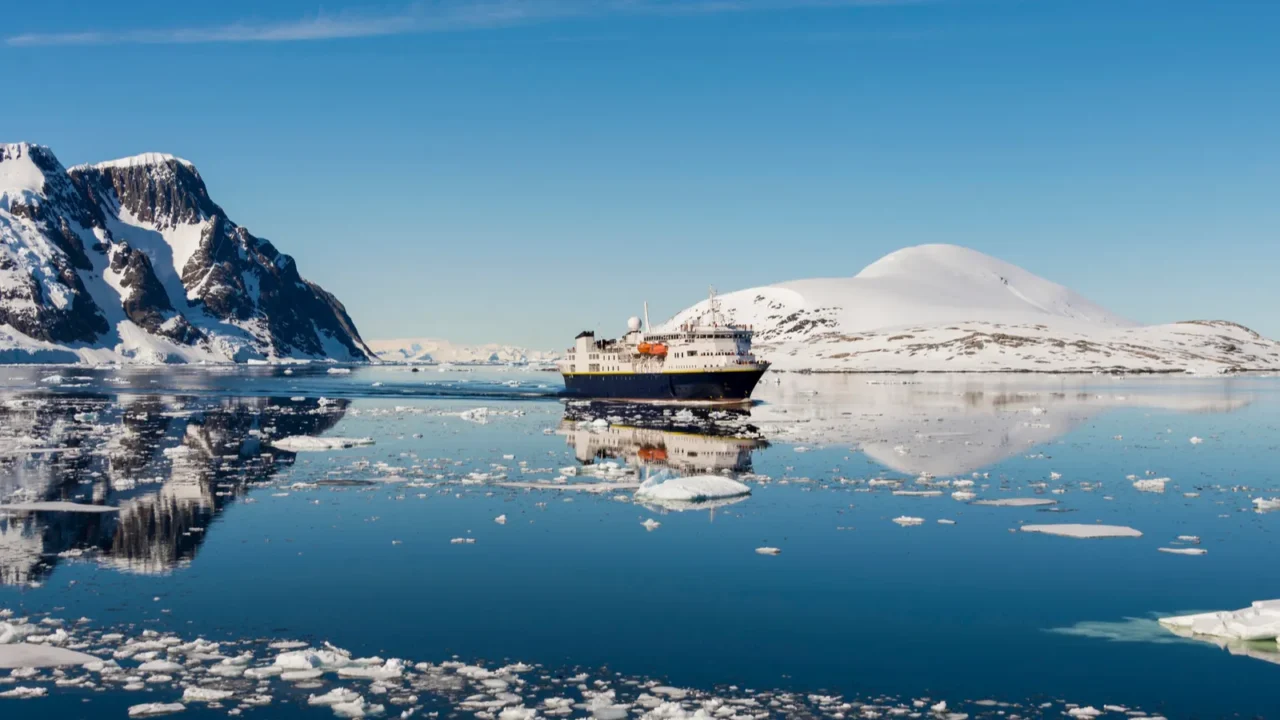
The Arctic is warming fast enough to break routines
The NOAA Arctic Report Card describes an Arctic that has warmed nearly three times faster than the global average since 1980. That speed drives knock-on effects that look small at first, like thinner ice and later freeze-up. Those shifts then cascade into travel safety, hunting access, and infrastructure reliability. The pace is the story.
This matters now because communities cannot plan around stable seasons when the baseline keeps moving. NOAA reports record-low winter maximum sea ice in March 2025 and a long run of very low September ice years. Less ice also means more open water storms, which raises damage risks along Arctic coasts.
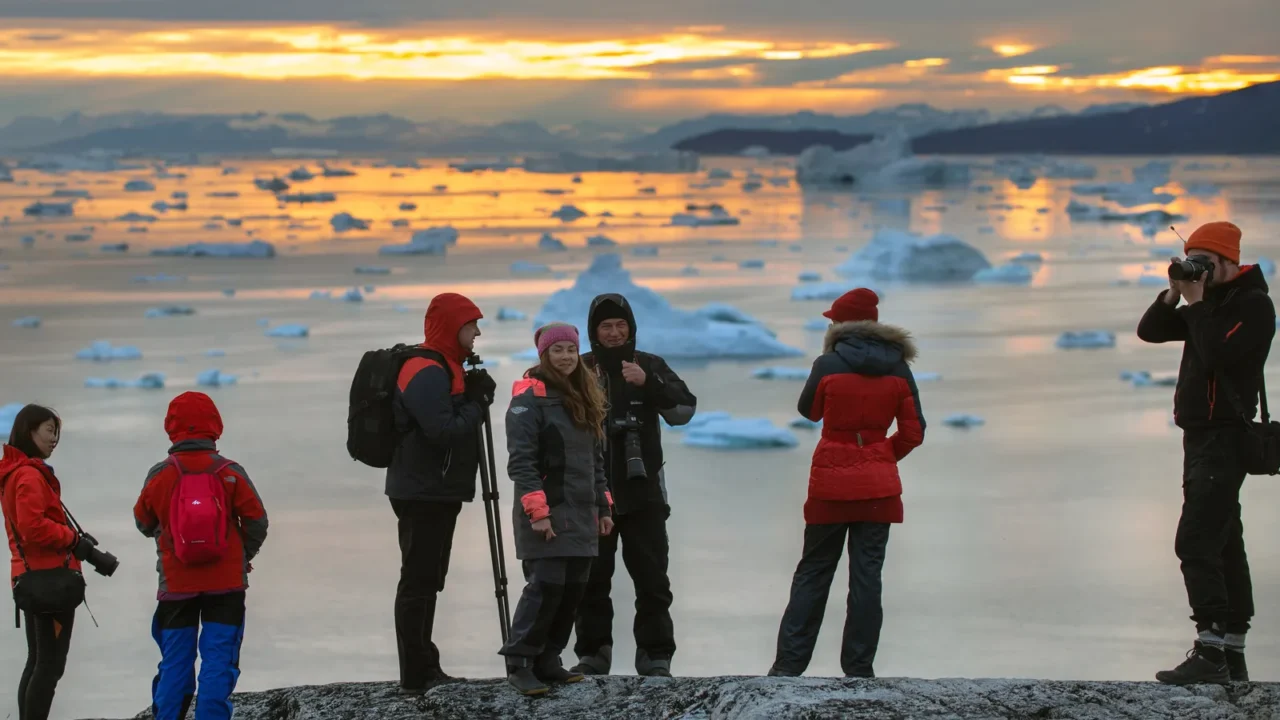
Sea ice loss hits culture through the hunting calendar
For many Greenlandic Inuit, sea ice is not scenery, it is the platform for travel and hunting. When ice forms later and breaks earlier, the safe window for hunting narrows and routes become riskier. That can reduce access to seal and whale hunting that supports diets and identity. It also forces expensive substitutes in remote towns.
This matters now because the same mechanism is documented across Alaska Native communities that depend on ice and coastal stability. When sea ice no longer buffers storms, erosion and flooding accelerate and communities lose both food access and physical protection. Alaska’s experience makes Greenland’s risk feel immediate, not theoretical.

Food security is the pressure point people feel first
In remote Greenland settlements, supply deliveries can be irregular, so stored local food is a real safety net. Reuters described freezers stocked with seal, reindeer, and fish as part of everyday resilience, not an emergency trend. When hunting access is disrupted, that resilience is tested. Food costs then rise fast.
This matters now because climate stress often shows up as diet change before it shows up as official relocation. Arctic Council research links sea ice and snow changes to reduced access to traditional foods and increased vulnerability in community health. Once that shift starts, it can be hard to reverse because skills and routines break along with the ice.

Thawing ground turns housing into a moving target
Permafrost is the foundation under roads, fuel tanks, and homes, and it is warming. When it thaws, buildings tilt, pipes break, and maintenance costs climb even without a single storm. That pattern is visible in Alaska and increasingly relevant across the Arctic. It’s infrastructure failure driven by rising temperatures.
This matters now because Greenland has communities where construction and repairs already cost more due to distance and weather. When thaw adds unpredictable damage, budgets get squeezed and basic services become harder to keep reliable. Alaska’s failures show why “fix it later” can become “move it later.”
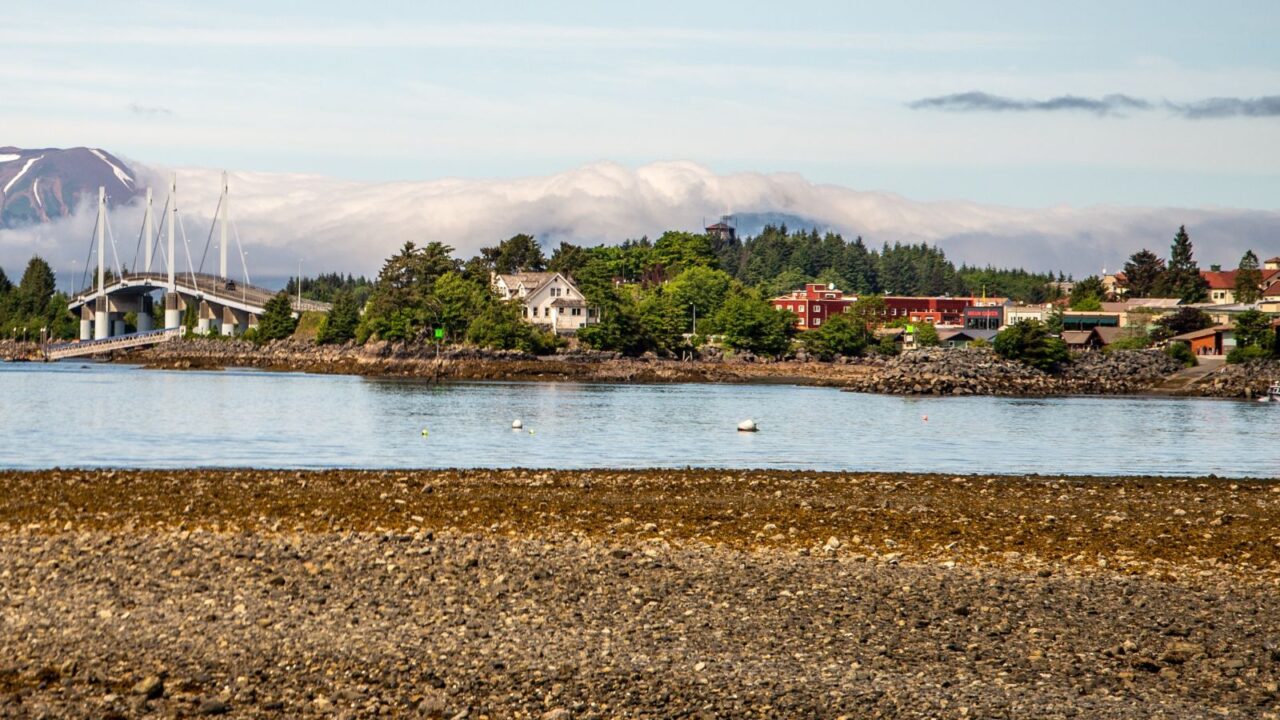
Newtok explains how relocation really works in practice
Newtok, Alaska, became a symbol of climate displacement because erosion and thawing permafrost made staying unsafe. AP reported the village has been losing land at a pace of about 70 feet per year, and residents have had to move to a new site. The lesson is that relocation is slow, expensive, and emotionally brutal. It is not a clean solution.
This matters now because Greenland will face similar choices in some places as coastlines change and ground stability weakens. Planning, funding, and governance become as important as engineering, and delays compound over decades. Alaska shows that even with attention, relocation can take a generation.
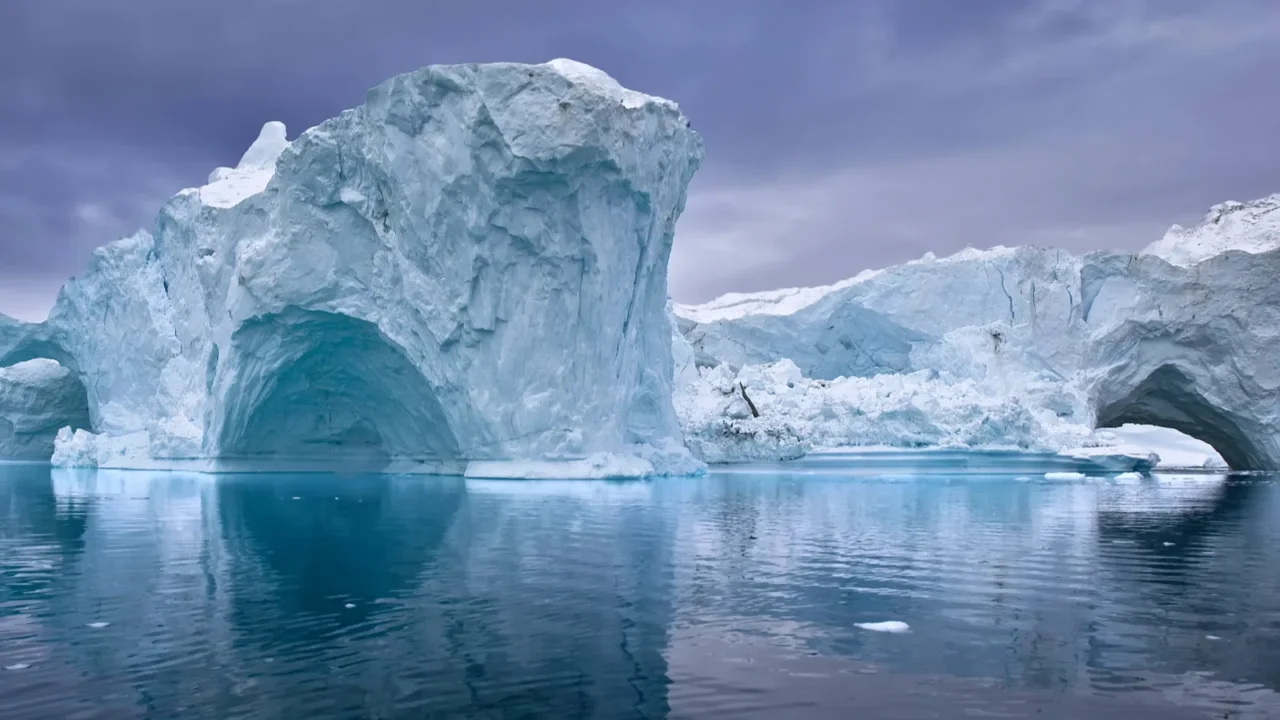
A warming Arctic reshapes livelihoods, not just landscapes
As the Arctic warms, fish stocks shift, and that can change what pays the bills in coastal towns. Research on Greenland adaptation discusses how communities adjust as species availability changes over time, including the long-running cod and shrimp dynamics. That flexibility can be a strength when it works. It can also expose dependence when a key stock drops.
This matters now because “new fisheries” are not a full replacement for lost hunting access or cultural practice. Adaptation in one sector can buy time, but it does not solve housing, food prices, or safe travel on ice. Alaska’s experience warns against treating economic shifts as proof that communities are safe.
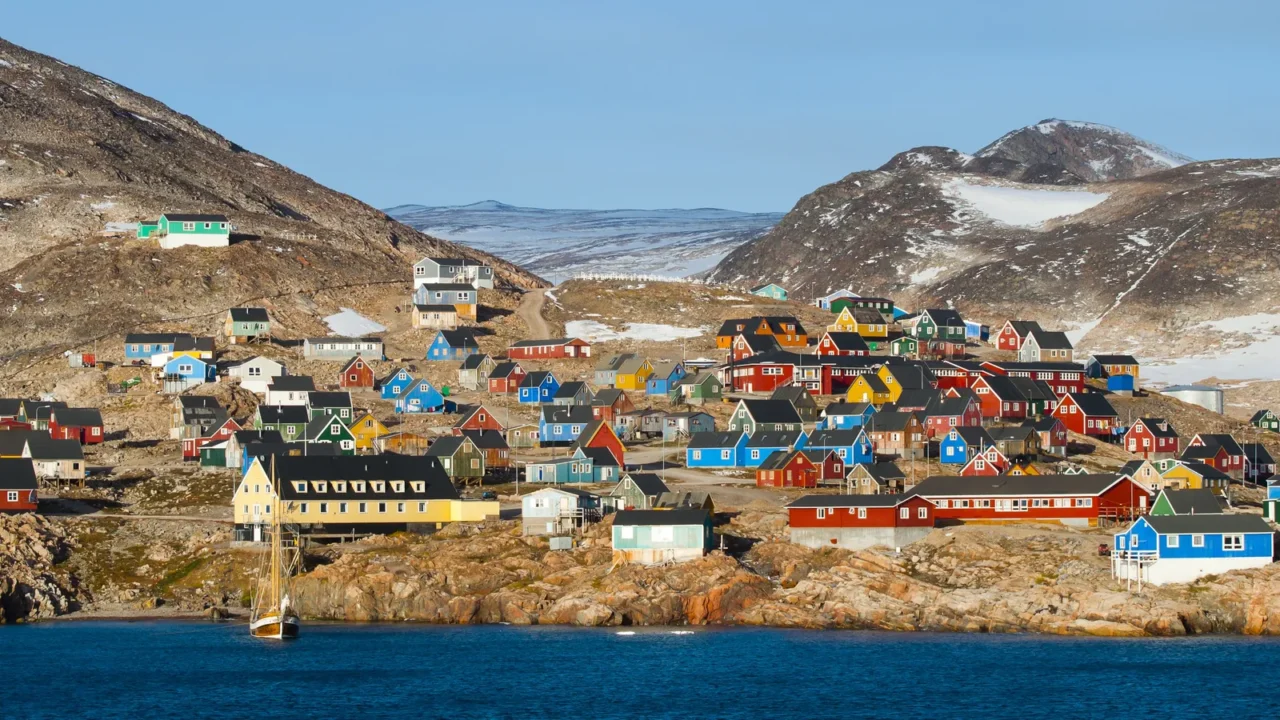
Cultural erosion has a hard edge in the Arctic
When hunting seasons break, the loss is not only calories, it is knowledge transfer. Research on Greenlandic Inuit responses to climate change describes how reduced sea ice and shifting wildlife can disrupt hunting and fishing economies, especially in smaller settlements. That disruption can weaken social cohesion and a younger generation’s connection to place. It is a limit to adaptation.
This matters now because cultural damage is often invisible in national statistics until it becomes a crisis. Alaska’s record shows how quickly outside pressures, environmental instability, and economic change can concentrate harm in Indigenous communities. Greenland sees that trajectory and reads it as a warning, not an abstraction.

Health risks rise when traditional diets get displaced
When local hunting drops, communities often pivot toward imported processed foods that are expensive and less nutritious. Arctic Council materials link climate impacts to traditional food access and describe how food security depends on both animal availability and the ability to hunt safely. That shift can worsen chronic disease risks over time. It also raises stress and uncertainty.
This matters now because health systems in remote Arctic regions are already stretched by distance and cost. A climate-driven diet transition pushes new burdens onto clinics and families, and it can widen inequality between remote villages and larger towns. Alaska has shown how fast multiple stressors can stack in one place.
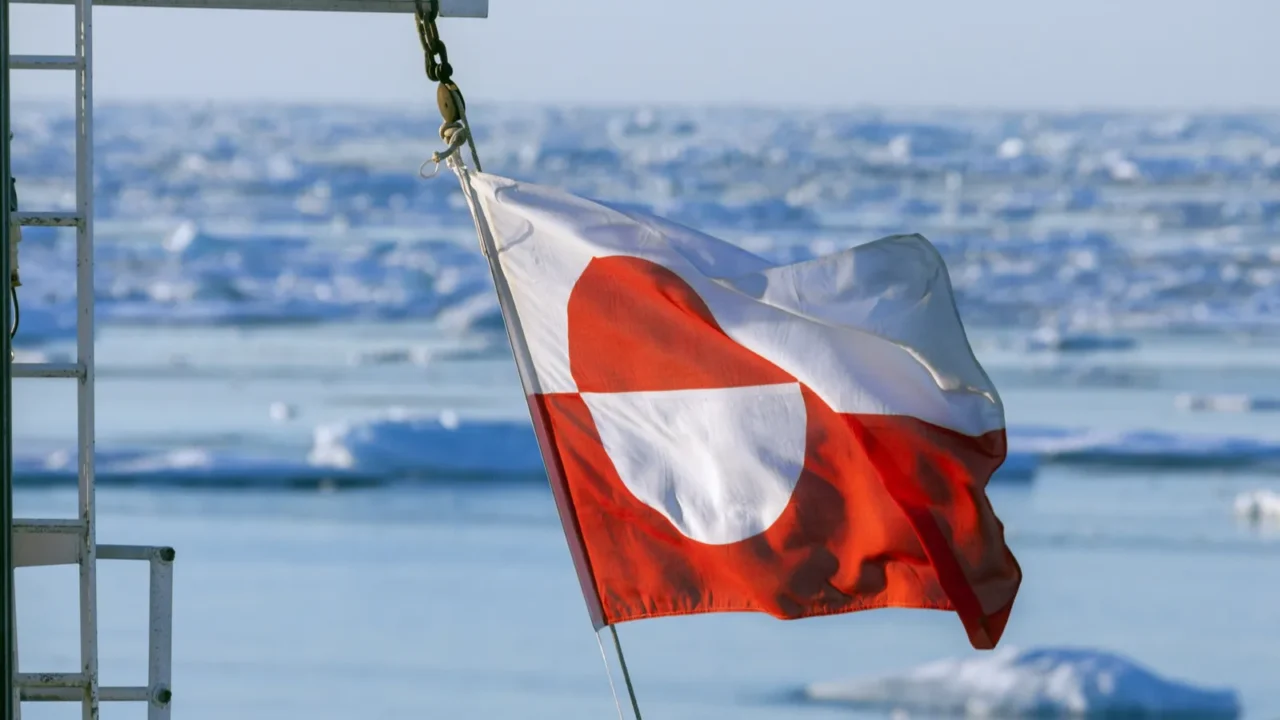
Politics can intensify vulnerability when it targets resources
Alaska’s experience under U.S. control shows how promises tied to ownership and resource extraction can fall short, offering a cautionary parallel for Greenland as outside interest grows.
In the Arctic, strategic competition often follows minerals, shipping, and bases. That can squeeze Indigenous priorities.
This matters now because Reuters has reported renewed U.S. ambition to take control of Greenland and the way Greenlanders are thinking about preparedness and sovereignty in that context.
When security talk rises, Indigenous concerns can get treated as secondary, even though they live with the consequences first. Alaska’s experience becomes a reference point in those debates.
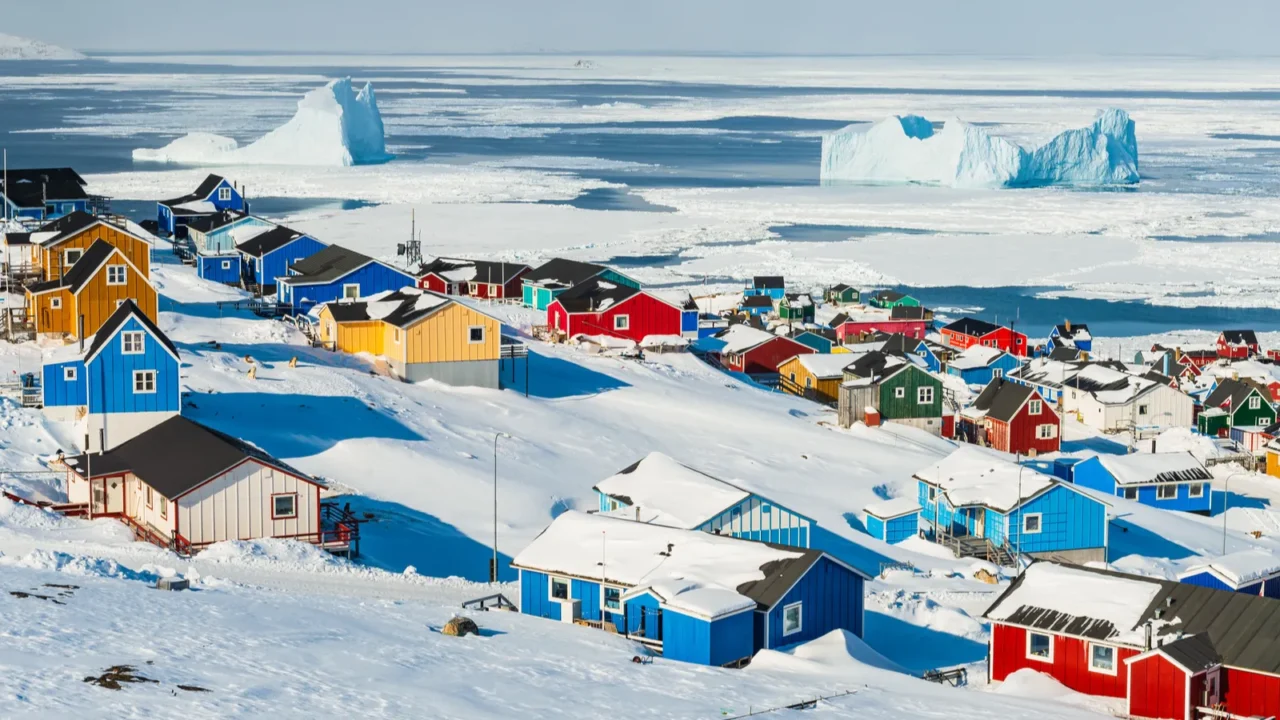
Indigenous knowledge is not a “nice to have” anymore
In fast-changing ecosystems, local observation can detect risks before satellites or models catch up at the community level. NOAA’s Arctic reporting increasingly highlights the role of Indigenous communities in monitoring and responding to change. That is practical, not symbolic. Decision-making improves when it includes lived experience.
This matters now because Greenland’s choices on infrastructure, fisheries, and emergency planning will need trust to work. When communities feel decisions are imposed, compliance drops and outcomes get worse. Alaska’s relocation struggles underline how governance failures can compound environmental harm.
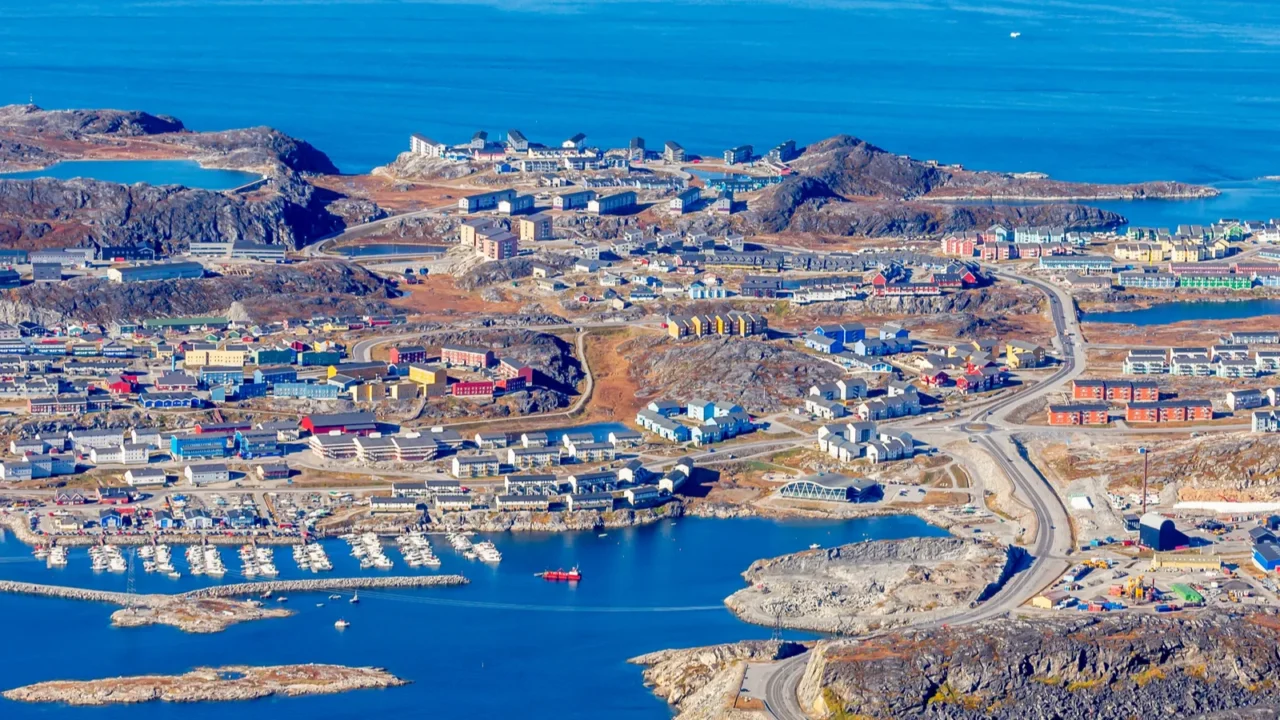
What Greenland can take from Alaska’s hardest lessons
The first lesson is speed: waiting for “proof” can mean the ground is already gone. The second is coordination: fragmented funding and unclear authority slow relocation and infrastructure fixes. The third is dignity: plans work better when they are led locally and built around culture, not just engineering. Alaska has tested each of these in real time.
This matters now because Greenland is weighing climate adaptation under added geopolitical pressure. The window for cheaper, steadier solutions closes as storms intensify, ice declines, and permafrost thaws. Alaska is the case study that shows how costly the delay becomes.
Curious what it’s actually like to explore Greenland up close? Explore the expedition to majestic Greenland with a travel legend.
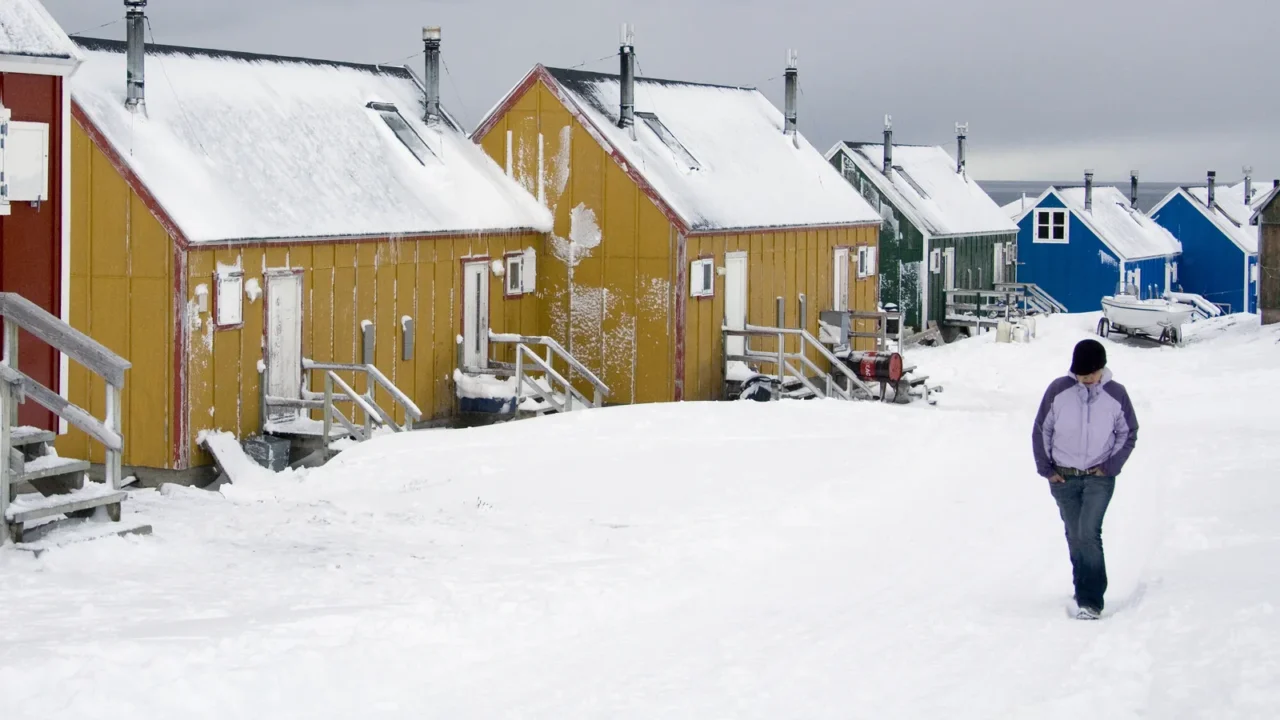
The bottom line for 2026 is urgency with agency
Alaska shows that Arctic climate impacts can force relocation, break food systems, and weaken cultural continuity in just a few decades. Greenland’s Inuit communities are already living the early versions of those same pressures through sea ice change and infrastructure risk. This is why the story matters beyond headlines about strategy and territory. Climate disruption is already a governance test.
The most durable response is one that funds adaptation early and centers Indigenous voices in the decisions that reshape daily life. Alaska’s experience suggests that once collapse begins, solutions get slower and more expensive, not easier.
Outside of war-related disruptions, explore how the growth of expedition cruises in places like Alaska and Antarctica has helped sustain tourism demand.
Do you think governments are treating Arctic Indigenous risks as a real emergency, or still as a future problem? Share your thoughts and your view in the comments.
This slideshow was made with AI assistance and human editing.
Don’t forget to follow us for more exclusive content right here on MSN.
Read More From This Brand:
