
Florida hurricane season basics
The Atlantic hurricane season officially runs from June 1 through November 30 each year, marking the period when tropical storms and hurricanes are most likely to form over the Atlantic Ocean and Gulf of Mexico. Florida, with its long Atlantic and Gulf Coastlines, is frequently affected by tropical weather systems and storm risk during this timeframe. Seasonal weather patterns influence travel demand and pricing for flights, hotels, car rentals, and attractions across the state. Let’s get to it!
Hurricane season does not mean continuous storms, but it does signal an elevated risk of tropical activity. Travelers often adjust plans, timing, and budgets around this season. Understanding these dynamics helps holidaymakers prepare smart itineraries.
Travel demand during storms
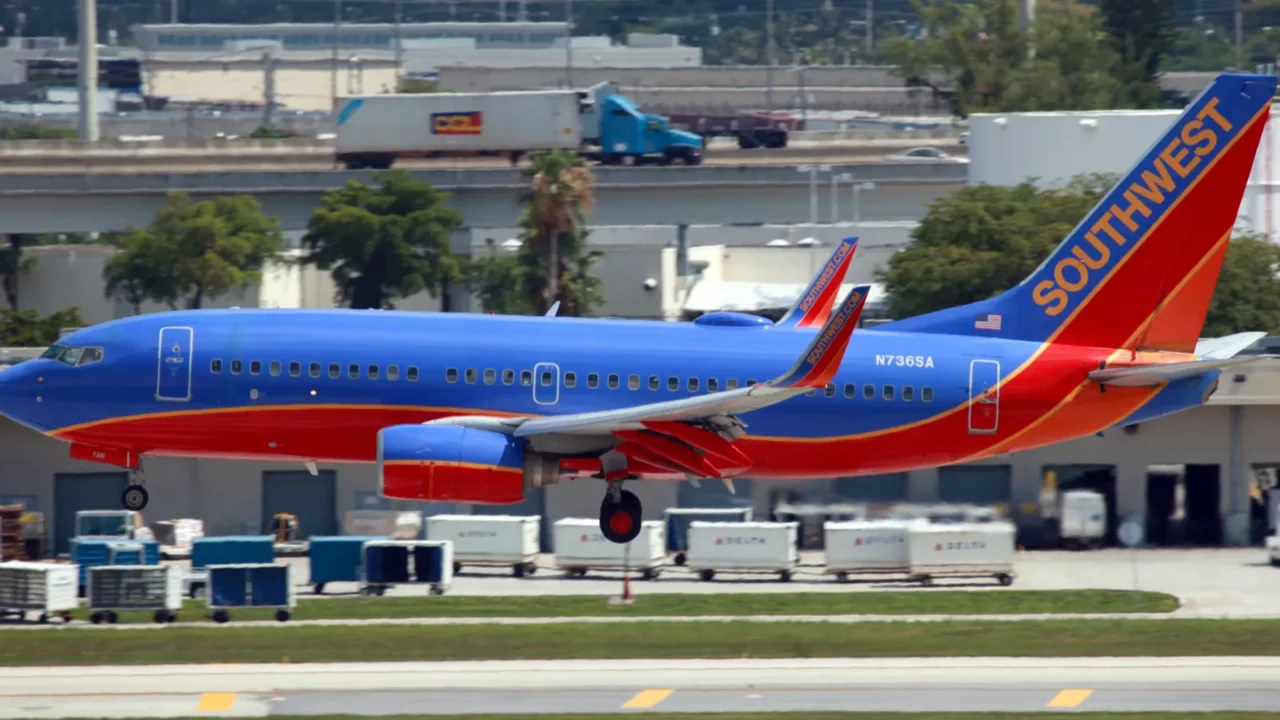
Historical airline pricing data shows that flight costs to Florida destinations like Miami and Orlando often fluctuate during hurricane season as storms form. Prices frequently rise in the days immediately before and after a tropical storm advisory, sometimes as much as 20 to 50 percent above average rates. This pattern reflects changes in demand and uncertainty as travelers adjust their plans ahead of storm forecasts.
Conversely, fares often drop after a storm passes and cancellations clear out booking inventories. Airlines also frequently offer flexible change policies during storm warnings to help travelers adjust their plans. These pricing shifts make planning more important during active periods.
Hotel pricing trends noted
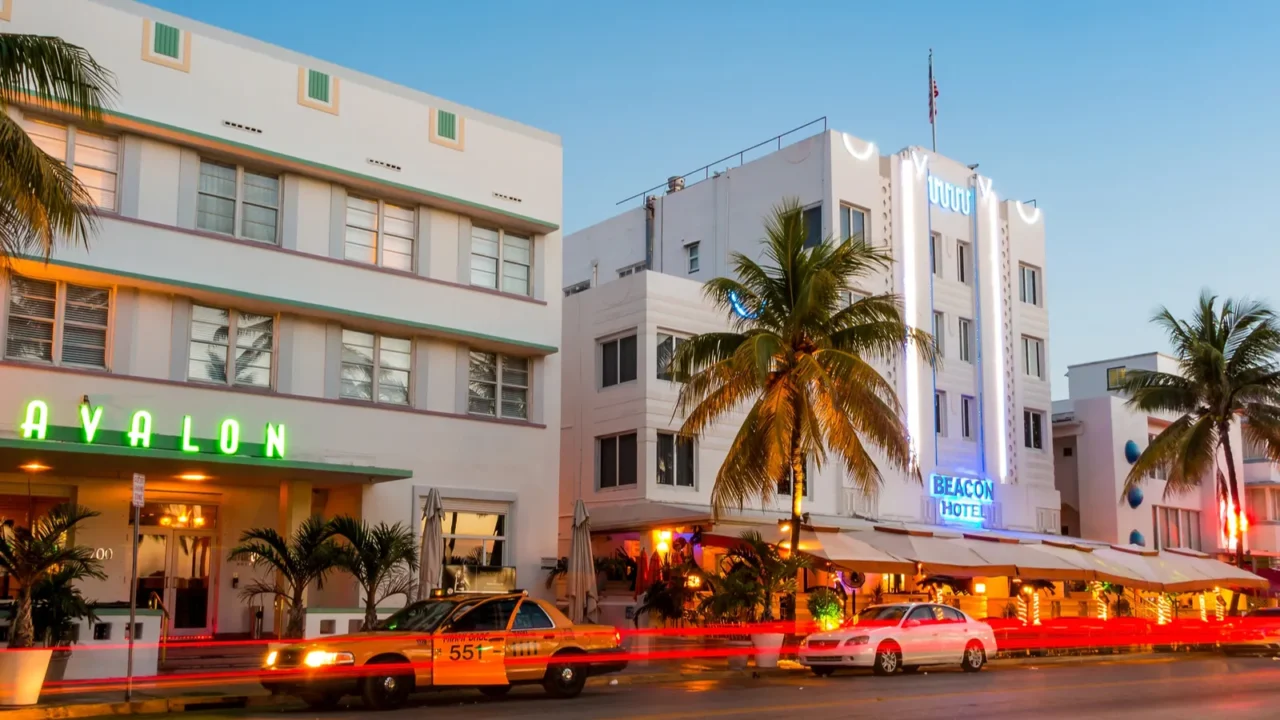
In Florida, many hotels lower nightly rates during hurricane season to attract guests despite storm risk. Seasonal declines in demand typically occur from June through September, delivering discounts compared with peak winter and spring break pricing. These softer rates are most common in coastal destinations like Miami Beach, Fort Lauderdale, and the Gulf Coast.
September is often cited by travel platforms like Hopper and Expedia as one of the cheapest months of the year for Florida stays as summer demand wanes and hurricane risk remains elevated. However, this same window carries a higher probability of tropical weather activity. Balancing cost and comfort remains important when choosing travel dates.
Airline booking timing matters
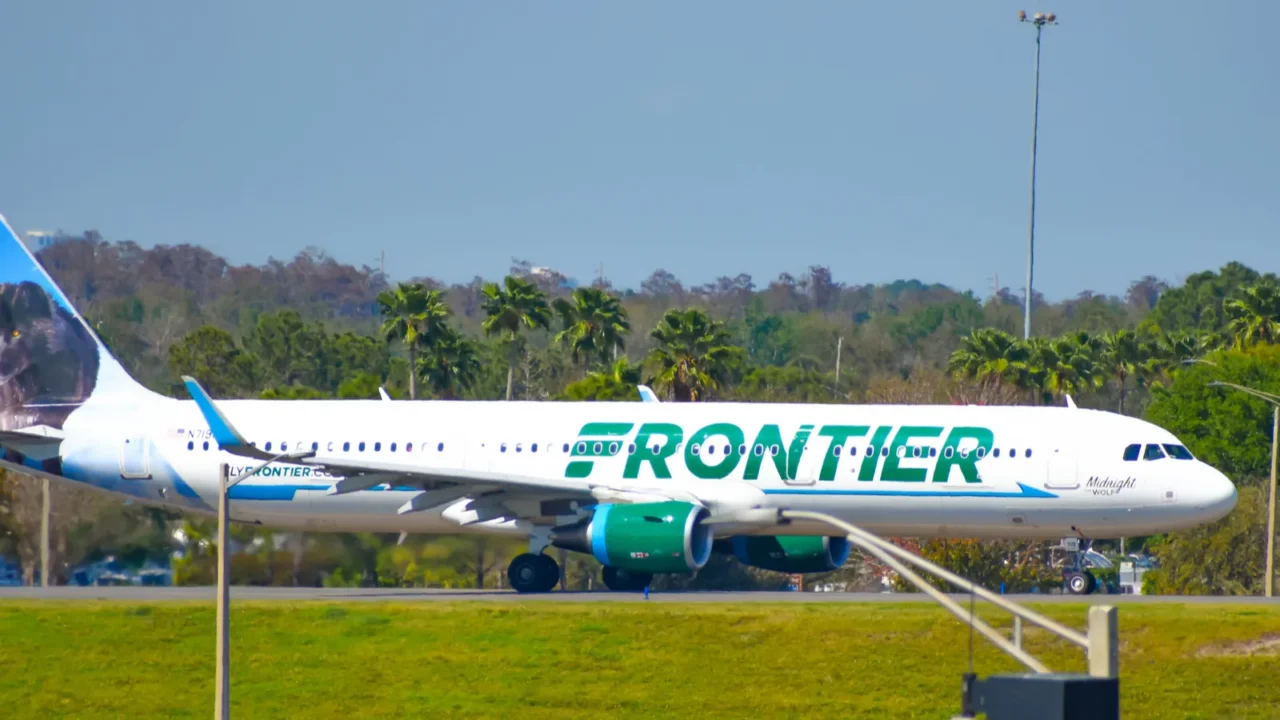
Analyses of airfare trends emphasize that booking flights early often leads to lower prices for routes to Florida. Travelers who reserve flights several months ahead usually secure better prices than those waiting until the last minute. This holds especially for trips planned during shoulder travel periods around hurricane season.
Monthly comparisons show that flights to Florida in late spring and early summer can cost significantly more than the low summer and early fall periods. Average fares are also typically lower midweek than on Fridays and Sundays. These trends reflect broader patterns of demand and supply in airline pricing.
Cheapest travel windows
Travel cost data highlights key windows for better value travel in Florida, including late April through early June and late September through early November. Flights and hotels often show reduced rates during these periods compared with peak seasons like winter and spring break. These windows sit outside the highest hurricane risk months of August and September.
Trip planners who choose these transitional windows often find both better pricing and milder weather patterns. Shoulder seasons balance affordability and pleasant conditions for beach and theme park visits. Travel demand during these months is typically moderate, helping control prices.
Risk and booking strategies
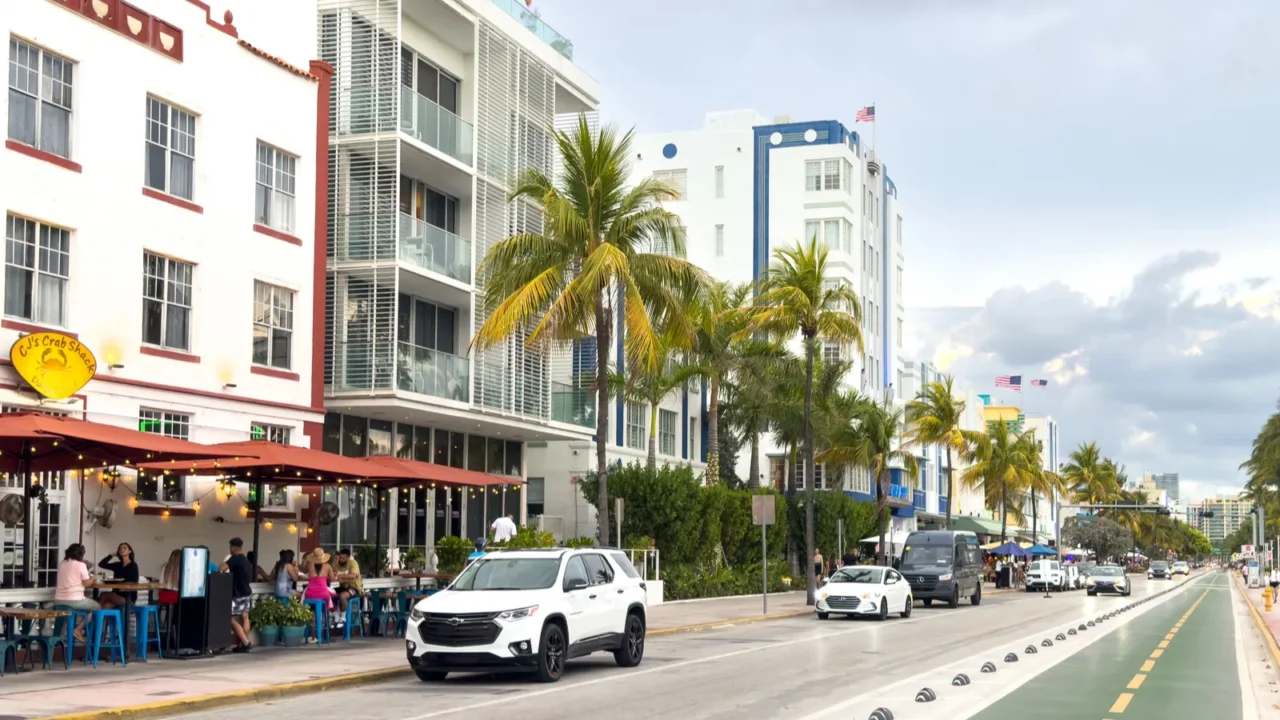
Hurricane season means travelers should prepare to adjust plans if a storm approaches their destination. Flexible booking options, such as refundable hotel rates and airline waivers, help manage the possibility of last-minute schedule changes. Many carriers and hotels offer these terms when a named storm threat exists.
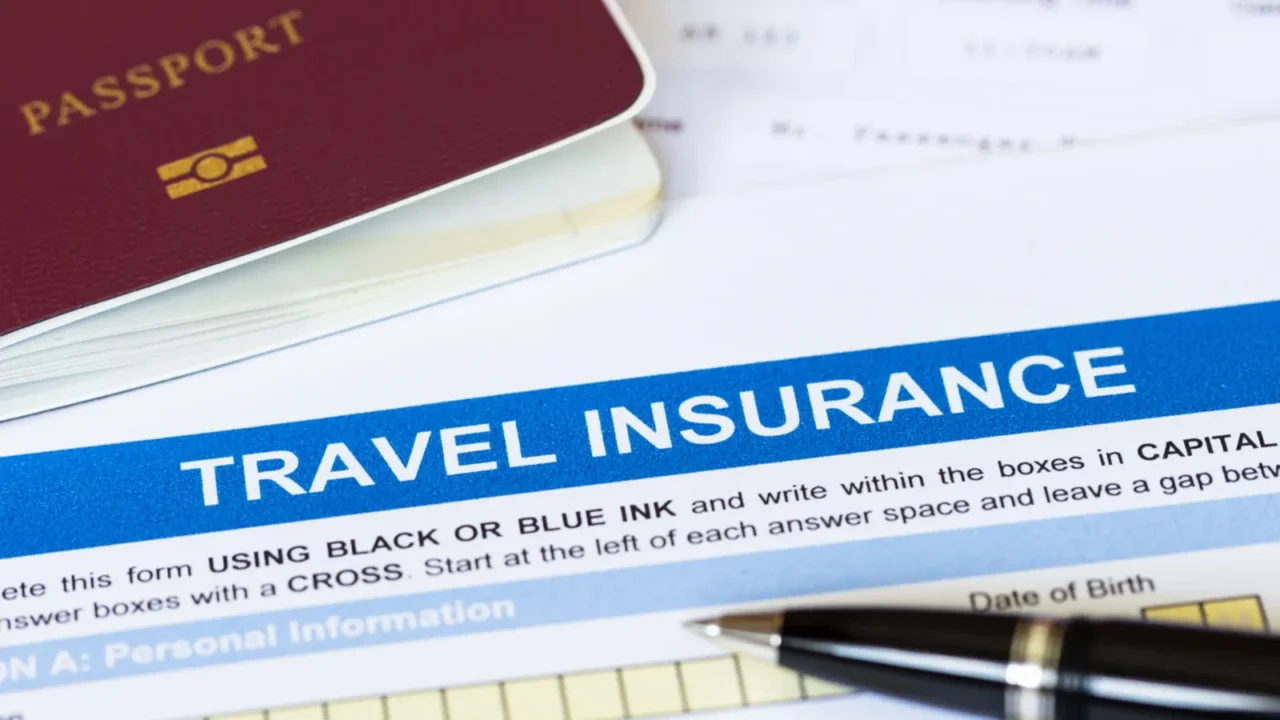
Travel insurance policies with weather or cancellation coverage become more valuable during storm months. These policies may reimburse prepaid expenses if severe weather forces a cancellation. Purchasing travel protection before a storm forms is key to eligibility.
Insurance importance highlighted
Travel insurance is often recommended for trips during hurricane season to protect against weather disruptions. Policies with trip cancellation, interruption, and delay coverage help holidaymakers recoup costs if storm threats alter plans. Some comprehensive plans also offer evacuation and medical coverage on top of basic trip protections.
Insurance options vary widely, so travelers should review policy details carefully. Standard offerings usually cost about four to ten percent of the trip’s total value. Investing in appropriate coverage adds reassurance when plans are at risk due to severe weather.

Resort and cruise pricing shifts
Resorts and cruise companies that operate in Florida waters often adjust pricing around hurricane season. Some resorts lower prices to encourage bookings during quieter demand months, while others implement promotional blackout dates around storm peaks to protect revenue. Cruise lines may also offer value pricing in early October and late fall to attract budget-minded travelers.
Promotional pricing can come with restrictions, so travelers should check the fine print on cancellations and changes. Sometimes blackout periods or reduced perks apply during storm peaks. Watching for genuine deals with refundable options helps manage risk.

Theme park and attractions policies
Major Florida attractions like Walt Disney World Resort and Universal Orlando often adjust booking and ticketing policies during hurricane season. Disney’s official hurricane policy allows guests to cancel or reschedule without penalties when a storm warning is issued. This flexibility helps families and groups protect their vacation investments.
Similarly, other parks sometimes offer weather-related change options or credits if official storm warnings affect scheduled visits. These policies reduce financial risk for holidaymakers during storm season. Planning with flexible ticket options provides peace of mind.

Weather forecast and travel timing
Monitoring hurricane forecasts is key when planning travel in Florida from June through November. Forecasted storms are tracked by the National Hurricane Center (NHC) and other meteorological services several days before landfall. Early warnings help travelers adjust bookings or departure dates in advance of potential disruption.
Immediate travel changes may be warranted if a named storm threatens a destination. Being aware of evolving storms several days before travel provides time to contact airlines and hotels for adjustments. Preparedness helps minimize unplanned costs.
Weather and airfare cost patterns
Historical airfare trends tied to weather show pricing drops in hurricane months when demand softens. Airlines may lower rates by up to 20 to 40 percent during times of low demand driven by storm risk. This effect is seen especially in late summer months when casual travelers shift booking dates.
Booking more than two months ahead often reduces the risk of paying high last-minute fares tied to weather events or demand spikes. Mid-week flights often cost less than weekend options. These timing strategies help travelers manage total airfare expense.
Shoulder season benefits
Shoulder seasons around hurricane months often yield some of the best deals on travel to Florida. Late April through early June, and late September through early November, present a mix of moderate weather and lower costs. These windows also avoid the peak hospitalities and theme park crowds that drive up prices in peak seasons, while also intersecting with concerns highlighted in how Florida’s insurance crisis is reshaping coastal vacation planning.
Theme park pricing and flight availability tend to be more favorable in these transitional periods. Shoulder seasons provide opportunities to balance cost, weather, and crowd levels. This makes them attractive for holidaymakers seeking value.
Hurricane season travel advice
What hurricane season really means for Florida travel prices is that total trip costs and timing are influenced by weather risk and demand patterns. Discounts often appear during off-peak months, especially September, while risk increases with storm activity. Travelers who plan early, monitor forecasts, and balance cost with comfort can take advantage of value windows around the season.
Strategic booking of flights and hotels, combined with flexible policies, gives holidaymakers a greater chance of affordable and enjoyable trips.
Which seasonal window feels like the best balance of price and hurricane risk for Florida travel now? Share thoughts below.
This slideshow was made with AI assistance and human editing.
Don’t forget to follow us for more exclusive content right here on MSN.
Read More From This Brand:
