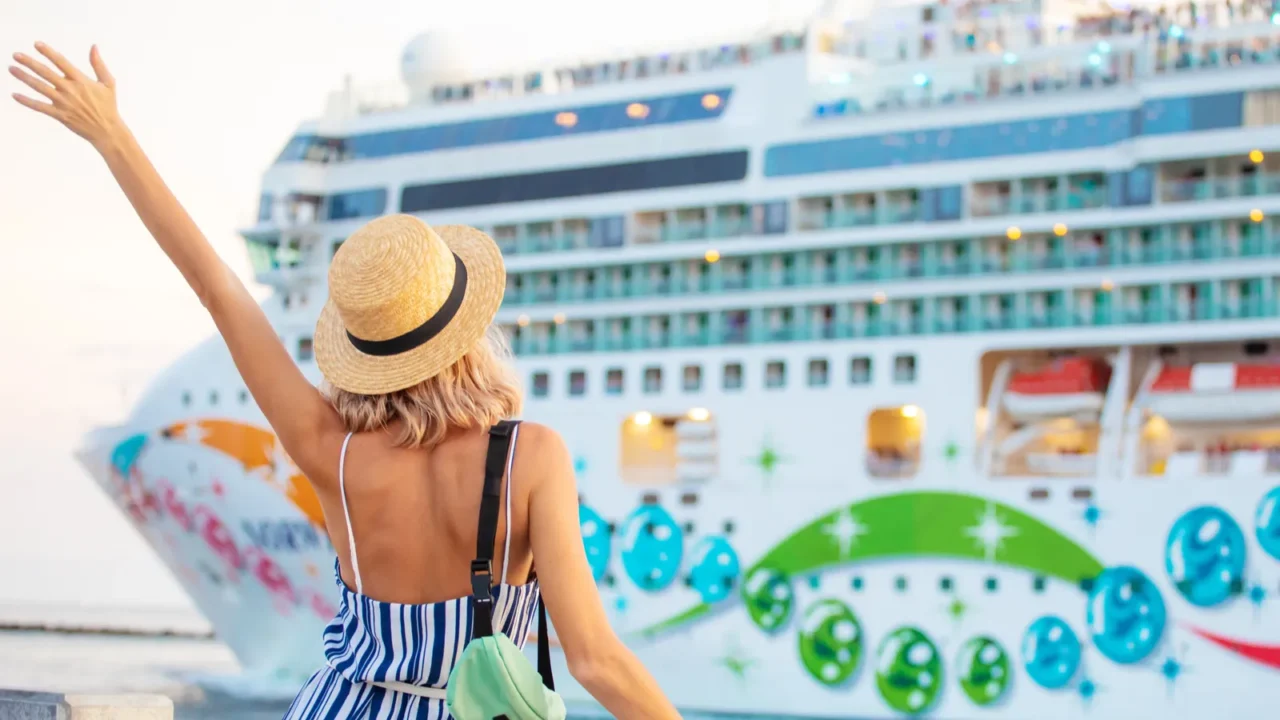
Your cruise got canceled. Now what?
Cruise line cancellations and rescheduled sailings occur when operators modify or cancel planned itineraries due to weather, mechanical issues, geopolitical conditions, or low passenger enrollment. Major operators, including Carnival Cruise Line, Royal Caribbean International, and Norwegian Cruise Line, each maintain distinct policies governing these situations.
The Federal Maritime Commission notes that cruise lines are not legally required to offer full cash refunds in every cancellation scenario, making passenger awareness critical before booking.
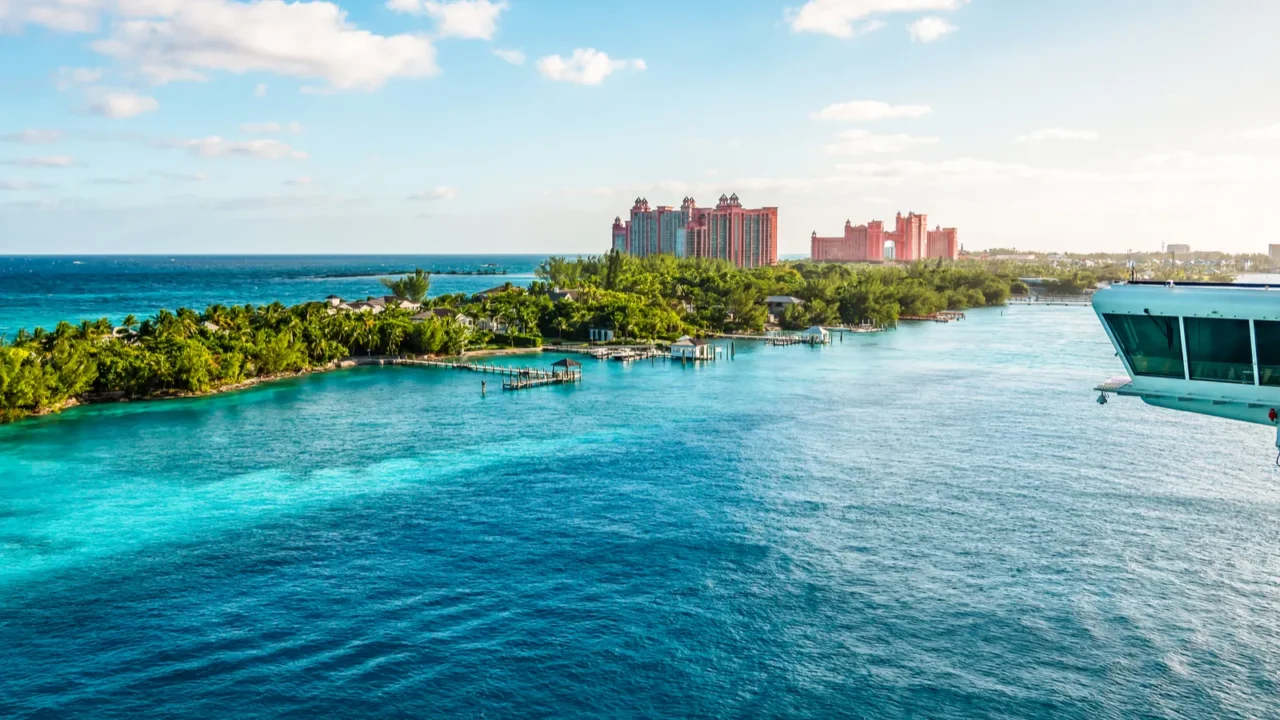
Caribbean routes cancel most often
The Caribbean, specifically Nassau, Bahamas, and Cozumel, Mexico, sees the highest frequency of itinerary changes among all cruise regions. Hurricane season, running from June through November, forces reroutes across these corridors each year. Cruise lines typically swap ports rather than cancel outright, and most policies do not make port substitutions alone eligible for a refund.
Every traveler heading to these destinations should read the cruise contract’s port substitution clause before ever stepping aboard.
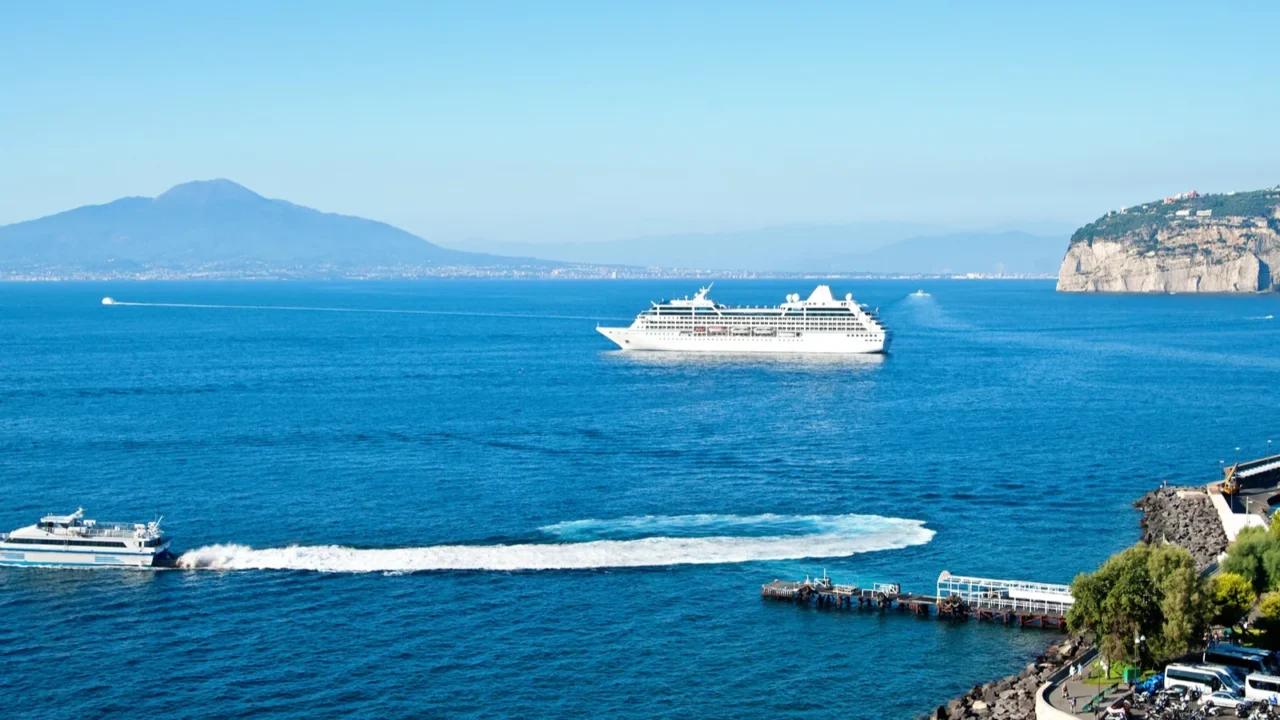
Mediterranean sailings and shifting schedules
Mediterranean cruises sailing to Greece, Italy, and Turkey face disruptions from regional strikes and geopolitical conditions. Unlike Caribbean reroutes, these changes hit harder because passengers pre-book expensive excursions in cities like Santorini and Venice. MSC Cruises and Costa Cruises typically issue future cruise credits rather than refunds when itineraries shift more than forty-eight hours before departure.
Travelers should avoid prepaying heavily for shore excursions until much closer to their actual departure date.
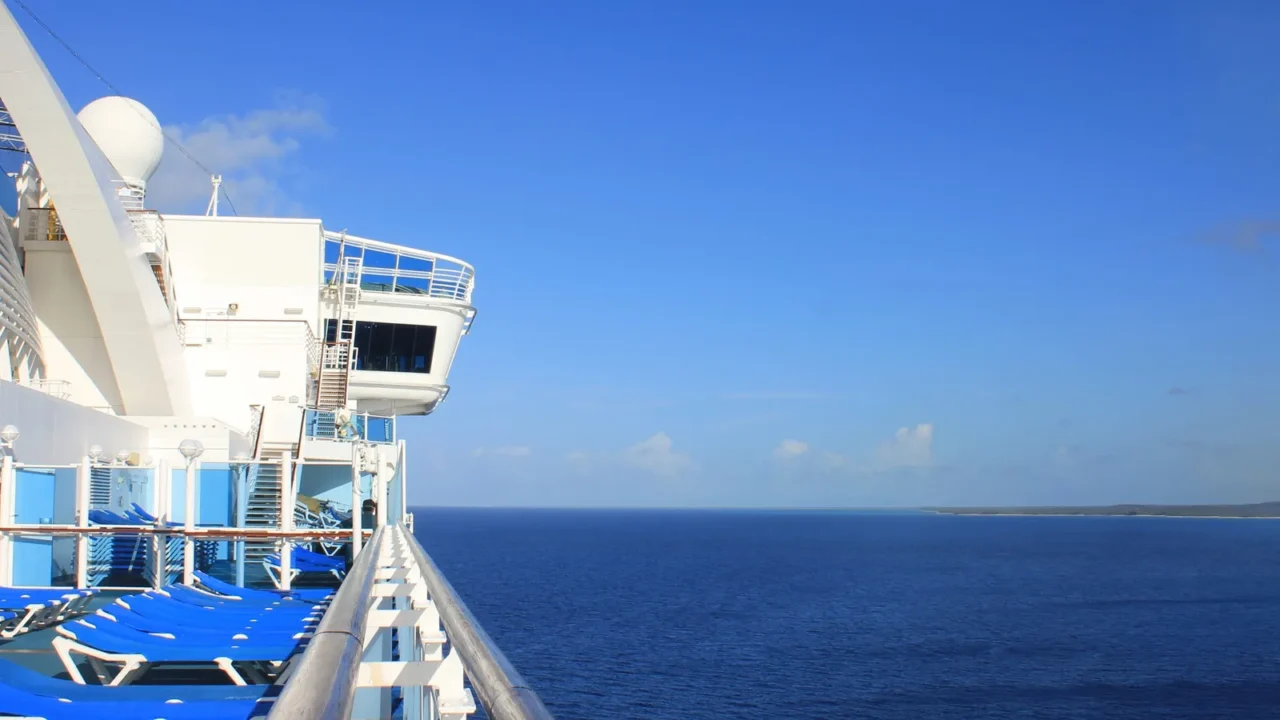
Alaska’s wild weather changes everything
Alaska sailings from Seattle, Washington, through Juneau and Skagway rank among the most weather-vulnerable cruise routes globally. Fog, glacial conditions, and tidal shifts can ground ships within hours. Princess Cruises and Holland America Line, the dominant Alaska operators, include broad force majeure clauses that sharply limit refund liability when nature intervenes.
Passengers on Alaska itineraries need travel insurance that specifically covers itinerary modifications, not just outright trip cancellation.
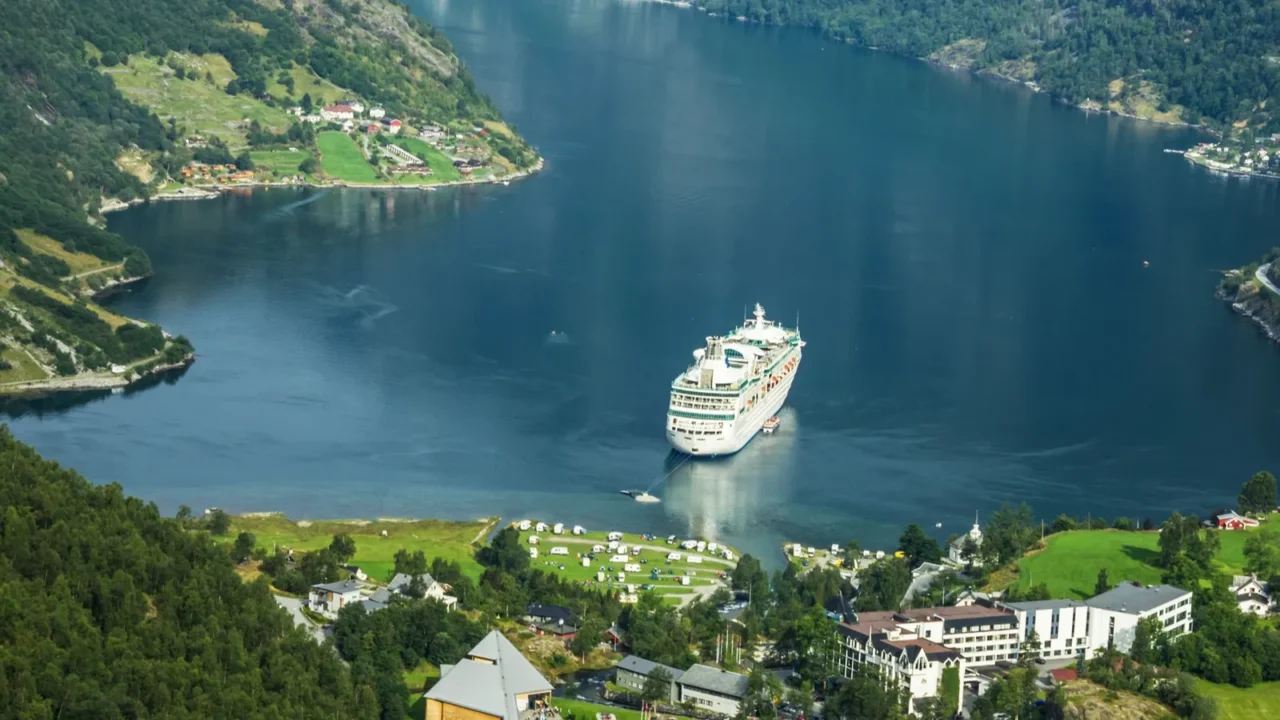
One port cost millions in refunds
When Royal Caribbean faced public backlash over sailings near Haiti in 2010, it permanently reshaped how the cruise industry handles crisis-era refund decisions. The line redirected aid and issued credits, setting an informal industry standard that operators still reference today.
Fun fact: Cruise tourism hit a record 31.7 million passengers in 2023, according to the CLIA 2024 State of the Cruise Industry Report, making cancellation policy one of the most consequential consumer issues in global travel.
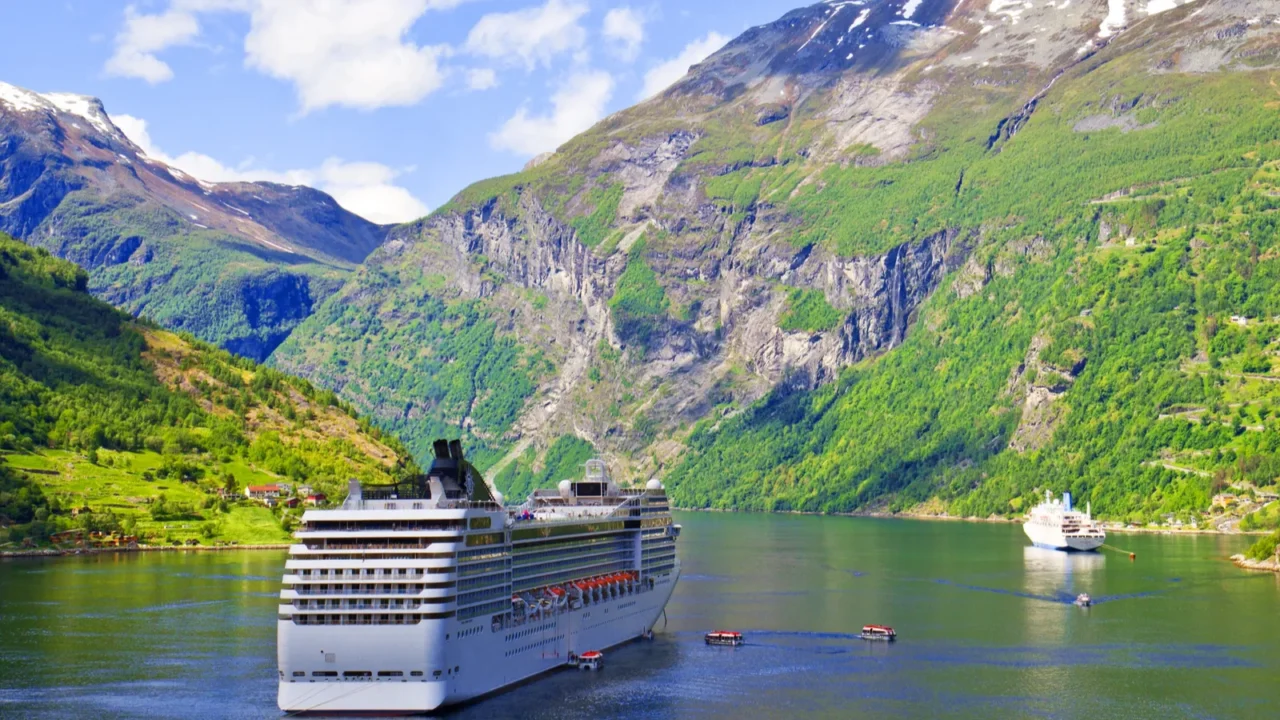
Norway’s fjords are worth the risk
Norwegian fjord routes sailing from Bergen into the Geirangerfjord face UNESCO environmental restrictions, narrow waterways, and unpredictable North Sea weather that routinely shift schedules. Viking Ocean Cruises and Hurtigruten, the dominant operators here, maintain some of the industry’s most transparent itinerary-change communication policies.
Passengers should prioritize cruise lines that publish concrete compensation timelines rather than burying liability behind vague force majeure language buried deep in booking contracts.
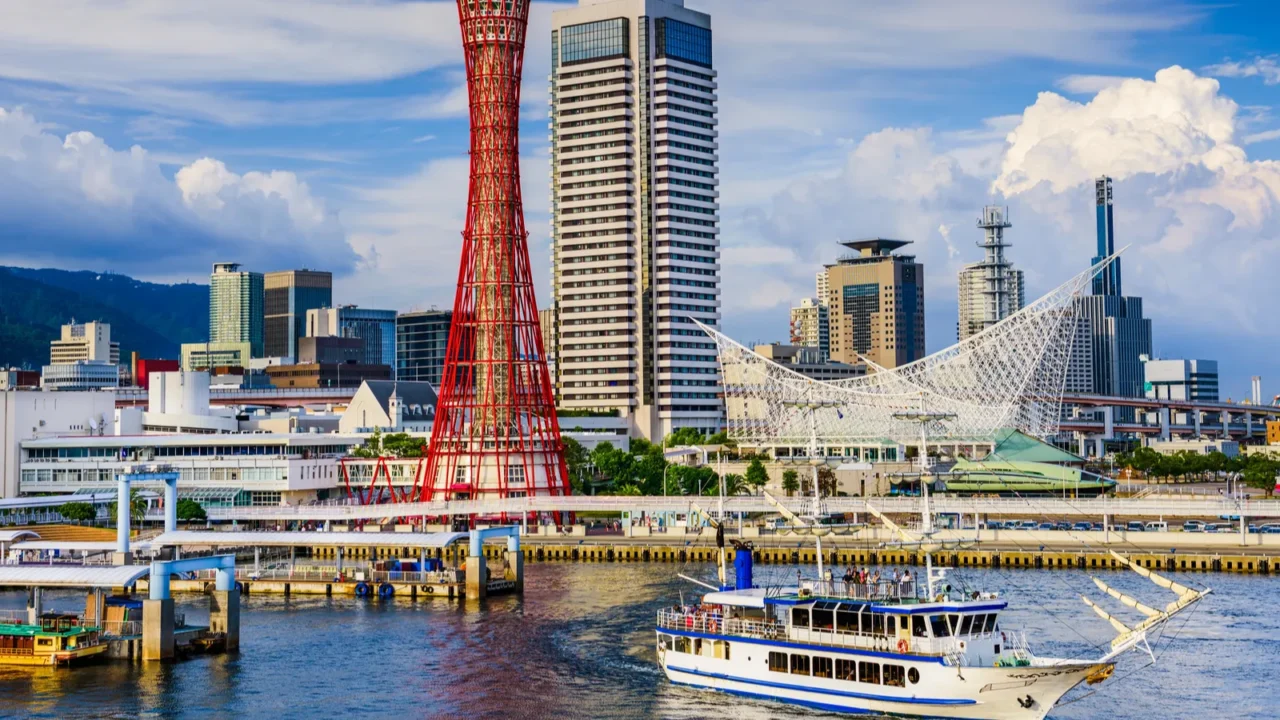
Japan sailings demand extra flexibility
Japan cruises visiting Osaka, the gateway to Kyoto, and the historic city of Nagasaki, operate under strict port authority schedules and typhoon patterns that create cascading delays across entire itineraries. Holland America Line and Celebrity Cruises both rescheduled Japan sailings repeatedly during recent typhoon seasons.
Travelers booking Japan itineraries should confirm their cruise line’s refund eligibility window before making the final payment, as policies vary significantly by operator.
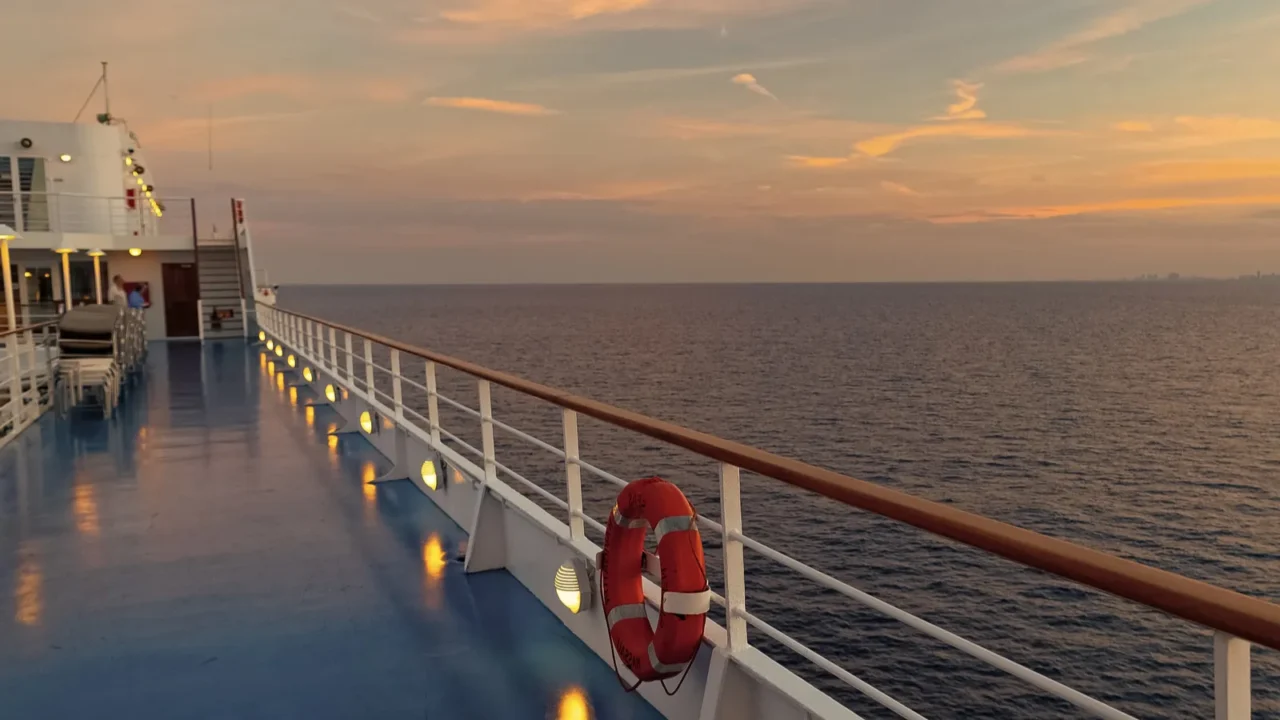
The rule that protects every passenger
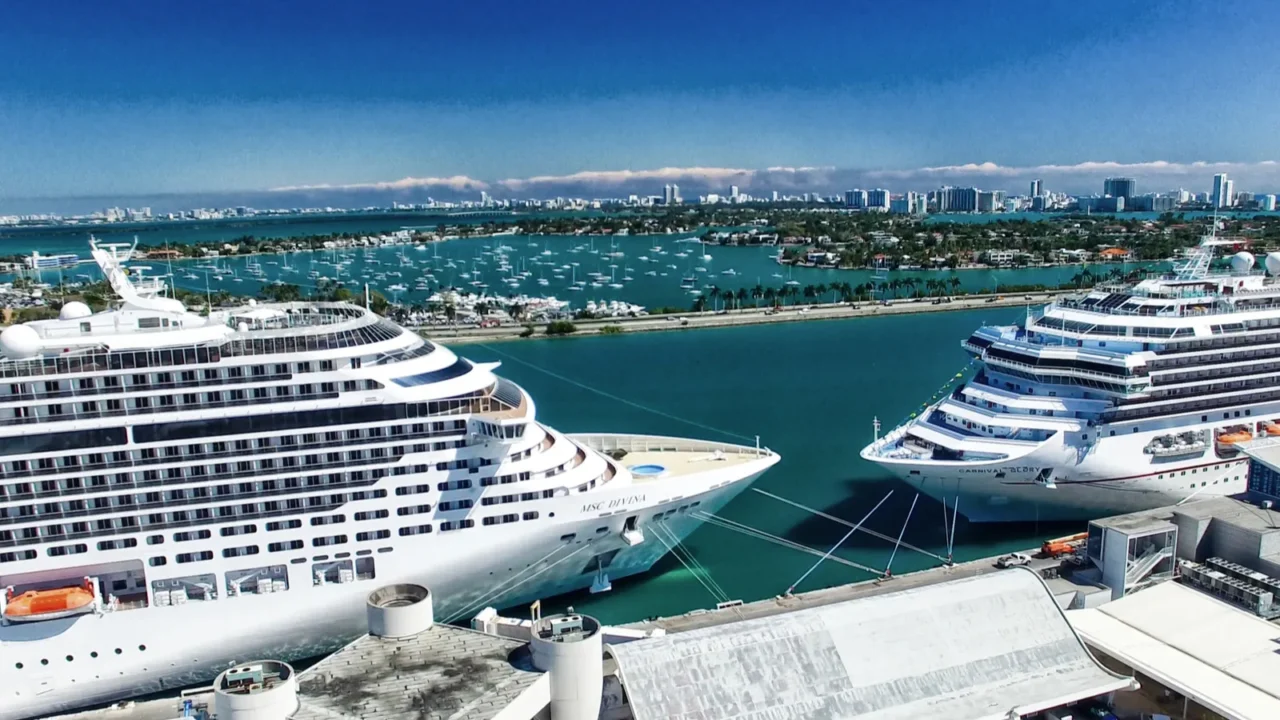
Most passengers never realize that U.S. federal law applies to their cruise experience even on international waters, as long as the sailing departs from an American port like Miami, Florida.
Little-known fact: In 2022, the Federal Maritime Commission passed a rule giving passengers direct rights to refunds when sailings are canceled.
Repositioning sailings carry hidden risks
Repositioning cruises moving ships between Fort Lauderdale, Florida, and Barcelona, Spain, cross the open ocean for days at a stretch, leaving almost no alternative port options when disruptions arise. Carnival Cruise Line and MSC Cruises offer these sailings at sharp discounts, but the elevated itinerary-change risk rarely gets disclosed clearly at booking.
Passengers drawn to bargain-repositioning fares should read cancellation terms carefully because those discounted tickets often come with reduced refund protections.
Act fast when cancellations hit
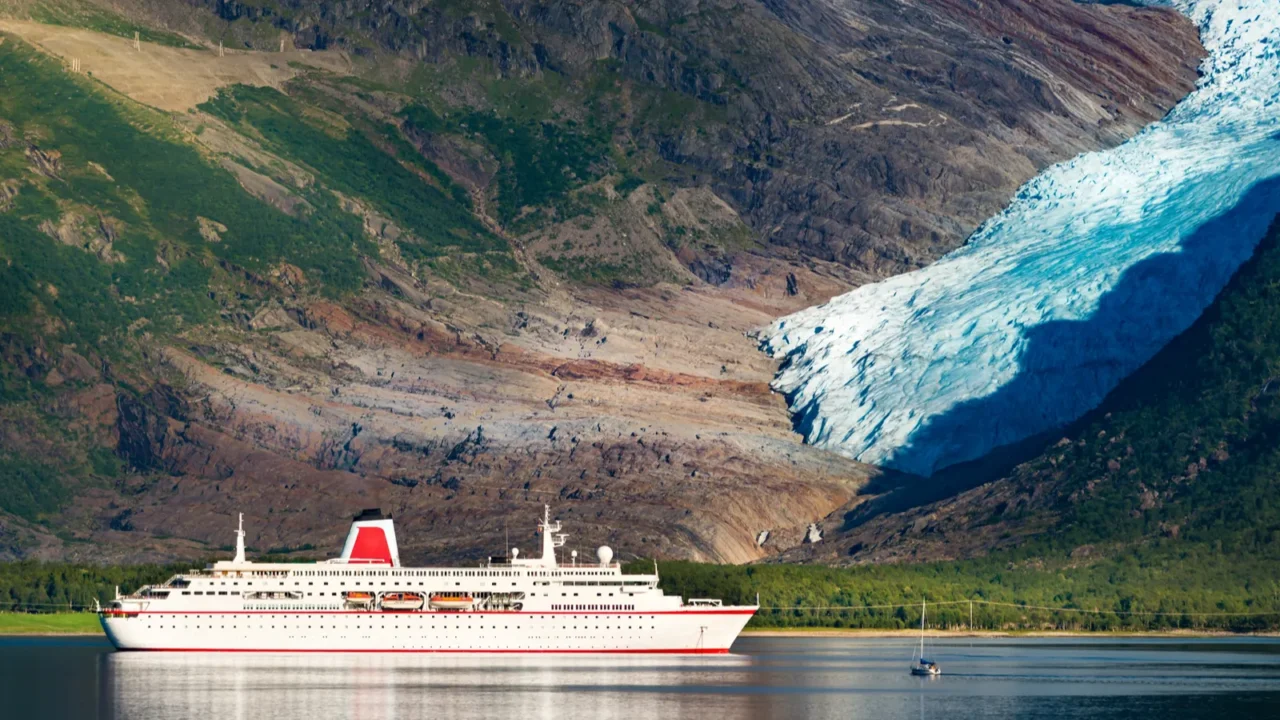
When a cruise line cancels or reschedules a sailing, passengers typically have as little as 48 to 72 hours to choose between a future cruise credit, rebooking, or a cash refund. Letting that window lapse can forfeit options permanently. Royal Caribbean and Norwegian Cruise Line both maintain online portals for managing cancellation responses without lengthy phone hold times.
Every passenger should document all communications in writing immediately, because verbal commitments from agents rarely hold up in later disputes.

Insurance is the real lifeline
Travel insurance with cancel for any reason coverage, widely known as CFAR, provides the broadest protection when cruise lines reschedule sailings. Purchasing insurance directly through a cruise line often limits compensation to future cruise credits only, while independent third-party insurers offer far greater flexibility and cash reimbursement options.
Passengers booking in high-disruption regions like Southeast Asia or the South Pacific should secure independent travel insurance before submitting any final payment to their cruise line.

Your credit card might save you
Premium credit cards from issuers like Chase, American Express, and Citi often include trip interruption and cancellation protections that activate when cruise lines make qualifying schedule changes, and these protections work independently of any separate travel insurance policy the passenger already holds.
Passengers who paid for their cruise on a travel rewards card should contact their card issuer immediately after receiving a cancellation notice, because that coverage already sitting in their wallet could recover costs the cruise line refuses to reimburse. Your credit card might already have you covered. See how currency shifts are making that protection even more critical for American cruise itineraries.
Sail smart, not sorry
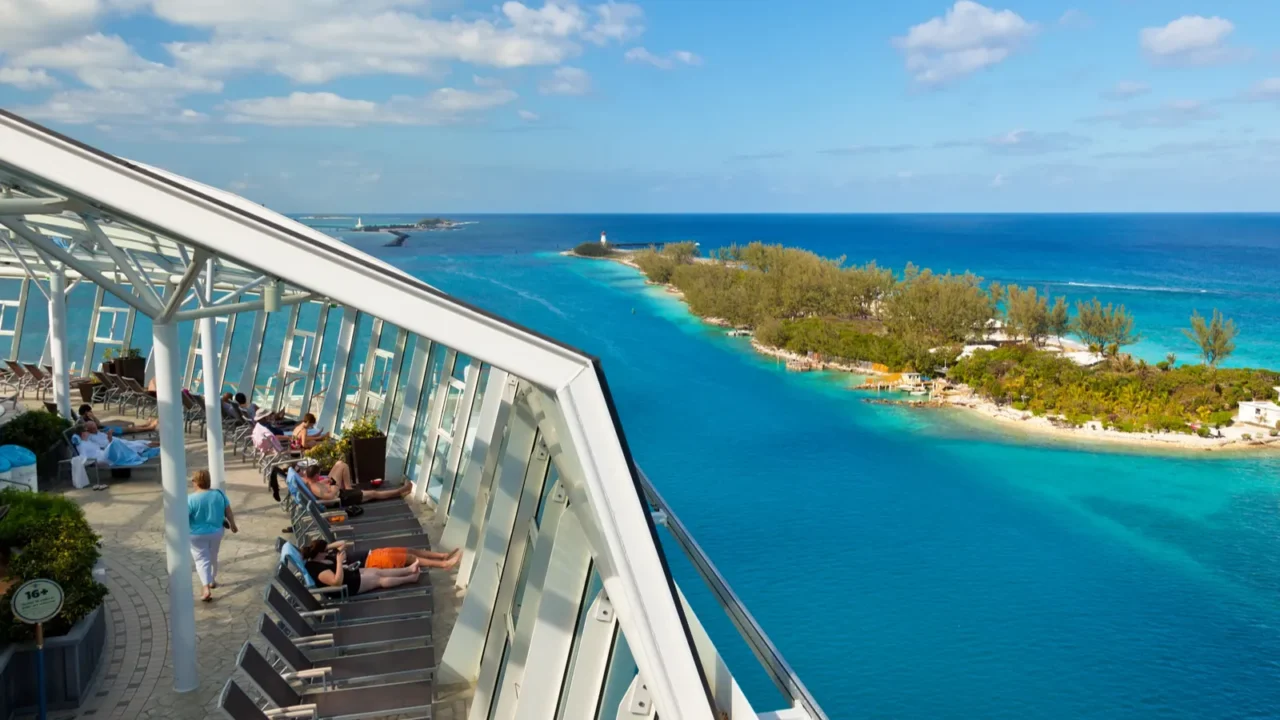
Cruising touches every ocean and continent, from the Norwegian fjords to the sun-soaked ports of Japan, and no itinerary is ever fully immune to disruption. Knowing how to respond when a sailing is canceled or rescheduled is the difference between a ruined vacation and a rebooked adventure.
The travelers who always come out ahead are the ones who read the fine print, choose the right insurance, and keep every single confirmation email from the day they booked. The fine print is changing. Find out how new cruise levies could affect what you actually pay to sail.
Ever wondered what actually happens to your money when a cruise gets canceled? Let us know in the comments.
This slideshow was made with AI assistance and human editing.
Don’t forget to follow us for more exclusive content right here on MSN.
Read More From This Brand:
