
Influencer content lacks context
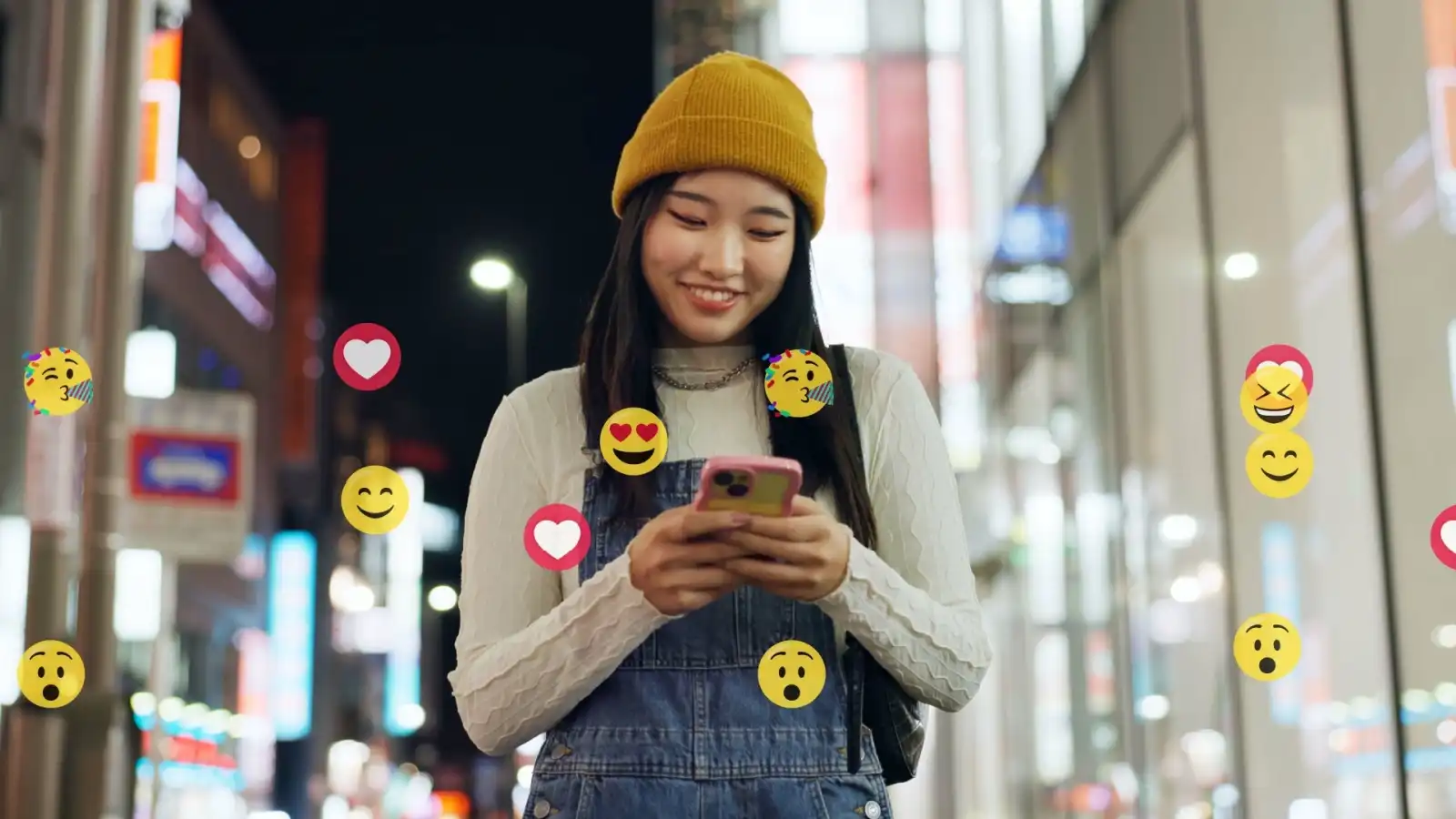
The Federal Trade Commission has established guidelines requiring influencers to disclose paid partnerships clearly. These rules aim to ensure transparency across industries, including travel content. Despite this, many travel posts still emphasize highlights over full experiences.
Travelers viewing content from destinations like Santorini and Bali often see curated moments rather than complete journeys. Influencer content tends to focus on visually appealing scenes. Real-world challenges are less frequently shown.
Sponsored trips shape narratives
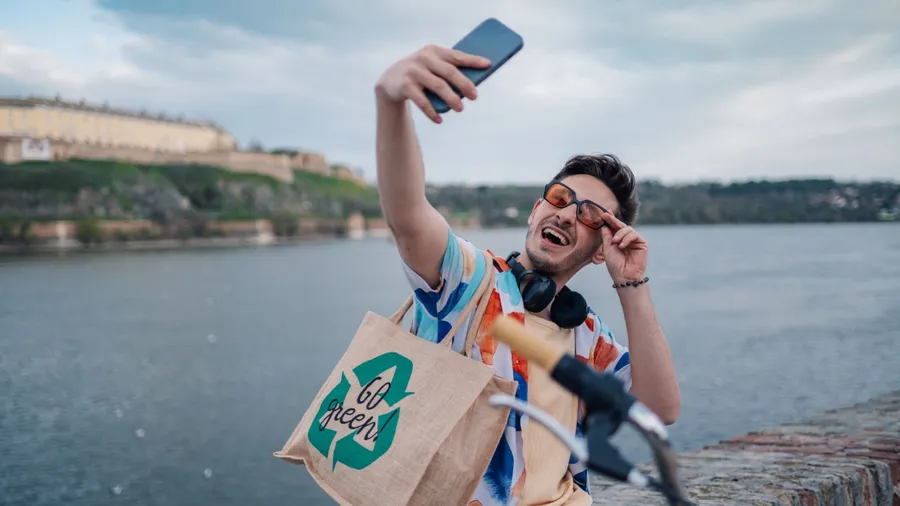
The FTC notes that sponsored travel content must clearly disclose brand relationships. Influencers often collaborate with tourism boards and hospitality companies. These partnerships can influence how destinations are presented.
Campaigns featuring places like Dubai and the Maldives are often funded by tourism promotions. Sponsored experiences may highlight premium services and ideal conditions. This can create a selective portrayal of travel realities.

Costs often remain hidden
Travel influencers rarely show the full cost breakdown behind their experiences. Flights, accommodations, and activities may be partially or fully sponsored. This can create unrealistic expectations around affordability.
Trips to cities like Paris and New York City can involve significant expenses. Budget realities differ from what appears in curated posts. Travelers may underestimate actual costs when planning similar trips.
Crowds rarely appear online
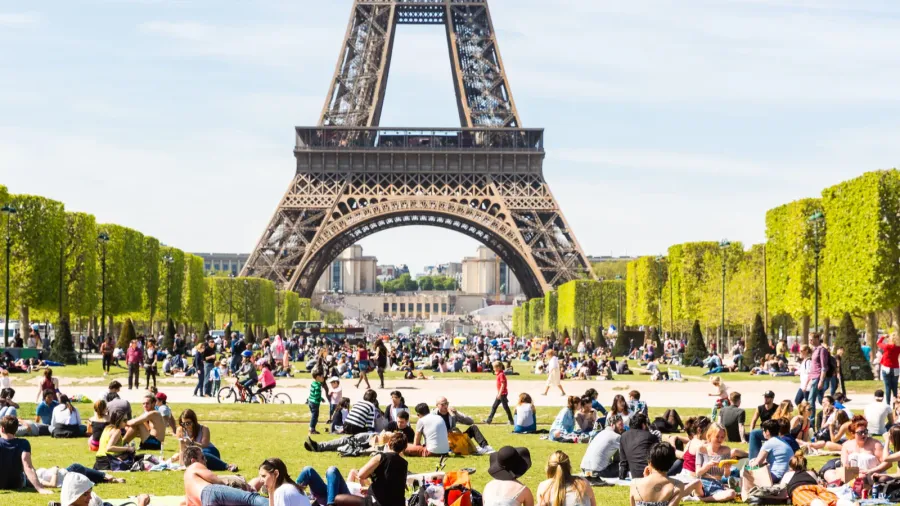
Influencer photos often avoid showing large crowds at popular destinations. Timing, editing, and selective framing create a sense of exclusivity. This can differ from real visitor experiences.
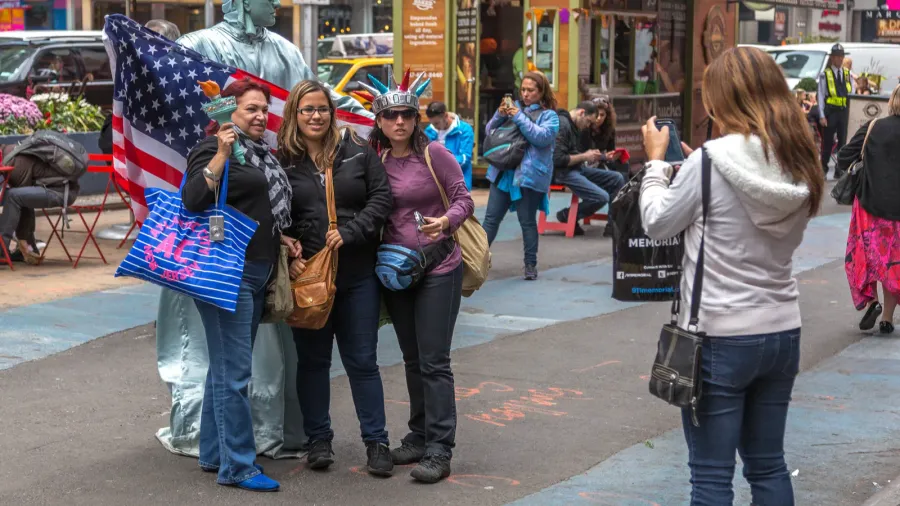
Locations like the Eiffel Tower and Times Square regularly attract large crowds. Visitors often encounter busy conditions throughout the day. Online content may not reflect this reality.
Logistics challenges overlooked often
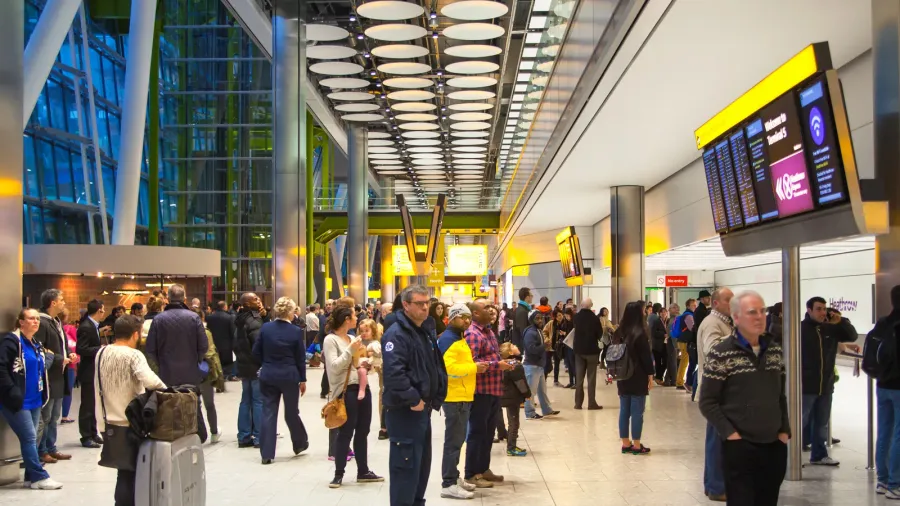
Travel logistics such as delays, long lines, and transport issues are rarely highlighted. Influencers typically focus on smooth transitions and ideal scenarios. This leaves out common travel complications.
Airports like Heathrow Airport and Los Angeles International Airport frequently experience congestion. Travelers may face waiting times and unexpected delays. These realities are often missing from curated content.
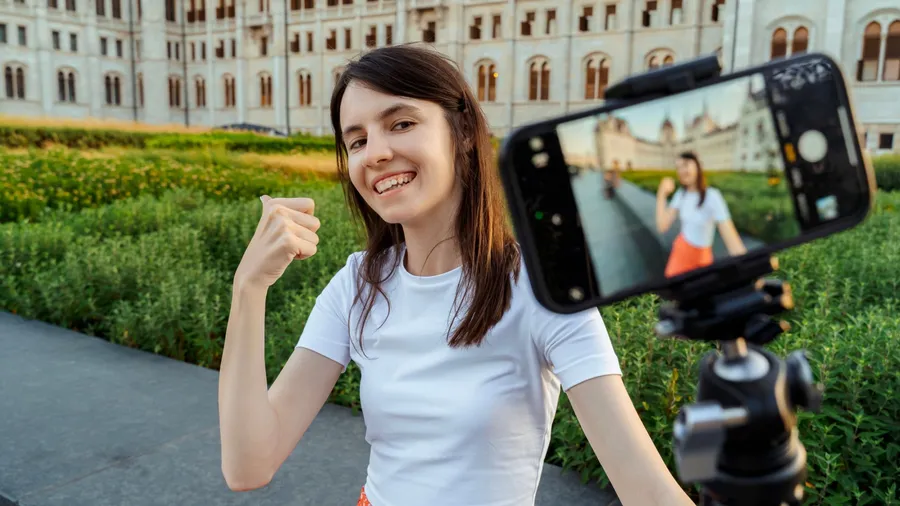
Editing shapes destination perception
Research published in Tourism Management suggests that edited travel photos can shape how people perceive destinations and their travel experiences. Studies indicate that visual enhancements often lead to more positive impressions and stronger emotional responses. This explains why influencer content often appears more vibrant than real-life conditions.
Images from Iceland and Switzerland frequently showcase dramatic colors and ideal lighting conditions. These visuals can set expectations that may not always match on-ground experiences.
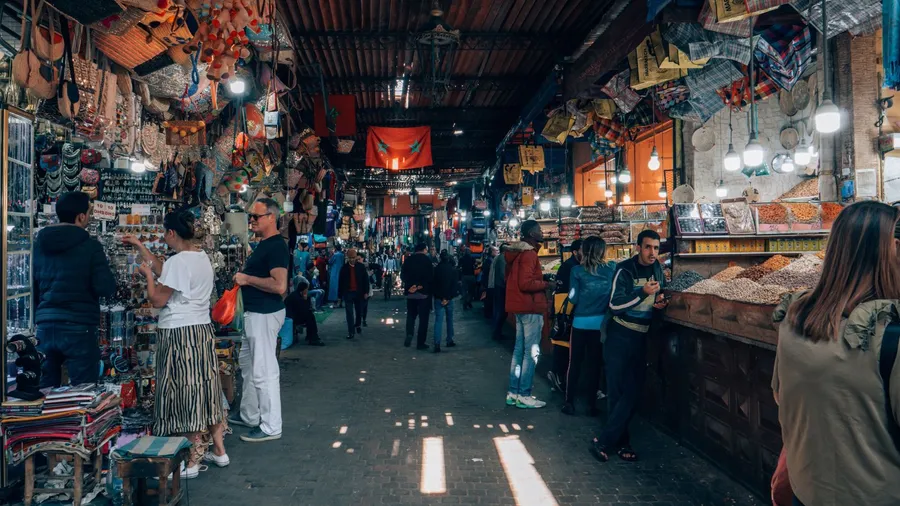
Local culture simplified online
Influencer content often simplifies local culture into easily shareable moments. Complex traditions and daily life may not be fully represented. This creates a limited understanding of destinations.
Cultural experiences in Marrakech and Kyoto involve a deeper context beyond visuals. Travelers often discover more nuanced realities during visits. Social media rarely captures this depth.
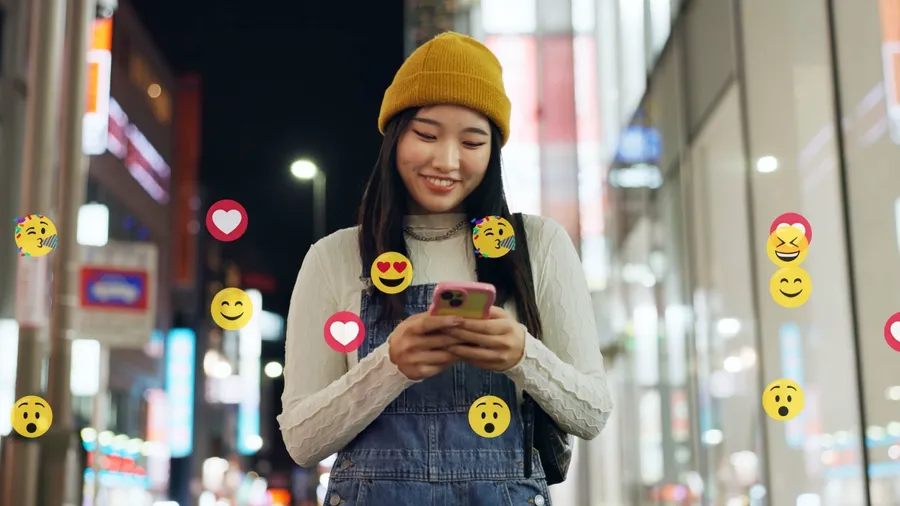
Engagement metrics influence content
An interesting insight is that social media algorithms prioritize visually engaging content, shaping what influencers choose to share. According to Meta Platforms, Inc., content performance often depends on engagement signals such as likes and shares. This encourages visually appealing but selective storytelling.
Posts from Tokyo and Seoul frequently highlight trending spots. Less photogenic aspects of travel receive less attention. Content is often optimized for visibility rather than completeness.
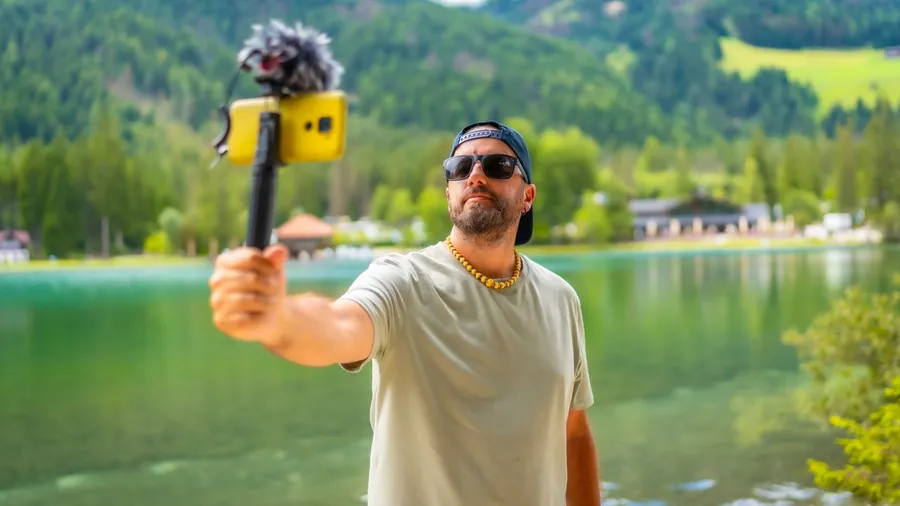
Time investment rarely shown
Creating travel content requires significant time that is often not visible in posts. Influencers may spend hours staging and capturing a single moment. This effort is rarely reflected in final content.
Popular viewpoints in Santorini and Positano often involve waiting for ideal conditions. Travelers may encounter queues for photo opportunities. The behind-the-scenes effort is usually hidden.

Safety concerns less visible
Safety considerations are not always emphasized in influencer content. Risk factors such as weather, terrain, or local regulations may be overlooked. This can affect how destinations are perceived.
Outdoor destinations like the Grand Canyon and Mount Fuji require preparation and awareness. Travelers often need to consider safety guidelines. Social media posts may not highlight these factors.
Seasonal differences impact experiences
Travel experiences can vary widely by season, but influencer content often shows ideal conditions. Weather, crowd levels, and pricing fluctuate throughout the year. This creates differences between expectations and reality.
Destinations like New York City and Paris change significantly across seasons. Visitors may encounter conditions different from those shown online. Seasonal context is not always included in posts.
Authenticity debates continue growing
Discussions around authenticity in influencer travel content continue to grow. Audiences are becoming more aware of curated storytelling and sponsored narratives. Transparency remains a key topic across platforms.
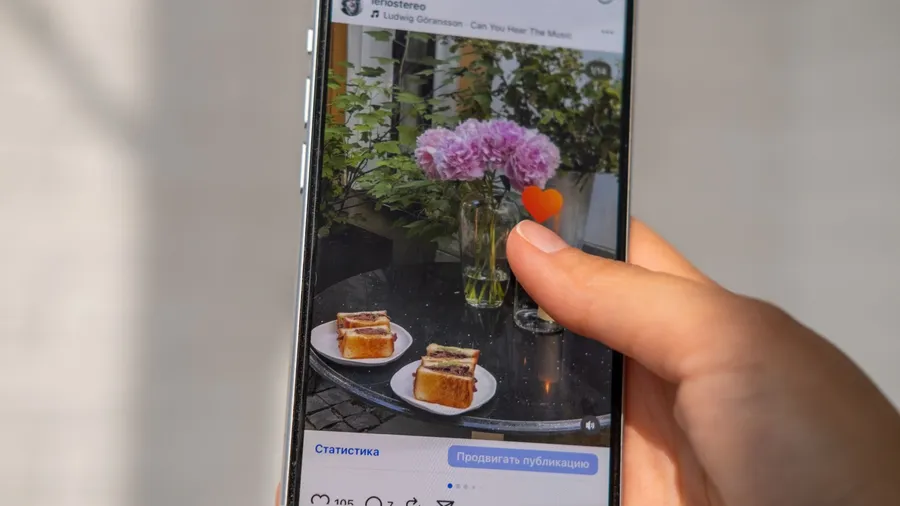
Platforms like Instagram and TikTok play a central role in shaping travel trends. Coverage of drought and extreme weather in Greece shows that real-world conditions are beginning to appear more often in travel content. As climate pressures become harder to ignore, some destination storytelling is starting to reflect challenges alongside the visuals.
Travel expectations continue evolving
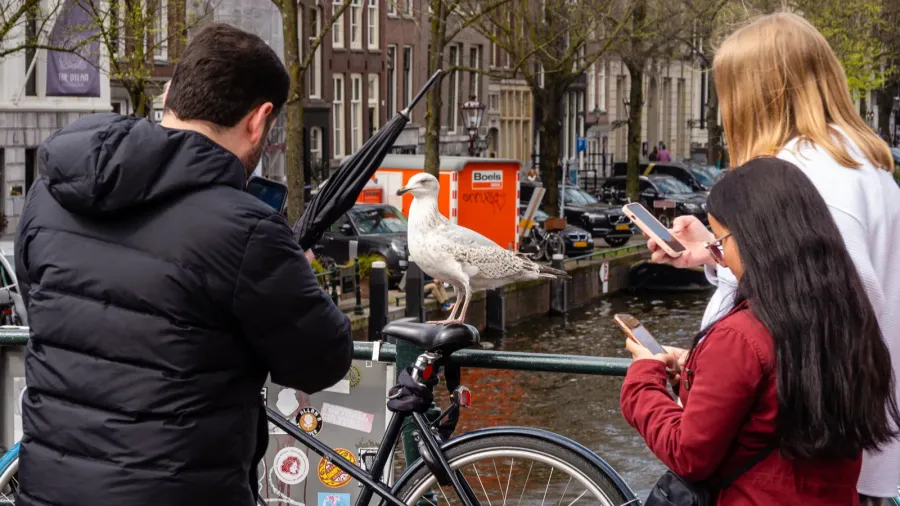
Travel expectations are evolving as audiences gain a clearer understanding of influencer content. Balanced perspectives are becoming more valued in travel planning. Real experiences often differ from curated highlights.
Destinations like London and Dubai continue attracting global visitors. Travelers are learning to combine inspiration with practical research.
Read More From This Brand: