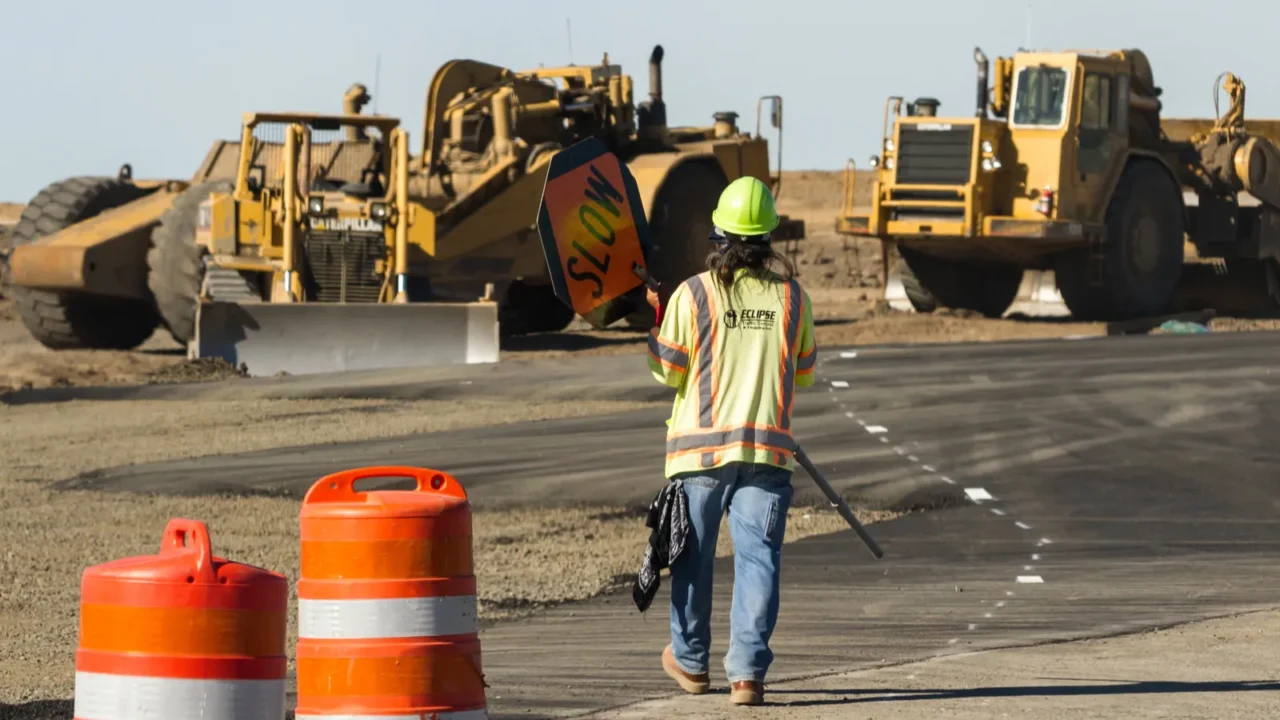
Major federal funding boosts roads
The Bipartisan Infrastructure Law (commonly called the Infrastructure Investment and Jobs Act) authorizes roughly $1.2 trillion in total spending, including about $550 billion in new investments with tens of billions of dollars distributed to highways, bridges, and competitive large-bridge and formula programs that states and local agencies can use for repairs and modernization. Such investment aims to modernize major routes travelers rely on for summer road trips and cross‑country journeys.
States and local agencies are using this funding to repair and expand road networks to reduce congestion and improve safety. Federal dollars supplement state transportation budgets and target aging assets that date back decades. The era of major restoration and expansion efforts is underway.
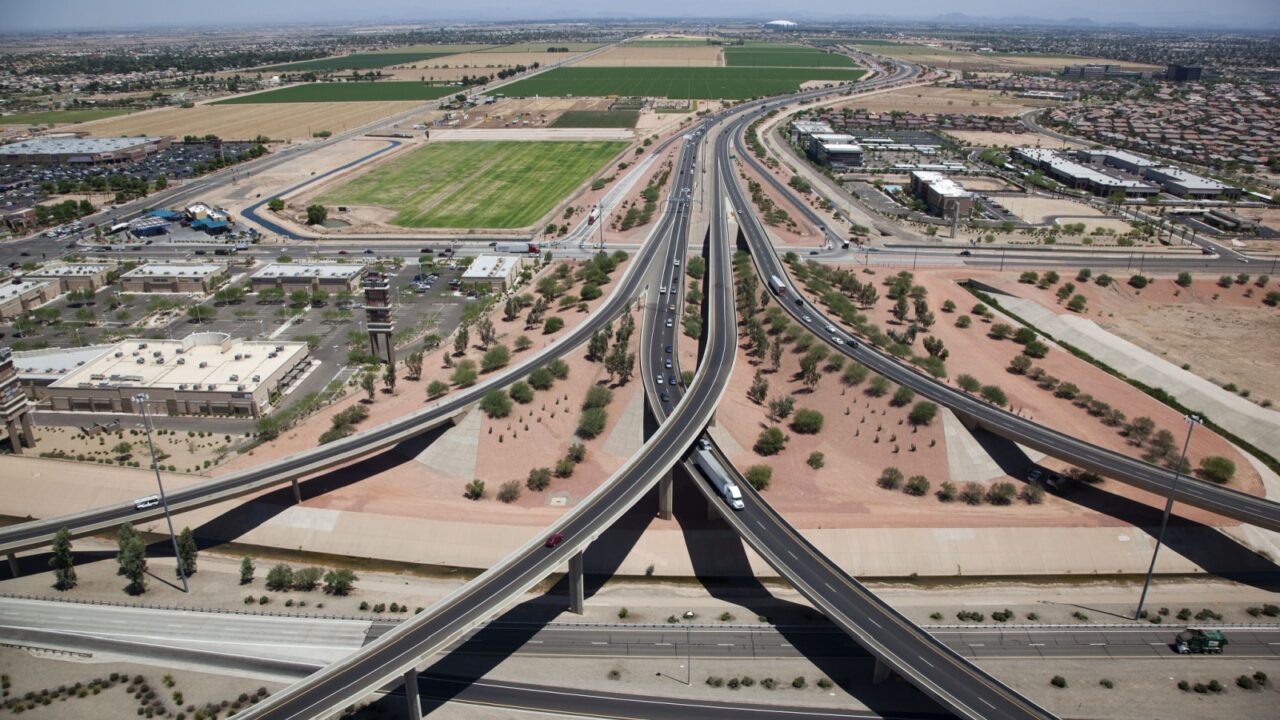
Where improvements show up first
Major corridors like Interstate 10 in Arizona are receiving lane additions and interchange reconfigurations to reduce delays and improve flow. Individual ADOT projects on I-10 have targeted milestones (with some segments scheduled for completion around 2026), while other stretches remain multi-year efforts; funding comes from a mix of state dollars and federal grants. These upgrades make popular cross‑state routes more reliable for both freight and vacation travelers.
Work at high-traffic interchanges such as the Loop 1604 / I-10 project in San Antonio has opened new flyover ramps in phases, easing some movements while lower-level construction and frontage-road work continues. States are tackling such high‑traffic junctions first to provide immediate travel relief. These improvements are part of broader modernization efforts.
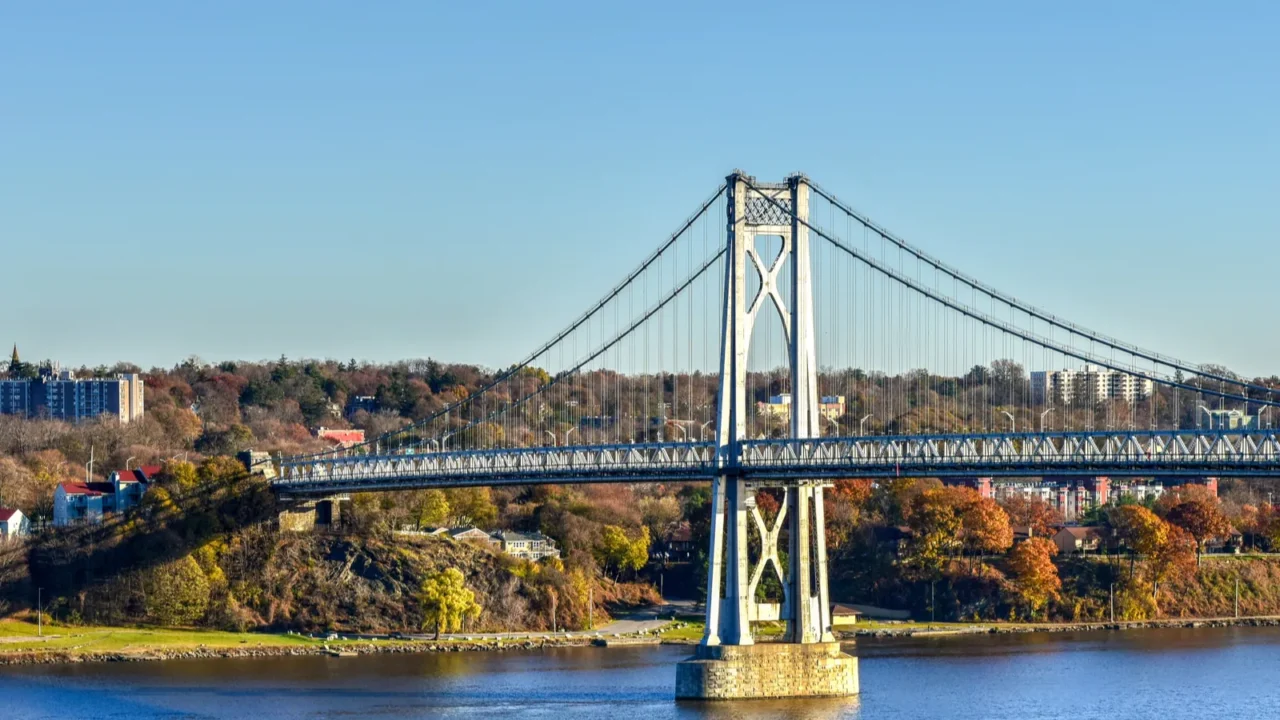
Smoother drives in some regions
In places like the Hudson Valley of New York, targeted resurfacing and drainage improvements are already enhancing roadway quality on State Routes 17 and 52. These resurfacing efforts provide smoother travel surfaces and reduce vehicle wear and tear on local roads. Commuters and holidaymakers benefit from quicker, less bumpy drives in these sections.
Upgrades also include traffic signal updates and safety enhancements designed to make journeys more predictable and less stressful. Such projects are often completed overnight to limit disruption on daytime travel. Incremental improvements like these add up to noticeably better road trip experiences regionally.
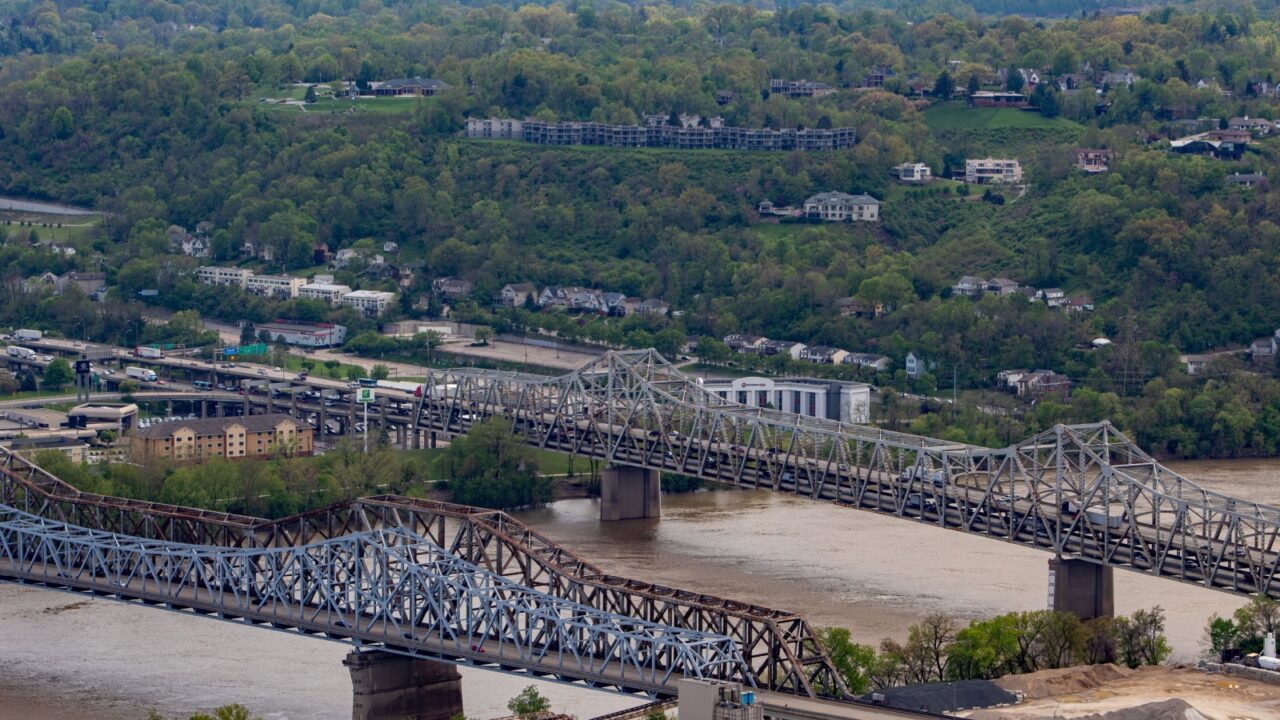
Major bridge modernization projects
Large bridge projects such as the Brent Spence Bridge Corridor Project between Kentucky and Ohio are underway, supported by billions in federal funding. This overhaul will replace aging structures and add capacity for interstate traffic, improving a key link on I‑71 and I‑75. For long road trips, fewer bottlenecks and safer crossings are major quality‑of‑travel contributors.
These corridor upgrades move beyond patching potholes and focus on long‑term resilience and reliability, helping maintain consistent travel times. Bridge safety and capacity are central to national road network performance. Long-haul drivers and vacationers will feel the effects most on major cross‑state routes.
Upgrades still uneven nationwide
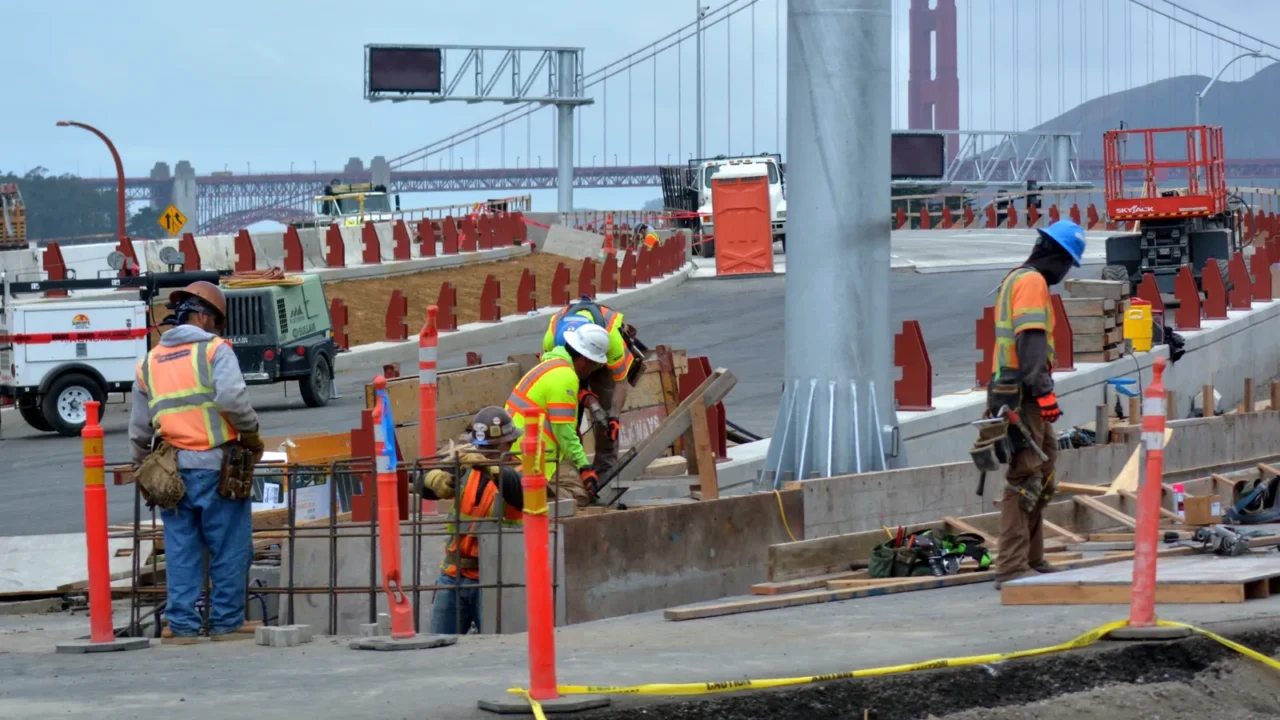
Not all states are keeping pace with necessary upgrades, and many face funding shortfalls in road and bridge maintenance. Some regions have significant gaps between what is funded and what is needed to keep infrastructure in good repair. These gaps can result in uneven travel quality from one state to another.
For example, states like Michigan and Pennsylvania report bridge and pavement funding needs that exceed current budget projections, leaving certain assets vulnerable to deterioration. Travel conditions in these states may deteriorate without further investment. This adds complexity to national road planning.
US-23 upgrades
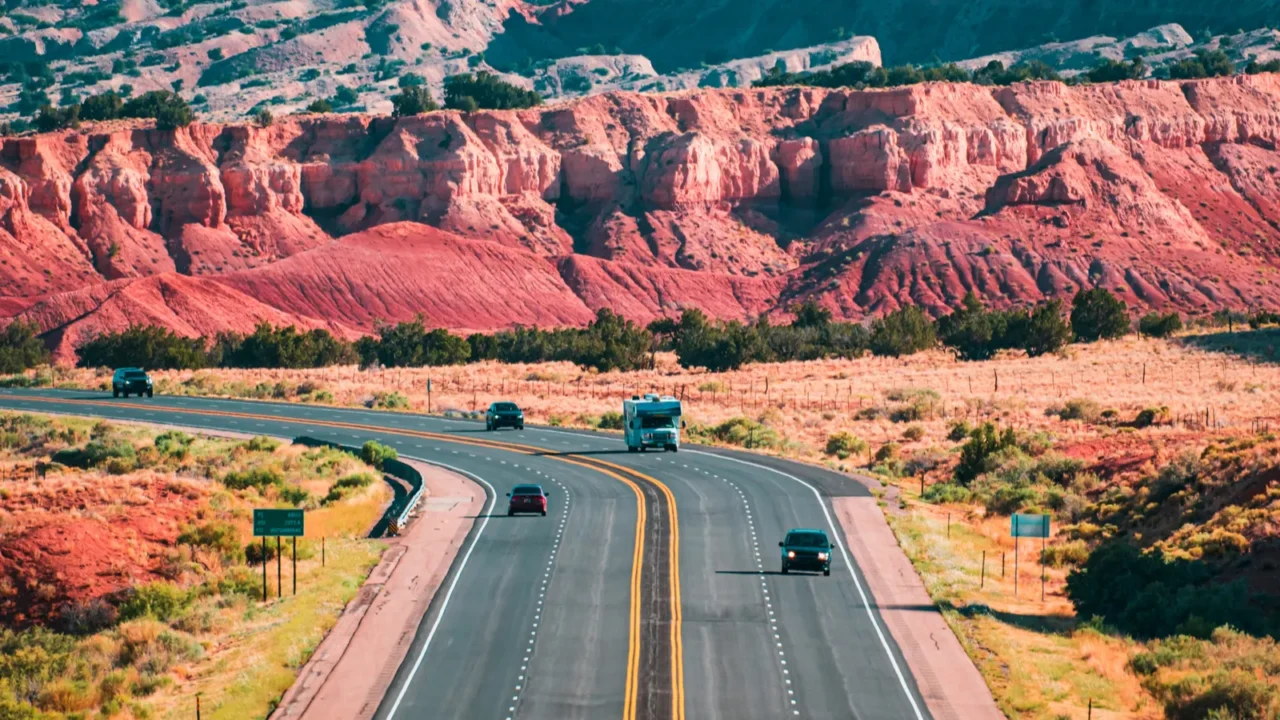
Fact: Michigan’s US-23 corridor has been upgraded with an active traffic management (flex-route) system and intelligent traffic system elements; MDOT’s multi-year program includes bridge replacement and ITS expansions with some construction activities and bridge projects scheduled to start in MDOT’s 2026–2030 program window.
Travelers on this corridor already experience dynamic traffic flow adjustments designed to reduce congestion. Improvements link local areas to larger interstate travel networks, supporting smoother long-distance travel.
The I‑69 corridor
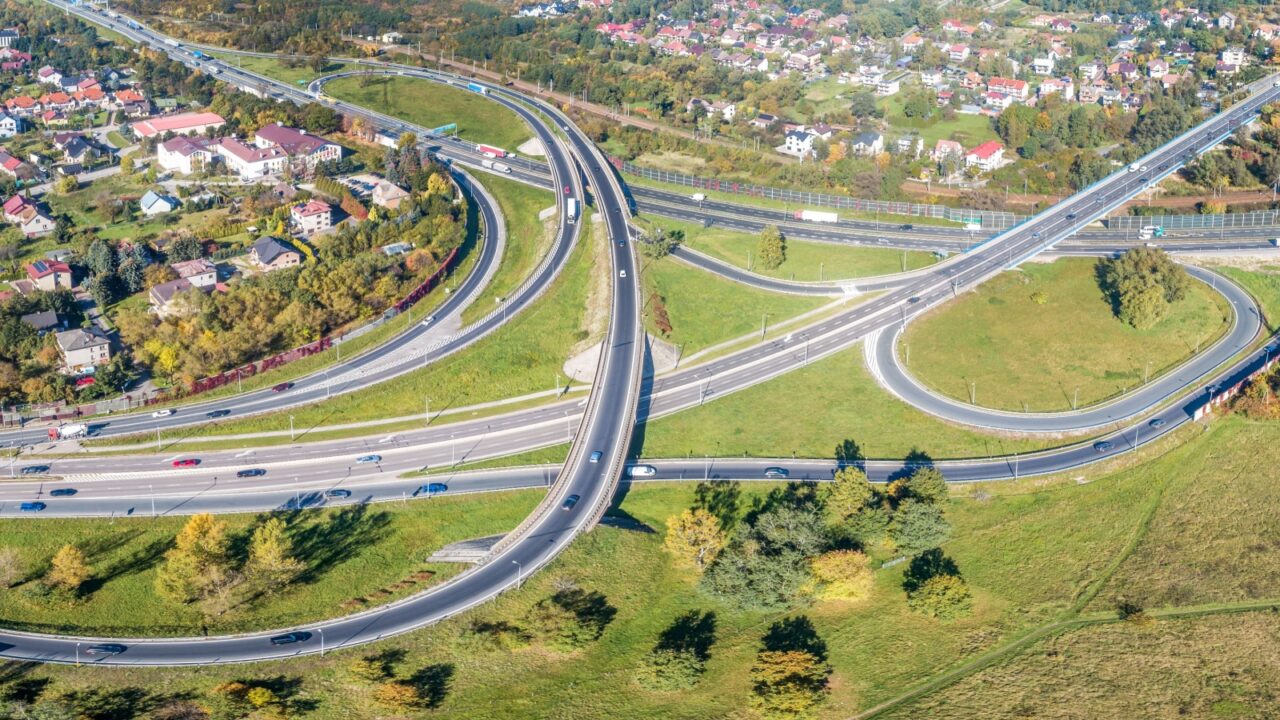
Fun fact: The I-69 corridor is a decades-long, multi-state project to link existing highways into a continuous interstate; while much of I-69 remains in planning or construction, Tennessee and other states have completed segments and bypasses that are already in use.
As I‑69 expands, it will create additional alternatives for drivers heading through the Midwest and South. This project reflects long‑term planning that gradually reshapes the national highway network.
Big urban traffic projects underway
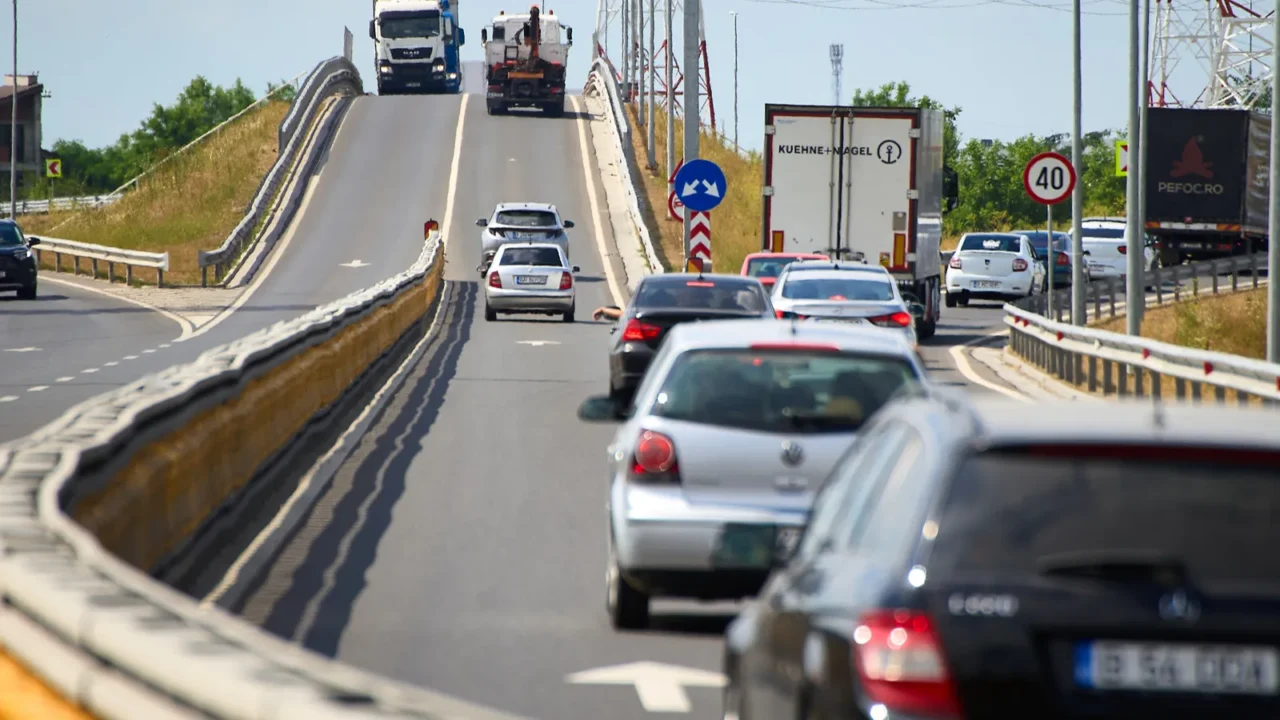
In Atlanta, Georgia, officials unveiled plans to spend approximately $1.8 billion on new express lanes on Interstate 75 to address severe congestion in the fast‑growing metro area. These express lanes are designed to improve travel times on a heavily traveled corridor that connects the Southeast to Midwestern and Florida destinations. Congestion relief is a key priority as post‑pandemic travel volumes climb.
Regional highway investments also target rural infrastructure and bridge repairs, with additional funding allocated to local road upgrades. Addressing both urban and rural travel needs requires balancing capacity improvements and safety enhancements. This dual focus helps make national travel more consistent.
Delays and long timelines remain common
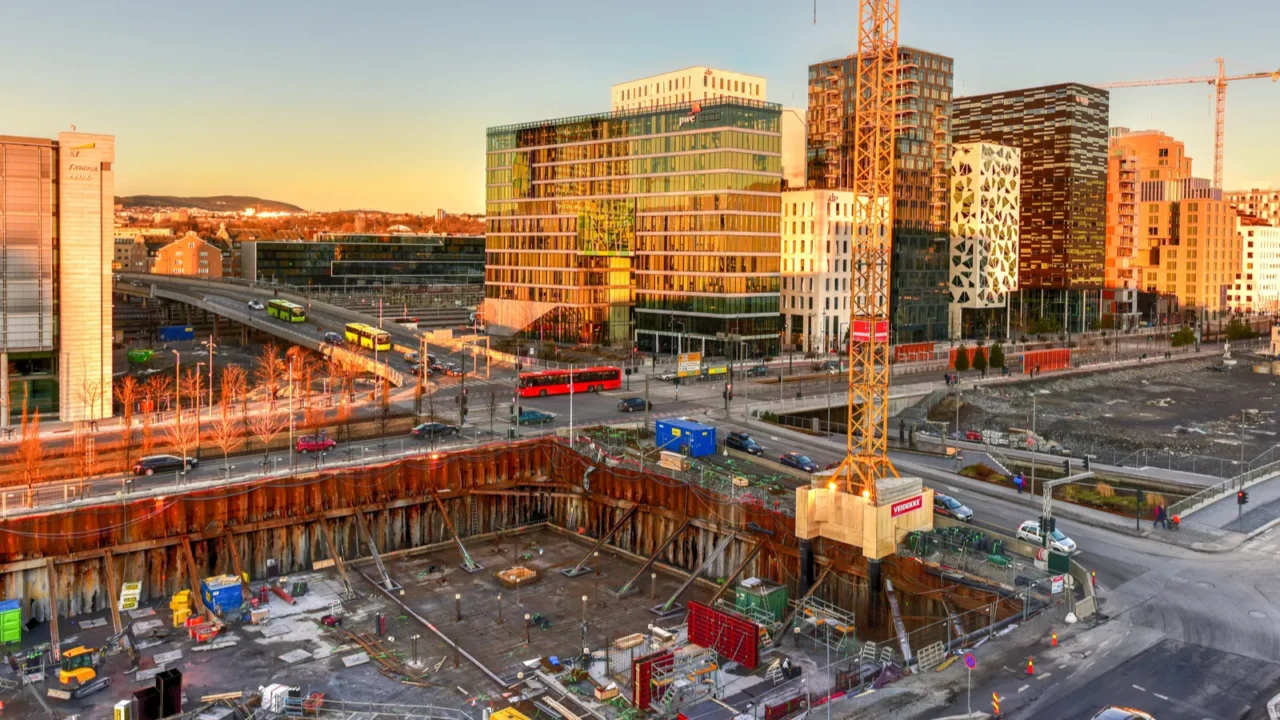
Despite funding momentum, many infrastructure projects have multi‑year timelines that extend beyond 2026, so travelers may still encounter active construction zones. Long planning and build cycles often affect travel plans through states with complex terrain and fewer resources. Extended construction can contribute to detours and slower travel segments.
Rural areas especially face longer project durations due to engineering challenges and limited budgets. Travelers should expect active work zones on some scenic and remote routes. These conditions contrast with faster upgrades in high‑traffic urban corridors.

Tourist route challenges like Zion
In some regions popular with vacationers, travel is changing not because of upgrades but policy shifts tied to infrastructure constraints. For example, Zion National Park plans to ban oversized vehicles from congested highways, including the Mount Carmel Highway tunnel, to improve safety and preserve historic roadways. This change adds 10–45 minutes to travel time for recreational vehicles traveling between major parks.
While not a classic upgrade, this traffic management move reflects how infrastructure limitations can affect road trip planning and timelines. Transportation policy can influence traveler experiences as much as construction work.
Traveler benefits and expectations
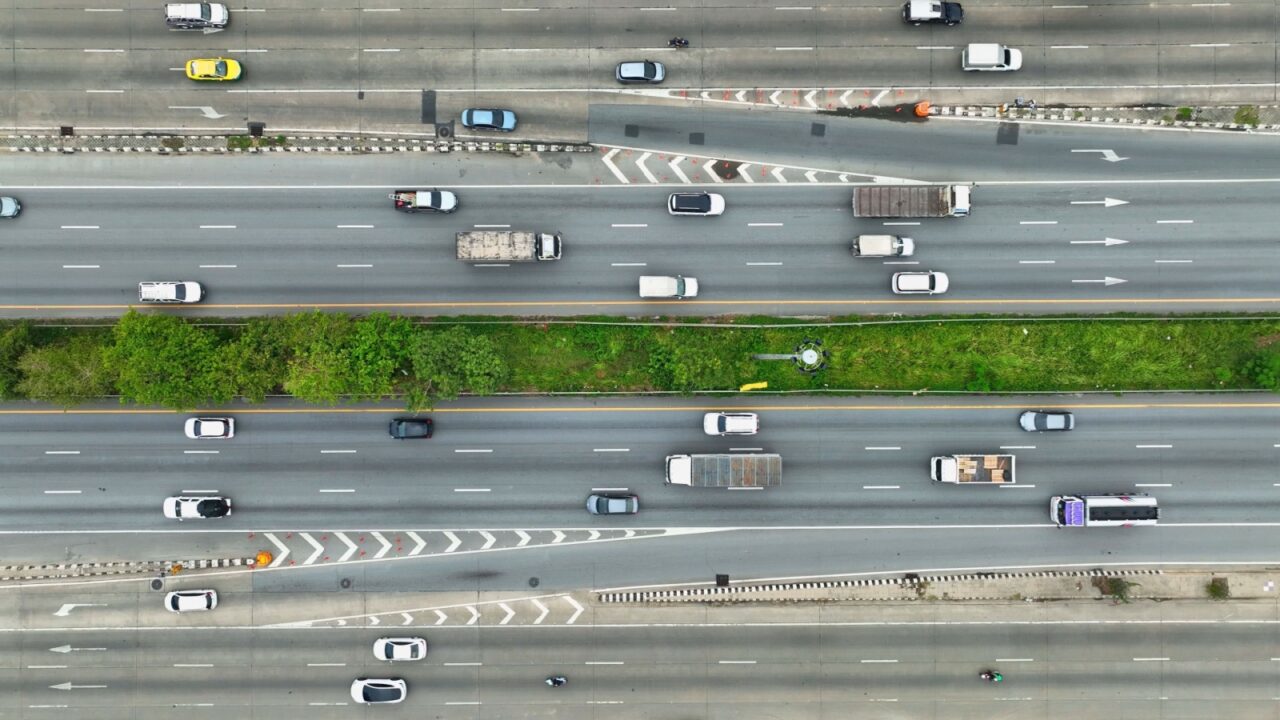
Where upgrades are complete or near completion, travelers can expect smoother pavement, reduced congestion, and improved safety features like modern interchanges and longer merge lanes. These changes help reduce vehicle operating costs and travel stress, especially on longer journeys. Enhanced roads also support local economies by improving access to lodging and attractions, while interest in top trending U.S. road trip routes people searched in 2026 continues to grow.
Improved corridors often feature better signage and traffic management systems as part of the modernization efforts. These small details can make navigation easier for vacationers and road trip drivers. But benefits vary significantly by region and project progress.

Roads shaping future travel
Upgrades across the US highway system are making travel easier on some key routes while leaving others still in need of improvement. Where projects meet traveler needs, road trips become more predictable and safe. But progress is uneven, and planning remains crucial for successful travel.
Seasonal construction and landscaping choices may affect travel experiences along scenic routes. Communities and state agencies continue efforts to balance tourism, commerce, and everyday mobility.
Which road improvements matter most for long-distance travel in 2026? Share thoughts below.
This slideshow was made with AI assistance and human editing.
Don’t forget to follow us for more exclusive content right here on MSN.
Disclaimer: The images used are for illustrative purposes only and do not depict the actual locations mentioned.
Read More From This Brand:
