Global price pressure now
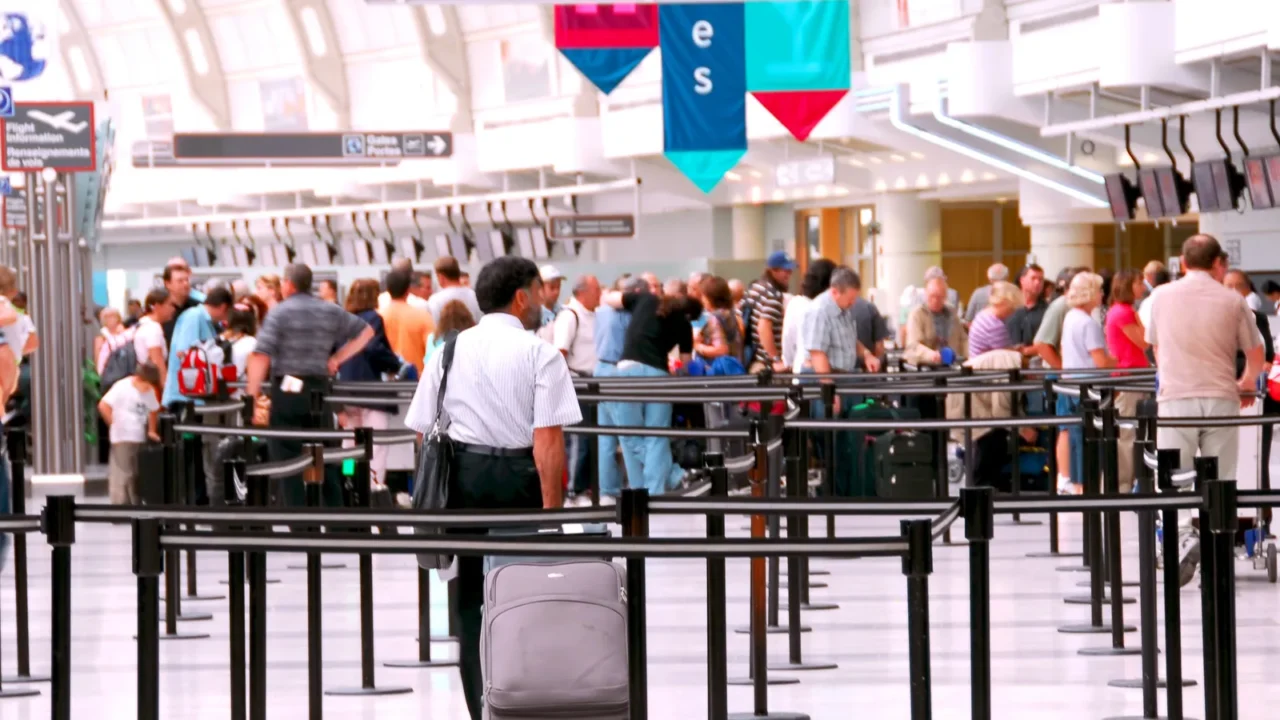
Flight ticket prices rose modestly in 2025, with global averages up 2–5% year over year, according to IATA. In some markets, fares climbed as high as 8% by midyear, as travel demand rebounded faster than airline capacity.
Airports and airlines struggled to scale operations fast enough, tightening supply even as passenger numbers climbed. This imbalance is one of the clearest reasons fares jumped.
Demand outruns seats
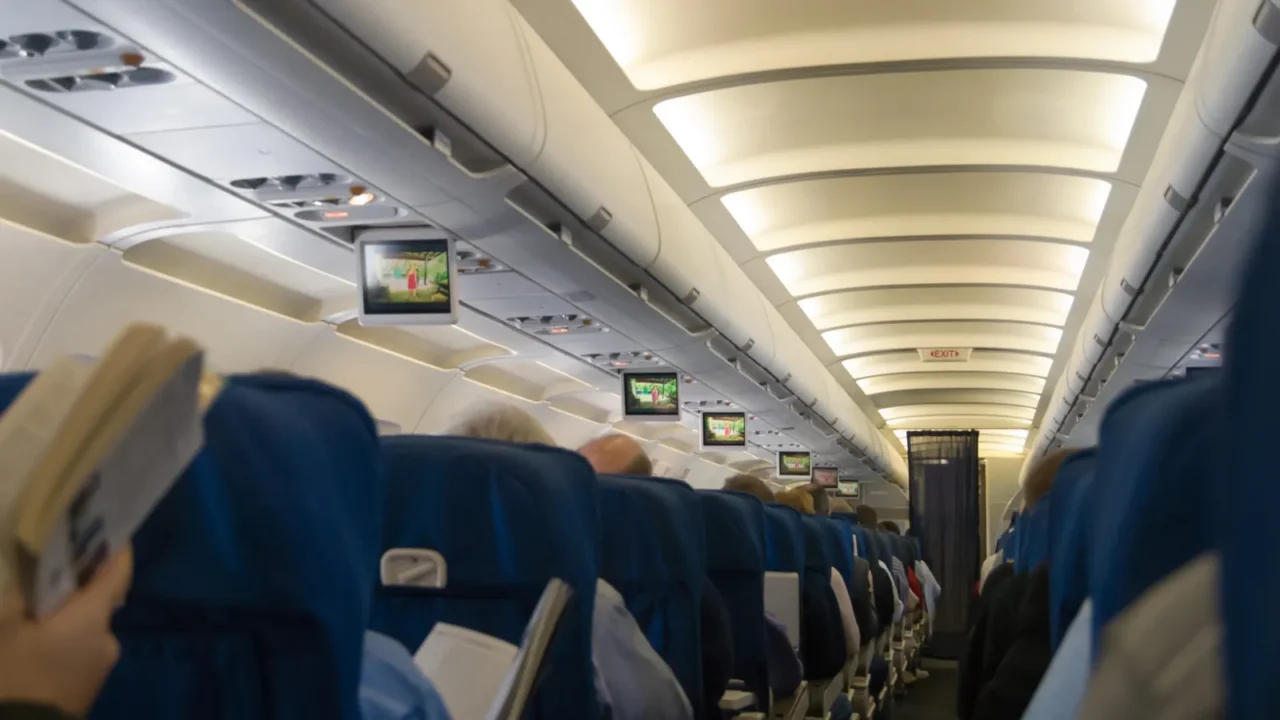
Airlines report passenger miles and bookings hitting near record levels as people resume both business and leisure travel. With demand rising faster than the number of available seats, airlines have priced many flights closer to full capacity.
When seats are scarce, especially on popular international and holiday routes, prices go up quickly. Some routes now exceed pre‑pandemic passenger volumes, driving ticket prices sharply higher.
Supply chain backlog
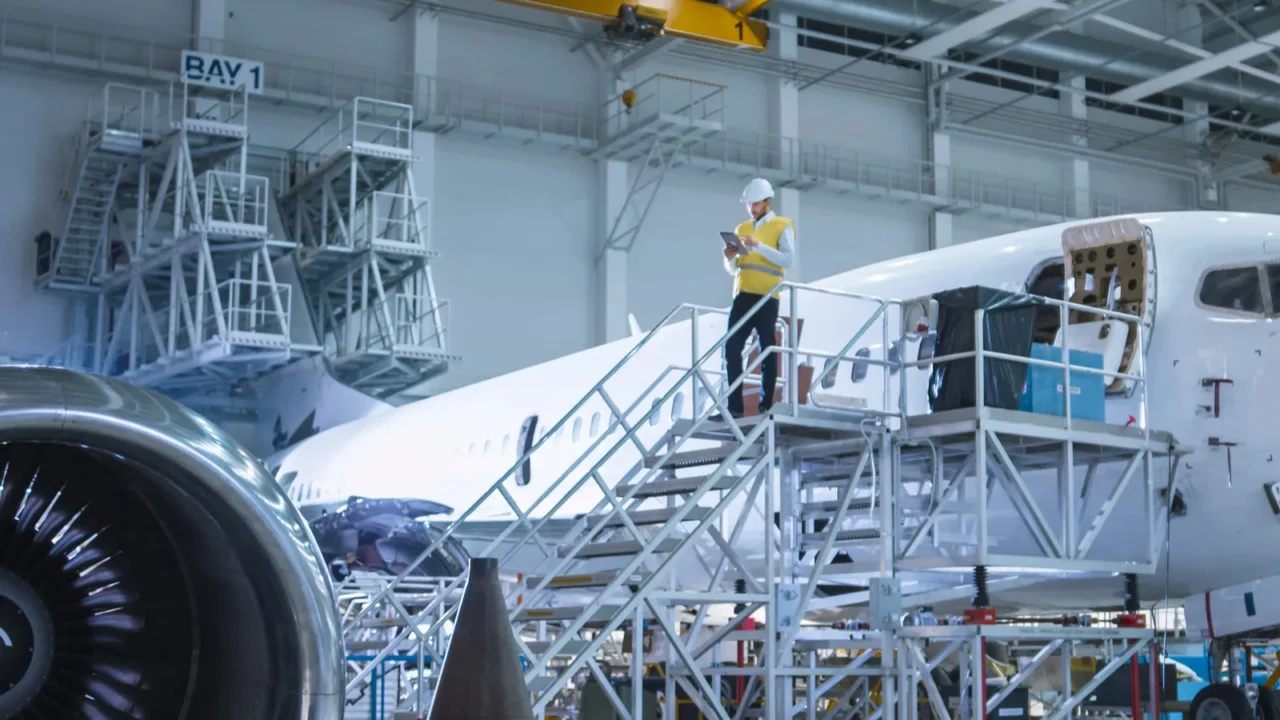
Aircraft manufacturers are behind schedule on deliveries, and this has a real impact on price. IATA reports aircraft backlogs of 14,000 to 16,000 jets—equivalent to around 8 to 10 years of production at current rates.
This bottleneck limits airlines’ ability to expand fleets, which keeps seat supply tight even as demand climbs. Until deliveries accelerate, capacity growth will remain constrained.
Older planes, higher costs
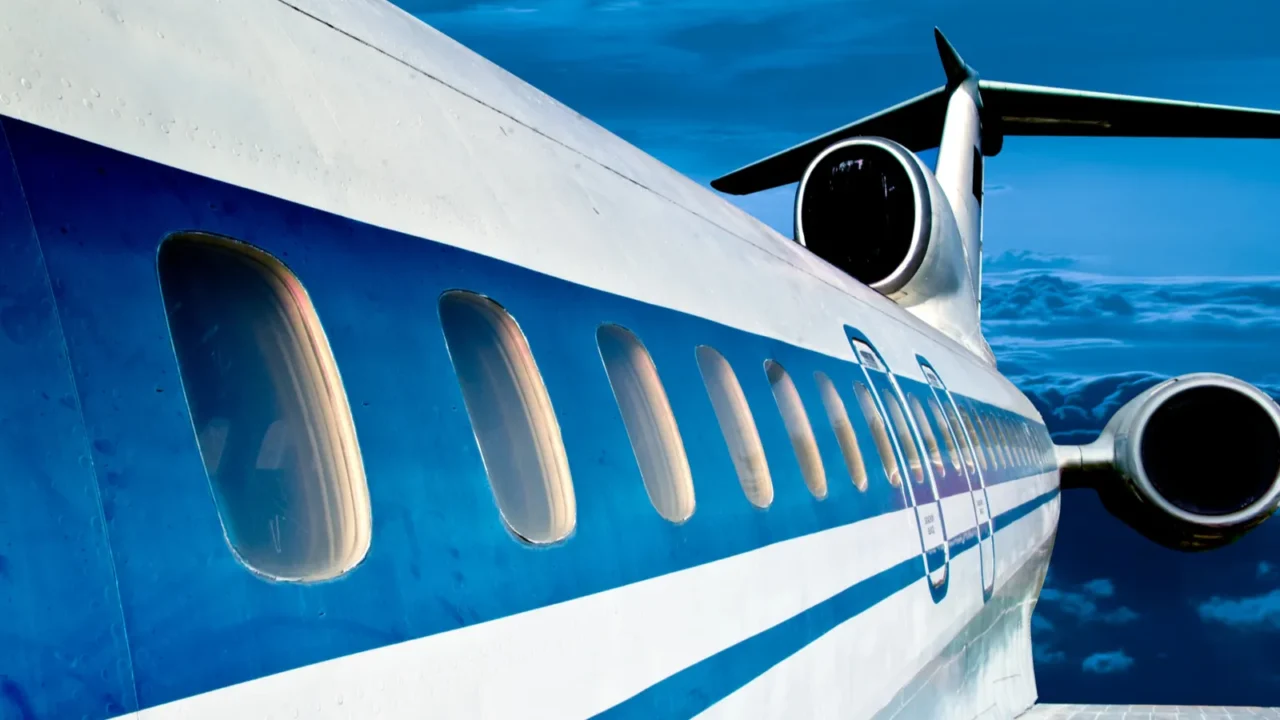
Because new planes are delayed, airlines operate older aircraft longer. Older jets burn more fuel and require more frequent maintenance.
Average global fleet age reached about 13.5-14 years in 2025 (near historical highs per Cirium/IATA), leading to higher operational costs, which carriers pass on to customers. Higher engine leasing costs and stored inventory costs add further pressure, increasing ticket prices on many routes.
Rising operational expenses
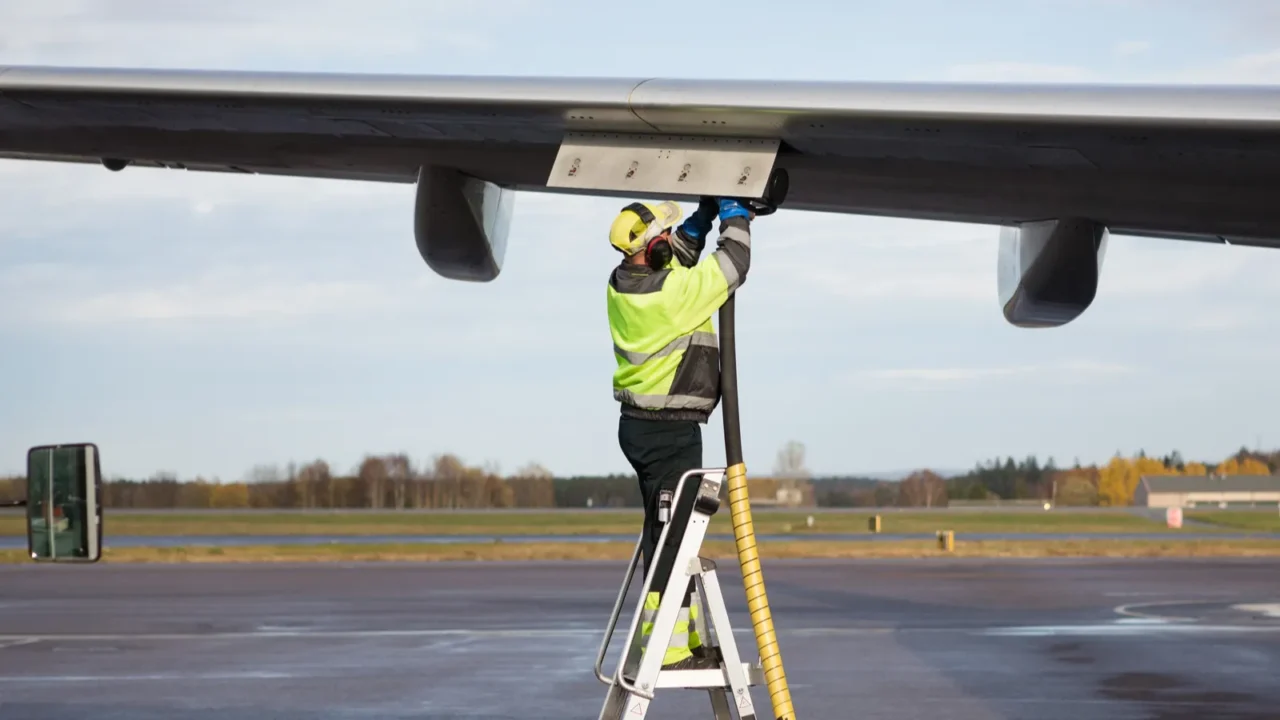
Supply bottlenecks aren’t limited to planes. Airlines are spending more on fuel, spare parts, and engine leases because of production delays and aging fleets. Industry estimates suggest these supply chain delays cost airlines between $8 billion and $10 billion in 2025, including excess fuel cost, increased maintenance, and higher leasing fees.
These added expenses push up ticket prices, especially on routes where airlines cannot quickly add extra flights.
Fuel’s role in pricing
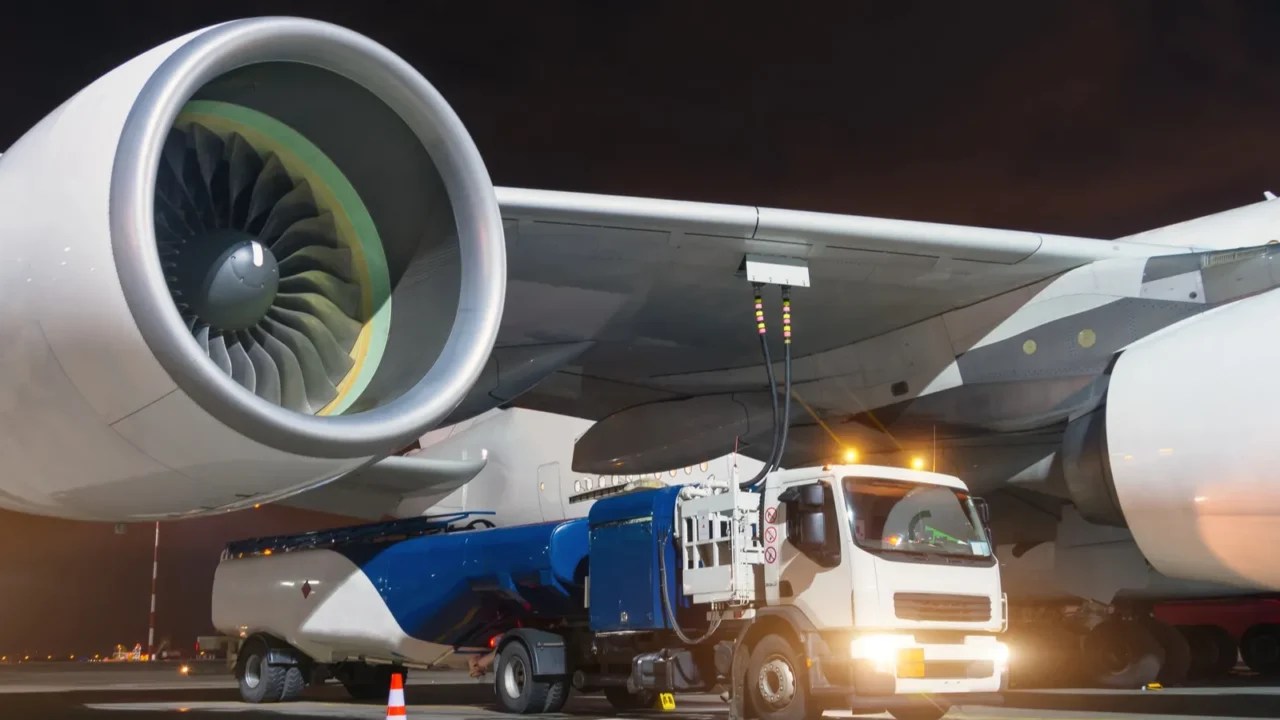
Jet fuel remains one of an airline’s highest costs, typically around one‑quarter of operating expenses.
Although fuel costs eased slightly from 2024 to 2025, volatility still influences pricing. With fuel averaging below recent highs, airlines gained some relief, but fuel still weighs heavily on airlines’ budgets. When fuel prices rise, carriers often adjust fares upward to preserve profitability.
AI and dynamic pricing
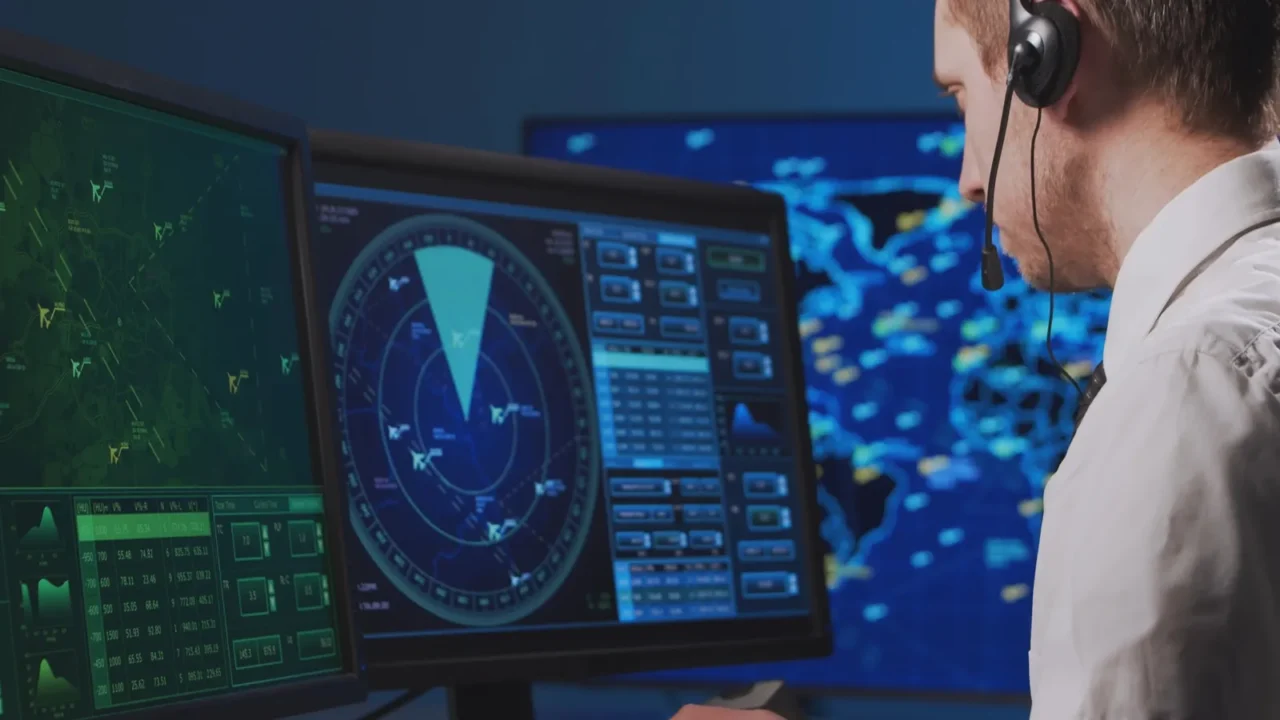
Modern airline pricing isn’t static. Many carriers now use AI and dynamic revenue management systems that adjust ticket prices in real time based on demand signals.
Delta Airlines uses AI-driven dynamic pricing across significant portions of its network, with expansions continuing into late 2025 (exact coverage varies by route). These systems can push prices higher during peak interest and raise prices quickly as seats fill.

Seasonal and event effects
Airfares move with the calendar. Holiday seasons, major global events, and peak summer months see steeper pricing because demand spikes and airlines know seats will sell out.
Conversely, shoulder seasons (like mid‑September or early January) and mid‑week flights typically show softer pricing since fewer travelers book those times. Even small differences in travel timing can move the base fare significantly.
Ancillary fees add up
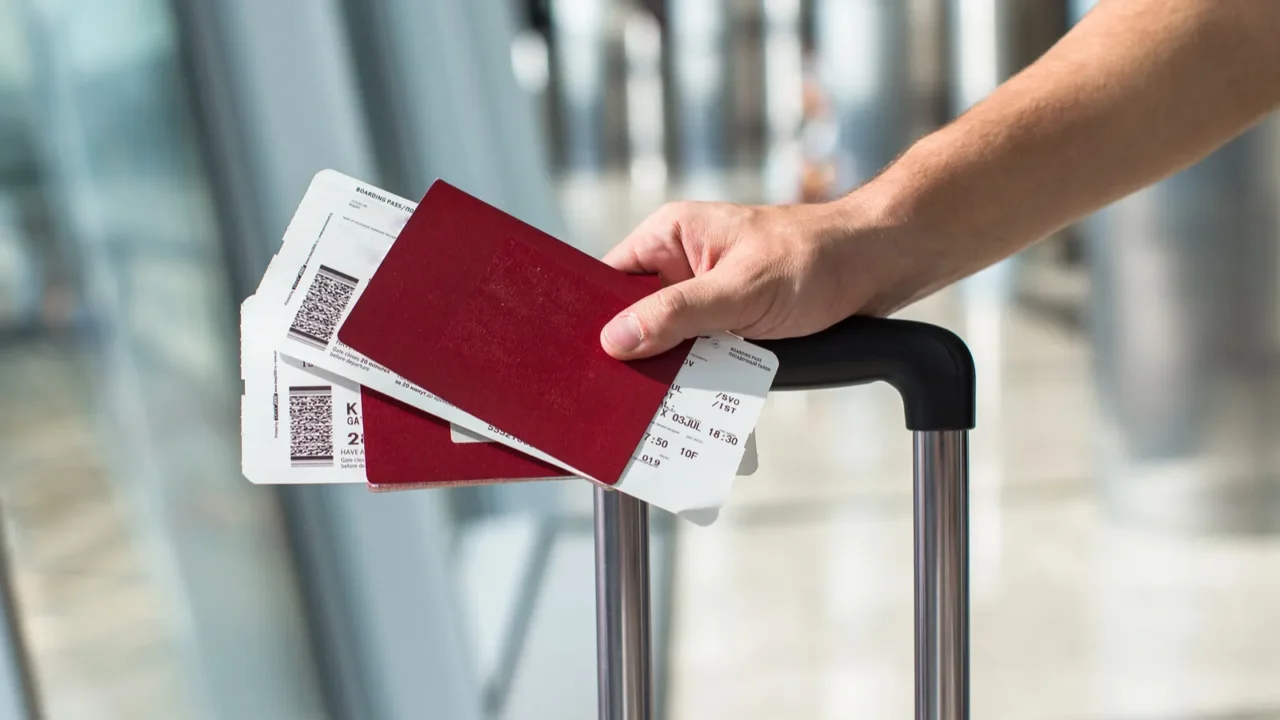
Base ticket prices may appear affordable, but additional costs such as baggage fees, seat selection, and priority boarding significantly increase the final price.
These “ancillary” fees have grown into a major revenue stream for airlines. In 2025, carriers are earning significantly more from these extras, which makes any single flight more expensive overall, even if the base fare hasn’t changed much.
Where prices are falling
Not every route is more expensive. Some long‑haul flights, like those from the U.S. to Asia, actually showed double‑digit price drops in early 2025 as airlines added more capacity and competition increased.
Stronger competition on certain international corridors can lead to cheaper fares, even when global averages are high. This shows that pricing is not uniform across all destinations.

Forecasts for price drops
Industry forecasts suggest ticket prices overall could cool as 2025 progresses and into 2026. Industry forecasts (IATA) project average ticket fares to remain flat or decline 1-3% into 2026 from 2025 peaks, assuming capacity growth and stable fuel.
Capacity improvements and more competitive markets will gradually ease pricing pressures, especially for travelers who book early and fly outside peak dates.
Best booking strategy
Based on pricing data and airline revenue models, the most reliable way to find lower fares is to book when carriers first release flights, typically several months before departure. Flexible dates and mid‑week departures are consistently cheaper.
Fare prediction tools and alerts help catch price dips. Waiting too close to departure often results in steeper fares as remaining seats sell out. Keep an eye on changing regulations and bans on flights, as sudden route restrictions can dramatically affect ticket prices and your travel plans.
What travelers should know
Today’s higher flight prices reflect real economic and operational changes in aviation from tighter aircraft supply chains and dynamic pricing technology to demand spikes and fuel trends. While prices are likely to ease gradually as capacity grows and fuel markets stabilize, savvy travelers can still find value by understanding when and how airlines adjust fares.
Smart booking habits make a measurable difference, even in turbulent pricing environments. Plan to avoid the winter turbulence season, which can cause delays, cancellations, and unexpected fare spikes.
Are you ready to uncover the hidden factors driving flight prices and discover insider strategies that could save you hundreds on your next journey?
This slideshow was made with AI assistance and human editing.
Don’t forget to follow us for more exclusive content right here on MSN.
Read More From This Brand:
