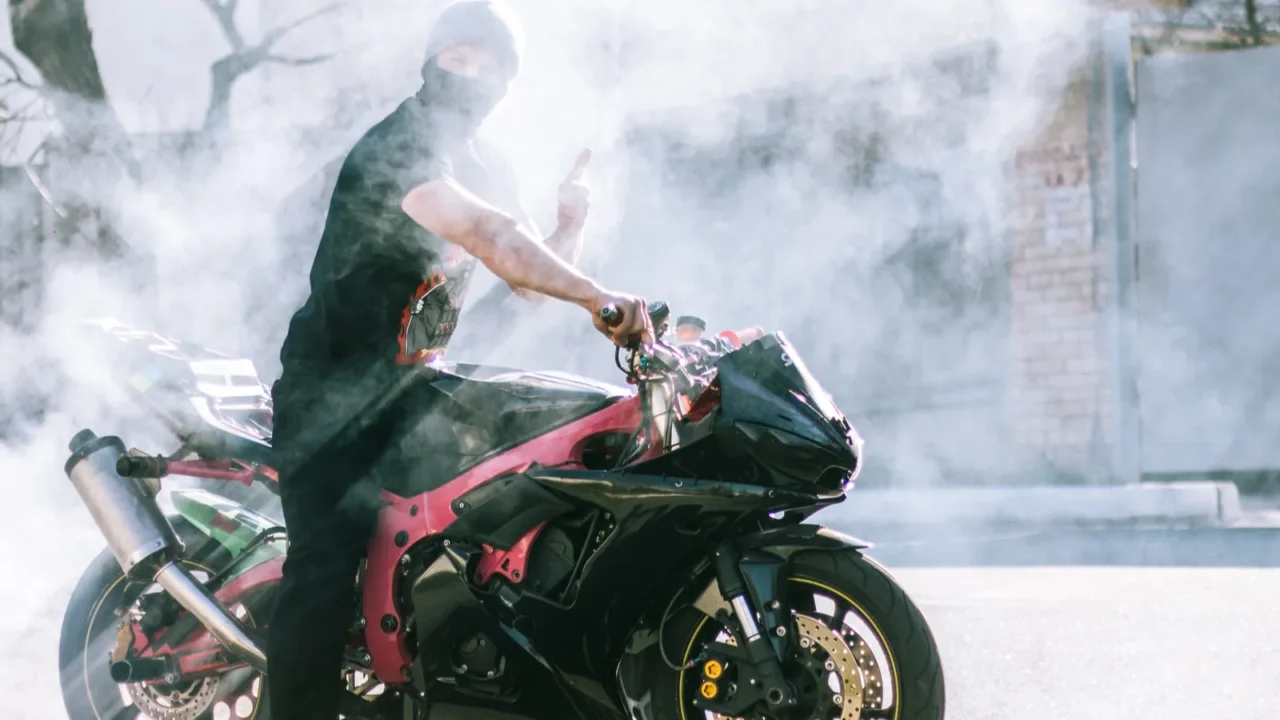
Street takeovers are now a real safety fight
Street takeovers used to sound like a fringe problem. Now police agencies across the country say they have become a repeat public-safety threat that can shut down intersections, block emergency access, damage property, and draw huge crowds in minutes.
What makes this story matter now is that the trend has lasted well beyond the pandemic. Law enforcement groups say takeovers surged when roads emptied in 2020, then stuck around as a high-risk form of nightlife and online entertainment.
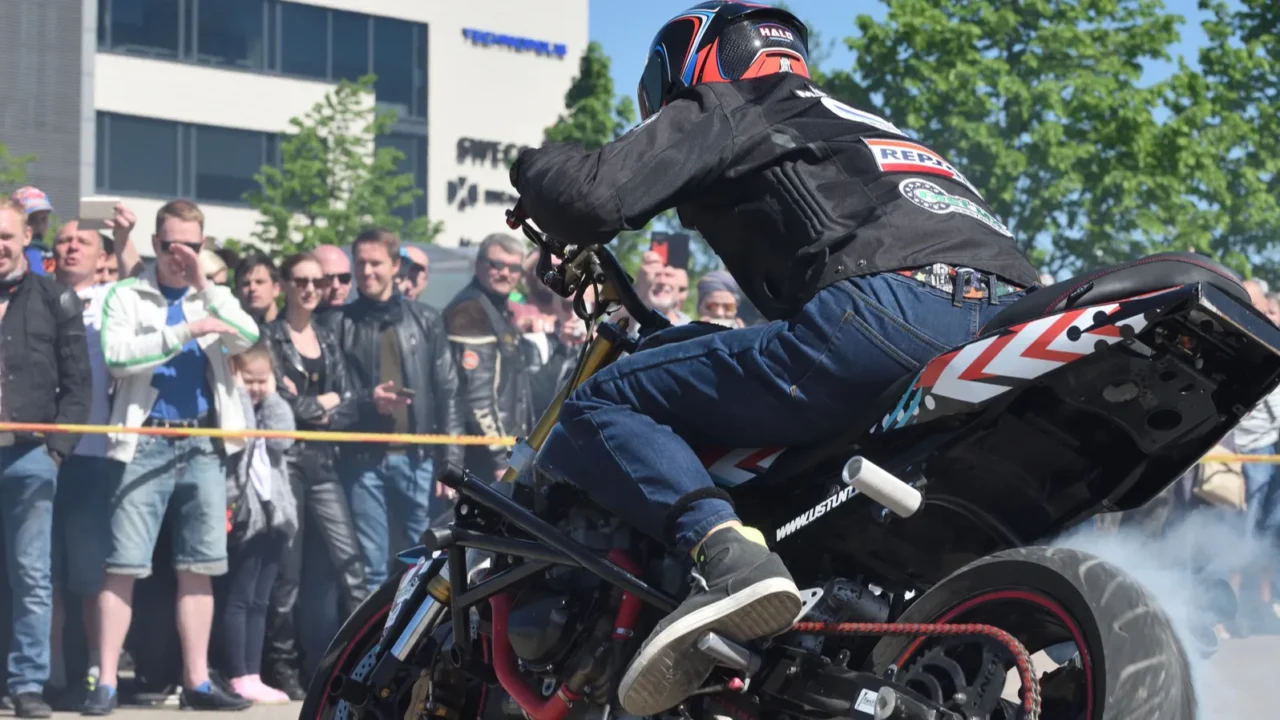
What a street takeover actually is
A street takeover is an illegal gathering where drivers and spectators block a road, intersection, or parking area so vehicles can do donuts, burnouts, drifting, racing, or other stunts. Police and lawmakers often group them with sideshows and exhibition driving.
The danger comes from the setup itself. Roads are not closed safely, crowds stand close to spinning cars, and drivers often act for the crowd rather than for control, which raises the risk of crashes, injuries, and panic.
The pandemic helped them spread
Police Executive Research Forum says many cities saw these events rise sharply when streets were emptier during the early pandemic period. That gave organizers more room to gather, stunt-drive, and move from one location to another before police could respond.
What is striking is that the pattern did not fade when normal traffic returned. PERF says the events have continued across many cities, showing that street takeovers became a lasting trend rather than a short-lived lockdown habit.

Social media turned chaos into content
Recent reporting indicates that social media is central to how these events spread. Organizers circulate meetup details privately, participants film the stunts for online attention, and researchers have described the phenomenon as increasingly performative rather than purely automotive.
That changes the motive. The event is not just about cars anymore. It is also about online attention, which can reward the loudest stunt, the boldest disruption, or the most dramatic clash with police.
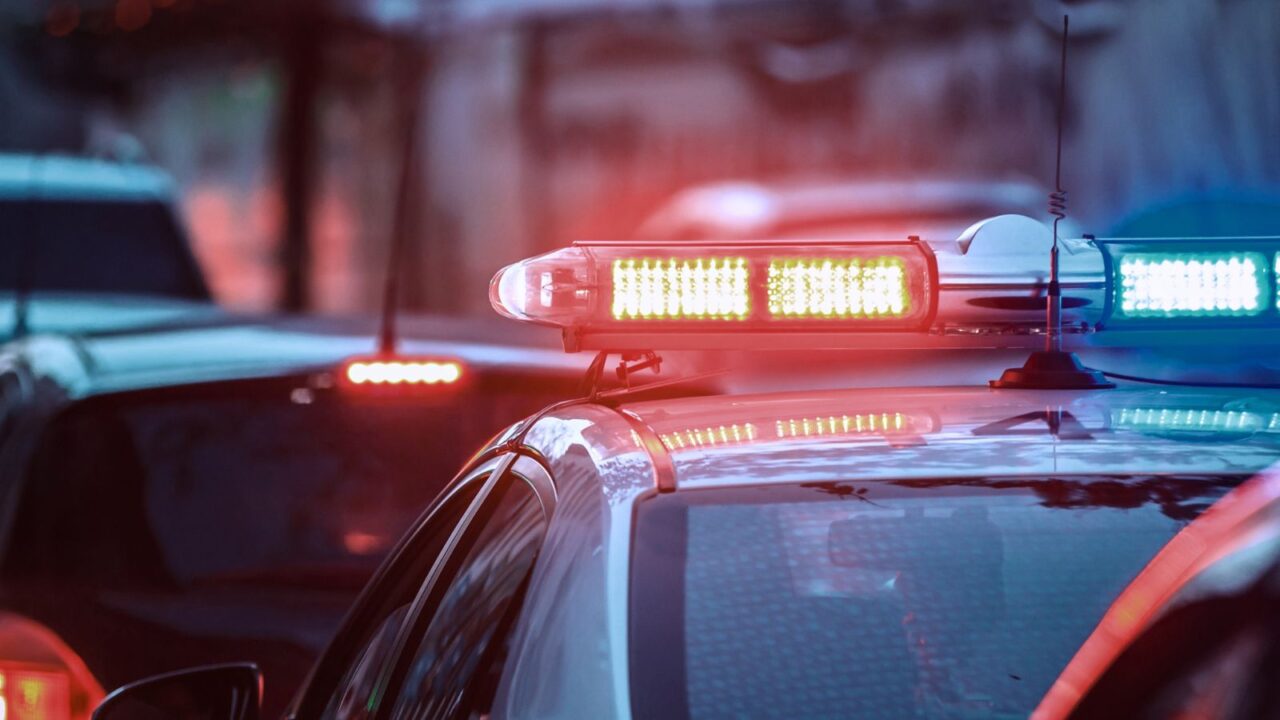
Police often arrive outnumbered
One reason the problem keeps getting worse is simple math. PERF quoted Sacramento’s police chief saying a city might have only 30 to 40 officers on a graveyard shift, which is not enough to safely handle a sideshow crowd of 400 people.
That imbalance makes fast crackdowns hard. Officers risk getting surrounded, and aggressive action can create even more danger if crowds scatter, stampede, or turn hostile.
The Maryland example shows the scale
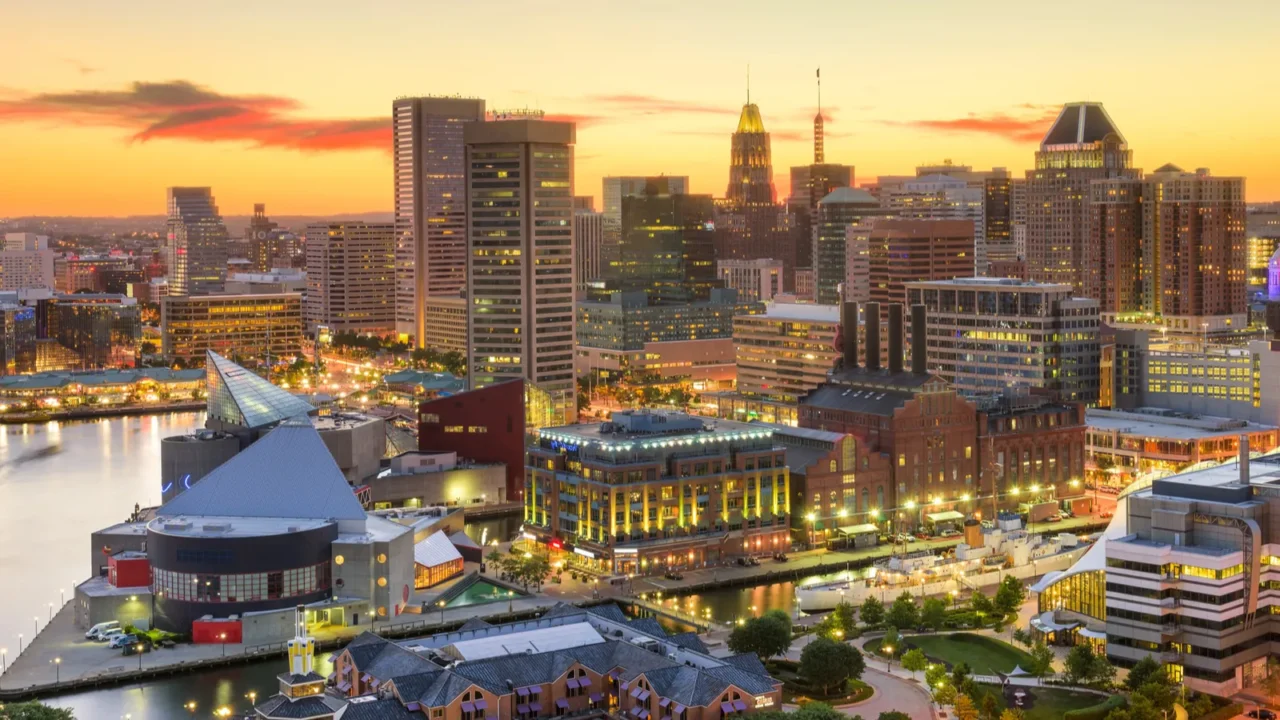
A February 2026 Maryland operation shows how organized these events have become. Maryland State Police said its Car Rally Task Force and partner agencies disrupted or prevented multiple illegal gatherings across Prince George’s, Anne Arundel, Montgomery, and Howard counties in one overnight push.
Officials said the enforcement effort ran from 10 p.m. to 4 a.m. and stopped crowds of up to 300 participants tied to exhibition driving, disorderly behavior, and roadway shutdowns. That is far beyond a few cars meeting in a parking lot.
These events now bring more crime
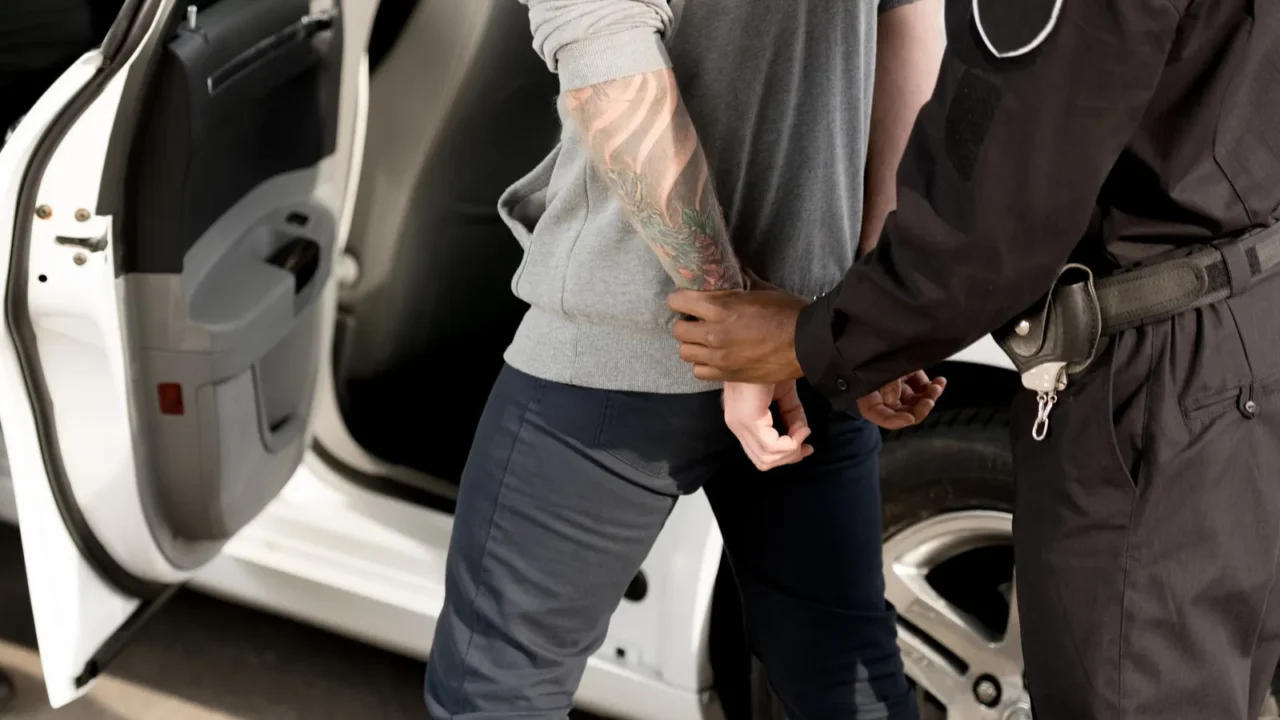
Street takeovers are no longer just noise complaints. Recent Maryland reporting said the state’s car rally task force has made 78 arrests and recovered firearms and stolen cars while targeting these gatherings, showing how quickly the events can overlap with other crimes.
That helps explain why police treat them as more than reckless driving. Once a crowd is large, mobile, and hard to control, it can also create cover for weapons offenses, vehicle theft, vandalism, and assaults.
Organizers adapt faster than many cities
Participants do not make enforcement easy. Recent reporting says crews swap license plates, use false registrations, change locations on the fly, and send final meetup points privately, which makes real-time policing much harder.
That flexibility gives organizers an edge. A takeover can form and dissolve quickly, then reappear somewhere else before a local department has time to regroup.
Little-known fact: Maryland’s February 22, 2026, task-force operation listed eight specific locations across the region that officers monitored or disrupted in a single night.
States are writing tougher laws
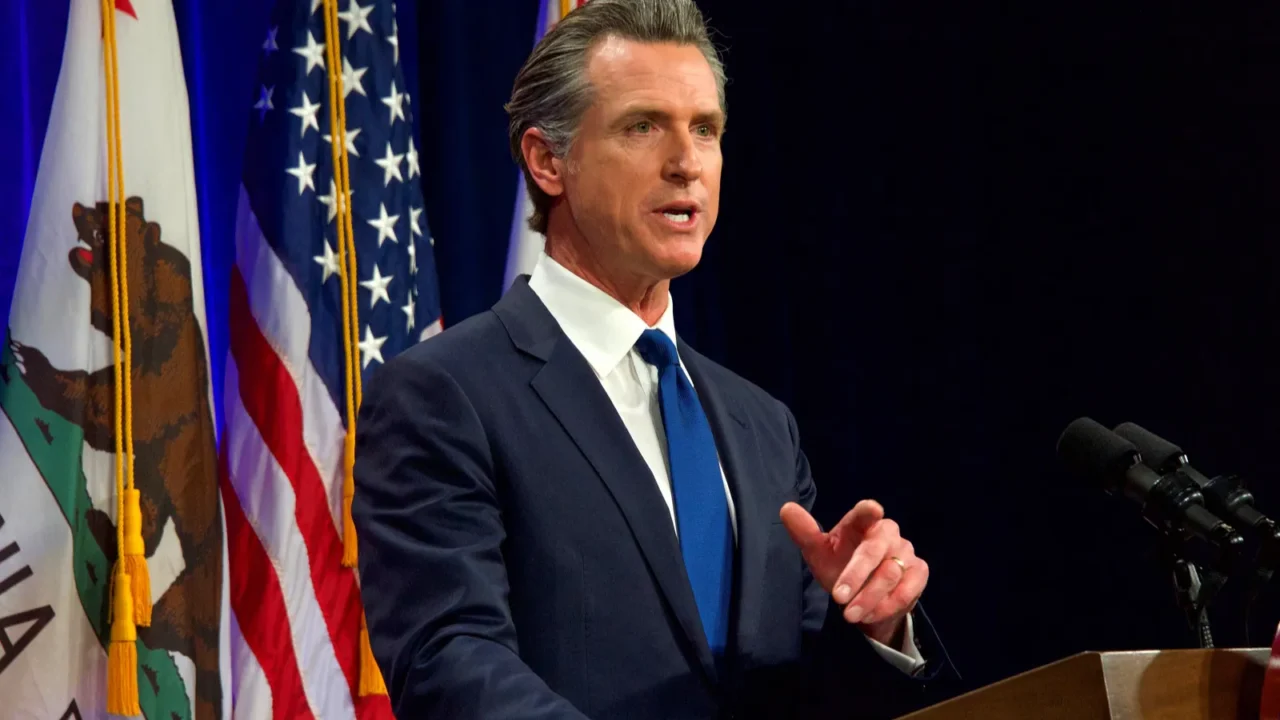
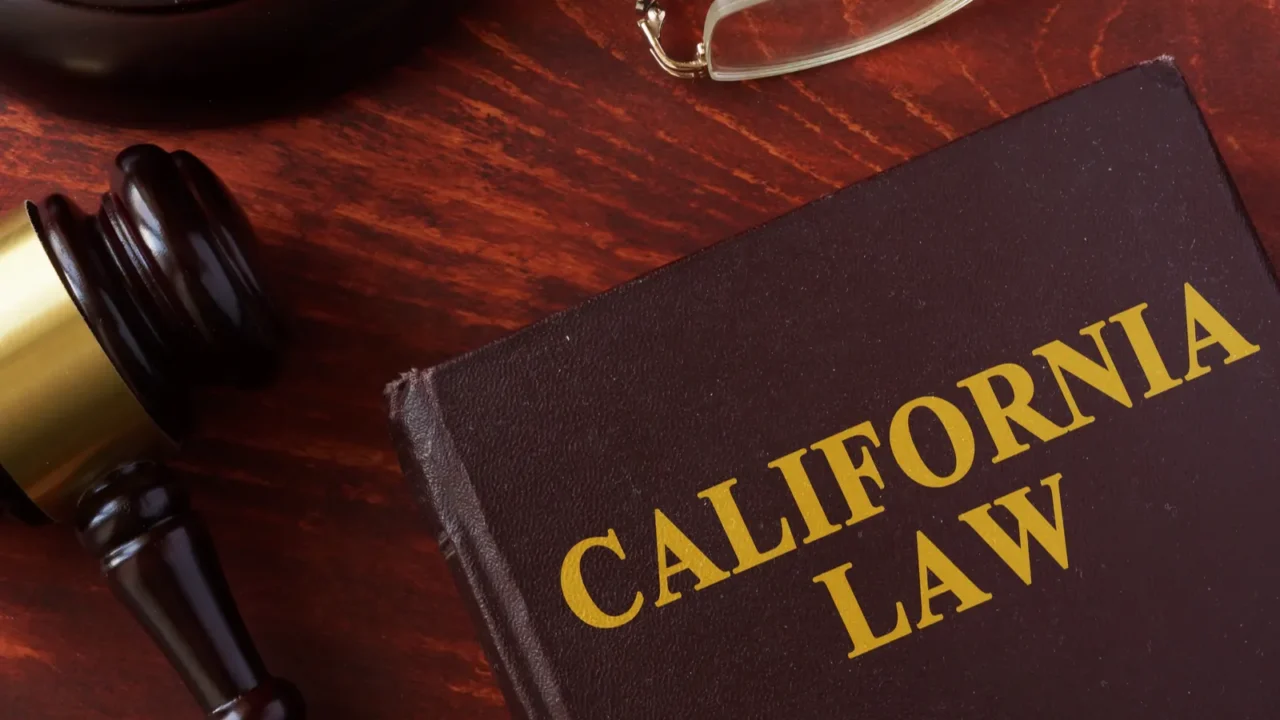
Lawmakers have responded by building street-takeover language directly into state law. In California, Governor Gavin Newsom signed four bills in September 2024 aimed at street takeovers and sideshows, expanding impoundment authority and tightening penalties for participants, organizers, and some spectators.
Virginia also moved in that direction. A 2025 bill defined and penalized street takeovers and exhibition driving, including language for spectators within 200 feet of the event.
Little-known fact: California’s 2024 crackdown package included four separate bills: AB 1978, AB 2186, AB 2807, and AB 3085.
New laws help, but they do not solve it
Tougher penalties matter because they give police and courts more tools. California’s 2024 package explicitly aimed to help seize vehicles and standardize how the state defines sideshows and street takeovers.
But law changes alone do not stop a fast-moving crowd. The core enforcement problem remains the same: large groups, late-night timing, changing locations, and a social media system that helps the next event spread as soon as the last one ends.
Technology is now part of the crackdown
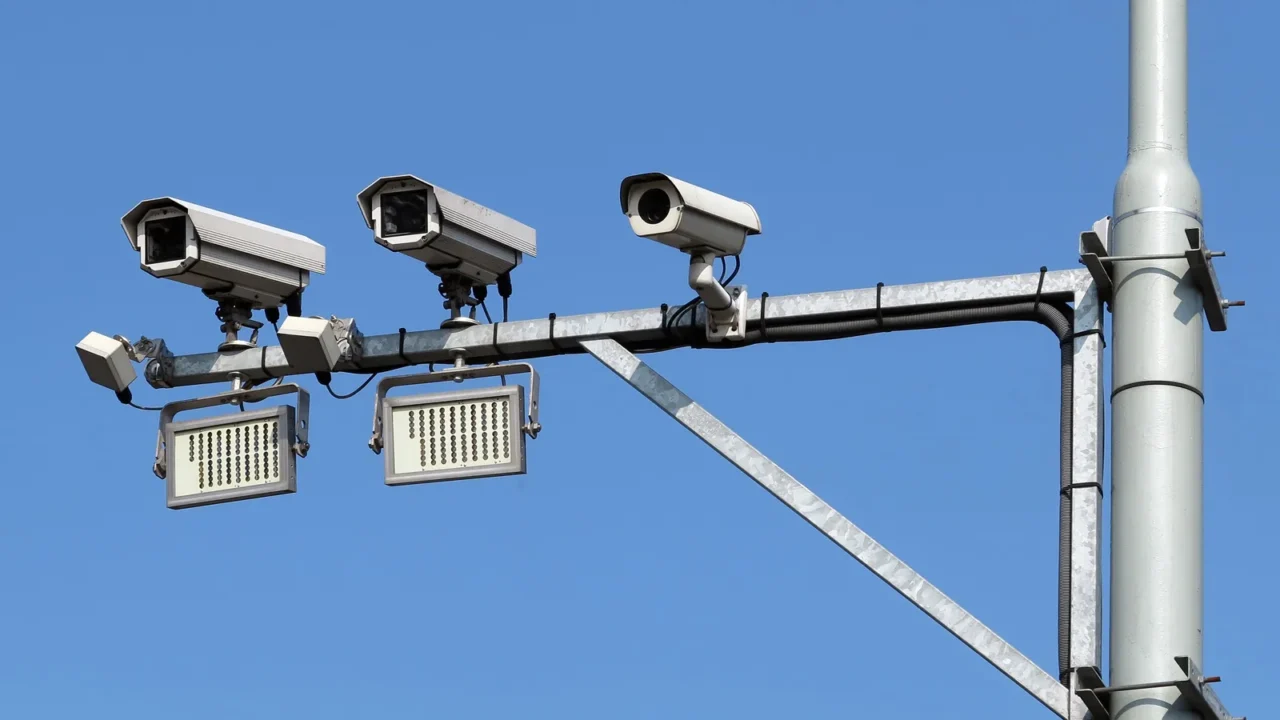
Police are leaning harder on technology to keep up. Recent reporting says departments are using traffic cameras, license plate readers, drones, and software that scans social media to spot gatherings earlier and track vehicles tied to repeat events.
That shift makes sense because these are coordinated public events, not random bursts of bad driving. The same digital tools used to promote takeovers are now being used to predict and disrupt them.
The real victims are often ordinary drivers
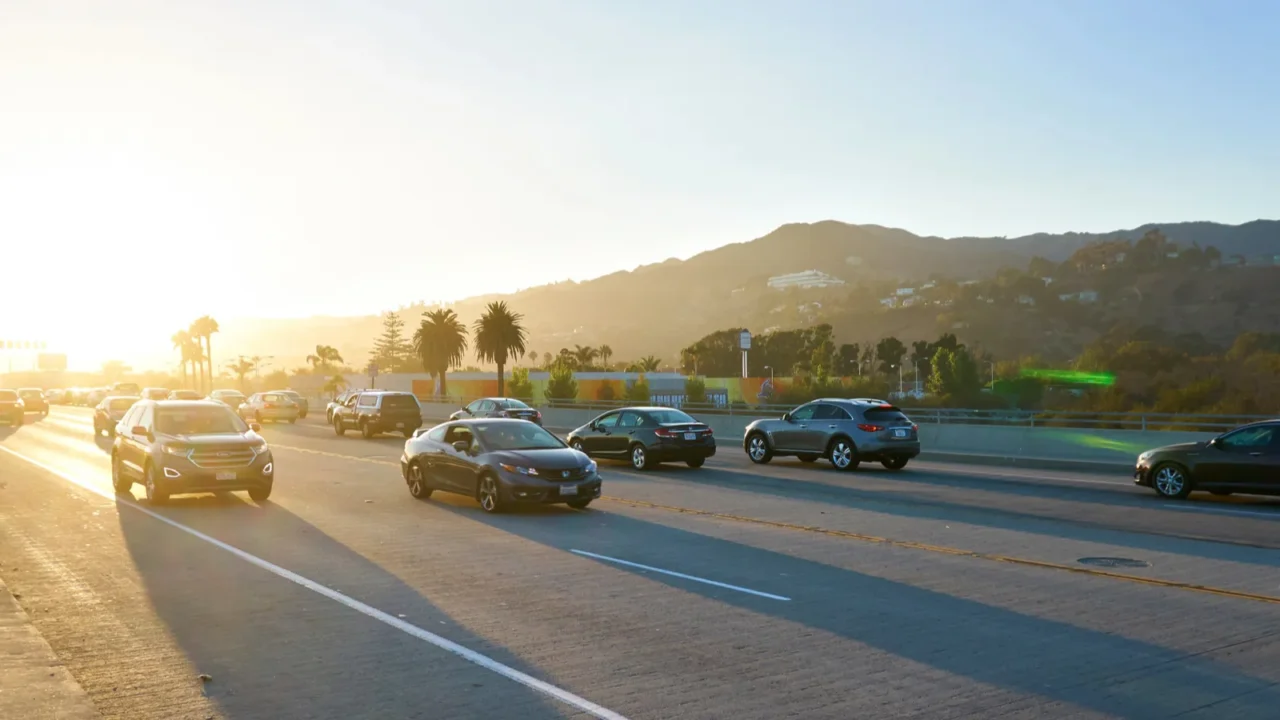
For many Americans, the biggest issue is not car culture. It is a risk to people nearby when roads are blocked or cars start spinning in public intersections. California’s governor said these events can quickly turn deadly and also disrupt traffic flow, including access for emergency vehicles.
That makes takeovers more than a nuisance. They can trap commuters, endanger bystanders, and pull police away from other overnight emergencies.
As California’s gas output declines, what does that mean for prices, supply, and the state’s energy future? Check out why Newsom is facing new heat over the shift.
Why the problem keeps feeding itself
Street takeovers keep getting worse because each event advertises the next one. Viral clips glamorize the stunts, crowds create safety in numbers for participants, and the risk itself becomes part of the appeal for people chasing attention or adrenaline.
At the same time, many cities still struggle to match the speed and scale of these gatherings. Until enforcement, penalties, and prevention catch up consistently, organizers will keep testing the limits.
In other news, Florida police say suspects used magnets to steal fuel as oil prices continue to rise.
Do you think tougher penalties will slow street takeovers, or will cities need a bigger culture and enforcement shift to stop them? Share your thoughts and your view in the comments.
This slideshow was made with AI assistance and human editing.
Don’t forget to follow us for more exclusive content right here on MSN.
Read More From This Brand:
