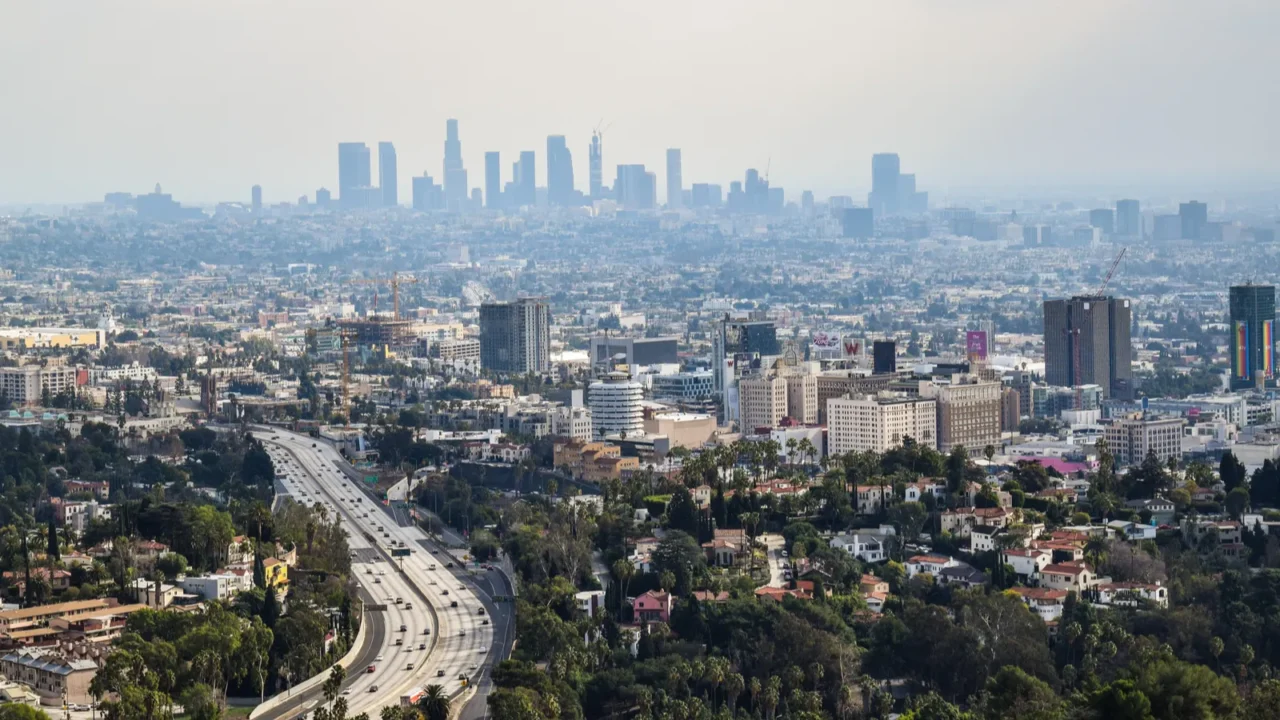
California’s changing promise
California has long been regarded as one of the most desirable regions in the United States, drawing millions with promises of sunshine, opportunity, and cultural vibrancy. Its cities, from Los Angeles to San Francisco, once defined the gold standard of American urban living.
In recent years, a measurable decline in livability metrics has repositioned many California cities near the bottom of national quality of life rankings, driven by interconnected crises in housing, public safety, and economic accessibility.

San Francisco loses residents
San Francisco was once the city where artists, tech workers, and working families shared neighborhoods and built lives side by side. That social fabric has quietly unraveled as median rents crossed four thousand dollars a month in many districts, making the city functionally inaccessible to anyone outside the highest income brackets.
The exodus is not just anecdotal. Census data confirms that San Francisco experienced one of the steepest population declines among major American cities between 2020 and 2023, a sign that even loyal locals have reached a breaking point.
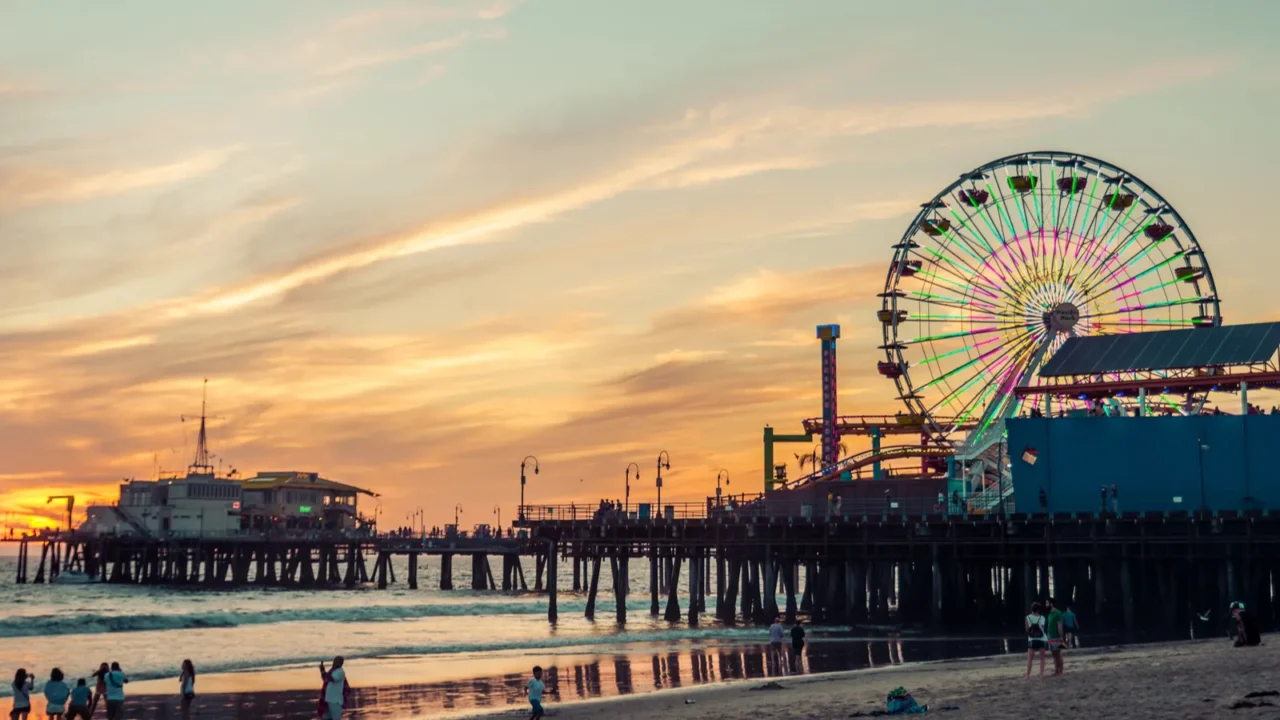
Los Angeles priced out
Los Angeles carries the image of glamour and reinvention, but beneath that surface is a housing market that has systematically shut out the people who make the city function. Teachers, nurses, firefighters, and service workers commute two to three hours daily because they cannot afford to live near their workplaces.
The city now ranks among the least affordable metros in the entire country, with the median home price sitting well above nine hundred thousand dollars, placing homeownership entirely out of reach for most Angelenos earning average wages.
Taxes drive people out
California imposes one of the highest state income tax rates in the nation, with top marginal rates exceeding 13 percent for high earners, and residents across income levels feel the pressure of compounding taxes at every level of daily life. Sales tax in many California counties exceeds ten percent, making even basic household purchases carry a noticeable premium compared to neighboring states.
This tax burden, stacked against already elevated housing and utility costs, has made California a net exporter of residents for several consecutive years, with Texas, Nevada, and Arizona receiving the largest share of those departures.
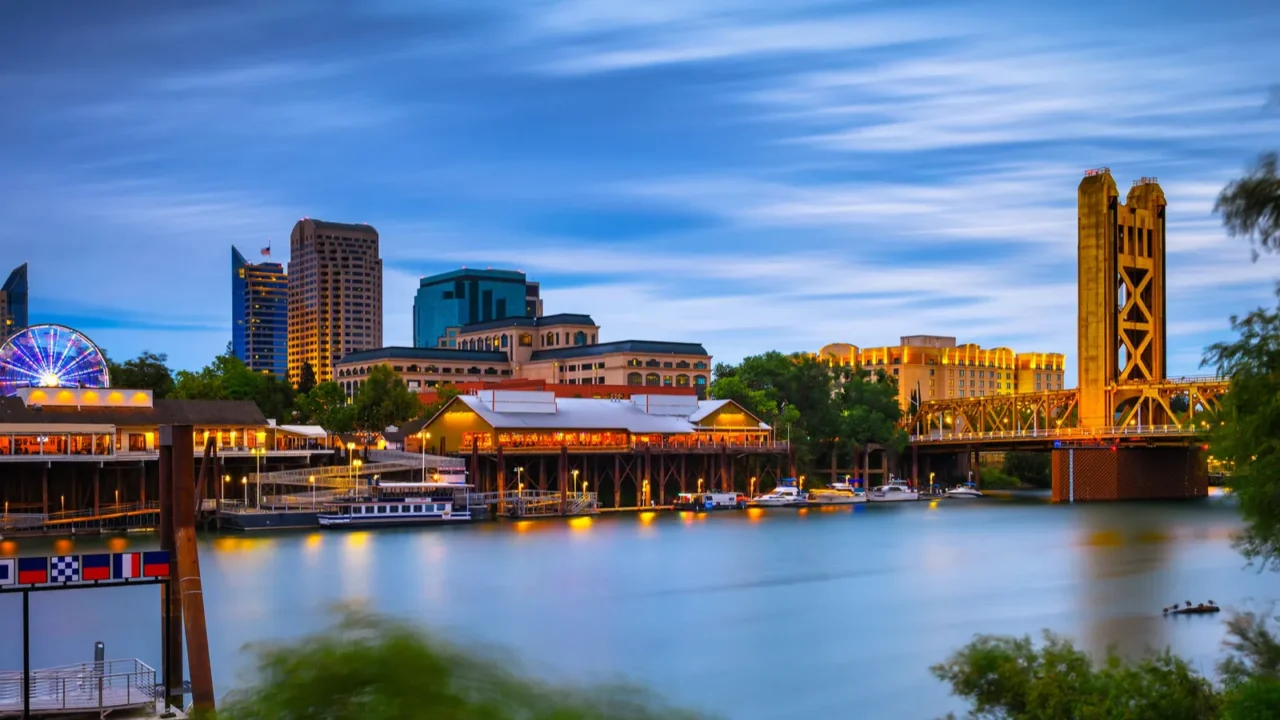
Sacramento’s street reality
Sacramento, California’s capital city, presents a jarring contrast between its political prominence and its street-level reality. The city has struggled for years to address a growing unsheltered population, and downtown corridors that once supported thriving small businesses have seen sustained disinvestment that local policy has failed to reverse.
Infrastructure across the state has received mixed grades in national assessments, with particular concerns raised about road conditions and transit efficiency. Commuters lose hundreds of hours annually to congestion that worsens each year despite significant state transportation budgets that rarely translate into tangible improvements for everyday drivers.
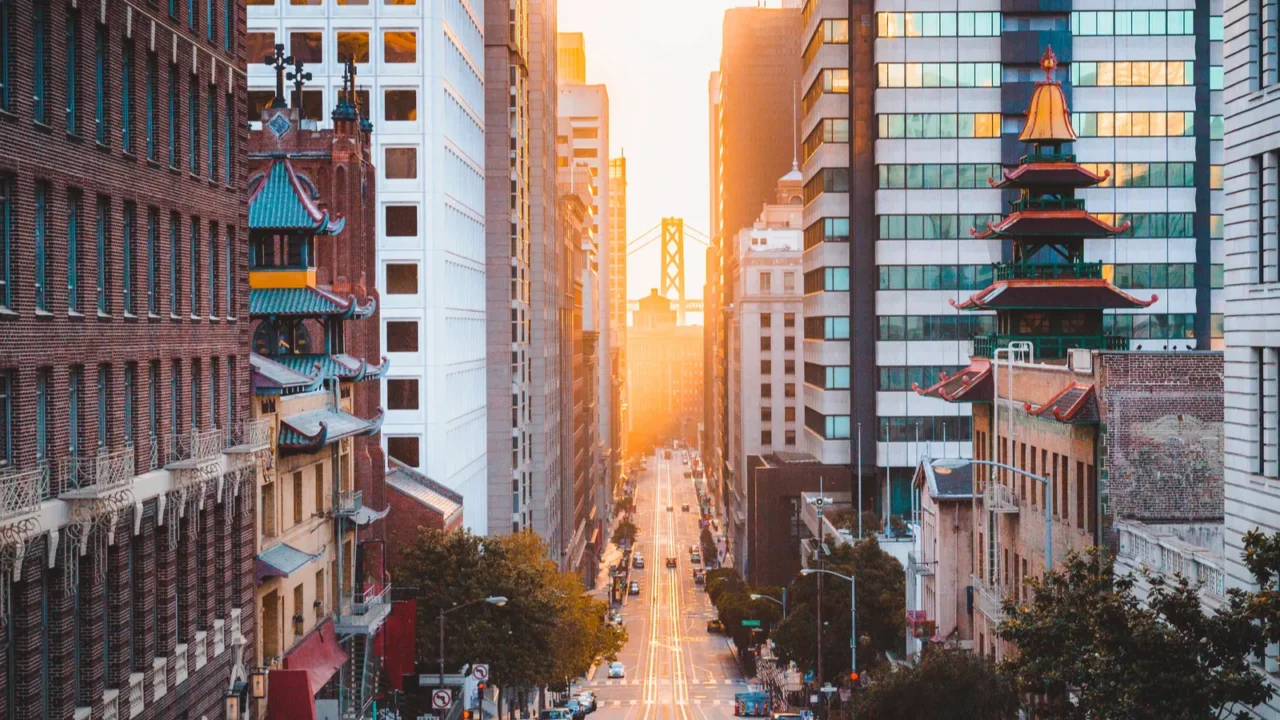
Oakland’s safety crisis
Oakland has faced a sustained rise in violent and property crime that has rattled residents and pushed businesses toward relocation or permanent closure. Smash-and-grab incidents became so frequent in commercial corridors that several national retailers permanently shut their Oakland locations, citing an inability to operate safely or profitably.
Fun fact: According to data tracked by the Public Policy Institute of California, property crime rates in California’s urban cores remain significantly above pre-pandemic levels, reshaping how residents experience daily life in ways that extend far beyond the numbers reported in annual crime statistics.
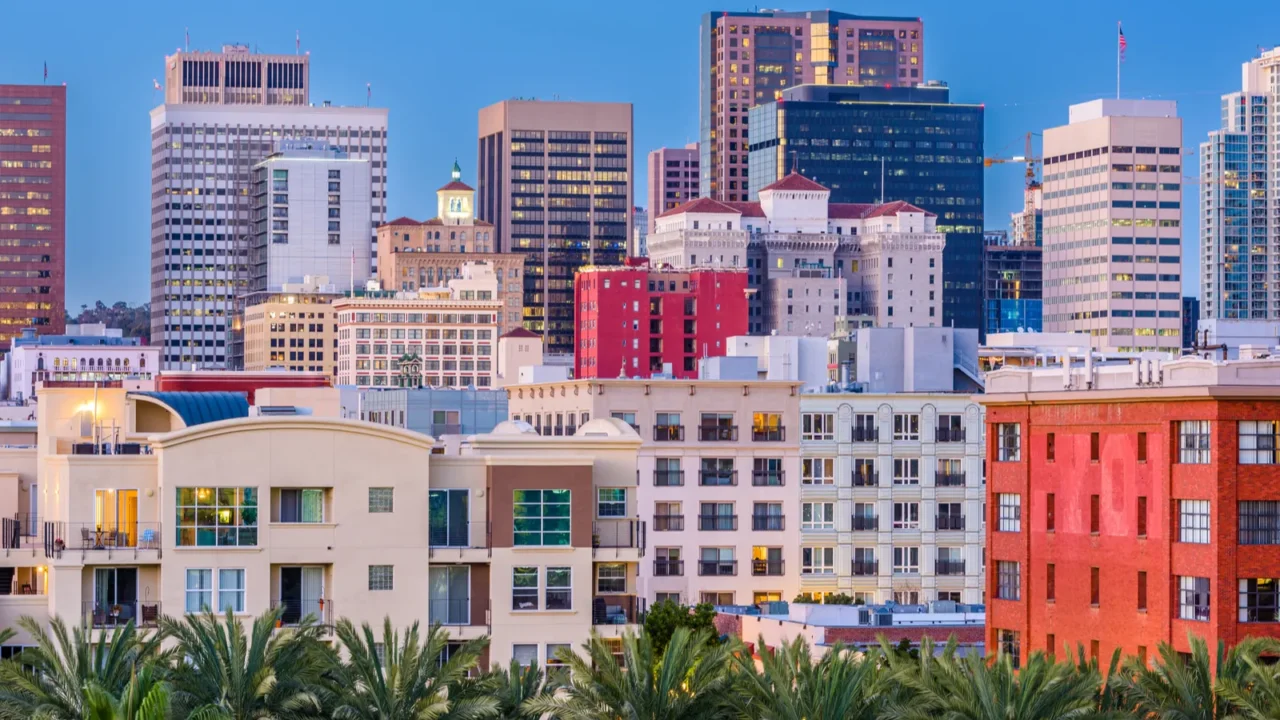
San Diego’s hidden wall
San Diego markets itself as a paradise of beaches, biotech, and year-round sunshine, and in many respects it delivers on that promise. However, the city’s quality of life rankings have slipped considerably as housing costs have risen at a pace that outstrips wage growth, creating a widening gap between what residents earn and what the city demands financially.
The median home price in San Diego now rivals that of Los Angeles, and rental vacancy rates remain critically low, giving landlords significant leverage and contributing to one of the highest rates of cost-burdened renters in the country.

Fresno left behind
Fresno sits at the heart of California’s agricultural powerhouse, the San Joaquin Valley, yet the city itself often exists outside the state’s narrative of prosperity. Poverty rates in Fresno consistently rank among the highest of any major American city, and access to quality healthcare, reliable public transit, and well-funded schools remains deeply unequal across its neighborhoods.
While coastal California debates tech booms and billion-dollar developments, Fresno residents navigate a daily reality shaped by food insecurity, unemployment rates that exceed state averages, and an air quality index that ranks among the worst in the nation.
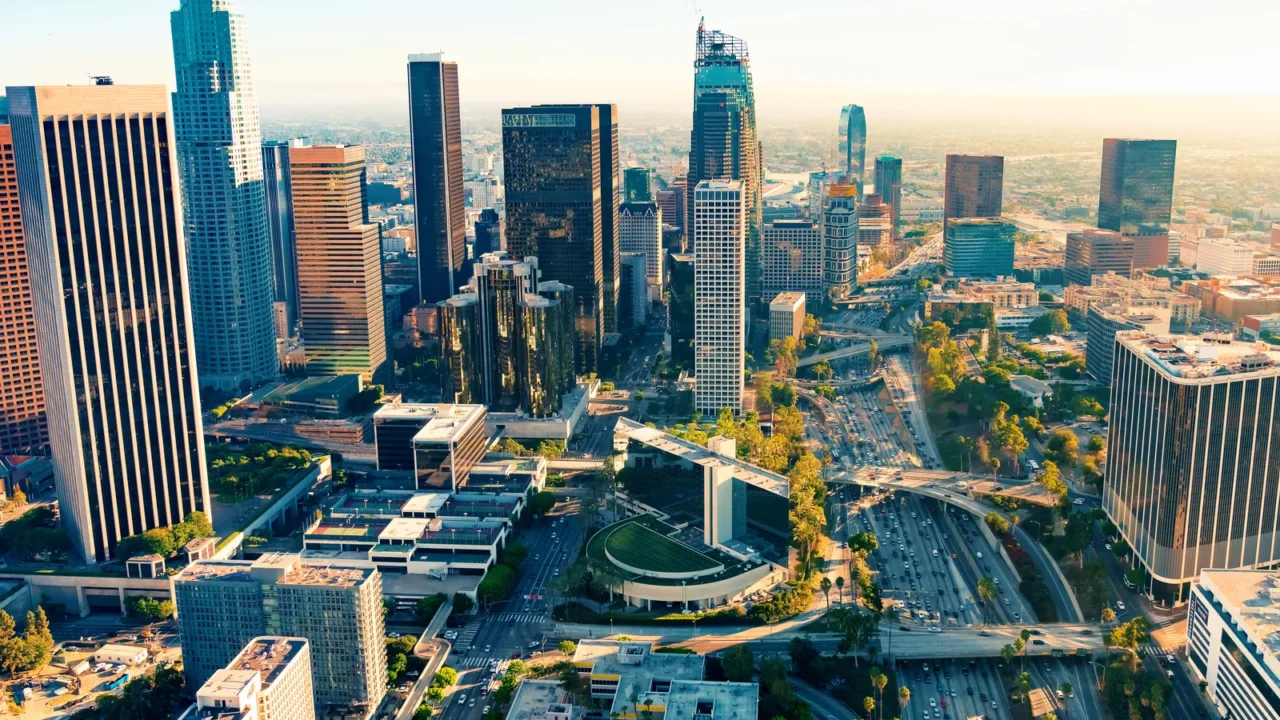
The homelessness numbers
California is home to roughly thirty percent of the entire nation’s unsheltered homeless population, despite representing only twelve percent of the overall United States population. That disparity alone highlights the ongoing challenge of aligning housing policy, social programs, and state spending with long-term solutions.
Fun fact: A report published by the National Alliance to End Homelessness shows California consistently leads the nation in unsheltered individuals, a figure that directly influences how livability researchers score California cities in annual quality of life assessments conducted across the country.

Schools falling short
California’s per-student spending has increased significantly in recent years, though student performance outcomes remain uneven across districts consistently fall below national averages in reading, math, and science proficiency. Los Angeles Unified, the second-largest school district in the country, has faced persistent criticism over graduation rates and the academic performance gap between affluent and lower-income neighborhoods.
Families who can afford to leave urban California often cite school quality as a primary reason, accelerating a demographic shift that drains communities of engaged parents and the stable tax base that well-funded public schools depend on to function.
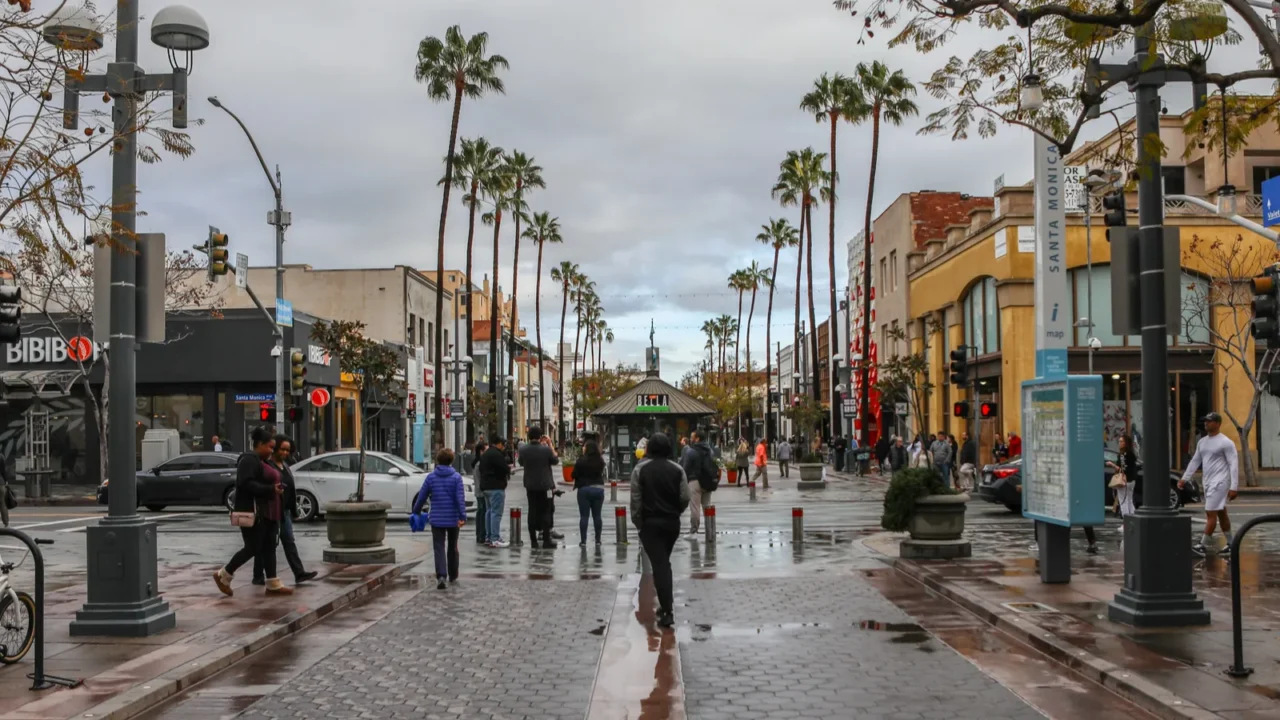
Water, heat, fire risk
Environmental stress has become a permanent feature of life in California cities in ways that measurably reduce the quality of life and raise the cost of simply existing in the state. Prolonged drought cycles have made water restriction a recurring reality for residents in cities from San Jose to Bakersfield, limiting landscaping, agriculture, and municipal planning in profound ways.
Wildfire risk now shadows communities that were once considered safely urban, and the cost of homeowners’ insurance has risen so dramatically that several major insurers have paused new homeowner policies or reduced their exposure in parts of the California market, leaving hundreds of thousands of residents scrambling to find coverage.
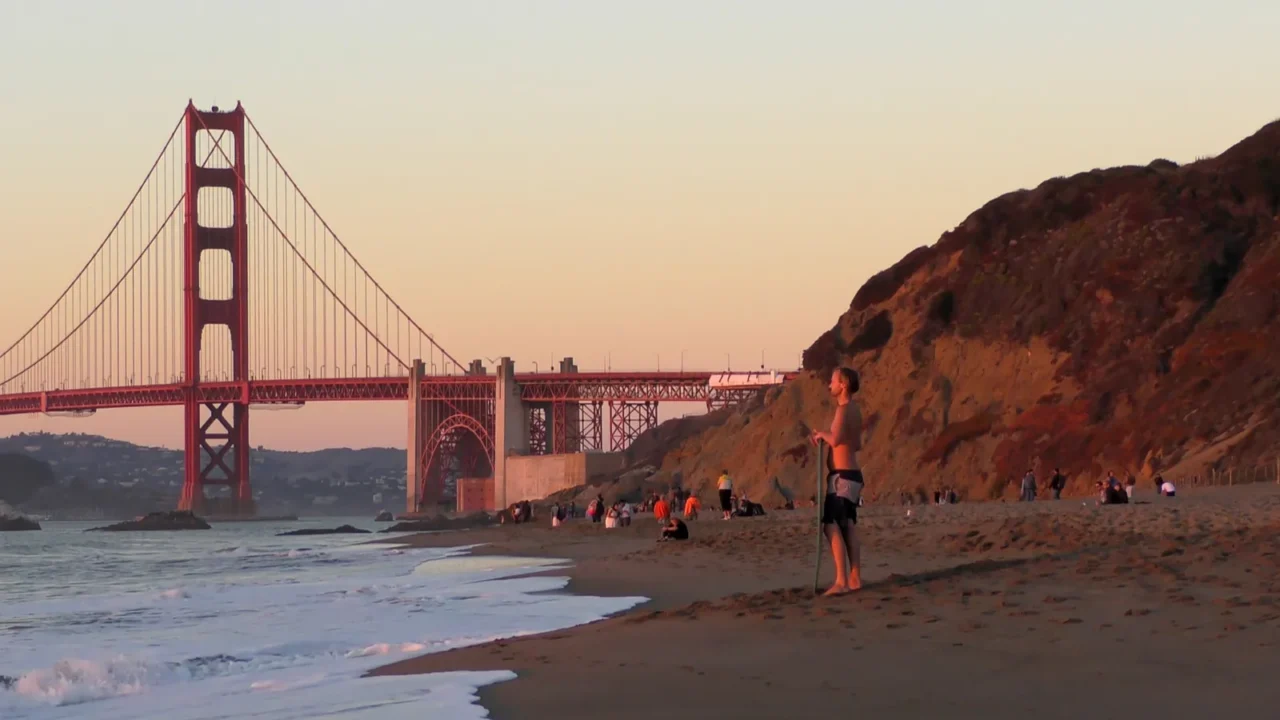
Why residents still stay
Despite the compounding challenges, millions of Californians remain deeply rooted in their cities, held by family ties, career networks, cultural communities, and a climate that genuinely has few rivals anywhere in the country. The diversity of California’s cities, the concentration of innovation in its tech and entertainment sectors, and the sheer scale of opportunity still available make leaving a genuinely difficult decision.
There is also a stubborn pride among long-term residents, a belief that California has reinvented itself before and carries the political will, the talent, and the resources to do so again if leadership aligns with the urgency that the moment requires. But for those who have already made the call, find out why people are leaving California for Florida.
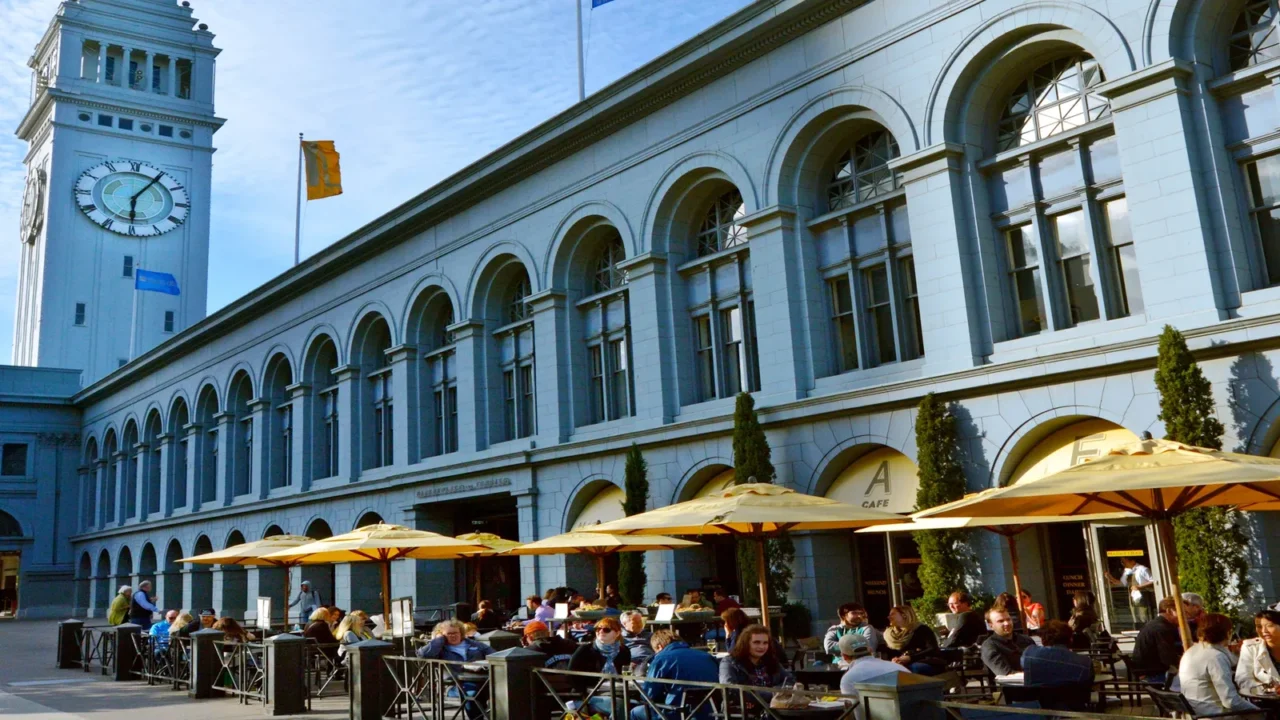
Can California turn around?
The story of California’s cities is not one of permanent decline so much as it is a stress test of what happens when a place becomes too desirable, too expensive, and too politically complex to govern efficiently. The problems are real, documented, and felt daily by ordinary residents who did not cause them but bear the full weight of their consequences.
Whether California’s cities reclaim their standing in national quality of life rankings will depend on whether housing, safety, taxation, and environmental policy can be addressed together rather than in isolation. The potential remains extraordinary. What the state does with it is still being written. If you are already thinking of a fresh start, explore the most underrated cities worth considering right now.
The most iconic state in America is losing its own people. What does that tell us about where the country is actually heading?
This slideshow was made with AI assistance and human editing.
Don’t forget to follow us for more exclusive content right here on MSN.
Read More From This Brand:
