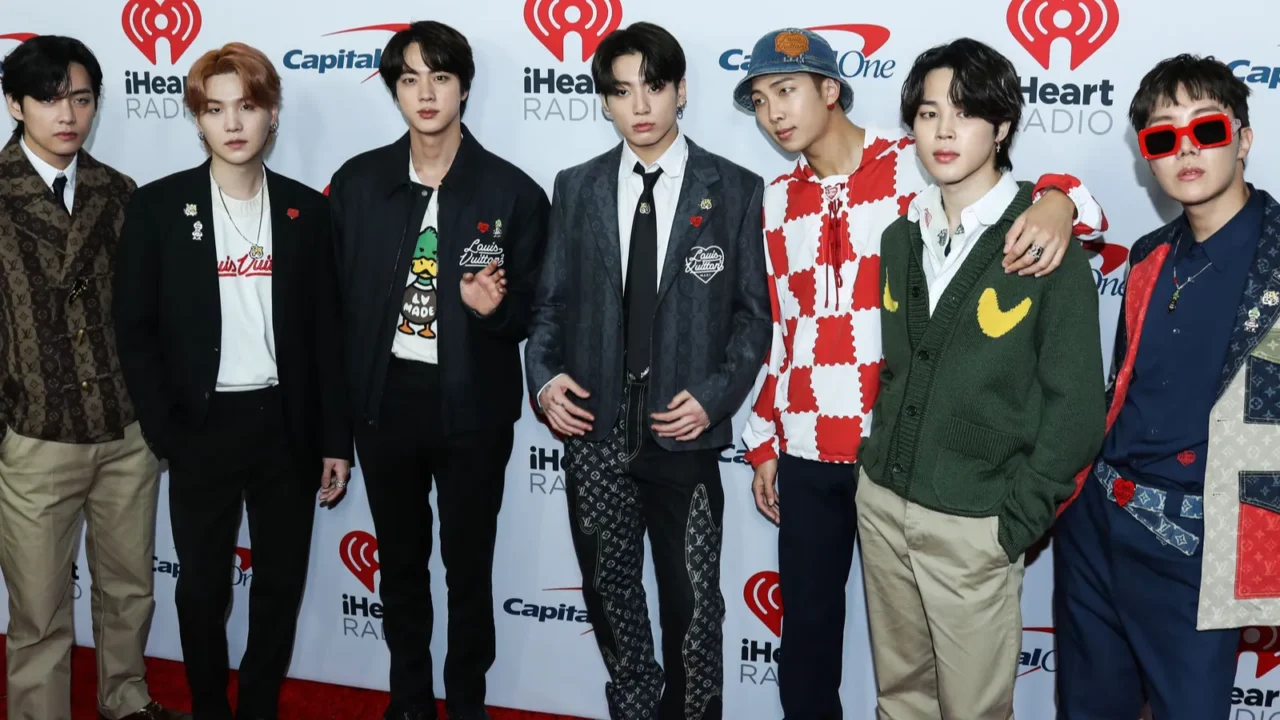
A world tour with a loud omission
When BTS dropped a huge tour plan, one blank spot is doing all the talking. Mainland China is missing from the list, even with major demand there. That absence is fueling fresh talk that Hallyu restrictions are still very real in 2026.
Fans can see it in the details, not the rumors. The official tour page shows Hong Kong dates, but no mainland stops. For a group this global, that kind of gap reads like a policy problem, not a routing choice.

What people mean by Hallyu restrictions
“Hallyu restrictions” is the shorthand many outlets use for limits on Korean pop culture in mainland China. Beijing does not officially label it a ban, but access has been tight for years. In practice, big Korean concerts and major entertainment rollouts have faced barriers.
That matters because touring is not just music, it is a full business ecosystem. Promoters need permits, venues need approvals, and sponsors want predictability. When one link in that chain is uncertain, tours skip the market, even when fans are ready.
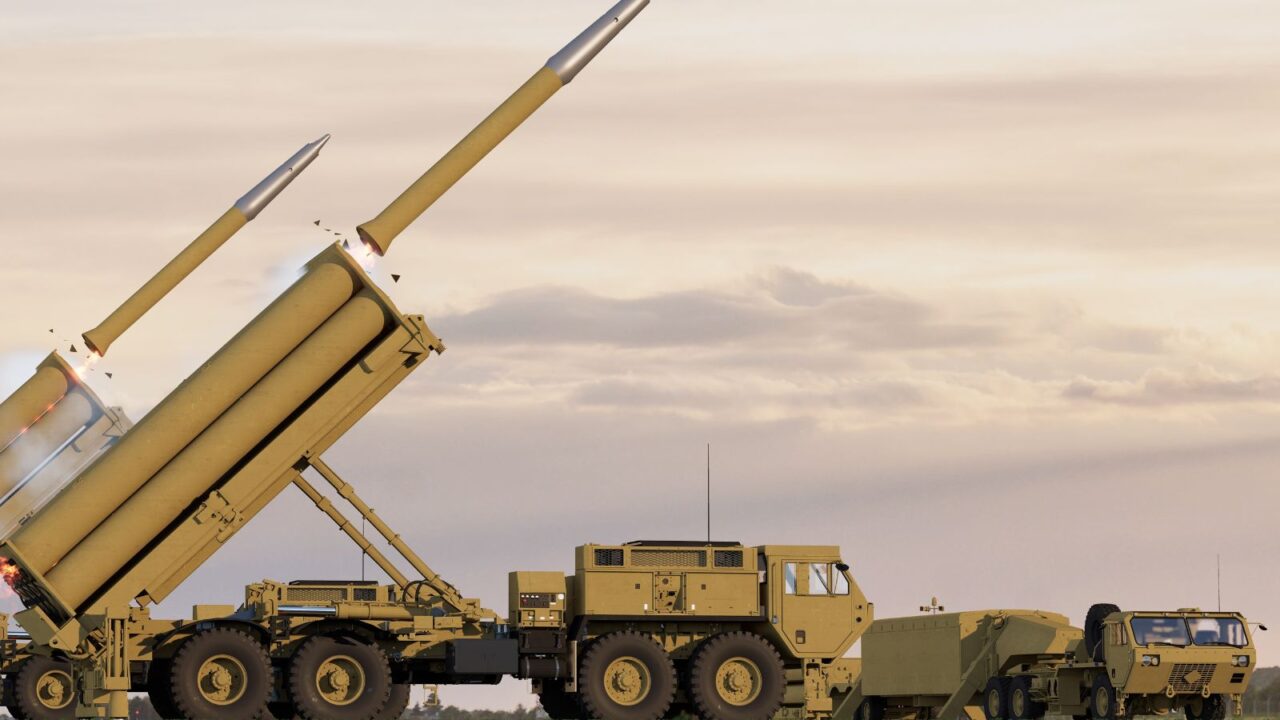
The 2016 link that still echoes
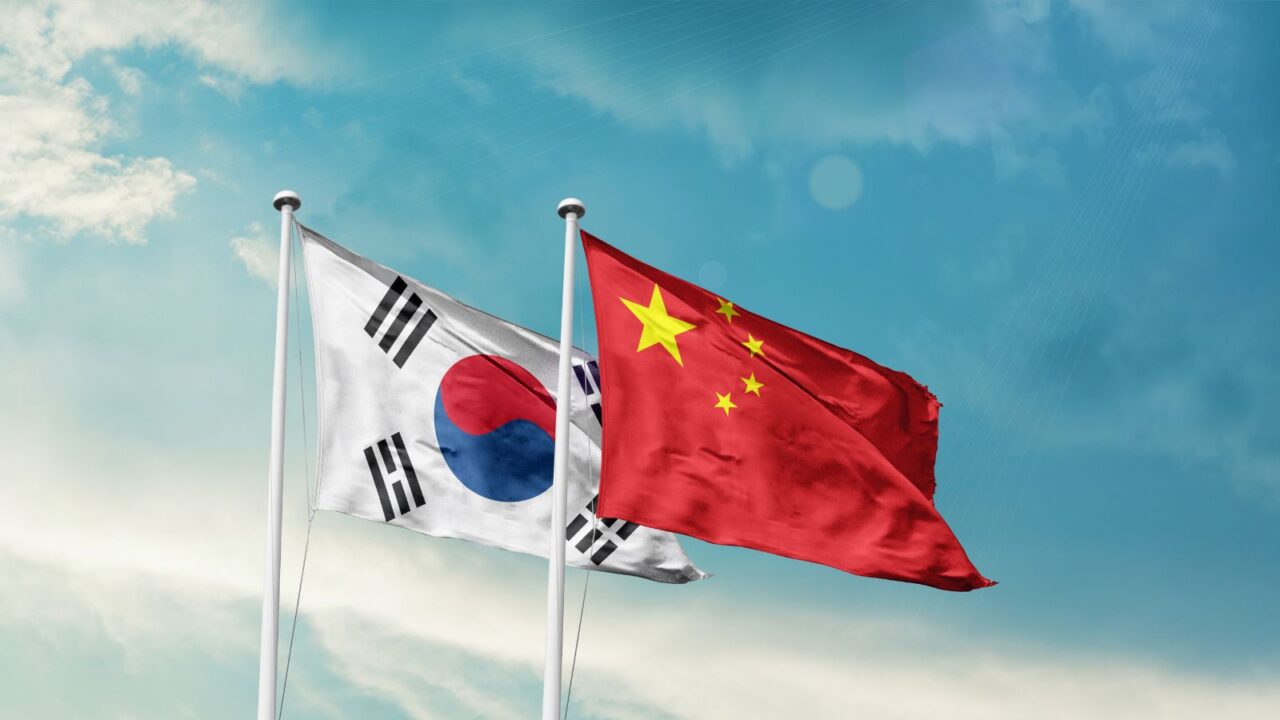
Most timelines point back to 2016, when tensions rose following the deployment of THAAD in South Korea. Cultural fallout became part of the wider diplomatic chill. Years later, that spillover still shapes what shows get approved.
This is why the BTS tour map is being read like a signal. If the biggest name in K-pop still cannot book mainland cities, smaller acts notice too. It is a reminder that pop culture can get caught in geopolitics, even when fans just want music.
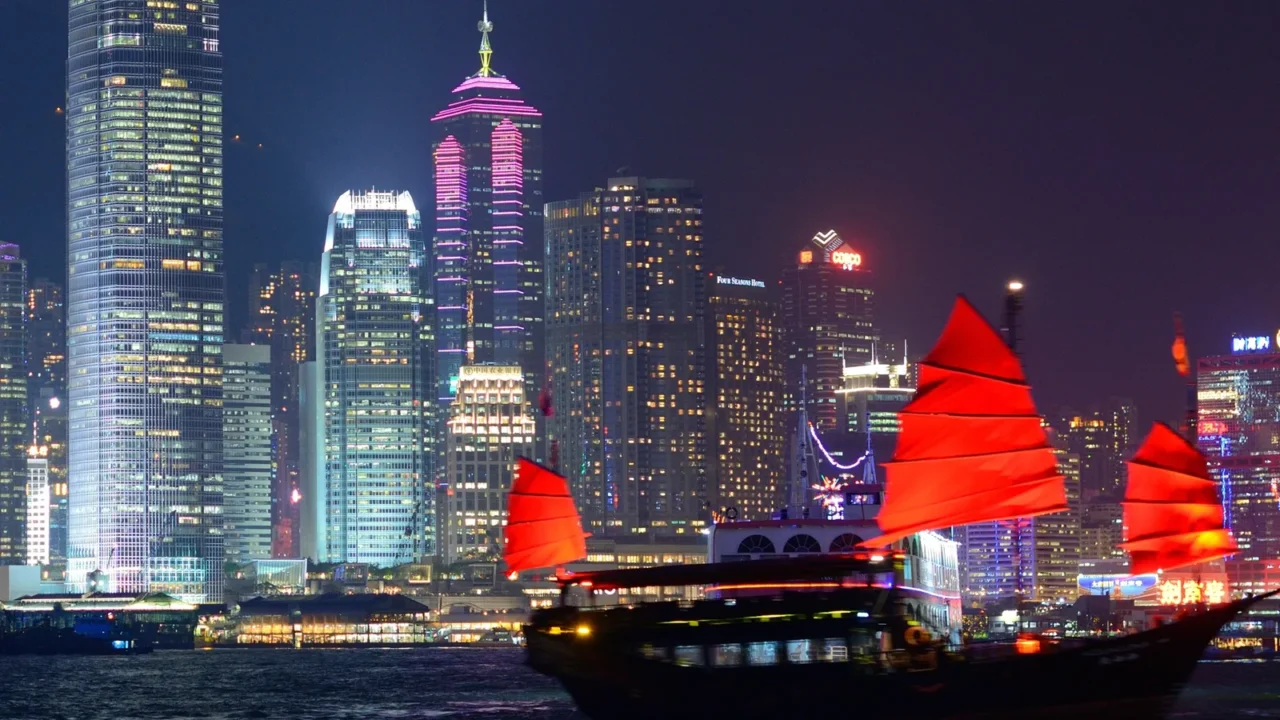
The schedule that sparked the chatter
Reports say the tour spans roughly 30 cities worldwide, but mainland China is not on the board. The one China-adjacent exception that keeps popping up is Hong Kong, with shows listed for early March 2027. That detail is helping observers argue that the restrictions are still uneven by location.
The dates are not coming from a leak or a fan account. They appear on BTS’s official tour site, which is why the omission hits harder. If mainland shows were in motion, this is where fans would expect the first breadcrumb.
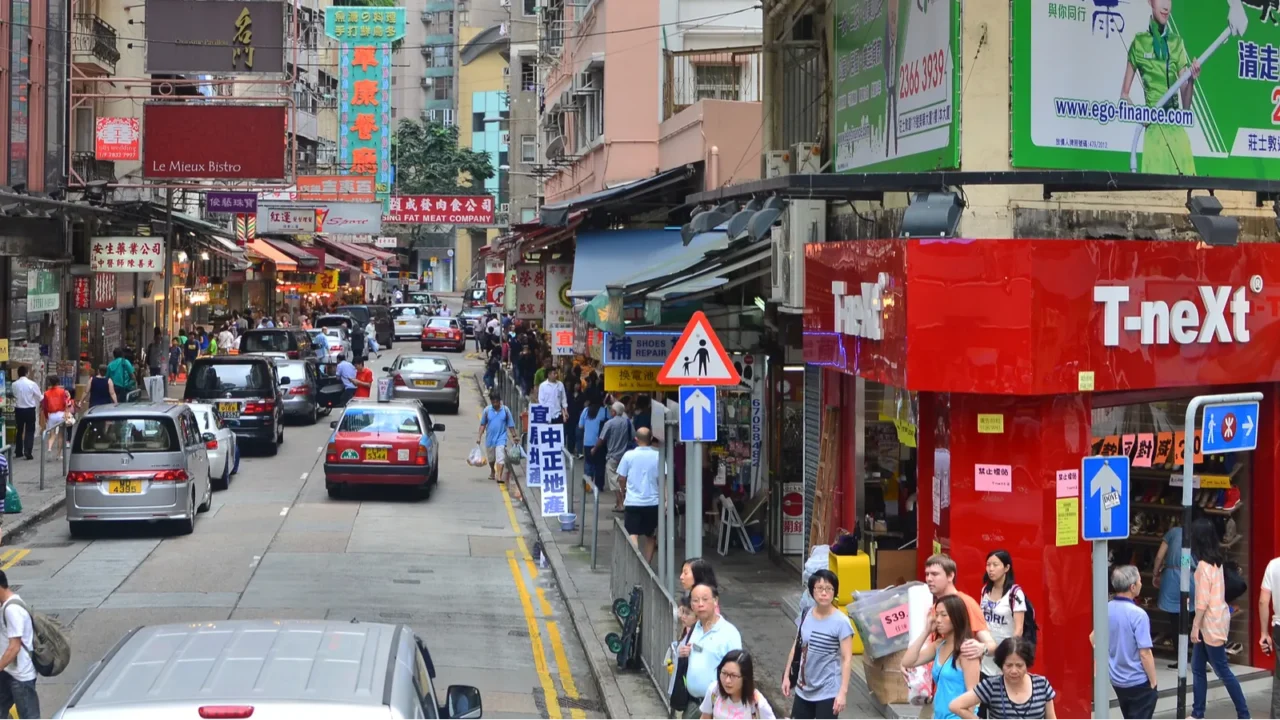
Why Hong Kong keeps making the cut
Hong Kong is often treated as a different operational lane than the mainland for major concerts. That can make it a “pressure valve” for pent-up demand when mainland approvals are unclear. It also turns Hong Kong dates into a regional travel magnet.
The venue angle matters too. AsiaWorld-Arena can hold up to about 14,000 people, making it built for mega shows. A few nights there can draw fans from across Asia without the same mainland hurdles.
Experts say this could take years
Some analysts quoted in regional coverage predict a slow thaw, not a quick flip. One estimate floating around is that it could take about five years for Korean entertainers to operate at the pre-2016 scale in mainland China. That does not mean “never,” but it does mean “not soon.”
The key takeaway is the pace. Even with warmer diplomatic language, cultural openings can move in tiny steps. For tours, that uncertainty is enough to keep China off the route until approvals are clearer.
The Weibo number that stands out
One detail that keeps getting cited is BTS’s follower count on Weibo, reported to be around 5.6 million. That is a lot of visible interest for a market that is still missing from the tour. It highlights the gap between audience demand and official access.
For fans, it can feel confusing, like the market exists but the stage does not. For organizers, it can be a risk calculation, because demand alone does not guarantee a workable show. The result is a tour schedule that looks “global,” but still has one major missing puzzle piece.
Why this is bigger than one band
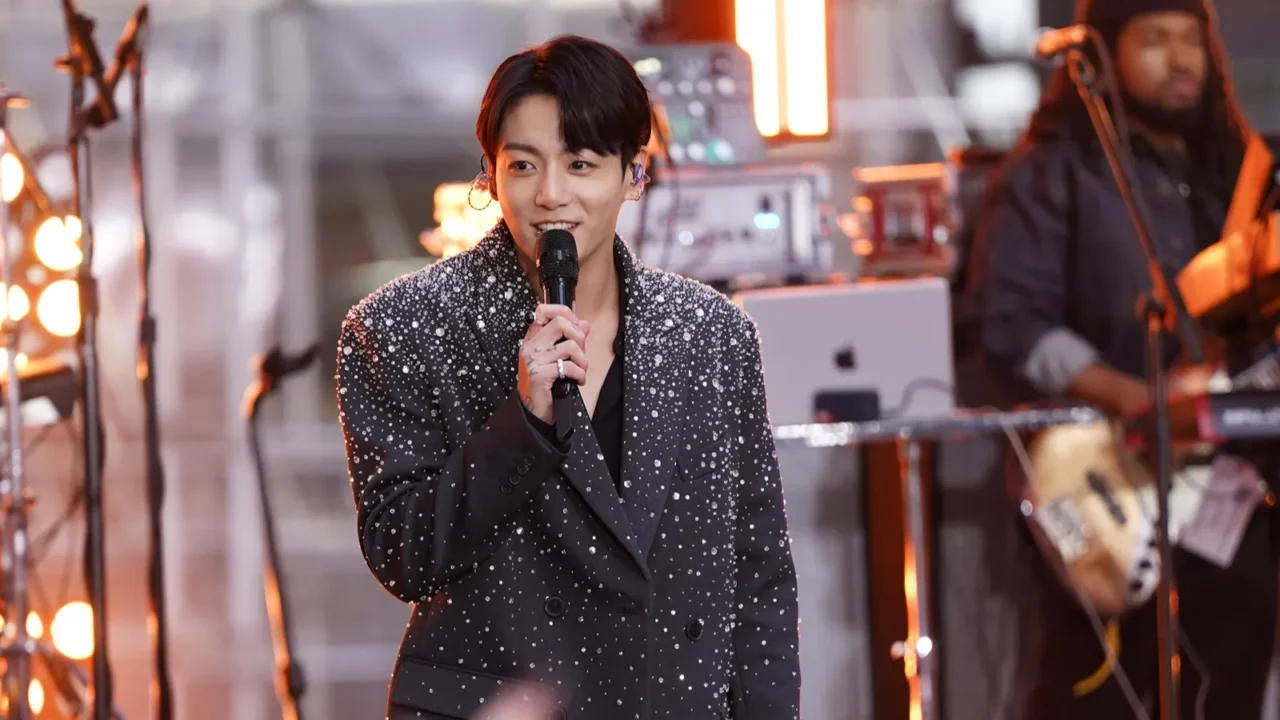
BTS is the headline, but the issue is industry-wide. If policies make approvals unpredictable, promoters avoid the market to protect budgets and timelines. That is why people use BTS as the test case everyone understands.
This also shapes where K-pop energy goes instead. Nearby markets with smoother logistics can pick up more concerts, more tourism, and more brand tie-ins. Over time, that can subtly reroute pop culture travel patterns across Asia.
The politics piece nobody loves
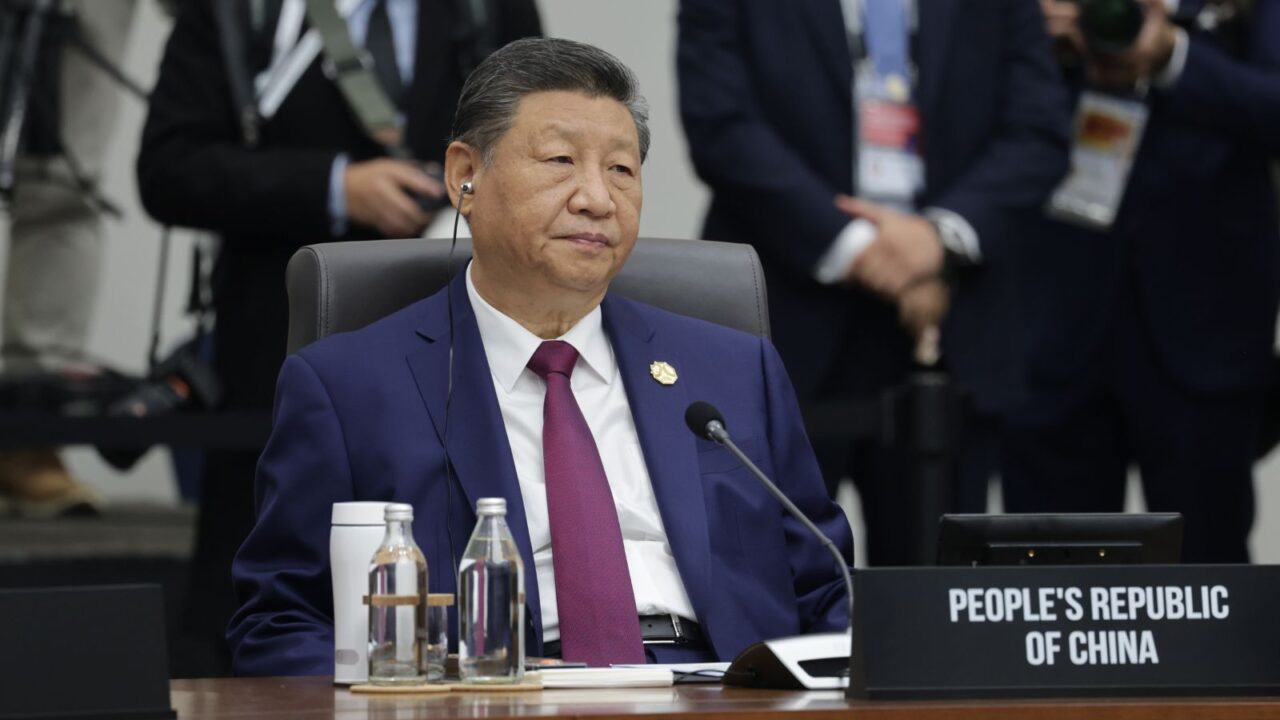
Some experts argue that cultural approvals can be tied to broader political sensitivities. In simple terms, authorities may scrutinize messaging, partnerships, and public narratives around stars. That adds another layer of “maybe” to already complex tour planning.
Even when governments do not say “ban,” the effect can be similar. Brands hesitate, promoters hesitate, and tours reroute. Fans end up reading the absence as the message, because it is the only visible clue.

Diplomacy can warm, culture can lag
Recent reporting suggests Korea-China ties have shown some signs of improvement. But cultural reopening is not always the first domino to fall. Leaders can shake hands while entertainment approvals stay frozen.
Some coverage even frames it as a “slow melt” problem. The point is not that nothing will change; it is that change may come in cautious phases. For a stadium tour, “maybe later” usually means “not this cycle.”
What the “Arirang” era means
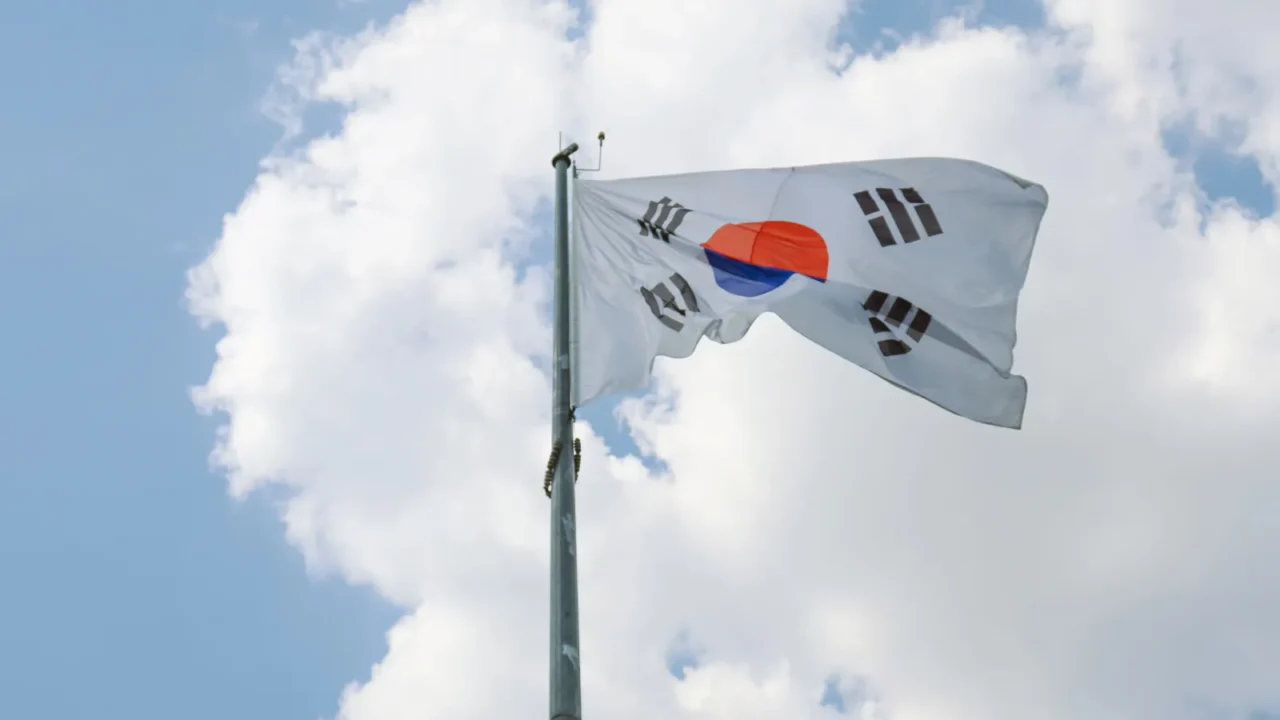
The timing adds another layer because BTS is rolling out a major comeback tied to the album “Arirang.” Coverage has framed the title as a meaningful cultural reference rather than a random pick. That makes the tour feel even more symbolic in 2026.
And yet, the symbolic tour still cannot fully touch the biggest nearby market. That contrast is exactly why this story is traveling fast. It is pop culture, policy, and business all stacked into one tour poster.

The travel ripple fans will feel
If you are a fan planning travel, the practical effect is simple. Mainland China stops are not part of the current plan, while Hong Kong is. That shifts flights, hotels, and planning toward fewer cities, which can push costs up fast.
This is where American fans often zoom out. Many in the U.S. are used to tours being about demand and venue size, not cross-border approvals. The BTS situation is a clear reminder that in some regions, policy can still shape your concert calendar.
If you could follow one artist to one city this year, where would you go? Check out Exploring travel destinations through music world tours.
What to watch in the next year
If restrictions ease, you would likely see smaller steps first. That could look like limited cultural events, co-productions, or a few carefully approved performances. Big multi-city mainland runs would probably come later, if at all.
Also, watch for what happens beyond BTS. If other Korean acts start landing mainland dates again, it may signal a wider shift. Until then, the safe read is that the Hong Kong-only pattern is still the workaround.
In other news, see why China seems to be cooling on the U.S. while aligning with Europe on tourism growth.
Do you think China will be back on major K-pop tour maps soon? Share your thoughts and your view in the comments.
This slideshow was made with AI assistance and human editing.
Don’t forget to follow us for more exclusive content right here on MSN.
Read More From This Brand:
