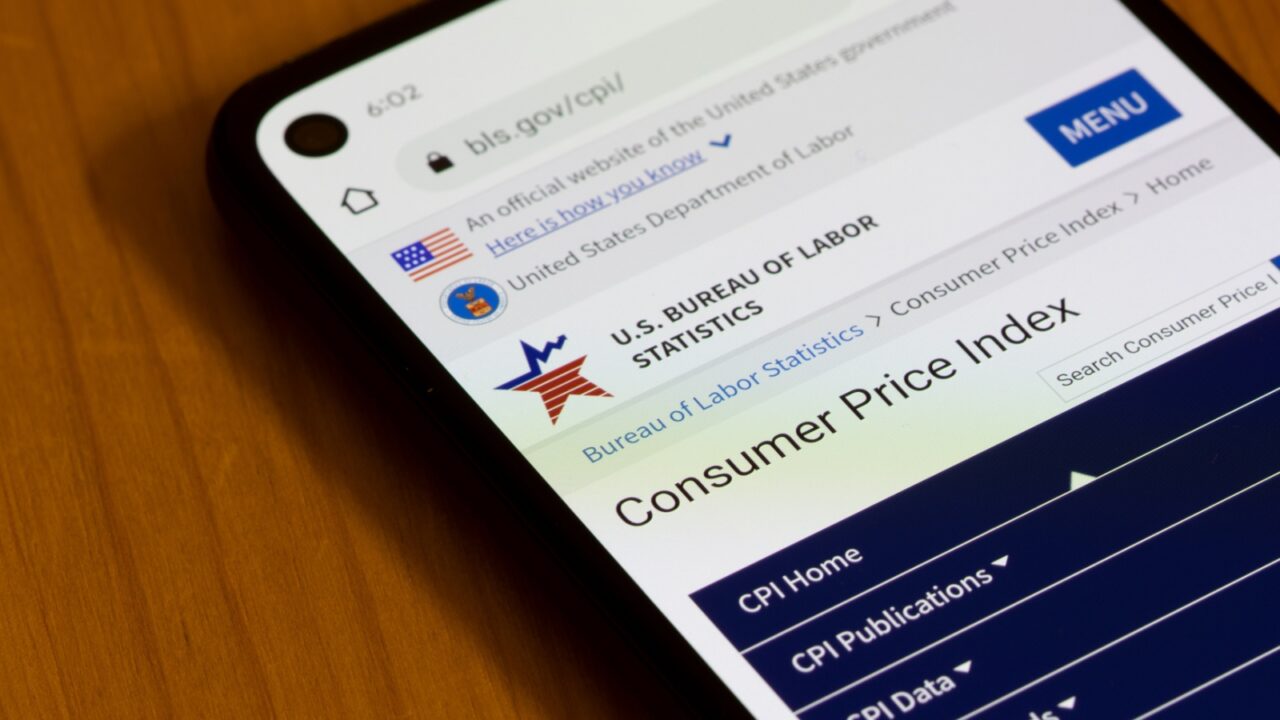
Bureau Labor Statistics cost trends
U.S. Bureau of Labor Statistics reports that travel-related expenses such as lodging, transportation, and dining have increased steadily across the United States in recent years. Consumer price data shows domestic travel categories rising faster than some international travel costs. These trends are shaping how travelers plan trips in 2026.
Domestic trips to major U.S. cities can become expensive once airfare, hotel stays, meals, and local transportation are combined. In some cases, exchange rates and airline pricing can make overseas destinations look more competitive than travelers might expect.

Domestic travel pricing pressure
The Bureau of Labor Statistics highlights rising costs across core travel categories within the United States. Accommodation and food services have seen consistent price increases. These factors contribute to higher domestic travel expenses overall.
Trips to popular U.S. destinations can become costly when higher hotel, meal, and transportation prices are combined over several days. Domestic travel pricing pressure continues to grow.

International travel cost comparison
The Bureau of Labor Statistics data also shows airfare fluctuations affecting both domestic and international travel markets. However, international flights sometimes offer competitive deals due to airline competition. This narrows the cost gap between trip types.
Flights to destinations like Paris or Cancun can occasionally fall within the $500 to $900 range. These prices can rival or undercut domestic flight costs during peak seasons. Travelers compare options more closely.

Hotel rates drive costs
Hotel pricing remains one of the largest contributors to rising domestic travel costs. Nightly rates have increased due to demand and operational expenses. Labor shortages and inflation play a role.
Hotel costs remain one of the biggest contributors to domestic trip budgets, especially in large metropolitan areas where room demand stays strong. These costs quickly increase total trip budgets. Accommodation pricing drives domestic expenses higher.

Dining costs add up
Dining expenses have become a major factor in domestic travel budgets. Restaurant prices have risen significantly across the United States. Travelers now spend more on meals than in previous years.
In cities like Las Vegas and Miami, daily food spending can reach $70 to $120 per person. These costs accumulate over multi-day trips. Dining plays a major role in overall expenses.

Currency exchange advantages abroad
Currency exchange rates can make international travel more affordable for U.S. travelers. A strong dollar increases purchasing power in certain destinations. This creates value opportunities abroad.
Fact: According to International Monetary Fund data, currency fluctuations can significantly impact travel affordability, sometimes making overseas trips cheaper than domestic travel when exchange rates are favorable. This factor often surprises travelers when comparing total trip costs. Exchange rates play a major role in travel decisions.
Airline competition lowers fares
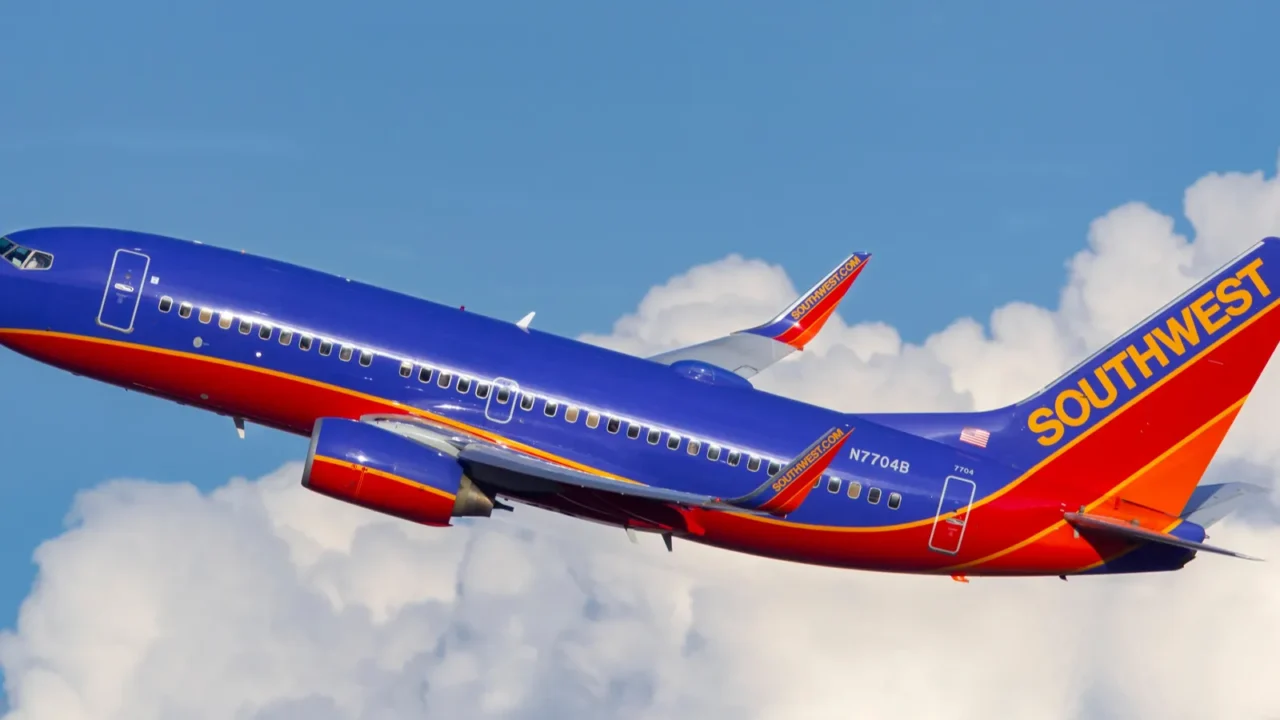
International routes often benefit from higher competition among global airlines. This can lead to more competitive pricing on long-haul flights. Domestic routes may have fewer pricing pressures.
Little-known fact: The International Air Transport Association reports that increased airline competition on international routes can reduce fares and improve pricing options for travelers. This competition is stronger on popular global routes than on many domestic ones. Pricing dynamics differ significantly.

Domestic demand drives prices
High demand for domestic travel continues to push prices upward across the United States. Travelers are returning to popular destinations in large numbers. This demand impacts pricing across sectors.
Locations like Honolulu and San Diego see total trip costs exceeding $2,500 on average. Demand-driven pricing remains a key factor. Domestic travel remains expensive.

Seasonal pricing differences matter
Seasonal demand plays a significant role in domestic travel pricing. Peak travel periods often bring higher costs across all categories. Off-peak travel offers more affordable options.
Trips to Denver and Austin can vary from $1,200 to $2,500 depending on timing. Travelers adjust plans to manage budgets. Seasonal trends influence pricing.

Regional cost differences persist
Travel costs vary widely depending on location within the United States. Coastal destinations tend to be more expensive than inland areas. These differences impact travel choices.
Cities such as Seattle and Phoenix show daily cost ranges between $250 and $450 per traveler. Regional variation remains significant. Budget planning depends on the destination.

Budget travelers seek alternative
Rising domestic costs are encouraging travelers to explore alternative destinations. Some choose international trips for better value. Others look for less expensive domestic options.
Destinations like Mexico City and Lisbon offer full trip experiences under $2,000 in some cases. These options attract cost-conscious travelers. Travel behavior is evolving.
Future travel pricing outlook
Economic forecasts suggest travel costs will remain elevated in the near term. Inflation and demand continue influencing pricing trends. Travelers are adapting to changing conditions, often considering themes like where to go on the next girls’ trip while balancing budgets.
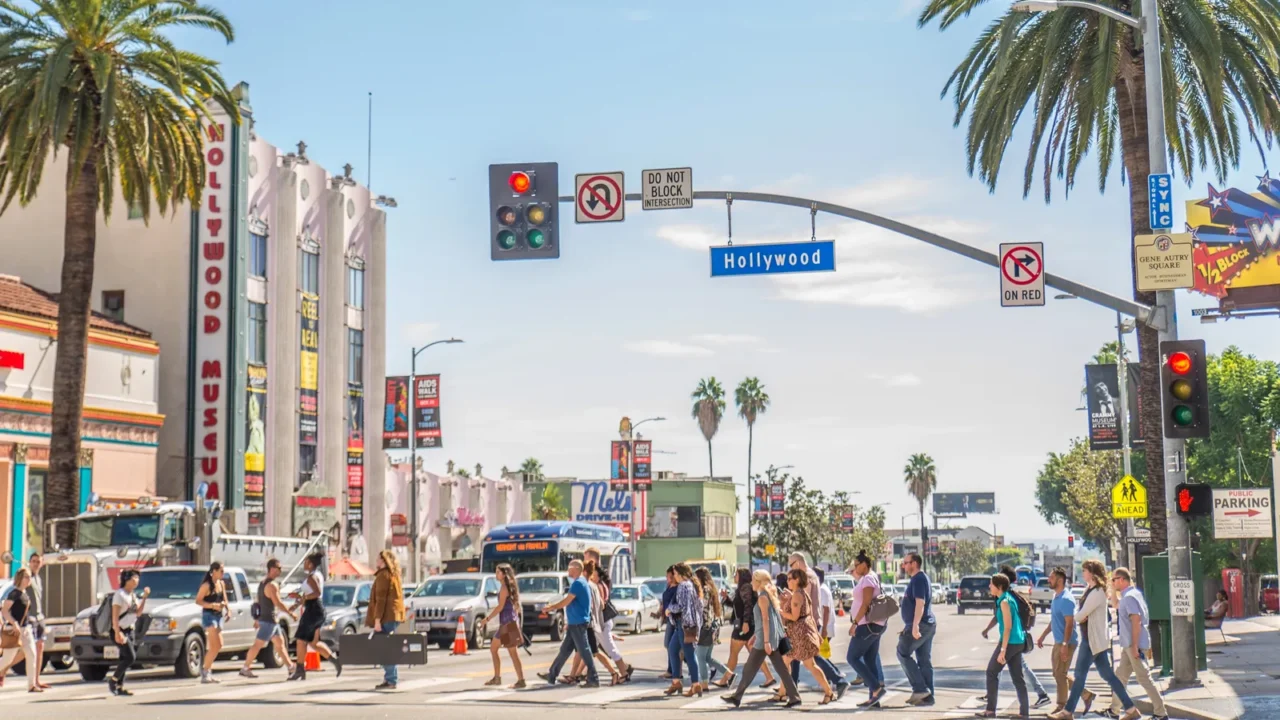
Major hubs like New York City and Los Angeles are expected to remain expensive. Domestic travel may continue costing more than some international options. Pricing trends remain dynamic.

Travel decisions shifting globally
Travel decisions are increasingly influenced by cost comparisons between domestic and international trips. Travelers weigh value, experience, and affordability. This shift is changing travel patterns.
Domestic and international travel markets continue evolving as pricing differences persist. Travelers explore broader options when planning trips. The best trips are the ones that balance comfort and discovery.
Which destinations offer the best value for travelers right now? Share your thoughts below.
This slideshow was made with AI assistance and human editing.
Don’t forget to follow us for more exclusive content right here on MSN.
Read More From This Brand:
