
Discover desert wildlife wonders
Dubai’s desert has long been known for its vast sand and heat, but travelers might be surprised that it is now a thriving wildlife hub. Protected conservation zones in and around Dubai have turned into hotspots for native species and migrating animals. The combination of nature and careful management makes visitors curious to explore and learn more.
The transformation from empty sand to lively habitat happened through law, research, and active stewardship by Dubai’s government. Conservation areas protect wildlife while educating the public about ecosystems in the desert. They now show that harsh landscapes can support rich biodiversity with the right care, so let’s get to it!

Protected lands around Dubai
Dubai has designated multiple protected areas covering deserts, mountains, and coastal wetlands to safeguard wildlife and plants. These reserves are managed using research, conservation planning, and community engagement. Together, they make up a significant portion of the emirate’s land.
Species that once struggled in isolated habitats now have safe spaces for feeding, breeding, and moving freely. Diverse habitats from dunes to oases provide homes for many forms of life. This combination is why desert conservation zones are becoming biodiversity hotspots.
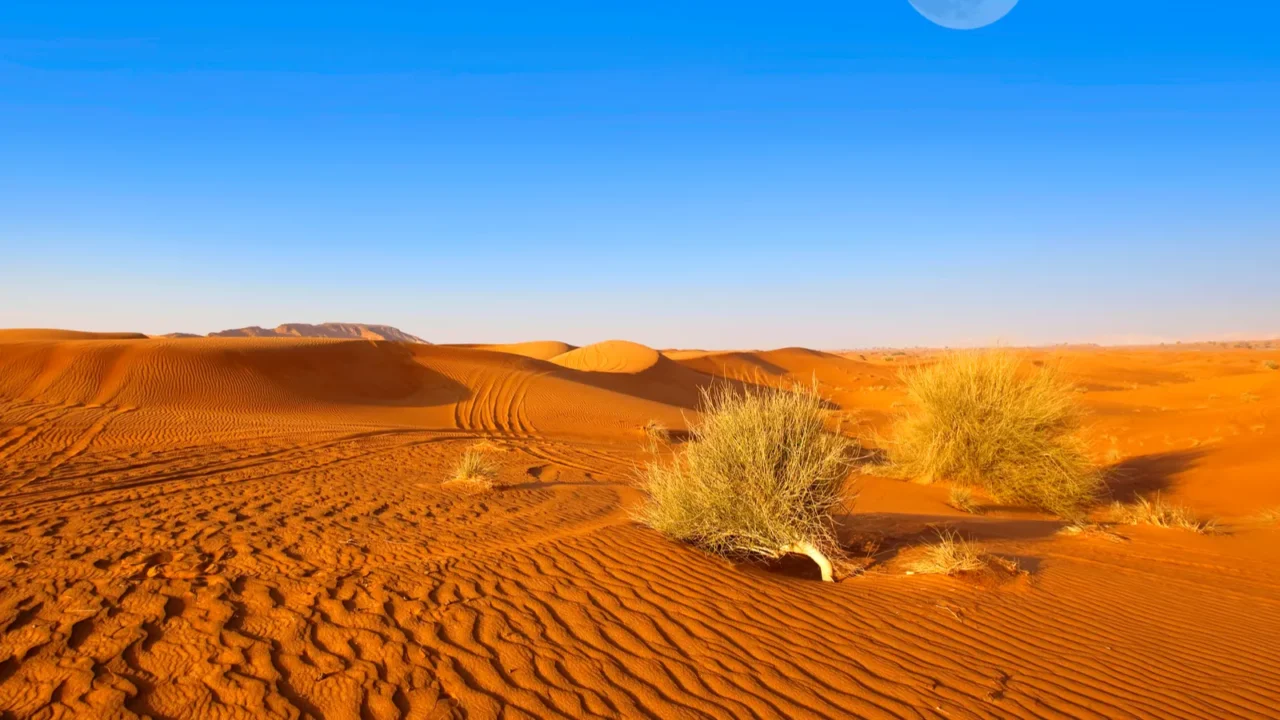
Dubai desert conservation reserve
The Dubai Desert Conservation Reserve is one of the most successful examples of habitat protection and wildlife recovery. It was among the first nature reserves in the United Arab Emirates and remains a model of desert conservation. Visitors can explore protected dunes and shrublands where native species flourish.
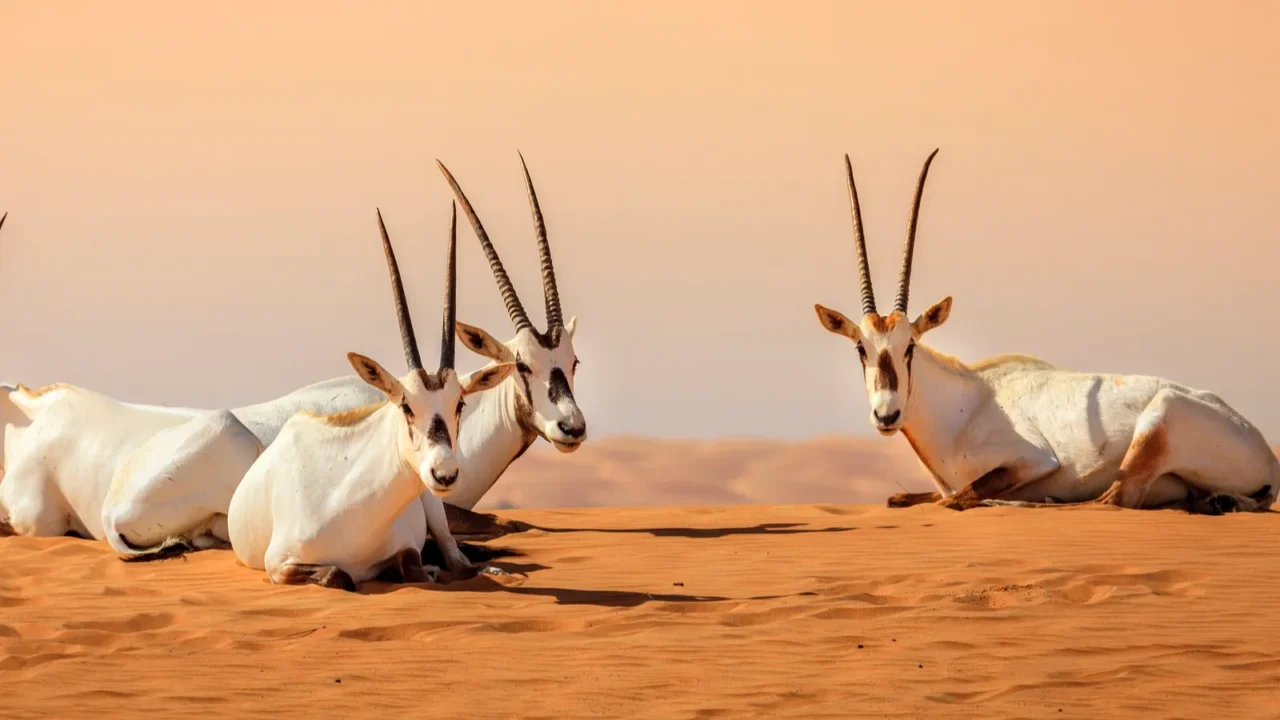
The reserve supports Arabian Oryx, gazelles, desert foxes, reptiles, and birds that rely on undisturbed areas. Conservation has helped some species recover from the brink of extinction. It shows that desert ecosystems can thrive when carefully protected and managed.

Al Marmoom desert reserve
Al Marmoom Desert Conservation Reserve is Dubai’s largest protected area, spanning vast deserts and seasonal waterways. Its open nature allows animals to roam freely, benefiting both residents and migratory species. Bird watchers and nature enthusiasts often find this reserve rewarding for spotting rare species.
Visitors learn that the desert is full of life adapted to dry conditions and seasonal changes. Artificial lakes attract a variety of water birds, blending natural and assisted habitats. Careful recreation and protection make this reserve one of the most diverse environments in the region.
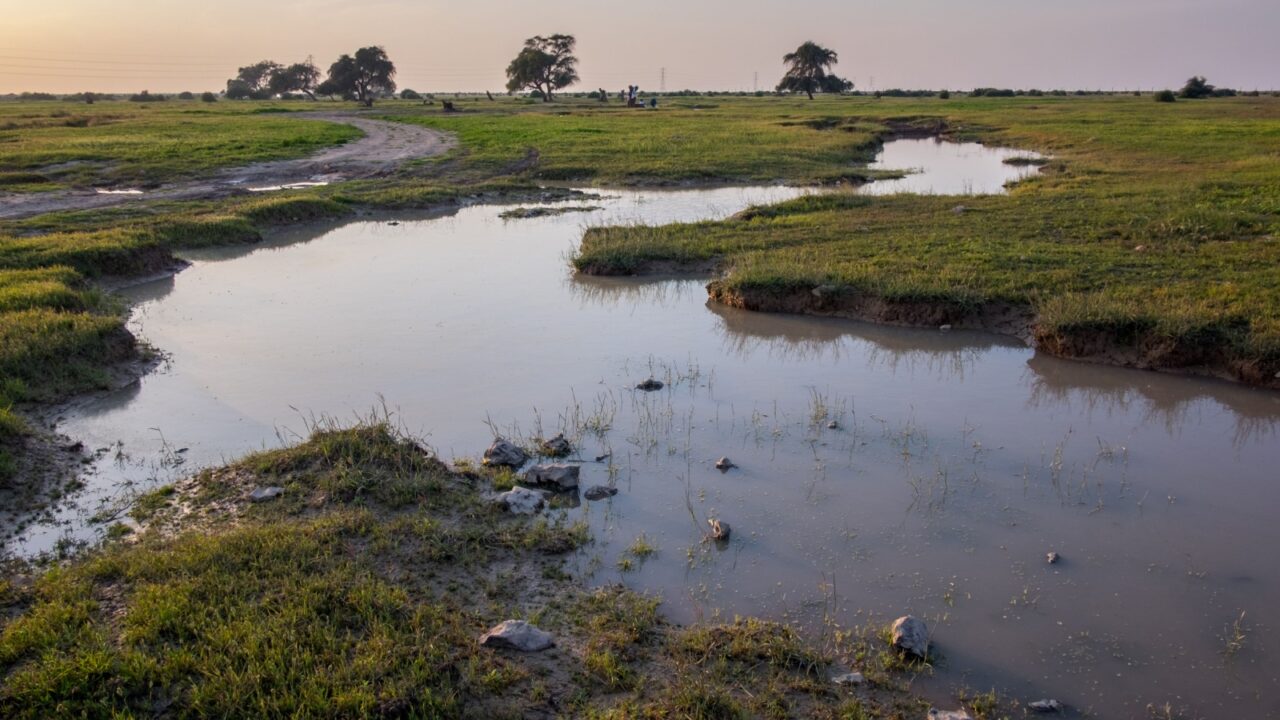
Ghaf Nazwa conservation reserve
Ghaf Nazwa Conservation Reserve is small but plays an important role in supporting desert wildlife. Its groves of ghaf trees provide shade, nesting sites, and shelter for many birds and animals. These trees are culturally and ecologically important and attract species that rely on them.
Travelers might spot reptiles, insects, and birds using the dunes and shrubs for food and protection. Even a small protected area can greatly help vulnerable species. This reserve demonstrates how focused conservation can improve biodiversity on a local level.
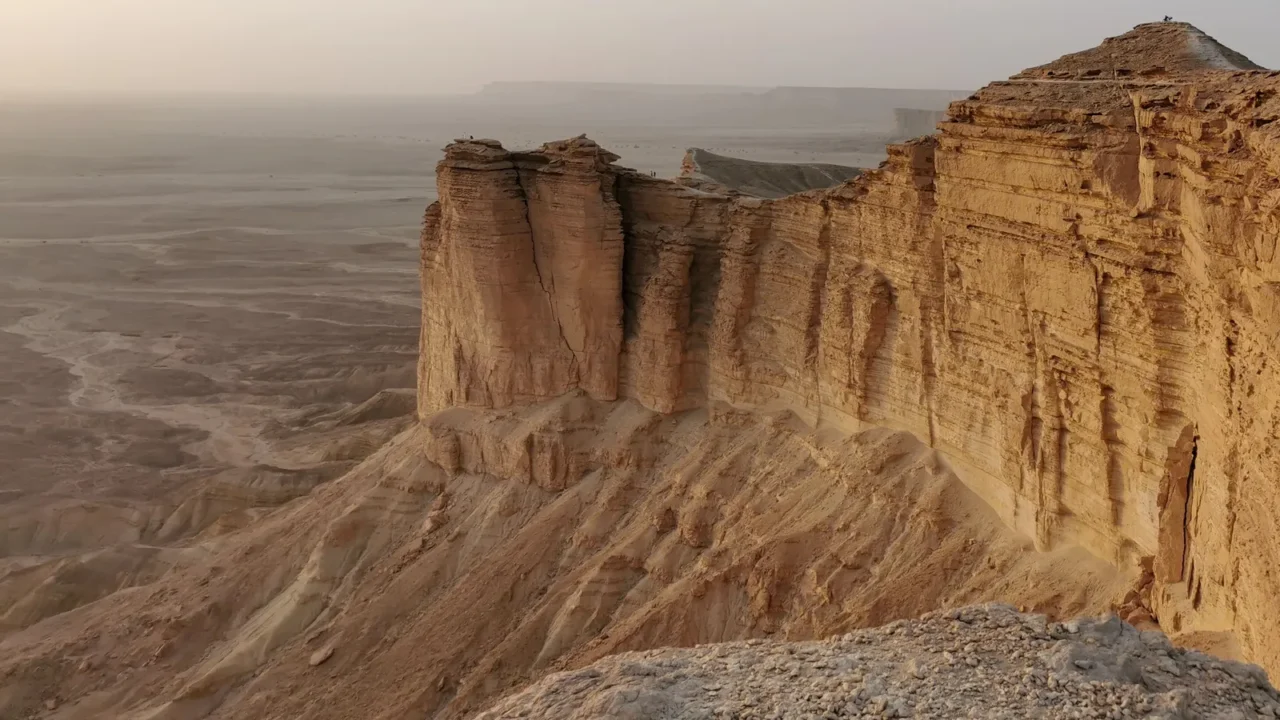
Jabal Nazwa desert reserve
Jabal Nazwa is part of a broader protected desert ecosystem that includes limestone hills and sandy plains, where wildlife finds important refuge. Some animals move between this reserve and neighboring zones, creating important wildlife corridors. These corridors help maintain healthy populations and genetic diversity among desert species.
Despite its size, Jabal Nazwa supports gazelles, oryx, and other mammals that benefit from cross-reserve protection. The landscape also preserves cultural ties to the desert way of life. Visitors can see how nature and heritage connect within a carefully managed ecosystem.

Al Wohoosh desert reserve
Al Wohoosh is a lesser-known protected area that contributes to Dubai’s desert biodiversity. Desert foxes, hedgehogs, reptiles, and native plants thrive in its sandy plains and vegetation. The environment allows species adapted to harsh conditions to survive and reproduce.
Birds use the reserve for feeding and shelter, while seasonal migrants pass through safely. This highlights that even smaller protected areas can have a significant impact. Travelers interested in wildlife and ecosystems find the reserve fascinating and rewarding to visit.
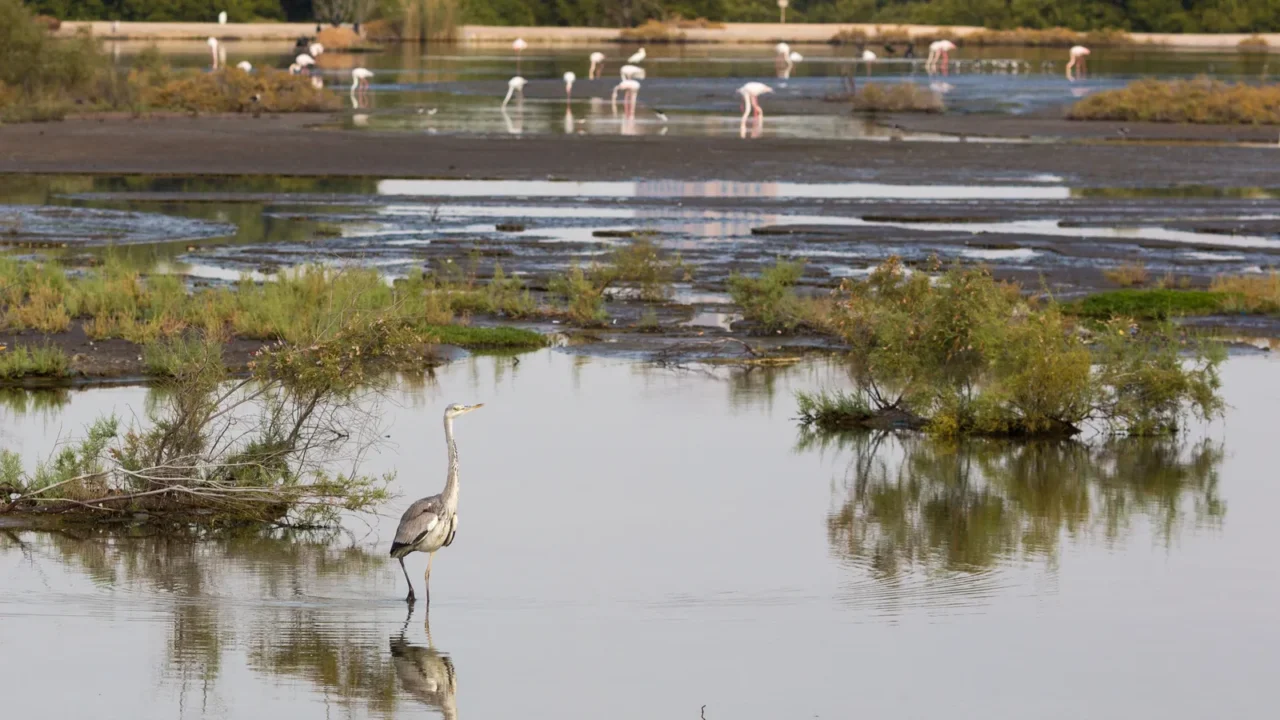
Ras Al Khor wildlife sanctuary
Ras Al Khor Wildlife Sanctuary is a wetland surrounded by urban development and plays a key role in Dubai’s conservation network. In winter, tens of thousands of migratory birds, including flamingos, arrive to feed and rest. The sanctuary provides a rare oasis of biodiversity in the middle of the city.
Its success demonstrates that protected habitats can thrive even in urban areas. It also shows that a combination of deserts, wetlands, and coastal zones supports wildlife across the emirate. This network of habitats strengthens biodiversity and provides educational opportunities.
Why zones become hotspots
Desert conservation zones in Dubai protect critical habitats in a region experiencing rapid development. Limiting human disturbance allows animals to feed, breed, and live undisturbed. Species that once struggled in fragmented areas now have continuous terrain to roam freely.
Protected landscapes provide essential food, water, and shelter that are rare in arid climates. Populations of endangered species like Arabian Oryx and gazelles have grown due to conservation. This is why Dubai’s deserts are emerging as thriving wildlife destinations.

Role of science and management
Scientific management and planning have been key to transforming deserts into wildlife havens. Dubai authorities monitor habitat health, track species, and adjust conservation strategies. Community programs educate people about the importance of desert ecosystems.
Breeding programs, land restoration, and awareness initiatives help maintain healthy populations. Active management ensures ecosystems remain resilient despite harsh desert conditions. It demonstrates how protection and research can sustain biodiversity over time.
Wildlife visitors might see
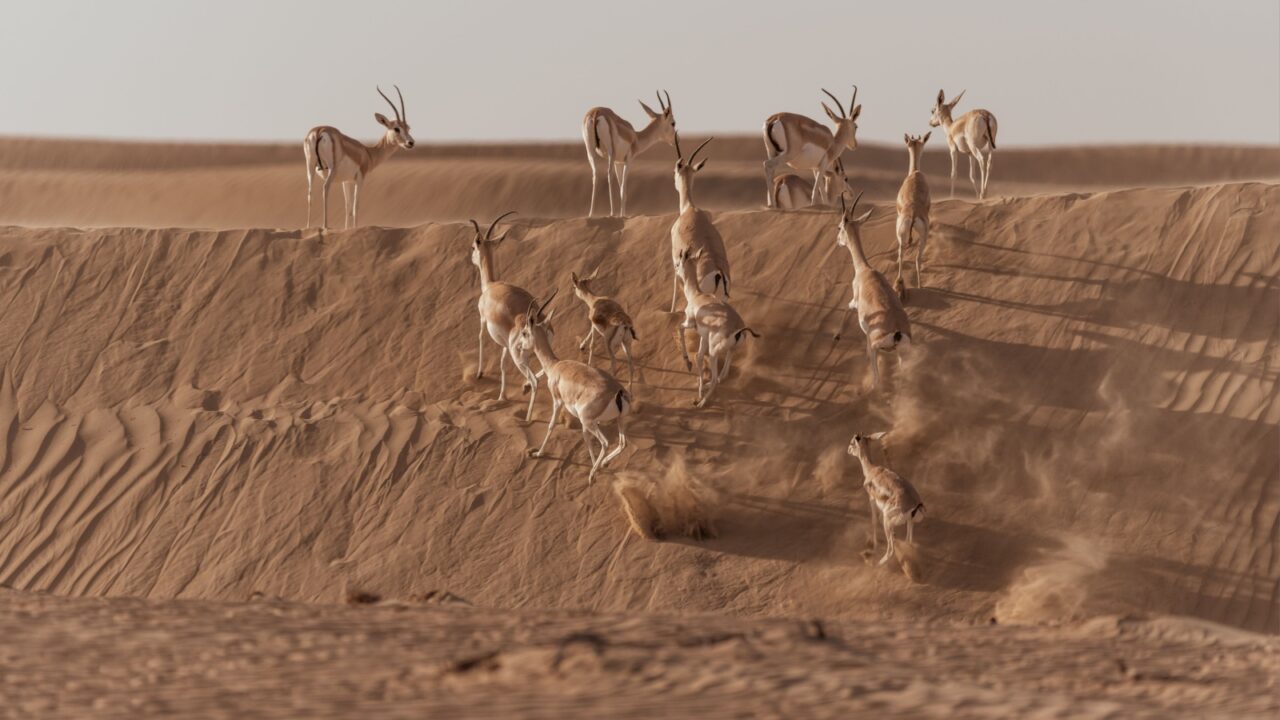
Visitors to Dubai’s desert reserves can spot Arabian gazelles moving through dunes or lizards basking on sunlit rocks. Birds of prey, including the Pharaoh Eagle Owl, use these areas for nesting and hunting. Small mammals, reptiles, and seasonal migrants reinforce how lively these deserts are.
These wildlife sightings create unforgettable experiences for travelers interested in nature or photography. Observing species adapted to extreme conditions shows how resilient life can be. It also highlights the hidden richness of desert ecosystems that many overlook.
Tips for visiting zones
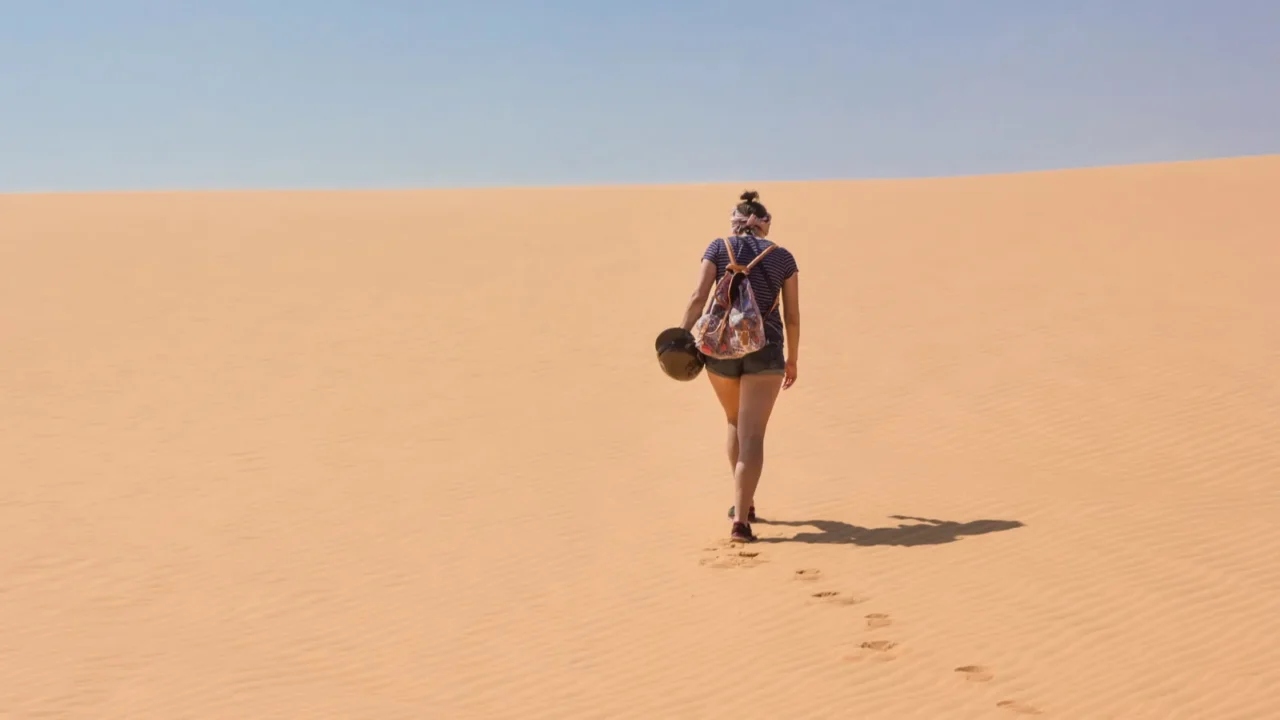
When exploring desert conservation zones, travelers should follow signs, stay on paths, and keep a distance from wildlife, a practice also encouraged at influencer-approved desert glamping spots in Jordan’s Wadi Rum. Guided tours and observation points allow safe viewing without disturbing habitats. Visiting during cooler parts of the day ensures comfort while exploring fragile environments.
Bird-watching, photography, and mindful walks let travelers enjoy nature responsibly. Observing local plants and animal tracks tells the story of life in the desert. Conservation and eco-tourism work together to protect these habitats while letting people experience them.
Reflect on conservation success
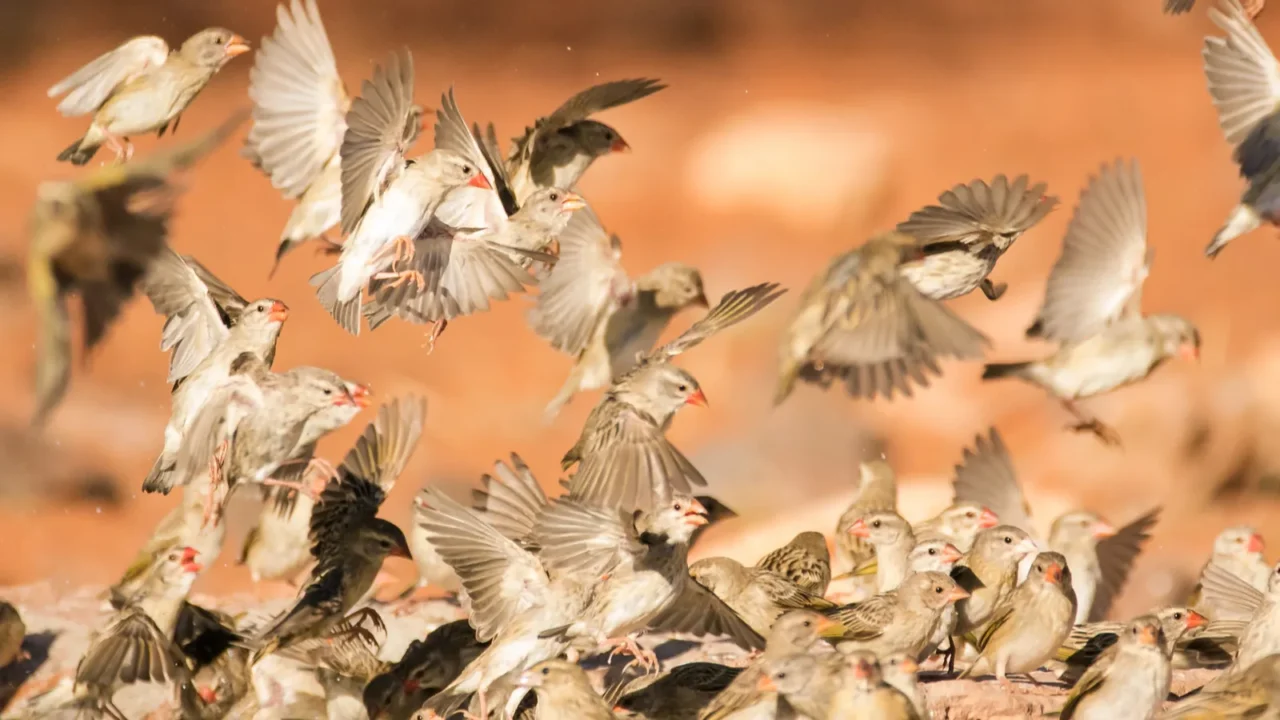
Dubai’s conservation zones prove that even harsh deserts can support vibrant wildlife with proper care and management. From gazelles roaming open plains to migratory birds filling wetlands, biodiversity thrives in these protected areas. They stand as examples of how desert ecosystems can be preserved and celebrated.
Travelers and residents can appreciate how protected spaces enhance both nature and human experience. Which of these desert wildlife hotspots would inspire your next visit or wildlife story? Share thoughts and experiences in the comments.
This slideshow was made with AI assistance and human editing.
Don’t forget to follow us for more exclusive content right here on MSN.
Read More From This Brand:
