A different kind of appeal
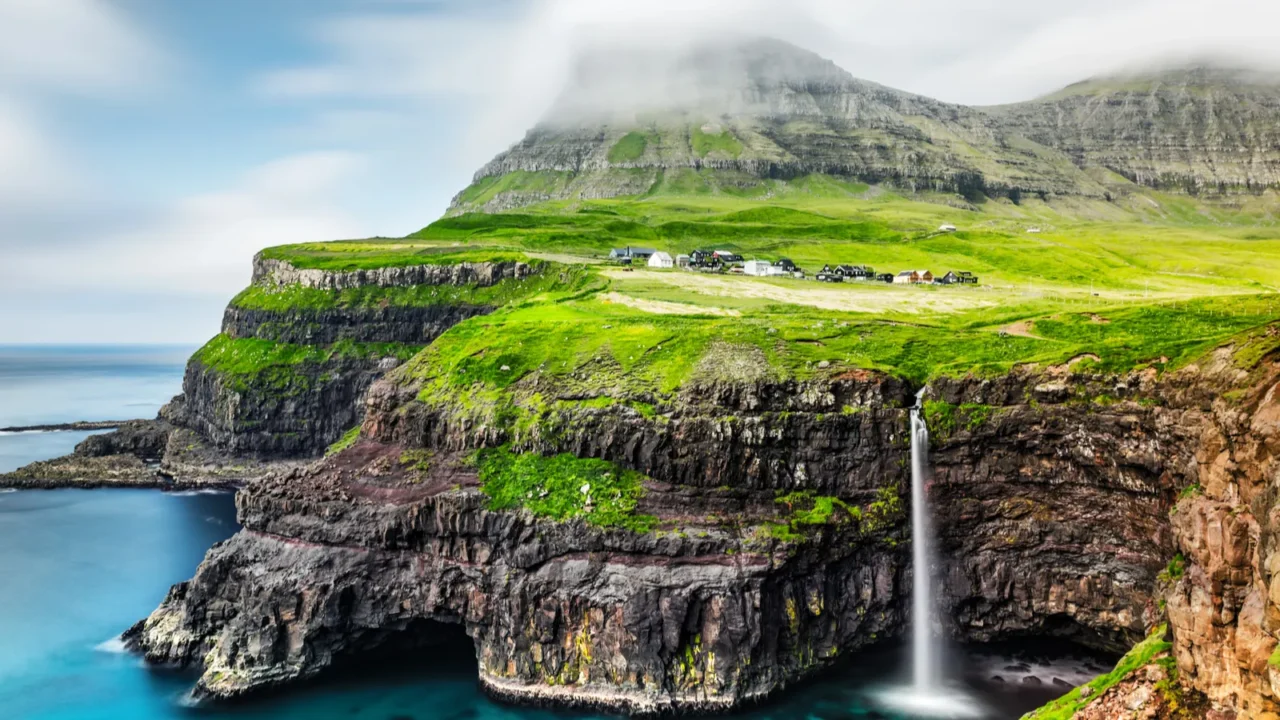
In the North Atlantic, the Faroe Islands feel untouched and quietly dramatic. Cliffs drop into the sea, villages sit peacefully, and crowds are noticeably absent. That calm is not accidental; it’s carefully protected.
Instead of chasing mass tourism, the islands chose restraint. Fewer visitors have actually increased curiosity and global interest. Let’s explore what makes them unique!
Where the Faroes sit
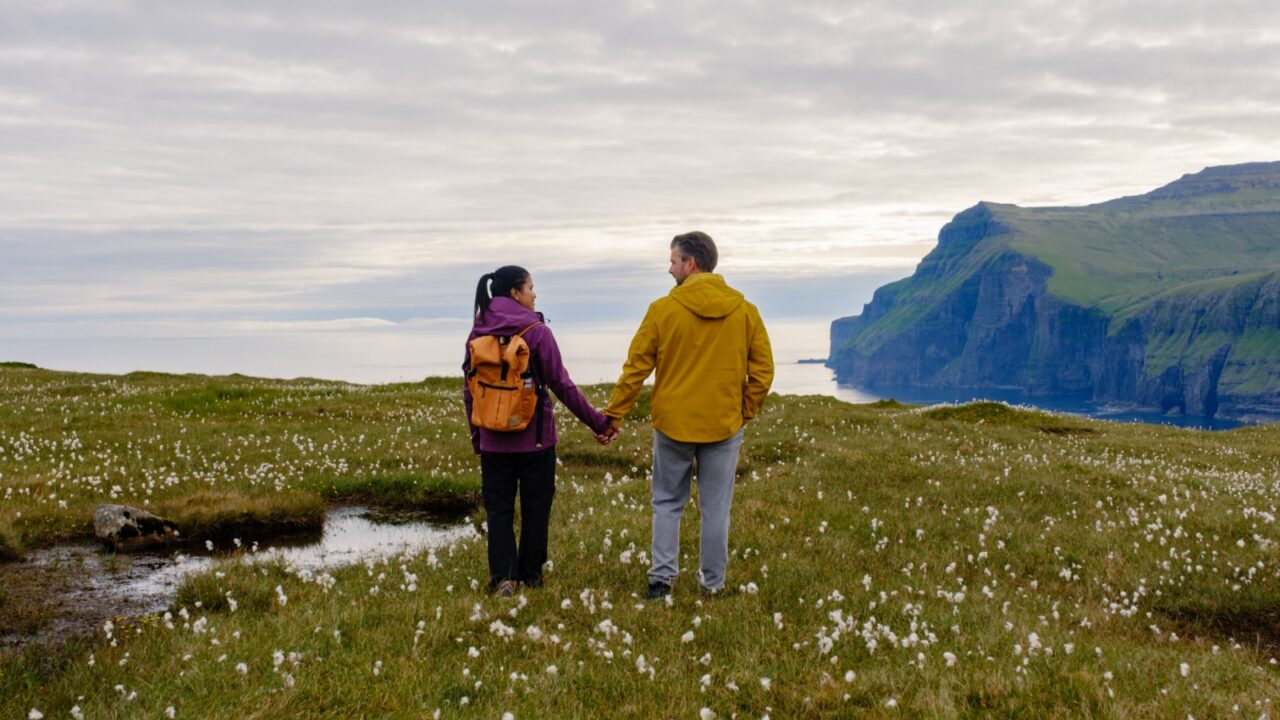
The Faroe Islands are located between Iceland and Norway. They belong to the Kingdom of Denmark but feel culturally distinct. Isolation has shaped both the landscape and lifestyle.
Small towns like Tórshavn and Gjógv move at a slow pace. Roads wind through mountains rather than busy cities. That setting defines the travel experience.
Tourism with limits
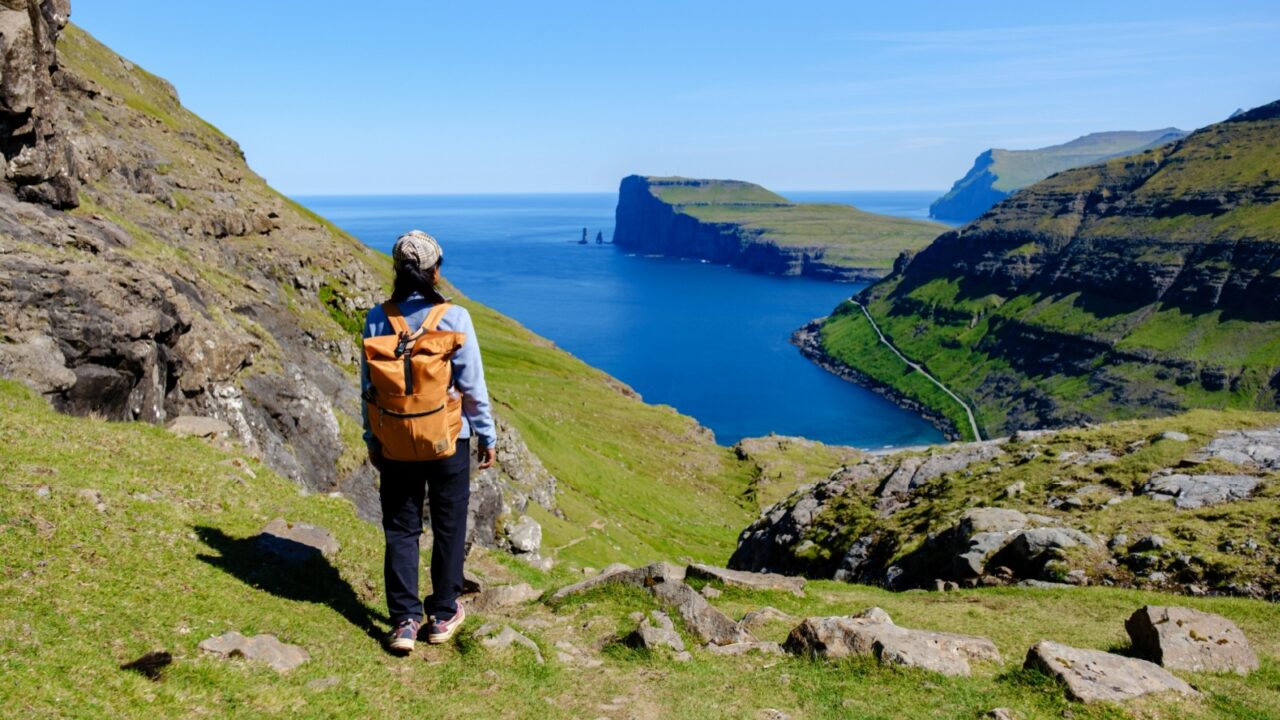
In recent years, the Faroe Islands introduced visitor limits. Popular hiking trails and sites now require reservations or guided access. The goal is protection, not restriction.
Officials want to prevent erosion and environmental damage. Fragile cliffs and grasslands need time to recover. Limiting numbers helps preserve what makes the islands special.
Closed for maintenance
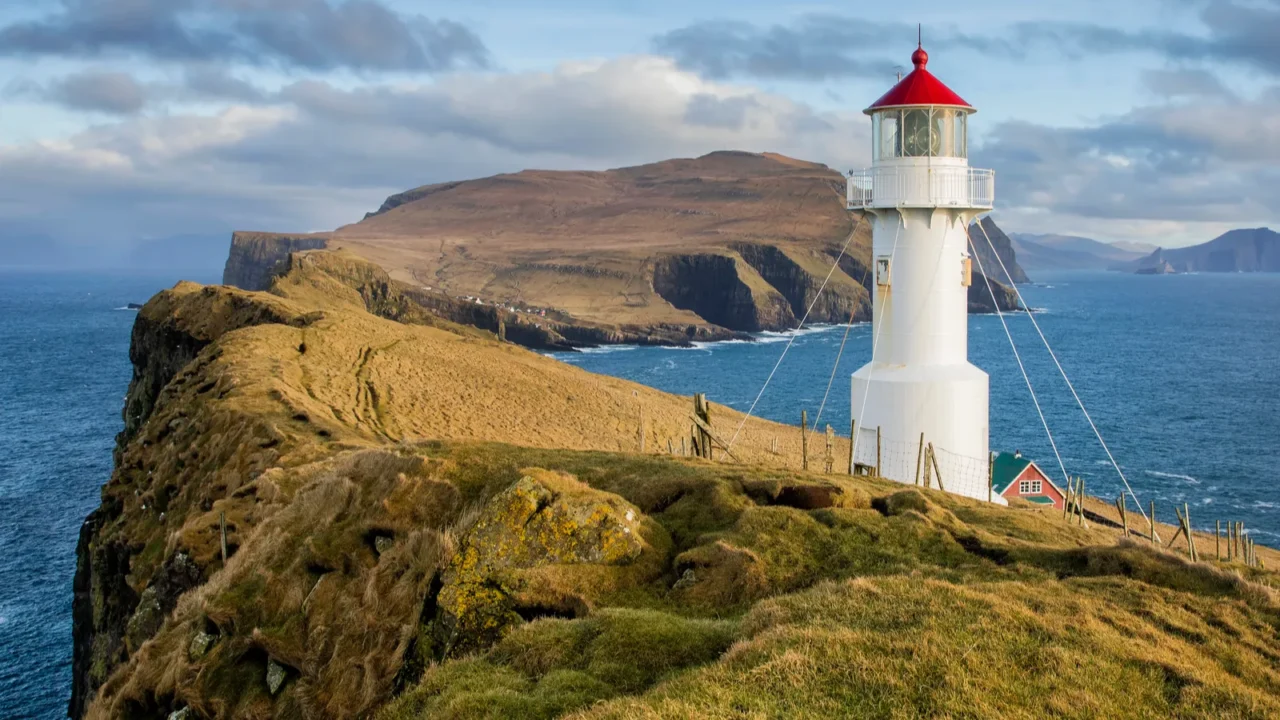
The islands gained attention through their Closed for Maintenance program. Once a year, they temporarily close to regular tourists. Volunteers help repair trails and protect the natural environment.
This approach reframed tourism as responsibility. It also attracted international praise and media attention. Curiosity grew instead of fading.
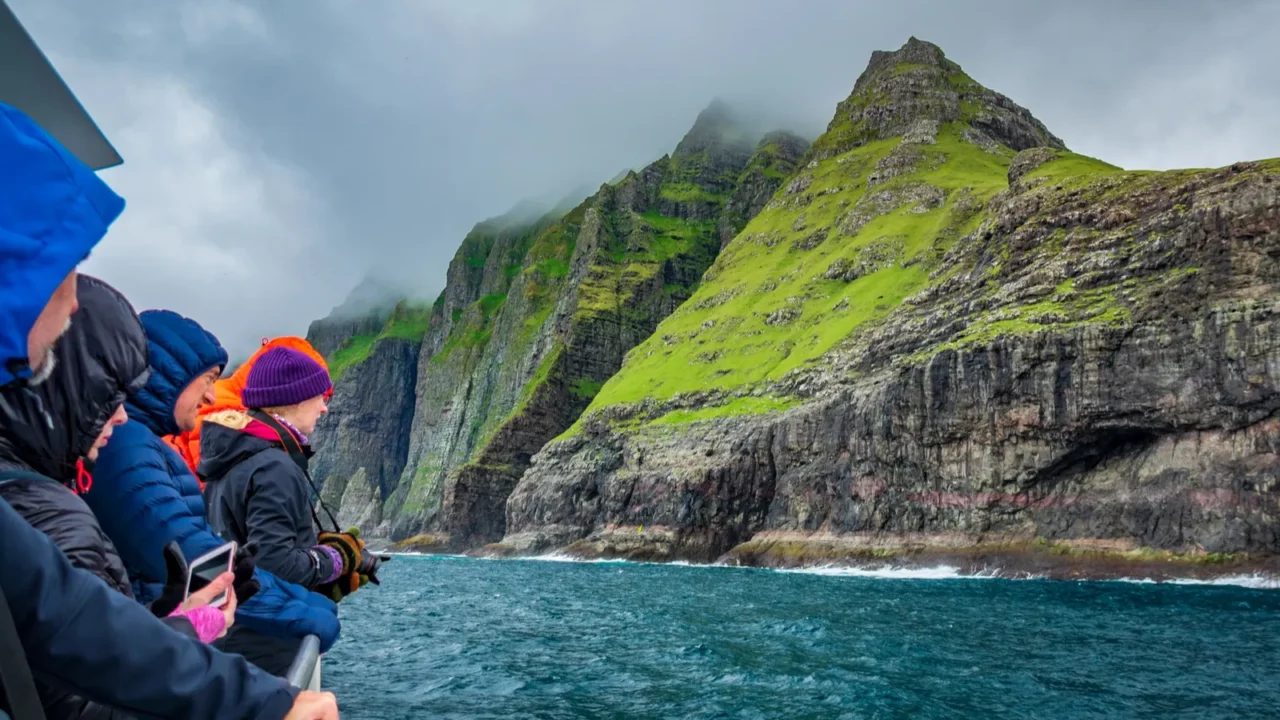
Fewer crowds feel better
With fewer visitors, natural sites feel peaceful. Places like Mulafossur Waterfall remain quiet even during peak seasons. Travelers can enjoy views without pressure or noise.
That calm transforms the emotional experience of being there. Experiences become slower and more personal. Many visitors describe it as refreshing.

Nature stays intact
The Faroe Islands are known for dramatic cliffs and birdlife. Puffins, sheep, and seabirds thrive when ecosystems are undisturbed. Reduced foot traffic protects nesting areas.
Hiking paths remain narrow and natural. Landscapes look wild rather than worn down. Preservation enhances long-term beauty.
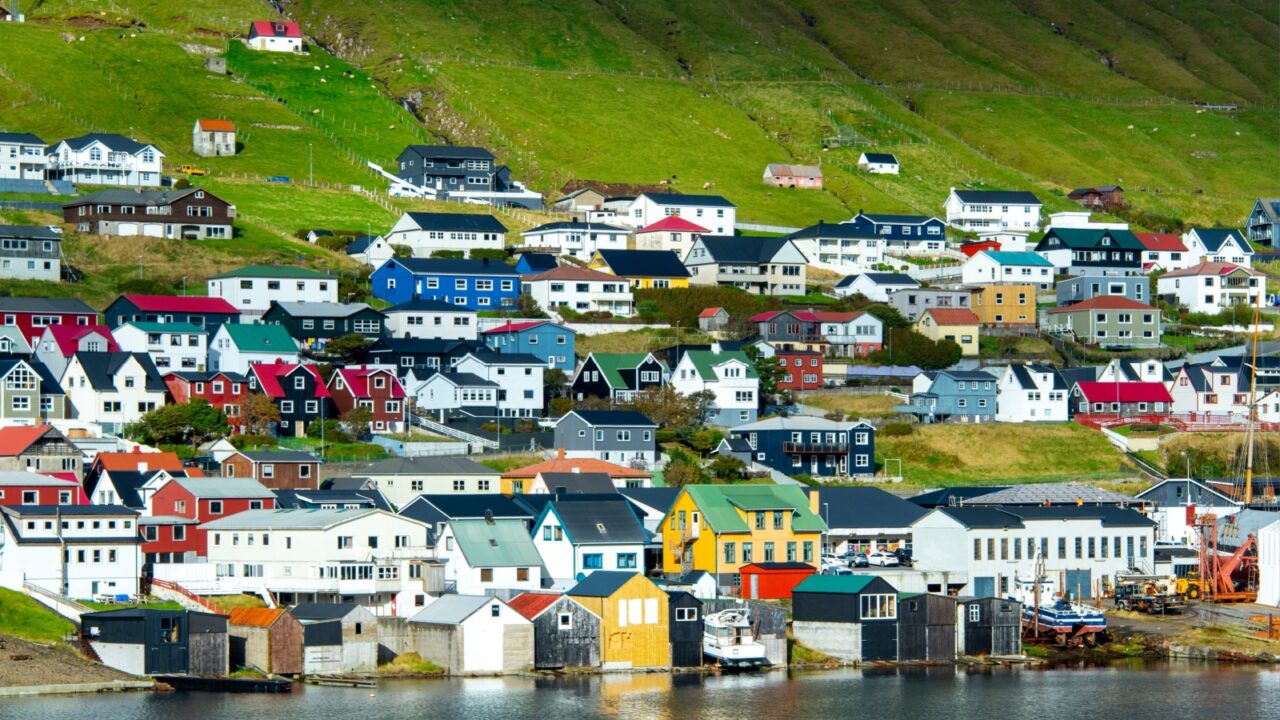
Villages stay authentic
Small villages like Saksun and Kirkjubour avoid becoming tourist zones. Daily life continues without souvenir shops dominating the streets. That authenticity leaves a lasting impression.
Residents interact naturally with visitors. There’s less performance and more real connection. Travelers often value that honesty.
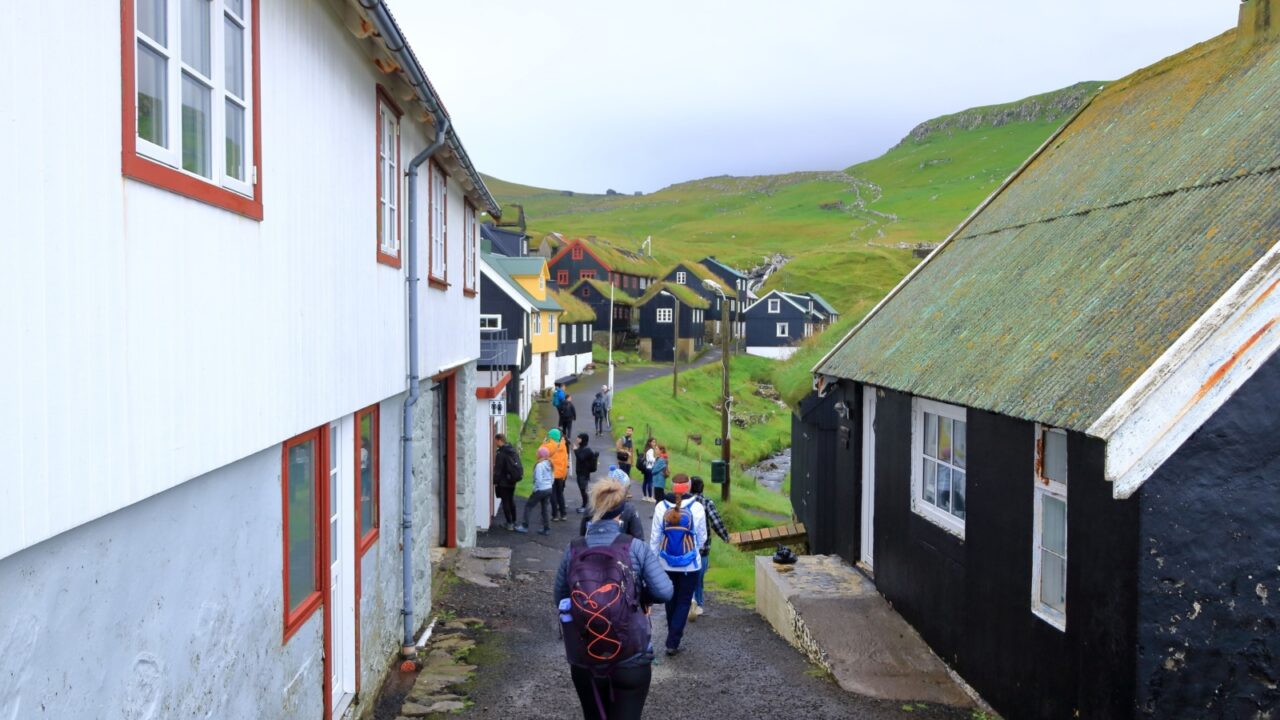
Quality over quantity
Tourism here focuses on meaningful experiences. Guided hikes, local food, and cultural storytelling take priority. Fast sightseeing is not the goal.
This attracts travelers seeking depth. Fewer visitors often spend more time exploring. The economy benefits without overcrowding.
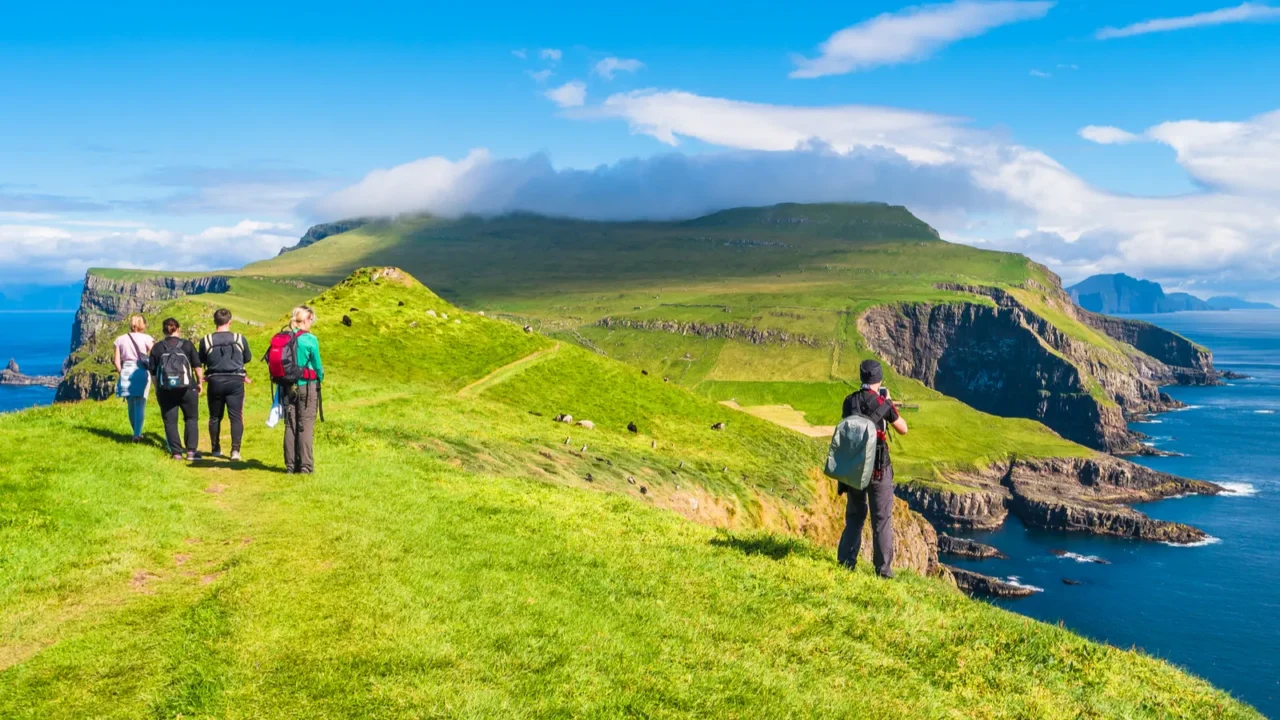
Weather controls travel
The islands are known for unpredictable weather. Fog, wind, and rain shape daily plans. Nature still sets the schedule.
Limited tourism aligns with these conditions. There’s no pressure to force access. Flexibility becomes part of the experience.

Social media effect
Images of empty cliffs and quiet roads spread online. The lack of crowds makes the islands look even more appealing. Silence has become part of the brand.
Travelers increasingly seek places that feel rare. The Faroe Islands stand out by staying restrained. That contrast fuels popularity.
Respect replaces rush
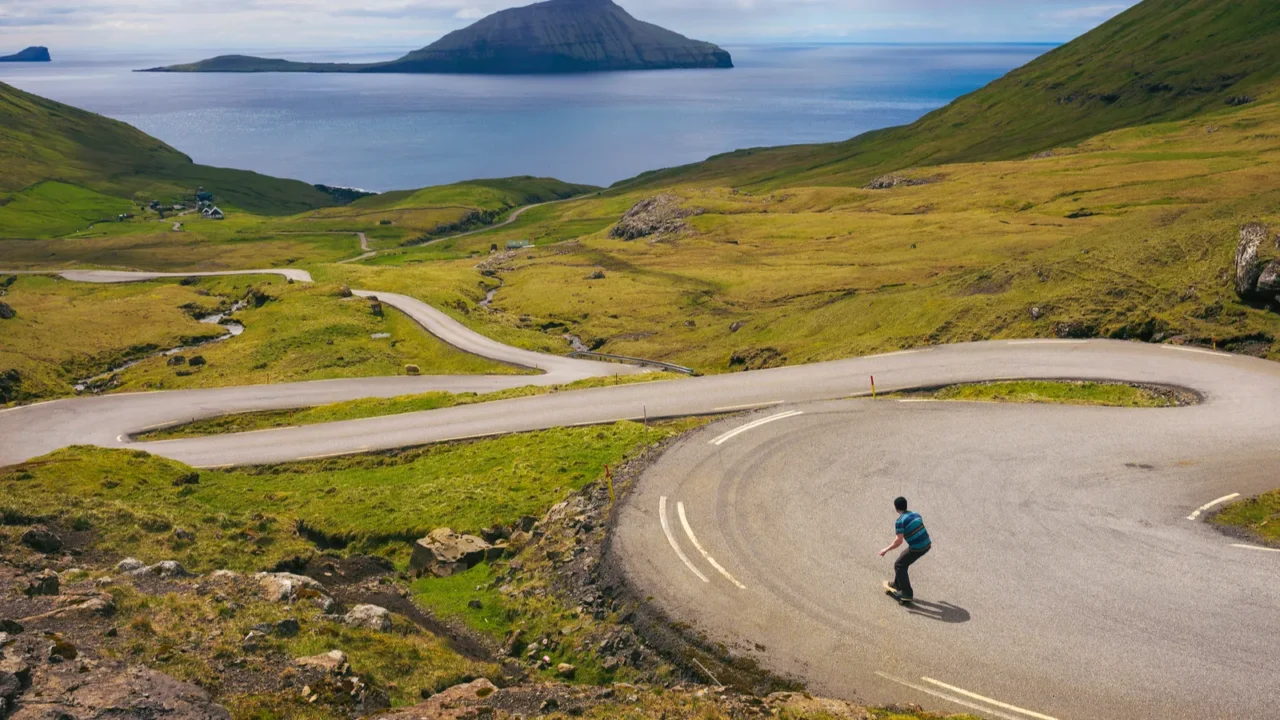
Visitors are encouraged to follow local guidelines. Trails, sheep lands, and coastlines are treated with care. Respect shapes the journey.
This mindset changes traveler behavior. People slow down and observe more. The islands reward patience.
A growing reputation
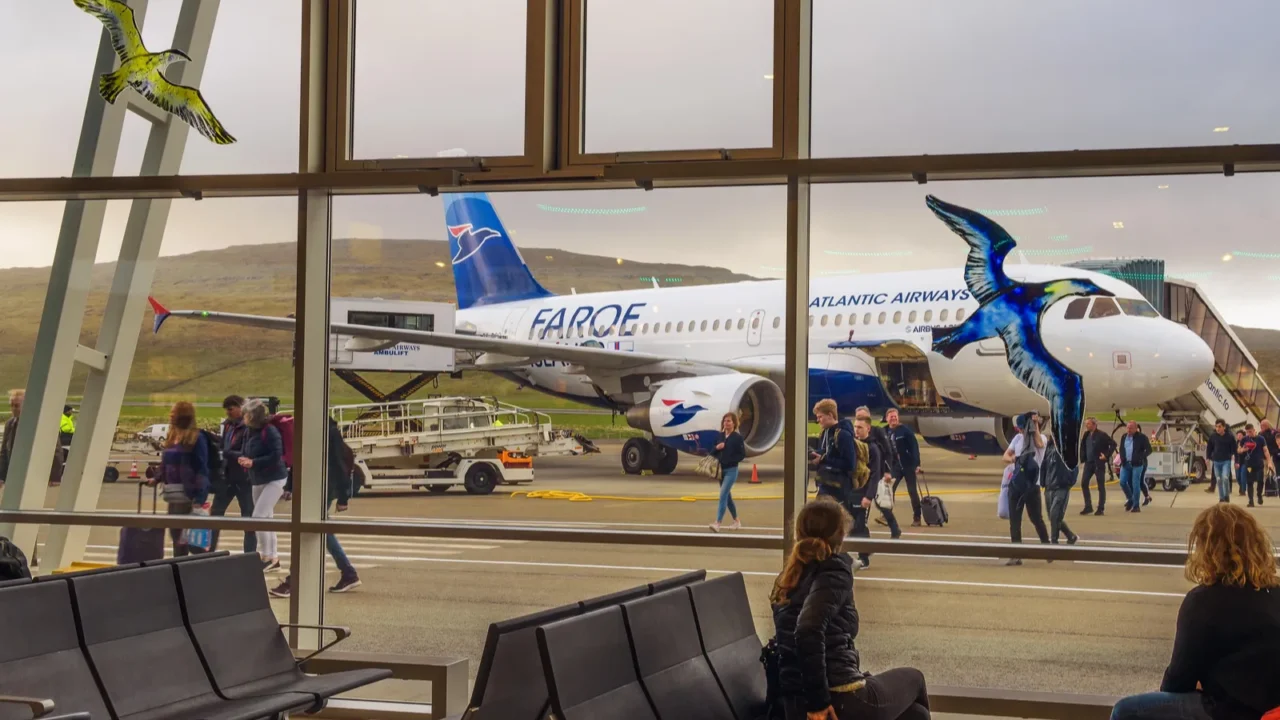
Despite limits, interest in the Faroes keeps rising. Flights and accommodations still book out during summer, showing demand hasn’t disappeared. This growing curiosity also connects to bigger questions in travel, like whether floating airports could be the future of island travel.
Instead, interest has become more intentional and considered. Travelers plan carefully, stay longer, and move with purpose. That balance feels sustainable for remote islands like the Faroes.
Less truly feels more
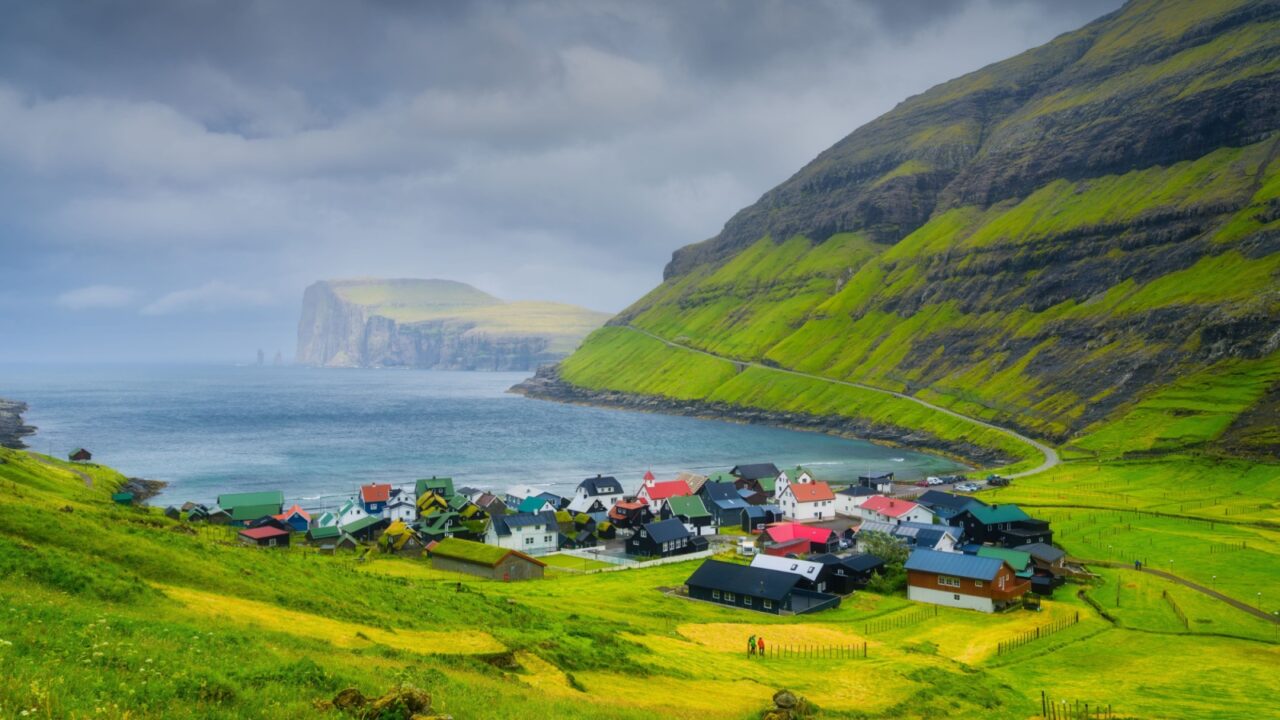
The Faroe Islands prove that fewer visitors can create richer travel experiences. Quiet landscapes, preserved culture, and thoughtful access define the journey. Popularity doesn’t always mean crowds.
The most memorable destinations protect what makes them special. Limiting access can deepen appreciation rather than reduce it. Would destinations with fewer visitors make future travels more meaningful? Share your thoughts below.
This slideshow was made with AI assistance and human editing.
Don’t forget to follow us for more exclusive content right here on MSN.
Read More From This Brand:
