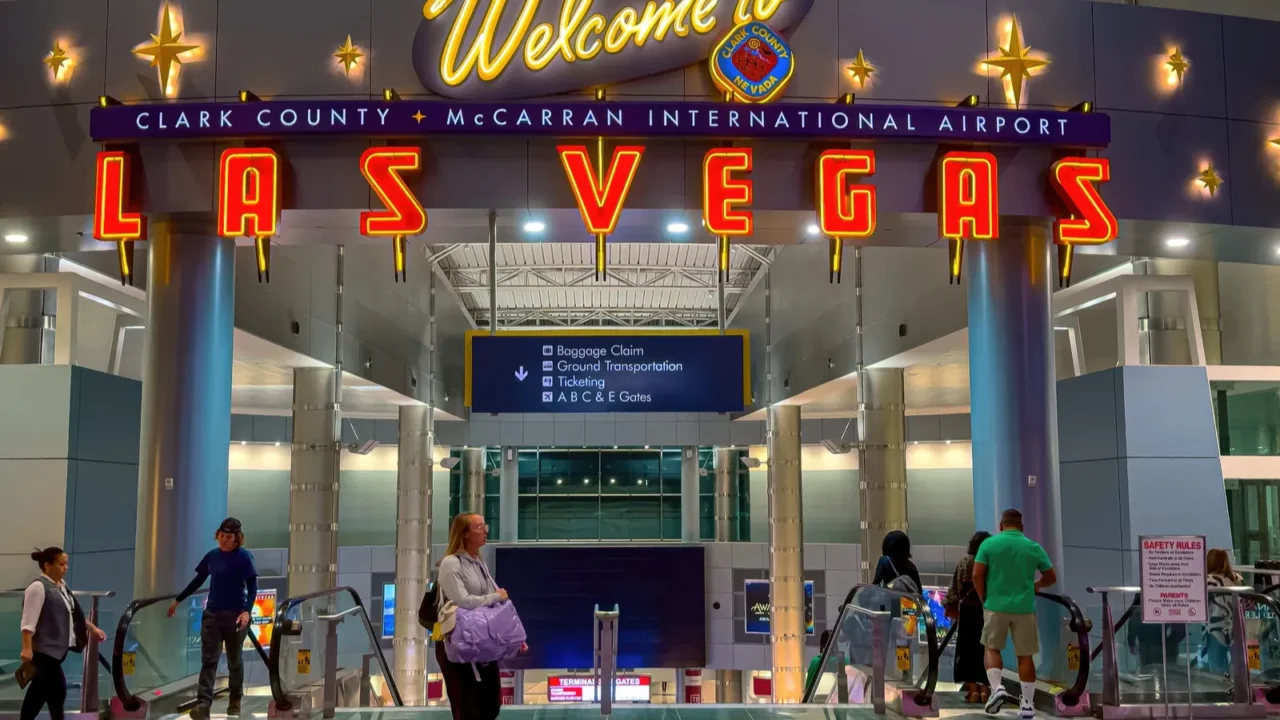
Harry Reid International airfare rises
Las Vegas remains a top U.S. destination for conventions and leisure, as Harry Reid International Airport handled nearly 55 million passengers in 2025, its third-highest annual total, underscoring strong overall demand even as some international markets softened.
Harry Reid International Airport in Las Vegas has seen various cost changes affecting airline pricing and traveler expenses in 2026. Clark County officials approved increased airport rates that airlines must pay to use gates, terminals, and turn aircraft beginning mid-year. These higher airport charges often get passed on to airline ticket pricing and contribute to more expensive flights into Las Vegas for travelers. Let’s get to it!
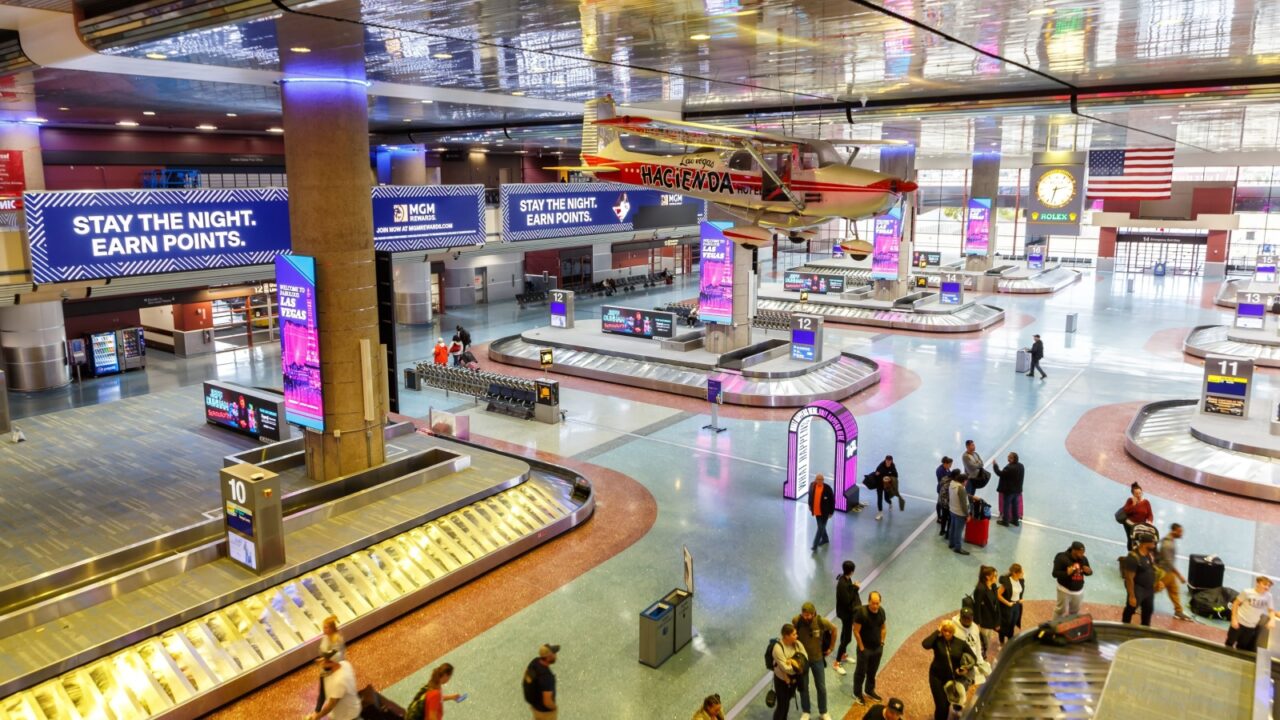
Las Vegas flight demand rose
Las Vegas flight demand has been resilient despite the slower international tourism in early 2026. A notable drop in Canadian travelers has decreased some airline capacity into Harry Reid International Airport, pushing carriers to optimize pricing on remaining seat inventory. With fewer total seats available from some international markets, travelers often see higher average prices when demand outweighs supply.
High domestic travel interest for entertainment and events around the Las Vegas Strip typically draws heavy airline demand. Airfares on popular dates and weekend arrival days often stay elevated because many travelers seek direct flights into the city. When airlines detect high booking volumes early, they adjust prices upward to balance loads and revenue.
Airline seat supply falls
Airlines have reduced some flight frequencies to Las Vegas during parts of late 2025 and into 2026, contributing to tighter seat availability. Seat capacity from some Canadian markets fell sharply in 2025 and into early 2026; industry tracking indicates Canadian capacity into Las Vegas dropped to its lowest level (absent the pandemic) since 2006, driven by carrier cuts and weak demand. With fewer seats offered, popular routes into Sin City can command higher ticket prices as travelers compete for limited options.
Several low-cost carriers cut routes and trimmed schedules in 2025 and signalled further network reductions for 2026 — Spirit, for example, announced planned schedule cuts and network reductions as part of its restructuring, reducing competitive pressure on some routes. When competition wanes, remaining carriers often hold pricing power and resist lowering base fares. As a result, overall ticket pricing to Las Vegas remains higher than in periods with more airline options.
Airline operational costs rise
Aviation industry data shows rising operational costs from staffing shortfalls, maintenance backlogs, and supply chain challenges. Airlines face higher labor and parts expenses, and these cost pressures contribute to less seat expansion and higher average fare pricing across many major U.S. destinations. Ticket prices are influenced by airlines needing to cover these costs rather than absorbing them on highly competitive routes.
Inflation also continues to affect the airline sector broadly, raising costs for fuel, crew, and ground operations. Airlines often allocate these added operating expenses into ticket pricing or ancillary fees. Combined with tight seat supply, these factors help explain why flights into Las Vegas are frequently pricier than in past years.
Airfare higher at peak times
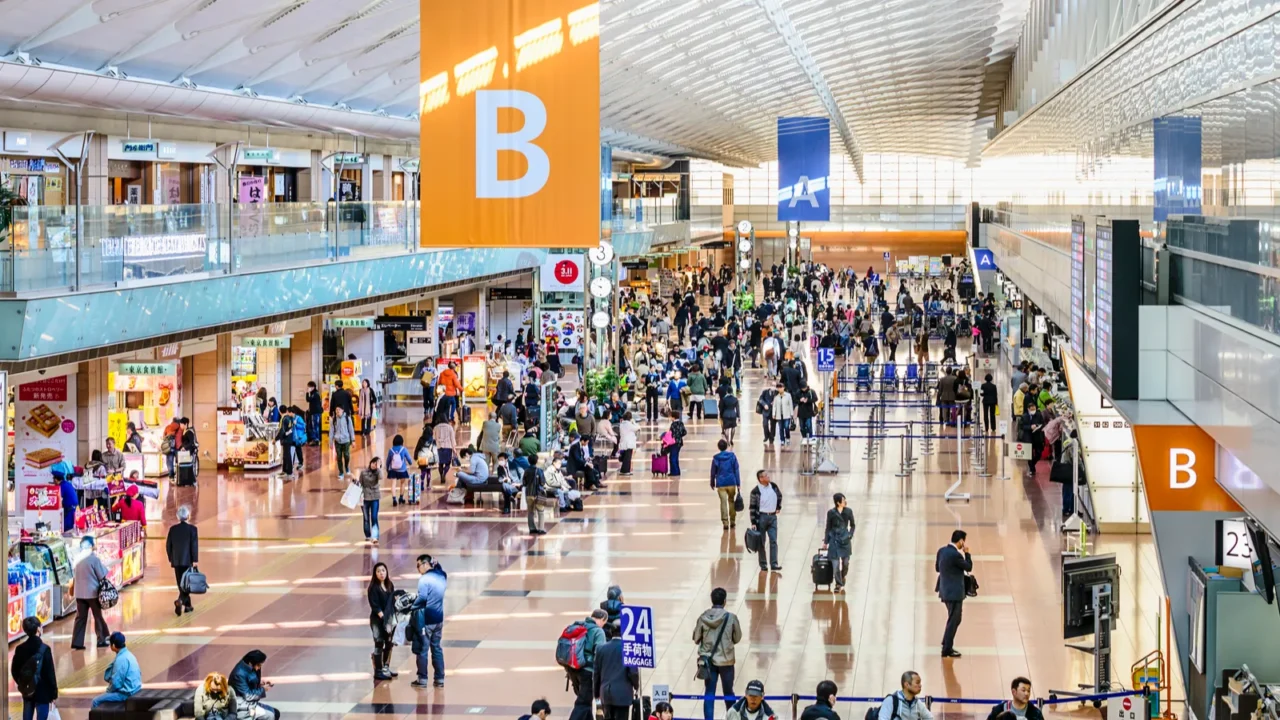
Flights into Las Vegas tend to be more expensive around peak leisure travel windows, such as Spring Break, major conventions, and holiday weekends. Historically, carriers price inventory higher on dates with heavier booking activity because they expect strong demand. Midweek travel and shoulder seasons often show lower average fares, while weekend and prime times show higher pricing.
Booking patterns show travelers paying premiums for flights near big Las Vegas events like major shows or sports weekend escapes. Airlines use dynamic pricing models that raise fares as flights fill up closer to departure. These pricing strategies mean that planning travel timing matters significantly for overall fares.
Airport fees impact airfare
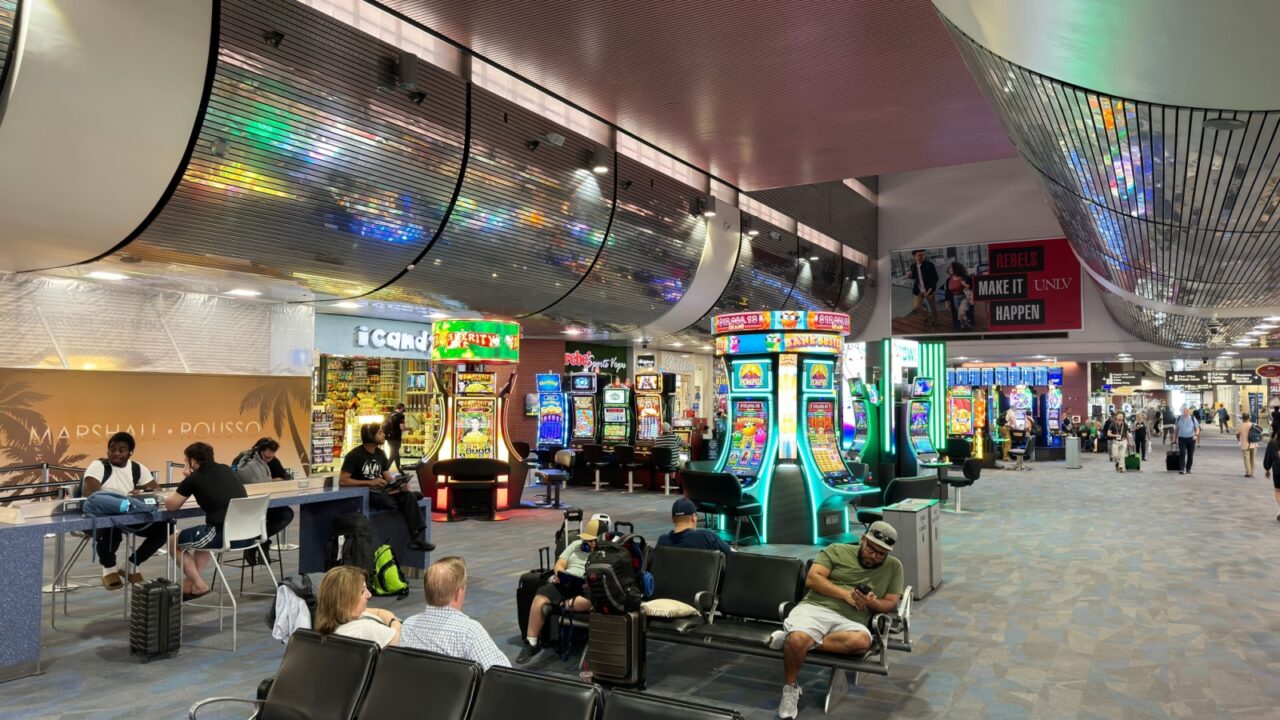
Harry Reid International Airport’s fees are among the factors airlines consider when setting ticket prices. Increased costs for landing, parking, and terminal use are usually passed down in some way to passenger fares. These fees are a regular part of airline operational costs that can elevate the base price of flights into Las Vegas relative to some other U.S. cities.
Airport taxes and passenger facility charges can also vary widely between cities, and Las Vegas often sits near the higher end of these charges. Travelers often pay more in combined fees and taxes even after securing a low base fare. Understanding this breakdown helps holidaymakers see why actual flight charges can feel high.
Airline competition affects pricing
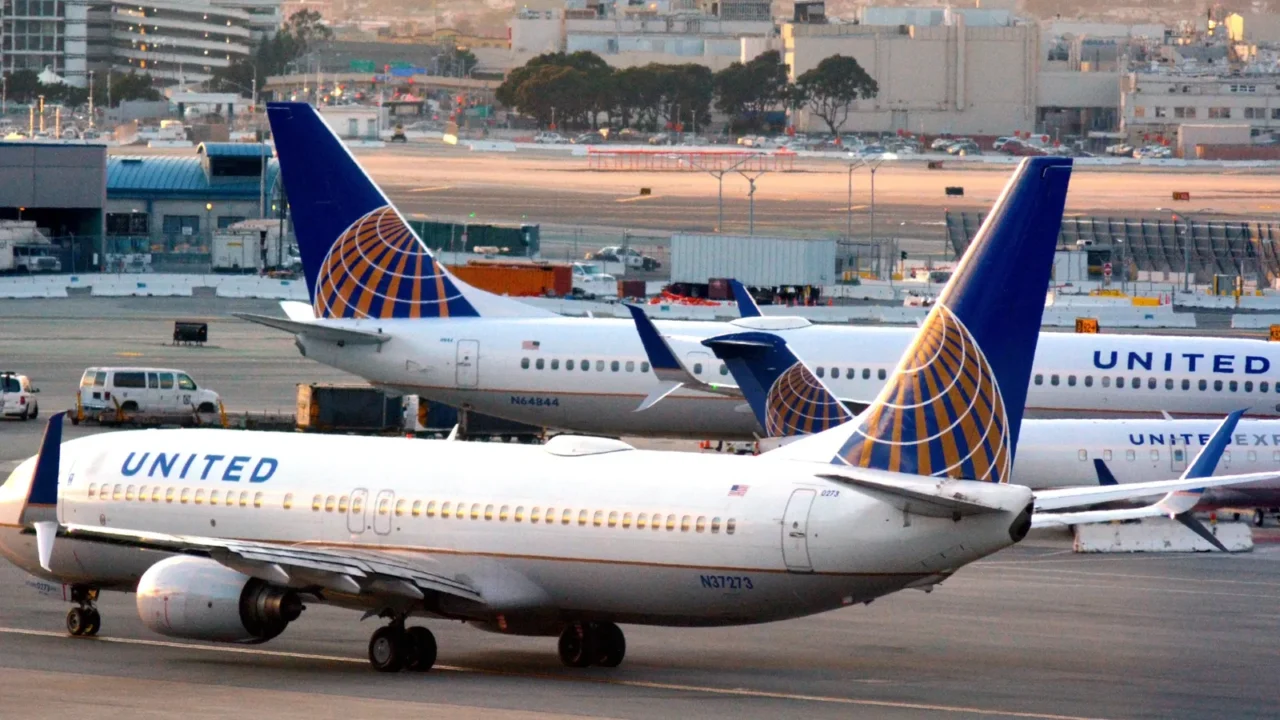
Routes with multiple carriers competing can show more fare variability and occasional lower prices. However, consolidated airline networks and reduced competition on certain path segments mean fewer carriers bid down fares. With fewer direct options from some markets, carriers holding monopoly or near-monopoly status on popular Las Vegas routes often keep pricing stronger.
Frontier and other budget airlines have announced new route expansions for broader U.S. access, which could ease pressure over time. These expansions may introduce more seat inventory and competition from secondary gateways. Increased service from low-cost carriers typically influences average pricing downward if supply grows faster than demand.
International market shifts matter
Several markets, especially Canadian departures, show lower flight capacity leading into 2026. That shift means fewer international visitors flying directly into Las Vegas, reducing airline offerings in those segments. With less route depth, remaining flights can carry higher average pricing due to scarcity and limited booking options.
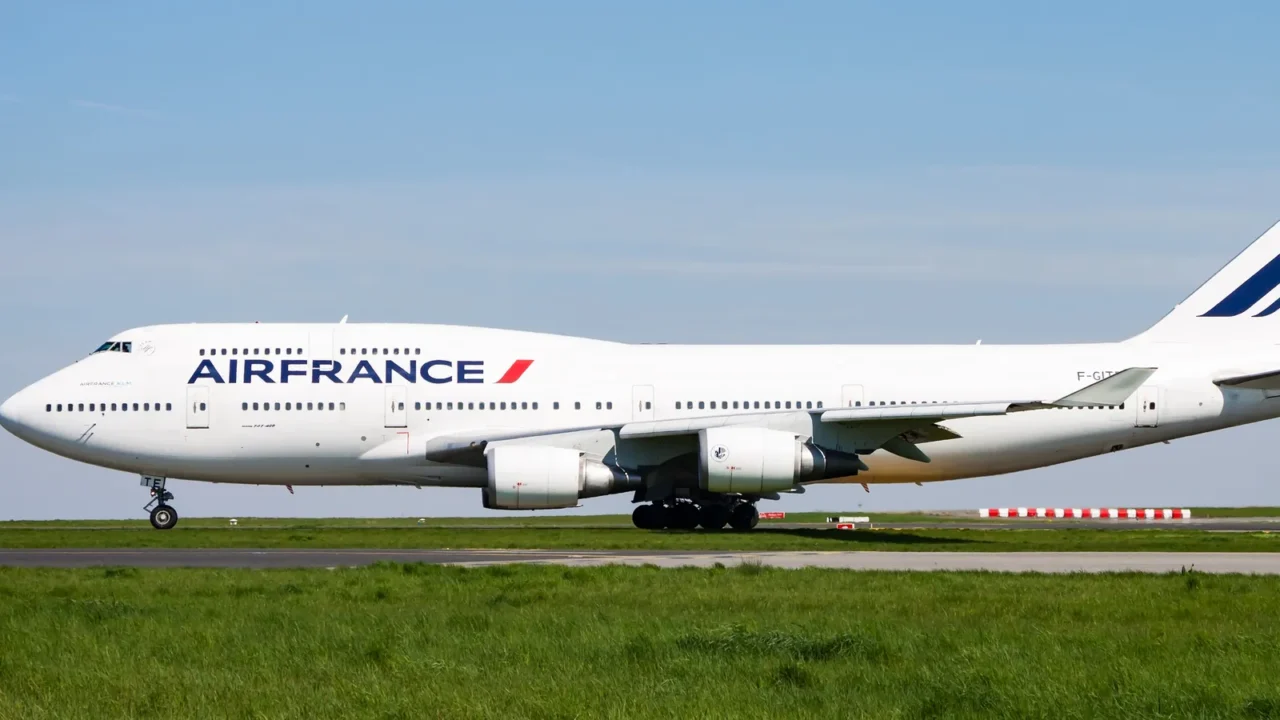
Air France plans seasonal nonstop service between Paris-Charles de Gaulle and Las Vegas beginning April 15, 2026 (three times weekly), which will add long-haul seat options later in the year but is aimed largely at premium and leisure demand. However, these are long-haul services often targeted at premium segments rather than low-fare inventory. The mixed effect of new flights and reduced capacity shows how international trends shape airfare costs.
Ancillary fees add up
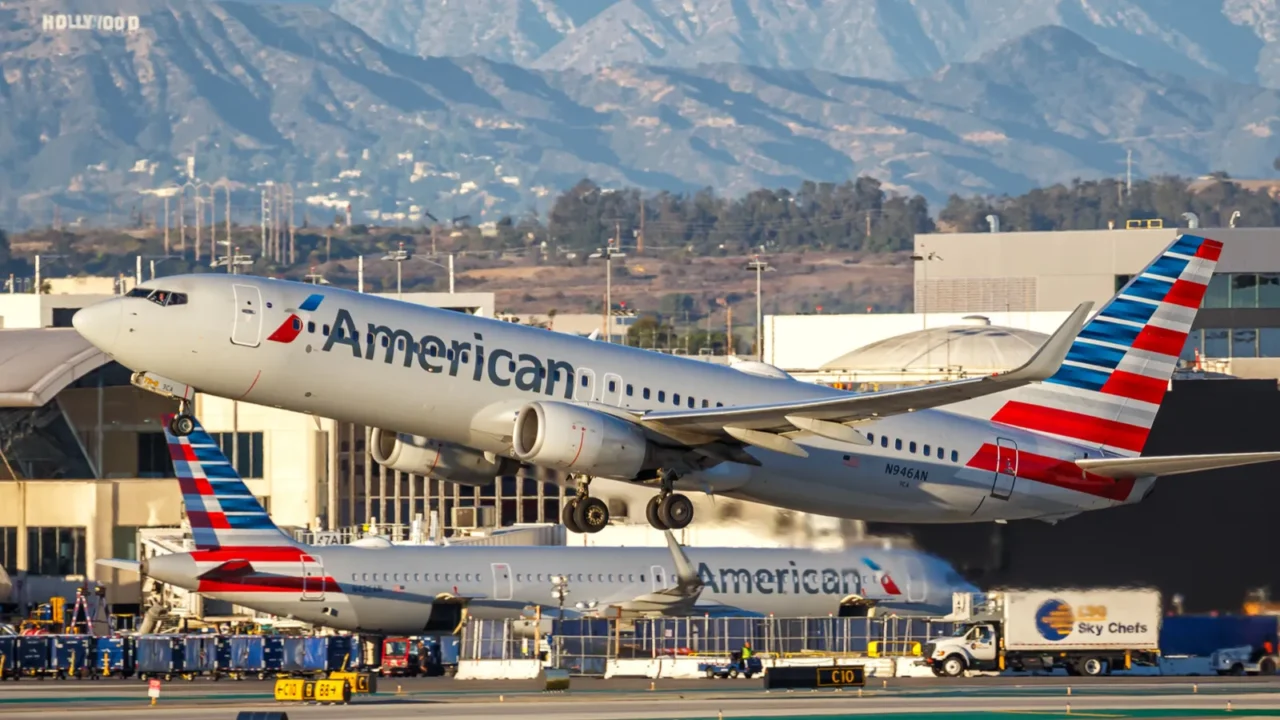
Airlines increasingly separate services into unbundled fees such as baggage, seat selection, and priority boarding. These ancillary charges make advertised base fares appear lower, yet the final cost payable by travelers can be significantly higher. Ticket price comparisons that exclude these add-ons often underestimate the true cost of air travel into Las Vegas.
Baggage fees, premium seat fees, and priority boarding charges can combine into meaningful extra charges for group travel. These revenue strategies help carriers make up for operating cost pressures without directly raising headline airfare. Holidaymakers flying with checked bags or big groups may experience higher overall travel costs.
Best booking strategies work
Travel research shows booking domestic flights about two months before departure often yields more affordable fares than short-notice purchases. Midweek departures and early-morning flights are often cheaper than weekend premium scheduling on popular routes like Las Vegas to major hubs. Using price alerts and flexible dates significantly helps identify lower pricing windows.
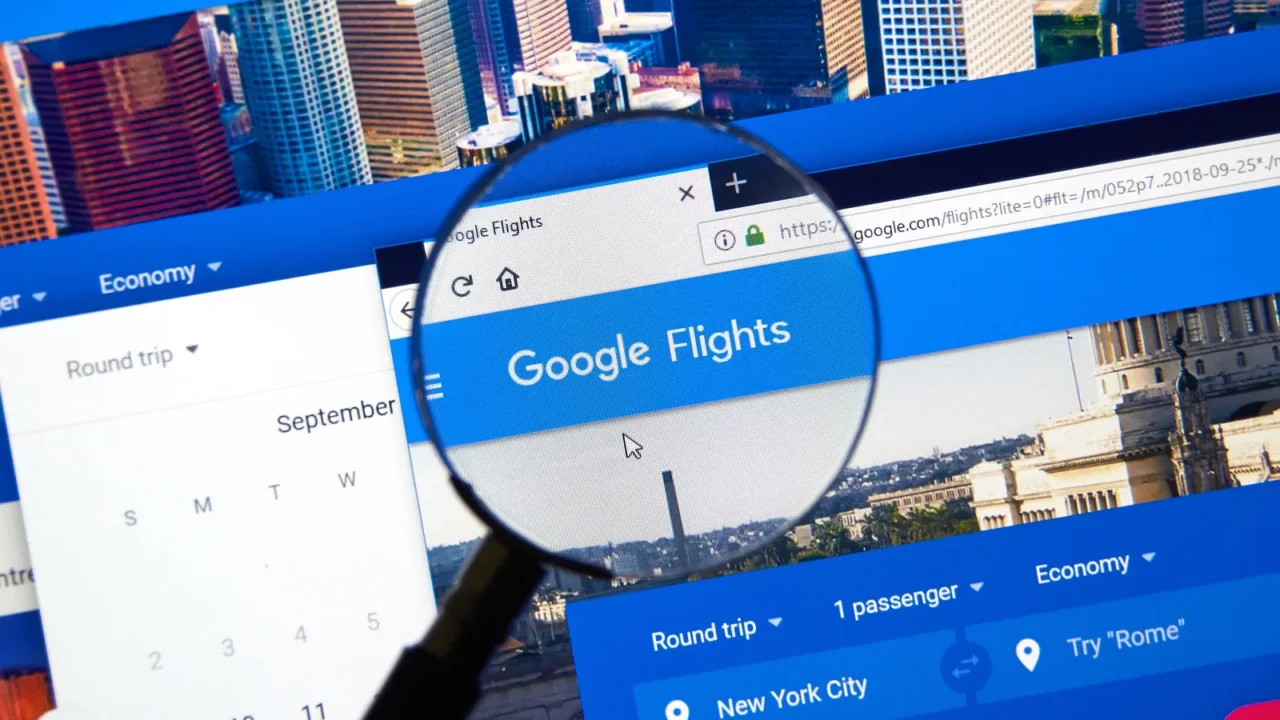
Comparing search engines like Google Flights and Kayak for fare trends gives a perspective on historical pricing. Combining that with airline newsletters and loyalty program alerts often reveals discount opportunities. Strategically layered planning remains among the most reliable ways to moderate flight costs.
Alternative airports help costs
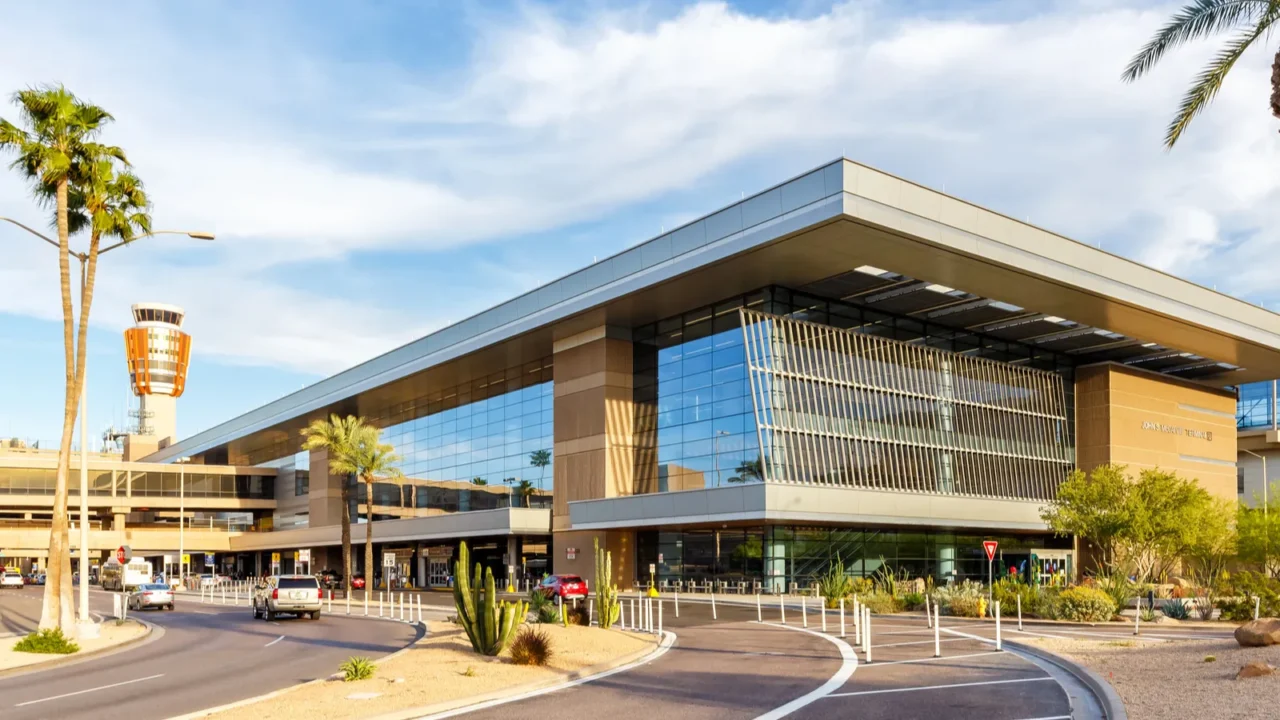
Flying into nearby airports like Los Angeles or Phoenix and then driving to Las Vegas sometimes lowers overall travel costs during high-fare periods. Ground travel from these hubs carries added fuel and time costs, but savings on airfares can offset higher ancillary charges. Travelers willing to take a longer land journey often find overall trip expenses lower.
These alternative strategies may not suit every itinerary, but they illustrate how flexibility with arrival cities can create financial breathing room. Considering nearby major airports with more airline competition often leads to broader, lower-fare opportunities. Options vary based on travel dates and personal convenience.
Travel demand still strong
Despite higher average fares, Las Vegas continues to attract domestic travelers and event participants. Major entertainment seasons and big nightlife draws keep booking interest up even during pricing pressure periods. Demand for flights from key U.S. cities remains a primary driver of airline pricing behavior at Nevada’s busiest gateway, and why travelers are being asked to arrive at airports earlier is increasingly tied to higher volumes and operational pressure.
Domestic convention travel also supports steady flight volumes, especially midweek when leisure demand dips. These patterns help airlines maintain profitable schedules on flights into Harry Reid International Airport. Higher load factors mean airlines often hold higher fare levels.
2026 airfare trends next
Experts expect flight prices to stay relatively high through most of 2026 as supply and demand remain imbalanced. While new routes and competition could gradually ease prices, entrenched operational costs and airport fee structures keep pressure on carriers’ pricing power. The outlook suggests airfare relief will be slow rather than sudden.
Travel holidaymakers seeking effective cost cuts should focus on smart booking windows and flexible schedules. Off-peak timing and alternative routing remain key levers for moderating overall trip expenses.
Which cities or airports seem like the best bargain for flying into Vegas this year? Share thoughts below.
This slideshow was made with AI assistance and human editing.
Don’t forget to follow us for more exclusive content right here on MSN.
Read More From This Brand:
