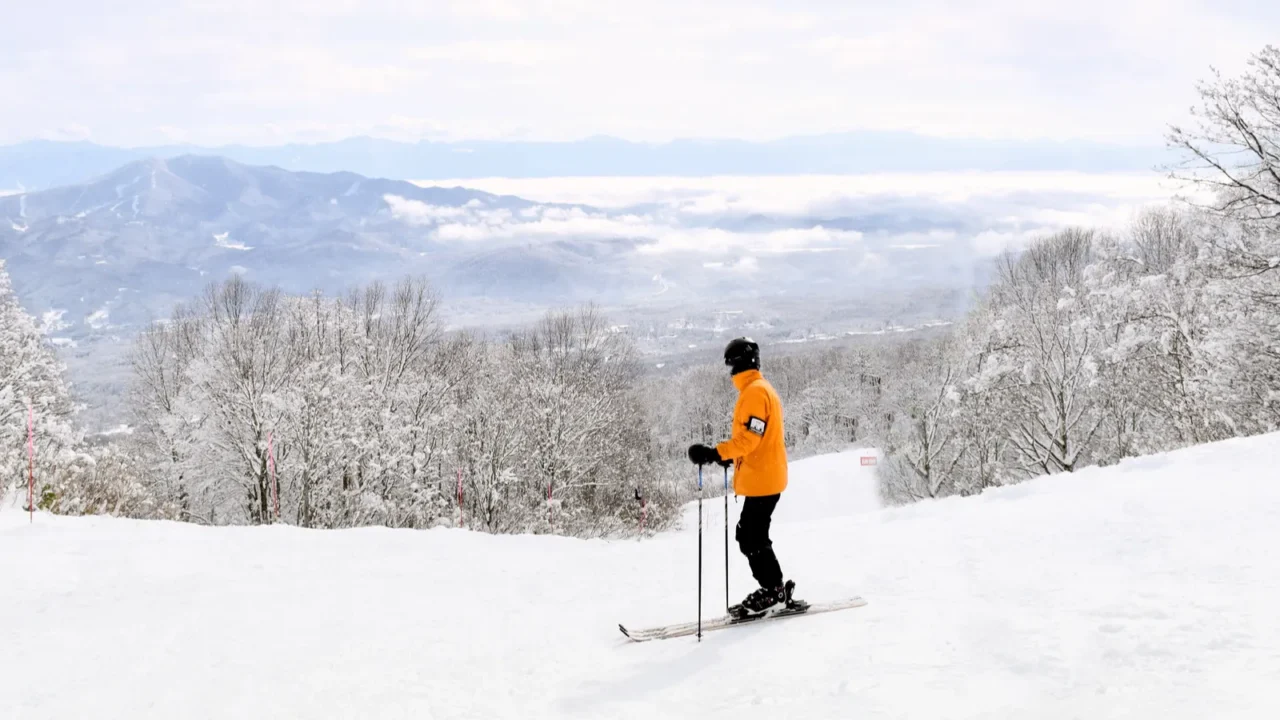
Powder paradise awaits
Japan has quietly emerged as one of the world’s most exciting ski destinations. Its northern island of Hokkaido and the Japanese Alps in Honshu offer breathtaking winter landscapes and deep, consistent snow. With long ski seasons stretching from late November to early May, travelers can enjoy fresh powder for months.
Visitors are captivated not only by the snow quality but also by the immersive winter experiences. Small towns and mountain villages bring charm to each trip, offering cozy lodges, local cuisine, and cultural traditions alongside modern ski infrastructure. For many, skiing in Japan is as much about connecting with the environment and local life as it is about carving the perfect run.
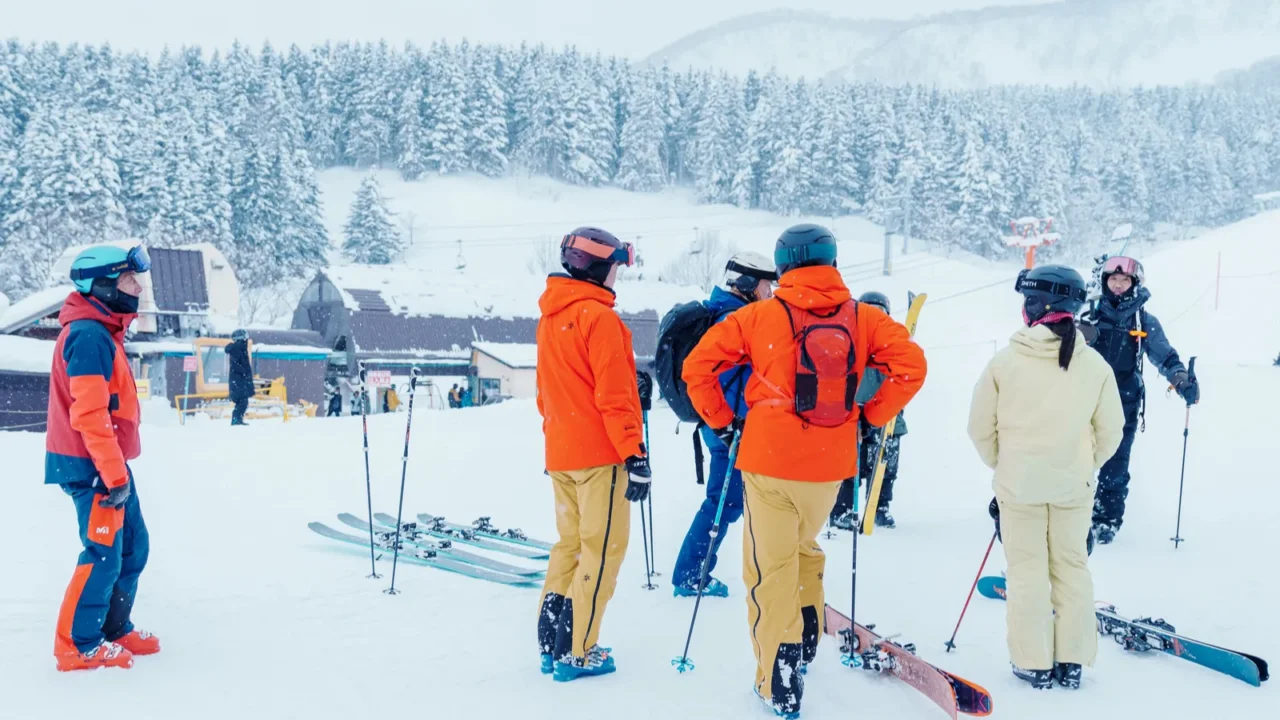
Niseko’s legendary powder
Niseko United in Hokkaido is world famous for its “Japow,” the light, dry powder snow that covers the region each winter. Four interconnected ski areas provide terrain for beginners and experts alike, while wide open slopes and consistent snowfall make it a playground for international skiers. Once a quiet local area, Niseko has grown into a top global destination recognized for its unmatched snow quality.
Beyond skiing, Niseko offers a complete winter escape. Visitors can relax in natural hot springs, enjoy Japanese cuisine, and explore mountain trails, creating an experience that blends adventure with relaxation. The town’s combination of alpine scenery, cultural immersion, and world-class snow has made it synonymous with winter perfection.
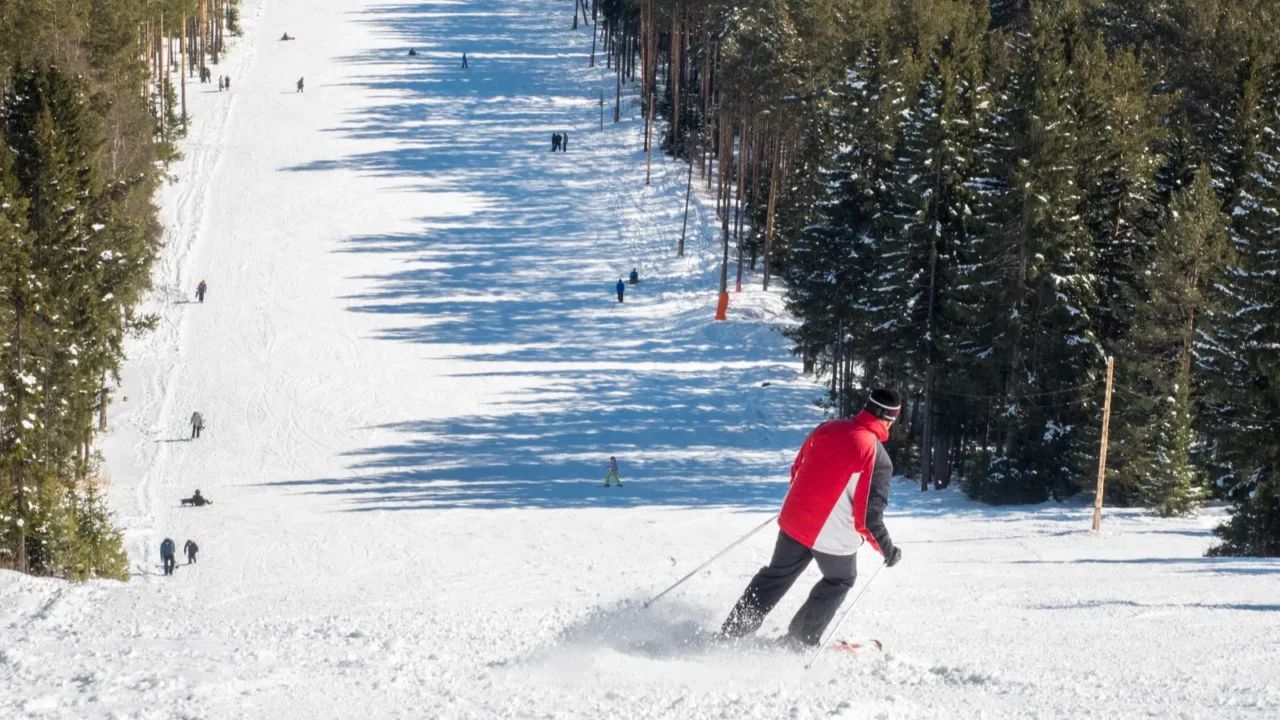
Hakuba’s alpine charm
Hakuba Valley in Nagano Prefecture gained fame during the 1998 Winter Olympics and has become a major ski hub. With over ten interconnected resorts, the area offers slopes for all skill levels and receives more than 36 feet of snow annually. Its dramatic alpine scenery and wide variety of trails make it ideal for both beginners and seasoned skiers.
The valley’s accessibility from Tokyo adds to its appeal. Travelers can combine city sightseeing with snowy mountain adventures, experiencing a blend of modern Japan and traditional alpine villages. Hakuba’s mix of challenging terrain, cozy lodging, and winter culture ensures unforgettable ski trips.
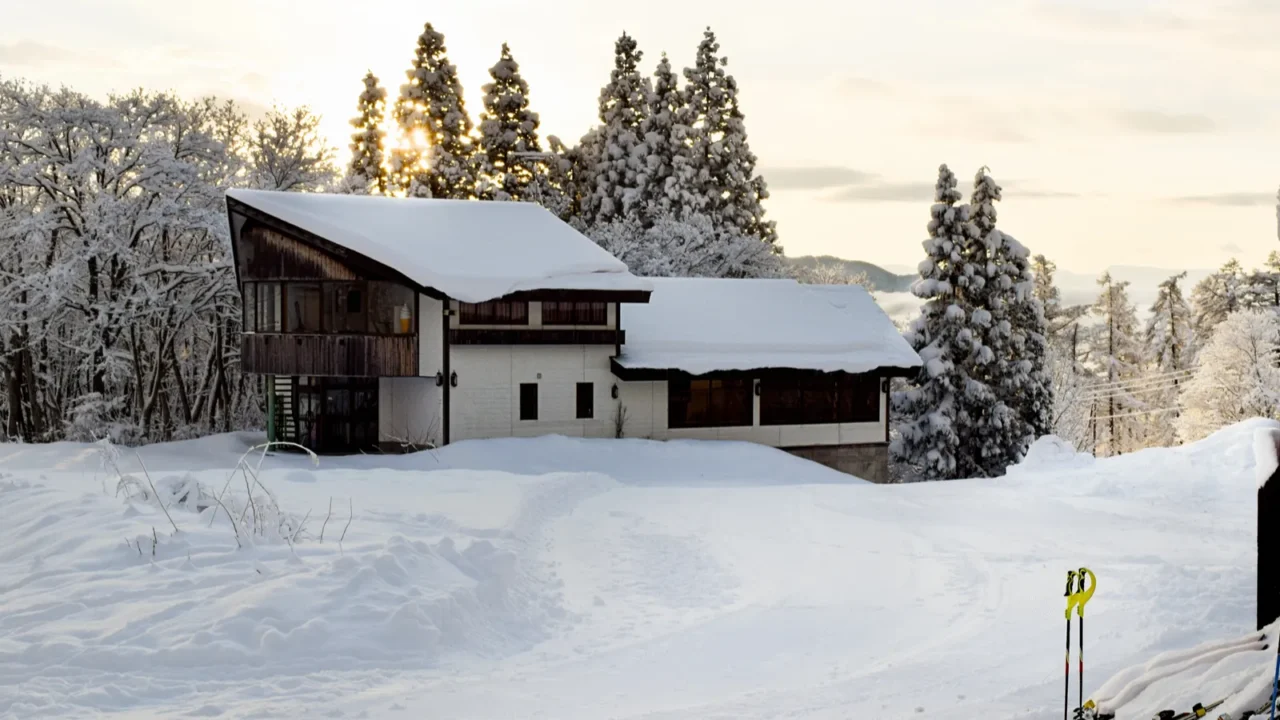
Hidden gems await
Japan is full of lesser-known ski destinations that provide authentic experiences and smaller crowds. Places like Nozawa Onsen and Myoko Kogen combine excellent snow with traditional village charm. Visitors can enjoy hot springs, local festivals, and quiet slopes while avoiding the busier international resorts.
These hidden gems often come with lower costs for lift tickets and accommodations, making them ideal for travelers seeking both adventure and affordability. Exploring these towns gives skiers a deeper cultural connection and a chance to experience Japan beyond its more famous ski regions.
Snow quality that stuns
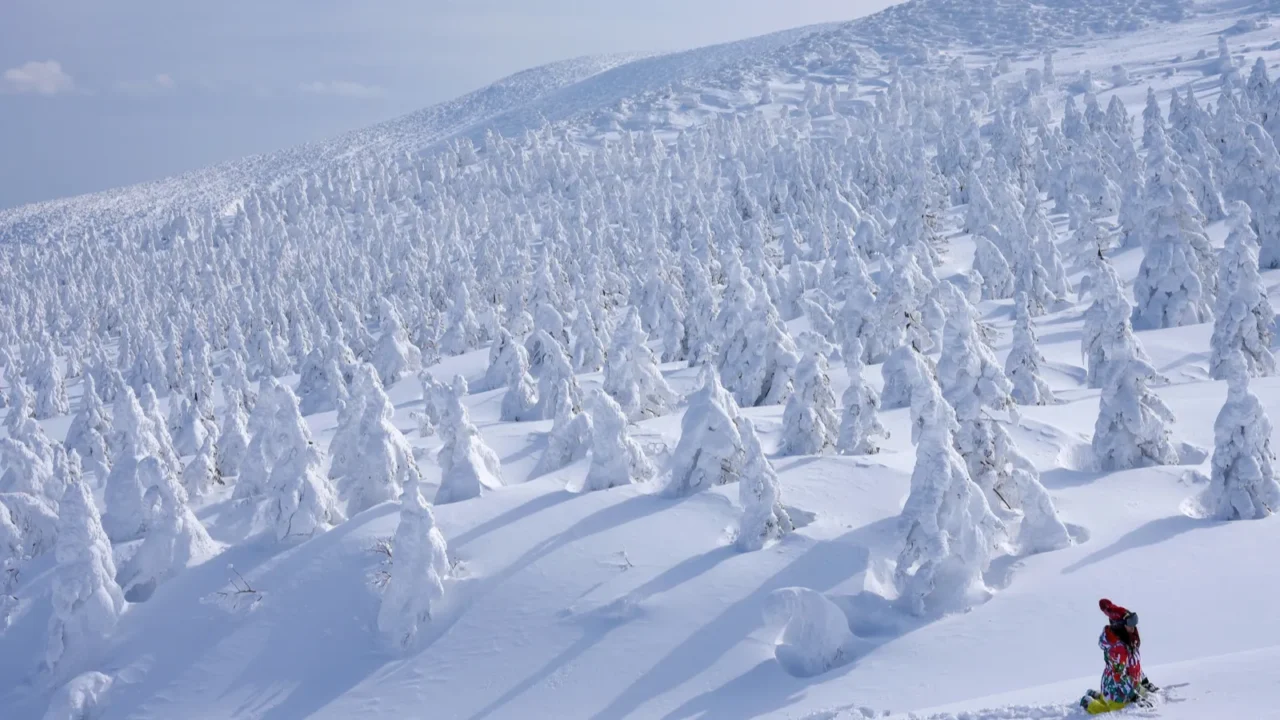
Japan’s snowfall is unique in its texture and consistency. Moisture from Siberian winds creates light, dry powder that skiers call “Japow,” which stays fresh even in the middle of the season. This makes Japan’s slopes ideal for powder chasers who want reliable conditions.
Compared with European or North American mountains, Japanese resorts rarely experience icy or slushy runs. Every descent offers the chance to glide through deep snow with minimal crowds. For those who prioritize snow quality, Japan is quickly becoming the destination of choice for winter enthusiasts worldwide.
Affordable adventures
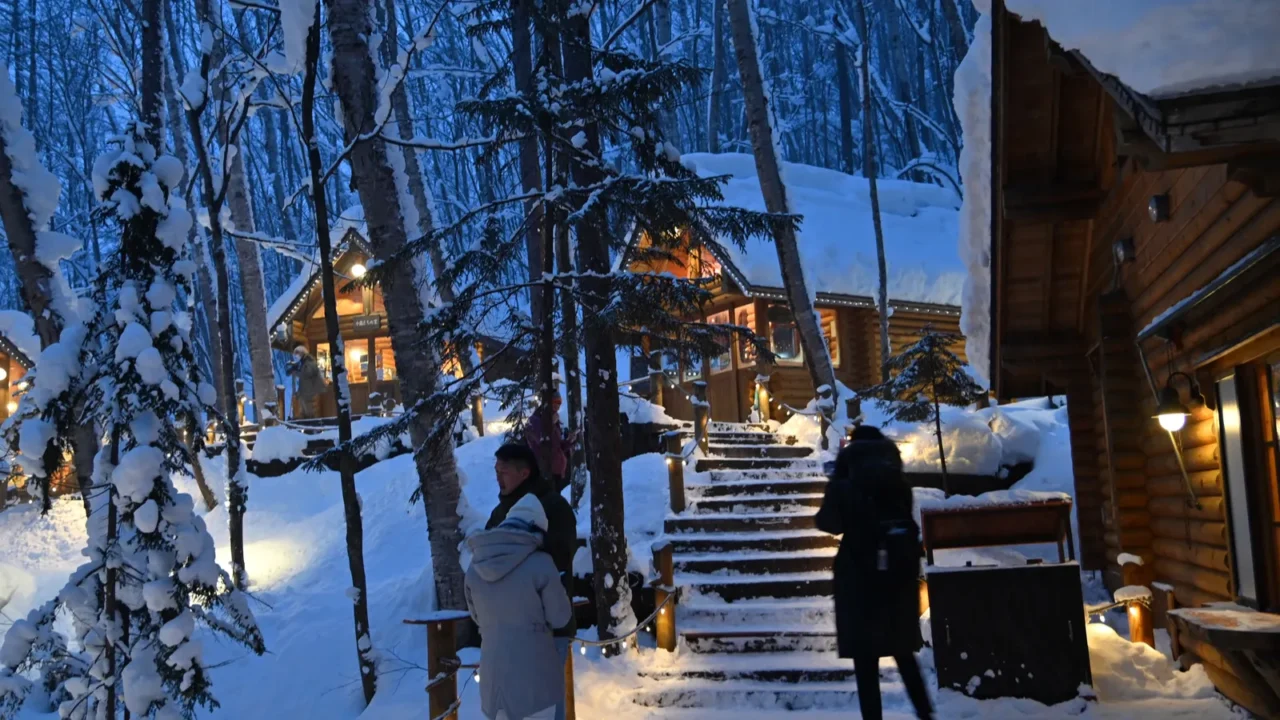
Skiing in Japan can be surprisingly affordable, especially compared with European resorts or major North American destinations. Lift tickets and accommodations at many towns outside peak holidays remain reasonably priced, and public transport makes travel between ski towns simple and efficient.
Combined with favorable currency exchange rates in recent years, visitors find their money goes further. Skiers can enjoy top-tier snow, cultural experiences, and stunning scenery without overspending. Japan’s affordability adds to its growing global appeal, attracting both seasoned travelers and first-time visitors.
Culture beyond the slopes
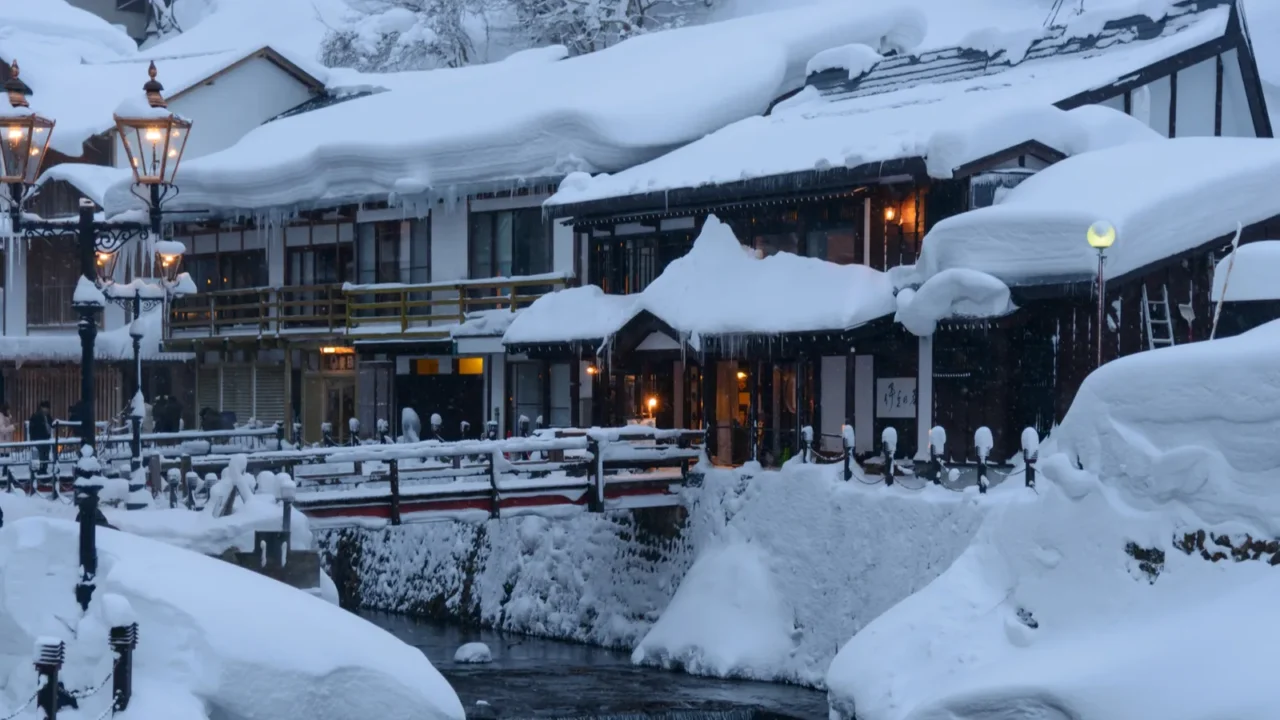
Skiing in Japan is a full cultural experience. Resorts like Nozawa Onsen offer hot springs, traditional festivals, and authentic Japanese cuisine. These cultural touches enrich the journey, making every trip more than just a ski vacation.
Visitors can explore snow-covered streets lined with wooden lodges, join local celebrations, and enjoy meals made with fresh regional ingredients. This blend of sport and culture creates a deeper connection with the region, offering an experience that goes far beyond the slopes.
Easy access, minimal hassle
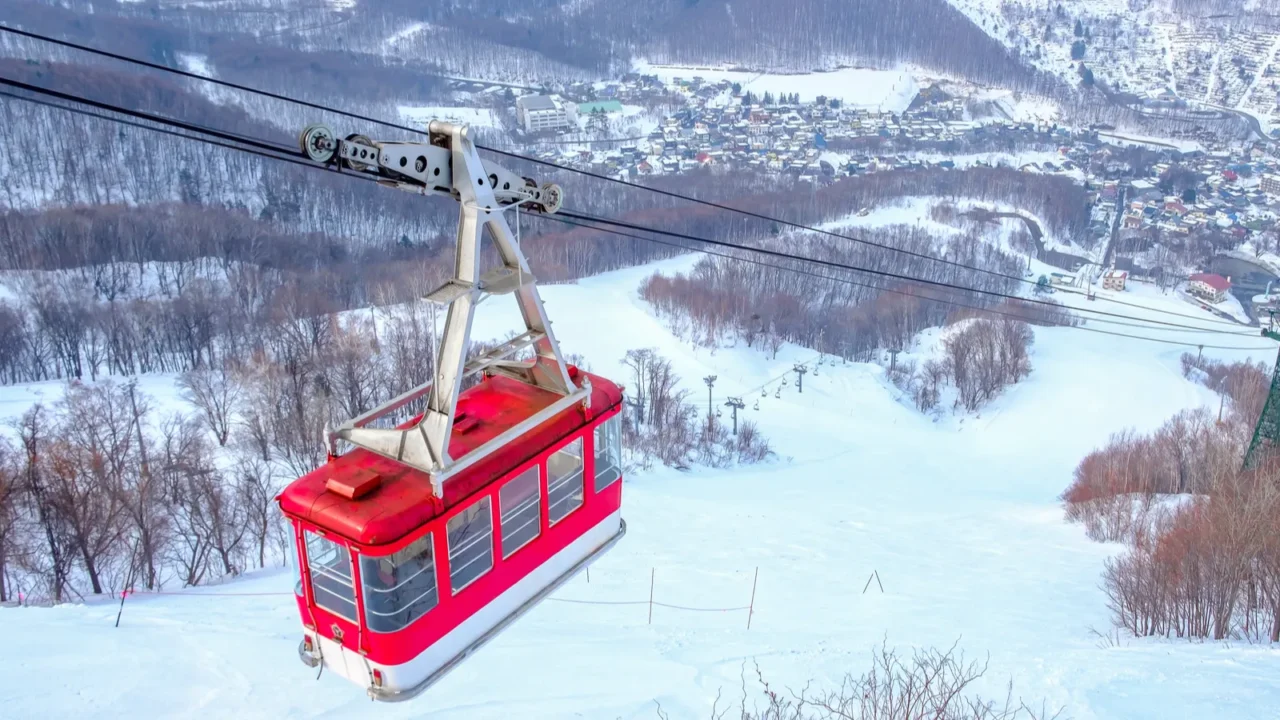
Many top ski destinations in Japan are within easy reach of major cities. Hakuba is a short train ride from Tokyo, while Hokkaido’s resorts are connected to Sapporo airports by bus and rail. Travelers can start skiing the same day they arrive, without complicated logistics.
The convenience of efficient transportation, clear signage, and well-organized resort services ensures a smooth experience for international visitors. Japan’s accessibility makes it easy to combine urban exploration with alpine adventures, giving every traveler a seamless winter journey.
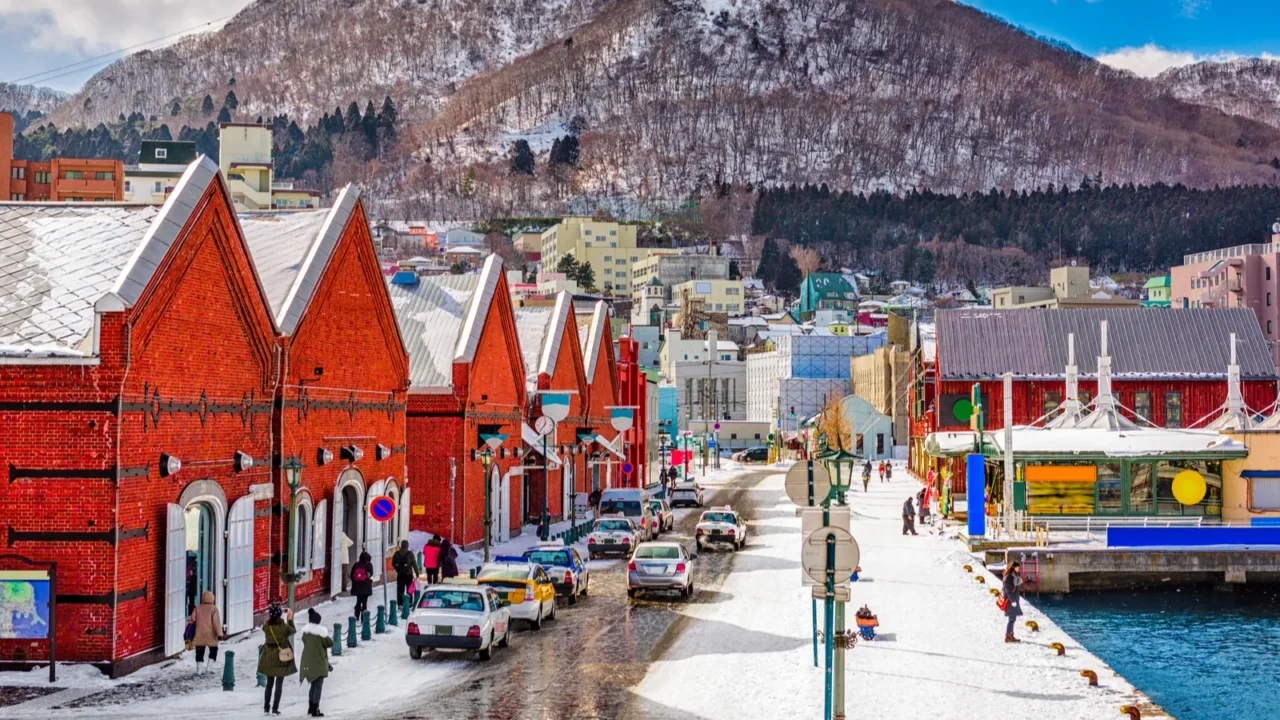
Year-around mountain beauty
While winter brings skiers to Japan, many resorts now offer attractions throughout the year. Hokkaido towns host hiking, cycling, and nature tours in warmer months, while mountain festivals provide seasonal cultural experiences.
This year-round appeal allows travelers to plan visits outside the ski season while still enjoying alpine scenery and local hospitality. Resorts are evolving to create destinations that offer adventure and cultural immersion regardless of the calendar.
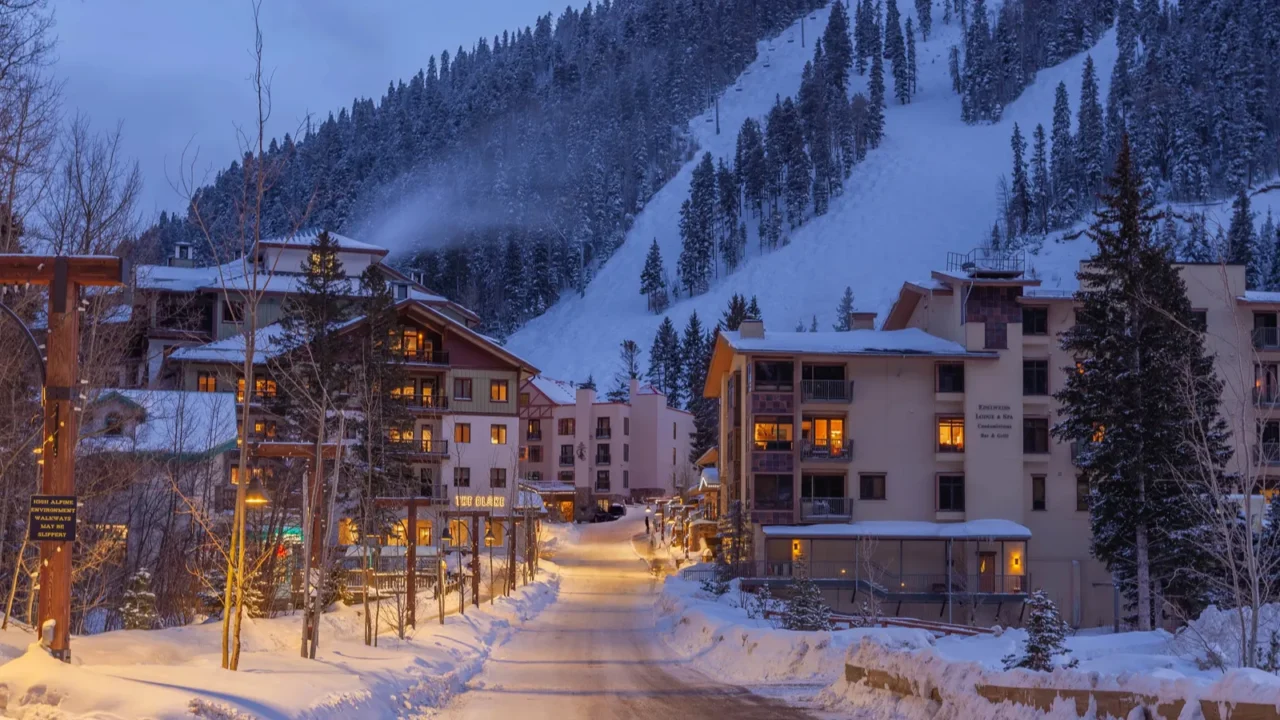
Global recognition rising
Japan’s ski resorts are gaining global acclaim for snow quality and overall experience. Resorts like Niseko and Nozawa Onsen consistently appear on international travel guides’ lists of top winter destinations.
This recognition has boosted international tourism, positioning Japan alongside iconic European and North American resorts. Skiers now see Japan as a world-class choice for both snow reliability and cultural immersion, attracting travelers seeking exceptional winter adventures.
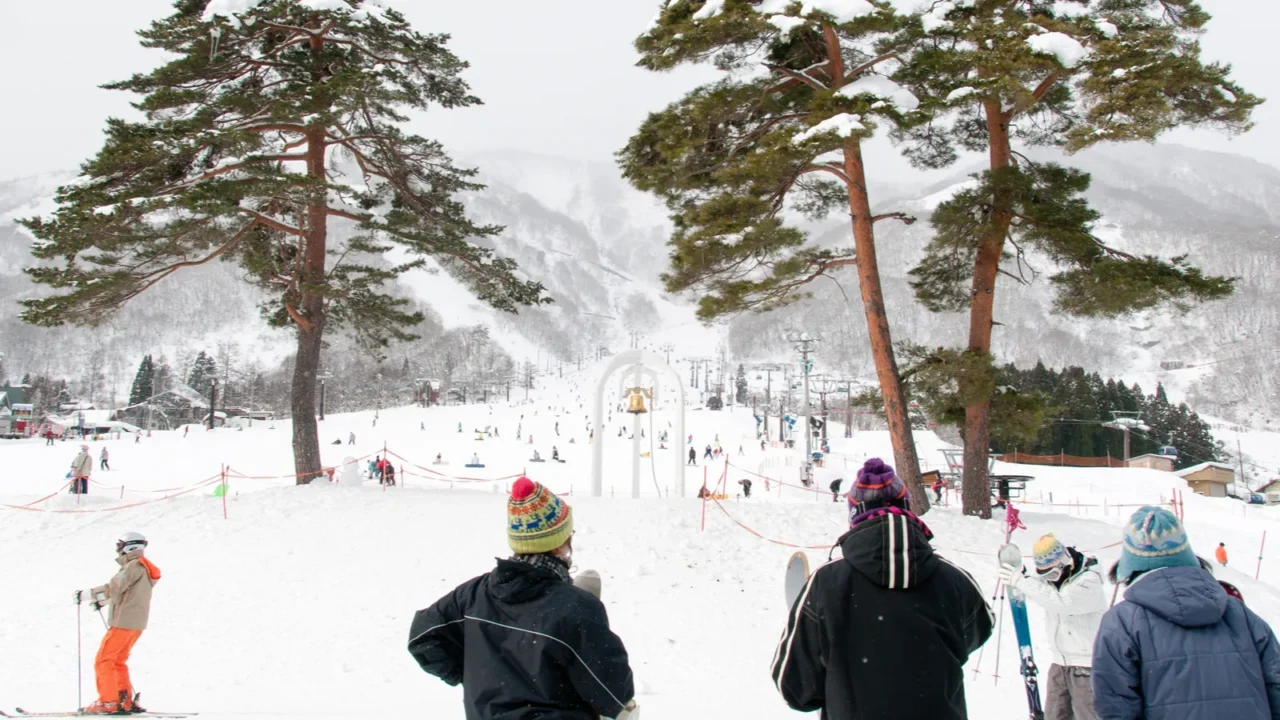
Local communities matter
As tourism grows, local communities play a vital role in shaping Japan’s ski culture. Towns like Myoko Kogen balance visitor growth with traditions and environmental sustainability, ensuring tourism benefits both locals and visitors.
This approach creates a more authentic experience, allowing travelers to connect with the culture while enjoying world-class snow. Respecting local customs and supporting small businesses enriches every journey, making ski trips in Japan meaningful and memorable.
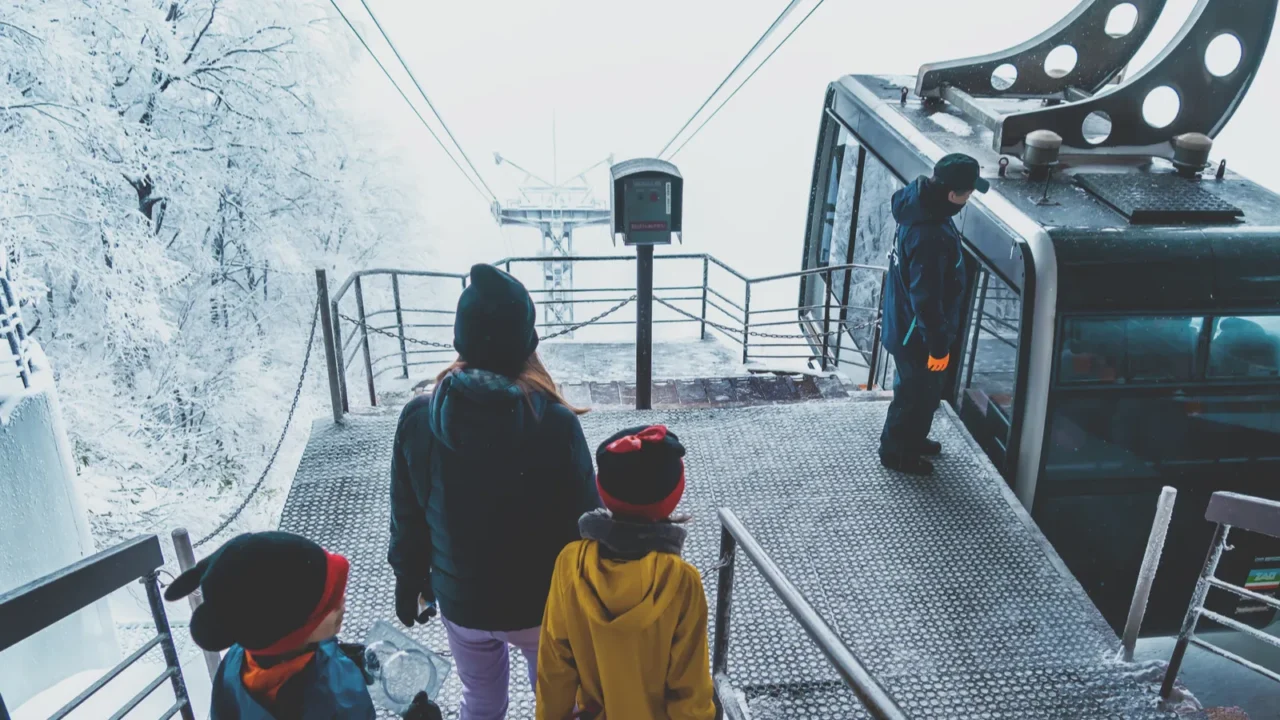
Unique snow experiences
Japan’s ski regions offer experiences you cannot find anywhere else. Tree skiing in Rusutsu, snow monster forests at Zao Onsen, and serene powder runs in Nozawa Onsen create a landscape that feels otherworldly. Each destination delivers a different atmosphere, shaped by geography, climate, and local tradition, making every ski day feel distinct and immersive.
From gentle forest trails to adventurous backcountry terrain, these resorts allow travelers to shape trips around their comfort and curiosity, turning every descent into a story worth remembering in Japan’s ultimate snowy escape.

Japan redefines skiing
Japan brings together reliable snowfall, cultural depth, affordability, and easy access in a way few destinations can match. Whether carving through Niseko’s deep powder or exploring a quiet alpine village, each journey delivers more than just time on the slopes.
These elements have reshaped how travelers view winter travel, positioning the country as a global benchmark for unforgettable skiing that blends adventure with meaning, long after the skis are stored away.
What if your next ski trip offered world-class powder, cultural immersion, and real value all in one unforgettable journey? Would you take the trip? Let us know in the comments.
This slideshow was made with AI assistance and human editing.
Don’t forget to follow us for more exclusive content right here on MSN.
Read More From This Brand:
