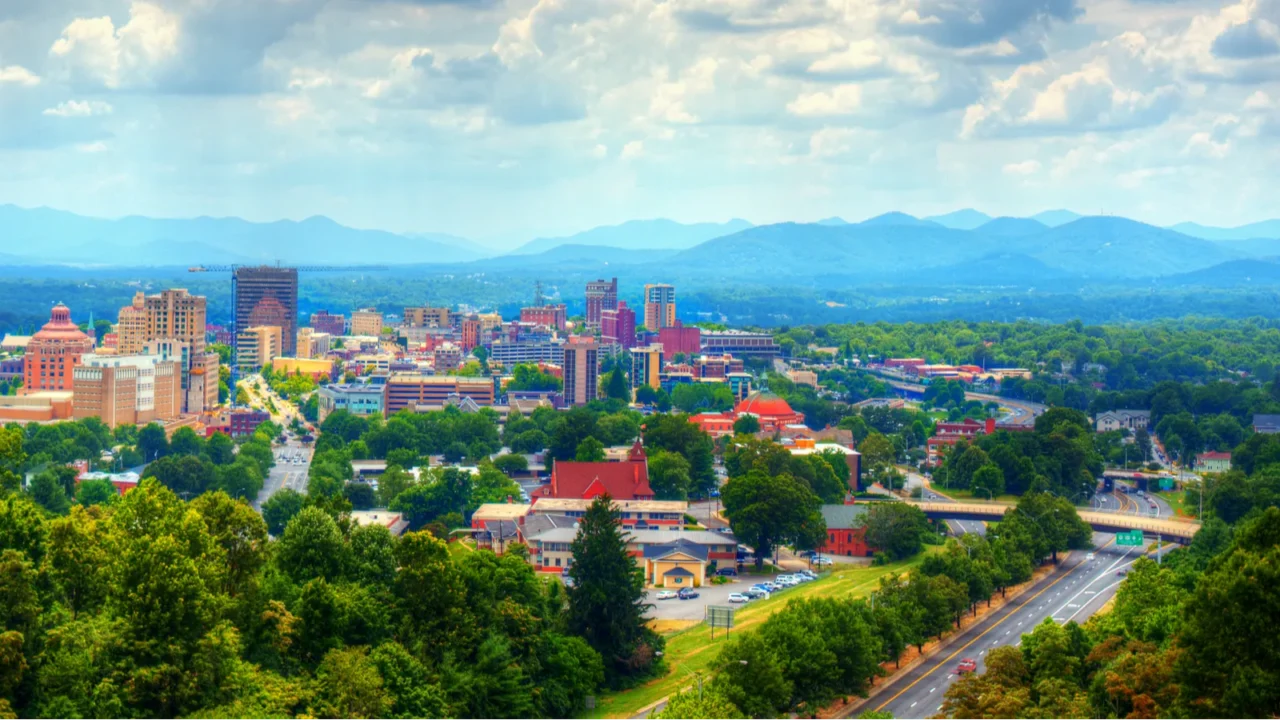
Art leads the seasons
Asheville found a way to keep creativity moving even when crowds slow down. Art trails quietly connect neighborhoods, studios, and outdoor spaces throughout the year. What began as a local initiative now shapes how visitors experience the city.
These trails turn casual exploration into something intentional and memorable. Travelers discover art while walking, driving, or biking between stops. The experience feels organic rather than scheduled or staged. Let’s explore further.
Trails link creative spaces
Art trails in Asheville connect galleries, murals, studios, and craft centers. Locations are spread across urban districts and nearby rural areas. That variety encourages movement beyond a single downtown zone.
Visitors follow mapped routes or explore freely. Each stop feels distinct but connected through shared creative identity. The trails transform the city into an open-air gallery year-round.
Year-round visitor appeal
Unlike seasonal festivals, art trails operate every month. Many studios remain open beyond peak travel periods. That consistency gives travelers reasons to visit during quieter times.
Winter and shoulder seasons become more attractive. Art viewing doesn’t rely on perfect weather. Asheville benefits from steadier tourism flow across the calendar.
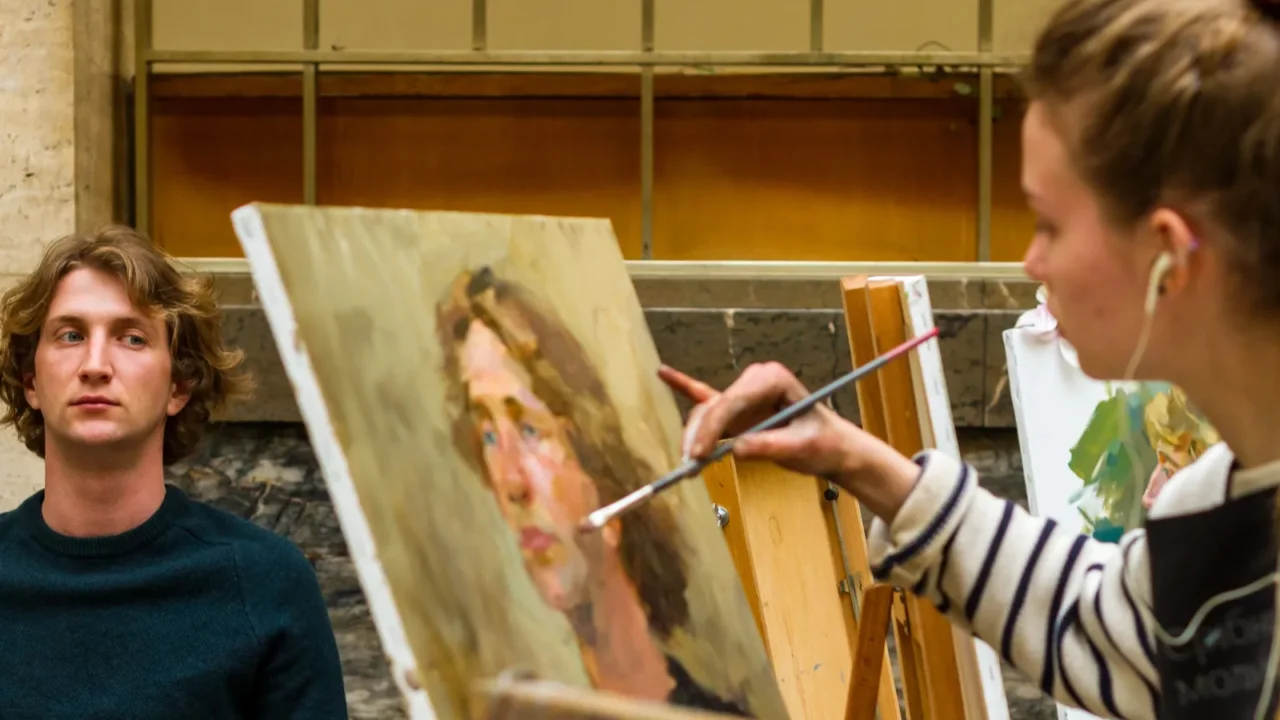
Local artists stay visible
The trails prioritize working with local artists. Painters, ceramicists, glassblowers, and mixed media creators participate directly. Studios double as workspaces and exhibition areas.
Visitors often meet artists during trail stops. Conversations replace traditional retail transactions. That connection deepens appreciation and supports creative livelihoods.

Outdoor art plays role
Public art features heavily along Asheville’s trails. Murals, sculptures, and installations appear in parks and streets. Outdoor placement keeps art accessible at all times.
These pieces invite exploration beyond gallery walls. Observers encounter art unexpectedly while moving through the city. Creativity becomes part of the everyday scenery.
Self guided flexibility matters
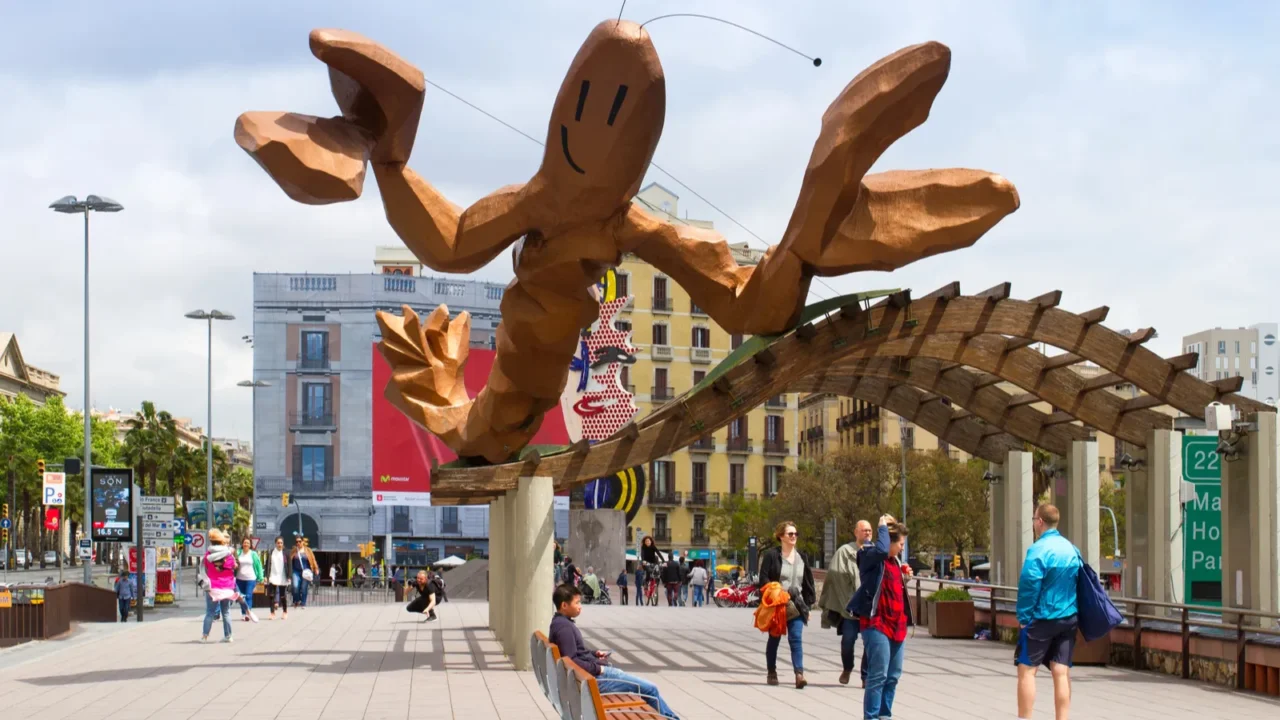
Art trails are typically self-guided. Travelers choose pace, order, and time commitment. There’s no pressure to complete every stop.
This flexibility fits different travel styles. Short visits and extended stays both work well. The experience adapts easily to individual schedules.
Neighborhoods gain attention
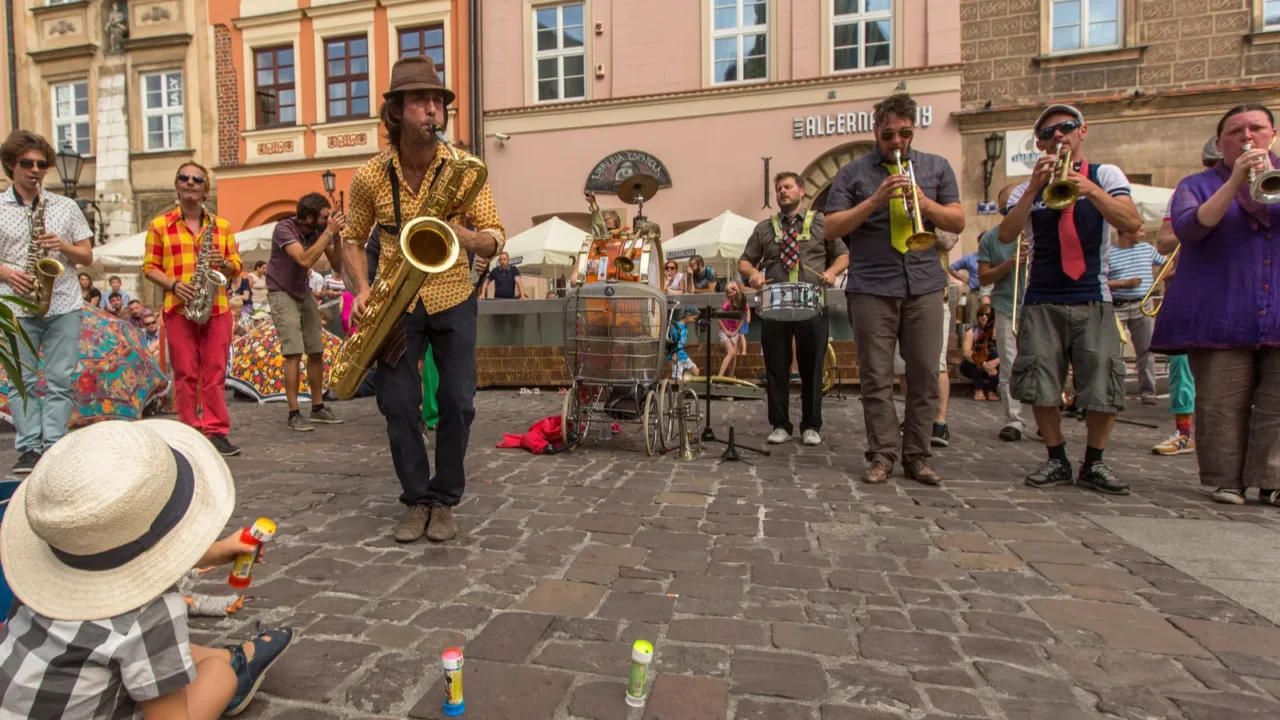
Trails encourage exploration of lesser-known areas. Visitors move into residential and creative districts. Local businesses benefit from increased foot traffic.
Cafes, shops, and markets become natural extensions of the trail. Economic impact spreads more evenly. Tourism feels integrated rather than concentrated.
Maps guide exploration
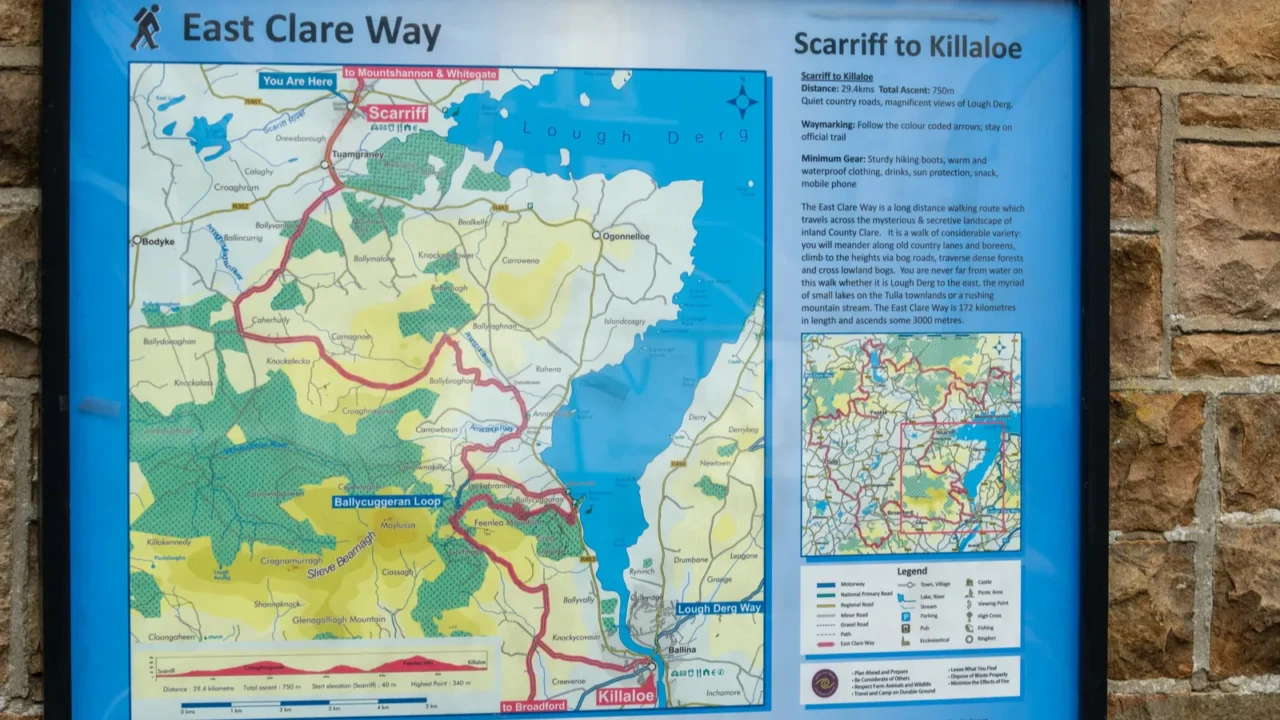
Printed and digital maps support trail navigation. Clear signage and online resources simplify planning. Information stays accessible for first-time visitors.
Maps highlight participating artists and featured locations. Travelers can plan efficient routes or wander intuitively. Guidance supports exploration without restricting it.
Craft traditions stand out
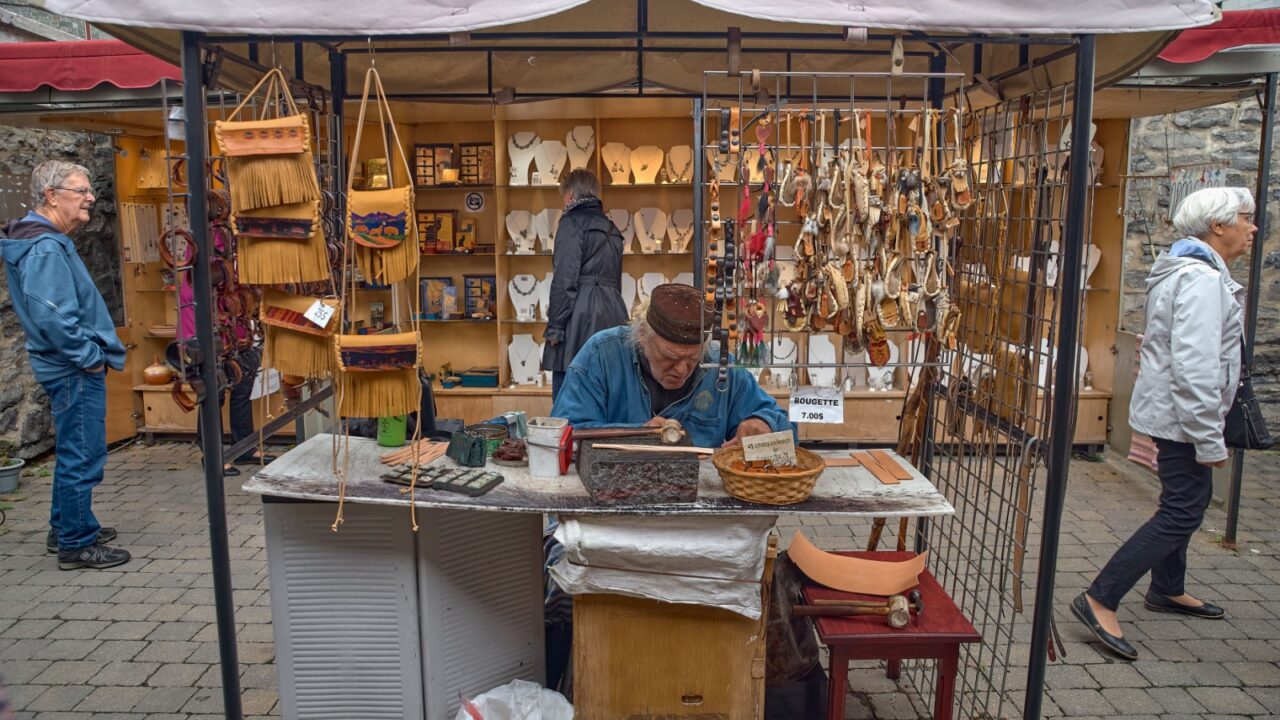
Asheville’s strong craft heritage shines along the trails. Appalachian influences appear in pottery, fiber, and woodwork. These traditions remain active rather than historical.
Visitors can observe techniques handed down through generations. Modern interpretations sit beside classic forms. The blend strengthens Asheville’s cultural identity.
Events add momentum
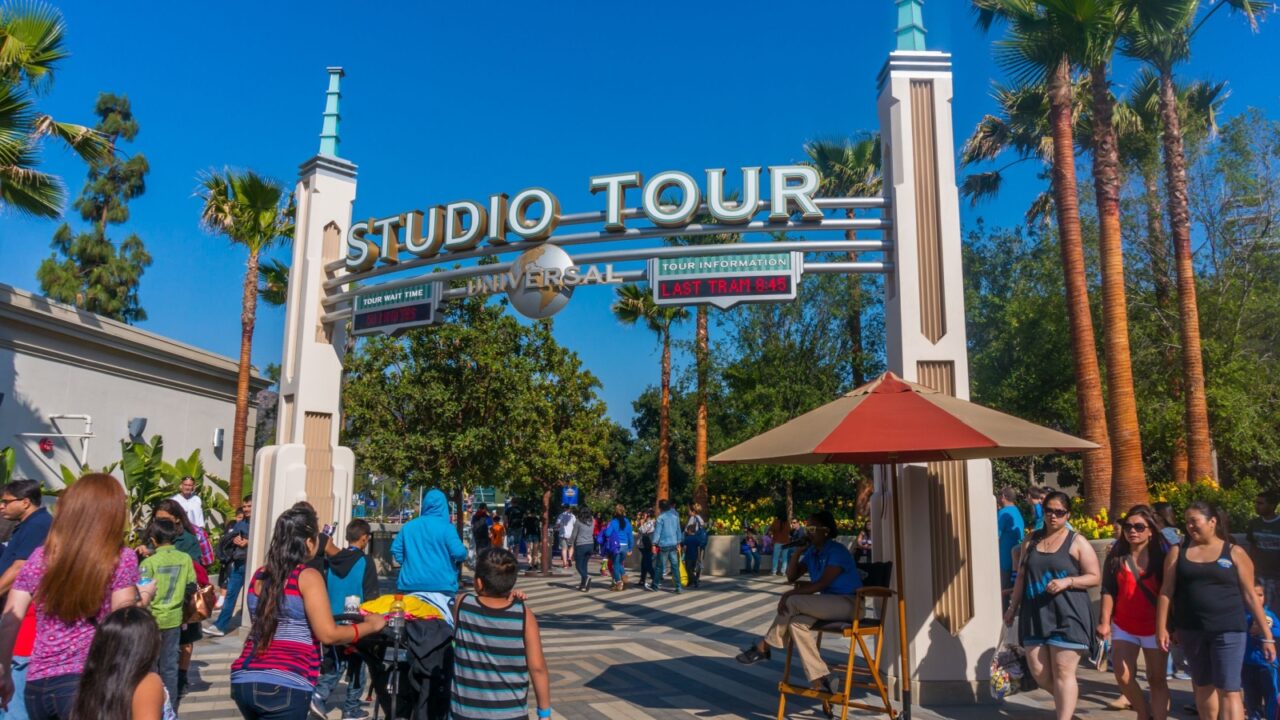
Seasonal studio tours and art walks build around the trails. These events draw attention without limiting access. Trails remain available before and after scheduled dates.
Events refresh interest for repeat visitors. Artists introduce new work and demonstrations. The calendar stays dynamic throughout the year.
Tourism feels intentional
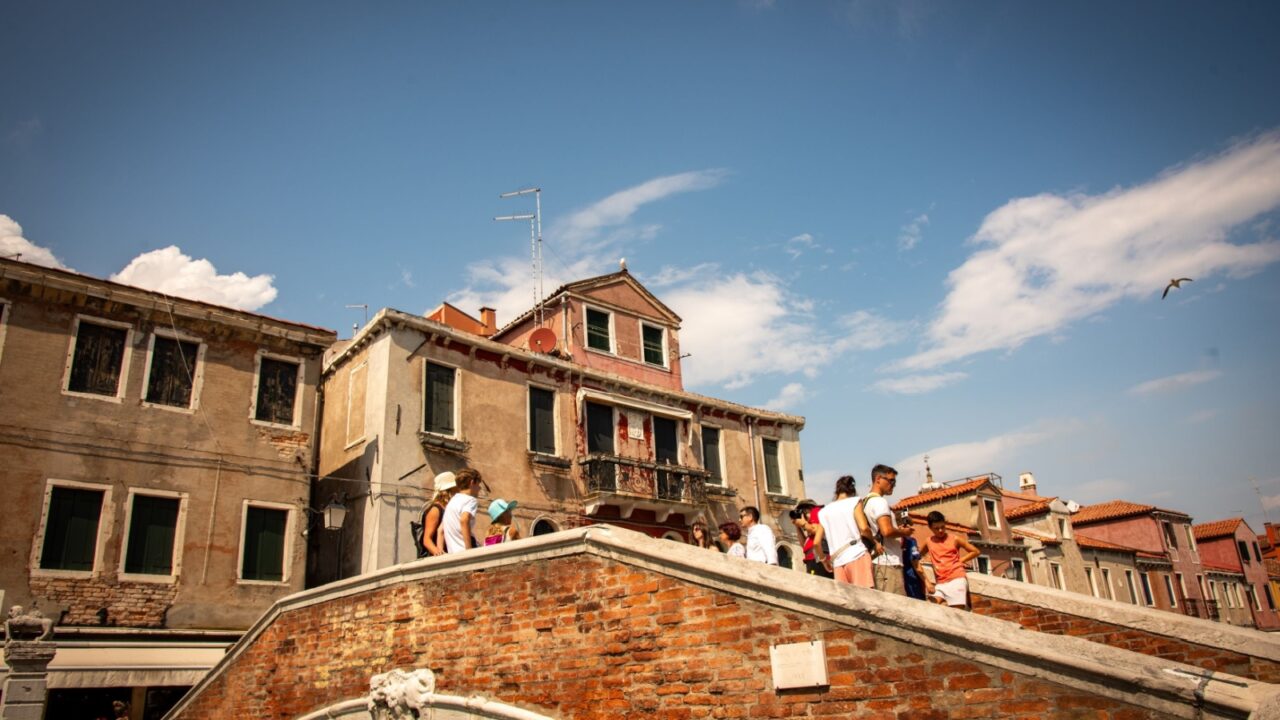
Art trails attract travelers interested in depth over speed. Visits focus on observation and conversation. Experiences unfold slowly and thoughtfully.
This style aligns with Asheville’s creative reputation. Visitors engage rather than consume quickly. Tourism feels meaningful and locally grounded.
Community support stays strong
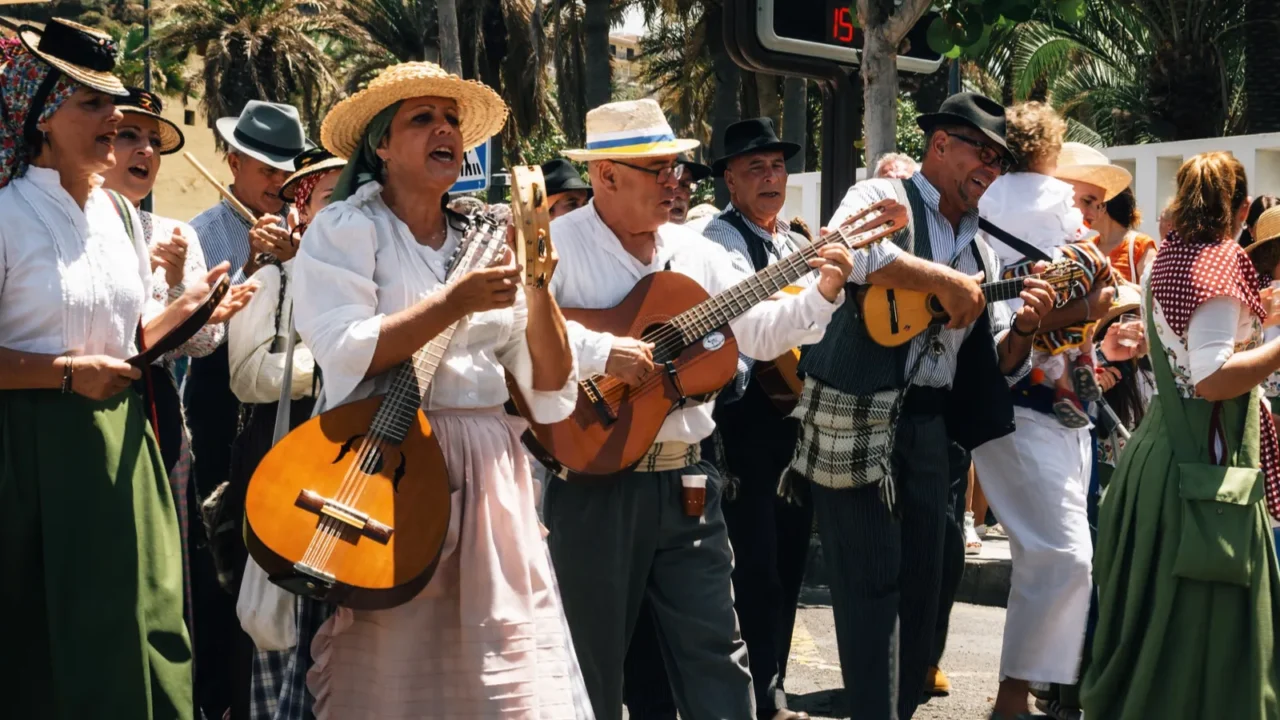
Local organizations help coordinate trail efforts. Partnerships between artists, nonprofits, and tourism groups keep projects sustainable. The best weekend getaways in Asheville, North Carolina, highlight how these initiatives attract visitors while prioritizing long-term value.
Residents often participate as hosts and guides. Community pride strengthens the experience. Trails reflect shared ownership rather than outside promotion.
Creativity sustains visits
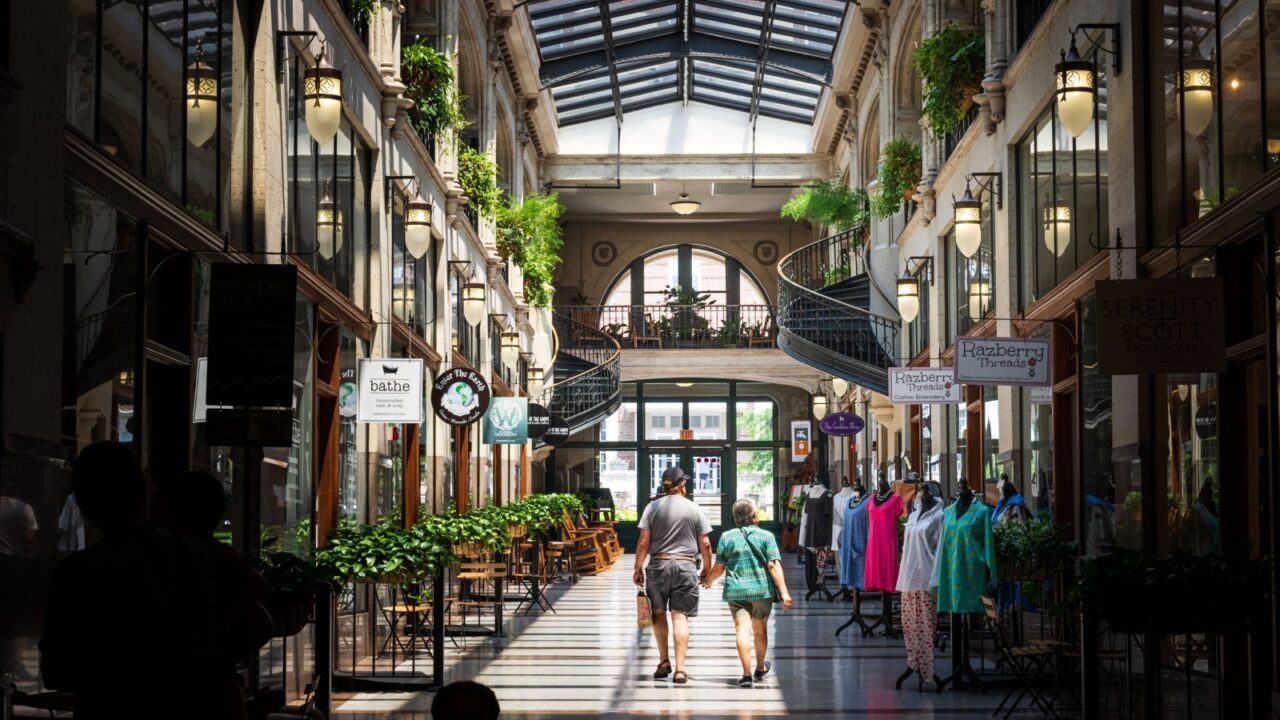
Asheville’s art trails do more than showcase talent. They reshape how visitors move through the city. Creativity becomes a year-round reason to arrive.
The model supports artists and local economies together. Exploration feels personal and unscripted. Art keeps Asheville active long after peak seasons fade.
If you found this interesting, give us a like and share your thoughts in the comments.
This slideshow was made with AI assistance and human editing.
Don’t forget to follow us for more exclusive content right here on MSN.
Disclaimer: The images used are for illustrative purposes only and do not depict the actual locations mentioned.
Read More From This Brand:
