
New Orleans festival growth explained
New Orleans has expanded its festival calendar as tourism demand continues to rise. Officials and organizers are extending event timelines to spread crowds and increase economic impact across more months. This shift reflects changing visitor behavior and longer trip planning cycles.
Longer festival seasons allow more flexible travel planning for visitors. Events now overlap less while still maintaining strong attendance throughout the year. The approach helps balance tourism flow and improve overall visitor experience.

Extended festival calendar trend
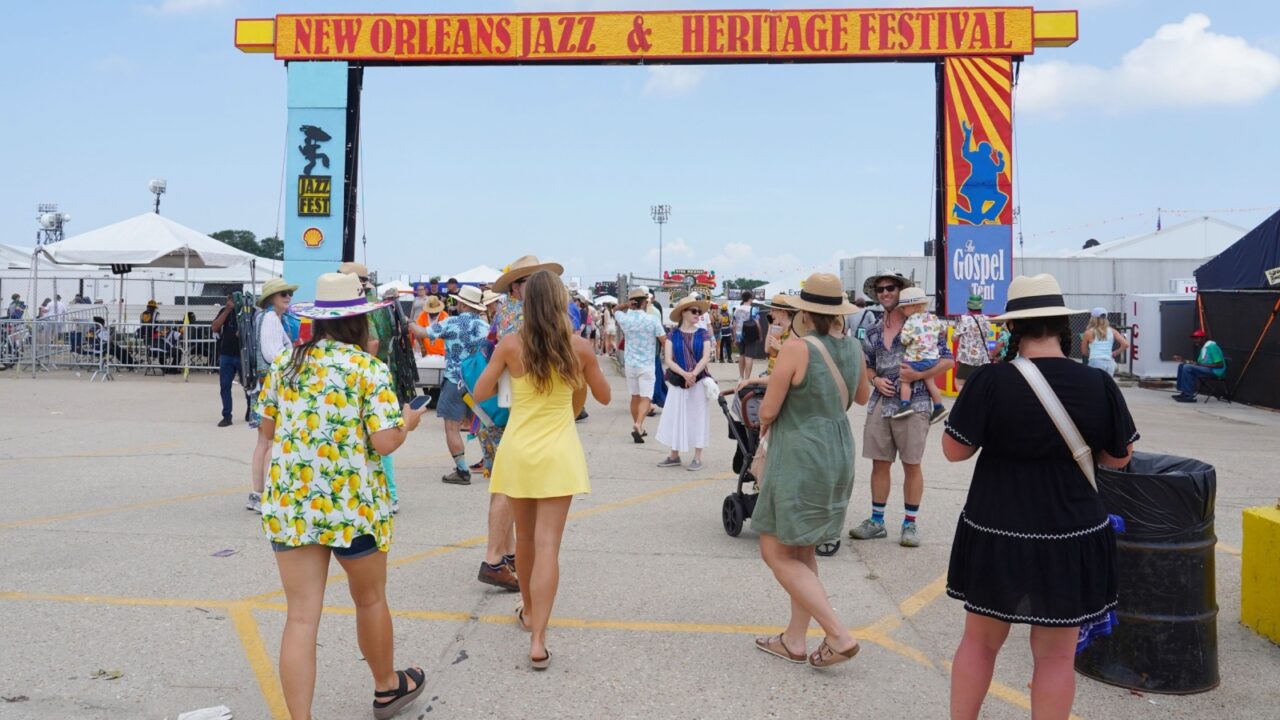
New Orleans now hosts major festivals across multiple seasons instead of concentrating them in the spring. Events like Mardi Gras and New Orleans Jazz & Heritage Festival still draw large crowds, but are complemented by newer events. This creates a more continuous tourism cycle.
The extended calendar helps reduce overcrowding during peak periods. Visitors now have more options throughout the year instead of limited windows. This distribution supports both travelers and local infrastructure.

Tourism patterns shifting longer
New Orleans is seeing longer average stays as festival schedules expand. Travelers are combining multiple events into one trip to maximize their experience. This trend reflects broader changes in leisure travel behavior.
Visitors are also exploring more neighborhoods beyond the French Quarter. Cultural experiences, food tours, and music events encourage extended itineraries. Longer stays increase overall tourism spending in the city.

Economic benefits for locals
Longer festival seasons bring consistent income for local businesses. Restaurants, hotels, and venues benefit from steady demand rather than short spikes. This stability supports year-round employment in the hospitality sector.
Small businesses especially gain from sustained visitor flow. Art markets, music venues, and local vendors see increased opportunities. The extended timeline strengthens the city’s tourism economy.

Hotels adapt to demand
Hotels in New Orleans are adjusting pricing and availability strategies. Instead of focusing only on peak events, they now manage demand across longer periods. This helps maintain occupancy rates throughout the year.
Extended stays also influence booking patterns. Visitors are more likely to reserve accommodations for several nights. This shift supports more predictable revenue for hospitality providers.

Mardi Gras boosts economy
Fun fact: Mardi Gras generated an estimated $891 million in economic impact in 2023, according to a city-commissioned study. This highlights how significant festivals are to the city’s economy. Large-scale events drive both local and international travel.
The extended festival season builds on this economic foundation. Smaller events help maintain visitor interest between major celebrations. This strategy creates a more stable tourism cycle.
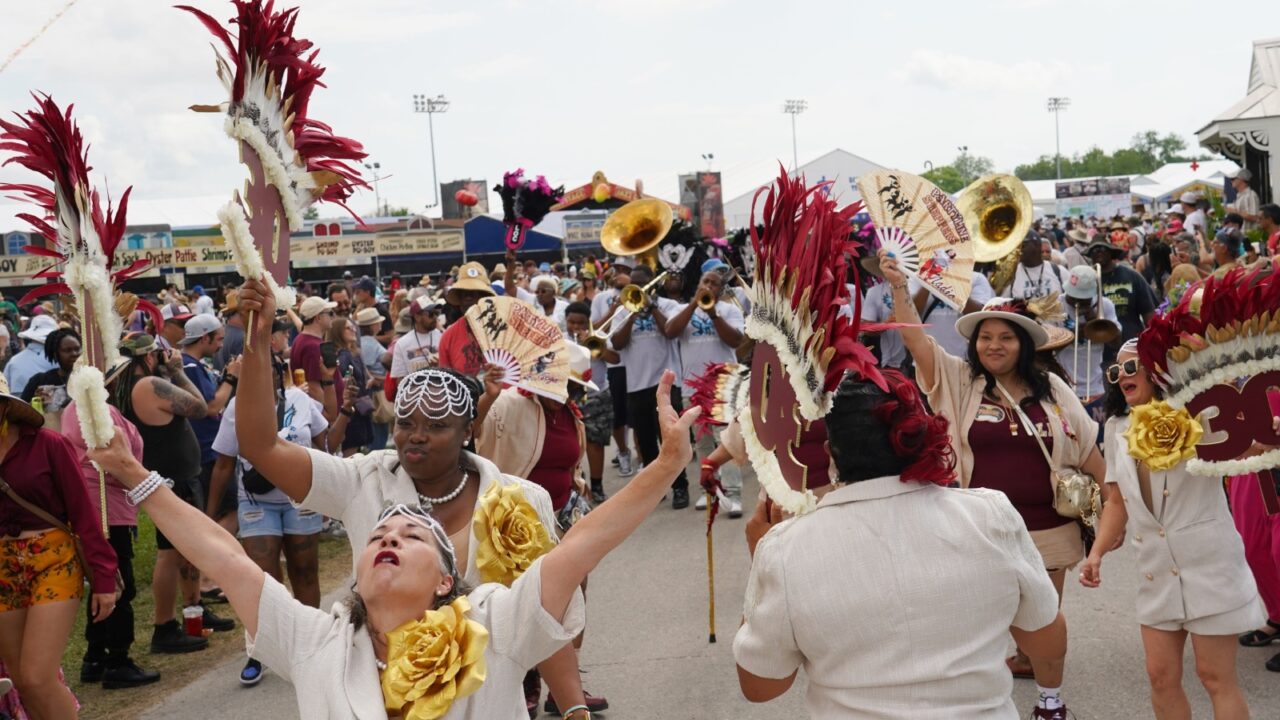
The jazz festival
Fun fact: The New Orleans Jazz & Heritage Festival attracts hundreds of thousands of attendees annually. The festival celebrates music, food, and culture across multiple weekends. It remains one of the largest music festivals in the United States.
This success encourages organizers to expand programming. Additional cultural events are now spread across the calendar. This helps sustain visitor interest year-round.
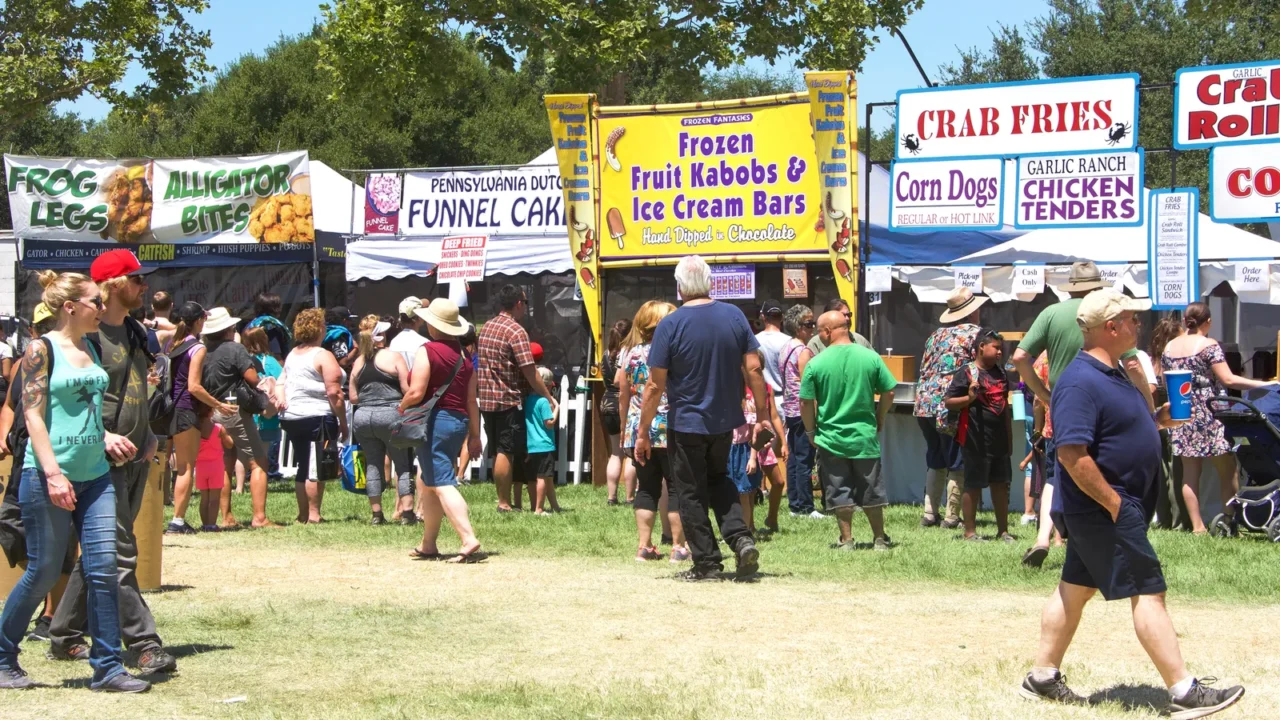
More diverse event offerings
New Orleans is expanding beyond traditional festivals. Food, film, and cultural events now fill gaps between major celebrations. This diversification attracts a wider range of visitors.
Events such as food festivals and art shows appeal to different audiences. Travelers can choose experiences that match their interests. This variety supports longer stays and repeat visits.

Infrastructure handling crowds
City planners are improving infrastructure to support longer seasons. Transportation, public services, and event management systems are being upgraded. These changes help handle steady visitor numbers.
Crowd management is also becoming more efficient. Distributing events across time reduces pressure on popular areas. This approach improves safety and comfort for visitors.

Cultural identity remains strong
Despite expansion, New Orleans maintains its cultural authenticity. Festivals continue to highlight music, food, and traditions rooted in local history. This identity remains a key draw for travelers.
Authenticity is important for repeat visitors. Unique experiences set the city apart from other destinations. Maintaining cultural integrity supports long-term tourism success.
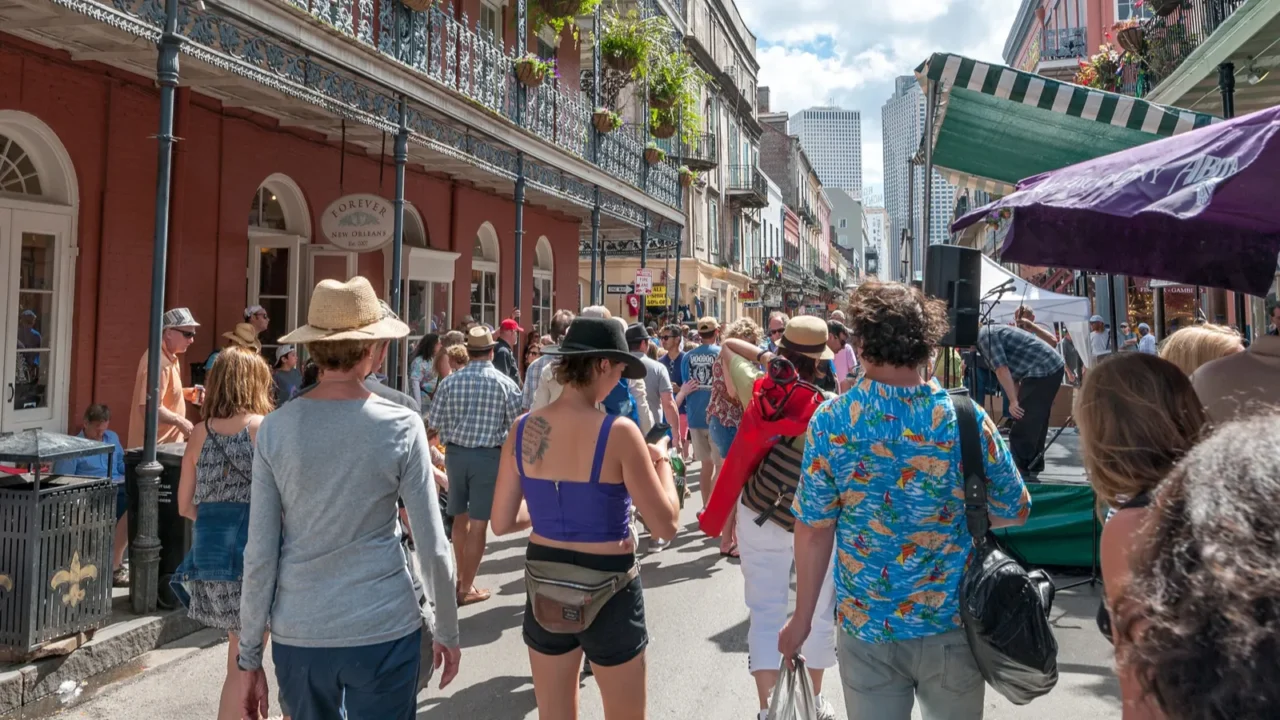
Visitor behavior continues evolving
Travelers are increasingly planning trips around experiences. Festivals provide structured itineraries that make planning easier. This encourages longer stays and more spending.
Flexible travel schedules also support this trend. Visitors are willing to travel outside peak times for better experiences. This shift aligns with the extended festival model.
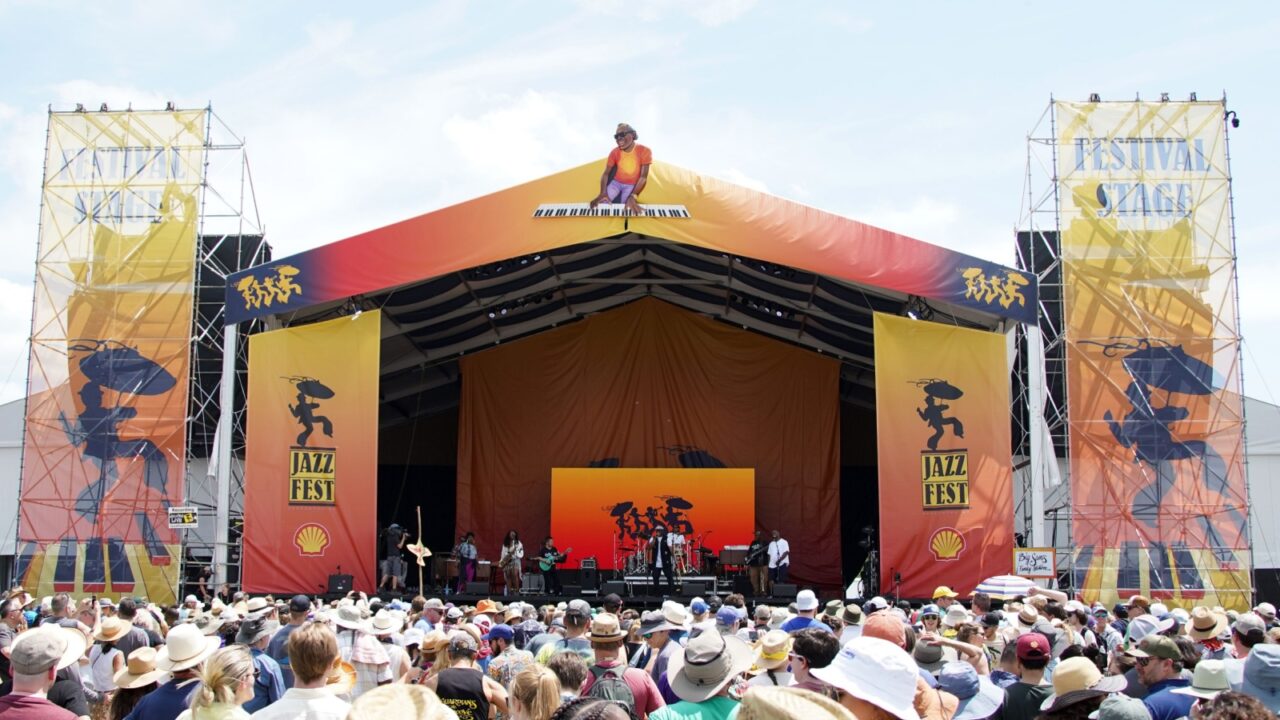
Future of festival tourism
New Orleans is likely to continue expanding its festival strategy. Longer seasons can help manage growth and improve sustainability. This model may influence other cities, as seen in trends like From Nashville to New Orleans, celebrity travel hits a high note.
Tourism leaders are watching these developments closely. Spreading demand across the year reduces pressure on resources. The approach supports long-term destination planning.
What it means ahead
New Orleans shows how extended festivals can reshape travel patterns. Longer stays and diversified events create a more balanced tourism model. This approach benefits both visitors and local communities.
The best trips often blend timing, culture, and flexibility. Which festival season in New Orleans feels like the most exciting time to visit right now? Share your thoughts below.
This slideshow was made with AI assistance and human editing.
Don’t forget to follow us for more exclusive content right here on MSN.
Read More From This Brand:
