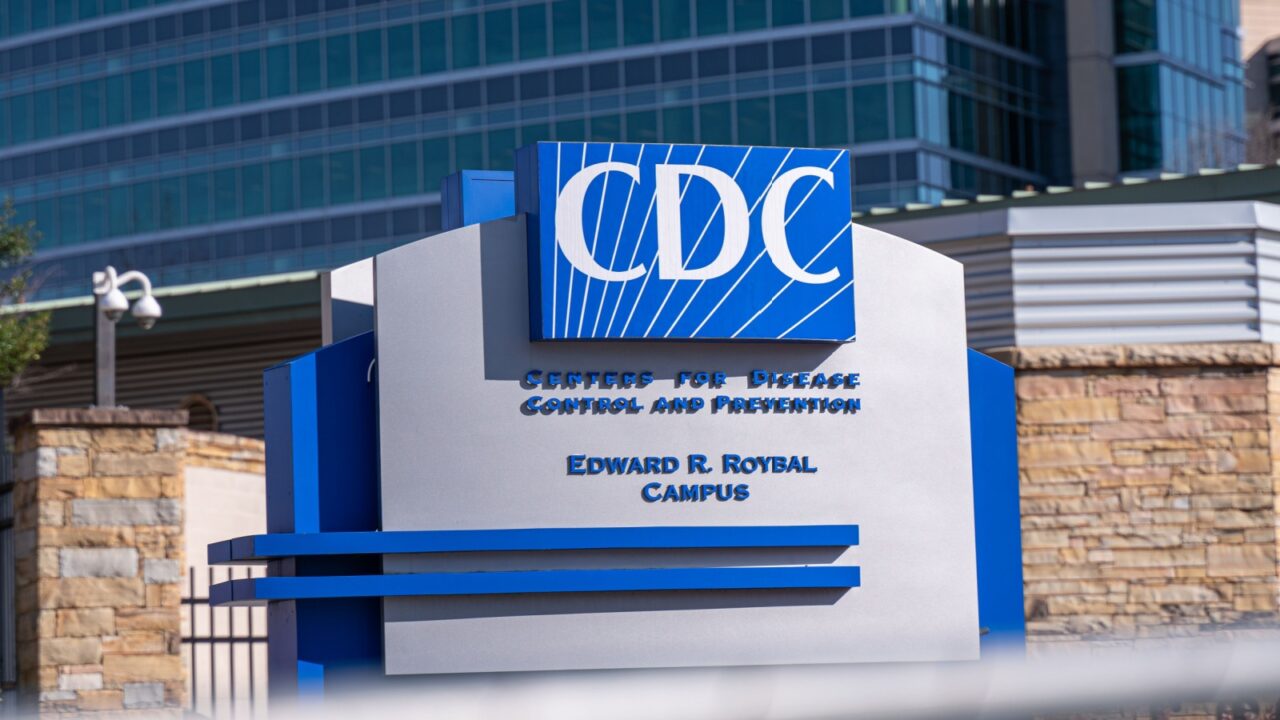
CDC plague monitoring update
Centers for Disease Control and Prevention reports ongoing surveillance of plague, a rare bacterial disease caused by Yersinia pestis, in the United States. Monitoring continues across western states where sporadic human cases have historically been identified. Public health teams track exposures linked to wildlife and rural environments.
The Centers for Disease Control and Prevention continues to coordinate with state health departments in regions such as New Mexico, Arizona, and Colorado. Travel-related awareness is emphasized for outdoor recreation areas where rodent exposure risk is higher. Officials stress early detection and rapid treatment to reduce complications.

CDC case tracking overview
The CDC confirms that plague cases in the United States remain rare and typically occur in rural western states. Most infections are linked to bites from infected fleas or contact with wildlife carriers. Public health systems maintain active surveillance to identify cases quickly.
CDC guidance notes that human cases are uncommon but require immediate medical attention when suspected. Travel activity in affected regions is monitored to reduce exposure risks. Awareness campaigns focus on prevention in outdoor environments.
Western states monitoring
Health authorities across western US states continue coordinated monitoring for plague activity. State agencies work closely with federal partners to track wildlife and environmental indicators. Surveillance focuses on areas with known rodent populations.
CDC-supported programs assist states like New Mexico and Arizona in managing risk assessments. Local health departments report suspected cases for rapid confirmation. Travelers in rural areas are advised to follow safety guidance.
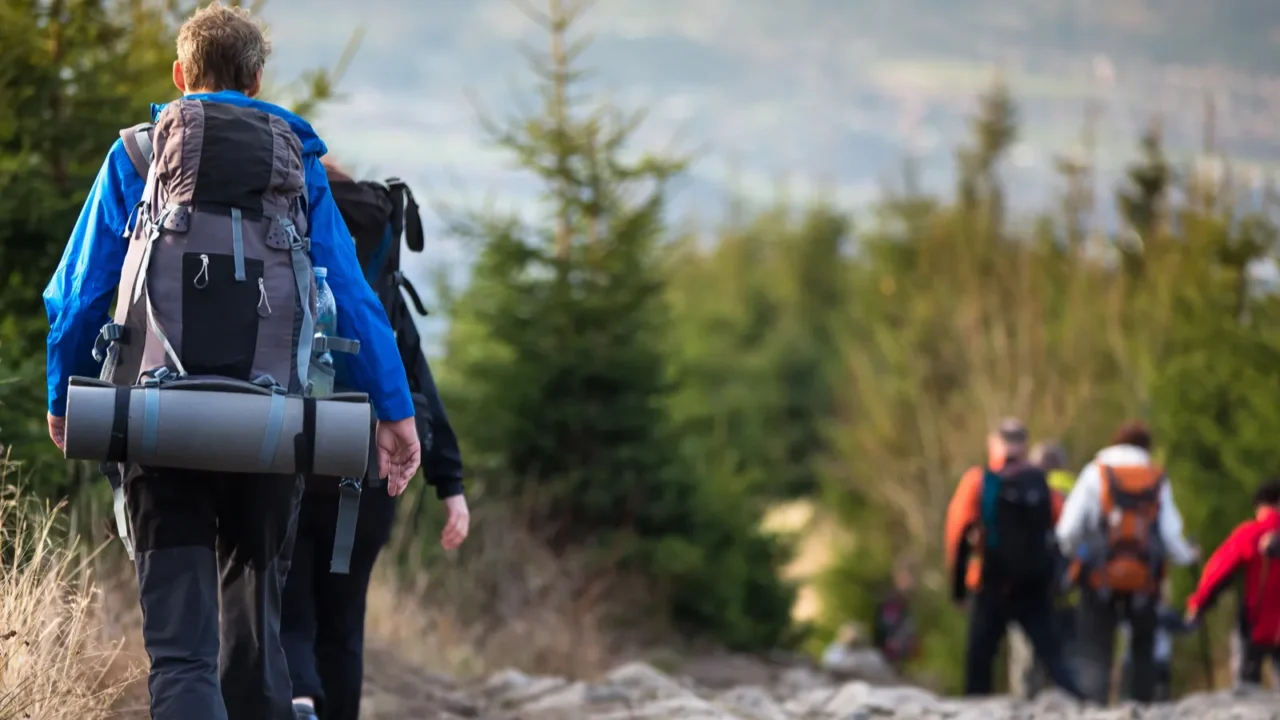
Rural exposure concerns
Plague exposure risk is most associated with rural and semi-rural environments where wild rodents are present. Activities such as hiking and camping can increase contact with infected fleas. Health officials emphasize preventive behavior in these settings.
Some parks and campgrounds in plague-endemic regions provide visitors with safety guidance about rodents, fleas, and food storage. Travelers should follow posted local instructions where they are present. Outdoor precautions help reduce potential exposure during seasonal travel. Awareness remains a key part of public health messaging.

Wildlife transmission cycle
Plague bacteria are primarily maintained in wildlife populations, especially rodents, in certain regions of the United States. Fleas act as the main transmission vector between animals and humans. Human infections occur when this cycle is disrupted.
CDC guidance highlights that domestic pets can also carry fleas from infected wildlife. Travel-related exposure often happens in rural outdoor environments. Preventive measures focus on limiting contact with rodents.

Treatment awareness update
Early treatment for plague is effective when antibiotics are administered promptly after symptoms appear. Health systems in the United States maintain readiness to diagnose and treat suspected cases. Rapid response reduces the risk of severe illness.
Fact: Plague is rare in the United States, with an average of about seven human cases reported each year in recent decades, according to CDC data. Most U.S. cases occur in rural areas of the western states.

Travel advisory messaging
Health agencies continue to issue guidance for travelers heading into rural western regions of the United States. Advisories focus on avoiding contact with wild rodents and their habitats. Prevention remains the primary strategy for risk reduction.
Visitors to national parks and camping areas receive safety reminders during peak outdoor seasons. Travel behavior in these regions is closely linked to environmental conditions. Public health messaging supports safe recreation practices.
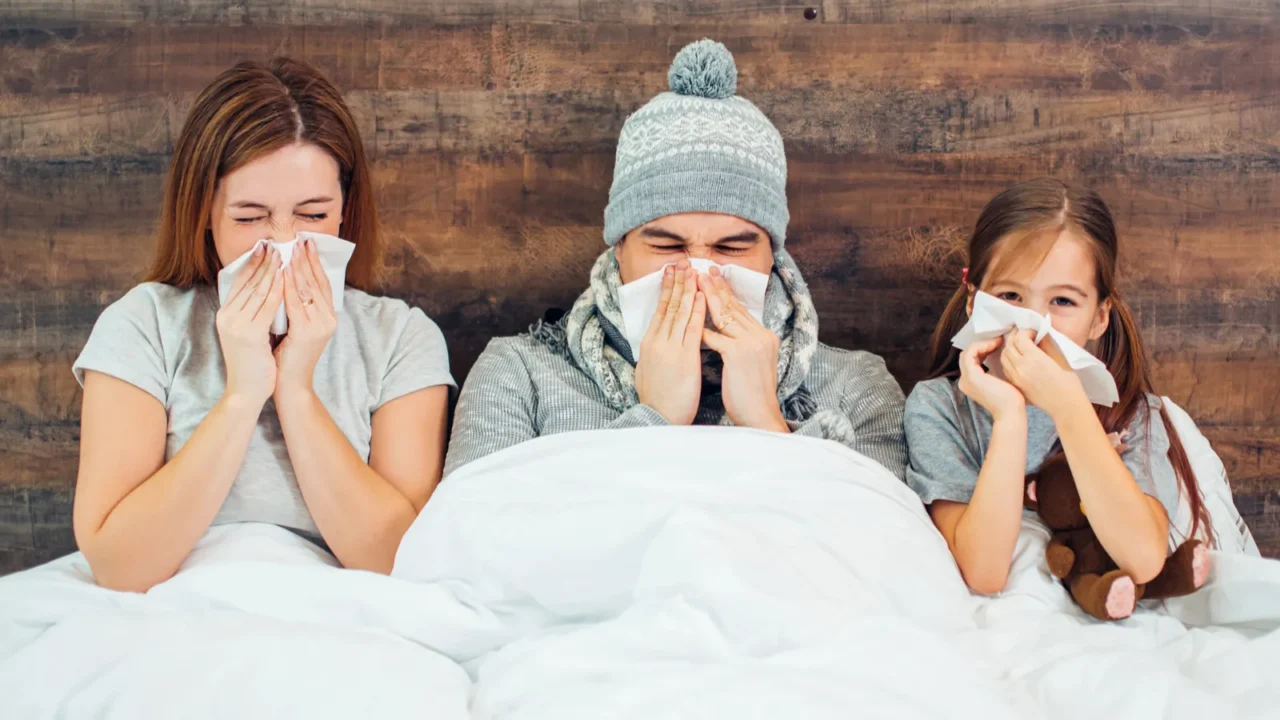
Symptoms recognition focus
Plague symptoms can include fever, chills, headache, weakness, and in bubonic cases, swollen painful lymph nodes. Suspected cases require immediate medical attention because early treatment improves outcomes. Health systems encourage awareness among at-risk populations.
Travelers returning from rural western regions are advised to seek care if symptoms develop. Medical providers in the United States are trained to identify rare infectious diseases. Early diagnosis improves recovery rates significantly.

Health system readiness
Hospitals across the United States maintain protocols for identifying and treating rare infectious diseases like plague. Laboratory testing and rapid diagnosis support effective response. Coordination with public health agencies strengthens preparedness.
Urban medical centers in states like California and Colorado assist rural facilities when needed. Emergency response systems ensure timely treatment access. Public health readiness remains a key focus nationwide.

Outdoor travel precautions
Outdoor recreation remains a key factor in exposure risk in affected regions. Activities such as camping and hiking require awareness of wildlife interactions. Preventive steps help reduce potential infection sources.
Travelers in areas with rodent activity are encouraged to avoid direct contact with animals. Proper food storage and campsite hygiene are emphasized by health agencies. These precautions support safer outdoor travel experiences.

Surveillance technology role
Modern disease surveillance tools help track rare infections across the United States more efficiently. Data sharing between states improves detection speed and accuracy. Technology supports rapid public health responses, especially as cities like Los Angeles brace for blistering summer-like heat and higher health risks.
Geographic tracking of wildlife reservoirs helps identify higher-risk zones. Health departments use this information to guide prevention strategies. Surveillance systems continue evolving with better data integration.

Travel awareness outlook
Health officials continue emphasizing awareness rather than alarm as plague cases remain rare in the United States. Monitoring systems and preventive guidance help reduce risks for travelers in affected regions. Public health coordination remains strong across states.
Travelers planning trips to western outdoor destinations are encouraged to follow updated health recommendations. Awareness of environmental exposure helps maintain safe travel experiences. The best trips are the ones that balance comfort and discovery.
If you found this interesting, give us a like and share your thoughts in the comments.
This slideshow was made with AI assistance and human editing.
Don’t forget to follow us for more exclusive content right here on MSN.
Read More From This Brand:
