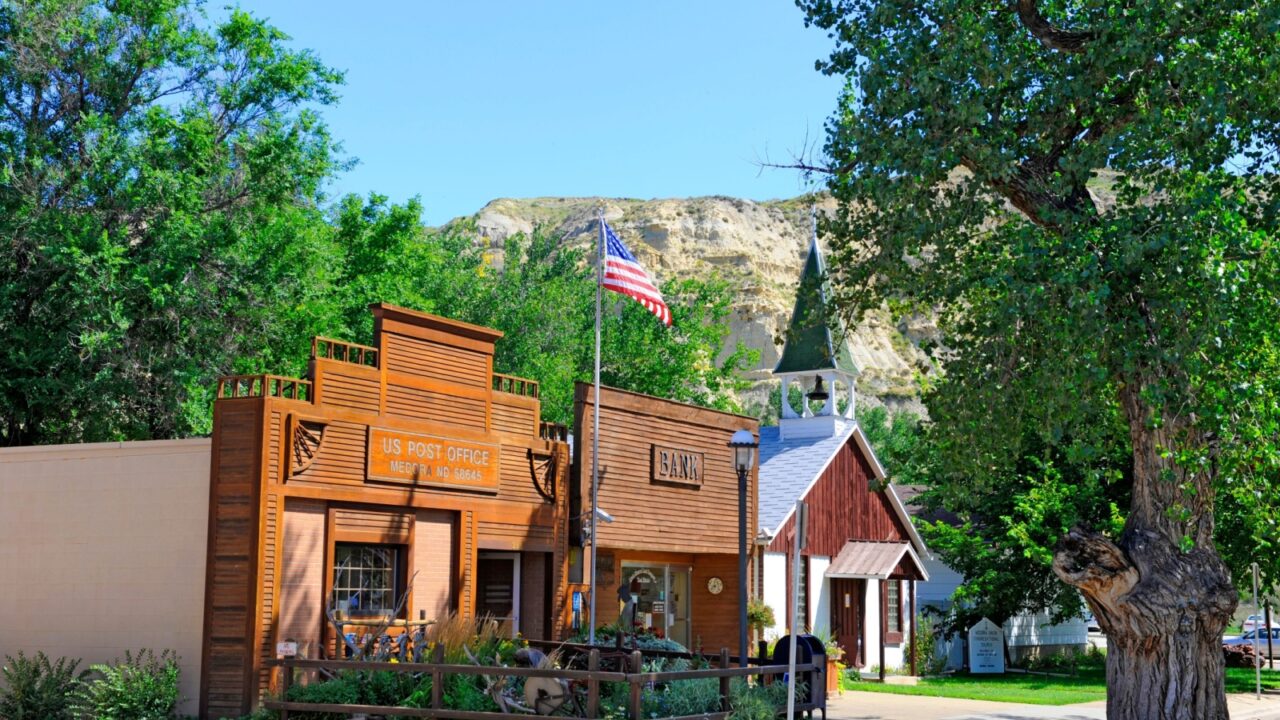
A different travel mood
North Dakota’s prairie towns are attracting travelers who want space, silence, and a mental reset. Instead of packed itineraries, places like Rugby and Bowman offer room to breathe. The landscape itself slows things down before a schedule ever forms.
Wide skies, long horizons, and quiet streets replace screens and notifications. Even small towns like Hettinger move at a gentle pace all day. That shift is becoming the main reason people choose the prairie.
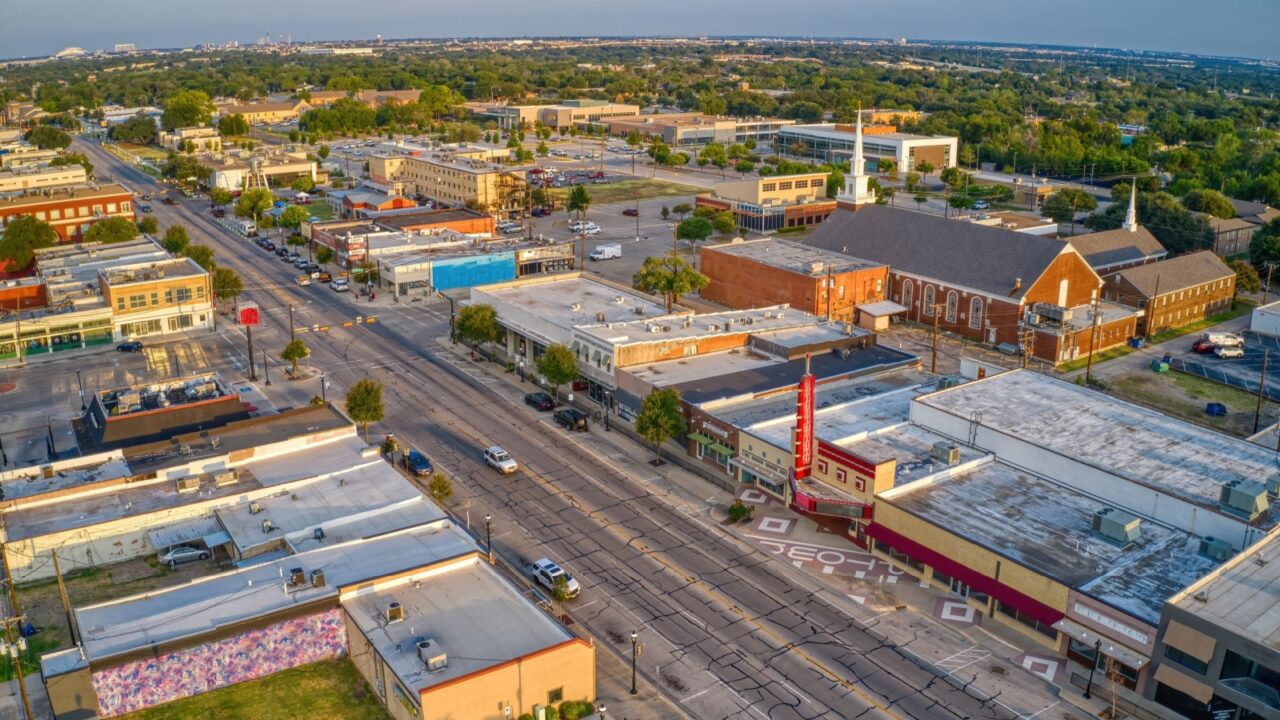
Silence as the luxury
In prairie towns, quiet feels intentional rather than empty or unfinished. Early mornings in places like Crosby or Stanley pass without traffic or background noise. That calm creates space for thought and rest.
Travelers notice how different silence feels without constant interruptions. Even cafes and main streets keep a relaxed tone. The absence of noise becomes part of the experience itself.
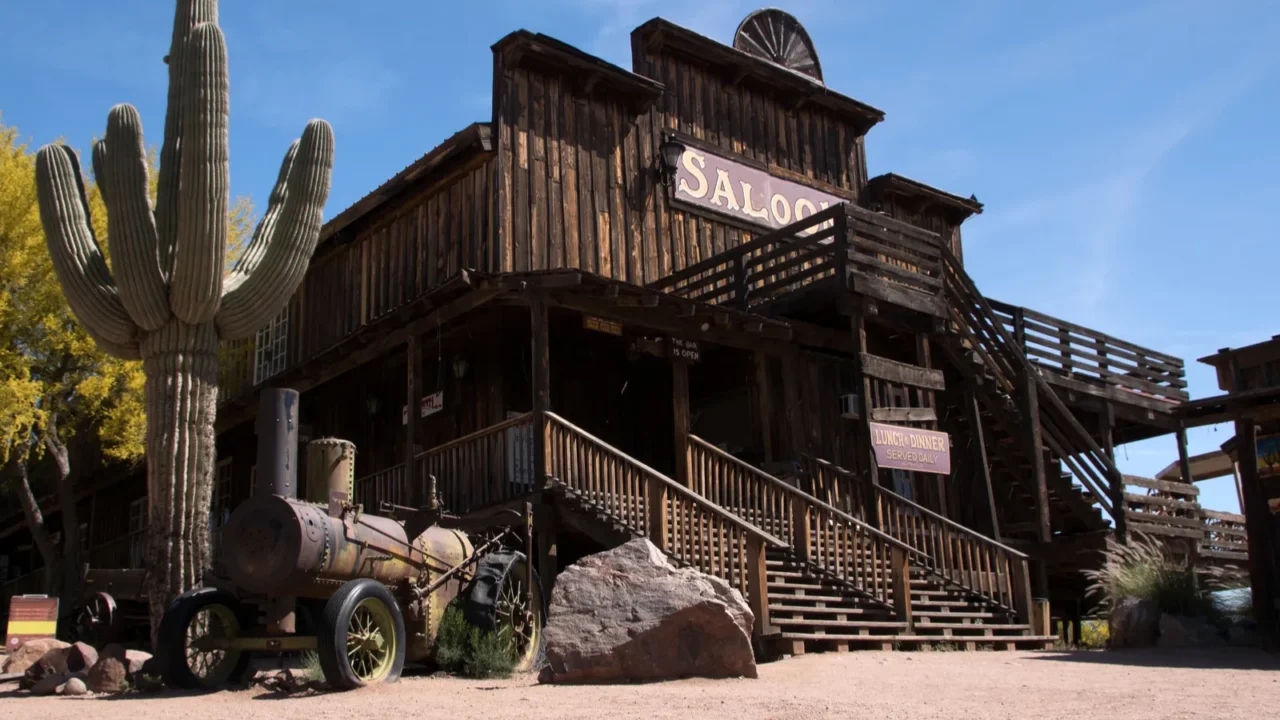
Towns built for pause
North Dakota’s small towns were never designed for rushing crowds. Jamestown and Valley City still revolve around local diners and slow afternoons. Daily life unfolds without urgency or performance.
Sidewalks stay open, and streets remain easy to navigate. Visitors naturally adjust to the rhythm instead of fighting it. That sense of pause feels rare in modern travel.
Prairie landscapes ground travelers
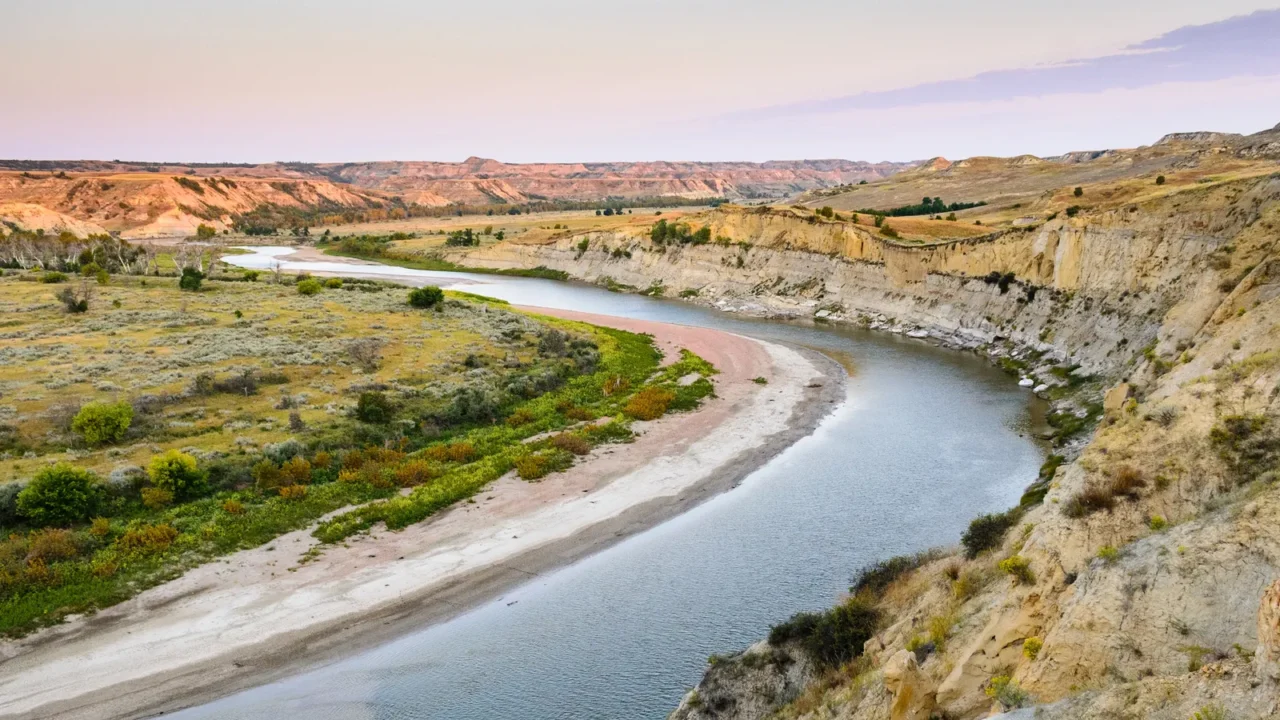
The prairie creates a visual calm that cities can’t replicate. Rolling grasslands near New Salem and Garrison stretch without barriers or distractions. The view encourages stillness instead of stimulation.
Sunsets arrive slowly and feel expansive rather than dramatic. Even short drives become meditative experiences. That grounding effect keeps travelers coming back.
Simple stays feel intentional
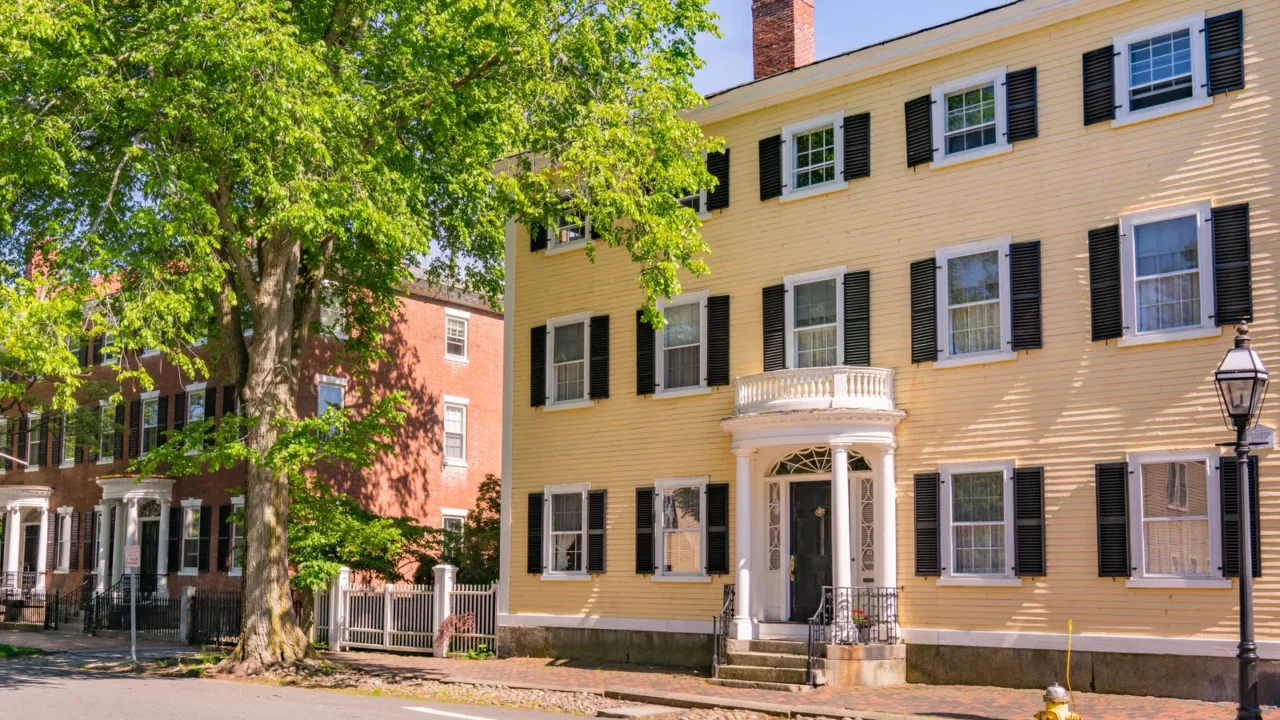
Accommodations in prairie towns focus on comfort over spectacle. Local motels and inns in Rugby or Bottineau keep things uncomplicated and welcoming. There’s no pressure to impress through luxury.
Rooms become places to rest rather than escape. Evenings feel quiet enough for reading or early sleep. That simplicity supports true unplugged travel.
Community feels genuine
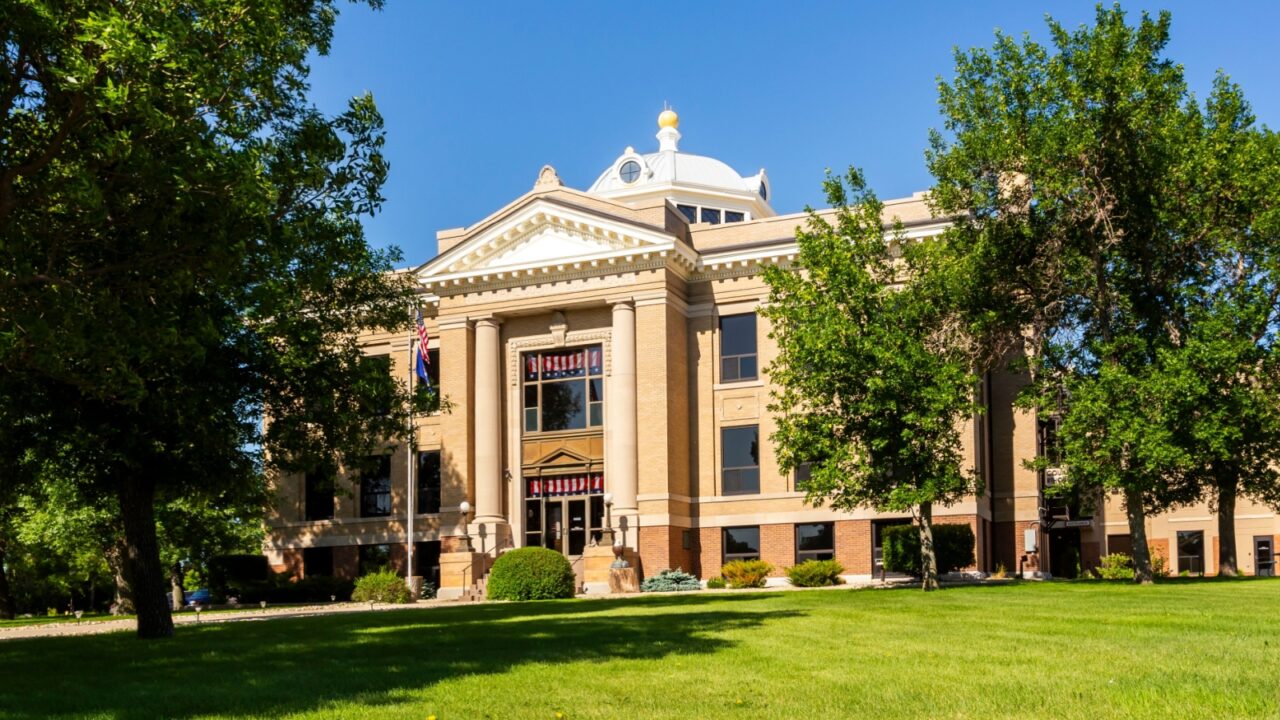
Small towns thrive on familiarity and shared routines. In places like Beulah or Stanley, conversations happen easily and without expectation. Visitors blend into daily life rather than standing apart.
Local shops remember faces and preferences quickly. That warmth creates a connection without effort. It feels natural instead of curated.
Nature without crowds
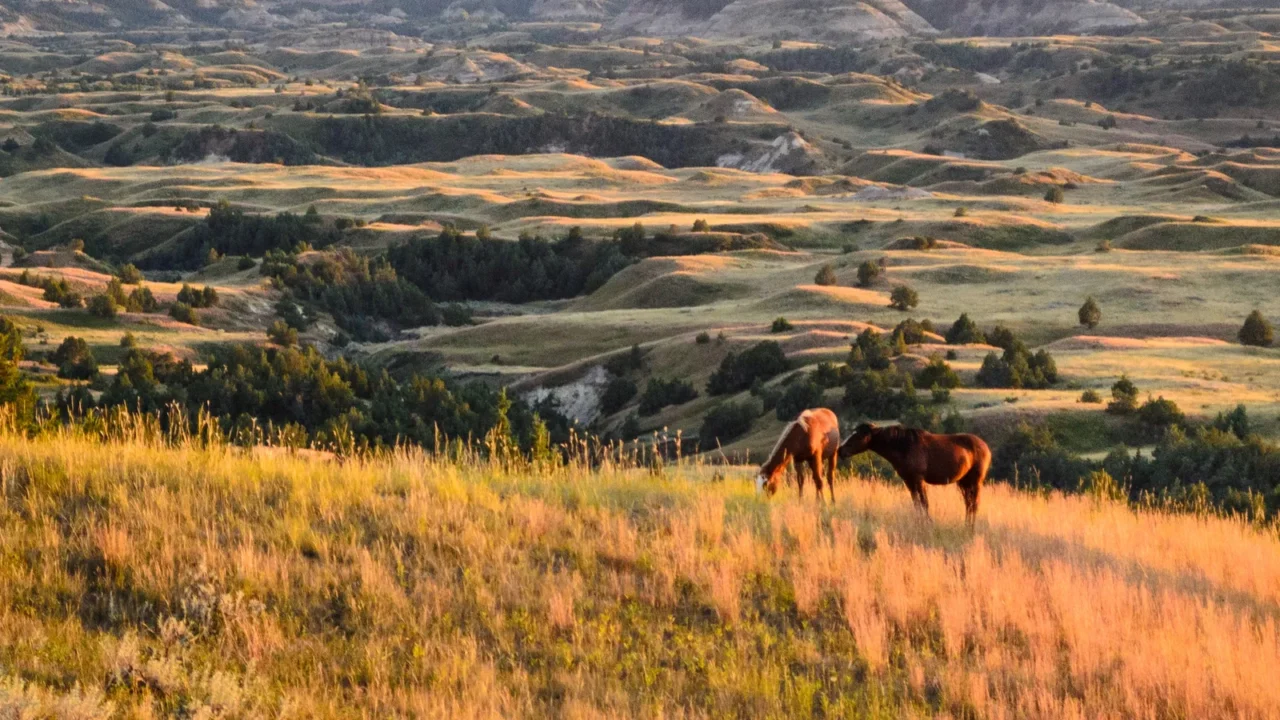
Outdoor spaces remain open and uncrowded across the prairie. Theodore Roosevelt National Park near Medora offers trails with long stretches of solitude. Wildlife sightings happen without competition or noise.
Even lakes near Devils Lake feel calm outside peak weekends. Nature experiences stay personal and unhurried. That freedom appeals to travelers seeking a quiet connection.
Nights bring real darkness
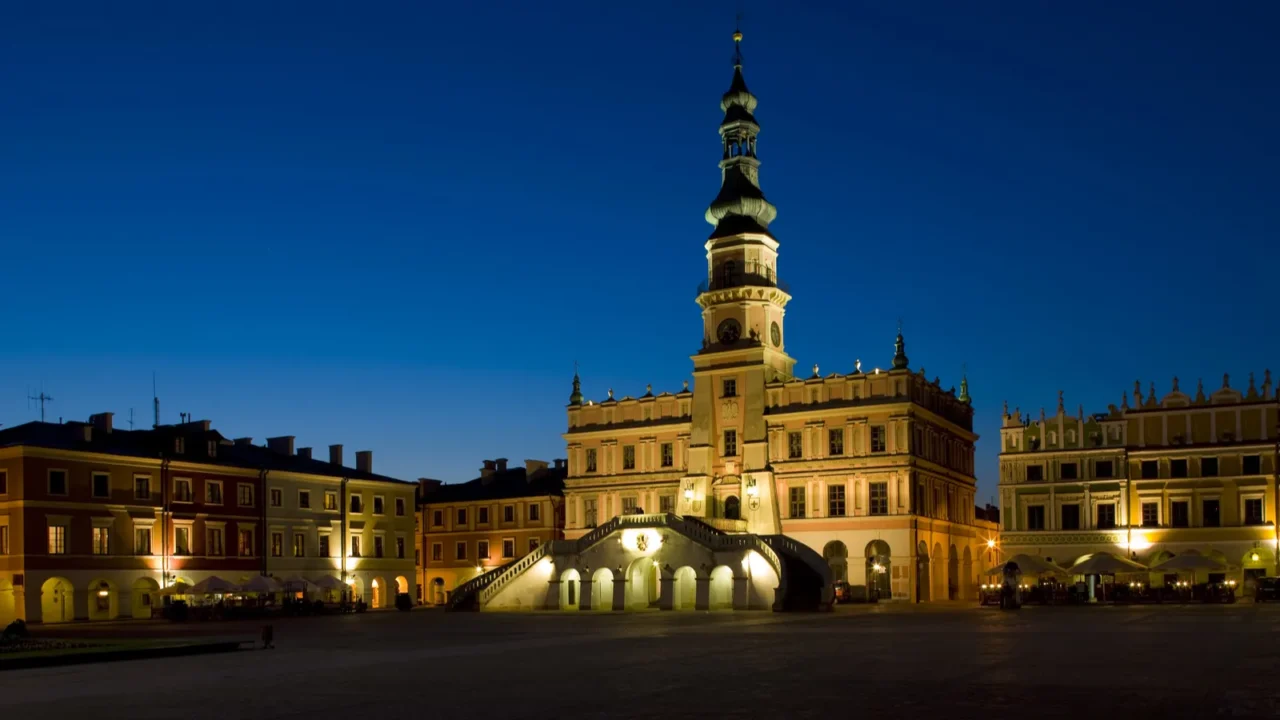
Prairie towns offer something many travelers no longer experience. True darkness settles in after sunset across Bowman or Hettinger. Stars appear clearly without city glow.
Even short evening walks feel peaceful and still. Nighttime becomes restorative instead of overstimulating. That natural rhythm helps reset sleep and energy.
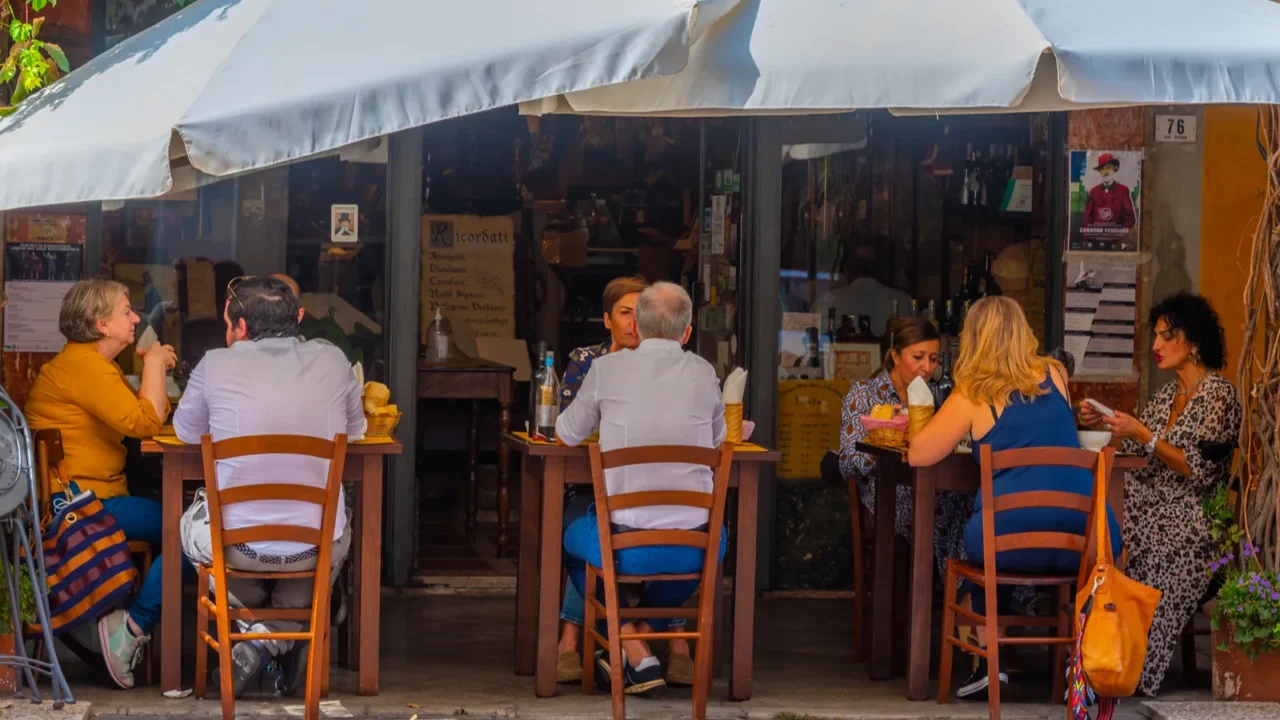
Food stays uncomplicated
Dining reflects local habits rather than travel trends. Cafes in Jamestown or Valley City serve hearty meals with familiar flavors. Menus focus on consistency and comfort.
Meals are unhurried and welcoming. Conversations stretch longer without distractions. Food becomes part of the slow pace rather than a headline attraction.
Fewer plans, better days
Prairie travel doesn’t demand detailed scheduling. Days in New Salem or Crosby unfold based on weather and mood. That flexibility removes pressure from the experience.
Travelers spend time walking, resting, or observing daily life. Moments fill naturally without planning. The lack of structure feels freeing.
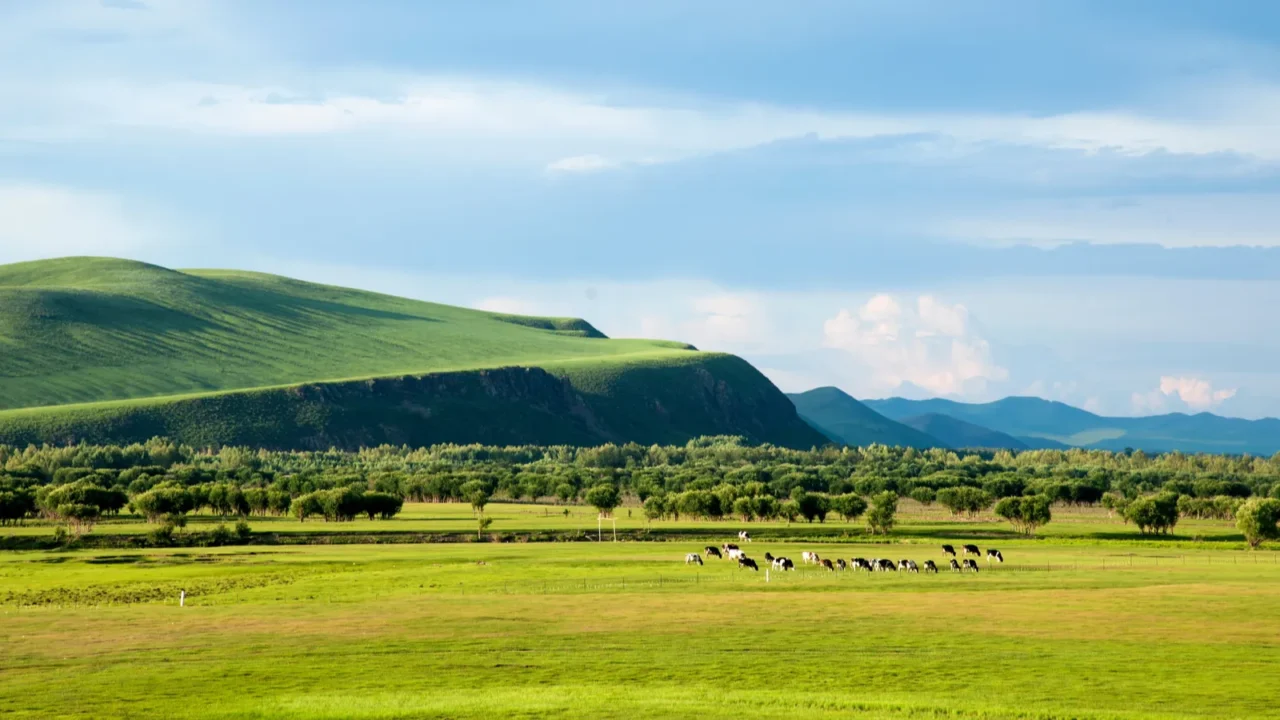
Digital distance feels healthy
Cell service weakens in many prairie areas by default. That distance from constant connection feels refreshing rather than inconvenient. Travelers notice how quickly habits change.
Phones stay unused for longer stretches. Attention shifts toward surroundings instead of screens. That mental clarity becomes a lasting takeaway.
Seasons shape the experience
Each season changes prairie towns in subtle but noticeable ways. Fall harvests near Garrison bring warm color and quiet activity, while winter adds stillness and sharp, clean air. This seasonal sensitivity mirrors broader travel curiosity, including why New Mexico’s ghost towns are attracting history lovers and photographers, where landscapes shift meaning with time.
Spring and summer stretch days longer under open skies. The landscape always feels honest and unfiltered. Seasonal shifts keep return visits meaningful.
Rediscovering intentional travel
North Dakota’s prairie towns remind travelers what slowing down feels like. Places like Medora and Rugby offer rest without selling it as a trend. The appeal comes from authenticity and space.
Unplugged travel here feels natural and sustainable. Visitors leave feeling steadier and more present. That quiet impact is why the prairie is being rediscovered.
If you found this interesting, give us a like and share your thoughts in the comments.
This slideshow was made with AI assistance and human editing.
Don’t forget to follow us for more exclusive content right here on MSN.
Disclaimer: The images used are for illustrative purposes only and do not depict the actual locations mentioned.
Read More From This Brand:
